

P0521 on 2010-2016 Hyundai Genesis Coupe 3.8L: Oil Pressure Sensor Guide
On the 3.8L Genesis Coupe, code P0521 is almost always a failed oil pressure sensor. A flickering oil light at warm idle is the classic symptom. The part is cheap (~$30-$70), but it's buried under the intake manifold, making labor the main expense (4-6 hours, ~$800-$1500+ at a shop).
- P0521 on a 3.8L Genesis Coupe is most likely a bad oil pressure sensor, not a bad engine.
- The key symptom is a flickering oil light at warm idle that vanishes when you rev the engine.
- The repair is very labor-intensive (4-6+ hours) because the sensor is buried under the intake manifolds.
- Before starting this expensive repair, ALWAYS confirm the real oil pressure with a mechanical gauge.
- Use a genuine Hyundai (OEM) sensor for the replacement to avoid having to do this difficult job a second time.
What's Unique About the 2010-2016 Hyundai Genesis Coupe
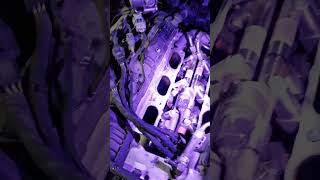
The Lambda II 3.8L V6 engine is well-known for oil pressure sensor failures. The primary issue for owners is not the part's reliability but its location. Hyundai placed the sensor deep in the 'V' of the engine, underneath the entire upper and lower intake manifold assembly. This turns a simple, inexpensive part replacement into a significant, labor-intensive job that is 🎬 Watch: This walkthrough shows the sensor location and replacement process. frustrating for both DIYers and professional technicians. Forum users have noted the need for custom-modified wrenches to access the sensor due to the tight space.
Generation note: This guide covers both the BK1 (2010-2012, 3.8L MPI) and BK2 (2013-2016, 3.8L GDI) generations of the Genesis Coupe. The cause, symptoms, and difficult repair process for code P0521 are consistent across both generations as the fundamental engine architecture and sensor location are the same.
Symptoms You May Notice
- Check Engine Light is on
- Flickering or constantly illuminated oil pressure warning light, especially at warm idle
- Oil pressure light turns off when engine RPMs increase slightly above idle
- Oil pressure gauge (if equipped) showing erratic or zero readings
- In rare cases of actual low pressure, engine running rough or making unusual noises.
- Replacing the oil pump without first verifying low pressure with a mechanical gauge.
- Assuming any engine noise is unrelated, when it could be a sign of a true oil starvation issue.
Most Likely Causes
- Faulty Engine Oil Pressure Sensor 🔴 High Probability This specific sensor is a widely documented failure point on the Hyundai 3.8L Lambda V6 engine platform. Its location in the hot engine valley contributes to premature failure.
How to confirm: The definitive test is to compare the sensor's reading to a mechanical oil pressure gauge. If the mechanical gauge shows good pressure (e.g., >15-20 PSI at warm idle) while the dashboard light is on, the sensor is bad. Visually, oil found inside the electrical connector pigtail is a clear sign the sensor's internal seal has failed.
Typical fix: Replace the oil pressure sensor. Due to the extreme labor involved, it is highly recommended to use a genuine Hyundai OEM part to ensure longevity.
Est. part cost: $30-$70 - Incorrect Oil Level or Type 🟡 Medium Probability Using oil with the wrong viscosity (e.g., too thin) or having a low oil level can cause the pressure to drop below the sensor's expected range at idle, triggering the code. Dirty or sludged oil can also clog passages and affect sensor readings.
How to confirm: Check the oil level on the dipstick. Verify the oil viscosity used during the last oil change against the manufacturer's specification (typically 5W-20 or 5W-30).
Typical fix: Perform an oil and filter change using the correct viscosity full synthetic oil and a high-quality OEM filter.
Est. part cost: $50-$100 - Wiring or Connector Issue ⚪ Low Probability The sensor is known to fail by leaking oil through its body, which can saturate the electrical connector and degrade the wiring over time, causing a poor signal. The wiring harness runs through a hot, tight area and can become brittle or damaged.
How to confirm: During sensor replacement, inspect the connector pigtail for oil contamination, corrosion, or broken wires.
Typical fix: Clean the connector with electrical contact cleaner. If the connector or wiring is damaged, it will need to be repaired or replaced.
Est. part cost: $20-$50
Rare But Worth Checking
- Failing Oil Pump or Clogged Oil Pickup Tube: → Shop Engine Oil Pump This is a serious mechanical failure. If a mechanical gauge confirms that the oil pressure is truly low, the engine should not be run. The oil pan must be removed to inspect the oil pump and pickup tube.
Diagnosis Steps
- Check the engine oil level and condition. Ensure it is full and not overly dirty or sludgy.
- Verify the correct engine oil viscosity and a quality oil filter are being used. If in doubt, perform an oil change.
- Scan the vehicle for any other trouble codes that may be related.
- Crucial Step: Connect a mechanical oil pressure gauge to the engine. This is the most important step to differentiate a sensor fault from a real pressure problem. The oil pressure sensor port is the location for this test.
- Start the engine and let it warm up. Compare the reading on the mechanical gauge to the vehicle's oil light/gauge behavior.
- If the mechanical gauge shows stable, normal pressure while the car's warning light is on, the oil pressure sensor or its wiring is faulty. Proceed with sensor replacement.
- If the mechanical gauge confirms low oil pressure, stop the engine immediately. The problem is mechanical (e.g., oil pump, internal blockage, worn bearings) and requires further engine diagnostics.
Parts You'll Likely Need
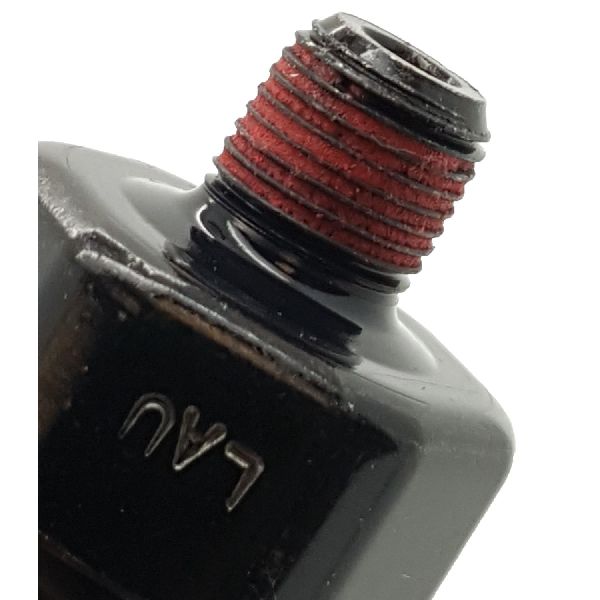
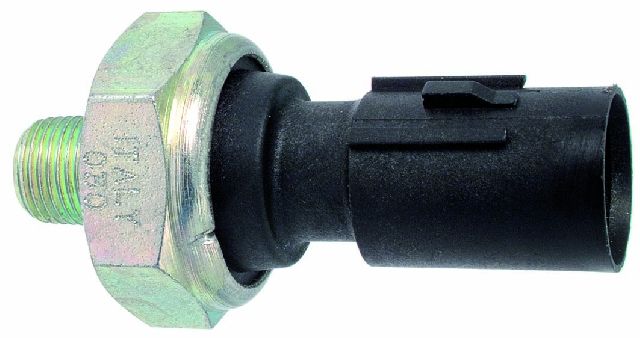
- Engine Oil Pressure Sensor (Switch)
(OEM #94750-2M100)— This is the most common failure item for code P0521 on this engine. It fails internally, giving false readings, or leaks oil into its own connector.
Trusted brands: Hyundai (OEM)
OEM price range: $50-$80
Aftermarket price range: $25-$50 - Intake Manifold Gasket Set
(OEM #Upper: 29215-3C500, Lower: 28411-3C500 (Verify by VIN))— These are single-use gaskets that must be replaced when the upper and lower intake manifolds are removed to access the sensor.
Trusted brands: Hyundai (OEM), Mahle, Fel-Pro
OEM price range: $40-$60
Aftermarket price range: $20-$40 - Throttle Body Gasket
(OEM #35175-3C100 (Verify by VIN))— Recommended 'while you're in there' replacement, as the throttle body must be removed from the intake manifold.
Trusted brands: Hyundai (OEM)
OEM price range: $5-$15
Aftermarket price range: $3-$10
Technical Service Bulletins (TSBs) & Recalls
- While no TSB is specific to P0521 on the Genesis Coupe, Hyundai/Kia have issued TSBs for similar codes on other GDI engines which often point to sensor failure or software updates. A GM TSB for P0521 (SB-10059078-4342) on unrelated engines also highlights the commonality of sensor-related issues.
Mechanic-Grade Diagnostic Values
- Oil Pump Relief Valve Opening Pressure — expected: 450 - 550 kPa (65 - 80 psi). Failure: A mechanical gauge reading significantly below this range under load could indicate a failing oil pump, assuming no other restrictions exist.
- Minimum Safe Oil Pressure (User-Reported) — expected: >16 PSI at warm idle. Failure: Dropping below this pressure at idle is a common trigger for the warning light and indicates either a bad sensor or a true low-pressure state.
- Oil Pressure Sensor Signal Voltage (Generic) — expected: Typically ~0.5V at low pressure and ~4.5V at high pressure.. Failure: A voltage that is stuck, or does not correlate with engine RPM changes, points to a faulty sensor or wiring.
Wiring & Ground Locations
- Oil Pressure Switch Connector — Deep in the 'V' of the engine, under the lower intake manifold, near the oil filter housing.. This is the single-pin connector for the sensor itself. It is prone to oil contamination from the sensor failing internally, which can disrupt the signal to the ECM.
- ECM (Engine Control Module) — Located at the left rear of the engine compartment.. This module receives and interprets the signal from the oil pressure sensor. All diagnostic wiring checks ultimately lead back to the ECM connector pins.
- Primary Engine/Chassis Grounds — Various points on the frame, fuse box mount, and engine block (picker loop). Specific designators like GE03 and GE04 are noted in wiring diagrams near the left kick panel.. A poor engine ground can cause floating or erratic voltage readings across multiple sensors, including the oil pressure sensor, leading to false codes.
Real Owner Repair Stories
- Reddit r/genesiscoupe user TriChiBrewer191 (Hyundai Genesis Coupe 3.8L (year not specified, but behavior is common to all)) — Oil light came on. A visual inspection showed an oil leak that appeared to be from the rear main seal, but forum research suggested the oil pressure switch. Another user in the same thread reported the classic flickering oil light at low RPMs with no external oil leak.
❌ Tried (didn't work) The initial visual diagnosis pointing to a rear main seal was incorrect.
✅ What actually fixed it The user replaced the oil pressure switch located in the 'V of the motor'. The repair took approximately 4 hours and required creating a custom-notched wrench to access the switch in the tight space. This resolved the oil light and leak.
OEM Part Supersession History
94750-2M100→Unknown— This is the most commonly cited OEM part number for this application. Other numbers like 94750-37100 and 94750-2A000 appear in forums and listings, but it is not confirmed if they are official supersessions or variations.
Heads up: Given the high labor cost, using the exact part number specified for the vehicle's VIN is critical. Do not substitute with a similar-looking part.
Model Year Variations Within This Range
- 2010-2012 (BK1) vs. 2013-2016 (BK2): The primary difference is the engine's fuel delivery system: the BK1 uses Multi-Port Injection (MPI), while the BK2 uses Gasoline Direct Injection (GDI). The GDI engine is a 'revamped' version with different heads, pistons, and tuning, resulting in higher horsepower. However, for the P0521 code, this distinction is minor as the oil pressure sensor's function, failure mode, and extremely difficult location in the engine valley are identical for both generations.
Diagnostic Flowchart
Other Known Issues on This Vehicle
Issues unrelated to this code that are worth knowing about as an owner of this generation:
- Manual Transmission Gear Grind / Lockout 🟠 Medium — Very common, especially on BK1 (2010-2012) models. Often presents as a grind or lockout shifting into 2nd, 3rd, or 5th gear. (Ref: No official recall, but widely discussed. BK2 (2013-2016) models received improved synchronizers. Owners often mitigate with better transmission fluid (e.g., Redline MT-85) and upgraded transmission mounts.)
- Leaking Tail Light Gaskets 🟡 Low — Extremely common across all years. The OEM foam gaskets degrade, allowing water to enter the trunk, pool in the spare tire well, and potentially cause mold or electrical issues. (Ref: No recall for the Coupe, but a similar issue prompted a recall on the 2015 Genesis Sedan. Aftermarket gaskets (e.g., ATQ) are a popular, permanent fix.)
- Timing Chain Rattle on Cold Start (BK1) 🔴 High — Common on higher-mileage BK1 (2010-2012) 3.8L MPI engines. A brief rattle on cold start indicates wear on the timing chain tensioners or guides. If ignored, can lead to chain slack, skipped timing, and catastrophic engine failure. (Ref: No recall, but it is a well-documented engine issue requiring a labor-intensive repair to replace the chain, guides, and tensioners.)
- Carbon Buildup (BK2 GDI) 🟠 Medium — An inherent issue for all Gasoline Direct Injection (GDI) engines, including the 2013-2016 3.8L. Over time (typically 60k-100k miles), carbon builds on intake valves, leading to reduced performance and misfires. (Ref: Not a defect, but a maintenance consideration. Requires periodic walnut blasting or manual cleaning of the intake valves.)
- Peeling Interior Chrome Trim 🟡 Low — Common across all model years. The clear coat on the 'chrome' plastic trim on the steering wheel, door handles, and center console flakes off over time. (Ref: Purely cosmetic. No TSB or recall.)
Used vs. New Parts: Buying Guide for This Vehicle
When a used part is the smart pick: For this specific repair, using a used part is almost never a smart choice for the sensor itself. The only time used parts would be considered is for major surrounding components like the intake manifold or fuel rails if they were damaged during the repair.
Donor-vehicle mileage cap: roughly under 100000 miles for the part to have meaningful remaining life.
What to inspect on the donor part:
- For a used intake manifold, inspect for any cracks, especially around bolt holes.
- Ensure all threaded holes are intact and not stripped.
- Verify the mating surfaces are flat and free of deep gouges.
OEM-only on this vehicle (don't cheap out):
- Engine Oil Pressure Sensor: The labor to replace this part is 4-6+ hours. The cost of a genuine Hyundai OEM sensor is a small fraction of the total repair cost. Using a cheap aftermarket sensor introduces a significant risk of premature failure, which would require repeating the entire expensive job. This is not worth the risk.
- Intake Manifold Gaskets: These are single-use items and must be new. Using high-quality OEM or reputable aftermarket (e.g., Fel-Pro, Mahle) gaskets is essential to prevent vacuum or coolant leaks after reassembly.
Aftermarket brands forum-validated for this vehicle:
- For gaskets: Fel-Pro, Mahle.
- For the sensor itself: Sticking to Hyundai OEM is the universally recommended practice by experienced owners and technicians.
Brands owners have reported issues with on this vehicle:
- Any unbranded, low-cost oil pressure sensors from online marketplaces. The potential for poor quality control and premature failure makes them a poor choice for a part that requires such intensive labor to access.
Real Owner Stories
Aggregated from forums and TSBs cited above. Mileages and costs reflect what owners reported in those sources.
2013-2016 Hyundai Genesis Coupe 3.8L V6
Symptoms: The oil pressure light was flickering at low RPMs.
What fixed it: Replacement of the oil pressure switch/sensor located in the 'V of the motor'. The repair required removing the intake, plenum, and fuel rails, and using a custom notched wrench.
Source hint: Reddit r/genesiscoupe Thread Title: 'Oil Pressure Switch Failure'
2010-2016 Hyundai Genesis Coupe 3.8L V6
Symptoms: Flickering oil pressure light specifically at idle.
What fixed it: Replacing the primary oil pressure sensor located under the intake manifold.
Source hint: gencoupe.com
Related OBD-II Codes
Frequently Asked Questions
Is there a specific TSB for the P0521 code on my 2010-2016 Hyundai Genesis Coupe?
Why is the oil pressure sensor failure so common on the 3.8L Lambda V6 engine?
Can I replace the oil pressure sensor myself on my Genesis Coupe 3.8L?
What kind of oil should I use to prevent pressure-related codes in my 2013-2016 BK2 GDI?
My oil light flickers at idle but goes away when I rev the engine. Is this P0521?
Should I use an aftermarket sensor to save money on the repair?
Helpful Videos
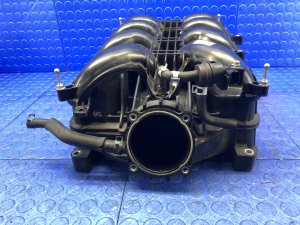
Used OEM Parts in Stock
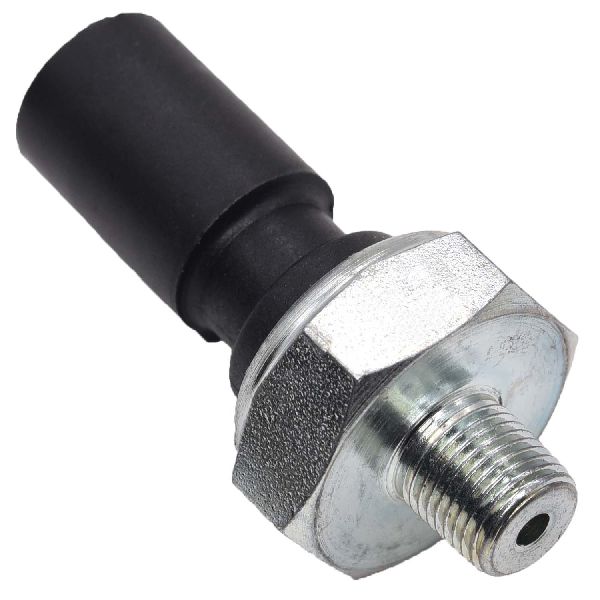
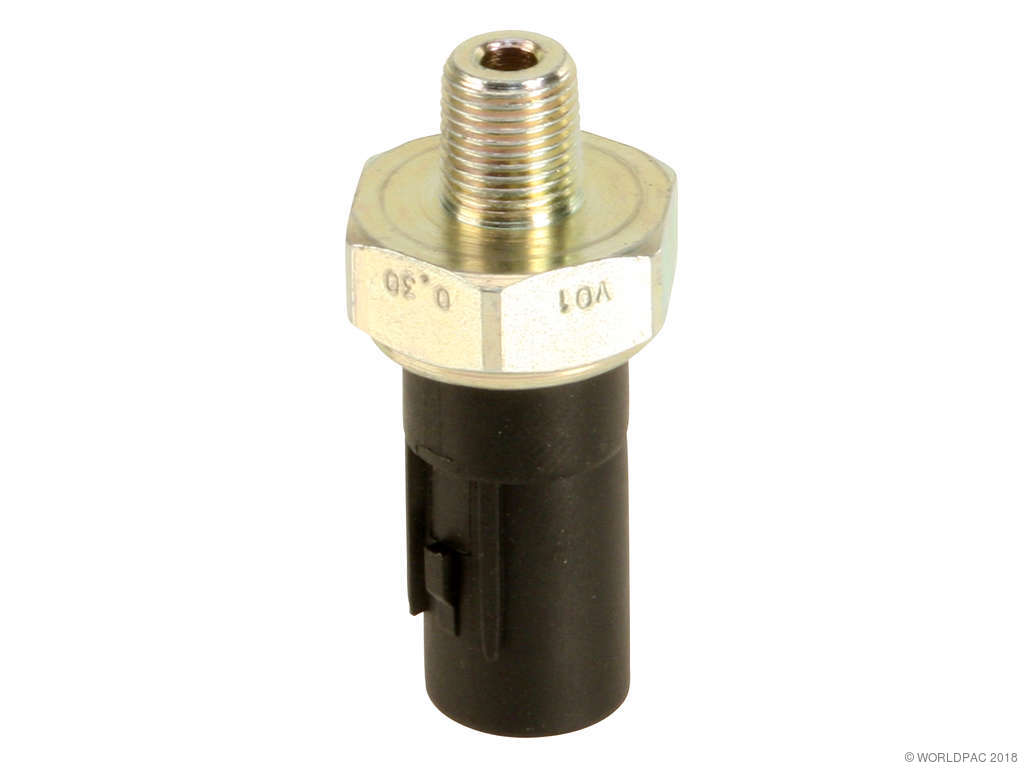
New Aftermarket Parts Available


The information in this article is provided for general reference and educational purposes only. Vehicle specifications, procedures, and part compatibility can vary by production date, trim level, and region. Always consult your vehicle's factory service manual and verify part numbers before purchasing or performing repairs. Safety-critical components such as airbags, seat belts, and braking systems should be installed by a qualified professional.
- Hyundai Genesis Coupe:
- 🧭 Diagnostic Flowchart
- 🎬 Helpful Videos
- 🛍️ Shop This Part
- What's Unique About the 2010-2016 Hyundai Genesis Coupe
- Symptoms You May Notice
- Most Likely Causes
- Rare But Worth Checking
- Diagnosis Steps
- Parts You'll Likely Need
- Technical Service Bulletins (TSBs) & Recalls
- Mechanic-Grade Diagnostic Values
- Wiring & Ground Locations
- Real Owner Repair Stories
- OEM Part Supersession History
- Model Year Variations Within This Range
- Other Known Issues on This Vehicle
- Used vs. New Parts: Buying Guide for This Vehicle
- Real Owner Stories
- 2013-2016 Hyundai Genesis Coupe 3.8L V6
- 2010-2016 Hyundai Genesis Coupe 3.8L V6
- Related OBD-II Codes
- Frequently Asked Questions
- 🎟️ Get 5% Off