

P0521 on 2010-2014 Subaru Outback 3.6L: Oil Pressure Sensor Causes and Fixes
On a 2010-2014 Subaru Outback 3.6L, code P0521 is most often caused by a failing oil pressure sensor. Before replacing it, always check your oil level and have the mechanical oil pressure tested to rule out a serious engine problem. A new sensor is an affordable part, typically under $50.
- P0521 means the oil pressure sensor is giving an illogical reading. It's a warning about the monitoring system.
- CRITICAL: Before buying any parts, check your oil level and have a mechanic verify the engine's actual oil pressure with a mechanical gauge, following the Subaru TSB procedure.
- Driving with a potential low oil pressure condition can destroy your engine. Stop immediately if the red oil warning light is on.
- The most common fix is a new OEM oil pressure sensor, which is an inexpensive part but can be tricky to access under the alternator.
- Forum reports suggest that using non-OEM sensors can lead to repeated, premature failures, making the Genuine Subaru part a worthwhile investment.
What's Unique About the 2010-2014 Subaru Outback
For the EZ36D 3.6L H6 engine, there are no widespread, documented design flaws that make it uniquely susceptible to the P0521 code. The issue is not as commonly discussed in owner forums for the 3.6R as it is for other Subaru engines (like the FB25 4-cylinder). The diagnostic process is standard, but the location of the sensor, tucked under the alternator on the front of the boxer engine, makes replacement a bit more involved than on some other vehicles. The EZ36D engine is generally considered very reliable.
Symptoms You May Notice
- Check Engine Light is on
- Red oil pressure warning light may be on or flickering
- Engine may run rough or make unusual noises if actual oil pressure is low
- In some cases, the vehicle may enter a 'limp mode' with reduced power to protect the engine
- Oil pressure gauge (if equipped) reading abnormally high or low
- Replacing the oil pressure sensor without first verifying the actual mechanical oil pressure. If the pressure is truly low, a new sensor will not fix the problem and the engine remains at risk.
Most Likely Causes
- Faulty Engine Oil Pressure Sensor (Switch) 🔴 High Probability Oil pressure sensors are a common failure item on many vehicles as they age. They are exposed to heat, vibration, and oil, which can degrade their internal electronics over time. The sensor can also fail internally and leak oil through the connector itself, which is a definitive sign of failure.
How to confirm: After confirming the oil level is correct and verifying with a mechanical gauge that the actual oil pressure is within spec, the sensor is the prime suspect. If the sensor's electrical connector is filled with oil, it has failed internally and must be replaced.
Typical fix: Replace the oil pressure sensor. On the EZ36D, the sensor is located on the front of the engine block, underneath the alternator, making access tight.
Est. part cost: $20-$60 - Low or Incorrect Engine Oil 🟡 Medium Probability
How to confirm: Check the engine oil dipstick. The level should be between the 'low' and 'full' marks. Also, check the oil's condition. If it's very old, dirty, or the wrong viscosity (e.g., too thick or too thin), it can affect pressure readings. Using the wrong type of oil filter can also cause this code.
Typical fix: Top off the oil to the correct level or perform a complete oil and filter change using the manufacturer-specified viscosity (5W-30) and a quality oil filter.
Est. part cost: $40-$90 - Wiring or Connector Issue ⚪ Low Probability
How to confirm: Visually inspect the wiring harness and connector going to the oil pressure sensor. Look for any signs of damage, corrosion, or loose pins. Oil leaking from a faulty sensor can also contaminate the connector and disrupt the signal.
Typical fix: Repair the damaged section of the wiring harness or clean/replace the connector pigtail.
Est. part cost: $15-$50
Rare But Worth Checking
- Failing Oil Pump or Stuck Pressure Relief Valve: → Shop Engine Oil Pump This is a serious mechanical failure. If a mechanical oil pressure test shows pressure is genuinely low, erratic, or excessively high, the oil pump or its internal pressure relief valve may be at fault.
- Clogged Oil Passages or Sludge Buildup: Severe lack of maintenance can lead to sludge that restricts oil flow, causing pressure issues. This would typically be accompanied by other symptoms and codes.
Diagnosis Steps
- Check the engine oil level and condition. If low, top it off, clear the code, and see if it returns.
- If the oil level is correct, DO NOT proceed with replacing parts. The next step is critical: connect a mechanical oil pressure gauge to the engine to measure the actual oil pressure. A Subaru service bulletin outlines this procedure, requiring checking pressure at both idle and 3000 RPM.
- Compare the mechanical gauge readings to the manufacturer's specifications. If pressure is within spec, the problem is electrical.
- If mechanical pressure is good, inspect the oil pressure sensor's electrical connector for oil contamination, corrosion, or damage. A connector full of oil means the sensor has failed internally and is the confirmed culprit.
- If the connector is clean and the wiring appears intact, the oil pressure sensor itself is the most likely cause of the problem. Replace the sensor.
- If the mechanical pressure test shows low or zero pressure, STOP. This indicates a serious internal engine problem (e.g., failing oil pump, clogged pickup tube, internal wear). The vehicle needs professional mechanical diagnosis and repair.
Parts You'll Likely Need
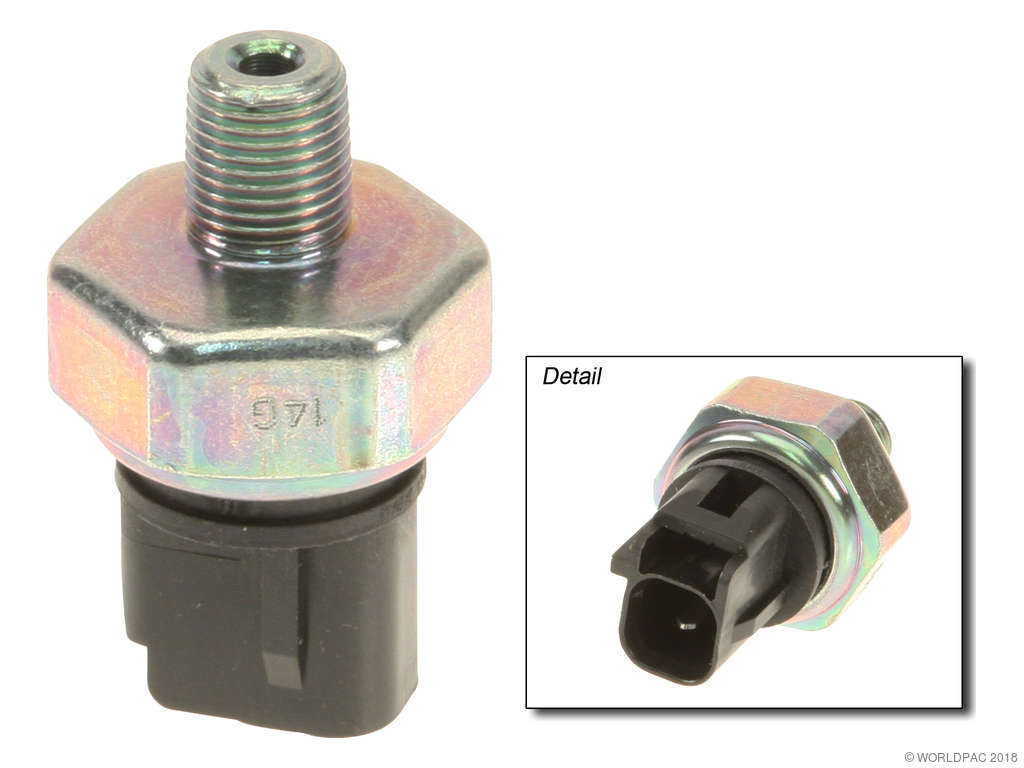
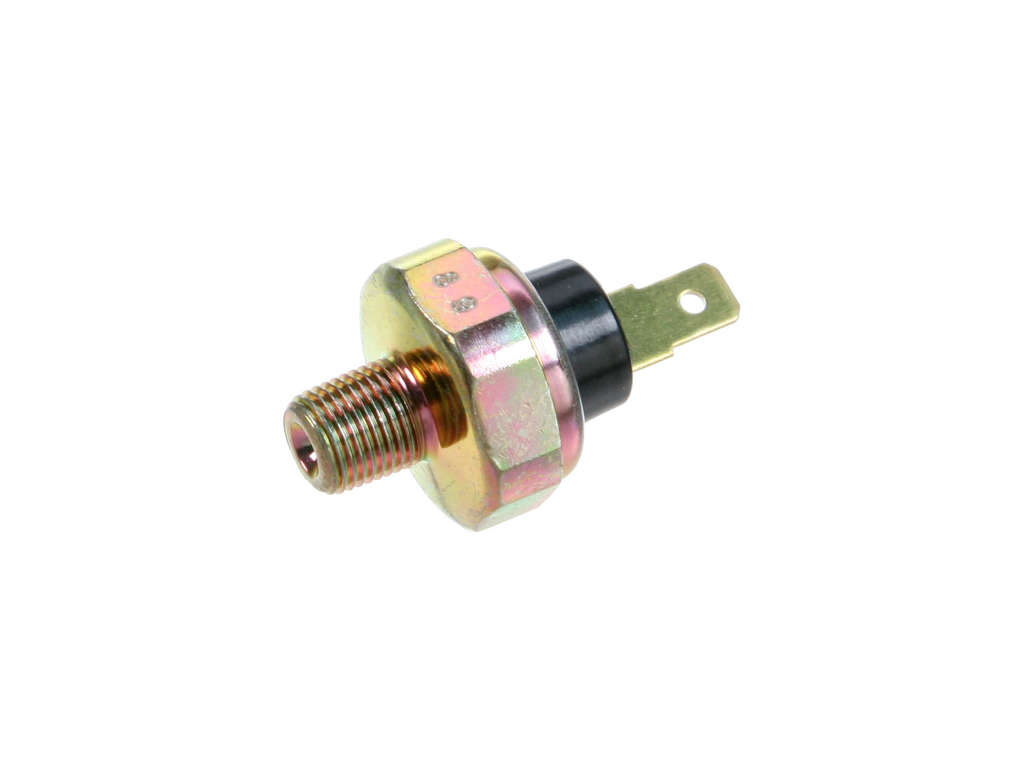
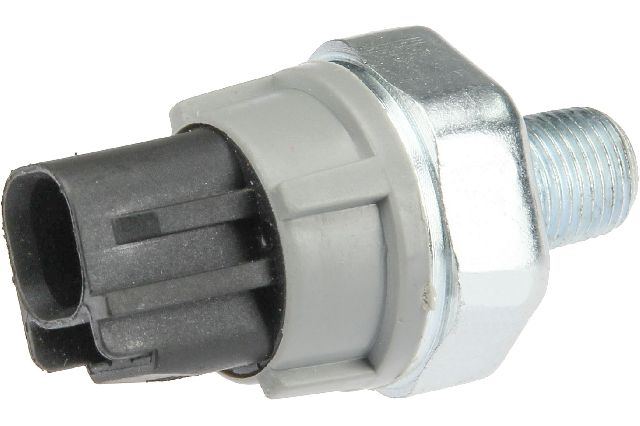
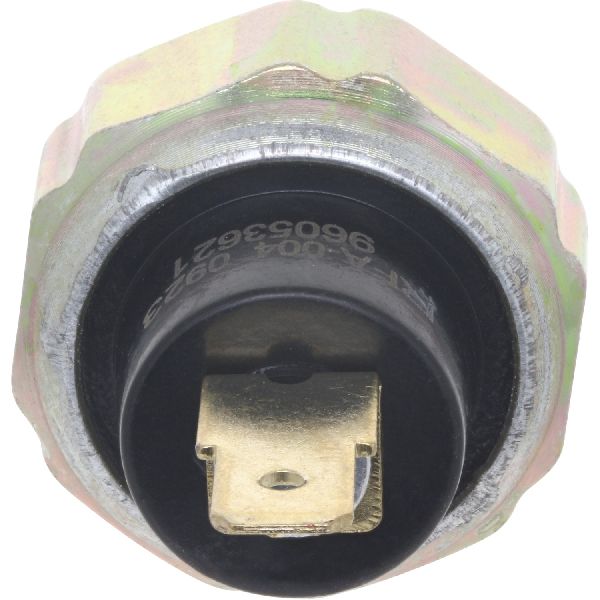
- Engine Oil Pressure Sensor (Switch)
(OEM #25240KA041)— This is the most common failure point for a P0521 code when the oil level is correct and mechanical pressure is good. This part number is widely used across many Subaru models, and it supersedes previous part numbers 25240KA040 and 25240KA080. Always verify fitment with your vehicle's VIN before purchasing.
Trusted brands: Subaru (Genuine), NTK, Standard Motor Products (SMP)
OEM price range: $30-$50
Aftermarket price range: $15-$40
Related Codes That Often Appear With This One
- P0520 — P0520 indicates a general circuit malfunction, while P0521 points to a performance/range issue. They are closely related and can sometimes appear together depending on the exact nature of the sensor failure.
- P0522 — Indicates the sensor circuit voltage is consistently low, often pointing to a short to ground.
- P0523 — Indicates the sensor circuit voltage is consistently high, often pointing to an open circuit.
- P0524 — This is a critical code for 'Engine Oil Pressure Too Low.' If you see this with P0521, it strongly suggests a real mechanical problem, not just a sensor fault.
Technical Service Bulletins (TSBs) & Recalls
- Subaru Service Bulletin 11-100-10R: This bulletin provides the official procedure for testing engine oil pressure, specifying checks at both idle and 3000 RPM after the engine has reached operating temperature (80°C / 176°F). This is a critical diagnostic step for P0521.
Platform-Specific Known Issues
- Sensor Location and Access: On the EZ36D engine, the oil pressure switch is located on the front of the engine, below the alternator. Access is tight and may require removing other components for clearance, which increases labor time compared to more accessible sensor locations on other vehicles.
Mechanic-Grade Diagnostic Values
- Mechanical Oil Pressure at Idle (Engine at operating temp: 80°C / 176°F) — expected: Greater than 14 PSI (0.97 bar).. Failure: A reading below this threshold indicates a mechanical oiling system problem (e.g., pump, blockage, wear).
- Mechanical Oil Pressure at 3,000 RPM (Engine at operating temp: 80°C / 176°F) — expected: Greater than 43 PSI (2.96 bar).. Failure: A reading below this threshold confirms a mechanical oil pressure issue under load.
- Oil Pressure Switch Continuity Test (Engine OFF) — expected: Continuity to ground (less than 10 ohms).. Failure: No continuity (open circuit) indicates a failed switch.
- Oil Pressure Switch Continuity Test (Engine RUNNING) — expected: No continuity to ground (open circuit / infinite resistance).. Failure: Continuity to ground indicates the switch is stuck closed and has failed.
- Oil Pressure Sensor Installation Torque — expected: 18 Nm (13.3 lb-ft).. Failure: Over-torquing can damage the sensor or threads; under-torquing can cause leaks.
Scan Tool Commands That Help
- Subaru Select Monitor (or equivalent professional scan tool): Current Data Display / Live Data — This is used to monitor the status of the 'Engine Oil Pressure Switch' PID. For this vehicle, it will typically display a simple 'On' or 'Off' status. This is used to see if the ECM's reading matches the physical state of the switch during testing (e.g., it should read 'On' with engine off and 'Off' with engine running and good pressure).
Wiring & Ground Locations
- Oil Pressure Switch Connector — On the front of the engine block, below the alternator. It is a single-pin connector.. This is the direct connection point for the sensor. It is prone to oil contamination from a leaking sensor, which can disrupt the signal to the ECM. The pigtail can also become brittle from heat.
- GE (Ground - Engine) — A primary engine grounding point located on the left rear of the engine block.. While a fault here would likely cause multiple sensor issues, a corroded or loose main engine ground can cause erratic voltage and signal problems for all engine sensors, including the oil pressure switch circuit.
Real Owner Repair Stories
- Reddit user on r/SubaruForester (1999 Subaru Forester S/tb (similar sensor design)) — Oil pressure light on, and the sensor itself was physically leaking oil from the top where the electrical connector attaches.
❌ Tried (didn't work) Replacing the failed sensor with a new aftermarket sensor from NAPA.
✅ What actually fixed it The user reported that the aftermarket NAPA sensors were failing repeatedly every 3-4 months. The underlying issue was the poor quality of the aftermarket part, not a problem with the vehicle itself, as mechanical pressure was confirmed to be good. The implication is that only a Genuine Subaru sensor would provide a lasting fix. - Reddit user on r/MechanicAdvice (Subaru Outback 3.6R with under 70k miles) — Immediately after an oil change at a quick-lube shop, the oil pressure light started flashing on and off, particularly at idle.
❌ Tried (didn't work) Adding more oil, thinking the level was slightly low.
✅ What actually fixed it The owner returned to the shop and had them perform the oil change again with a new, different oil filter. The problem was resolved immediately. This indicates the first oil filter installed was faulty or incorrect, causing a pressure issue that triggered the light.
OEM Part Supersession History
25240KA040, 25240KA080→25240KA041— Part consolidation and potential design/material improvements.
Heads up: No known incompatibilities. 25240KA041 is the correct current replacement for the listed older numbers on this vehicle.
Diagnostic Flowchart
Other Known Issues on This Vehicle
Issues unrelated to this code that are worth knowing about as an owner of this generation:
- Torque Converter Shudder (5EAT Transmission) 🟠 Medium — Common issue, often appears around 45 mph under light load, feeling like driving over rumble strips. Can occur at various mileages. (Ref: A TSB exists for a harsh downshift that can be addressed with reprogramming, which is sometimes related. The shudder itself is often addressed by replacing the torque converter.)
- Burning Oil Smell from Leaks 🟡 Low — Fairly common on boxer engines. Often caused by minor leaks from valve cover gaskets or cam carriers dripping onto the hot exhaust manifold. (Ref: A known issue for cam carrier leaks exists, which can be a significant repair.)
- Headlight Bulbs Burn Out Frequently 🟡 Low — Frequently reported by owners. Replacement is inconvenient as access is through the wheel well liner.
- Steering Wheel Vibration/Shimmy 🟠 Medium — Reported by a number of owners of 2010-2011 models. Can be caused by a variety of suspension and steering components. (Ref: TSB 05-48-10 was issued to address this concern, involving potential modification of steering and suspension parts.)
Used vs. New Parts: Buying Guide for This Vehicle
When a used part is the smart pick: Almost never for this repair. The primary failure part, the oil pressure sensor, is a low-cost wear item that should always be purchased new. A used wiring harness pigtail from a low-mileage vehicle could be a cost-effective option if the original connector is physically damaged.
Donor-vehicle mileage cap: roughly under 80000 miles for the part to have meaningful remaining life.
What to inspect on the donor part:
- For a wiring pigtail: ensure the plastic is not brittle or cracked.
- Check that the electrical terminal inside the connector is clean, with no green or white corrosion.
- Confirm the locking tab is intact and functional.
OEM-only on this vehicle (don't cheap out):
- Engine Oil Pressure Sensor (Switch)
Aftermarket brands forum-validated for this vehicle:
- NTK (an OEM supplier to many brands)
- Standard Motor Products (SMP)
Brands owners have reported issues with on this vehicle:
- Generic or store-brand sensors (e.g., NAPA). Forum reports indicate a high rate of premature failure, specifically leaking oil through the sensor body within months of installation.
Real Owner Stories
Aggregated from forums and TSBs cited above. Mileages and costs reflect what owners reported in those sources.
2010-2014 Subaru Outback 3.6R (EZ36D)
Symptoms: The vehicle experienced a torque converter shudder, often felt around 45 mph, described as driving over rumble strips.
What fixed it: Replacing the torque converter.
Source hint: Reddit r/subaruoutback - Torque Converter Shudder
2010-2011 Subaru Outback
Symptoms: Steering wheel vibration and shimmy while driving.
What fixed it: Modification of steering and suspension parts as outlined in TSB 05-48-10.
Source hint: TSB 05-48-10
Related OBD-II Codes
Frequently Asked Questions
Where is the oil pressure sensor located on my 3.6L H6 engine?
Is there an official Subaru procedure for testing the oil pressure on my 2010-2014 Outback?
Can I use a generic store-brand oil pressure sensor from NAPA to fix P0521?
My Outback is shuddering at 45 mph; is this related to the P0521 code?
What oil viscosity should I use for my 2010-2014 Outback 3.6R to avoid pressure issues?
I see oil inside the electrical connector of the sensor. Does this mean it's broken?
We Have This Part in Stock


The information in this article is provided for general reference and educational purposes only. Vehicle specifications, procedures, and part compatibility can vary by production date, trim level, and region. Always consult your vehicle's factory service manual and verify part numbers before purchasing or performing repairs. Safety-critical components such as airbags, seat belts, and braking systems should be installed by a qualified professional.
- Subaru Outback:
- 🧭 Diagnostic Flowchart
- 🛍️ Shop This Part
- What's Unique About the 2010-2014 Subaru Outback
- Symptoms You May Notice
- Most Likely Causes
- Rare But Worth Checking
- Diagnosis Steps
- Parts You'll Likely Need
- Related Codes That Often Appear With This One
- Technical Service Bulletins (TSBs) & Recalls
- Platform-Specific Known Issues
- Mechanic-Grade Diagnostic Values
- Scan Tool Commands That Help
- Wiring & Ground Locations
- Real Owner Repair Stories
- OEM Part Supersession History
- Other Known Issues on This Vehicle
- Used vs. New Parts: Buying Guide for This Vehicle
- Real Owner Stories
- 2010-2014 Subaru Outback 3.6R (EZ36D)
- 2010-2011 Subaru Outback
- Related OBD-II Codes
- Frequently Asked Questions
- 🎟️ Get 5% Off