

P0522 on 2019-2021 Chevrolet Silverado 1500: Oil Pressure Sensor Circuit Low Fixes
On a 2019-2021 Silverado, code P0522 is most often caused by a faulty oil pressure sensor, a clogged filter screen beneath it, or a chafed engine wiring harness. The first step is to verify the oil level and actual pressure. If pressure is normal, expect to replace the sensor and screen, which is a difficult DIY job due to its location at the back of the engine. A thorough wiring inspection per TSB 21-NA-149 is critical before replacing parts.
- Do NOT continue driving. P0522 can indicate dangerously low oil pressure that could destroy your engine.
- The first and most important step is to check the oil level and then verify the actual engine oil pressure with a mechanical gauge.
- On 2019-2021 Silverados, a chafed engine wiring harness is a very common cause for this code, often appearing with other DTCs. Inspect the harness carefully.
- If you replace the oil pressure sensor, you MUST also replace the small filter screen underneath it, as it is a frequent point of failure.
- The oil pressure sensor is located in a very difficult-to-reach position at the back of the engine against the firewall, making this a challenging DIY repair.
What's Unique About the 2019-2021 Chevrolet SILVERADO 1500
For the 2019-2021 Silverado (T1 platform), this code is frequently linked to a known issue where the main engine wiring harness chafes against sharp edges on the engine or chassis, causing a short circuit. GM issued Technical Service Bulletin 21-NA-149 (which supersedes PIT5677E) to address this widespread problem that can trigger P0522 along with many other codes. Specific chafe points vary by engine but include the ECM/TCM bracket, upper control arm, shock tower bolt, and generator bracket. Additionally, the V8 engines in these trucks have a small filter screen under the oil pressure sensor that is notoriously prone to clogging with sludge, which can also trigger a false low-pressure reading.
Diagnostic Flowchart
Tap your situation to follow the diagnostic path that matches what you're seeing on this vehicle.
Symptoms You May Notice
- Check Engine Light illuminated
- Low Oil Pressure warning light on the instrument cluster
- Oil pressure gauge reading zero or abnormally low, possibly fluctuating wildly.
- Engine running rough or stalling.
- Audible ticking or knocking noises from the engine (indicates true low oil pressure).
- In some cases, the engine may not start.
- Replacing the oil pump without first verifying low pressure with a mechanical gauge.
- Replacing the instrument cluster because the gauge reads low; the cluster only displays what the ECM tells it to.
- Replacing the ECM, which is rarely the cause of this specific code.
- Replacing the oil pressure sensor without also replacing the small filter screen underneath it, leading to a repeat failure.
Most Likely Causes
- Chafed Engine Wiring Harness 🔴 High Probability TSB #21-NA-149 (superseding PIT5677E) documents that engine movement can cause the harness to rub against multiple sharp points. For V8s, common spots are the driver's side ECM bracket, upper control arm, and shock tower. For the 2.7L L3B, chafe points include the camshaft carrier cover and generator bracket. For the 3.0L LM2, it can be on top of the generator or on a PVC hose clamp.
How to confirm: Visually inspect the entire engine wiring harness, focusing on the specific areas called out in TSB 21-NA-149 for your engine. Look for rubbed-through conduit, exposed copper wires, or shiny spots on metal brackets where contact is occurring.
Typical fix: Repair the damaged wires using approved methods. Protect the harness from future damage using abrasive-resistant tape or a protective sleeve (e.g., Kevlar Velcro Sleeve PN 84826758) and secure it away from the contact point as recommended by GM.
Est. part cost: $10-$40 for repair materials - Clogged Oil Pressure Sensor Filter Screen 🔴 High Probability → Shop Engine Oil Pressure Sensor GM V8 engines have a small, thimble-like filter screen in the oil passage directly below the sensor. This screen is known to become clogged with oil sludge, especially if oil change intervals are extended. This blockage prevents pressure from reaching the sensor, causing a false low reading and triggering P0522.
How to confirm: This can only be confirmed by removing the oil pressure sensor and inspecting/removing the screen from its port. A pick tool is often required to carefully extract the old screen.
Typical fix: Remove the old, clogged screen and replace it with a new one. This is almost always done at the same time as sensor replacement. Some mechanics controversially leave the screen out, but replacement is the correct procedure.
Est. part cost: $5-$15 - Faulty Engine Oil Pressure Sensor 🟡 Medium Probability The sensor itself can fail internally, often leaking oil through the connector or sending an incorrect low voltage signal to the ECM. Its location at the back of the engine, tucked under the cowl against the firewall, exposes it to extreme heat, which contributes to failure over time.
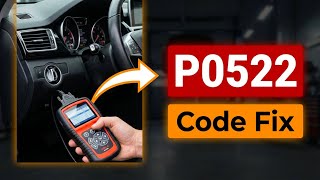
How to confirm: After confirming actual oil pressure is good with a mechanical gauge and that the wiring is intact, the sensor is the most likely culprit. A bypass test jumping the 5V reference to the signal wire at the connector should make the gauge read high, confirming the wiring and gauge are good. 🎬 See how to diagnose and fix the P0522 low voltage code.
Typical fix: Replace the engine oil pressure sensor. This requires a special deep socket (typically 27mm or 1-1/16") and a swivel adapter due to the extremely tight access.
Est. part cost: $35-$85 - Low Engine Oil Level or Incorrect Oil ⚪ Low Probability
How to confirm: Check the engine oil level using the dipstick and verify its condition. Ensure the oil viscosity matches the manufacturer's recommendation (e.g., 0W-20 for the 5.3L/6.2L V8s).
Typical fix: Top off or change the engine oil and replace the oil filter with a quality part.
Est. part cost: $40-$100
Rare But Worth Checking
- Failing Oil Pump or Internal Engine Wear: → Shop Engine Oil Pump While rare on newer trucks, this is the most serious possible cause. If a mechanical gauge confirms that the engine's oil pressure is actually low, it points to a severe mechanical problem like a worn oil pump, clogged oil pickup tube, or worn engine bearings that requires immediate professional diagnosis and likely engine teardown.
- Sticking Oil Pressure Relief Valve: TSBs 20-NA-161 and 24-NA-173, while written for the related code P0521, indicate that the oil pressure relief valve inside the oil pump can stick. This can cause intermittent or consistently low oil pressure, which could potentially trigger a P0522 if the voltage drops below the threshold. TSB 24-NA-173 suggests that if mechanical pressure at the sensor port is below 20 PSI when hot, a stuck relief valve is a likely cause.
- Loose or Broken Engine Ground Strap: TSB #PIT5689M notes that a loose or broken engine-to-body ground strap can cause a multitude of electrical issues and DTCs. GM Engineering Information bulletin PIE0548 also addresses loose connections at grounds G110 and G114 on 2019-2020 models. Check the main ground connections to rule this out.
Diagnosis Steps
- Check the engine oil level and condition immediately. If the level is low, top it off and see if the code clears.
- CRITICAL: Connect a mechanical oil pressure gauge to the engine. This usually requires removing the existing sensor. Start the engine and compare the mechanical reading to the vehicle's gauge and the scan tool data.
- If mechanical pressure is normal, the problem is electrical or a blockage at the sensor. If mechanical pressure is low, the vehicle needs immediate professional service for a mechanical engine issue.
- Assuming oil pressure is normal, thoroughly inspect the engine wiring harness for any signs of chafing, melting, or corrosion, paying close attention to the areas identified in TSB 21-NA-149 for your specific engine.
- Inspect the oil pressure sensor's electrical connector for a secure connection, corrosion, or oil contamination from a leaking sensor.
- Test the circuit at the connector. With the key on, you should have a 5-volt reference on one wire, a good ground on another, and the third is the signal wire.
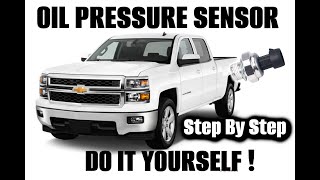
- If the wiring and connector are in good condition, the next step is to replace the oil pressure sensor and the filter screen located beneath it. The sensor is located at the back of the engine against the firewall and is very difficult to access, requiring a special socket and extensions. 🎬 Watch this step-by-step guide to replacing the oil pressure sensor.
- After the repair, clear the code and perform a drive cycle to ensure the fault does not return.
Parts You'll Likely Need
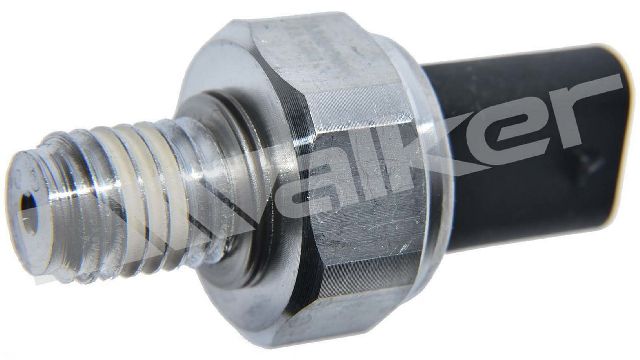
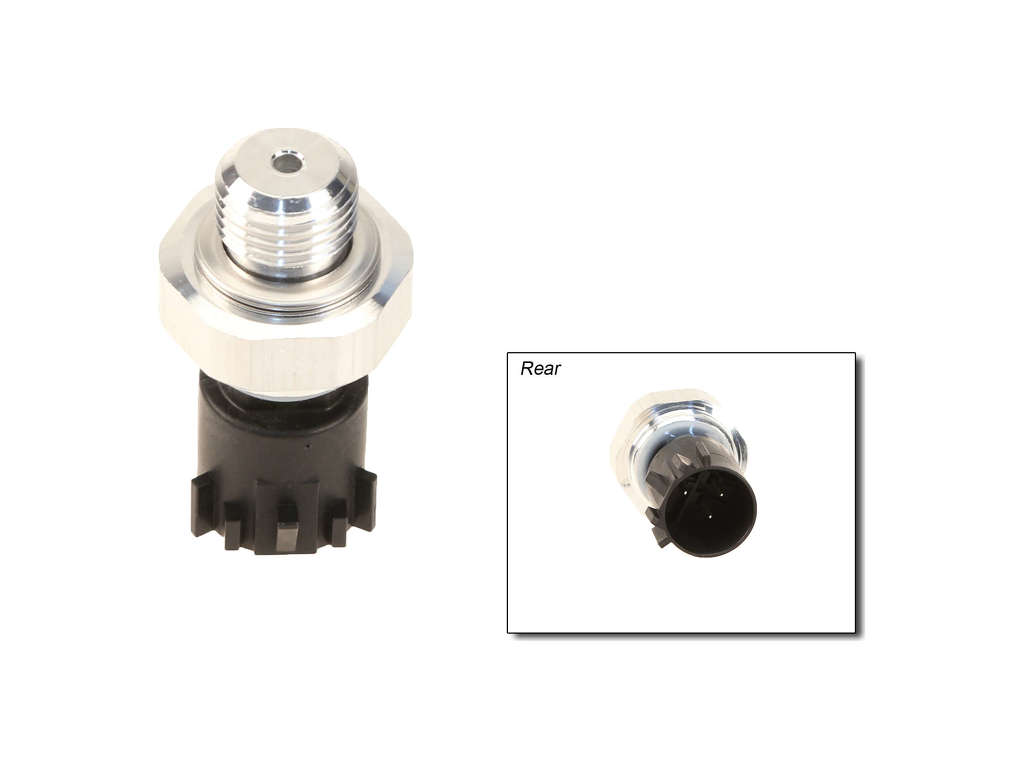
- Engine Oil Pressure and Temperature Sensor
(OEM #12685371)— This is the sensor that fails or sends the incorrect low voltage signal. For the 2019+ L84/L87/L8T engines, this is a combined oil pressure and temperature sensor. It is critical to verify the 8th digit of the VIN to ensure the correct part, as some early 2019 models used older engine designs.
Trusted brands: GM Genuine Parts, ACDelco
OEM price range: $40-$60
Aftermarket price range: $25-$45 - Engine Oil Pressure Sensor Filter
(OEM #12623757)— This small screen sits below the sensor and is a very common failure point due to clogging from oil sludge. It should be replaced whenever the sensor is replaced to prevent a repeat failure.
Trusted brands: ACDelco, Dorman
OEM price range: $10-$15
Aftermarket price range: $5-$10
Related Codes That Often Appear With This One
- P0521 — P0521 indicates an 'Engine Oil Pressure Sensor/Switch Range/Performance' issue. Both codes relate to the same sensor and often appear together when the sensor is failing, the filter screen is clogged, or wiring is compromised.
- Multiple Unrelated Codes — If P0522 appears with a wide variety of other seemingly unrelated codes (e.g., U-codes, transmission codes, other sensor codes), it strongly suggests the chafed wiring harness issue described in TSB 21-NA-149.
Technical Service Bulletins (TSBs) & Recalls
- 21-NA-149: 'Engine Wire Harness Chafing...' - This TSB supersedes PIT5677E and is the primary document identifying multiple specific harness chafe locations on the T1 platform trucks that cause a host of electrical issues, including P0522.
- PIT5677E: 'SES MIL / No Start / No Crank...' - The older, now superseded, version of 21-NA-149.
- 20-NA-161 / 24-NA-173: While for code P0521, these TSBs are relevant as they discuss a sticking oil pressure relief valve in the oil pump as a cause for low oil pressure, which could lead to a P0522.
Platform-Specific Known Issues
- TSB #21-NA-149: This is the definitive bulletin, superseding PIT5677E. It documents widespread issues where the engine wiring harness chafes on chassis or engine components, causing shorts that can trigger P0522 and numerous other DTCs. The fix involves repairing the wiring and adding protective sheathing.
- TSB #PIT5689M: Points to loose or broken engine-to-body ground straps as a potential cause for various electrical faults and DTCs.
- Clogged Sensor Screen: A design characteristic of GM V8s for many years, the filter screen under the sensor is a primary point of failure, causing a false low-pressure reading.
Mechanic-Grade Diagnostic Values
- 5-Volt Reference Circuit Voltage — expected: 4.8 - 5.2 Volts (at sensor connector, KOEO, measured between 5V reference pin and ground pin). Failure: Voltage outside this range suggests a wiring issue or a problem with the ECM.
- Low Reference (Ground) Circuit Resistance — expected: < 1.0 Ohm (at sensor connector, ignition OFF, measured between low reference pin and chassis ground). Failure: Resistance higher than 1.0 Ohm indicates a poor ground connection or a break in the wire.
- Signal Wire Voltage (Bypass Test) — expected: Should jump to ~5.0 Volts when the 5V reference wire is jumped to the signal wire at the connector.. Failure: If the voltage does not jump to ~5.0V on a scan tool, it indicates an open or short in the signal wire between the connector and the ECM.
- Mechanical Oil Pressure (Hot Idle) — expected: Should be above 20-22 PSI at the sensor port when the engine is at operating temperature.. Failure: Pressure below 20 PSI when hot at idle points towards a mechanical issue, such as a sticking oil pressure relief valve, per TSB 24-NA-173.
Scan Tool Commands That Help
- GDS2 (GM Global Diagnostic System 2): Engine Data Display / Live Data — Use this function to monitor the 'Engine Oil Pressure' parameter reported by the sensor in real-time. With Key On, Engine Off, the value should be 0 PSI. P0522 is set when the ECM sees a signal voltage below the threshold (e.g., <0.2V). This helps differentiate between a sensor that is completely dead (stuck low, causing P0522) versus one that is performing erratically (P0521) or is shorted high (P0523).
Wiring & Ground Locations
- Oil Pressure Sensor Connector — Top rear of the engine block, against the firewall, often tucked behind/under the intake manifold. It is a 3-wire connector.. This is the primary connection point for testing the sensor's 5V reference, ground, and signal circuits. Oil leaking through a failed sensor can contaminate this connector, causing the code.
- G103 — Located at the left rear of the engine compartment on the cowl, above the brake booster.. This is a major ground point for the Body Control Module (BCM), Instrument Panel Cluster (IPC), and Data Link Connector (DLC). While not the direct engine ground, a poor connection here can cause a wide range of bizarre electrical issues and communication codes that could accompany a P0522.
- G110 / G114 — Body and Engine Harness ground connection points on the chassis.. GM Engineering Information bulletin PIE0548 was issued for potential loose connections at these grounds on 2019-2020 models, which can cause various electrical faults, including sensor circuit low voltage codes like P0522.
- Engine Block to Chassis Ground — A braided strap or heavy gauge wire typically running from the rear of the engine block (often near the transmission bellhousing) to the firewall or frame rail.. A loose, corroded, or broken main engine ground can cause the engine's sensors to seek a ground path through other, smaller circuits, leading to incorrect voltage readings and codes like P0522.
Real Owner Repair Stories
- gm-trucks.com forum user (2019 Silverado 5.3L) — Check engine light with P0522, oil pressure gauge at zero, and a "no oil pressure, shut off engine" message.
❌ Tried (didn't work) The user first suspected the sensor or filter screen.
✅ What actually fixed it The user found the engine wiring harness had chafed through on the driver's side, near the shock tower, causing a short. After repairing the damaged wires, the code was resolved. This aligns directly with the issue described in TSB 21-NA-149.
OEM Part Supersession History
12635397, 55488247→12727099— Part consolidation and design updates.
Heads up: These part numbers are generally for other GM engines/platforms and are NOT the correct sensor for the 2019-2021 Silverado V8s, which use the combined pressure/temperature sensor 12685371. Using the wrong sensor will result in continued faults.
Model Year Variations Within This Range
- 2019-2020: These model years are specifically mentioned in GM Engineering Information bulletin PIE0548 for having a higher likelihood of loose ground connections at G110 and G114, which can cause P0522 and other electrical faults.
Helpful Videos
We Have This Part in Stock


The information in this article is provided for general reference and educational purposes only. Vehicle specifications, procedures, and part compatibility can vary by production date, trim level, and region. Always consult your vehicle's factory service manual and verify part numbers before purchasing or performing repairs. Safety-critical components such as airbags, seat belts, and braking systems should be installed by a qualified professional.
- Chevrolet SILVERADO 1500:
- 🧭 Diagnostic Flowchart
- 🎬 Helpful Videos
- 🛍️ Shop This Part
- What's Unique About the 2019-2021 Chevrolet SILVERADO 1500
- Symptoms You May Notice
- Most Likely Causes
- Rare But Worth Checking
- Diagnosis Steps
- Parts You'll Likely Need
- Related Codes That Often Appear With This One
- Technical Service Bulletins (TSBs) & Recalls
- Platform-Specific Known Issues
- Mechanic-Grade Diagnostic Values
- Scan Tool Commands That Help
- Wiring & Ground Locations
- Real Owner Repair Stories
- OEM Part Supersession History
- Model Year Variations Within This Range
- 🎟️ Get 5% Off