

P0522 on 2003-2011 Saab 9-3 2.0L Turbo: Engine Oil Pressure Sensor Circuit Low Causes and Fixes
P0522 on a Saab 9-3 almost always points to a failed engine oil pressure sensor or its wiring. The sensor itself is a common failure point and can leak oil. Replacing the sensor is a cost-effective first step, typically costing between $25 and $90 for the part. Do not drive until the issue is confirmed to be the sensor and not actual low oil pressure.
- P0522 on a 2003-2011 Saab 9-3 points to an electrical issue with the oil pressure sensor circuit, most often a failed sensor.
- Do not ignore this code. You must verify it's not an actual low oil pressure problem, which can cause severe engine damage.
- The most likely fix is replacing the oil pressure sensor (Part No. 12635992), which is a common failure item and a relatively inexpensive part.
- Always check the sensor and its connector for oil leaks, as this is a clear sign the sensor needs replacement.
- If a new sensor doesn't fix the issue, a mechanical oil pressure test is mandatory to rule out a more serious internal engine problem.
What's Unique About the 2003-2011 Saab 9-3
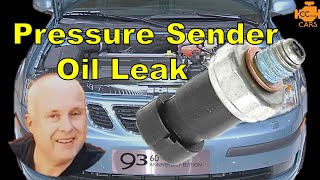
The B207 engine in the second-generation Saab 9-3 is known for having the oil pressure sensor as a common weak point. These sensors are prone to both internal electrical failure, which triggers the P0522 code, and external oil leaks from the sensor body itself. While the code points to an electrical issue, it's critical to verify it's not a symptom of a true low oil pressure condition, which can cause catastrophic engine damage. The sensor's location on the front of the engine block, below the oil filter housing, makes it somewhat awkward to access but a manageable DIY replacement for many owners. 🎬 Watch: Step-by-step guide to replacing the 2.0T oil pressure sensor. Forum users on SaabCentral and other enthusiast sites frequently discuss replacing this sensor as a primary step for P0522, often highlighting the tell-tale sign of oil weeping from the sensor's plastic housing or connector.
Symptoms You May Notice
- Check Engine Light is on
- Red oil pressure warning light is illuminated on the dashboard
- Visible oil leak from the sensor, which is located on the front of the engine block
- Engine ticking or knocking noises (if actual oil pressure is low)
- Oil pressure gauge (if equipped) reads zero or erratically
- Replacing the oil pump without first confirming actual low mechanical oil pressure with a gauge.
- Assuming the engine is faulty when it is just a simple, inexpensive sensor or wiring issue.
- Replacing the ECM without exhaustive testing of the sensor circuit.
Most Likely Causes
- Faulty Engine Oil Pressure Sensor 🔴 High Probability The sensor is a well-documented failure point on the B207 engine, susceptible to both internal electrical faults and external oil leaks due to heat, vibration, and age. It is considered a maintenance item by many long-time owners.
How to confirm: Inspect the sensor for visible oil leaks, especially around the plastic connector. If oil has wicked into the connector itself, the sensor has failed internally. Test the sensor's circuit; if the wiring is good, the sensor is the likely culprit. Replacing the sensor is often the most direct diagnostic step.
Typical fix: Replace the engine oil pressure sensor and its sealing washer. Ensure the new sensor comes with a fresh copper crush washer.
Est. part cost: $25-$90 - Wiring or Connector Issue 🟡 Medium Probability The sensor's location exposes its connector to oil and grime, which can lead to corrosion or a poor connection. The pigtail can become brittle from heat cycles. Wires can become frayed or shorted to ground.
How to confirm: Unplug the connector and inspect for oil contamination, corrosion, or bent/loose pins. Clean with electrical contact cleaner. Trace the wiring harness as far as possible, checking for any signs of damage, chafing against the block, or breaks.
Typical fix: Clean the connector with electrical contact cleaner. If the connector or pigtail is damaged, it can be replaced. Repair any damaged sections of the wiring harness using appropriate splicing techniques.
Est. part cost: $5-$50 - Actual Low Engine Oil Pressure ⚪ Low Probability While less common for a circuit code, it must be ruled out. Causes can include a very low oil level, incorrect oil viscosity (especially oil that is too thin), a clogged oil filter, sludge buildup in the oil pickup tube, or a failing oil pump. The B207 engine is not known for oil pump failures, but sludge can be an issue if oil changes are neglected.
How to confirm: First, check the engine oil level and condition. If the level is correct, you must perform a mechanical oil pressure test using a pressure gauge connected in place of the sensor to verify the actual pressure against Saab's specifications. This is the only definitive way to rule out a mechanical issue.
Typical fix: If pressure is low, further diagnosis is needed to find the mechanical cause (e.g., oil and filter change, dropping the oil pan to clean the pickup tube, or replacing the oil pump). This is a serious condition requiring immediate attention.
Est. part cost: $50-$1000+
Rare But Worth Checking
- Faulty Engine Control Module (ECM): This is extremely rare. The ECM's internal driver for the sensor circuit could fail. This should only be considered after all other possibilities, including the sensor, wiring, and actual mechanical pressure, have been thoroughly ruled out with professional diagnostic tools.
Diagnosis Steps
- Check the engine oil level and condition immediately. Top off if low and note the oil's condition (e.g., is it sludgy, very dark, or smell of fuel?).
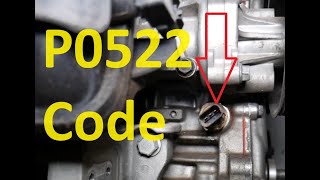
- Visually inspect the oil pressure sensor and its connector. The sensor is located on the front of the engine, below the oil filter housing. Look for any signs of oil leakage from the sensor body or oil contamination inside the electrical connector. Oil in the connector is a definitive sign of sensor failure.
- If the connector is oily, clean it thoroughly with electrical contact cleaner and ensure a secure connection. Clear the code and see if it returns. However, expect the code to return as the sensor will continue to leak.
- Inspect the wiring harness leading to the sensor for any visible damage, fraying, or signs of it being pinched, melted, or chafed against the engine block.
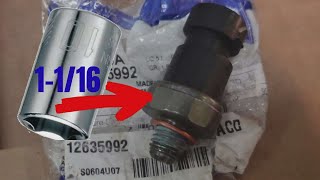
- If wiring looks good, the sensor is the most probable cause. Replace the sensor (Part No. 12635992 or equivalent). Use a 24mm deep socket or wrench. Ensure you recover and reuse or replace the sealing ring between the sensor adapter and the block.
- Crucial Step: If a new sensor does not resolve the code, or if you hear any engine noises (ticking, rattling), you must perform a mechanical oil pressure test. Rent or buy an oil pressure gauge, connect it to the port where the sensor was, and compare the readings at idle and ~2000 RPM to the manufacturer's specifications.
- If mechanical pressure is good but the code persists with a new sensor, perform a circuit integrity test with a multimeter. Check for continuity to the ECM, and check for a short to ground on the signal wire.
Parts You'll Likely Need
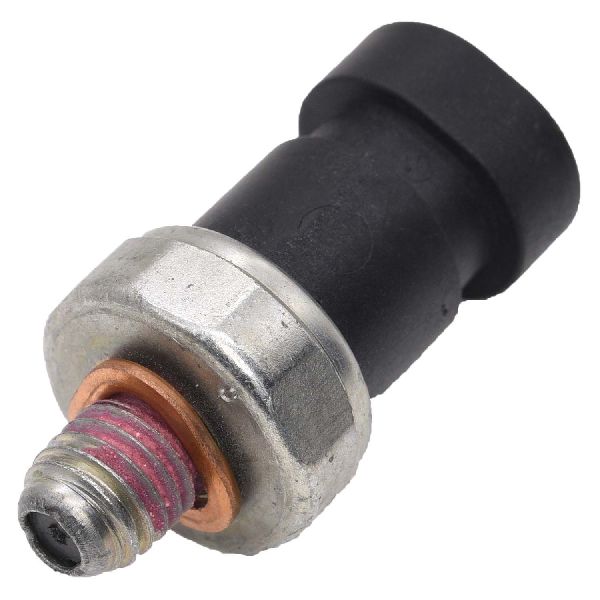
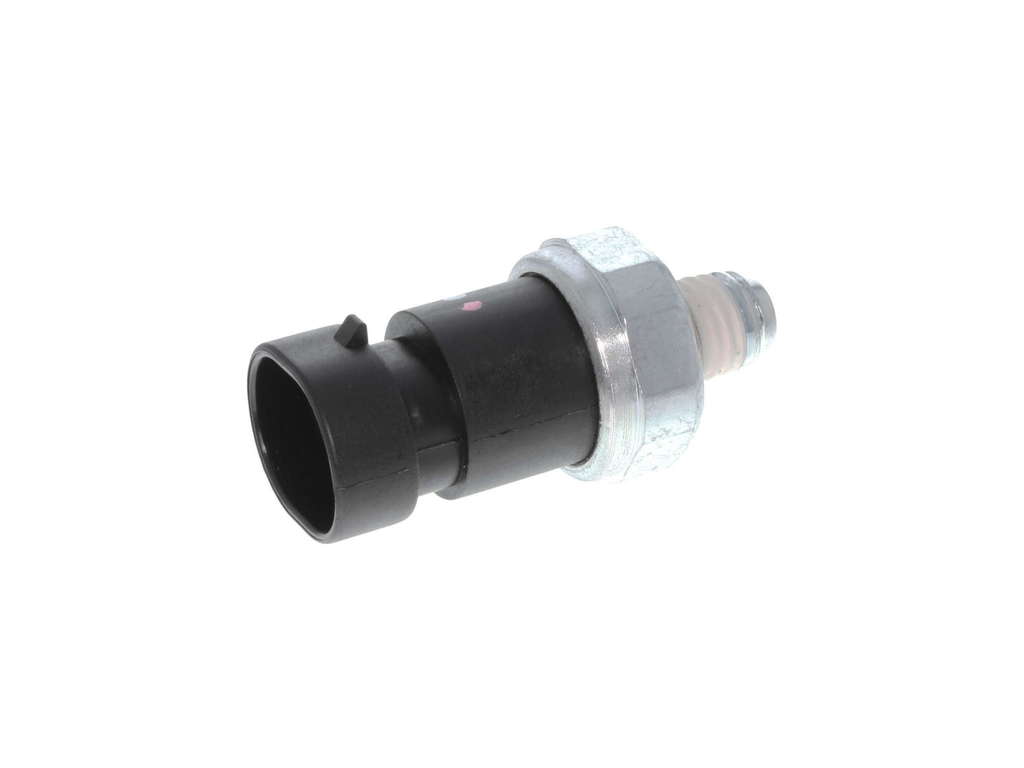
- Engine Oil Pressure Sensor (Switch)
(OEM #12635992)— This is the most common cause for P0522 on the B207 engine, failing both electrically and by leaking oil. This GM part number is widely used across many vehicles.
Trusted brands: ACDelco (GM Original Equipment), Bosch, HELLA, VEMO, Standard Motor Products (SMP)
OEM price range: $40-$90
Aftermarket price range: $25-$60
Technical Service Bulletins (TSBs) & Recalls
- While no specific TSB for P0522 on the Saab 9-3 is widely published, GM has issued related bulletins like PIP4786 for other vehicles using similar engine architectures, which often point towards checking the sensor, wiring, and for sludge if the vehicle has a poor service history.
Platform-Specific Known Issues
- The oil pressure sensor on the B207 engine is a well-documented failure point, often leading to external oil leaks in addition to triggering fault codes.
- A user on SaabCentral.com noted, 'If you have a P0522, just change the sensor. 99 times out of 100, that's the fix. Look for oil in the connector, it's the smoking gun.'
- Another owner on a YouTube comment for a B207 repair stated, 'My oil light was flickering at idle, got the P0522 code. The old sensor was leaking oil right through the pins. New sensor fixed it in 20 minutes.'
Mechanic-Grade Diagnostic Values
- Mechanical Engine Oil Pressure (B207 Engine) — expected: Minimum 2 bar (approx. 29 PSI) at 1000 RPM with warm 5W-30 oil.. Failure: Pressure significantly below 2 bar at 1000 RPM indicates a mechanical issue (pump, blockage, wear), not a sensor circuit fault.
- P0522 Fault Trigger Condition — expected: Sensor signal voltage should be above 0.2V while the engine is running.. Failure: The ECM sets code P0522 if the voltage remains below 0.2V for more than 10 seconds. 🎬 See this video for a deep dive into P0522 causes and fixes. This points to a short to ground or a failed sensor.
- Oil Pressure Warning Light Activation — expected: The dashboard warning light should be off.. Failure: The indicator lamp illuminates when oil pressure drops below 0.3 bar (approx. 4.4 PSI).
Scan Tool Commands That Help
- Saab Tech 2: Read Value: Oil Pressure Sensor — This function in the diagnostic tool allows a technician to see the raw voltage or pressure status being reported by the sensor to the ECM in real-time. This helps differentiate between a sensor that is reporting low pressure versus a sensor that is completely dead (0V) or shorted.
Wiring & Ground Locations
- ECM Pin 15(B) — On the Trionic 8 Engine Control Module (ECM/T8), located on the front of the engine.. This is the specific pin where the signal from the oil pressure switch (component 44) is received. When testing for a wiring fault (open or short), this is the termination point to test continuity to from the sensor connector.
- G2 Ground Point — In the engine bay, on the side of the left-hand structural member/strut tower, near the connector bracket and behind the battery.. This is a primary chassis ground point in the engine bay. While the oil pressure sensor grounds through the engine block itself, a poor main engine-to-chassis ground can cause floating voltages and erratic sensor readings across the system. Ensuring this ground is clean and tight is a good practice when diagnosing any electrical fault.
- G7 Ground Point — On the Trionic 8 engine, this ground is located on the engine control module's top right attachment lug.. This is the direct ground point for the ECM itself. A fault at this location can cause a wide range of bizarre engine management issues, including misinterpretation of sensor data. It should be checked if multiple, seemingly unrelated sensor codes appear alongside P0522.
Real Owner Repair Stories
- Reddit r/Saab (2008 Saab 9-3 2.0T) — P0522 code and oil pressure light on.
❌ Tried (didn't work) Replacing the oil pressure sensor. The code and light immediately returned after replacement.
✅ What actually fixed it The user traced the wiring from the sensor connector and found a section of the wire had rubbed through and was shorting to ground on the engine block. Repairing the damaged wire by splicing in a new section resolved the code.
OEM Part Supersession History
12573107→12635992 (also 12677836)— Standard part evolution for improved reliability and manufacturing consistency across the GM platform.
Heads up: The newer part numbers are direct replacements and fully backward compatible. There are no known incompatibility issues when using the newer OEM part on an older B207 engine.
Diagnostic Flowchart
Other Known Issues on This Vehicle
Issues unrelated to this code that are worth knowing about as an owner of this generation:
- Intake Valve Carbon Buildup / Failure 🔴 High — Common on 2007-2009 models, but can affect others. Often presents as cold start misfires or rough running. Caused by a combination of factors including PCV system design and potentially improperly hardened valve seats from the factory.
- Column Integrated Module (CIM) Failure 🟠 Medium — Widespread issue across the generation. Symptoms include horn not working, steering wheel controls failing, and airbag light illumination. Caused by failure of the internal clockspring or solder joints.
- Balance Shaft & Timing Chain Guide Wear 🟠 Medium — The B207's timing chain system is generally reliable, but the plastic guides for the balance shaft chain can become brittle and break, causing a rattling noise from the side of the engine, especially on cold starts.
- PCV System Clogging / Valve Failure 🟡 Low — The PCV valve is located inside the intake manifold and can become clogged, leading to poor idle, oil consumption, and potential oil leaks due to increased crankcase pressure.
- Cracked or Leaking Coolant Expansion Tank 🟡 Low — The plastic coolant reservoir is prone to developing hairline cracks from heat and age, leading to slow coolant loss. A recall was issued for some earlier models, but replacement tanks can also fail over time. (Ref: Yes, for some early models.)
- Corroded ABS Sensor Wiring 🟡 Low — Commonly causes ABS and Traction Control warning lights. The wiring harness connectors to the front wheel speed sensors are exposed and can corrode, leading to a loss of signal.
Used vs. New Parts: Buying Guide for This Vehicle
When a used part is the smart pick: For this specific repair, buying a used oil pressure sensor is not recommended. The part is a known high-failure item and is inexpensive to buy new. The labor to replace it is the same regardless, so installing a new part is the most cost-effective and reliable choice.
What to inspect on the donor part:
- Not applicable as a used sensor is not advised.
OEM-only on this vehicle (don't cheap out):
- While not strictly 'OEM-only', using a reputable OEM (ACDelco) or high-quality aftermarket brand (Bosch, HELLA) for the oil pressure sensor is strongly advised. Cheap, unbranded sensors have a very high failure rate and are a common source of repeat repairs.
Aftermarket brands forum-validated for this vehicle:
- ACDelco
- Bosch
- HELLA
- Standard Motor Products (SMP)
Brands owners have reported issues with on this vehicle:
- Unbranded, 'white-box' parts from online marketplaces should be avoided due to inconsistent quality and high likelihood of premature failure.
Real Owner Stories
Aggregated from forums and TSBs cited above. Mileages and costs reflect what owners reported in those sources.
2007 Saab 9-3 2.0T
Symptoms: The red oil light was flickering at idle and the Check Engine Light was on with a P0522 code. The old sensor was found to be leaking oil directly through the electrical pins.
What fixed it: A new oil pressure sensor fixed the issue in about 20 minutes.
Source hint: YouTube comment for a B207 repair from vehicle_specific_issues
Saab 9-3 B207 2.0L Turbo
Symptoms: Check Engine Light with code P0522. The key diagnostic finding was oil inside the sensor's electrical connector.
What fixed it: Replacing the oil pressure sensor is described as the fix '99 times out of 100'.
Source hint: SaabCentral.com user quote from vehicle_specific_issues
2006 Saab 9-3 2.0T
Symptoms: The P0522 code remained active even after replacing the oil pressure sensor.
What fixed it: The owner was advised that the next steps were to perform a mechanical oil pressure test to confirm actual pressure and to inspect the wiring harness for a potential short circuit.
Source hint: Reddit r/Saab thread titled 'p0522_code_checked_oil_and_changed_the_oil/'
Related OBD-II Codes
Frequently Asked Questions
Where is the oil pressure sensor located on my 2003-2011 Saab 9-3 2.0L?
I found oil inside the sensor's electrical connector. Does this mean the sensor is bad?
Is it safe to drive my Saab 9-3 with the P0522 code and the red oil pressure light on?
I replaced the oil pressure sensor, but the P0522 code came back. What's the next step?
What is the correct part number for the oil pressure sensor on the B207 engine?
Are there any official Saab or GM Technical Service Bulletins (TSBs) for P0522 on this car?
Helpful Videos
We Have This Part in Stock


The information in this article is provided for general reference and educational purposes only. Vehicle specifications, procedures, and part compatibility can vary by production date, trim level, and region. Always consult your vehicle's factory service manual and verify part numbers before purchasing or performing repairs. Safety-critical components such as airbags, seat belts, and braking systems should be installed by a qualified professional.
- Saab 9-3:
- 🧭 Diagnostic Flowchart
- 🎬 Helpful Videos
- 🛍️ Shop This Part
- What's Unique About the 2003-2011 Saab 9-3
- Symptoms You May Notice
- Most Likely Causes
- Rare But Worth Checking
- Diagnosis Steps
- Parts You'll Likely Need
- Technical Service Bulletins (TSBs) & Recalls
- Platform-Specific Known Issues
- Mechanic-Grade Diagnostic Values
- Scan Tool Commands That Help
- Wiring & Ground Locations
- Real Owner Repair Stories
- OEM Part Supersession History
- Other Known Issues on This Vehicle
- Used vs. New Parts: Buying Guide for This Vehicle
- Real Owner Stories
- 2007 Saab 9-3 2.0T
- Saab 9-3 B207 2.0L Turbo
- 2006 Saab 9-3 2.0T
- Related OBD-II Codes
- Frequently Asked Questions
- 🎟️ Get 5% Off