

P0524 on 2014-2019 Chevrolet Silverado 1500 5.3L: Engine Oil Pressure Too Low Causes and Fixes
P0524 means your engine has critically low oil pressure. Stop driving immediately. The most common cause is a faulty oil pressure sensor or a clogged filter screen underneath it, located in a difficult-to-reach spot at the back of the engine. Replacing both is the typical fix, costing $350-$750 at a shop due to significant labor.
- P0524 is a critical code. Stop the engine immediately to prevent severe damage.
- The first step is always to check the oil level. If it's normal, do not assume the engine is okay.
- The most likely cause is a faulty oil pressure sensor and/or a clogged filter screen located directly underneath it.
- Always verify the engine's actual oil pressure with a mechanical gauge before replacing expensive components like an oil pump.
- Due to the sensor's location, this is a difficult DIY repair (5/5 difficulty). Professional service is recommended for most owners.
What's Unique About the 2014-2019 Chevrolet Silverado 1500
On the 5.3L V8 in these Silverado models (part of the K2XX platform), the P0524 code is very frequently a sensor-related issue rather than a catastrophic mechanical failure. A tiny, inexpensive filter screen (GM Part #12585328) located directly under the oil pressure sensor is notoriously prone to clogging with sludge and debris. This blockage prevents oil from reaching the sensor, causing a false low-pressure reading. While a failing oil pump is possible, starting with the sensor and its screen is the most common and logical diagnostic path for these trucks.
Generation note: This range covers two Silverado generations. The K2XX (2014-2018) and the T1XX (2019). While causes are similar, the 2019 T1XX models with the L84 engine and Dynamic Fuel Management (DFM) have added complexity. TSB 21-NA-149 for 2019+ models highlights a known issue with the engine wiring harness chafing against components like the air cleaner housing or control arm bushings, causing electrical faults that can trigger this and other codes.
Symptoms You May Notice
- Red oil pressure warning light illuminated on the dashboard.
- Check Engine Light is on.
- Oil pressure gauge on the instrument cluster reads very low or zero.
- Message on the driver information center warning of 'Oil Pressure Low - Stop Engine'.
- Engine making ticking, tapping, or knocking noises, indicating a true lack of lubrication.
- Reduced engine power or engine going into 'limp mode'.
- Engine may stall or shut down to protect itself.
- Replacing the oil pump without first verifying actual pressure with a mechanical gauge. Many pumps are replaced unnecessarily when the true fault lies with the sensor or its screen.
- Replacing the entire engine due to low oil pressure, when the actual issue was a faulty VLOM or a simple clogged sensor screen.
Most Likely Causes
- Clogged Oil Pressure Sensor Filter Screen 🔴 High Probability This small mesh filter (GM Part #12585328) is a known weak point. Over time, engine sludge and debris from normal wear or infrequent oil changes can accumulate and block the screen, starving the sensor of an accurate pressure reading.
How to confirm: This is typically found during the replacement of the oil pressure sensor. If the old screen is visibly clogged with dark, sludgy material, it was likely the cause. A pick or small screw is often needed to extract the old screen.
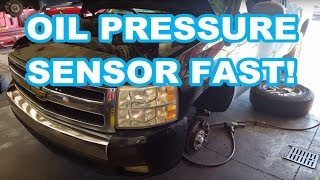
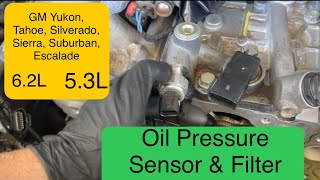
Typical fix: Replace the filter screen. It is highly recommended to replace this screen anytime the oil pressure sensor is replaced 🎬 See how to replace the sensor and filter screen, as it is a common failure point and inexpensive.
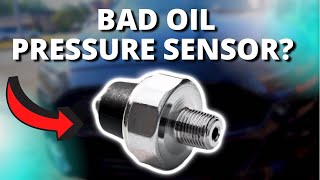
Est. part cost: $5-$15 - Faulty Engine Oil Pressure Sensor (Sending Unit) 🔴 High Probability The sensor is located in a high-heat area at the back of the engine, making it prone to failure over time. They can fail electrically, sending an incorrect low voltage signal, or develop internal leaks.
How to confirm: After verifying the engine has good mechanical oil pressure with a manual gauge, if the dashboard gauge or scan tool shows low or erratic pressure, the sensor is bad. A visual inspection may also reveal oil leaking through the top of the sensor's plastic housing.
Typical fix: Replace the oil pressure sensor. This is a labor-intensive job due to its location, often cited as 2.5-4.5 hours of labor.
Est. part cost: $30-$75 - Low or Incorrect Engine Oil 🟡 Medium Probability Some of these engines, particularly those with Active Fuel Management (AFM), can consume oil between changes. If the level gets too low, the oil pump pickup can suck in air, causing a loss of pressure. Using oil with the wrong viscosity (not Dexos-approved 0W-20) or a poor-quality aftermarket oil filter can also cause pressure issues.
How to confirm: Check the oil level via the dipstick. Verify the correct grade of oil and a quality filter (e.g., ACDelco PF63E) are being used.
Typical fix: Top off or perform an oil and filter change using the manufacturer-specified oil (typically full synthetic 0W-20) and an OEM-quality filter.
Est. part cost: $50-$100 - Wiring Harness Issue ⚪ Low Probability For 2019+ T1XX models, GM issued TSB 21-NA-149 regarding a wiring harness that can chafe against the engine or chassis, causing a short circuit. On all models, the sensor connector is in a high-heat area and can become brittle or damaged, leading to a poor connection and a false low-pressure signal.
How to confirm: Visually inspect the wiring harness leading to the oil pressure sensor for any signs of chafing, melting, or corrosion at the connector, per the locations specified in TSB 21-NA-149.
Typical fix: Repair the damaged section of the wiring harness and secure it away from sharp edges or heat sources. Replace the connector pigtail if it's damaged.
Est. part cost: $10-$50
Rare But Worth Checking
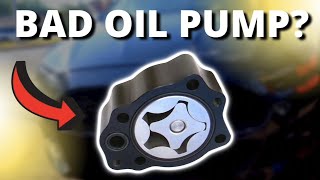
- Failing Oil Pump or Stuck Relief Valve: → Shop Engine Oil Pump This is a true mechanical failure. If a mechanical gauge confirms low pressure, the oil pump is a likely suspect. On 4WD models, this is a very intensive repair requiring front differential removal. The two-stage oil pump can also get stuck in the low-pressure stage, which can trigger code P06DD.
- Worn Internal Engine Components: Excessive clearance in engine bearings (camshaft or crankshaft) can cause a genuine loss of oil pressure. This is a worst-case scenario, often indicated by persistent knocking noises and metal shavings in the oil.
- Failing VLOM (Valve Lifter Oil Manifold): On engines with Active or Dynamic Fuel Management (AFM/DFM), this component directs oil to the lifters. Internal seals can fail or solenoids can stick, causing a significant internal oil leak and loss of pressure to the top end of the engine.
Diagnosis Steps
- CRITICAL: Immediately check the engine oil level using the dipstick. If it is low, top it off. Do not run the engine if you hear loud knocking or grinding noises.
- If the oil level is correct, DO NOT continue driving. The next step is to verify the true oil pressure.
- Connect a mechanical oil pressure gauge to the engine. This is the only way to know if you have a real low-pressure problem or just a faulty reading. This often requires a special adapter (like Bonbo EN-47971) to tap into the oil system.
- If mechanical pressure is good (e.g., >20-25 PSI at hot idle), the problem is in the sensing circuit. Proceed with replacing the oil pressure sensor and the filter screen underneath it.
- While replacing the sensor, carefully inspect the wiring connector for damage, corrosion, or oil saturation. Check for harness chafing, especially on 2019+ models per TSB 21-NA-149.
- If mechanical pressure is low, you have a serious internal engine problem. Further diagnosis will be required to check the oil pump, pickup tube O-ring, VLOM, and internal engine bearings.
Parts You'll Likely Need
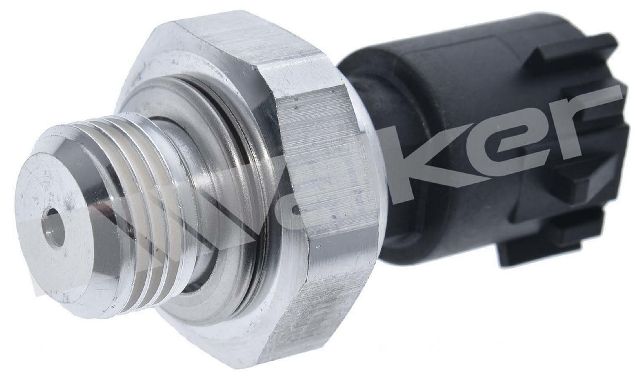
- Engine Oil Pressure Sensor
(OEM #12673134)— This sensor is the most common failure point for P0524, either failing electrically or providing false readings due to blockage.
Trusted brands: ACDelco
OEM price range: $40-$60
Aftermarket price range: $25-$50 - Engine Oil Pressure Sensor Filter Screen
(OEM #12585328)— This small screen is a primary culprit, getting clogged with sludge and causing a false low-pressure reading. It should always be replaced with the sensor.
Trusted brands: ACDelco, Dorman
OEM price range: $8-$12
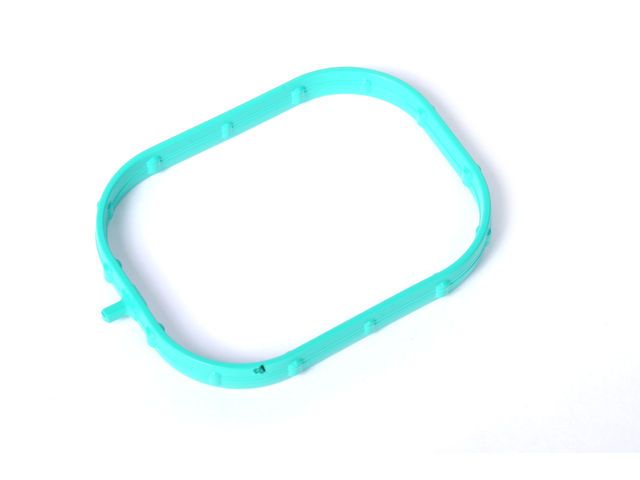
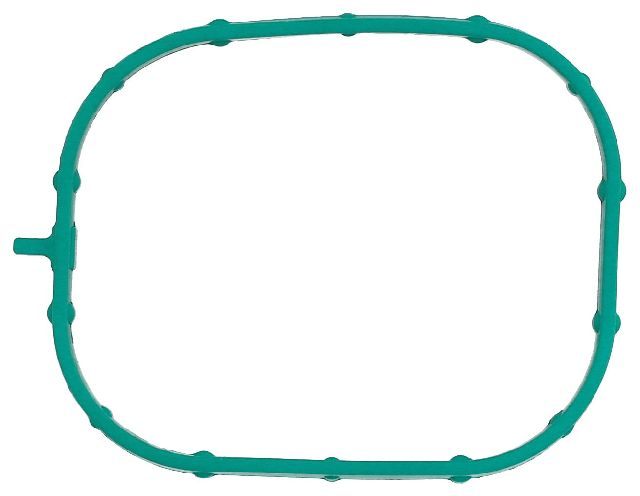
Aftermarket price range: $5-$10 - Intake Manifold Gaskets — If the repair is performed by removing the intake manifold for better access to the sensor (a common strategy), these gaskets must be replaced to prevent vacuum leaks.
Related Codes That Often Appear With This One
- P0521 — P0521 is for 'Engine Oil Pressure Sensor/Switch Range/Performance'. It often appears as a precursor or companion to P0524, indicating the sensor's readings are erratic or illogical before they drop to the critically low level that triggers P0524.
- P0522 — P0522 is for 'Engine Oil Pressure Sensor/Switch Circuit Low Voltage'. This points more specifically to an electrical issue, like a short in the wiring or a failed sensor, which could also lead to a P0524 reading.
- P06DD — This code relates to the oil pump's control solenoid being 'Stuck Off'. The dual-stage oil pump is commanded to a high-pressure state by the PCM but fails to respond, resulting in low pressure. TSB PIP5308B links this directly with P0521/P0524 on EcoTec3 engines.
Technical Service Bulletins (TSBs) & Recalls
- TSB 21-NA-149: Addresses a chafing engine wiring harness on 2019 and newer models that can cause various electrical DTCs.
Platform-Specific Known Issues
- The location of the oil pressure sensor is notoriously difficult to access, tucked behind the intake manifold against the firewall.
- These 5.3L V8 engines utilize a variable displacement oil pump. Normal oil pressure can fluctuate significantly, often idling as low as 20-25 PSI when hot, which can be alarming to owners but is considered normal operation.
- For 2019+ models, TSB 21-NA-149 identifies a potential for the engine wiring harness to chafe, causing various electrical codes, including those related to oil pressure.
Mechanic-Grade Diagnostic Values
- Normal Engine Oil Pressure (Hot) — expected: Idle: 22.6 - 27.8 PSI, 1100 RPM: 38.9 - 42.9 PSI, 3500 RPM: 52.8 - 56.9 PSI. Failure: Sustained readings below these ranges on a mechanical gauge indicate a true low-pressure condition.
- Minimum Lifter Actuation Pressure — expected: >22 PSI. Failure: Pressure below this threshold can cause lifter damage or failure.
- Oil Filter Internal Bypass Pressure — expected: 22 PSI (150 kPa) for ACDelco PF63E. Failure: Using a filter with a lower bypass rating (e.g., 15 PSI) can allow debris to circulate, causing premature engine wear.
Scan Tool Commands That Help
- GDS2 (GM Global Diagnostic System): Oil Pressure Control Solenoid Valve Test — When diagnosing a potential two-stage oil pump failure (often with code P06DD). The tech can command the solenoid on and off at 1400 and 2500 RPM to verify the pump is changing pressure stages as commanded.
- Advanced OBD-II Scanner (e.g., iCarsoft CR MAX): Oil Pressure Sensor Test — To validate the sensor's response and check for erratic readings directly from the live data stream, helping to differentiate between a sensor failure and a true pressure loss.
Wiring & Ground Locations
- ECM Connector Pin 50 — On the main Engine Control Module (ECM) connector.. This is the specific pin for the Oil Pressure Sensor Signal circuit (Tan/White wire). It is the endpoint for testing voltage and continuity from the sensor.
- Ground G103 — On the left (driver's side) front of the engine block, part of the main negative battery cable harness.. This is a primary engine ground. A poor connection here can cause erratic behavior in multiple sensors, including the oil pressure sensor.
- Ground G104 — On the rear of the passenger's side cylinder head.. This ground is tied to various systems, including the instrument panel and Vehicle Control Module. A fault here could potentially cause incorrect gauge readings or other electrical issues.
- Oil Pressure Sensor Connector — At the sensor, on the top rear of the engine block near the firewall.. This is a 3-wire, round, female connector. It's in a high-heat area and is prone to becoming brittle, causing a poor connection and false low-pressure signals.
Real Owner Repair Stories
- Chevrolet Forum user report (2004 GMC Sierra 5.3L (LS Engine, but a widely cited issue applicable to later models)) — Low oil pressure reading on the gauge and a 5-second engine rattle on cold starts.
❌ Tried (didn't work) The owner assumed it was the common clogged oil pressure sensor screen.
✅ What actually fixed it The mechanic identified the startup rattle as a sign of a true pressure loss, not a sensor issue. The actual cause was a failed O-ring within the oil pan gasket that seals the passage to the oil filter, causing an internal leak. Replacing the oil pan gasket and the pickup tube O-ring restored oil pressure to 45-60 PSI. - iCarsoft Case Study (2018 Chevrolet Silverado 5.3L) — P0524 code and 'Low Oil Pressure' warning message.
❌ Tried (didn't work) Initial diagnosis pointed towards a potential mechanical failure.
✅ What actually fixed it A scan tool showed only 5 PSI at idle, but a mechanical gauge confirmed a healthy 30 PSI. This proved the issue was electrical. Replacing the faulty oil pressure sensor and clearing the code permanently resolved the issue.
When the Usual Fixes Don't Work
- While a clogged sensor screen or faulty sensor is the most frequent cause of a false P0524 code, technicians and owners must not ignore signs of a true mechanical failure. A key differentiator is an audible engine rattle or knocking, especially on startup, which almost always indicates a genuine lack of oil pressure. In one documented case, these symptoms correctly pointed to a failed internal O-ring in the oil pan gasket, a fix that was much less expensive than an unnecessary oil pump or engine replacement.
Model Year Variations Within This Range
- 2014-2019: These engines use a two-stage variable displacement oil pump and require an oil filter with a 22 PSI bypass valve rating (ACDelco PF63E). This is different from older LS engines and some aftermarket replacements.
- 2019: The 2019 T1XX platform introduced Dynamic Fuel Management (DFM), a more complex version of Active Fuel Management (AFM). GM also issued TSB 21-NA-149 for 2019+ models regarding a wiring harness that can chafe and cause electrical faults, including P0524.
Diagnostic Flowchart
Other Known Issues on This Vehicle
Issues unrelated to this code that are worth knowing about as an owner of this generation:
- AFM/DFM Lifter Failure 🔴 High — Widespread issue, can occur from 50,000 miles onward. Failures lead to misfires (P0300), ticking noises, and can require camshaft replacement. (Ref: TSB 15-06-01-002 (and subsequent revisions))
- Transmission Shudder/Harsh Shifting (8-Speed 8L90) 🟠 Medium — Very common on 2015-2019 models with the 8-speed transmission, often called the 'Chevy Shake'. Typically occurs at highway speeds. (Ref: TSB 18-NA-355 (recommends fluid flush with Mobil 1 Synthetic LV ATF HP fluid))
- Excessive Oil Consumption 🟠 Medium — Commonly reported, often linked to the AFM system's piston rings or valve cover design. Owners report adding oil between changes.
- A/C Condenser Failure 🟠 Medium — A known weak point where the condenser can crack and leak refrigerant, causing the A/C to stop blowing cold air. Mentioned in owner forums. (Ref: NHTSA Campaign 19V889000 (Recall for some models))
- Cracked Dashboard 🟡 Low — Common cosmetic issue on 2014-2015 models, where the plastic around the instrument cluster and passenger airbag develops cracks.
Used vs. New Parts: Buying Guide for This Vehicle
When a used part is the smart pick: For this repair, used parts are generally not recommended due to the critical nature of the oiling system. However, if the intake manifold must be removed for access and is damaged during removal, a used manifold from a reputable salvage yard is a reasonable choice.
Donor-vehicle mileage cap: roughly under 100000 miles for the part to have meaningful remaining life.
What to inspect on the donor part:
- For an intake manifold: ensure no cracks, all mounting points are intact, and no signs of extreme heat damage or warping.
OEM-only on this vehicle (don't cheap out):
- Engine Oil Pressure Sensor (ACDelco recommended)
- Engine Oil Pressure Sensor Filter Screen (ACDelco or Dorman)
- Intake Manifold Gaskets
- Oil Pan Gasket
- Oil Pickup Tube O-Ring
Aftermarket brands forum-validated for this vehicle:
- ACDelco (OEM for sensor, screen, and filter)
- Dorman (for the filter screen)
Brands owners have reported issues with on this vehicle:
- Any brand of oil filter that does not explicitly meet the GM specification of a 22 PSI internal bypass valve pressure.
Real Owner Stories
Aggregated from forums and TSBs cited above. Mileages and costs reflect what owners reported in those sources.
2017 Chevrolet Silverado 1500 5.3L V8
Symptoms: The owner noticed the idle oil pressure dropping from a steady 40 psi down to 20-25 psi.
What fixed it: Identified as a common precursor symptom requiring troubleshooting of the oiling system and sensor.
Source hint: GM-Trucks.com: 'Low Oil Pressure - Troubleshooting & Recalls'
2019 Chevrolet Silverado 1500 5.3L V8
Symptoms: Electrical DTCs related to oil pressure caused by wiring issues.
What fixed it: Repairing the damaged section of the wiring harness that was chafing against the engine/chassis and securing it away from sharp edges.
Source hint: TSB 21-NA-149
2014-2019 Chevrolet Silverado 1500 5.3L V8
Symptoms: P0524 code triggered; dealer claimed a 'bad fuel pump' was the cause.
What fixed it: The source highlights this as a potential misdiagnosis or unrelated issue bundling.
Cost: $4100-$4100
Source hint: Reddit r/AskAMechanic
Related OBD-II Codes
Frequently Asked Questions
My 2017 Silverado 5.3L has oil pressure dropping to 20-25 PSI at idle; is this a sign of P0524?
Does TSB 21-NA-149 apply to my 2019 Silverado 1500?
Can I use any oil filter on my 5.3L V8 to prevent pressure codes?
Why is the labor cost so high for a simple sensor replacement on the Silverado?
Should I replace the small screen under the sensor even if it looks okay?
My dashboard says 'Oil Pressure Low - Stop Engine' but the engine sounds fine. What should I do?
Helpful Videos
We Have This Part in Stock


The information in this article is provided for general reference and educational purposes only. Vehicle specifications, procedures, and part compatibility can vary by production date, trim level, and region. Always consult your vehicle's factory service manual and verify part numbers before purchasing or performing repairs. Safety-critical components such as airbags, seat belts, and braking systems should be installed by a qualified professional.
- Chevrolet Silverado 1500:
- 🧭 Diagnostic Flowchart
- 🎬 Helpful Videos
- 🛍️ Shop This Part
- What's Unique About the 2014-2019 Chevrolet Silverado 1500
- Symptoms You May Notice
- Most Likely Causes
- Rare But Worth Checking
- Diagnosis Steps
- Parts You'll Likely Need
- Related Codes That Often Appear With This One
- Technical Service Bulletins (TSBs) & Recalls
- Platform-Specific Known Issues
- Mechanic-Grade Diagnostic Values
- Scan Tool Commands That Help
- Wiring & Ground Locations
- Real Owner Repair Stories
- When the Usual Fixes Don't Work
- Model Year Variations Within This Range
- Other Known Issues on This Vehicle
- Used vs. New Parts: Buying Guide for This Vehicle
- Real Owner Stories
- 2017 Chevrolet Silverado 1500 5.3L V8
- 2019 Chevrolet Silverado 1500 5.3L V8
- 2014-2019 Chevrolet Silverado 1500 5.3L V8
- Related OBD-II Codes
- Frequently Asked Questions
- 🎟️ Get 5% Off