

P0524 on 2014-2019 GMC Sierra 1500 5.3L: Engine Oil Pressure Too Low Causes and Fixes
On the 2014-2019 GMC Sierra 5.3L, the P0524 code is most often caused by a clogged oil pressure sensor filter screen or a faulty oil pressure sensor. Replacing both parts, which are located under the intake manifold, is the most common fix and costs around $50-$100 for parts.
- Do not panic and assume the engine is destroyed. The P0524 code on this truck is very often a false alarm caused by a sensor issue.
- The absolute first step in diagnosis is to verify the engine's actual oil pressure with a mechanical gauge before replacing any major parts.
- The most likely fix is replacing the oil pressure sensor AND the small filter screen located underneath it.
- This repair requires removing the intake manifold, making it a moderately difficult DIY job (4/5 difficulty).
- Always use a high-quality OEM (ACDelco) replacement sensor, as aftermarket versions are known to fail prematurely.
What's Unique About the 2014-2019 GMC Sierra 1500
For this generation of GMC Sierra with the 5.3L V8, the P0524 code is very frequently a sensor-related issue rather than a catastrophic mechanical failure. A tiny, inexpensive filter screen is positioned in the oil passage directly beneath the oil pressure sensor. This screen is notoriously prone to clogging with small bits of debris or sludge, which then blocks oil from reaching the sensor. The sensor, now starved of pressure, reports a false low-pressure reading to the computer, triggering the code. While the possibility of a real mechanical issue exists, this clogged screen is a well-documented quirk of this specific platform and its direct relatives like the Chevrolet Silverado.
Generation note: Yes, this range covers two generations. The 2014-2018 models and the 2019 "Sierra 1500 Limited" are the K2XX platform. The all-new 2019 Sierra 1500 is the T1XX platform. On the K2XX platform's 5.3L L83 engine, the oil pressure sensor is located at the rear of the engine valley, underneath the intake manifold. 🎬 Watch: Locate the oil pressure sensor on 2014+ models This guide primarily focuses on the more common K2XX platform.
Symptoms You May Notice
- "Oil Pressure Low - Stop Engine" message on the instrument cluster.
- Check Engine Light is on.
- Red oil pressure warning light is on.
- Oil pressure gauge reads zero or very low.
- Engine rattling, ticking, or knocking noises.
- Engine may enter a reduced power or "limp" mode.
- Replacing the entire engine or oil pump without first verifying actual oil pressure with a mechanical gauge.
- Replacing only the oil pressure sensor but not the small, inexpensive filter screen underneath it, leading to the problem returning quickly as the new sensor is also starved for pressure.
- Mistaking the normal operation of the two-stage oil pump for a fault. On L83 engines, it is normal to see the pressure gauge jump from ~40 psi to ~60 psi above 3,700 RPM as the pump enters its high-pressure stage.
Most Likely Causes
- Clogged Oil Pressure Sensor Filter Screen 🔴 High Probability This is a very common failure point on GM V8 engines of this era. The small mesh screen (Part No. 12623757) can easily get blocked by sludge or debris from normal engine wear, starving the sensor of an accurate pressure reading.
How to confirm: After confirming good mechanical oil pressure, the only way to confirm is to remove the sensor and inspect the screen. It is often replaced as a preventative measure whenever the sensor is replaced.
Typical fix: Remove the intake manifold, remove the oil pressure sensor, and use a pick to carefully extract and replace the old screen. 🎬 See this quick DIY fix for the P0524 code
Est. part cost: $5-$15 - Faulty Oil Pressure Sensor 🔴 High Probability The sensor is located in a high-heat area in the engine valley under the intake manifold, which can lead to premature failure. Aftermarket sensors are known to have a high failure rate, so using an OEM ACDelco part is strongly recommended.
How to confirm: If a mechanical gauge shows proper oil pressure but the vehicle's gauge reads low and the code is present, the sensor is the likely culprit. The sensor can also leak oil through its electrical connector when it fails, which is a clear sign of internal failure.
Typical fix: Replace the oil pressure sensor. This is typically done at the same time as the filter screen. Access requires removing the intake manifold.
Est. part cost: $45-$75 - Low Engine Oil Level 🟡 Medium Probability Some of these 5.3L engines are known for excessive oil consumption, which can lead to a low oil level if not monitored regularly.
How to confirm: Check the engine oil dipstick. This should always be the first check.
Typical fix: Add the correct specification engine oil (Dexos-approved 0W-20 or 5W-30 depending on year/climate) to the proper level.
Est. part cost: $10-$20 - Sticking Oil Pump Pressure Relief Valve ⚪ Low Probability → Shop Engine Oil Pump GM has issued bulletins for V8s regarding this issue (e.g., PIP4158H for older models). Debris can cause the valve inside the oil pump to stick open, dumping oil pressure. This can be an intermittent problem that is difficult to diagnose.
How to confirm: This is difficult to confirm without disassembly. If a mechanical gauge confirms low pressure and other causes are ruled out, the oil pump is suspected.
Typical fix: The oil pump must be replaced. This is a labor-intensive job.
Est. part cost: $150-$300
Rare But Worth Checking
- Failing Valve Lifter Oil Manifold (VLOM): On these engines with Active Fuel Management (AFM), the VLOM directs oil to the special lifters. It contains solenoids and passages that can fail or leak internally, causing a loss of oil pressure to the top end of the engine.
- Worn Main or Rod Bearings: This is a worst-case scenario. Excessive clearance from worn internal engine bearings will cause a genuine and catastrophic loss of oil pressure that requires a complete engine rebuild or replacement.
- Electrical Faults (Bad Grounds/Cables): Per GM TSB 18-NA-161, high resistance in battery cables or poor ground connections can cause a host of bizarre electrical issues, including incorrect sensor readings. While not a direct cause of low oil pressure, it could theoretically cause the PCM to incorrectly interpret the sensor's signal.
Diagnosis Steps
- IMMEDIATELY check the engine oil level and condition. If it is low, top it off and see if the pressure reading changes. Do not run the engine for more than a few seconds if it is making loud noises.
- If the oil level is correct, DO NOT assume the engine is bad. The next step is to verify the actual engine oil pressure using a mechanical pressure gauge. This is the most critical step.
- To test with a mechanical gauge, you will need to remove the original oil pressure sensor and install the gauge in its place. On the 2014-2019 5.3L, this requires removing the intake manifold for access.
- Start the engine and compare the reading on the mechanical gauge to the manufacturer's specifications (typically, you want to see at least 22-24 PSI at hot idle at 1,000 RPM).
- If mechanical pressure is GOOD: The problem is with the oil pressure sensor and/or the filter screen below it. Replace both parts. A real-world case on a 2018 Silverado showed 5 psi on the scanner but a healthy 30 psi on a mechanical gauge, confirming a bad sensor.
- If mechanical pressure is LOW: You have a serious mechanical issue. Further diagnosis of the oil pump, oil pickup tube, VLOM, or internal engine bearings is required.
Parts You'll Likely Need
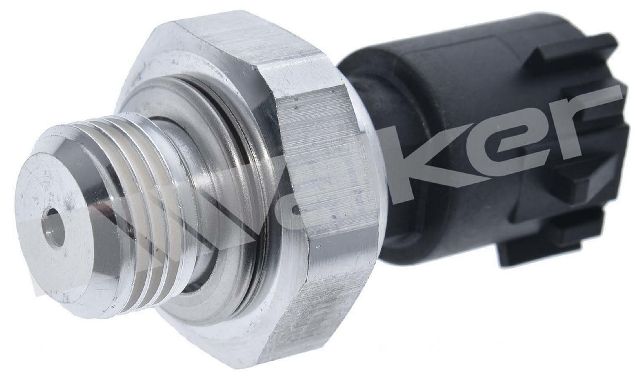
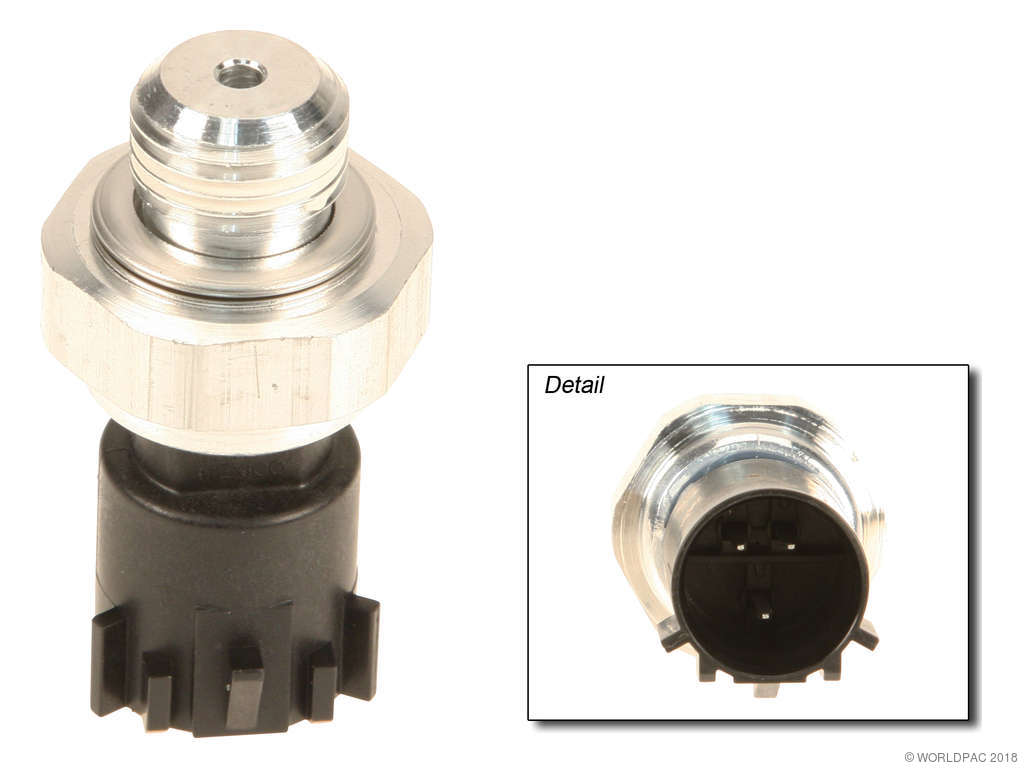
- Engine Oil Pressure Sensor
(OEM #12673134)— This is the most common part to fail, either electronically or by leaking. It is the source of the low pressure signal. Note: This part is for the L83 engine (2014-2019 K2XX). The newer T1XX platform with the L84/L87 engine uses part number 12685371.
Trusted brands: ACDelco
OEM price range: $45-$75
Aftermarket price range: $25-$50 - Engine Oil Pressure Sensor Filter Screen
(OEM #12623757)— This small screen is the most common culprit for causing a false low-pressure reading when it becomes clogged with debris.
Trusted brands: ACDelco, Dorman
OEM price range: $5-$15
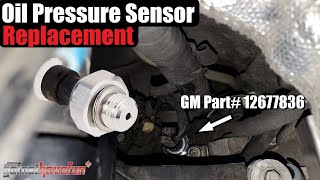
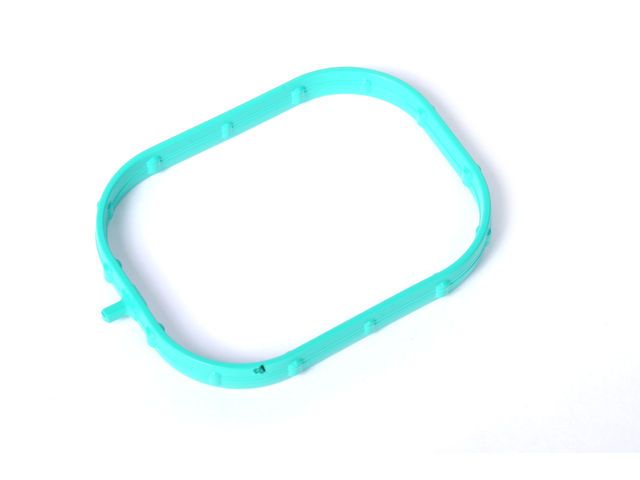
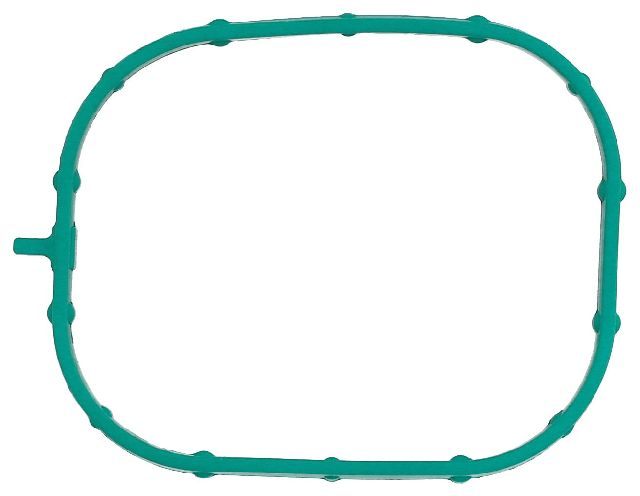
Aftermarket price range: $5-$10 - Intake Manifold Gasket Set — The intake manifold must be removed to access the sensor and screen on the 5.3L engine. The gaskets are one-time use and must be replaced. 🎬 Watch: Step-by-step oil pressure sensor replacement walkthrough
Trusted brands: ACDelco, Fel-Pro
OEM price range: $40-$80
Aftermarket price range: $25-$50
Related Codes That Often Appear With This One
- P0521 — P0521 is for 'Engine Oil Pressure Sensor Performance'. It often appears alongside P0524 as it indicates the sensor's readings are erratic or not within the expected range, which is a direct cause of the P0524 code being set.
- P06DD — This code means 'Engine Oil Pressure Control Circuit Stuck Off'. It specifically points to a problem with the two-stage oil pump's control solenoid, which can lead to low oil pressure conditions that trigger P0524.
Technical Service Bulletins (TSBs) & Recalls
- PIP4158H: While for earlier models, this GM document discusses low oil pressure caused by a sticking oil pump pressure relief valve, which can be a potential cause on these engines as well.
- 18-NA-161: Addresses a wide variety of electrical problems (stalling, blank displays, no-start) stemming from high-resistance battery cables or poor grounds. While not a direct cause for P0524, it highlights platform-level electrical weaknesses that could cause erroneous sensor readings.
- 15-06-01-002E (and subsequent revisions): Details the diagnosis and repair for failed Active Fuel Management (AFM) lifters, a very common issue on the 5.3L L83 engine that can cause engine misfires and ticking noises.
- PIP5141D: Pertains to code P06DD (Engine Oil Pressure Control Solenoid Valve Stuck Off) and provides a diagnostic procedure for testing the two-stage oil pump's solenoid using a GDS scan tool.
Platform-Specific Known Issues
- The location of the oil pressure sensor beneath the intake manifold makes replacement more labor-intensive than on previous generations of GM V8s.
- Active Fuel Management (AFM) / Dynamic Fuel Management (DFM) systems on these engines add complexity to the oiling system, with the VLOM being a potential, though less common, point of failure for oil pressure issues. AFM lifter failure is a major known issue for this engine, and while it typically sets a P0300 misfire code, severe internal debris could contribute to oil passage blockages.
Mechanic-Grade Diagnostic Values
- Mechanical Oil Pressure (5.3L L83, Hot) — expected: Minimum 22-24 PSI @ 1,000 RPM, 30 PSI @ 2,000 RPM, 33 PSI @ 3,000 RPM.. Failure: Pressure significantly below these minimums confirms a mechanical fault.
- Oil Pressure Sensor Signal Voltage (Key On, Engine Off) — expected: ~0.4V - 0.5V (back-probed at the sensor connector). Failure: A reading of 0V or a value that doesn't change when the engine starts suggests a failed sensor or an open in the signal circuit.
- Oil Pressure Sensor Ground Circuit Resistance — expected: Less than 1.0 Ohm between the sensor's ground pin and a known-good chassis ground.. Failure: Resistance over 1.0 Ohm indicates a poor ground connection or an open in the ground circuit, which can cause incorrect sensor readings.
- Normal Oil Pressure Fluctuation (L83 Engine) — expected: Pressure will jump from ~40 PSI to ~60 PSI when engine speed exceeds 3,500-3,700 RPM.. Failure: This is normal operation as the two-stage oil pump switches to its high-pressure mode. It should not be diagnosed as a fault.
Scan Tool Commands That Help
- GDS2 (GM Dealer Scan Tool): Oil Pressure Control Solenoid (OCV) On/Off Command — When diagnosing a related code P06DD or suspecting a faulty two-stage oil pump. A technician can command the solenoid on and off at specific RPMs (e.g., 1400 and 2500 RPM) to verify the pump is changing pressure stages correctly. A change of at least 4 PSI should be observed.
- High-End Scan Tool (e.g., iCarsoft CR MAX, Autel): Instrument Panel Cluster (IPC) Gauge Sweep — To verify that the oil pressure gauge in the instrument cluster is physically capable of moving. If the gauge sweeps correctly during this test but reads zero otherwise, it confirms the fault lies with the sensor, wiring, or PCM, not the gauge itself.
Wiring & Ground Locations
- Oil Pressure Sensor Connector — At the top rear of the engine valley, under the intake manifold, just in front of the firewall.. This 3-pin connector provides the sensor with a 5V reference, a ground, and sends the signal back to the PCM. The pins are: Pin 1 (Gray) - 5V Reference, Pin 2 (Tan/White) - Signal, Pin 3 (Black) - Low Reference/Ground. Damage or corrosion here will directly cause sensor codes.
- G103 / G104 — Bolted to the cylinder heads. Typically on the front of the passenger's side cylinder head (G103) and rear of the passenger's side head (G104).. These are primary engine ground points for the PCM and various sensors. A loose or corroded G103 or G104 can create high resistance in the sensor ground circuits, leading to erratic readings and false codes like P0524. This is a known issue per TSB 18-NA-161.
Real Owner Repair Stories
- Reddit user, r/ChevyTrucks (Chevrolet Truck with 5.3L L83/L86 engine) — Recurring P0521 (related performance code), Check Engine Light would return 100-1000 miles after clearing.
❌ Tried (didn't work) Replacing the oil pressure sensor multiple times., Removing the sensor filter screen entirely.
✅ What actually fixed it The problem was permanently resolved by switching to a specific Mobil 1 M1-113A oil filter, indicating the system's sensitivity to oil filter specifications and bypass valve characteristics. - Forum Reports (Multiple) (2014-2019 GM Truck with 5.3L V8) — P0521 or P0524 returns shortly after repair.
❌ Tried (didn't work) Replacing the oil pressure sensor with an aftermarket part from a local auto parts store.
✅ What actually fixed it The issue was only resolved after replacing the new aftermarket sensor with a genuine OEM ACDelco sensor (PN 12673134). This is a very common report, suggesting a high failure rate or incompatibility of non-OEM sensors for this application.
OEM Part Supersession History
Unknown/Previous Revisions→12673134— GM regularly updates service parts to integrate new materials and technologies for improved durability.
Heads up: While earlier part numbers may exist, 12673134 is the current specified ACDelco GM OE part for the L83 engine in this vehicle range. Using aftermarket equivalents is frequently reported to cause repeat failures.
Model Year Variations Within This Range
- 2014-2018 (K2XX L83 Engine): Uses a two-stage variable displacement oil pump controlled by a solenoid. This results in noticeable pressure jumps on the gauge (e.g., 40 to 60 PSI) which is normal. Also features Active Fuel Management (AFM).
- 2019+ (T1XX L84 Engine): The newer L84 engine, found in the new T1XX platform, switched to a single-stage variable displacement oil pump and uses Dynamic Fuel Management (DFM) instead of AFM. This results in different oiling system components (like individual oil control solenoids in the valley) and potentially smoother, less noticeable pressure changes on the gauge compared to the L83.
Diagnostic Flowchart
Other Known Issues on This Vehicle
Issues unrelated to this code that are worth knowing about as an owner of this generation:
- AFM/DFM Lifter Failure 🔴 High — Very common, can occur at various mileages but becomes more frequent after 60,000 miles. It is the #1 documented engine problem for this platform. (Ref: TSB 15-06-01-002 (multiple revisions, e.g., E, M) addresses diagnosis and repair for stuck/collapsed AFM lifters.)
- 8-Speed Transmission Shudder (8L45/8L90) 🔴 High — Widespread issue on 2015-2019 models equipped with the 8-speed automatic, often called the 'Chevy Shake'. Can manifest as a shudder or vibration between 40-70 mph. (Ref: TSB 18-NA-355 recommends a specific transmission fluid flush (Mobil 1 Synthetic LV ATF HP 'Blue Label') as the first step. Subject of multiple class-action lawsuits.)
- A/C Condenser or Compressor Failure 🟠 Medium — Frequently reported by owners. The A/C system may stop blowing cold air due to leaks in the condenser or compressor failure.
- Excessive Oil Consumption 🟠 Medium — Often linked to the Active Fuel Management (AFM) system. Some engines consume a quart of oil every 1,000-3,000 miles. (Ref: A known issue that was the subject of a class-action lawsuit for previous generation engines and persists in the L83.)
- Electrical Faults from Bad Grounds/Cables 🟡 Low — Can occur at any time. Causes a wide array of bizarre electrical symptoms like stalling, loss of power steering, and blank instrument/radio displays. (Ref: TSB 18-NA-161 provides a detailed diagnostic procedure for high-resistance battery cables and poor ground connections (specifically G218).)
Used vs. New Parts: Buying Guide for This Vehicle
When a used part is the smart pick: For this specific repair, using used parts is not recommended. The primary failure components (sensor, screen) are inexpensive new, and their failure is often due to heat cycles and internal wear that cannot be visually inspected.
What to inspect on the donor part:
- Not applicable as used parts are not advised for this repair.
OEM-only on this vehicle (don't cheap out):
- Engine Oil Pressure Sensor: Numerous owner and technician reports confirm that aftermarket sensors have a very high rate of premature failure or out-of-box incompatibility, causing the code to return. Using a genuine ACDelco sensor (PN 12673134 for L83) is critical for a lasting repair.
- Engine Oil Filter: The pressure regulation system is sensitive to filter construction. Use of non-ACDelco filters has been linked to setting pressure-related codes. Sticking with the specified ACDelco PF63E filter is a wise preventative measure.
Aftermarket brands forum-validated for this vehicle:
- For gaskets like the intake manifold set, Fel-Pro is a widely trusted and reliable aftermarket brand.
Brands owners have reported issues with on this vehicle:
- Generic or 'white-box' auto parts store brand oil pressure sensors should be avoided for this application due to high reported failure rates.
Real Owner Stories
Aggregated from forums and TSBs cited above. Mileages and costs reflect what owners reported in those sources.
2018 Chevrolet Silverado 1500 5.3L V8
Symptoms: The scanner showed only 5 psi of oil pressure, suggesting a critical failure.
What fixed it: A mechanical gauge test confirmed the engine actually had 30 psi; the oil pressure sensor was replaced to resolve the erroneous reading.
Source hint: diagnosis_steps section referencing a real-world case on a 2018 Silverado
2014-2019 GMC Sierra 1500 5.3L V8 — ~100000 miles
Symptoms: Transmission issues and general reliability concerns on the K2XX platform.
What fixed it: A former dealership technician noted that performing pan drops with filter changes rather than just flushes correlated with better longevity.
Source hint: Reddit r/gmcsierra: Are all 2014 and up GMC Sierras subject to transmission issues past 100K miles?
2015 GMC Sierra 1500 5.3L L83 — ~60000 miles
Symptoms: Engine ticking noises and misfires associated with a stuck or collapsed lifter.
What fixed it: Diagnosis and correction for a failed Active Fuel Management (AFM) lifter as outlined in TSB 15-06-01-002E.
Source hint: gm-trucks.com: Collapsed lifter AFM issue
Related OBD-II Codes
Frequently Asked Questions
My 2018 Silverado scanner shows 5 psi but the engine sounds fine. Is the sensor actually bad?
Which specific part number should I use for the oil pressure sensor filter screen on my 5.3L Sierra?
Does GM have a bulletin regarding sticking oil pump valves for these V8 engines?
Can I use an aftermarket oil pressure sensor for my 2014-2019 GMC Sierra?
Is there a TSB for the oil pressure control solenoid on the 5.3L L83 engine?
Could my P0524 code be related to the AFM lifter issues common on the 5.3L engine?
Helpful Videos
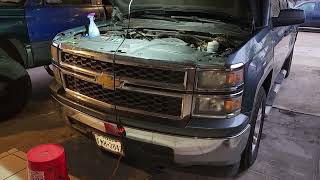
![How to Fix P0524 Engine Code in 4 Minutes [2 DIY Methods / Only $6.99]](https://img.youtube.com/vi/qOfaymDQMXM/mqdefault.jpg)
We Have This Part in Stock


The information in this article is provided for general reference and educational purposes only. Vehicle specifications, procedures, and part compatibility can vary by production date, trim level, and region. Always consult your vehicle's factory service manual and verify part numbers before purchasing or performing repairs. Safety-critical components such as airbags, seat belts, and braking systems should be installed by a qualified professional.
- GMC Sierra 1500:
- 🧭 Diagnostic Flowchart
- 🎬 Helpful Videos
- 🛍️ Shop This Part
- What's Unique About the 2014-2019 GMC Sierra 1500
- Symptoms You May Notice
- Most Likely Causes
- Rare But Worth Checking
- Diagnosis Steps
- Parts You'll Likely Need
- Related Codes That Often Appear With This One
- Technical Service Bulletins (TSBs) & Recalls
- Platform-Specific Known Issues
- Mechanic-Grade Diagnostic Values
- Scan Tool Commands That Help
- Wiring & Ground Locations
- Real Owner Repair Stories
- OEM Part Supersession History
- Model Year Variations Within This Range
- Other Known Issues on This Vehicle
- Used vs. New Parts: Buying Guide for This Vehicle
- Real Owner Stories
- 2018 Chevrolet Silverado 1500 5.3L V8
- 2014-2019 GMC Sierra 1500 5.3L V8 — ~100000 miles
- 2015 GMC Sierra 1500 5.3L L83 — ~60000 miles
- Related OBD-II Codes
- Frequently Asked Questions
- 🎟️ Get 5% Off