

OBD-II Code P0529: Fan Speed Sensor Circuit Intermittent
What P0529 means, why it triggers, and how to fix it
- Code P0529 indicates the cooling fan speed sensor signal is dropping out, directly threatening your engine's ability to regulate temperature.
- Corroded wiring and loose connectors cause over 50% of P0529 codes, making electrical testing mandatory before buying a $300+ fan assembly.
- Stop driving immediately; an intermittent cooling fan guarantees overheating in traffic and risks a $5,000+ engine replacement from a warped cylinder head.
- Swap the $20 cooling fan relay with an identical one in the fuse box first, as a sticking relay perfectly mimics a failing fan speed sensor.
What Does P0529 Mean?
Code P0529 means the Engine Control Module (ECM) detects an unstable signal from the cooling fan speed sensor. This sensor reports radiator fan RPM, which is critical for temperature regulation. When the signal drops out, the ECM loses control of the fan, triggering the code and risking an engine overheat.
Technical definition: The SAE/OBD-II definition is "Fan Speed Sensor Circuit Intermittent". The ECM sets this code when the voltage signal from the electric cooling fan speed sensor circuit drops out sporadically or varies by more than 10% from expected parameters.
Can I Drive With P0529?
No — Do Not Drive. Driving is not recommended. An intermittent fan fails without warning, causing rapid engine overheating in traffic. Continuing to drive risks catastrophic engine damage, such as a warped cylinder head, with repair costs exceeding $5,000. Tow the vehicle to a repair shop.
Common Causes
- Damaged or Corroded Wiring/Connectors (Very Common) — Engine bay heat and moisture degrade the fan speed sensor wiring harness. Brittle wires, chafing, or corroded connector pins interrupt the voltage signal.
- Defective Cooling Fan Motor / Integrated Sensor (Common) — Most modern vehicles integrate the speed sensor into the fan motor assembly. Worn internal motor components send erratic speed signals to the ECM.
- Failing Cooling Fan Relay (Common) — A sticking or weak fan relay turns the fan on and off unpredictably. The ECM interprets this erratic physical operation as an intermittent sensor signal.
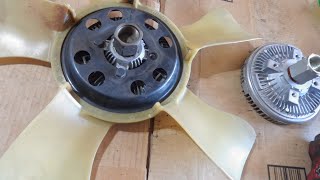
- Faulty Fan Clutch (Common) — On trucks and large SUVs, the speed sensor lives inside the mechanical fan clutch. When the clutch fluid leaks or the internal wiring fails, the sensor signal drops out. 🎬 See this step-by-step fan clutch replacement walkthrough.
- Debris Obstructing the Fan (Less Common) — Road debris or plastic bags caught in the fan shroud physically prevent the blades from spinning freely, causing erratic RPM readings.
- Faulty Engine Coolant Temperature (ECT) Sensor (Uncommon) — An inaccurate ECT sensor sends erratic temperature spikes to the ECM, causing it to command the fan on and off rapidly. This mimics a fan speed sensor fault.
- Communication (LIN Bus) Wire Failure (Uncommon) — European vehicles (BMW, VW) control the fan via a single LIN bus wire. A micro-break in this wire interrupts communication, logging an intermittent fault.
- Failing Powertrain Control Module (PCM) (Rare) — Internal PCM faults, such as cracked solder joints or water damage, prevent the computer from processing the incoming fan speed signal.
Symptoms
- Check Engine Light is On — This is the primary and often the first indication of a signal dropout.
- Cooling Fan Works Intermittently or Stays On — The fan cycles on and off erratically, runs when the engine is cold, or stays on constantly after the vehicle is turned off.
- Engine Overheating — The temperature gauge climbs above the midpoint, especially when idling or in stop-and-go traffic.
- Air Conditioning (A/C) Blows Warm — The A/C system requires the cooling fan to cool the condenser. If the fan stops, the A/C blows warm air when the vehicle is stationary. 🎬 Watch: Troubleshooting radiator fans that aren't operating correctly.
- Unusual Engine Bay Noises — A loud whirring sound occurs if the fan is stuck on high speed, or clicking noises if the relay is failing.
- Reduced Engine Power — The ECM enters 'limp mode' to protect the engine from overheating, severely limiting acceleration.
Diagnostic Flowchart
Tap your situation to follow the diagnostic path that matches what you're seeing on this code.
Common Fixes & Costs
- Replacing the Cooling Fan Relay — Parts: $15-$30, Labor: $0-$50, ~0.2 hr book time (DIY)
- Repairing Wiring/Connectors — Parts: $10-$50, Labor: $100-$200, ~1.5 hr book time (Intermediate)
- Replacing the Radiator Fan Assembly — Parts: $150-$400, Labor: $150-$300, ~2.0 hr book time (Intermediate)
- Replacing the Fan Clutch (Trucks/SUVs) — Parts: $100-$300, Labor: $150-$300, ~2.5 hr book time (Intermediate)
- Replacing the Fan Control Module — Parts: $75-$250, Labor: $100-$200, ~1.2 hr book time (Intermediate)
DIY vs Professional
- Replacing Cooling Fan Relay — Beginner: Yes
Tools: None or fuse puller - Repairing Wiring/Connectors — Beginner: No
Tools: Multimeter, wire strippers, crimpers, heat shrink tubing. - Replacing Radiator Fan Assembly — Beginner: No
Tools: Socket set, screwdrivers, pliers, trim removal tools. - Replacing Fan Clutch — Beginner: No
Tools: Fan clutch wrench set, socket set, torque wrench.
Used vs. New Parts: Buying Guide
When a used part is worth it: For an older, high-mileage vehicle (over 150k miles) where a new OEM fan assembly is a significant portion of the car's value. A used part from a reputable salvage yard is a cost-effective gamble.
Donor-vehicle mileage cap: roughly under 80000 miles for the part to have meaningful remaining life.
Donor quality checklist:
- Verify the donor vehicle was in a collision and not scrapped for engine or electrical problems.
- Visually inspect for corrosion, cracked plastic, or damaged wiring.
- Match the part number exactly, as different model years have incompatible connectors.
Decision logic:
- If Vehicle is under 8 years old or has less than 100,000 miles → Buy a new OEM or high-quality aftermarket part. The reliability justifies the cost.
- If Vehicle is over 10 years old and budget is the primary concern → A used OEM part is often better than a cheap new aftermarket part. Expect 30-60% of the original lifespan.
- If The part is a fan clutch for a heavy-duty truck → Favor new OEM or a reputable aftermarket brand like Hayden or Dorman, as these are high-wear items.
Warranty tradeoff: Used parts offer a 30-90 day warranty covering the part only. Aftermarket new parts have a 1-year to limited lifetime warranty. New OEM parts carry a 12-month/12,000-mile warranty.
Worst-case if a used part fails: $300-$600. This represents the cost of repeat labor to install another fan assembly, plus the replacement part.
What Happens If You Wait — Timeline
- 0-1 month: Check Engine Light is on with P0529. Fan runs erratically. No noticeable overheating during normal driving, but A/C is less effective at idle. (MPG impact: 0-1%% · Added cost: $0)
- 1-3 months: Intermittent overheating begins, especially in stop-and-go traffic. The temperature gauge spikes and falls. The fan fails to turn on when needed. (MPG impact: 1-3%% · Added cost: $50-$150 in wasted fuel and potential diagnostic fees.)
- 3-6 months: Overheating events become frequent and severe. The risk of boiling coolant increases, placing stress on hoses and gaskets. A single severe overheat warps a cylinder head. (MPG impact: 3-5%% · Added cost: $1,500-$3,000+ if a warped cylinder head or blown head gasket occurs.)
- 6+ months: Catastrophic engine damage is imminent. Continued operation leads to major component failure, such as a cracked engine block or seized internal bearings. (MPG impact: 5-10%+% · Added cost: $5,000-$10,000+ for a complete engine replacement.)
Cost of Not Fixing It
- 0-1 Month: Intermittent engine overheating in traffic. Poor A/C performance. Increased wear on fan components as they cycle erratically. (Added cost: Negligible, unless a severe overheating event occurs.)
- 1-6 Months: Severe overheating events become frequent, leading to a high risk of a blown head gasket or a warped cylinder head. (Added cost: $2,000-$5,000+.)
- 6+ Months: Catastrophic engine damage. Continued overheating cracks the cylinder head or engine block, requiring complete engine replacement. (Added cost: $5,000-$10,000+.)
Diagnosis Steps
- Perform a Visual Inspection
Inspect the cooling fan, wiring harness, and connectors. Look for melted wires, loose plugs, or green corrosion. Verify the fan blades spin freely by hand with the engine off.
Tools: Flashlight (Beginner) - Check Fuses and Relays
Locate the cooling fan relay in the fuse box. Swap it with an identical non-critical relay (like the horn). If the fan behavior normalizes, the original relay is faulty.
Tools: Owner's Manual, Fuse Puller (Beginner) - Scan for Codes and Review Live Data
Connect an OBD-II scanner and monitor the 'Fan Speed Sensor RPM' PID. Command the fan on. An erratic or zero RPM reading while the fan visibly spins confirms a sensor or wiring fault.
Tools: OBD-II Scanner with Live Data (Beginner) - Perform a 'Wiggle Test'
With the engine running and the scanner graphing live fan RPM, wiggle the wiring harness near the fan and PCM. If the RPM drops out during movement, you found the short or open circuit.
Tools: OBD-II Scanner with Live Data (Intermediate) - Test Sensor Circuit Voltage and Ground
Disconnect the fan sensor. Using a multimeter, verify 5V or 12V reference voltage and less than 0.1V on the ground pin. Back-probe the signal wire with the sensor connected; voltage must vary smoothly as fan speed changes.
Tools: Multimeter, Vehicle-specific Repair Manual (Intermediate) - Test the Cooling Fan Motor
Use a bi-directional scanner to command the fan to 100% speed. If it fails to operate smoothly or makes grinding noises, the motor assembly requires replacement.
Tools: OBD-II Scanner with Bi-directional Control or Fused Jumper Wires (Intermediate) - Test Wiring Harness Resistance
Disconnect the harness from the sensor and PCM. Measure resistance end-to-end on the signal, power, and ground wires. Readings above 1 ohm indicate excessive resistance requiring wire repair.
Tools: Multimeter, Vehicle-specific Repair Manual (Advanced) - Check LIN Bus Communication
For European vehicles, use an oscilloscope on the LIN bus wire at the fan connector. A clean square wave (0.5V to 12V) is required. A flat line indicates a broken wire or failed master module.
Tools: Oscilloscope, Vehicle-specific Wiring Diagram (Advanced) - Test the Powertrain Control Module (PCM)
Verify the PCM outputs the correct command signals and processes the return sensor voltage. This requires specialized equipment and is best left to a professional.
Tools: Advanced Scan Tool, Oscilloscope, Vehicle-specific Wiring Diagrams (Advanced)
When This Code Triggers (Freeze-Frame Conditions)
- Engine Coolant Temp: 195-220°F (90-104°C) (Engine at or above normal operating temperature, when fan operation is expected.)
- Engine RPM: 650-3000 RPM (Occurs at idle (especially with A/C on) or during city/highway driving under load.)
- A/C System Status: On (The A/C system requests fan operation to cool the condenser, revealing intermittent faults.)
- Vehicle Speed: 0-45 mph (0-72 kph) (Most common in stop-and-go traffic where airflow is low and fan demand is high.)
Related Codes
- P0526 — P0526 indicates a general 'Fan Speed Sensor Circuit' fault. P0529 is the specific intermittent version of this code.
- P0528 — P0528 means 'Fan Speed Sensor Circuit No Signal'. An intermittent P0529 fault becomes a hard P0528 fault when the wire breaks completely.
- P0480 — P0480 points to a fault in the 'Cooling Fan 1 Control Circuit' (the command side). A P0480 fault causes erratic fan behavior, triggering P0529 as a secondary code.
- P0483 — P0483 is a 'Cooling Fan Rationality Check Malfunction'. The PCM sets this when the reported fan speed does not match the commanded speed.
Climate & Environmental Factors
- High Humidity / Salt Belt Regions: Road salt accelerates corrosion inside the fan connectors, introducing resistance that interrupts the 5V signal.
- Hot Climates: Constant high temperatures force the fan to run continuously, melting wiring insulation and burning out fan motors prematurely.
How to Talk to a Mechanic About This Code
Say this: "I have a P0529 code for an intermittent fan speed sensor. Please test the fan relay, harness connectors, and wiring for dropouts before quoting a full fan assembly replacement."
This signals you understand electrical diagnostics. It prevents the shop from firing the 'parts cannon' at a simple wiring issue, potentially saving you hundreds of dollars.
Avoid saying:
- 'Just fix whatever's wrong'
- 'My check engine light is on, can you look at it?' (too vague — invites upsell)
- 'Whatever you recommend'
Questions to ask before authorizing the repair:
- Did you test the fan relay and check the fuses?
- Did you inspect the wiring and connector for the fan assembly for corrosion or damage?
- What were the voltage and ground readings at the sensor connector?
- If you are recommending a new fan assembly, can you confirm that the speed sensor is integrated and cannot be replaced separately?
- What is the warranty on the recommended parts and labor?
Where to Take It: Dealer vs Independent vs Chain
- Dealer:
Recommended for in-warranty repairs or if your vehicle has a known manufacturer-specific issue detailed in a TSB.
Best for: Vehicles still under powertrain warranty, Vehicles with known TSBs (e.g., 2008 Ford Super Duty), Complex systems with proprietary communication like BMW or VW/Audi
Downsides: Highest labor rates (up to 40% more than independent shops)., Defaults to replacing an entire assembly rather than repairing a wire. (Typical cost: +40% vs. baseline) - Independent Shop:
Best fit for most situations. A good independent shop with strong electrical diagnostic skills pinpoints the failure (wire, relay, or sensor) without unnecessarily replacing expensive parts.
Best for: Out-of-warranty vehicles where cost is a factor, Diagnosing common electrical faults on domestic and popular import models
Downsides: Diagnostic skill for complex electrical issues varies; look for ASE certifications and good reviews on electrical work. (Typical cost: +0% vs. baseline) - Chain Shop:
Avoid for P0529 diagnosis. The complexity of this intermittent electrical code is beyond the scope of most chain shops and carries a high risk of an incorrect repair.
Best for: Simple, unrelated services like oil changes or tire rotations.
Downsides: Technicians lack the advanced electrical diagnostic training needed for intermittent faults., High pressure to replace parts quickly leads to misdiagnosis. (Typical cost: -10% vs. baseline)
When to Walk Away From the Repair
If the repair exceeds 40% of the vehicle's value, consider selling. However, fixing a $500 fan assembly is always cheaper than replacing a $5,000 overheated engine.
- Car worth $12000, fix is $800: Fix it. The repair cost is well below the threshold and prevents a much more expensive engine failure.
- Car worth $4000, fix is $1800: Walk away. The repair is nearly 50% of the car's value. It's not financially sound to invest this much into an older vehicle.
- Car worth $3000, fix is $750: Borderline, but likely worth fixing. While the cost is 25% of the car's value, not fixing it guarantees the car will become inoperable. Get a second opinion to confirm the diagnosis.
What Scan Tool You Need for This Code
Minimum: A scanner that reads and graphs live data, specifically the fan speed RPM PID.
A basic $20 code reader only shows the P0529 code. It cannot display the live data needed to see intermittent signal dropouts, which is essential for a wiggle test.
Budget: BlueDriver Pro or Ancel BD310 (~$100-120) — Graphs live fan RPM to catch signal dropouts during a wiggle test and confirms if the signal is stable after a repair.
Mid-range: Innova 5610 or Topdon ArtiDiag Pro (~$300-400) — Adds bi-directional control to manually command the fan to 100% speed, isolating the motor from the sensor.
Professional: Autel MaxiCOM MK808 / MK906BT or Xtool D7 (~$450-1200) — Offers full OE-level diagnostics, including advanced bi-directional controls. Required for testing LIN bus communication on European vehicles.
Rent vs buy: Rent, then buy if needed. AutoZone and O'Reilly offer loaner tools, but their free scanners are often basic code readers that lack live data. For P0529, you must buy at least a budget-level scanner with live data.
How to Clear the Code After You Fix It
- Use an OBD-II scan tool to clear the P0529 and any related fault codes.
- Reconnect the battery if it was disconnected for the repair.
- Perform a complete drive cycle to allow the vehicle's readiness monitors to run.
Drive cycle (~30 minutes): A generic drive cycle includes: 1) Cold start (engine temp below 122°F). 2) Idle for 2-3 minutes with electrical loads on (like A/C and rear defroster). 3) Drive for 15 minutes with mixed stop-and-go conditions. 4) Drive for 5-10 minutes at a steady highway speed (55-60 mph). 5) Allow the vehicle to cool down completely (sit for 8 hours) and repeat if necessary.
Readiness monitors affected: Catalyst Monitor, Oxygen (O2) Sensor Monitor, EVAP System Monitor
Before emissions retest: drive at least 100 miles to fully set monitors.
Watch out for:
- Disconnecting the battery clears the code but resets all readiness monitors, causing an immediate emissions test failure.
- The code returns immediately if the underlying intermittent electrical fault is not repaired.
Will This Fail Emissions / State Inspection?
Yes — this code typically fails an OBD-II emissions inspection.
- California: An illuminated Check Engine Light is an automatic failure. After repair, the vehicle must complete a drive cycle to set readiness monitors. For model years 2000 and newer, one non-continuous monitor can be 'Not Ready'.
- New York: A vehicle automatically fails the OBD-II emissions inspection if the Check Engine Light is on. After clearing codes, the vehicle must be driven through a drive cycle.
- Texas: In counties requiring emissions testing, an active Check Engine Light results in an automatic failure. For 2001 and newer vehicles, only one monitor may be 'Not Ready'.
Most Commonly Affected Vehicles
- Ford F-Super Duty (F-250, F-350) (2008) — TSB 08-5-14 addresses water entering the fan clutch circuit, causing P0528 and P0529. Requires an updated fan clutch (P/N 8C3Z-8A616-S).
- Dodge / Ram Ram 1500/2500/3500 (2013-2018) — The integrated speed sensor inside the fan clutch fails frequently, requiring complete clutch assembly replacement.
- Chevrolet / GMC Silverado, Sierra, and SUVs (2007-2021) — Mechanical fan clutches fail internally, causing the fan to default to maximum speed or not engage at all.
- Jeep Wrangler, Grand Cherokee (2007-2017) — The Totally Integrated Power Module (TIPM) intermittently fails to send power to the fan relay, triggering the code.
- Chrysler / Dodge Pacifica, Charger, 300 (2011-2019) — The fan control module integrated into the radiator fan assembly fails, requiring full assembly replacement.
- Hyundai / Kia Sonata, Optima, Santa Fe (2011-2022) — Fan motor burnout or integrated control module failure is common, requiring a new fan assembly.
- BMW 3-Series, 5-Series, X5 (2006-2013) — A break in the single LIN bus wire between the DME and the fan causes total loss of control.
- Volkswagen / Audi GTI, Jetta, A4 (2008-2015) — The fan control module integrated into the larger cooling fan fails, requiring replacement of the main fan assembly.
Manufacturer-Specific Notes
- Ford: On 2008 6.4L diesels, water intrusion into the fan clutch wiring directly causes P0529. Ford released TSB 08-5-14 with a redesigned fan clutch to fix the problem.
- Chrysler/Dodge/Jeep/Ram: The Totally Integrated Power Module (TIPM) is a known source of electrical issues. Always test the power output from the TIPM to the fan circuit before replacing the fan.
- BMW: The cooling fan is controlled by a single LIN bus wire. Mechanics incorrectly diagnose a failed $500 fan assembly when the issue is a single broken wire between the DME and the fan.
- General Motors (Chevrolet/GMC): The speed sensor is integrated into the mechanical fan clutch. When it fails, the fan defaults to maximum speed (sounding like a jet engine) or fails to engage entirely.
Real Owner Stories
2016 Chevy Silverado 1500 at ~100K miles
Fan runs at high speed for 5-10 minutes after truck is shut off. Temperature gauge reads low (stuck at 160°F) and doesn't move. Problem is intermittent.
What they tried:
- Replaced the Engine Coolant Temperature (ECT) sensor ($20 part). The problem returned.
- Disconnected the battery to reset the computer, which temporarily resolved the issue.
Outcome: Replaced the thermostat. The computer was not receiving the expected temperature spike, causing it to enter a 'safe mode' where it runs the fans to prevent a potential overheat.
Lesson: A fan running constantly with a low temperature reading points to a faulty thermostat. The computer defaults to maximum cooling as a protective measure when it can't verify engine temperature.
2011 BMW 3-Series (E90)
Check Engine Light with code P0529. Fan is completely inoperative, leading to overheating in traffic. A/C blows warm air.
What they tried:
- Shop quoted $800+ to replace the entire radiator fan assembly, assuming the integrated control module had failed.
Outcome: Owner used an oscilloscope and found no signal on the LIN wire at the fan connector. Tracing the wire back, they found a break near the main engine harness. Repairing the single broken wire restored fan function.
Lesson: On vehicles using LIN bus for component communication, always test the communication signal wire before replacing expensive assemblies. A single wire break mimics a total component failure.
2014 Ram 1500 with 5.7L Hemi
P0529 code appeared. Fan was either not running when it should, or was stuck on high, sounding like a jet engine. A/C performance was poor.
What they tried:
- A mechanic suspected a wiring issue and spent an hour performing a visual inspection and wiggle test with no result.
Outcome: Diagnosed as a failed fan clutch, which contains the integrated speed sensor. The entire fan clutch assembly was replaced for $350. The code was cleared and did not return.
Lesson: On many trucks, the fan speed sensor is integrated into the fan clutch. If the sensor fails, the entire clutch assembly must be replaced.
How to Prevent This Code From Triggering
- Perform a cooling system flush and fill (Every 30,000 to 60,000 miles, or as per owner's manual.) — Old coolant becomes acidic and damages the radiator and water pump, leading to system stress and potential electrical faults.
- Keep the radiator and condenser fins clean (Annually, or after driving in dusty/dirty conditions.) — Debris blocks airflow through the radiator, forcing the fan to run harder and longer. This increases wear on the fan motor and relay.
- Visually inspect cooling system hoses and connections (During every oil change.) — Catching soft or cracking hoses early prevents coolant leaks. Low coolant levels cause temperature spikes that overwork the fan system.
- Periodically clean engine bay electrical connectors (Every 2-3 years, especially in salt-belt regions.) — Applying dielectric grease to critical connectors prevents moisture and salt from causing corrosion, a primary cause of intermittent circuit faults.
Frequently Asked Questions
What is the most common misdiagnosis for a P0529 code?
The most common mistake is replacing the entire $400 cooling fan assembly without testing the circuit. Technicians often find the actual problem was a $20 corroded connector or a faulty relay.
My fan seems to be working. Why did I get this code?
The code flags an 'intermittent' fault, meaning the signal drops out briefly. The computer detects these micro-dropouts even if the fan appears to run normally when you check it.
Can a bad battery cause a P0529 code?
Yes. A failing alternator or weak battery causes voltage fluctuations across the electrical system. Sensitive 5V sensor circuits malfunction when they lack stable reference voltage.
Can I just replace the fan speed sensor to fix P0529?
Rarely. On most modern vehicles, the speed sensor is permanently integrated into the fan motor or fan clutch assembly. If the sensor fails, you must replace the entire assembly.
Is it safe to drive with a P0529 code?
No. An intermittent fan fails completely without warning. Driving risks severe engine overheating, which warps cylinder heads and costs upwards of $5,000 to repair.
Why does my A/C blow warm air with a P0529 code?
The A/C condenser requires constant airflow to remove heat from the refrigerant. If the cooling fan stops spinning, the condenser overheats and the A/C blows warm air.
How much does it cost to diagnose a P0529 code?
Most repair shops charge a diagnostic fee of $100 to $165. This covers the hour of electrical testing required to pinpoint the exact broken wire or failed module.
What happens if I clear the P0529 code?
Clearing the code turns off the light temporarily, but it returns as soon as the computer detects the next signal dropout. It does not fix the underlying electrical fault.
Key Takeaways
- Code P0529 indicates the cooling fan speed sensor signal is dropping out, directly threatening your engine's ability to regulate temperature.
- Corroded wiring and loose connectors cause over 50% of P0529 codes, making electrical testing mandatory before buying a $300+ fan assembly.
- Stop driving immediately; an intermittent cooling fan guarantees overheating in traffic and risks a $5,000+ engine replacement from a warped cylinder head.
- Swap the $20 cooling fan relay with an identical one in the fuse box first, as a sticking relay perfectly mimics a failing fan speed sensor.
Helpful Videos


Shop the Parts Behind P0529
Below are the parts most often responsible for code P0529, ranked by how frequently each one is the actual culprit (per the diagnosis above). Tap any to see what we have for your vehicle.



The information in this article is provided for general reference and educational purposes only. Vehicle specifications, procedures, and part compatibility can vary by production date, trim level, and region. Always consult your vehicle's factory service manual and verify part numbers before purchasing or performing repairs. Safety-critical components such as airbags, seat belts, and braking systems should be installed by a qualified professional.
- 🧭 Diagnostic Flowchart
- 🎬 Helpful Videos
- 🛍️ Shop This Part
- What Does P0529 Mean?
- Can I Drive With P0529?
- Common Causes
- Symptoms
- Common Fixes & Costs
- DIY vs Professional
- Used vs. New Parts: Buying Guide
- What Happens If You Wait — Timeline
- Cost of Not Fixing It
- Diagnosis Steps
- When This Code Triggers (Freeze-Frame Conditions)
- Related Codes
- Climate & Environmental Factors
- How to Talk to a Mechanic About This Code
- Where to Take It: Dealer vs Independent vs Chain
- When to Walk Away From the Repair
- What Scan Tool You Need for This Code
- How to Clear the Code After You Fix It
- Will This Fail Emissions / State Inspection?
- Most Commonly Affected Vehicles
- Manufacturer-Specific Notes
- Real Owner Stories
- 2016 Chevy Silverado 1500 at ~100K miles
- 2011 BMW 3-Series (E90)
- 2014 Ram 1500 with 5.7L Hemi
- How to Prevent This Code From Triggering
- Frequently Asked Questions
- What is the most common misdiagnosis for a P0529 code?
- My fan seems to be working. Why did I get this code?
- Can a bad battery cause a P0529 code?
- Can I just replace the fan speed sensor to fix P0529?
- Is it safe to drive with a P0529 code?
- Why does my A/C blow warm air with a P0529 code?
- How much does it cost to diagnose a P0529 code?
- What happens if I clear the P0529 code?
- Key Takeaways
- 🎟️ Get 5% Off