

P0534 on 2014 Chevrolet Spark EV: A/C Refrigerant Loss Causes and Fixes
On a 2014 Spark EV, P0534 means the A/C system is low on refrigerant. This is a serious issue because the A/C cools the high-voltage battery. The most common cause is a refrigerant leak, and professional service is required to find the leak, repair it, and recharge the system. A known defect in the battery cooler (RESS cooler) on some 2014 models is also a frequent cause.
- P0534 on a Spark EV is a serious code indicating low A/C refrigerant, which is critical for cooling the high-voltage battery.
- Do not ignore this code. Continued driving, especially in heat, can risk battery health and lead to reduced performance.
- This is not a DIY repair. The high-voltage system and specialized R1234yf refrigerant require professional service.
- A known issue exists with the RESS cooler on some 2014 models, which a dealer or knowledgeable technician should investigate per TSB PIC5903C.
- The fix involves finding and repairing the source of the leak, not just refilling the refrigerant.
What's Unique About the 2014-2014 Chevrolet SPARK EV
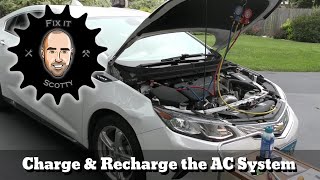
On the Spark EV, the air conditioning system is not just for passenger comfort; it is a critical part of the battery's thermal management system. It actively cools the high-voltage battery pack to ensure its longevity, performance, and safety, especially during fast charging or in hot climates. A failure in this system, indicated by P0534, can compromise the battery's health, potentially leading to reduced performance, slower charging speeds, and expensive, irreversible battery damage. For this reason, P0534 is a much more serious code on an EV like the Spark or the related Chevy Volt than on a 🎬 Watch: How to recharge the AC system and clear P0534 conventional gasoline car.
Diagnostic Flowchart
Tap your situation to follow the diagnostic path that matches what you're seeing on this vehicle.
Symptoms You May Notice
- Service Vehicle Soon (SVS) light is on (yellow car symbol with an exclamation mark).
- Air conditioning blows warm or not cold.
- A/C compressor does not engage or cycles on and off frequently.
- In some cases, the vehicle may limit propulsion power or charging speed to protect the battery from overheating.
- Audible click from the A/C compressor clutch will be absent if it's not engaging.
- Visible frost on A/C lines can indicate a low refrigerant state.
- Simply recharging the A/C system without finding and fixing the underlying leak. The code will return as the new refrigerant escapes.
- Adding 'stop leak' additives to the system. These products can gum up the high-voltage compressor and other sensitive components, leading to more expensive repairs.
Most Likely Causes
- Refrigerant Leak 🔴 High Probability Leaks can occur at any point in the A/C system. The front-mounted condenser is vulnerable to road debris damage. Hose connections, seals, and the Schrader valves at the service ports are also common failure points.
How to confirm: A certified technician will use an electronic leak detector ('sniffer') or inject UV dye into the system and use a blacklight to find the source of the leak. Checking static pressure with A/C manifold gauges will also show a low charge.
Typical fix: Repair or replace the leaking component (e.g., hose, seal, condenser, or compressor), then evacuate the system for 30-45 minutes to boil off any moisture, and recharge it with the correct type (R1234yf) and amount of refrigerant and non-conductive POE oil.
Est. part cost: $50-$600 - Defective Rechargeable Energy Storage System (RESS) Cooler 🟡 Medium Probability A specific batch of RESS coolers installed on vehicles built between January 15, 2013, and September 15, 2013, were prone to internal leaks, causing this code.
How to confirm: As per GM Technical Service Bulletin PIC5903C, a technician must inspect the RESS cooler for identifying notches without removing it by pulling back an insulator cover. A cooler with three notches is defective and must be replaced, while one with two notches is considered good.
Typical fix: Replace the RESS cooler assembly. The GM part number for the cooler is 95384920.
Est. part cost: $400-$800 - Faulty A/C Refrigerant Pressure Sensor ⚪ Low Probability → Shop Refrigerant Electrical components like sensors can fail over time, providing incorrect readings to the control module.
How to confirm: A technician can use a scan tool (like a GDS2) to compare the sensor's pressure reading to the actual pressure measured with manifold gauges. If the readings don't match, the sensor is likely faulty. An unplugged sensor can also cause this issue.
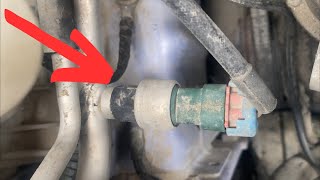
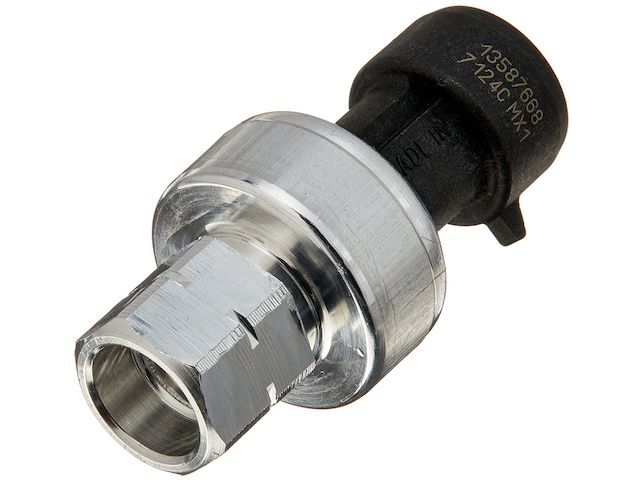
Typical fix: Replace the A/C refrigerant pressure sensor. The common OEM part number is 13587668. 🎬 See this walkthrough for locating and replacing the pressure sensor The system may need to be recharged after replacement.
Est. part cost: $40-$100
Rare But Worth Checking
- Outdated Control Module Software: GM TSB PIC5903C mentions that outdated software in the Hybrid Powertrain Control Module 2 (HPCM2) or the Remote Heater and Air Conditioning Module (K33 ECC) can sometimes falsely trigger P0534. A dealer should check if software version 13591955 or newer is installed on the ECC module.
Diagnosis Steps
- Confirm the presence of code P0534 with a GDS2 or similar scan tool. Do not clear the code, as per TSB PIC5903C, to preserve freeze-frame data.
- Check the vehicle's build date. If it falls between January 15, 2013, and September 15, 2013, inspect the RESS cooler for the number of notches as outlined in TSB PIC5903C.
- Connect A/C manifold gauges to measure the static refrigerant pressure. A low reading confirms a loss of charge. TSB PIC5903 suggests a refrigerant level below 500 grams (on a 575g system) indicates a definite leak.
- If a leak is suspected, perform a professional leak detection test using an electronic sniffer or by injecting UV dye and inspecting all A/C components (compressor, condenser, lines, evaporator, RESS cooler) with a blacklight.
- Using a scan tool, monitor the A/C pressure sensor's output and compare it with manual gauge readings to ensure the sensor is accurate and plugged in.
- Verify that the software for the HPCM2 and K33 ECC modules is up to date per the latest TSBs.
- Once the fault is identified, perform the necessary repair (e.g., replace the leaking condenser, faulty sensor, or defective RESS cooler).
- After repair, connect a dedicated R1234yf A/C service machine. Evacuate the system for at least 30 minutes to remove all air and moisture.
- Recharge with the specified amount of R1234yf refrigerant (575 grams for LHD models) and the correct non-conductive POE oil.
- Clear the DTC and perform a functional test of the A/C system, monitoring pressures and vent temperature with the scan tool.
Parts You'll Likely Need
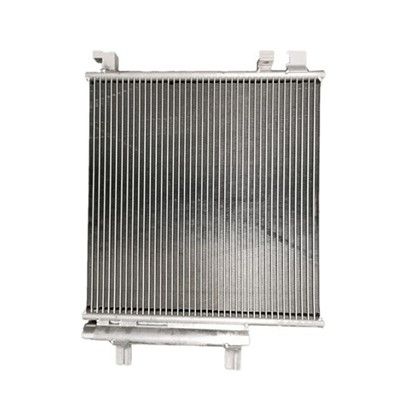
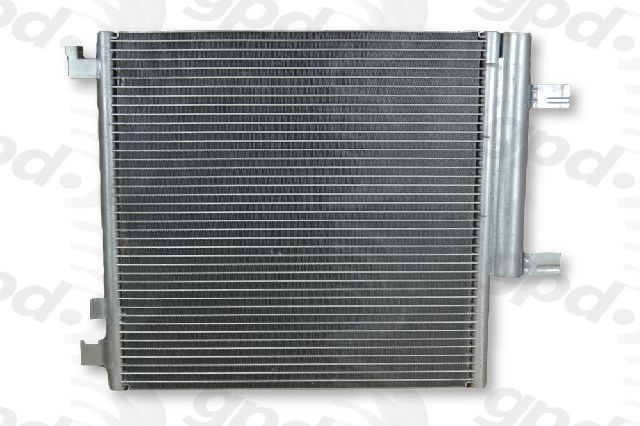
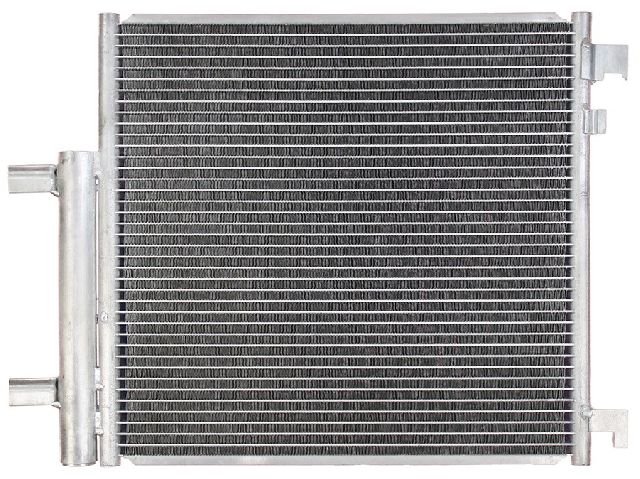
- A/C Condenser
(OEM #95384919)— Located at the front of the vehicle, it is susceptible to damage from road debris 🎬 Watch: A step-by-step guide to replacing a car AC condenser, causing leaks. This is a common failure point on many GM vehicles.
Trusted brands: ACDelco, GM Genuine
OEM price range: $250-$400
Aftermarket price range: $150-$250 - A/C Hose or Line Assembly — Rubber hoses can degrade over time, and metal lines can corrode or have their connection seals fail.
Trusted brands: ACDelco, GM Genuine
OEM price range: $80-$250
Aftermarket price range: $50-$150 - Rechargeable Energy Storage System (RESS) Cooler
(OEM #95384920)— A known failure point on some 2014 models, as identified by GM Technical Service Bulletin PIC5903C.
Trusted brands: GM Genuine
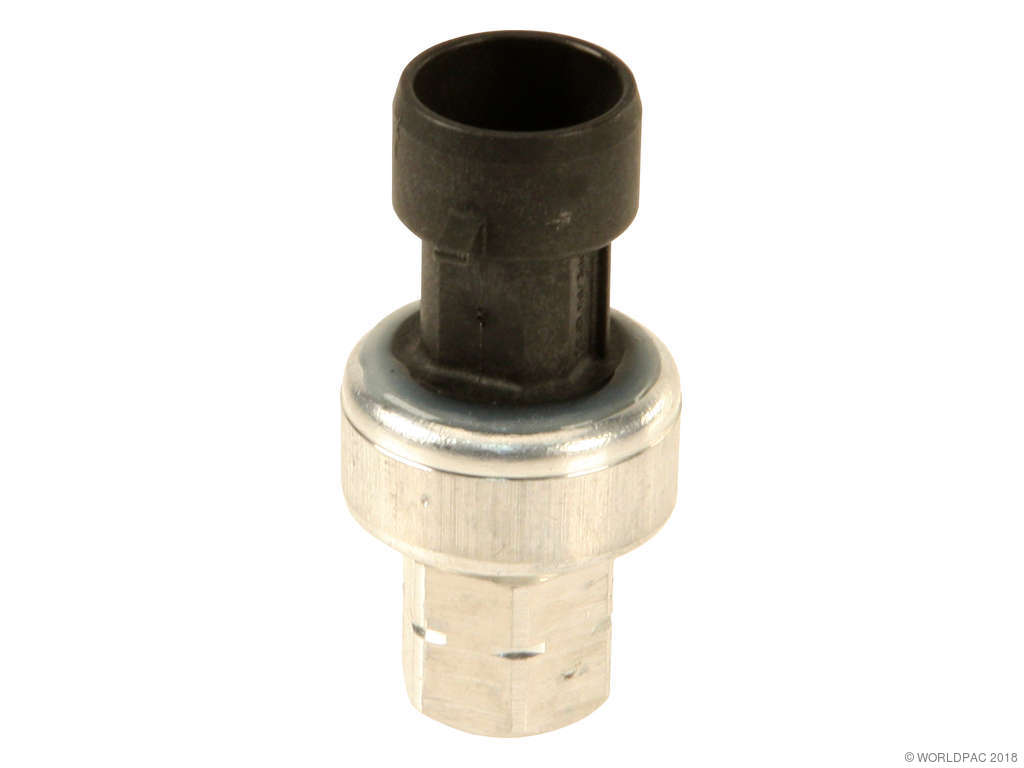
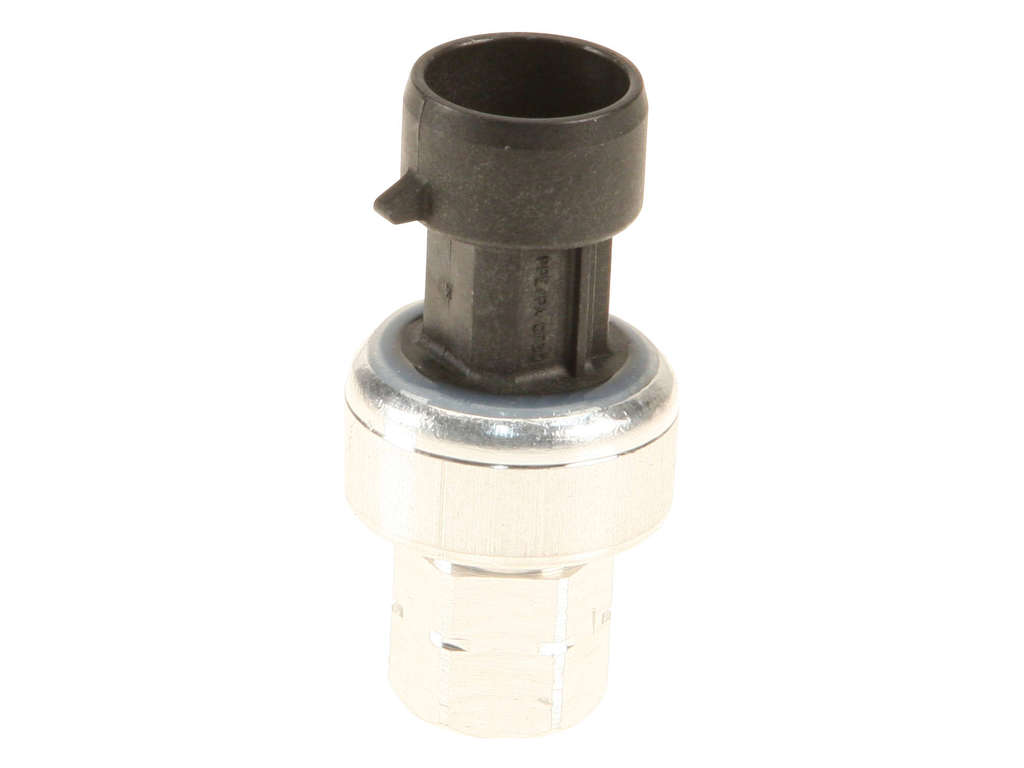
OEM price range: $400-$800 - A/C Refrigerant Pressure Sensor
(OEM #13587668)— Can fail electronically, sending false low-pressure signals to the computer.
Trusted brands: ACDelco, GM Genuine
OEM price range: $40-$80
Aftermarket price range: $25-$50
Related Codes That Often Appear With This One
- P1E00: This is a generic hybrid/EV powertrain code that often accompanies more specific faults like P0534.
- P0071: This code relates to the ambient air temperature sensor, which the A/C system uses for its calculations. A fault here can sometimes be related.
Technical Service Bulletins (TSBs) & Recalls
- PIC5903C: Provides the main diagnostic guidance for P0534, instructing technicians not to clear the code and to inspect the RESS cooler on vehicles from a specific build period. It also provides software version numbers to check.
- PIC5903A: An earlier version of the TSB that established the link between P0534 and the A/C system on the Spark EV, specifying refrigerant type and capacity.
Platform-Specific Known Issues
- TSB PIC5903C is the primary document for this issue. It warns technicians not to clear the code and provides a specific diagnostic flow, including checking for a faulty RESS cooler on vehicles built between 1/15/2013 and 9/15/2013 by inspecting for 'three notches' on the cooler plate.
- A forum user on MySparkEV.com reported having P0534 due to a leaking condenser, and questioned whether the repair should be covered under the EV battery's 8-year warranty since it is part of the 'thermal management system'.
Mechanic-Grade Diagnostic Values
- A/C Refrigerant Pressure Sensor Signal Voltage — expected: The sensor is a 3-wire sensor with a 5V reference, a ground, and a signal wire. The signal voltage changes based on pressure.. Failure: A signal voltage that is stuck high or low regardless of actual system pressure, or a voltage that does not correspond to pressure readings from a manual gauge set, indicates a faulty sensor or wiring issue.
Hidden / Shadow Codes Worth Checking
- P0534 (Symptom 00): Indicates 'Air Conditioning (A/C) Refrigerant Charge Low'. The '00' symptom byte is a general indicator for this fault condition. (see via A GM-specific scan tool like the GDS2 will display the main DTC along with a two-digit symptom byte, providing more specific context than a generic OBD-II reader.)
Scan Tool Commands That Help
- GDS2: Vehicle Wide DTC Check with Module information — This is the first step recommended by TSB PIC5903C. It allows the technician to see all codes set across all modules without clearing them, which is critical for preserving freeze-frame data.
- GDS2: K33 HVAC System Control Module > Data Display — To monitor live data from the A/C system, including the A/C Refrigerant Pressure Sensor readings. This allows a technician to compare the sensor's electronic output to the physical pressure measured with manifold gauges.
- GDS2: A/C Compressor Control — This is a bidirectional control that allows a technician to command the electric A/C compressor on and off. It's used to verify if the compressor and its control circuit are functioning, independent of the pressure sensor's input.
Wiring & Ground Locations
- A/C Refrigerant Pressure Sensor Connector — Located on the high-pressure A/C line in the engine compartment.. This is the 3-pin connector for the sensor that triggers P0534. The pins are: 5V reference, low reference (ground), and signal. Damage or corrosion at this connector or its wiring can cause incorrect readings and trigger the code.
- G106 — Located on the left center of the engine compartment.. This is a primary engine compartment ground point. While not exclusively for the A/C sensor, a poor connection at this ground can cause various electrical issues, including erratic sensor readings for components grounded through it.
- K33 HVAC System Control Module — Mounted to the HVAC module assembly, typically behind the dashboard.. This module (also called the ECC) receives the signal from the A/C pressure sensor. TSB PIC5903C notes that this module may require a software update to prevent false P0534 codes.
Real Owner Repair Stories
- YouTube Commenter on 'Fix It Scotty' video (2016 Chevrolet Volt (similar platform)) — No pressure in the A/C system, triggering a low refrigerant code (P0534).
❌ Tried (didn't work) A vacuum leak test was performed with manifold gauges attached, and it showed no leak.
✅ What actually fixed it The commenter correctly deduced that since the manifold gauges bypass the Schrader service port valves, the leak was likely at the Schrader valve itself. Replacing the leaking Schrader valve would be the correct fix.
OEM Part Supersession History
22634172, 22678731, 13502758, 13502759→13587668— Part consolidation and design updates across multiple GM vehicle lines.
Helpful Videos

We Have This Part in Stock

The information in this article is provided for general reference and educational purposes only. Vehicle specifications, procedures, and part compatibility can vary by production date, trim level, and region. Always consult your vehicle's factory service manual and verify part numbers before purchasing or performing repairs. Safety-critical components such as airbags, seat belts, and braking systems should be installed by a qualified professional.
- Chevrolet SPARK EV:
- 🧭 Diagnostic Flowchart
- 🎬 Helpful Videos
- 🛍️ Shop This Part
- What's Unique About the 2014-2014 Chevrolet SPARK EV
- Symptoms You May Notice
- Most Likely Causes
- Rare But Worth Checking
- Diagnosis Steps
- Parts You'll Likely Need
- Related Codes That Often Appear With This One
- Technical Service Bulletins (TSBs) & Recalls
- Platform-Specific Known Issues
- Mechanic-Grade Diagnostic Values
- Hidden / Shadow Codes Worth Checking
- Scan Tool Commands That Help
- Wiring & Ground Locations
- Real Owner Repair Stories
- OEM Part Supersession History
- 🎟️ Get 5% Off