

P0556 on 2017 Jeep Cherokee: Brake Booster Pressure Sensor, ESS Issues, and Fixes
On a 2017 Jeep Cherokee, code P0556 is often caused by a faulty brake booster pressure sensor (Mopar Part #68295314AA), a vacuum leak, or outdated PCM software. This commonly causes a hard brake pedal and disables the Engine Stop-Start (ESS) system. Before replacing parts, check if a software update per TSB #18-013-17 is needed. A new sensor costs around $40-$80.
- P0556 on a 2017 Jeep Cherokee indicates a problem with the brake booster pressure sensor circuit, which is a serious safety concern.
- Symptoms often include a hard brake pedal and, specifically for this vehicle, problems with the Engine Stop-Start (ESS) system.
- Before replacing parts, verify if a PCM software update is required as per TSB #18-013-17, as this is a common and primary fix.
- If hardware is the cause, the most likely fix is replacing the brake booster pressure sensor (Mopar #68295314AA).
What's Unique About the 2017-2017 Jeep CHEROKEE
For the 2017 Jeep Cherokee (KL generation), code P0556 is specifically called out in Technical Service Bulletins (TSB #18-013-17 and #18-066-20) for causing issues with the Engine Stop-Start (ESS) system. [TSB #18-013-17, TSB #18-066-20] Owners may notice the vehicle fails to restart properly or the ESS system becomes disabled when this code is present. Crucially, these TSBs often recommend a PCM software update as the fix, indicating the problem can be caused by overly sensitive fault logic rather than a failed hardware component. [TSB #18-013-17, TSB #18-066-20]
Diagnostic Flowchart
Tap your situation to follow the diagnostic path that matches what you're seeing on this vehicle.
Symptoms You May Notice
- Check Engine Light is on
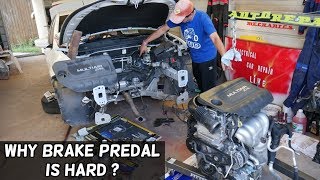
- Brake pedal is hard to press or requires more effort 🎬 Watch: Why your brake pedal is hard to press on a Jeep.
- Increased stopping distances
- Engine Stop-Start (ESS) system malfunctions or is disabled [TSB #18-013-17]
- Possible engine stalling when coming to a stop
- Hissing noise from the brake booster area, especially when the pedal is pressed
- Replacing the brake booster pressure sensor when the actual problem is outdated PCM software that needs a reflash.
- Replacing the master cylinder when the problem is a vacuum leak or sensor issue.
- Replacing the brake booster when the actual fault is a simple cracked vacuum hose or a faulty check valve.
Most Likely Causes
- Outdated PCM Software 🔴 High Probability The logic for monitoring the brake booster pressure can be too sensitive in the original software, causing the code to set erroneously, especially during stop-start events.
How to confirm: A Jeep dealership or a well-equipped independent shop can check the vehicle's current software calibration number against the latest version specified in TSB #18-013-17 REV. A. If the software is old, an update is required.
Typical fix: Reprogram the Powertrain Control Module (PCM) with the latest available software.
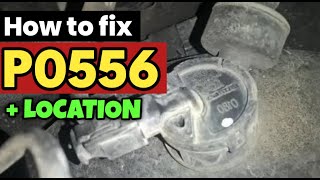
Est. part cost: $0 - Faulty Brake Booster Pressure Sensor 🔴 High Probability → Shop Power Brake Booster The sensor is mounted directly to the brake booster and is subject to heat and vibration, leading to internal failure over time. It is the primary hardware component responsible for the signal. 🎬 See this video for a deep dive into the P0556 sensor circuit.
How to confirm: Using a scan tool, monitor the live data from the sensor. The voltage should change smoothly as the brake pedal is applied and released (typically 0.5V to 4.5V). If the reading is stuck, erratic, or doesn't change, the sensor is likely bad.
Typical fix: Replace the brake booster pressure sensor. It is located on the brake booster in the engine bay.
Est. part cost: $40-$80 - Vacuum Leak 🟡 Medium Probability Rubber vacuum hoses can crack, split, or become disconnected over time, causing a loss of vacuum to the booster. The check valve in the supply hose can also fail.
How to confirm: Visually inspect all vacuum hoses connected to the brake booster for cracks, brittleness, or loose connections. A smoke test or listening for a hissing sound with the engine running can help pinpoint the leak's location.
Typical fix: Replace the damaged vacuum hose or secure the loose connection.
Est. part cost: $20-$100 - Damaged Wiring or Connector ⚪ Low Probability Wiring can be damaged by engine heat, vibration, or improper servicing. The connector pins can also corrode.
How to confirm: Visually inspect the sensor's wiring harness and connector for any signs of damage, corrosion, or loose pins. Use a multimeter to check for proper voltage, ground, and continuity at the sensor connector.
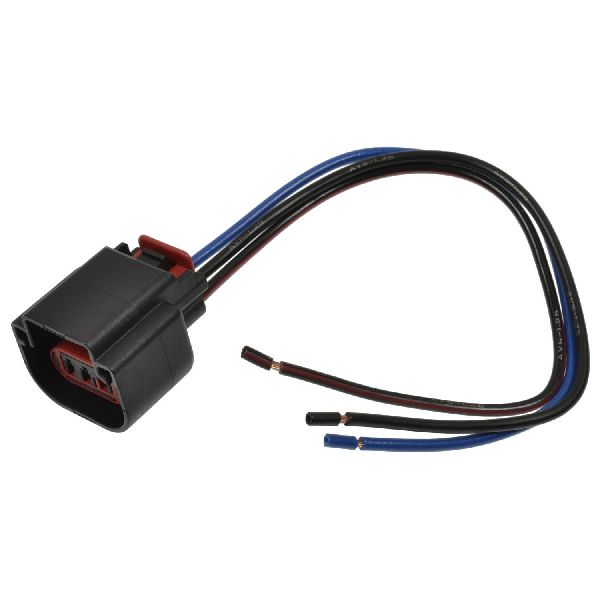
Typical fix: Repair the damaged section of wire or replace the connector pigtail.
Est. part cost: $10-$50 - Defective Brake Booster ⚪ Low Probability → Shop Power Brake Booster The internal diaphragm of the brake booster can rupture, causing a major internal vacuum leak.
How to confirm: After confirming no external leaks, a loud, constant hissing sound from inside the booster itself when the brake is applied points to a diaphragm failure. Also check for brake fluid leaking from the master cylinder into the booster.
Typical fix: Replace the brake booster assembly.
Est. part cost: $344-$441
Rare But Worth Checking
- Faulty Powertrain Control Module (PCM): This is very rare. All other possibilities, especially software, sensor, wiring, and vacuum leaks, should be exhaustively ruled out before considering PCM replacement.
Diagnosis Steps
- Check with a Jeep dealer or using a professional scan tool to see if the vehicle's PCM has the latest software calibration per TSB #18-013-17. A software update may be the required fix and should be checked first.
- Connect an OBD-II scanner and check for any other stored trouble codes. Note the codes mentioned in the TSBs (U0428, U1504, P1D83).
- Perform a thorough visual inspection of the brake booster, the pressure sensor, its electrical connector, and all associated vacuum lines. Look for obvious cracks, damage, or loose connections.
- With the engine running, listen for any hissing sounds around the brake booster and vacuum hoses that would indicate a leak.
- Use a scan tool to view the live data stream for the brake booster pressure sensor. The value should be stable at idle and change when you press and release the brake pedal.
- If the sensor reading is stuck or erratic, test the sensor's circuit. Check for battery voltage on the power wire, a good ground on the ground wire, and a fluctuating signal voltage on the signal wire as the pedal is pressed.
- If the sensor and wiring are good, test the vacuum supply to the booster using a vacuum gauge. A low or fluctuating reading points to a leak between the engine and the booster or a weak vacuum source. 🎬 Watch: How to test the brake booster vacuum pump for leaks.
- If all software and vacuum tests pass, the brake booster pressure sensor itself is the most likely failed component.
Parts You'll Likely Need
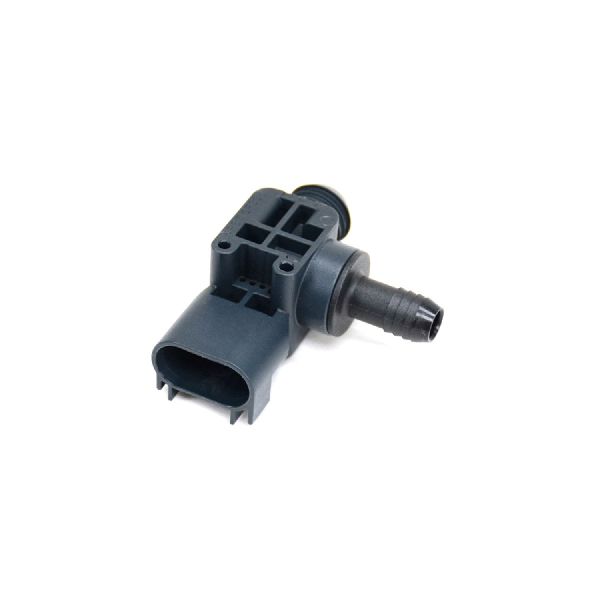
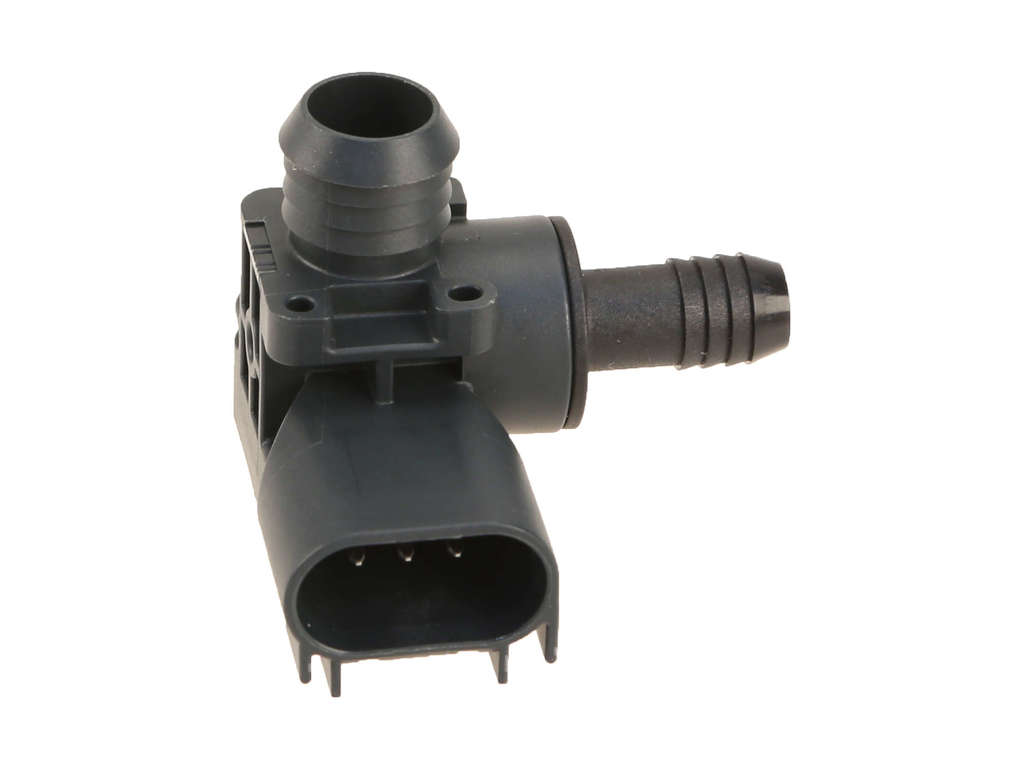
- Brake Booster Pressure Sensor
(OEM #68295314AA)— This sensor is the most common hardware failure point for code P0556. It directly provides the reading that the PCM has flagged as out of range.
Trusted brands: Mopar, Standard Motor Products, Dorman
OEM price range: $60-$100
Aftermarket price range: $40-$80 - Brake Booster Vacuum Hose — The rubber hoses can crack and cause vacuum leaks, which is the second most common cause of this code.
Trusted brands: Mopar
OEM price range: $50-$100
Aftermarket price range: $20-$60
Related Codes That Often Appear With This One
- U0428 — A manufacturer TSB notes that P0556 can appear with U0428 ('Implausible Data Received From Steering Angle Sensor Module'), suggesting a possible broader electrical or network issue addressed by a PCM software update. [TSB #18-066-20, TSB #18-013-17]
- U1504 — This code for 'Implausible Message' is also cited in the same TSBs as P0556 and U0428, pointing to a potential communication problem between modules that is often resolved with a software flash. [TSB #18-066-20, TSB #18-013-17]
- P1D83 — TSB #18-066-20 links P0556 with P1D83 ('Implausible Engine Oil Temperature Signal Received'), further indicating that it can be part of a cluster of seemingly unrelated codes fixed by a PCM update.
Technical Service Bulletins (TSBs) & Recalls
- 18-066-20: Notes that P0556 can be set along with P1D83, U0428, and U1504, often pointing to a needed PCM software update.
- 18-013-17 REV. A: Links P0556 to issues with the Electric Stop Start (ESS) mode and specifies a PCM software reflash as the primary repair to improve system logic.
Platform-Specific Known Issues
- A known issue documented in TSB #18-013-17 involves this code appearing when the vehicle has issues with the Engine Stop-Start (ESS) system. The fix is often a PCM software update, not a part replacement.
- TSB #18-066-20 indicates that P0556 may be set along with other seemingly unrelated DTCs, which points to a PCM software logic issue that requires a reflash to resolve.
Mechanic-Grade Diagnostic Values
- Brake Booster Pressure Sensor Signal Voltage — expected: 0.5V (no boost/pedal released) to 4.5V (full boost/pedal depressed). Failure: Voltage is stuck, spikes, is erratic, or does not change proportionally with brake pedal pressure.
- Brake Booster Vacuum (Live Scan Tool Data) — expected: -10 to -11 psi at idle (approximately 20 inHg). Failure: Pressure is significantly closer to 0 psi, or vacuum level drops off under load.
- Engine Vacuum at Booster Supply Hose (Manual Gauge) — expected: 15 to 20 inches of Mercury (inHg) at idle. Failure: A reading of 16 inHg or lower suggests a vacuum leak or restriction between the engine and the booster.
Scan Tool Commands That Help
- Professional OBD-II Scanner (e.g., wiTECH, iCarsoft): Live Data Stream for Brake Booster Pressure — Use this to monitor the sensor's reported pressure/voltage in real-time while pressing and releasing the brake pedal. This is the primary method to confirm if the sensor is responding correctly or is stuck/erratic.
- Professional OBD-II Scanner (e.g., wiTECH): PCM Self-Test / Module Test — If the sensor and wiring test good, this function can help determine if the PCM itself has an internal circuit fault preventing it from correctly reading the sensor's input.
Wiring & Ground Locations
- Brake Booster Pressure Sensor Connector — Mounted on or near the brake booster, typically on the driver's side firewall.. This is the primary connection point to test for power, ground, and signal voltage directly at the sensor to isolate a wiring issue from a sensor failure.
- PCM Connector C1, Pin 16 — At the Powertrain Control Module (PCM).. On a 2017 Grand Cherokee (which shares architecture), Pin 16 of the C1 connector is a 'K852 BN/VT 0.50 5 VOLT SUPPLY'. This is a likely candidate for the 5V reference supply for the brake booster pressure sensor, useful for checking continuity from the PCM to the sensor.
- Auxiliary Electronic Vacuum Pump — For models with the 3.2L V6 and Engine Start-Stop (ESS), this pump is part of the vacuum system to ensure brake assist when the engine is off.. A failure in this pump or its associated wiring can lead to a loss of vacuum that triggers P0556, especially during ESS events. The pump itself can be tested by applying 12V directly to its terminals.
Real Owner Repair Stories
- YouTube user 'СТО "Дизель"' via Go-Parts.com analysis (2020 Jeep Grand Cherokee 3.6L (similar system)) — Stability control and Start-Stop system warnings, accompanied by brake system trouble codes.
❌ Tried (didn't work) Replacing the electronic vacuum pump, Replacing the vacuum/booster sensor, Performing a smoke test on the brake booster (which passed)
✅ What actually fixed it Replacing the entire brake booster assembly resolved the codes. The issue was a suspected internal failure within the booster that was not detectable as an external vacuum leak via a smoke test.
"I Checked Everything" — The Actual Cause
- In at least one documented case on a related Jeep platform, a smoke test of the brake booster showed no leaks, yet the P0556 and related codes persisted. The actual cause was an internal failure of the brake booster itself, which required replacing the entire assembly to fix the problem.
OEM Part Supersession History
68290533AA, 68290533AB→68290533AC— This part number is for the auxiliary Electronic Vacuum Pump, relevant for 3.2L V6 models with ESS. Failures in this pump can lead to low vacuum conditions that set P0556. The supersession indicates revisions to the part over time.
Helpful Videos

Used OEM Parts in Stock
New Aftermarket Parts Available


The information in this article is provided for general reference and educational purposes only. Vehicle specifications, procedures, and part compatibility can vary by production date, trim level, and region. Always consult your vehicle's factory service manual and verify part numbers before purchasing or performing repairs. Safety-critical components such as airbags, seat belts, and braking systems should be installed by a qualified professional.
- Jeep CHEROKEE:
- 🧭 Diagnostic Flowchart
- 🎬 Helpful Videos
- 🛍️ Shop This Part
- What's Unique About the 2017-2017 Jeep CHEROKEE
- Symptoms You May Notice
- Most Likely Causes
- Rare But Worth Checking
- Diagnosis Steps
- Parts You'll Likely Need
- Related Codes That Often Appear With This One
- Technical Service Bulletins (TSBs) & Recalls
- Platform-Specific Known Issues
- Mechanic-Grade Diagnostic Values
- Scan Tool Commands That Help
- Wiring & Ground Locations
- Real Owner Repair Stories
- "I Checked Everything" — The Actual Cause
- OEM Part Supersession History
- 🎟️ Get 5% Off