

P0562 on 2010-2017 BMW 5 Series: System Voltage Low Causes and Fixes
P0562 on a BMW 5 Series means the system voltage is too low. This is most often caused by a failing battery or alternator. A proper diagnosis is crucial, and remember that any new battery MUST be registered with the vehicle's computer to prevent future issues. Failure to do so will cause premature battery failure.
- P0562 on a BMW 5 Series indicates a serious electrical system problem, most often a bad battery or alternator.
- Do not drive the vehicle. A sudden loss of power can disable critical safety systems.
- Diagnosis should follow a logical order: 1) Load test battery, 2) Test alternator output, 3) Inspect connections. If all are good, suspect the IBS.
- When replacing the battery, using the correct AGM type is essential.
- CRITICAL: A new battery MUST be registered to the vehicle with a proper scan tool to ensure longevity and correct system function.
What's Unique About the 2010-2017 BMW 5 Series
The 2010-2017 (F10/F11/F07) BMW 5 Series uses a sophisticated power management system that makes it unique. Unlike simpler cars, it uses an Intelligent Battery Sensor (IBS) on the negative battery terminal to constantly monitor the battery's state of charge, health, and temperature. This system, combined with the requirement to 'register' a new battery, means you can't just swap a battery and expect it to work correctly. Failure to register a new battery will cause the system to overcharge it based on the old battery's degraded profile, leading to premature failure and a return of the P0562 code. The system also uses Brake Energy Regeneration, where the alternator's charging is intentionally varied, increasing during coasting and braking to improve efficiency, which can make simple voltage checks misleading.
Generation note: This guide covers the F10, F11, and F07 generation of the BMW 5 Series, sold from model years 2010 to 2017. The electrical architecture, including the IBS and battery registration requirement, is consistent across this generation for all engines (N20, N55, N63).
Symptoms You May Notice
- "Increased battery discharge" or "Battery charge low" message on the iDrive display.
- Check Engine Light and/or Battery Warning Light illuminated.
- A cascade of warning lights, including DSC, ABS, and FTM (Flat Tire Monitor).
- Difficulty starting the engine, a no-start condition, or just a clicking sound from the starter.
- Dimming or flickering headlights and interior lights, especially at idle.
- Electrical accessories behaving erratically (e.g., power windows are slow, radio cuts out, windshield wipers activate on their own).
- Engine stalling, especially when coming to a stop or at idle.
- Transmission may display errors or get stuck in Park.
- Whining or growling noise from the front of the engine, indicating a failing alternator.
- Replacing the battery but failing to register it. The new battery will be improperly charged by the system and will fail prematurely, causing the P0562 code to return within months.
- Replacing the alternator when the Intelligent Battery Sensor (IBS) is the actual cause of the incorrect charging commands.
- Replacing the battery when a parasitic draw is the root cause. The new battery will also be drained, leading to a repeat of the symptoms.
Most Likely Causes
- Failing AGM Battery 🔴 High Probability → Shop Vehicle Battery These vehicles have a high electrical demand, and the original battery is often 5-7+ years old. Batteries degrade over time and lose their ability to hold a charge, especially AGM (Absorbent Glass Mat) batteries which can fail suddenly. Extreme cold can also expose a weak battery.
How to confirm: Perform a load test on the battery. A simple voltage check is not enough. Most auto parts stores can do this for free. A healthy, fully charged battery should read ~12.6V at rest and should not drop below ~10V during cranking. A reading of 11.9V at rest indicates a significantly discharged or failing battery.
Typical fix: Replace the battery and register the new battery to the vehicle using a BMW-specific scan tool like BimmerLink or ISTA. 🎬 Watch this step-by-step battery replacement and programming guide If the capacity (Ah) or type (AGM) changes, it must also be coded.
Est. part cost: $200-$400 - Faulty Alternator 🔴 High Probability → Shop Alternator Alternators on these models can fail between 80,000 and 120,000 miles due to the high electrical load and heat in the engine bay. The internal voltage regulator is a common failure point.
How to confirm: With the engine running, use a multimeter to measure the voltage at the battery terminals. A healthy alternator should produce between 13.5 and 14.8 volts. If the voltage is near battery voltage (e.g., 12.5V or lower) or dropping, the alternator is not charging. A whining noise from the engine bay that changes with RPM is also a strong indicator.
Typical fix: Replace the alternator. Bosch and Valeo are the primary OEM suppliers.
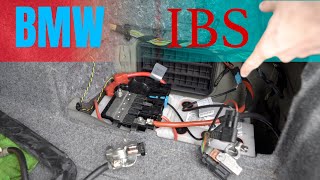
Est. part cost: $400-$900 - Faulty Intelligent Battery Sensor (IBS) 🟡 Medium Probability → Shop Vehicle Battery The IBS is a small electronic module on the negative battery terminal. It can fail due to heat, age, or corrosion, sending incorrect data to the DME. This can lead to undercharging or overcharging the battery, or cause parasitic drains that kill the battery overnight.
How to confirm: This is difficult to confirm without a BMW-specific scan tool. A mechanic can check for IBS-specific fault codes (like 2E8E) and monitor the data it sends on the BSD line. A common symptom is a battery that repeatedly dies even after being replaced and registered. Unplugging the small blue/black connector on the IBS can be a temporary diagnostic step; if the charging voltage jumps to a steady ~14.5V, the IBS is likely faulty.
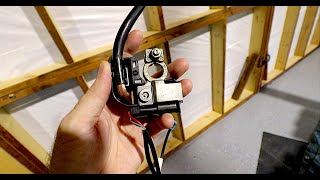
Typical fix: Replace the negative battery cable, which includes the IBS. The OEM part number is often 61219302358 or a 🎬 See how to replace the Intelligent Battery Sensor superseding number.
Est. part cost: $150-$300 - Loose or Corroded Battery Terminals / Ground Straps ⚪ Low Probability → Shop Engine Ground Strap Vibration and time can loosen connections, while moisture can cause corrosion. BMWs use several key ground straps from the engine to the chassis that can corrode and create high resistance, leading to charging and starting issues. The main engine-to-chassis ground strap is a known failure point due to corrosion.
How to confirm: Visually inspect the battery terminals for white or blue/green powder (corrosion) and ensure they are tight. Locate and inspect the main engine-to-chassis ground strap (on N55 models, it's a braided copper cable from the transmission to the chassis tunnel) for corrosion, fraying, or damage.
Typical fix: Clean the battery terminals and cable ends with a wire brush. If a ground strap is corroded or broken, replace it.
Est. part cost: $20-$70
Rare But Worth Checking
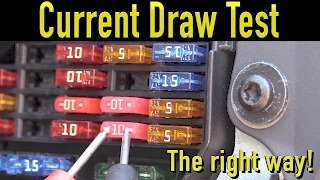
- Parasitic Electrical Drain: A module can fail to 'sleep' when the car is off, continuously drawing power and draining the battery. Common culprits on the F10 platform include faulty Comfort Access door handles, the gear selector module (GWS), or aftermarket electronics. Diagnosing this requires a multimeter set to measure amps and systematically pulling fuses to isolate the faulty circuit, a process that can take hours. 🎬 Watch how to perform a parasitic draw test
Diagnosis Steps
- Read all fault codes from all modules using a BMW-compatible scan tool (e.g., ISTA, Foxwell, Autel, BimmerLink). Note any codes related to the IBS, alternator, or power management.
- With the engine off, measure the battery voltage at the terminals. A reading below 12.4V indicates a discharged battery. Below 12.0V is deeply discharged.
- Have the battery professionally load-tested. This is the only definitive way to confirm if the battery is bad, regardless of its age.
- Visually inspect the battery terminals, positive and negative cables, and main chassis ground straps for corrosion, damage, or looseness.
- Start the engine. Measure the voltage at the battery terminals. It should be between 13.5V and 14.8V. Note that due to the Efficient Dynamics system, voltage may drop into the 12V range while accelerating and rise to 14.8V while coasting; this is normal. A voltage that is consistently low (below 13.2V) points to a problem.
- If the battery and alternator test good, suspect the Intelligent Battery Sensor (IBS) or a parasitic drain. Use a scan tool to check for IBS faults or perform a parasitic draw test with a multimeter.
- If the battery is replaced, it is MANDATORY to register the new battery with the vehicle's computer system. If the battery type (e.g., standard to AGM) or capacity (e.g., 90Ah to 105Ah) is changed, it must also be coded.
Parts You'll Likely Need
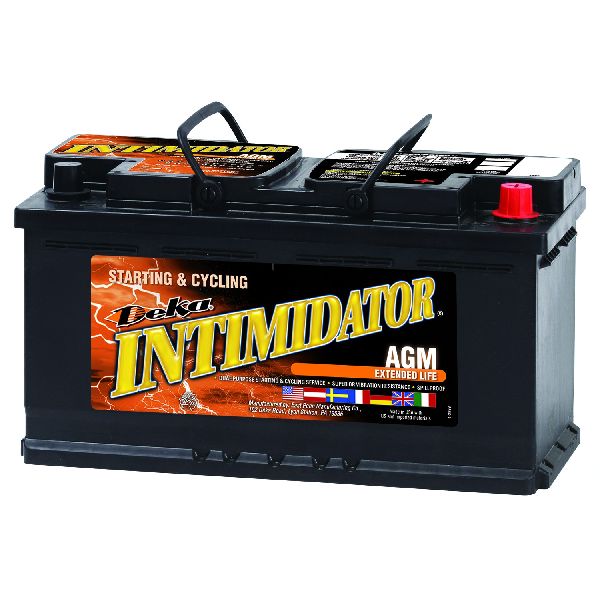
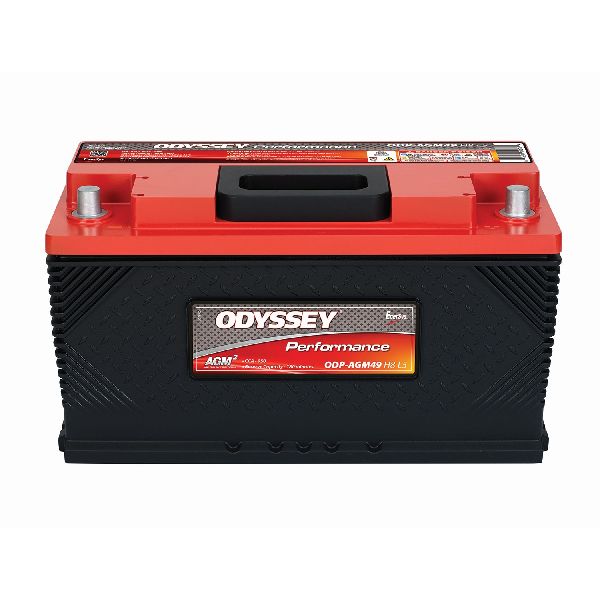
- AGM Battery — This is the most common failure item. These cars require a specific AGM (Absorbent Glass Mat) battery, typically H8 or H9 size with a 90-105Ah rating. Ensure the Cold Cranking Amps (CCA) and Amp-hour (Ah) ratings match the factory specification or the new specs are coded to the car.
Trusted brands: Varta (OEM supplier), Bosch, Exide, Interstate
OEM price range: $250-$400
Aftermarket price range: $200-$300 - Alternator
(OEM #Varies by engine (e.g., Bosch 12317605061, Valeo 12317616119))— The second most likely cause. It is responsible for charging the battery and powering the car when the engine is running. OEM suppliers are typically Bosch or Valeo.
Trusted brands: Bosch (OEM), Valeo (OEM)
OEM price range: $700-$1000
Aftermarket price range: $400-$600 - Intelligent Battery Sensor (IBS) / Negative Battery Cable
(OEM #61219302358 (or superseding))— The IBS is integrated into the negative battery cable and is a common failure point that causes incorrect charging behavior. It must be replaced as a single assembly.
Trusted brands: BMW (OEM)
OEM price range: $150-$300
Aftermarket price range: $100-$200
Related Codes That Often Appear With This One
- Multiple codes in various modules — Low system voltage can cause communication errors (often on the CAN bus) and unpredictable behavior across many of the vehicle's electronic control units, leading to a cascade of fault codes for systems like DSC, ABS, transmission, and infotainment.
- 2E84 - BSD, communication: Missing — This code often points to a faulty Intelligent Battery Sensor (IBS) or alternator, as both communicate with the DME over the Bit Serial Data (BSD) line. A failure in one can disrupt the entire network.
- 2E8E - Intelligent battery sensor, communication — This is another fault code pointing directly at a communication problem with the IBS. It can be caused by a faulty sensor itself or a break in the wiring to the sensor.
Platform-Specific Known Issues
- Battery Registration Requirement: After replacing the battery, you must use a diagnostic tool like ISTA, BimmerLink, or Carly to 'register' it. This tells the power management system that a new battery is installed, resetting the charging algorithm. Failure to do so will result in overcharging and premature failure of the new battery.
- Battery Coding: If you change the battery's capacity (e.g., from 90Ah to 105Ah) or type (e.g., from a standard lead-acid to an AGM), you must also 'code' this information into the vehicle. This ensures the charging profile is correct for the new battery's specifications.
Mechanic-Grade Diagnostic Values
- Normal Charging Voltage (Engine Running) — expected: 13.5V to 14.8V. Note: Due to Efficient Dynamics, voltage can fluctuate, rising during coasting (up to 14.8V) and dropping during acceleration (into the 12.xV range).. Failure: Consistently below 13.2V indicates a charging problem.
- Healthy Battery Voltage (Engine Off) — expected: ~12.6V for a fully charged AGM battery.. Failure: Below 12.4V indicates a discharged state; below 12.0V is deeply discharged.
- Bit Serial Data (BSD) Line Voltage (DME to Alternator/IBS) — expected: A square wave signal. A constant DC voltage is abnormal.. Failure: A constant DC voltage reading (e.g., 0.8V) with all BSD components disconnected points to a faulty DME.
- IBS Closed Circuit Current Monitoring — expected: 0A to 10A.. Failure: Values outside this range when the car should be 'asleep' can indicate a parasitic draw or faulty IBS.
Hidden / Shadow Codes Worth Checking
- 2E8E: Intelligent battery sensor, communication. This indicates a fault in the communication between the DME and the IBS. (see via BMW-specific scan tools like ISTA, INPA, or advanced handheld scanners (Autel, Foxwell).)
- 2E8D: Intelligent battery sensor, signal transmission. Similar to 2E8E, points to a problem with the IBS signal itself. (see via BMW-specific scan tools like ISTA, INPA.)
- 2E7C: Bit-serial data interface (BSD), signal. This is a general BSD line fault that can be triggered by a faulty alternator, IBS, water pump, or oil level sensor, and in rare cases, the DME itself. (see via BMW-specific scan tools like ISTA, INPA.)
Scan Tool Commands That Help
- ISTA: Energy Diagnosis Test Plan — This is the primary function to use when diagnosing any power management fault. It analyzes the battery's state of charge history, alternator output, and IBS data to provide a guided troubleshooting plan.
- ISTA / BimmerLink / ProTool: Register Battery Replacement — This is a mandatory step after installing a new battery. It resets the battery's state of health history and tells the power management system to adapt its charging strategy for a new battery.
- ISTA: Abl alternator — This is a specific test procedure (ABL) within ISTA to check the function of the alternator and its communication with the DME over the BSD line.
Wiring & Ground Locations
- Main Engine/Transmission Ground Strap — On rear-wheel-drive N55 models, it is a braided strap connecting the end of the transmission to the transmission tunnel on the vehicle's chassis.. This is the primary ground path for the entire powertrain. Corrosion or breakage increases resistance, which can impair alternator performance and cause low voltage conditions.
- Main Battery Ground Point — In the trunk, the main negative battery cable connects to a ground stud on the chassis floor, near the battery itself.. A loose or corroded connection here affects the entire vehicle's electrical system and the IBS's ability to accurately measure current.
- Rear Electronics Ground Points — Behind the trunk liner on the passenger side (right side), near the taillight, there is a grounding block with multiple brown wires.. This grounds numerous electronic modules located in the rear of the vehicle. Corrosion here, often from water ingress, can cause widespread electrical faults.
- IBS BSD Connector — A small, typically blue or black, single-pin connector that plugs into the IBS module on the negative battery terminal.. This is the communication line between the IBS and the DME. Damage to this wire or connector will set codes like 2E8E and cause the DME to default to a fixed, often incorrect, charging voltage.
Real Owner Repair Stories
- Bimmerpost user (2009 BMW 328i xDrive (E90 with similar BSD architecture)) — No start, multiple module errors (DSC, transmission), and a persistent DME code 2E7C (BSD communication fault).
❌ Tried (didn't work) Checking all BSD components (alternator, water pump, IBS, oil sensor).
✅ What actually fixed it The DME itself was faulty. The user had accidentally shorted a ground strap while the engine was running, which damaged the DME's BSD communication circuit. Replacing the DME with a cloned unit resolved all issues. - Reddit r/BmwTech user (BMW F10) — Persistent "Increased Battery Discharge" warning, even after charging the battery.
❌ Tried (didn't work) Charging the battery, looking for parasitic draws (none found). The battery tested as 'fine' at a parts store.
✅ What actually fixed it Replacing the battery. The user concluded that even though the battery passed a simple test, it was no longer able to hold a proper charge under the vehicle's complex power management system. The new, registered battery solved the problem completely.
When the Usual Fixes Don't Work
- In one documented case, a user with a 2012 520d experienced a 'Battery is not charging' error. After replacing the 9-year-old battery, the issue persisted. The final fix was to simply disconnect the small communication wire from the Intelligent Battery Sensor (IBS). This forced the alternator into a default high-output charging mode (~14.5V), bypassing the faulty IBS logic and resolving the charging issue as a temporary measure before replacing the IBS itself. This highlights that even with a new battery, a faulty IBS can prevent proper charging.
Model Year Variations Within This Range
- 2014-2017 (LCI models): While the fundamental charging system design is the same, Life Cycle Impulse (LCI) models received numerous software updates to the DME and power management modules. In some cases, early symptoms of low voltage on pre-LCI cars were addressed with software updates by the dealer, which altered the thresholds for setting a fault.
Diagnostic Flowchart
Other Known Issues on This Vehicle
Issues unrelated to this code that are worth knowing about as an owner of this generation:
- N20 Engine Timing Chain Guide Failure 🔴 High — Common on 2012-2015 models, often appearing after 60,000 miles. A high-pitched whining noise from the engine is the primary warning sign. (Ref: BMW extended the warranty for this issue to 7 years/70,000 miles via TSB SIB 11 03 17, but many failures occur outside this window.)
- N55 Engine Oil Filter Housing Gasket (OFHG) Leak 🟠 Medium — Very common, typically occurs every 70,000-100,000 miles. The rubber gasket degrades, causing oil to leak onto the serpentine belt. (Ref: No recall, but it's a widely documented failure. If the belt slips off from oil contamination, it can be ingested by the main crank seal, causing catastrophic engine failure.)
- N63 Engine High Oil Consumption & Valve Stem Seal Failure 🔴 High — Prevalent in early N63 engines (2010-2013). Caused by heat from the 'hot-vee' turbo layout degrading the valve stem seals, leading to oil burning and blue smoke from the exhaust. (Ref: BMW addressed this with a 'Customer Care Package' (N63 CCP) which involved replacing timing chains, injectors, sensors, and checking oil consumption, but it wasn't an official recall.)
- N55 Engine Valve Cover & Gasket Leak 🟠 Medium — Common after 60,000-80,000 miles. The plastic valve cover can crack or warp, and the gasket becomes brittle, causing oil leaks onto the exhaust manifold. The integrated PCV valve can also fail.
Used vs. New Parts: Buying Guide for This Vehicle
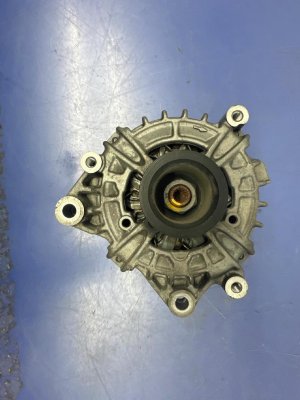
When a used part is the smart pick: A used alternator from a low-mileage donor vehicle can be a cost-effective option. Given the high cost of a new OEM unit, a used part from a reputable salvage yard with a warranty is a reasonable choice, especially for a DIY repair.
Donor-vehicle mileage cap: roughly under 70000 miles for the part to have meaningful remaining life.
What to inspect on the donor part:
- Check the date code on the alternator if visible.
- Inspect the pulley for smoothness of rotation and any bearing noise or roughness.
- Look for signs of corrosion on the housing and electrical connectors.
- Ensure it is the correct OEM brand (Bosch or Valeo) and part number for your specific engine.
OEM-only on this vehicle (don't cheap out):
- Intelligent Battery Sensor (IBS) / Negative Battery Cable: Aftermarket versions of this critical sensor are known to have quality control issues. Given its central role in power management, using a genuine BMW part is strongly recommended to avoid repeat diagnostics.
Aftermarket brands forum-validated for this vehicle:
- Battery: Varta (often the OEM supplier), Bosch, Exide
- Alternator: Bosch (New or Remanufactured), Valeo (New or Remanufactured)
Brands owners have reported issues with on this vehicle:
- Unknown/unbranded 'new' alternators from online marketplaces. These often use lower-quality internal components (regulators, bearings) that can fail prematurely.
Real Owner Stories
Aggregated from forums and TSBs cited above. Mileages and costs reflect what owners reported in those sources.
2011-2017 BMW 5 Series
Symptoms: A cascade of electrical failures including ABS, DSC, and windshield wipers activating on their own, leading to a no-start condition.
What fixed it: Replacement of the alternator.
Source hint: bimmerpost.com thread titled 'Electrical issues, please help!' (2018-12-15)
2011-2017 BMW 5 Series
Symptoms: Strange no-crank issue that was temporarily resolved by disconnecting and reconnecting the battery.
What fixed it: Diagnosis pointed toward a complex electrical issue such as a faulty module or the Intelligent Battery Sensor (IBS).
Source hint: bimmerpost.com thread titled 'Bmw f10 battery drain?' (2021-12-19)
2010-2017 BMW 525d (F10)
Symptoms: Owner investigating a parasitic draw that was draining the battery.
What fixed it: Using ISTA's 'Energy Diagnosis' test plan to check for a 'closed circuit current violation' fault.
Source hint: reddit r/BmwTech thread titled 'Finding parasitic draw on F10 525d' (2023-02-09)
Related OBD-II Codes
Frequently Asked Questions
Why does my BMW iDrive display 'Increased battery discharge' even after I replaced the battery myself?
I'm upgrading from a standard lead-acid to an AGM battery in my F10 5 Series; is there anything special I need to do?
My 5 Series has a cascade of lights (ABS, DSC, FTM) and the wipers are acting on their own. Is this a software glitch?
Can I just unplug the Intelligent Battery Sensor (IBS) to see if it's causing my P0562 code?
My N55 535i has a whining noise that changes with engine speed. Could this be related to the low voltage code?
Is it normal for my voltage to drop into the 12V range while I'm driving?
Helpful Videos

Used OEM Parts in Stock
New Aftermarket Parts Available


The information in this article is provided for general reference and educational purposes only. Vehicle specifications, procedures, and part compatibility can vary by production date, trim level, and region. Always consult your vehicle's factory service manual and verify part numbers before purchasing or performing repairs. Safety-critical components such as airbags, seat belts, and braking systems should be installed by a qualified professional.
- BMW 5 Series:
- 🧭 Diagnostic Flowchart
- 🎬 Helpful Videos
- 🛍️ Shop This Part
- What's Unique About the 2010-2017 BMW 5 Series
- Symptoms You May Notice
- Most Likely Causes
- Rare But Worth Checking
- Diagnosis Steps
- Parts You'll Likely Need
- Related Codes That Often Appear With This One
- Platform-Specific Known Issues
- Mechanic-Grade Diagnostic Values
- Hidden / Shadow Codes Worth Checking
- Scan Tool Commands That Help
- Wiring & Ground Locations
- Real Owner Repair Stories
- When the Usual Fixes Don't Work
- Model Year Variations Within This Range
- Other Known Issues on This Vehicle
- Used vs. New Parts: Buying Guide for This Vehicle
- Real Owner Stories
- 2011-2017 BMW 5 Series
- 2011-2017 BMW 5 Series
- 2010-2017 BMW 525d (F10)
- Related OBD-II Codes
- Frequently Asked Questions
- 🎟️ Get 5% Off