

P0562 on 2011-2016 Chevrolet Cruze: System Voltage Low Causes and Fixes
P0562 on a 2011-2016 Cruze indicates low voltage in the electrical system. The most common causes are a failing alternator or a weak battery. Also, check for a known issue with the negative battery cable which was subject to a special coverage program.
- P0562 means the vehicle's electrical system voltage is too low.
- The most likely culprits are a bad alternator or a weak battery.
- For 2011-2015 models, a faulty negative battery cable is a very common and specific cause; check for GM Special Coverage 14311.
- Always start diagnosis by testing the battery and charging system with a multimeter.
- Do not drive the vehicle with this code, as it can stall or lose power steering, creating a safety hazard.
What's Unique About the 2011-2016 Chevrolet Cruze
For the 2011-2015 Chevrolet Cruze, a key issue related to electrical problems is an insufficient crimp on the negative battery cable terminal. This defect can increase resistance over time, preventing electrical systems from receiving adequate power and potentially triggering a P0562 code. General Motors issued a special coverage program (14311B) to address this specific problem, as the symptoms can be widespread, including flickering lights, various warning messages, and loss of power steering.
Generation note: The 2011-2016 year range covers the first generation of the Chevrolet Cruze (2011-2015) and the first year of the second generation (2016). A 'Limited' version of the first-generation was also sold in 2016. The negative battery cable issue is specifically documented for the 2011-2015 models under Special Coverage 14311B. Otherwise, the causes and diagnostics for P0562 are broadly similar across these years.
Symptoms You May Notice
- Check Engine Light is on
- Battery or charging system warning light is on
- Dimming or flickering headlights and interior lights
- Engine may stall or have difficulty starting
- Erratic behavior from electrical components like the radio or power windows
- Poor or harsh automatic transmission shifting
- Warning messages like 'Battery Saver Active' or 'Service Steering' may appear
- Loss of power steering assist, making the wheel harder to turn
- Radio/HVAC display turns on and off
- Service Stabilitrak or Traction Control warnings
- Replacing the battery when the alternator is the actual cause of the problem.
- Replacing the PCM when the issue is a simple wiring or ground fault.
- Replacing various electrical components (radio, instrument cluster) when the root cause is the faulty negative battery cable.
Most Likely Causes
- Failing Alternator 🔴 High Probability → Shop Alternator
How to confirm: With the engine running, use a multimeter to test the voltage at the battery terminals. A healthy alternator should produce a reading between 13.5 and 14.7 volts. If the voltage is below 13V or does not increase when the engine is running, the alternator is likely faulty. Also listen for whining noises from the alternator and check the condition of the serpentine belt.
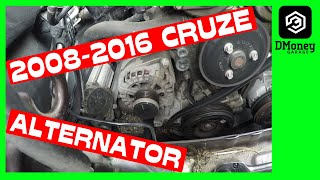
Typical fix: Replace the alternator.
Est. part cost: $155-$600 - Weak or Failing Battery 🔴 High Probability → Shop Vehicle Battery Batteries have a finite lifespan of 3-5 years.
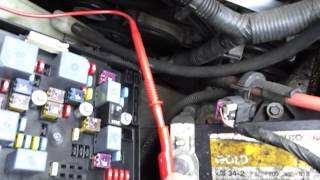
How to confirm: Test the battery with a multimeter when the engine is off. A healthy battery should read around 12.6 volts. A reading below 12.4 volts indicates a weak battery. For a definitive test, have the battery load-tested at an auto parts store, as a battery can show good voltage but fail under load.
Typical fix: Replace the battery.
Est. part cost: $120-$350 - Insufficient Crimp on Negative Battery Cable 🟡 Medium Probability → Shop Vehicle Battery A known manufacturing defect on 2011-2015 models covered under GM Special Coverage 14311B. The poor crimp increases resistance over time, starving electrical systems of adequate power.
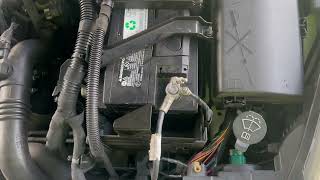
How to confirm: Visually inspect the negative battery cable terminal for looseness or signs of poor connection. A voltage drop test on the ground cable is the definitive check for high resistance. 🎬 See: How to perform a voltage drop test Many owners report a cluster of seemingly unrelated electrical faults as the primary symptom.
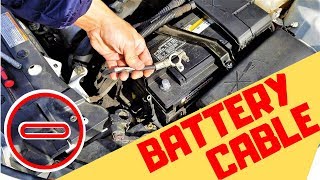
Typical fix: Replace the negative battery cable. This may be covered at no charge by a GM dealer if the vehicle falls within the special coverage parameters (10 years/120,000 miles). The replacement cable has an improved design. 🎬 Watch: Step-by-step negative battery cable replacement guide
Est. part cost: $20-$50 - Loose or Corroded Battery Terminals/Cables 🟡 Medium Probability → Shop Vehicle Battery
How to confirm: Visually inspect the battery terminals and cable ends for corrosion (a white or greenish powder) or looseness. Attempt to wiggle the cable clamps; they should not move.
Typical fix: Clean the battery terminals and cable clamps with a wire brush and a mixture of baking soda and water. Ensure clamps are securely tightened.
Est. part cost: $0-$10
Rare But Worth Checking
- Parasitic Battery Drain: → Shop Vehicle Battery An electrical component may not be shutting off when the car is turned off, slowly draining the battery. This is less likely to set the code while driving but can cause a no-start and low voltage condition.
- Damaged Wiring or Ground Connections: A poor ground connection (other than the main battery cable) or damaged wiring between the alternator, battery, and PCM can cause voltage drops. Check the main engine-to-chassis ground strap.
- Faulty Powertrain Control Module (PCM): This is a very rare cause and should only be considered after all other possibilities have been exhausted.
Diagnosis Steps
- Read the trouble codes with an OBD-II scanner to confirm P0562 is present and check for any other codes.
- Visually inspect the battery terminals and cables for corrosion or looseness. Clean and tighten as necessary.
- With the engine off, use a multimeter to check the battery's static voltage. A reading of ~12.6V is healthy. Below 12.4V suggests a weak battery that needs charging and load testing.
- Start the engine and measure the voltage at the battery again. The reading should rise to between 13.5V and 14.7V. If it doesn't, the alternator is likely not charging.
- If the battery and alternator test okay, inspect the negative battery cable for the known crimp issue, especially on 2011-2015 models. Check with a GM dealer if Special Coverage 14311B is still active for your VIN.
- Perform a voltage drop test on both the positive and negative battery cables to check for high resistance. A drop of more than 0.2 volts on the ground side or 0.5 volts on the positive side indicates a problem.
- Inspect the serpentine belt for proper tension and condition. A slipping belt can prevent the alternator from spinning at the correct speed.
- If all else fails, check for a parasitic drain using a multimeter set to measure amps.
- Inspect wiring and connectors between the alternator, battery, and PCM for any signs of damage.
Parts You'll Likely Need
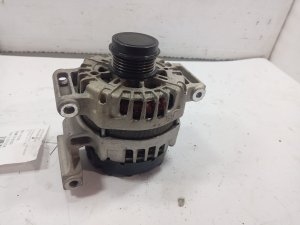
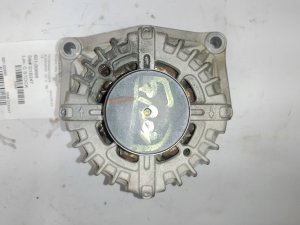
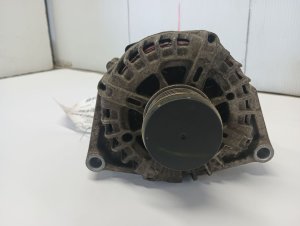
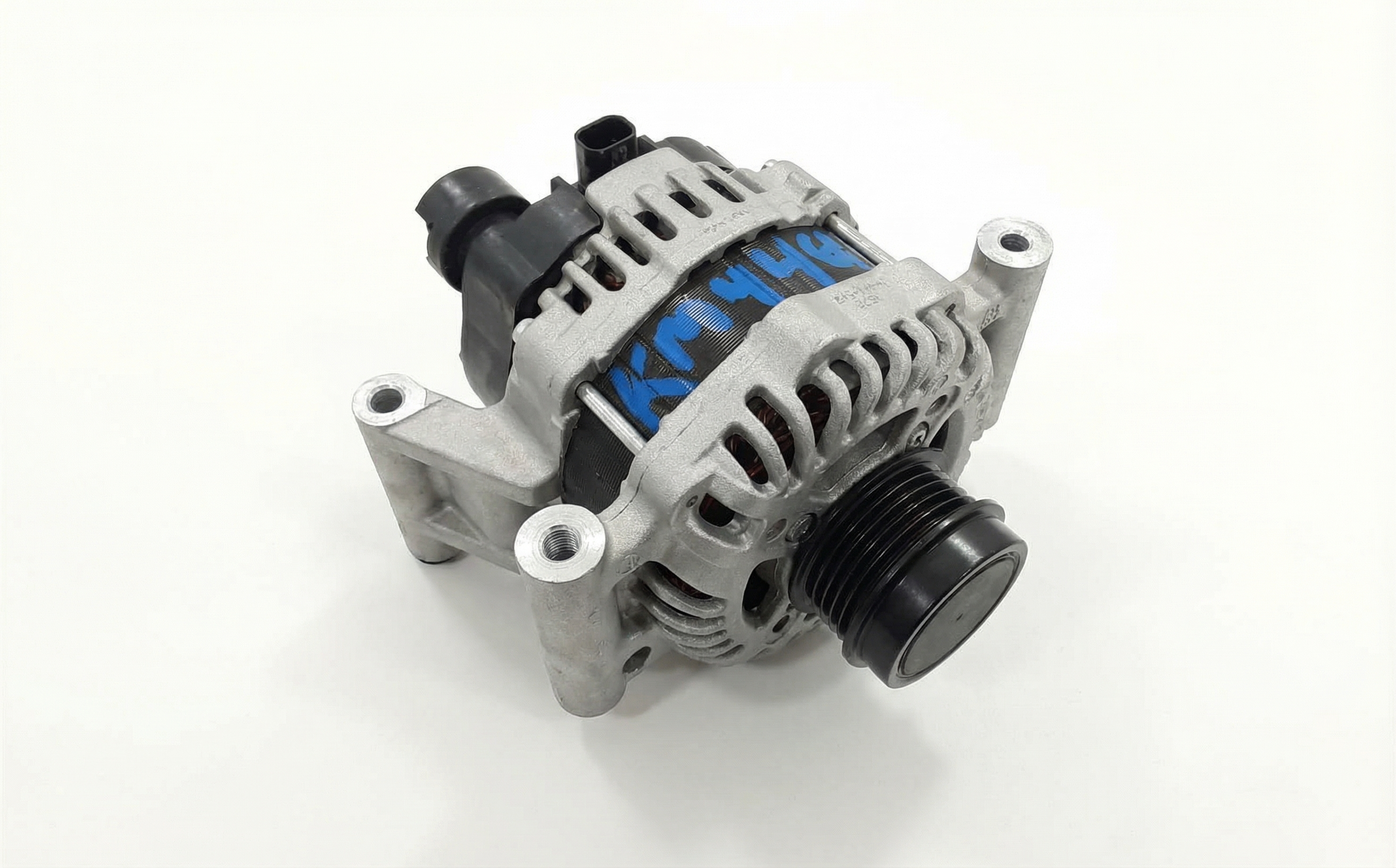
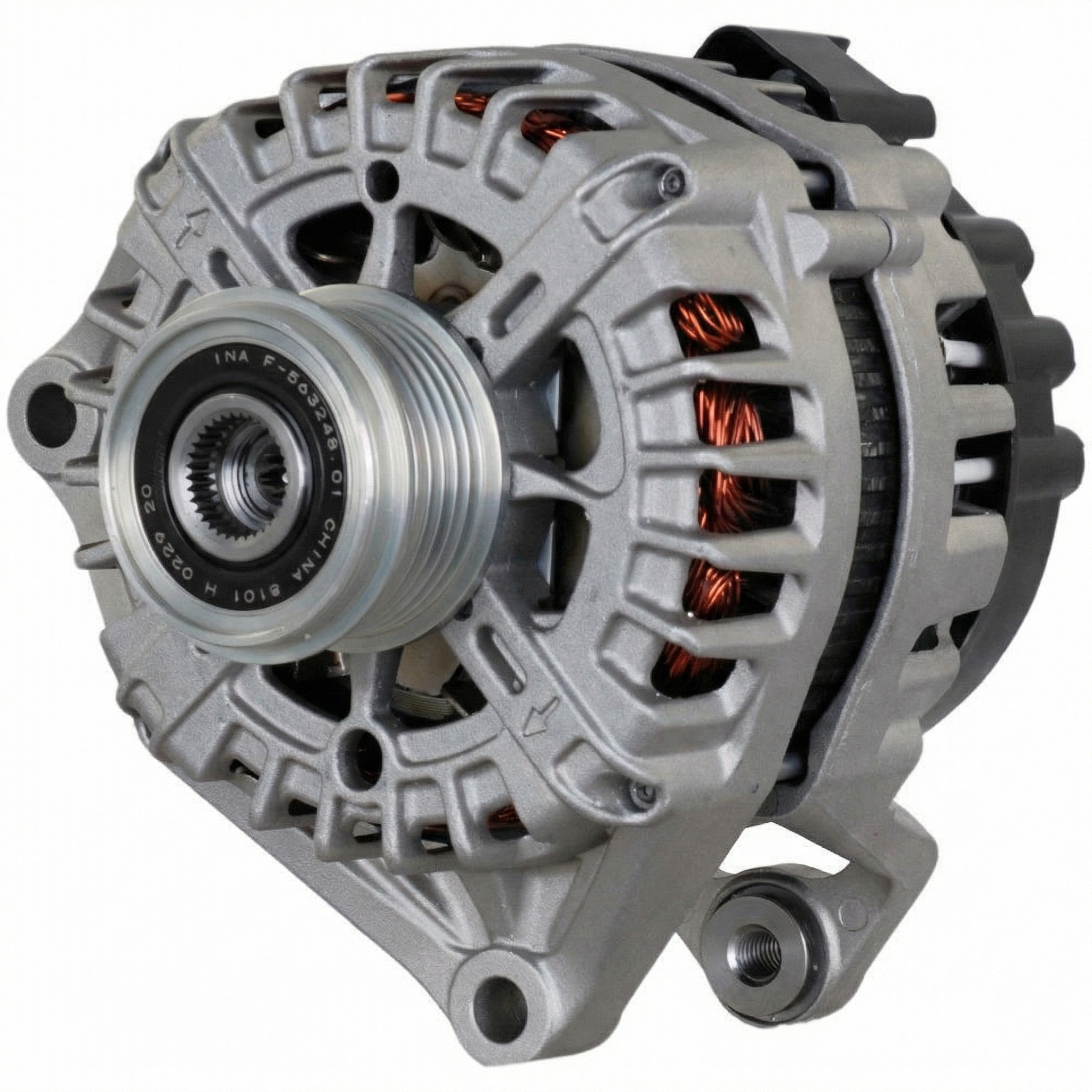
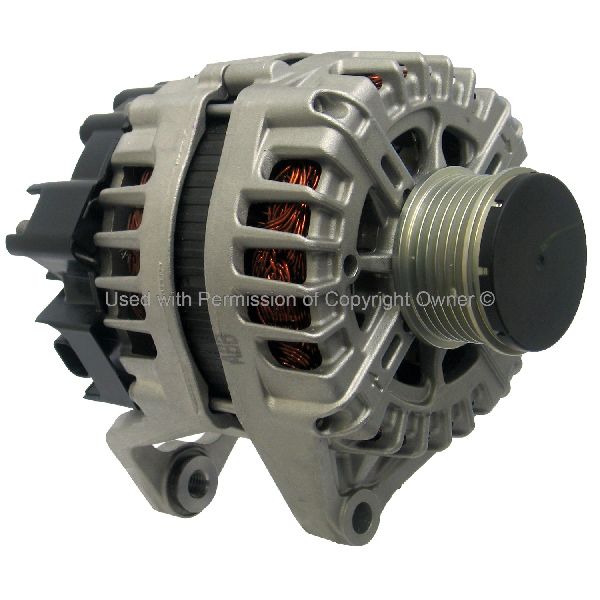
- Alternator — The alternator is responsible for charging the battery and powering the electrical system while the engine runs. Its failure is a primary cause of low system voltage.
Trusted brands: ACDelco, Denso, Duralast
OEM price range: $450-$850
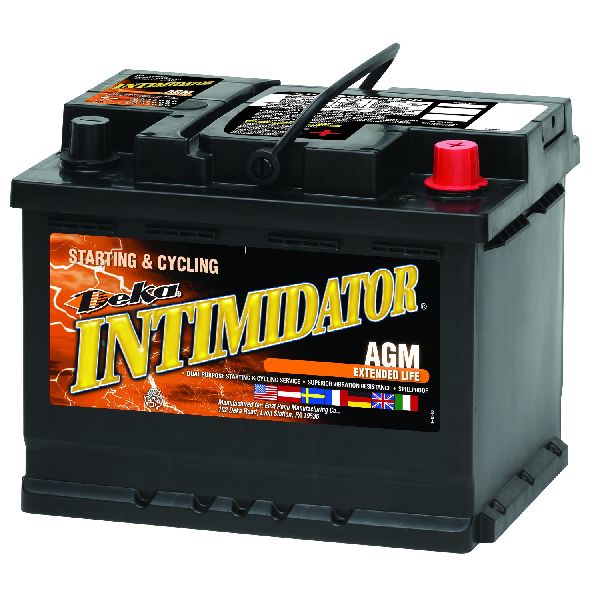
Aftermarket price range: $155-$600 - Battery — An old or weak battery cannot hold a sufficient charge, leading to low voltage conditions, especially during startup.
Trusted brands: ACDelco, Interstate, Duralast
OEM price range: $180-$250
Aftermarket price range: $120-$200 - Negative Battery Cable
(OEM #22754271)— A known failure point on 2011-2015 models due to an insufficient crimp, causing high resistance and low voltage.
Trusted brands: ACDelco (GM Genuine), Standard Motor Products, Duralast
OEM price range: $40-$70
Aftermarket price range: $20-$50
Technical Service Bulletins (TSBs) & Recalls
- 14311B: Special Coverage - Negative Battery Cable Terminal Crimp (June 2, 2015)
- Bulletin #PIT6347B: Notes that P0562 can be associated with Service StabiliTrak and ABS warnings, advising dealers to perform additional battery and connection testing.
- Bulletin #PIT5634: Warns that P0562 can lead to misdiagnosis and incorrect repairs, advising technicians to strictly follow low voltage diagnostics.
- Bulletin #24-NA-050: Provides repair information for cases where P0562 or P0563 are set alongside DTC P0606.
Platform-Specific Known Issues
- Special Coverage 14311B: Negative Battery Cable: → Shop Vehicle Battery Affects 2011-2015 models for an insufficient crimp on the negative battery cable terminal. This can lead to various electrical issues, including flickering lights, loss of power steering, and multiple warning messages that trigger P0562. The repair may be covered by GM within 10 years or 120,000 miles of the vehicle's in-service date.
- Owner Repair Experience: Owners on forums and in repair videos frequently report that replacing the negative battery cable resolves a host of bizarre electrical problems, including the 'Service Stabilitrak' message, radio cutting out, and power steering loss, which are often associated with the P0562 code on this car. Many note that even if the original cable looks fine, it can have high internal resistance from the bad crimp.
Diagnostic Flowchart
Other Known Issues on This Vehicle
Issues unrelated to this code that are worth knowing about as an owner of this generation:
- PCV System Failure (1.4L Turbo) 🔴 High — Very common. A ruptured diaphragm in the valve cover and/or a missing check valve in the intake manifold creates a large vacuum leak, causing codes like P0171, P1101, and P0300. (Ref: GM offered warranty extensions for some vehicles to cover this repair.)
- Coolant Leaks from Plastic Components 🔴 High — Extremely common. The plastic thermostat housing (water outlet), water pump, and coolant reservoir are known to crack and leak, leading to overheating. (Ref: Special Coverage 14371B extended the warranty on the water pump for 2011-2014 models to 10 years/150,000 miles.)
- Automatic Transmission (6T40) Problems 🔴 High — Common, especially in 2011-2013 models. Issues include harsh shifting, hesitation, and complete failure, sometimes due to internal component failure like a broken clutch wave plate. (Ref: Multiple TSBs exist for reprogramming the Transmission Control Module (TCM).)
- Valve Cover and Crankshaft Seal Oil Leaks 🟠 Medium — Common. Often caused by excess crankcase pressure from a failing PCV system, leading to oil leaks from the valve cover gasket and front crankshaft seal. (Ref: PI1297B addresses a whistle noise related to the front crankshaft seal.)
Real Owner Stories
Aggregated from forums and TSBs cited above. Mileages and costs reflect what owners reported in those sources.
2015 Chevy Cruze 1LT
Symptoms: The car would not start and displayed a 'service theft deterrent system' message. Scanned and found P0513 (incorrect immobilizer key) and P0562 (low system current). Also experienced 'service power steering' messages.
What fixed it: Replaced the negative battery cable.
Source hint: r/cruze owner report
2011-2015 Chevrolet Cruze
Symptoms: Flickering lights, loss of power steering assist, radio cutting out, and 'Service Stabilitrak' messages appearing on the dash.
What fixed it: Replacement of the negative battery cable with an improved design under Special Coverage 14311B.
Source hint: Vehicle Specific Issues: Owner Repair Experience
Documented NHTSA Reports
General Motors Vehicle Diagnostic Summary
Symptoms: A vehicle diagnostic summary for a GM vehicle noted that P0562 indicates the electrical system is running at low voltage, which could be caused by a weak battery.
Source hint: NHTSA ODI #11676063
Related OBD-II Codes
Frequently Asked Questions
Is there a special warranty for the negative battery cable on my 2011-2015 Chevrolet Cruze?
Why is my Cruze showing 'Service Stabilitrak' and 'Service Steering' along with code P0562?
My radio and HVAC display keep turning on and off; is this related to P0562?
Can I just clean the battery terminals to fix the P0562 code on my Cruze?
What voltage should my Cruze alternator produce to be considered healthy?
Does the Buick Verano share the same battery cable issue as the Cruze?
Helpful Videos
Used OEM Parts in Stock
New Aftermarket Parts Available


The information in this article is provided for general reference and educational purposes only. Vehicle specifications, procedures, and part compatibility can vary by production date, trim level, and region. Always consult your vehicle's factory service manual and verify part numbers before purchasing or performing repairs. Safety-critical components such as airbags, seat belts, and braking systems should be installed by a qualified professional.
- Chevrolet Cruze:
- 🧭 Diagnostic Flowchart
- 🎬 Helpful Videos
- 🛍️ Shop This Part
- What's Unique About the 2011-2016 Chevrolet Cruze
- Symptoms You May Notice
- Most Likely Causes
- Rare But Worth Checking
- Diagnosis Steps
- Parts You'll Likely Need
- Technical Service Bulletins (TSBs) & Recalls
- Platform-Specific Known Issues
- Other Known Issues on This Vehicle
- Real Owner Stories
- 2015 Chevy Cruze 1LT
- 2011-2015 Chevrolet Cruze
- Documented NHTSA Reports
- General Motors Vehicle Diagnostic Summary
- Related OBD-II Codes
- Frequently Asked Questions
- 🎟️ Get 5% Off