

P0562 on 2010-2017 Chevrolet Equinox: Low Voltage Causes and Fixes
P0562 on a 2010-2017 Equinox means the vehicle's voltage is critically low. This is most often caused by a failing alternator or a weak battery. Start by testing the battery and charging system; expect to spend $150-$250 for a new battery or $400-$700 for an alternator replacement. Also, check for corroded battery cables and poor grounds, which are known issues on this platform.
- P0562 on a 2010-2017 Equinox indicates a serious low voltage problem that can leave you stranded.
- The most likely culprits are a failing alternator or a weak battery. Always test both before replacing parts.
- Don't overlook simple fixes: thoroughly inspect and clean all battery terminals and ground connections.
- Be aware of vehicle-specific issues like high-resistance cables (per TSB 21-NA-210) and potential parasitic draws from modules like the HVAC system.
- A multimeter is an essential tool for diagnosing this code by testing battery and alternator voltage.
What's Unique About the 2010-2017 Chevrolet Equinox
While P0562 is a generic code, the 2010-2017 Equinox and its platform-mate, the GMC Terrain, have specific weak points that can trigger it. Beyond the usual battery and alternator failures, owners should be aware of potential high resistance in battery cables and specific poor ground connections as noted in service bulletins. There are also documented cases of parasitic draws from components like the HVAC control module intermittently waking up, or even the rear wiper motor, which can drain the battery over time and set this code. On V6 models, a common cause of alternator failure is oil leaking from the oil filler cap directly onto the alternator housing.
Symptoms You May Notice
- Check Engine Light is on
- Battery or charging system warning light is on
- Dimming or flickering headlights and interior lights
- Engine stalls, especially at idle or when electrical accessories are used
- Difficulty starting the engine or a no-start condition
- Slow or malfunctioning power windows or radio
- Erratic transmission shifting
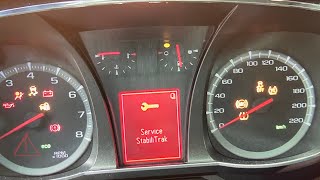
- Service Stabilitrak warning message may appear
- No audio from speakers and no turn signal sound (indicative of module issues)
- Replacing the battery when the alternator is the actual cause of the problem.
- Replacing the alternator when a simple corroded battery cable or poor ground was the root issue.
- Replacing both the battery and alternator when the true cause was a parasitic draw that will drain the new battery as well.
Most Likely Causes
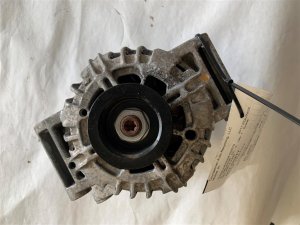
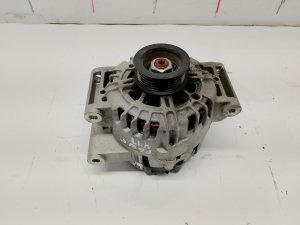
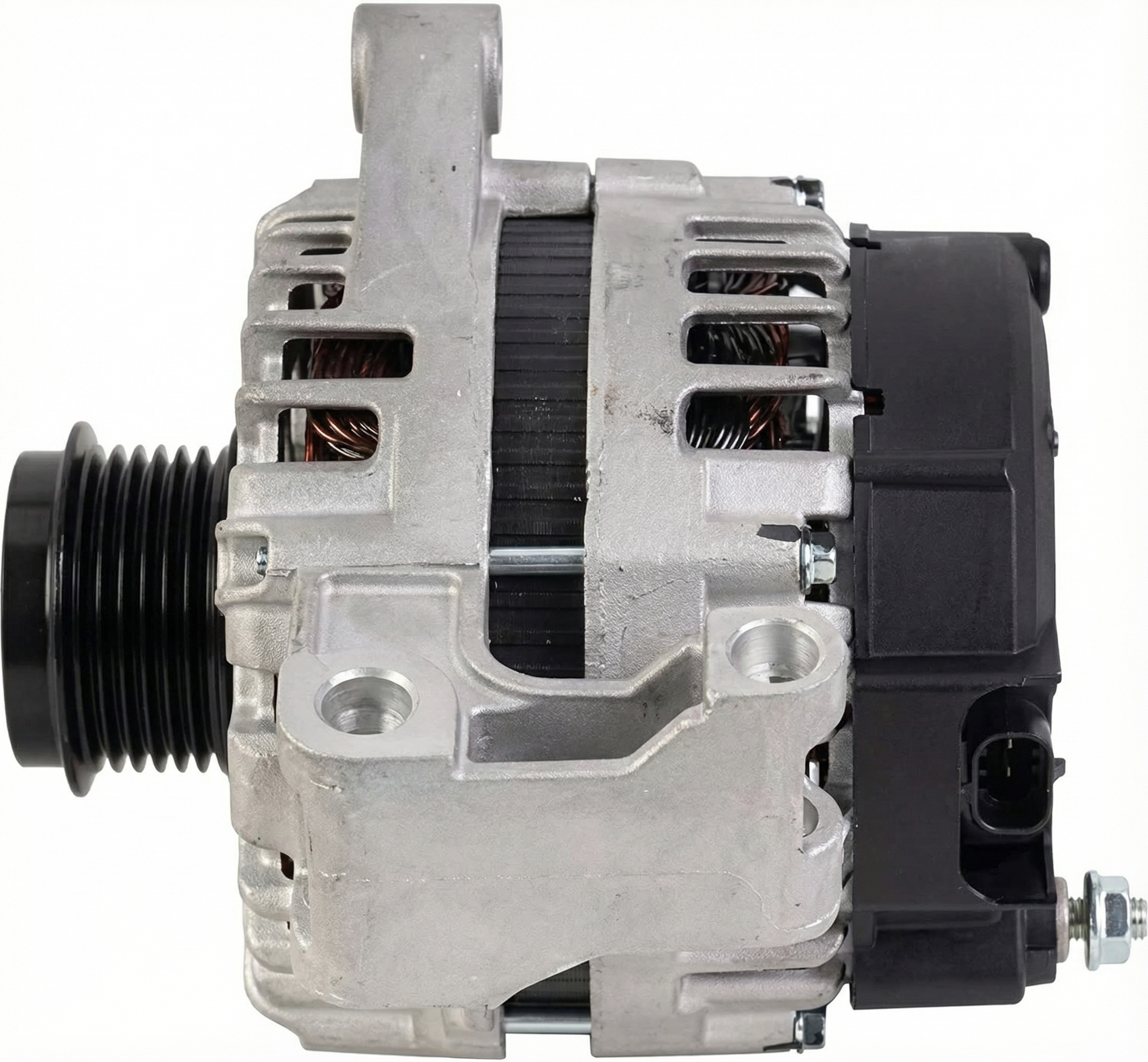
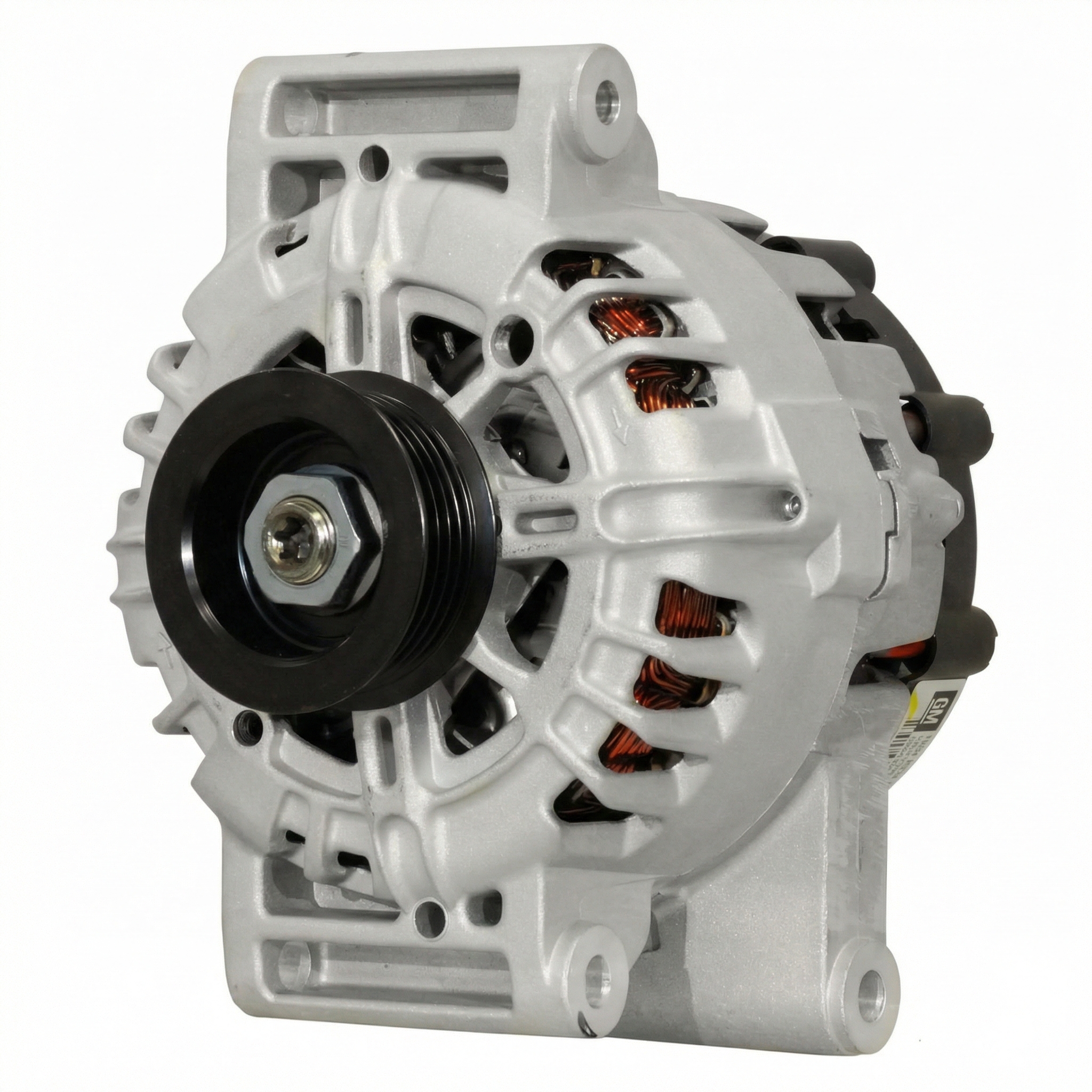
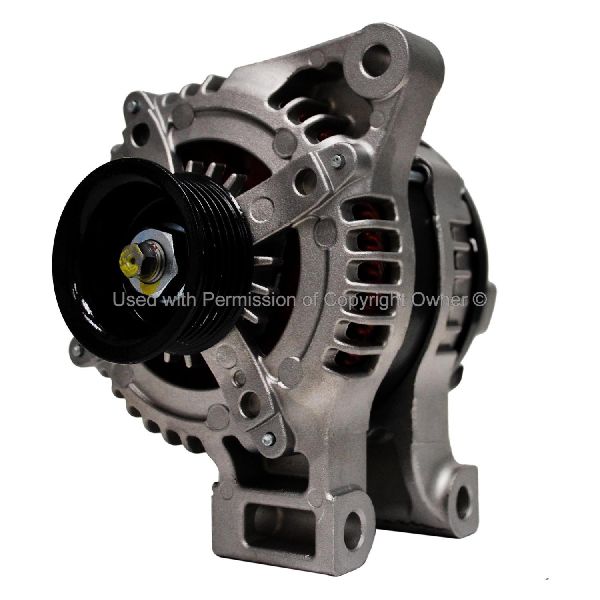
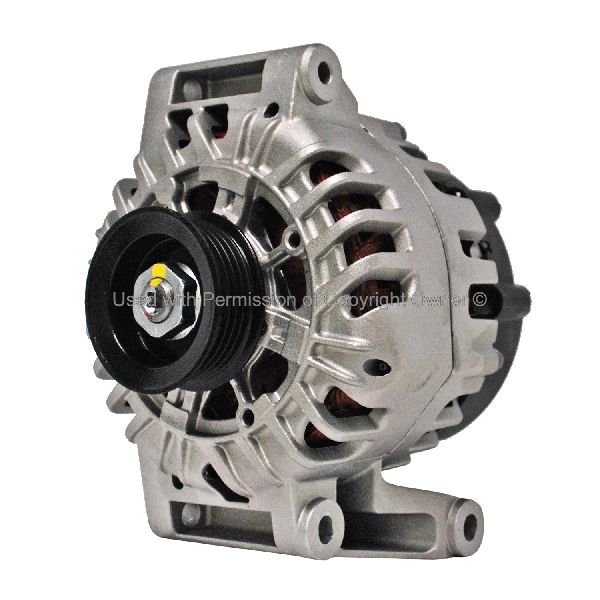
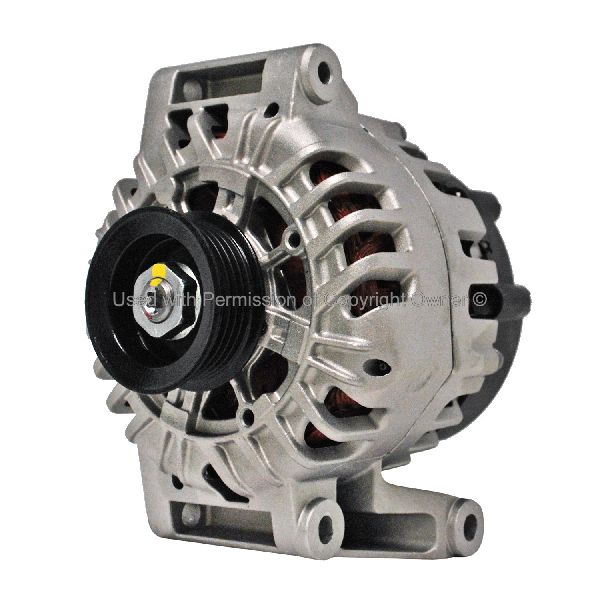
- Failing Alternator 🔴 High Probability → Shop Alternator The alternator is a common failure point on many vehicles as it ages. It is responsible for charging the battery and powering the electrical system while the engine runs. On the Equinox, this is the most frequent culprit for P0562. On V6 models, failure is often accelerated by engine oil leaking onto the alternator from the oil fill cap area.
How to confirm: With the engine running, use a multimeter to test the voltage at the battery terminals. A healthy alternator should produce between 13.5 and 14.7 volts. A reading below this range, especially when electrical accessories are turned on, points to a weak or failing alternator. Many auto parts stores offer free alternator testing.
Typical fix: Replace the alternator.
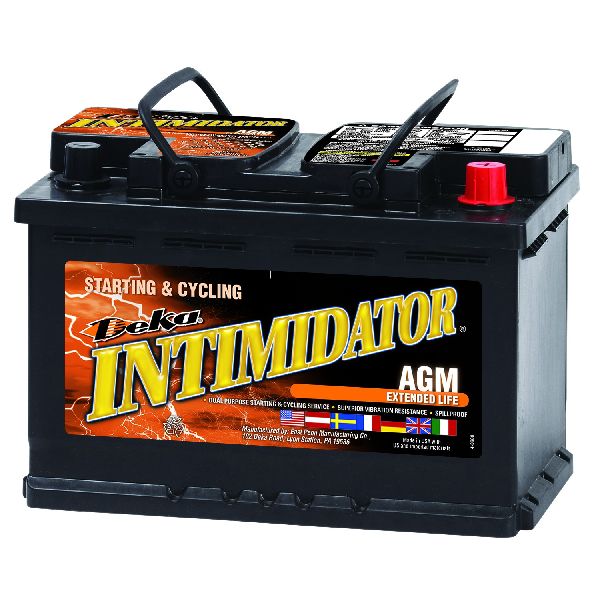
Est. part cost: $200-$450 - Weak or Dead Battery 🔴 High Probability → Shop Vehicle Battery Car batteries have a finite lifespan, typically 3-5 years. An old battery can no longer hold a sufficient charge to start the engine reliably or handle the vehicle's electrical loads, triggering a low voltage code.
How to confirm: With the engine off, a healthy battery should read approximately 12.4-12.6 volts with a multimeter. If the voltage is lower, or if the battery fails a load test (which can be performed at most auto parts stores), it needs replacement. A reading below 12V indicates a significantly discharged or faulty battery.
Typical fix: Replace the battery.
Est. part cost: $150-$250 - Corroded or Loose Battery Terminals/Cables 🟡 Medium Probability → Shop Vehicle Battery Corrosion (a fuzzy, blue-green or white deposit) on the battery terminals is common and acts as an insulator, preventing a solid electrical connection. Cables can also loosen over time with vibration, causing intermittent low voltage issues.
How to confirm: Visually inspect the battery terminals and cable ends for corrosion or looseness. Attempt to wiggle the cable connections by hand; there should be no movement. Pay close attention to the main ground cable connection to the chassis and engine block.
Typical fix: Disconnect the battery (negative first) and clean the terminals and cable clamps with a wire brush and a mixture of baking soda and water. Reconnect securely (positive first). If a cable end is severely damaged, the entire cable assembly or terminal end may need to be replaced.
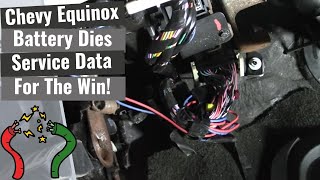
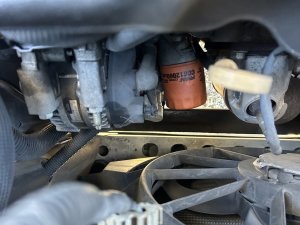
Est. part cost: $5-$30 - High Resistance in Battery Cables or Poor Ground ⚪ Low Probability → Shop Vehicle Battery GM Technical Service Bulletin 21-NA-210 mentions that codes like P0562 can be caused by high resistance in battery cables or a poor connection at ground G218 on this platform. Forum users have reported that cleaning and tightening main ground points can resolve mysterious electrical issues. The PCM ground on the 2.4L engine is located on a stud under the alternator and is a known spot for corrosion or breakage. 🎬 See this video locating the 2.4L PCM grounds
How to confirm: Perform a voltage drop test on the positive and negative battery cables. A drop of more than 0.5V on the positive side (alternator to battery) or 0.2V on the negative side (alternator case to battery) under load indicates excessive resistance. Visually inspect ground G112 (PCM ground on 2.4L) and other main chassis grounds for looseness or corrosion.
Typical fix: Replace the faulty battery cable(s). Clean, sand, and tighten the ground connection at G112/G218 and other relevant ground points.
Est. part cost: $50-$150
Rare But Worth Checking
- Blown Inline Alternator Fuse: → Shop Alternator Some Equinox models have a hidden 200-amp inline fuse on the positive battery cable that runs to the alternator. If this fuse blows, the alternator cannot charge the battery, leading to P0562.
- Parasitic Battery Drain: → Shop Vehicle Battery An electrical component may not shut off correctly when the car is off, slowly draining the battery. On the Equinox, there are specific reports of the HVAC control module intermittently waking up and creating a ~70mA draw every few minutes. A GM service bulletin addresses this with a software update for the module. Other culprits can include the rear wiper motor or aftermarket accessories.
- Faulty Powertrain Control Module (PCM): This is extremely rare. The PCM itself can fail and misinterpret the voltage reading, but all other possibilities should be exhausted before considering PCM replacement.
Diagnosis Steps
- Read the Codes: Use an OBD-II scanner to confirm P0562 is present and check for any other stored codes.
- Visual Inspection: Inspect the battery terminals, positive and negative cables, and alternator connections for any signs of corrosion, damage, or looseness. Check the serpentine belt for proper tension and condition.
- Test Battery Voltage (Engine Off): Use a multimeter to measure the battery voltage with the engine off. A reading of 12.4V or higher is good. Below 12.4V suggests a discharged or failing battery.
- Test Charging System Voltage (Engine Running): Start the engine and measure the voltage at the battery terminals. The reading should be between 13.5V and 14.7V. If the voltage is low, the alternator is likely faulty. If it's high (over 15V), the voltage regulator (internal to the alternator) has failed.
- Load Test the Battery: Even if voltage seems okay, the battery may fail under load. Take the vehicle to an auto parts store for a free battery load test to confirm its health.
- Check for Voltage Drop: If the battery and alternator test good, perform a voltage drop test on the main battery cables to check for high resistance. A reading over 0.5V on the positive side or 0.2V on the negative side under load is a failure.
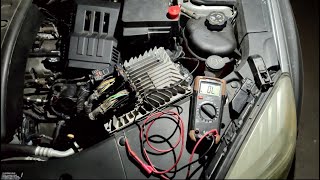
- Check for Parasitic Draw: If the battery keeps dying, perform a parasitic draw test to identify any components drawing power when the vehicle is off. For the Equinox, pay special attention to the HVAC fuse (#12 in the instrument panel fuse box) as a potential source of the draw. 🎬 Watch: How to diagnose and fix a parasitic draw A normal draw after all modules go to sleep (after ~10-30 minutes) should be under 50mA.
Parts You'll Likely Need
- Battery
(OEM #ACDelco Gold 47S (Group Size 47) or 48S (Group Size 48))— The battery is a common wear item and is often the primary cause of a low voltage condition, especially if it is more than 3-5 years old.
Trusted brands: ACDelco, Interstate, DieHard, Duralast
OEM price range: $180-$250
Aftermarket price range: $150-$220 - Alternator
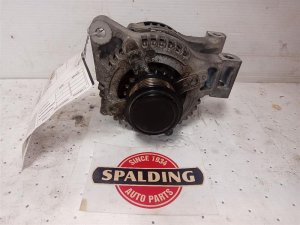
(OEM #ACDelco 13512759 (for 2.4L) or 23119515 (for V6))— The alternator charges the battery and powers the vehicle's electronics. Its failure is a very common reason for the P0562 code.
Trusted brands: ACDelco, Bosch, Denso, Duralast
OEM price range: $300-$450
Aftermarket price range: $200-$350 - Battery Cable Terminal
(OEM #ACDelco 23345557 (Negative Cable Assembly for 2015-2017 2.4L))— Corrosion or damage often occurs at the terminal ends, creating a poor connection. Replacing just the terminal or the full cable can be a cost-effective fix.
Trusted brands: Dorman, Standard Motor Products, ACDelco
OEM price range: $20-$40
Aftermarket price range: $10-$25
Technical Service Bulletins (TSBs) & Recalls
- 21-NA-210: While this TSB is for a different specific issue (A/C hose cracks), it is often cited in relation to P0562 because it mentions checking for high resistance in battery cables and poor grounds at G218 as a general diagnostic step for electrical issues.
- PIP5093B: Details an issue where the PCV system can freeze in extreme cold, causing crankcase pressure to build and blow out the rear main seal. This is a major platform issue, though not directly related to P0562.
- Unnamed PIP for Parasitic Draw: A GM Preliminary Information bulletin describes a condition where the HVAC control module intermittently wakes up, causing a ~70mA parasitic draw. The fix is to reprogram the module.
- Bulletin #PIT6347B: This preliminary information bulletin notes an issue involving Service StabiliTrak and DTC P0562, advising dealers to perform additional battery and connection testing.
- Bulletin #PIT5634: Manufacturer records indicate that P0562 can lead to misdiagnosis and incorrect repairs; dealers are advised to follow specific SI diagnostics for "System Voltage Low."
- Bulletin #24-NA-050: This technical bulletin provides repair information for vehicles setting DTC P0606 in conjunction with either P0562 or P0563.
Platform-Specific Known Issues
- A technical service bulletin (21-NA-210) points to high resistance in battery cables or a poor ground at location G218 as a potential cause for this code.
- Some models may have a hidden 200-amp inline fuse on the positive alternator cable that can blow and prevent charging.
- Parasitic battery drains have been noted, sometimes caused by the HVAC control module intermittently waking up, which requires a software update to fix.
- On 3.6L V6 models, a common cause of premature alternator failure is engine oil leaking from the oil filler cap onto the alternator below it.
Mechanic-Grade Diagnostic Values
- Parasitic Current Draw — expected: < 50 mA. Failure: A sustained reading above 50mA after all modules have entered sleep mode (wait up to 30 minutes). A specific known issue on the Equinox is an intermittent 70mA draw from the HVAC module.
- Voltage Drop: Alternator Positive Circuit — expected: < 0.5 Volts. Failure: A reading higher than 0.5V indicates excessive resistance in the cable or connections between the alternator B+ post and the positive battery terminal. Test with engine running and high electrical load (lights, fans on).
- Voltage Drop: Charging System Ground Circuit — expected: < 0.2 Volts. Failure: A reading higher than 0.2V indicates excessive resistance in the ground path between the alternator case and the negative battery terminal.
- PCM Ground Resistance — expected: < 1.0 Ohm. Failure: Resistance higher than 1.0 Ohm between the PCM ground pin at the connector and the negative battery terminal indicates a poor ground connection.
Hidden / Shadow Codes Worth Checking
- P0606 (in EBCM): On some GM vehicles, a software anomaly in the Electronic Brake Control Module (EBCM) can cause it to set a P0606 (Control Module Processor Performance) code alongside a P0562 or P0563 in the ECM. (see via A professional scan tool capable of reading codes from all vehicle modules, such as a GM GDS2/Tech2.)
Scan Tool Commands That Help
- GDS2 / Tech2: Generator L-Terminal / Generator F-Terminal Duty Cycle — To command the alternator to a specific output level (e.g., 10% or 90% duty cycle) and verify with a multimeter that the alternator responds correctly. This tests the alternator's internal regulator and the control circuit from the ECM.
- GDS2 / Tech2: Module Reprogramming (EBCM or HVAC) — Required to apply software updates that fix known issues, such as the EBCM setting a false P0606/P0562 or the HVAC module causing a parasitic draw.
Wiring & Ground Locations
- G112 (PCM Ground) — On the 2.4L engine, this critical ground for the Powertrain Control Module is located on a stud on the engine block, under the alternator and just above the A/C compressor.. A corroded or broken connection at this point can cause the PCM to read system voltage incorrectly or have other erratic electrical issues, directly leading to a P0562 or mimicking a failed PCM.
- Engine Ground Strap (V6) — The main battery-to-engine ground on the 3.6L V6 can be located either on the front left side of the engine near the starter or on a bolt behind the starter.. This is the primary return path for the entire charging and starting system. High resistance here will cause low voltage across the entire vehicle.
- Fuse #12 (Instrument Panel Fuse Box) — Located in the fuse box on the passenger side of the center console. It is a 20-amp fuse labeled 'HVAC BAT'.. Pulling this fuse is the diagnostic step to confirm if the HVAC control module is the source of a parasitic battery drain that can cause P0562 over time.
Real Owner Repair Stories
- South Main Auto Repair YouTube Channel (2011 Chevrolet Equinox) — Battery dies after sitting for about 3 weeks. Intermittent no-start.
❌ Tried (didn't work) Initial observation did not immediately reveal a large, constant battery drain.
✅ What actually fixed it A parasitic draw test with a graphing multimeter revealed an intermittent 70mA draw that occurred every 4 minutes. A GM service bulletin indicated this is caused by the HVAC control module waking up. The fix is a software update for the HVAC module. The diagnosis was confirmed by pulling the 20A 'HVAC BAT' fuse (#12) in the interior fuse panel, which made the intermittent draw disappear. - YouTube User 'Fix it Angel' (Chevrolet vehicle, applicable to Equinox) — P0562 code, flickering dash lights, stalling, hard starting.
❌ Tried (didn't work) Tightening the existing battery terminal bolt did not provide a lasting fix.
✅ What actually fixed it The positive battery cable terminal was worn and would not stay tight on the battery post. The old terminal was cut off, and a new universal-style battery terminal was clamped onto the bare cable, restoring a secure connection and resolving the low voltage issues. - NHTSA ODI #11676063 — An owner reported a vehicle diagnostic summary explaining that P0562 indicates the electrical system is running at low voltage, which could be due to a weak battery.
"I Checked Everything" — The Actual Cause
- This pattern applies to electrical diagnosis as 'Battery and Alternator Test Good, But Problem Persists'. A prime example is when a standard load test on the battery and a voltage output test on the alternator both pass, but the car still develops a dead battery and a P0562 code after sitting. The actual cause was found to be an intermittent parasitic draw from the HVAC control module, which is only detectable with a long-term current measurement test.
When the Usual Fixes Don't Work
- In one documented case on a 2011 Equinox, both the battery and alternator were functioning correctly according to standard tests. The owner's complaint of a battery dying after several weeks was not caused by a component failure, but by a software issue in the HVAC control module causing an intermittent parasitic draw. Replacing the battery or alternator would not have fixed the root cause; the vehicle required a software update from the dealer to resolve the issue.
Model Year Variations Within This Range
- 2010-2017: The 2.4L 4-cylinder engine typically uses a 120-amp alternator, while the 3.0L and 3.6L V6 engines are commonly equipped with a 150-amp alternator. Using the incorrect amperage can lead to charging system issues.
Diagnostic Flowchart
Other Known Issues on This Vehicle
Issues unrelated to this code that are worth knowing about as an owner of this generation:
- Excessive Oil Consumption (2.4L Ecotec) 🔴 High — Extremely common in 2010-2013 models, but affects all years up to 2017. Caused by faulty piston rings. (Ref: Multiple lawsuits and a Special Coverage Adjustment (15285C) were issued, but no formal recall.)
- Stretched Timing Chains (2.4L and V6) 🔴 High — Common, especially on vehicles with poor oil maintenance, often exacerbated by the oil consumption issue. Symptoms include a rattle on cold start. (Ref: Multiple TSBs exist, such as those related to codes P0017 and P0019.)
- Blown Rear Main Seal in Cold Weather (2.4L) 🔴 High — Occurs in freezing temperatures (below 0°F / -18°C) when the PCV orifice freezes, causing crankcase over-pressurization. (Ref: GM issued TSB PIP5093B describing the condition.)
- Failing HVAC Blend Door Actuators 🟡 Low — Very common. Results in a clicking/ticking noise from the dashboard or inability to change air temperature/direction.
Used vs. New Parts: Buying Guide for This Vehicle
When a used part is the smart pick: Battery cables, ground straps, and connectors are generally safe to source from a junkyard, provided they are visually inspected for corrosion, cuts, and integrity. A complete underhood fuse block can also be a good used part. An alternator from a documented low-mileage donor vehicle can be a cost-effective alternative to a new or remanufactured unit.
Donor-vehicle mileage cap: roughly under 80000 miles for the part to have meaningful remaining life.
What to inspect on the donor part:
- For an alternator, spin the pulley by hand; it should be smooth with no grinding noises or excessive play.
- Inspect the alternator housing for heavy corrosion or signs of fluid leaks (especially oil on V6 models).
- For cables, ensure the insulation is not cracked or brittle and the terminal ends are not deformed or coated in green/white corrosion.
OEM-only on this vehicle (don't cheap out):
- Battery (Always buy new from a reputable brand, not necessarily OEM).
- Powertrain Control Module (PCM): Due to VIN programming requirements, a used PCM is not a simple plug-and-play fix. A new or professionally remanufactured and programmed unit is the reliable choice.
Aftermarket brands forum-validated for this vehicle:
- ACDelco (OEM supplier)
- Denso
- Bosch
Brands owners have reported issues with on this vehicle:
- No-name, unbranded 'new' alternators from online marketplaces often have high failure rates and may not meet OEM specifications for voltage regulation, causing persistent electrical issues.
Real Owner Stories
Aggregated from forums and TSBs cited above. Mileages and costs reflect what owners reported in those sources.
2010-2017 Chevrolet Equinox
Symptoms: The battery keeps dying due to a parasitic draw. A technician found a ~70mA draw after the vehicle should have been 'asleep'.
What fixed it: Reprogramming the HVAC control module, which was intermittently waking up and draining the battery.
Source hint: YouTube video 'A detailed video from a technician diagnosing and fixing the specific HVAC module parasitic draw issue on an Equinox'
2010-2017 Chevrolet Equinox 2.4L
Symptoms: Mysterious electrical issues and low voltage codes despite the battery and alternator testing okay.
What fixed it: Cleaning and tightening the main ground points, specifically checking for high resistance at ground G218 and the PCM ground stud under the alternator.
Source hint: GM Technical Service Bulletin 21-NA-210 and forum reports
Related OBD-II Codes
Frequently Asked Questions
I have a 3.6L V6 Equinox; why does my alternator keep failing and triggering P0562?
Does TSB 21-NA-210 apply to my P0562 low voltage issue?
My battery keeps dying even after replacement. Could it be the HVAC system?
Where is the PCM ground located on the 2.4L engine for troubleshooting P0562?
Is there a hidden fuse I should check if my Equinox isn't charging?
Why did my 'Service Stabilitrak' light come on at the same time as the P0562 code?
Helpful Videos
Used OEM Parts in Stock
New Aftermarket Parts Available


The information in this article is provided for general reference and educational purposes only. Vehicle specifications, procedures, and part compatibility can vary by production date, trim level, and region. Always consult your vehicle's factory service manual and verify part numbers before purchasing or performing repairs. Safety-critical components such as airbags, seat belts, and braking systems should be installed by a qualified professional.
- Chevrolet Equinox:
- 🧭 Diagnostic Flowchart
- 🎬 Helpful Videos
- 🛍️ Shop This Part
- What's Unique About the 2010-2017 Chevrolet Equinox
- Symptoms You May Notice
- Most Likely Causes
- Rare But Worth Checking
- Diagnosis Steps
- Parts You'll Likely Need
- Technical Service Bulletins (TSBs) & Recalls
- Platform-Specific Known Issues
- Mechanic-Grade Diagnostic Values
- Hidden / Shadow Codes Worth Checking
- Scan Tool Commands That Help
- Wiring & Ground Locations
- Real Owner Repair Stories
- "I Checked Everything" — The Actual Cause
- When the Usual Fixes Don't Work
- Model Year Variations Within This Range
- Other Known Issues on This Vehicle
- Used vs. New Parts: Buying Guide for This Vehicle
- Real Owner Stories
- 2010-2017 Chevrolet Equinox
- 2010-2017 Chevrolet Equinox 2.4L
- Related OBD-II Codes
- Frequently Asked Questions
- 🎟️ Get 5% Off