

P0562 on 2018-2023 Chevrolet Malibu: System Voltage Low Causes and Fixes
P0562 on a 2018-2023 Malibu indicates low system voltage. This is most often caused by a failing battery or a bad alternator. Start by testing the battery's health and the alternator's output. Also, inspect the negative battery cable and its connections, as this is a known weak point. Do not drive the vehicle, as it can stall unexpectedly.
- P0562 means the car's electrical system voltage is dangerously low, usually due to a bad battery or failing alternator.
- Do not ignore this code. Driving can lead to stalling and the failure of important safety systems.
- Diagnosis is straightforward with a multimeter. Check static battery voltage (engine off) and charging voltage (engine on).
- For the 2018-2023 Malibu, pay special attention to the negative battery cable ground connection and the battery current sensor, as these are known failure points.
What's Unique About the 2018-2023 Chevrolet Malibu
For the 2018-2023 Malibu, which is part of the ninth generation, the electrical system is sensitive to voltage fluctuations due to its numerous electronic modules and features like the engine start-stop system. This system puts a higher demand on the battery, typically an AGM (Absorbent Glass Mat) type, which can be more expensive to replace. While the root causes of P0562 are common across most vehicles (battery or alternator), this Malibu generation can also suffer from issues with the negative battery cable or the battery current sensor, which can disrupt proper charging and trigger the code. Some models with start-stop technology also feature a smaller auxiliary battery that can fail and cause voltage-related symptoms. Manufacturer service bulletins for similar platforms, such as TSB Bulletin #PIT5634, emphasize that a low voltage condition can sometimes lead to misdiagnosis, requiring technicians to follow specific SI diagnostics to ensure the correct repair is performed.
Symptoms You May Notice
- Check Engine Light is on
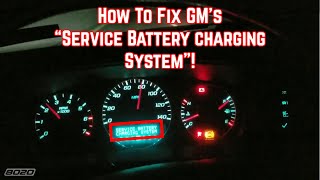
- Battery or charging system warning light is on
- Slow or difficult engine cranking
- Dimming or flickering headlights and interior lights
- Engine stalling, especially at idle
- Erratic behavior from electrical components like the radio or power windows
- "Engine Power Reduced" message on the dashboard
- Problems with the automatic transmission shifting properly
- Power steering assist may be reduced or disabled
- Service Brake System or Service StabiliTrak warnings (as noted in TSB Bulletin #PIT6347B)
- Replacing the battery when the alternator is the actual cause of the problem.
- Replacing the alternator when the issue is simply a loose or corroded battery connection, particularly the ground cable.
Most Likely Causes
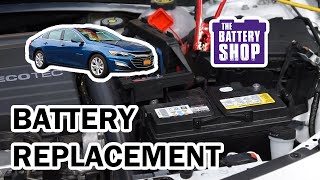
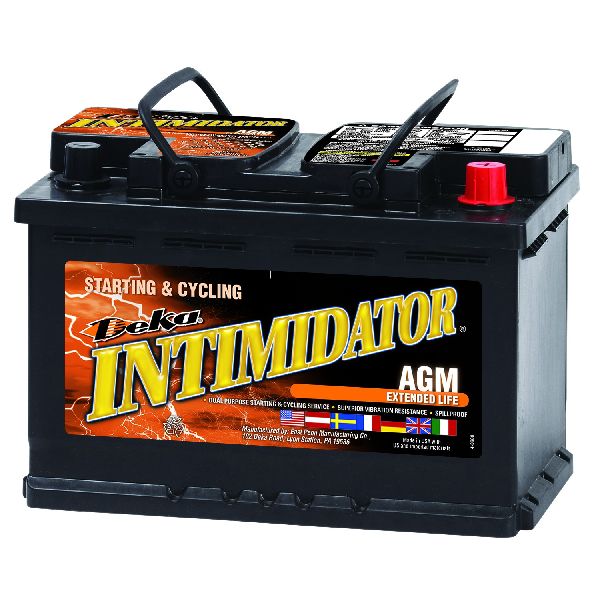
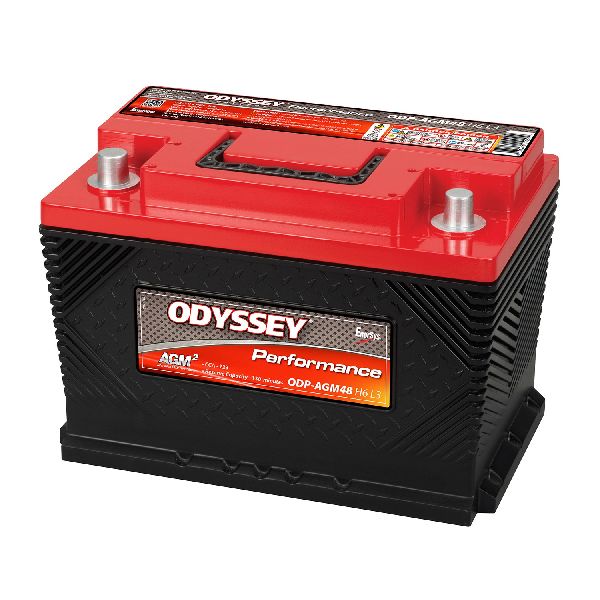
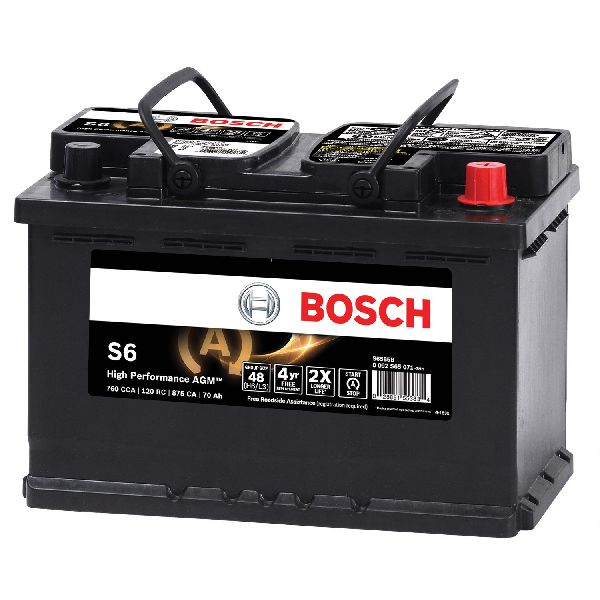
- Failing or Weak Battery 🔴 High Probability → Shop Vehicle Battery Car batteries typically have a lifespan of 3-5 years. Vehicles like the Malibu with many electronic features and start-stop systems can put more strain on the battery, often requiring a more expensive AGM battery.
How to confirm: Test the battery voltage with a multimeter when the engine is off; a healthy battery should read around 12.6 volts. Most auto parts stores can perform a load test to check the battery's overall health.
Typical fix: Replace the battery. Ensure it is the correct type (AGM for start-stop models) and that the new battery is registered with the vehicle's computer system if required.
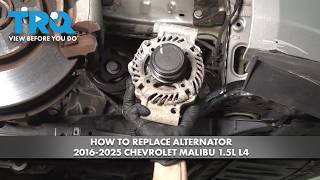
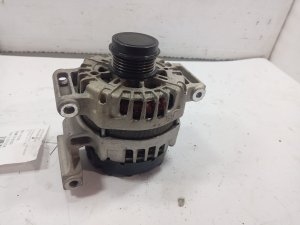
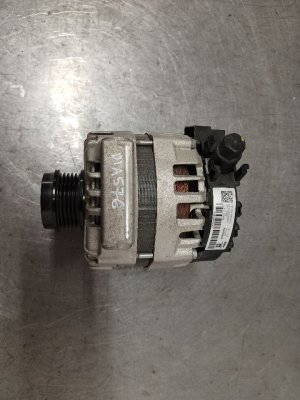
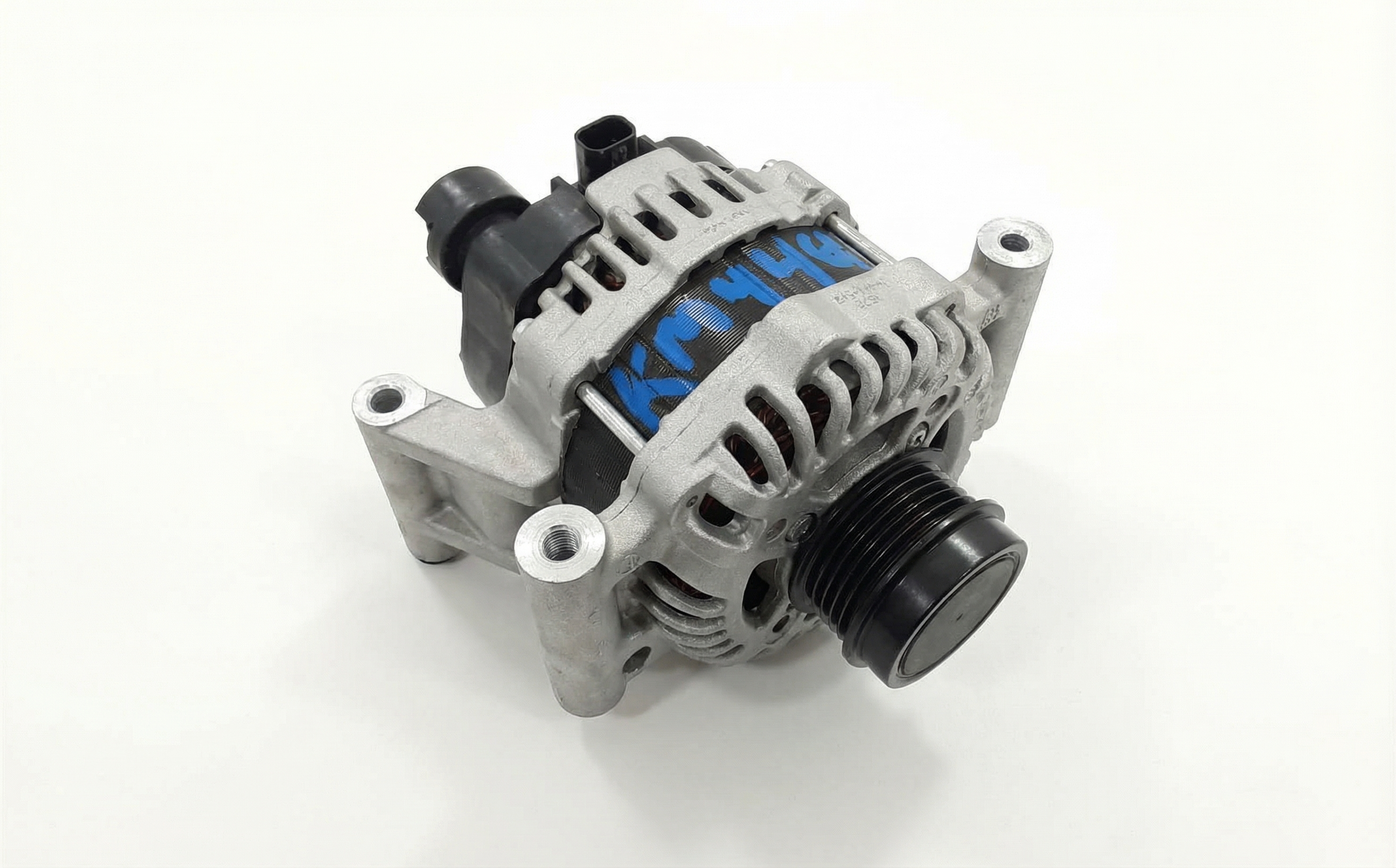
Est. part cost: $180-$350 for an AGM battery - Failing Alternator 🔴 High Probability → Shop Alternator The alternator recharges the battery and powers the car's electronics. If it fails, the car runs solely on battery power until it's depleted.
How to confirm: With the engine running, use a multimeter to check the voltage at the battery terminals. A healthy alternator should produce between 13.5 and 14.8 volts. If the voltage is low (near 12 volts) or doesn't increase when the engine is running, the alternator is likely faulty.
Typical fix: Replace the alternator.
Est. part cost: $250-$500 - Loose or Corroded Battery Terminals/Cables 🟡 Medium Probability → Shop Vehicle Battery Corrosion is a common issue that builds up over time, creating high resistance and preventing the battery from charging or delivering power effectively. The ground connection on the negative battery cable is a known point of failure. TSB Bulletin #PIT6347B advises dealers to perform additional battery and connection testing when P0562 is present alongside other module codes.
How to confirm: Visually inspect the battery terminals for a white or greenish powdery substance. Check that the cable clamps are tight and cannot be moved by hand. Pay special attention to the ground connection point on the chassis.
Typical fix: Disconnect the battery cables (negative first) and clean the terminals and clamps with a wire brush and a mixture of baking soda and water. Reconnect securely (positive first). Consider replacing the negative battery cable if the connection point is heavily corroded or damaged.
Est. part cost: $5-$50 for cleaning tools or a new cable - Damaged or Worn Serpentine Belt ⚪ Low Probability → Shop Serpentine Belt
How to confirm: Visually inspect the belt that drives the alternator. Look for cracks, fraying, or glazing. Listen for a squealing noise when the engine starts.
Typical fix: Replace the serpentine belt.
Est. part cost: $20-$50
Rare But Worth Checking
- Blown Alternator Fuse: → Shop Alternator Some vehicles have a high-amperage fuse in the charging circuit. If this fuse blows, the alternator cannot charge the battery. On a 2018-2023 Malibu, this is fuse F29 in the under-hood fuse box.
- Parasitic Battery Drain: → Shop Vehicle Battery An electrical component may not be shutting off correctly when the car is parked, slowly draining the battery overnight. This can be caused by a faulty module or relay.
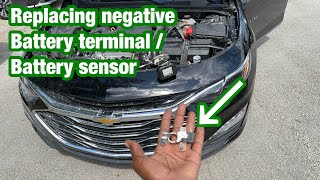
- Faulty Battery Current Sensor: → Shop Vehicle Battery This sensor, typically located on the negative battery terminal, monitors the flow of current to and from the battery. If it fails, it can send incorrect information to the BCM/PCM, leading to improper charging voltage and a P0562 code.
- Faulty Powertrain Control Module (PCM): While rare, TSB Bulletin #24-NA-050 notes that P0562 can sometimes be set in conjunction with DTC P0606, which relates to internal control module performance.
Diagnosis Steps
- Read the trouble codes with an OBD-II scanner to confirm P0562 is present.
- Visually inspect the battery terminals and cables for corrosion or looseness. Pay close attention to the negative cable's chassis ground point. Clean and tighten as necessary.
- With the engine off, measure the battery's static voltage using a multimeter. A reading below 12.4 volts suggests a weak or discharged battery.
- Have the battery load-tested at an auto parts store to determine its health. Ensure the correct battery type (AGM) is installed if equipped with start-stop.
- If the battery is healthy, start the engine and measure the voltage at the battery terminals again. The reading should be between 13.5 and 14.8 volts.
- If the voltage is below 13.5V with the engine running, the alternator is likely failing.
- Inspect the alternator's drive belt (serpentine belt) for proper tension and condition.
- Check the main fuse for the alternator circuit, typically located in the under-hood fuse box.
- Inspect the battery current sensor on the negative terminal for damage or loose connections.
- If the alternator and battery test good, perform a parasitic draw test to check for components draining the battery while the car is off.
Parts You'll Likely Need
- Battery (AGM Type)
(OEM #ACDelco 48AGM)— The battery is the most common failure point for a P0562 code, as it has a limited service life of 3-5 years and is essential for maintaining system voltage. Start-stop systems require a robust AGM battery.
Trusted brands: ACDelco, DieHard, Duralast Platinum
OEM price range: $220-$350
Aftermarket price range: $180-$280 - Alternator
(OEM #ACDelco 13534118 (for 1.5L engine, check specific application))— The alternator is the second most common cause. If it fails to produce the correct voltage, the battery will not charge, and the system voltage will drop.
Trusted brands: ACDelco, Bosch, Denso
OEM price range: $350-$600
Aftermarket price range: $200-$450
Platform-Specific Known Issues
- Negative Battery Cable Corrosion: → Shop Vehicle Battery Owners on forums like ChevyMalibuForum.com have reported that the negative battery cable, specifically where it grounds to the chassis, is a common point of failure. High resistance at this point can prevent the battery from charging properly, leading to a P0562 code even if the battery and alternator are good. A visual inspection is key.
- Battery Current Sensor Failure: → Shop Vehicle Battery The battery current sensor, part of the negative battery terminal assembly, is crucial for the Battery Regulated Voltage (BRV) system. If this sensor fails, the Body Control Module (BCM) may not command the alternator to charge at the correct rate, causing the system voltage to drop. This is often overlooked when diagnosing charging system issues.
Diagnostic Flowchart
Other Known Issues on This Vehicle
Issues unrelated to this code that are worth knowing about as an owner of this generation:
- Transmission Shudder/Jerking 🟠 Medium — Common issue, particularly with the 8-speed and 9-speed automatic transmissions. Can occur at various mileages. (Ref: Multiple TSBs exist, including 22-NA-015 and 23-NA-072, which often recommend a specific transmission fluid flush procedure or torque converter replacement.)
- Reduced Power Steering Assist 🔴 High — Some owners report a sudden loss of power steering assist, often accompanied by a warning message. This can be a significant safety concern. (Ref: TSB 20-NA-223 addresses steering that is sticking, binding, or hard to turn.)
- Start-Stop System Accumulator Failure 🟠 Medium — A recall (GM #N202313440) was issued for 2018-2019 models due to missing bolts on the start-stop accumulator endcap, which could lead to a transmission fluid leak and loss of propulsion. (Ref: Recall N202313440)
- 1.5L Turbo Engine Piston Cracking 🔴 High — A known issue on earlier 1.5L LFV engines where low-speed pre-ignition (LSPI) can cause cracked pistons, leading to engine failure. Using the correct dexos1 Gen 2 (or newer) oil is critical to mitigate this risk.
Real Owner Stories
Aggregated from forums and TSBs cited above. Mileages and costs reflect what owners reported in those sources.
2018 Chevrolet Malibu
Symptoms: System voltage low code P0562 triggered. Even though the battery and alternator tested fine, the car was experiencing charging issues.
What fixed it: Inspection of the negative battery cable where it grounds to the chassis. High resistance at this ground point was preventing the battery from charging properly.
Source hint: ChevyMalibuForum.com thread titled 'P0562 - System Voltage Low'
2019 Chevrolet Malibu
Symptoms: The Body Control Module (BCM) was not commanding the alternator to charge at the correct rate, leading to a drop in system voltage and a P0562 code.
What fixed it: Replacement of the battery current sensor, which is part of the negative battery terminal assembly.
Source hint: vehicle_specific_issues: Battery Current Sensor Failure
Documented NHTSA Reports
General Motors Platform Report
Symptoms: An owner reported a diagnostic summary where P0562 was explained as the vehicle's electrical system running at low voltage, potentially due to a weak battery.
What fixed it: While specific to the electrical system health, NHTSA ODI #11676063 highlights how this code is often the primary indicator of system-wide voltage insufficiency.
Related OBD-II Codes
Frequently Asked Questions
My 2018 Malibu is showing P0562; could this be related to the start-stop system recall?
Why does my Malibu require a more expensive AGM battery to fix this code?
I replaced my battery but still have P0562. Could it be the negative cable?
Can a low voltage condition cause my Malibu's transmission to shift poorly?
Is the 'Engine Power Reduced' message on my dashboard related to P0562?
Does the battery need to be registered after replacement to clear the code?
Helpful Videos
Used OEM Parts in Stock
New Aftermarket Parts Available


The information in this article is provided for general reference and educational purposes only. Vehicle specifications, procedures, and part compatibility can vary by production date, trim level, and region. Always consult your vehicle's factory service manual and verify part numbers before purchasing or performing repairs. Safety-critical components such as airbags, seat belts, and braking systems should be installed by a qualified professional.
- Chevrolet Malibu:
- 🧭 Diagnostic Flowchart
- 🎬 Helpful Videos
- 🛍️ Shop This Part
- What's Unique About the 2018-2023 Chevrolet Malibu
- Symptoms You May Notice
- Most Likely Causes
- Rare But Worth Checking
- Diagnosis Steps
- Parts You'll Likely Need
- Platform-Specific Known Issues
- Other Known Issues on This Vehicle
- Real Owner Stories
- 2018 Chevrolet Malibu
- 2019 Chevrolet Malibu
- Documented NHTSA Reports
- General Motors Platform Report
- Related OBD-II Codes
- Frequently Asked Questions
- 🎟️ Get 5% Off