

P0562 on 2004-2008 Chrysler Pacifica: System Voltage Low Causes and Fixes
On a 2004-2008 Chrysler Pacifica, code P0562 almost always indicates a failing alternator or a weak battery. Start by testing both components. A replacement alternator costs around $150-$300 for an aftermarket part, while a new battery is typically $150-$250.
- P0562 on a 2004-2008 Pacifica means the electrical system voltage is dangerously low.
- Do not drive the vehicle, as it can stall without warning.
- The most likely culprits are a bad alternator or a failing battery. Test both before buying parts.
- Check and clean the battery terminals first, as this is a simple and common fix.
What's Unique About the 2004-2008 Chrysler Pacifica
A key characteristic of the 2004-2008 Chrysler Pacifica's charging system is that the voltage regulator is not a separate, replaceable part of the alternator. Instead, it is integrated directly into the Powertrain Control Module (PCM). This design means that if the voltage regulator fails, the entire PCM may need to be replaced, which is a more complex and expensive repair than a simple alternator swap. Therefore, a correct diagnosis is crucial to avoid unnecessarily replacing the wrong components. The PCM uses a two-wire field control circuit to command the alternator's output, making testing of these specific wires essential.
Symptoms You May Notice
- Check Engine Light is on
- Battery or charging system warning light is on
- Dimming or flickering headlights and interior lights
- Engine stalls, especially at idle or when coming to a stop
- Difficulty starting the engine or a no-start condition
- Erratic operation of electrical components like the radio, power windows, or dashboard gauges
- Whining or grinding noise from the alternator
- Automatic transmission not shifting properly
- Replacing the battery when the alternator is the actual cause of the problem.
- Replacing the alternator when a simple cleaning of corroded battery terminals would have solved the issue.
- Replacing the PCM when the actual fault lies with a poor ground connection or damaged wiring.
Most Likely Causes
- Failing Alternator 🔴 High Probability → Shop Alternator General wear and tear over time is the primary reason for alternator failure. Fluid leaks from above, such as from power steering lines or valve covers, can also drip onto the alternator and cause premature failure. On some Chrysler vehicles, a worn alternator belt can also prevent the alternator from generating the proper voltage.
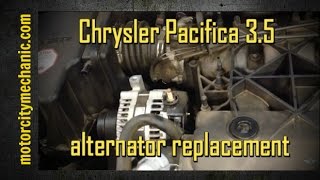
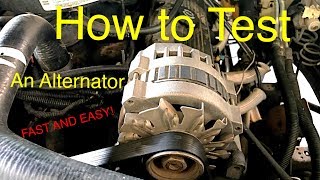
How to confirm: With the engine running, use a multimeter to measure the voltage at the battery terminals. A healthy alternator should produce between 13.2 and 14.7 volts. If the voltage is below 12.6V and dropping, the alternator is likely faulty. Many auto parts stores offer free alternator testing. 🎬 Watch: How to quickly test your alternator with a multimeter
Typical fix: Replace the alternator.
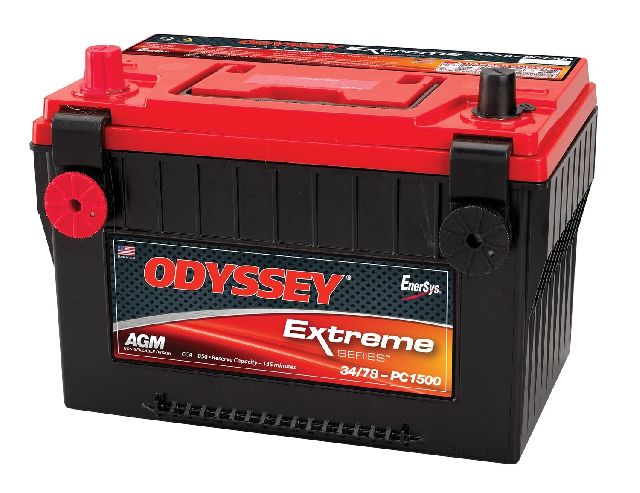
Est. part cost: $150-$350 - Weak or Old Battery 🔴 High Probability → Shop Vehicle Battery Car batteries have a finite lifespan, typically 3-5 years. A battery that can no longer hold a full charge will cause the system voltage to drop, especially under load. Even if a battery shows 12.6V at rest, a bad cell can cause the voltage to plummet below 9V when a load is applied.
How to confirm: With the engine off, a healthy battery should read approximately 12.4-12.6 volts. A reading below 12.4V indicates a weak or discharged battery. A definitive diagnosis requires a load test, which applies a heavy current draw to simulate starting the engine. If the voltage drops below 9.5-10V during the test, the battery is bad.
Typical fix: Replace the battery.
Est. part cost: $150-$250 - Corroded or Loose Battery Terminals/Cables 🟡 Medium Probability → Shop Vehicle Battery Corrosion (a white or greenish powder) builds up on battery terminals over time, creating resistance that hinders the flow of electricity and prevents the battery from charging or delivering power properly. Loose connections have the same effect.
How to confirm: Visually inspect the battery terminals and cable ends for white, blue, or green crusty buildup. Check that the cable clamps are tight and cannot be moved by hand.
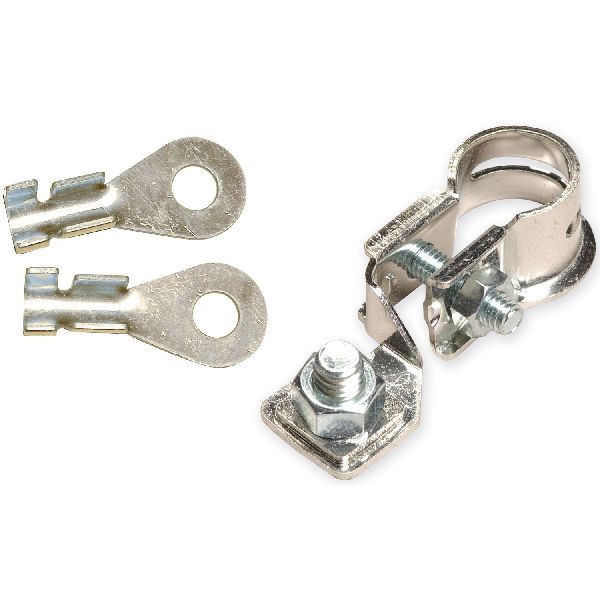
Typical fix: Disconnect the battery cables (negative first) and clean the terminals and clamps with a wire brush and a baking soda/water solution. Reconnect securely (positive first). In some cases, the terminal end itself may need to be replaced if it's damaged or won't tighten properly.
Est. part cost: $5-$20 for cleaning tools or a new terminal end - Damaged Wiring or Poor Ground Connection ⚪ Low Probability Vibrations and exposure to the elements can cause wiring, especially the main ground strap from the engine to the chassis, to fray, corrode, or break over time. A poor ground connection can introduce resistance and lower the voltage seen by the PCM. Failed engine mounts on the Pacifica are a known issue and can cause excessive engine movement, leading to broken ground straps. 🎬 Watch: Where to find all ground wire locations on a Pacifica
How to confirm: Inspect the main battery cables, the large wire from the alternator to the battery, and the main ground straps for any signs of damage, corrosion, or looseness. A voltage drop test can pinpoint high resistance in a circuit. This involves measuring the voltage between two points (e.g., the alternator output post and the positive battery terminal) while the circuit is under load. A reading of more than a few tenths of a volt indicates a problem.
Typical fix: Clean, tighten, or replace the damaged wiring or ground strap.
Est. part cost: $20-$100
Rare But Worth Checking
- Faulty Powertrain Control Module (PCM): Because the voltage regulator is internal to the PCM on this vehicle, a PCM failure can cause charging system issues. This is rare and should only be considered after all other possibilities (alternator, battery, wiring) have been definitively ruled out.
- Parasitic Battery Drain: → Shop Vehicle Battery A module or component that doesn't shut down properly when the vehicle is off can drain the battery, leading to a P0562 code on the next startup. This can be caused by faulty aftermarket accessories or failing factory modules. Diagnosing this requires an ammeter to measure current draw with the vehicle off while pulling fuses one by one to isolate the faulty circuit.
Diagnosis Steps
- Read the code with an OBD-II scanner and note any other codes present.
- Visually inspect the battery terminals and cables for corrosion or damage. Clean and tighten as necessary.
- With the engine off, measure the battery voltage using a multimeter. It should be around 12.6 volts. If it's low, charge the battery and have it load-tested. A battery that drops below 9.5V under load needs replacement.
- Start the engine and measure the voltage at the battery terminals again. The reading should be between 13.2 and 14.7 volts. If it's below this range and not increasing, the alternator is likely faulty.
- If the voltage is in the correct range, turn on all electrical accessories (headlights, A/C, radio, etc.). The voltage should remain stable. A significant drop indicates a weak alternator.
- Inspect the alternator drive belt for proper tension and condition. A slipping or cracked belt can cause a low charge condition.
- If the battery and alternator test good, inspect the main power and ground cables for damage or corrosion. Perform a voltage drop test on the charging circuit to check for high resistance.
- Check for parasitic draw. With the vehicle off, connect a multimeter in series with the negative battery cable to measure amperage draw. A reading above 50-85 milliamps suggests a component is not shutting off properly.
- If all else fails, the issue may be with the voltage regulator circuit within the PCM, which requires professional diagnosis.
Parts You'll Likely Need
- Alternator
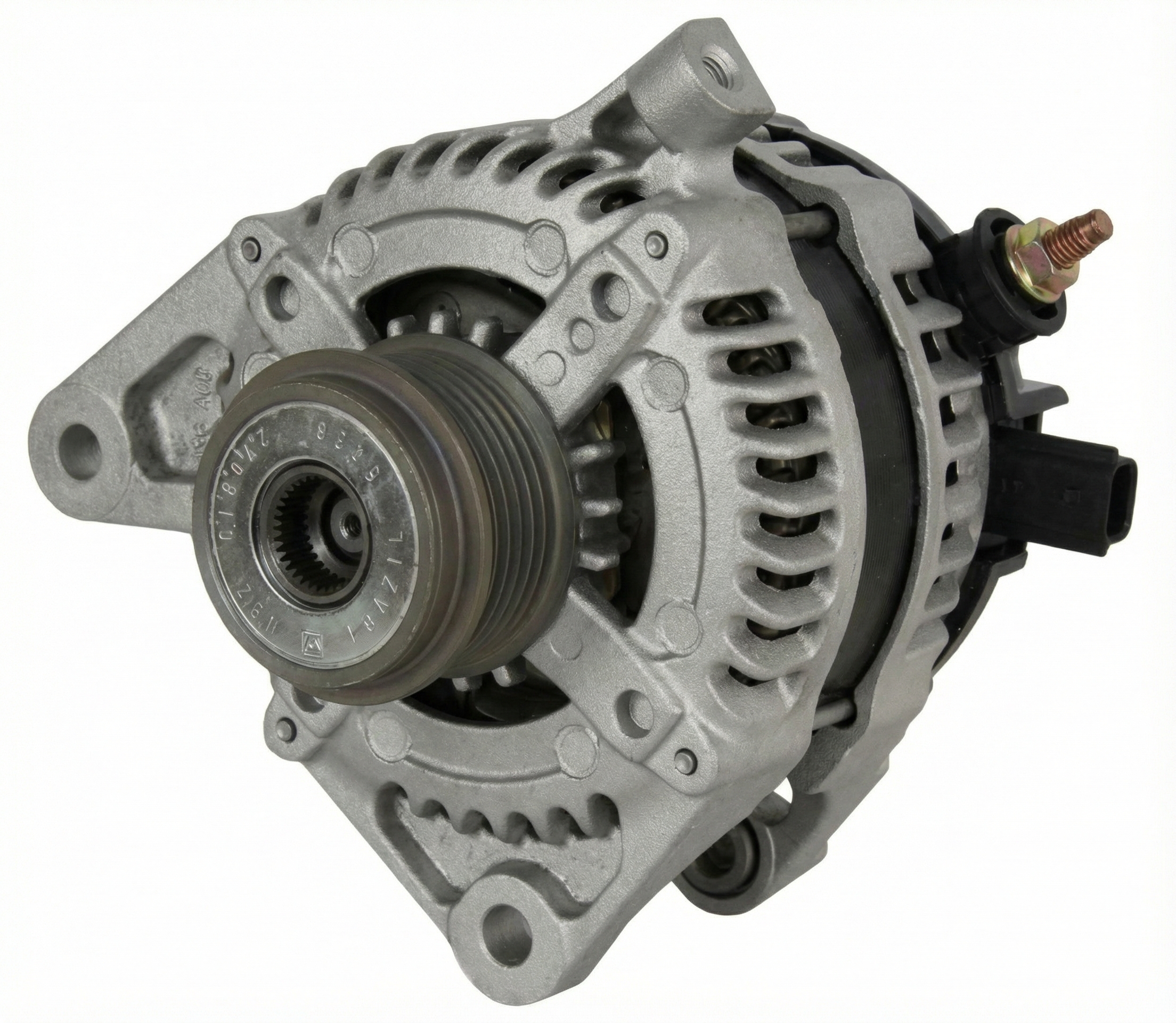
(OEM #4868760AE, 4868760AF, 4868760AH)— The alternator is the most common point of failure in the charging system that leads to a P0562 code.
Trusted brands: Mopar (OEM), Bosch, Denso, Carquest Premium
OEM price range: $450-$750
Aftermarket price range: $150-$350 - Battery
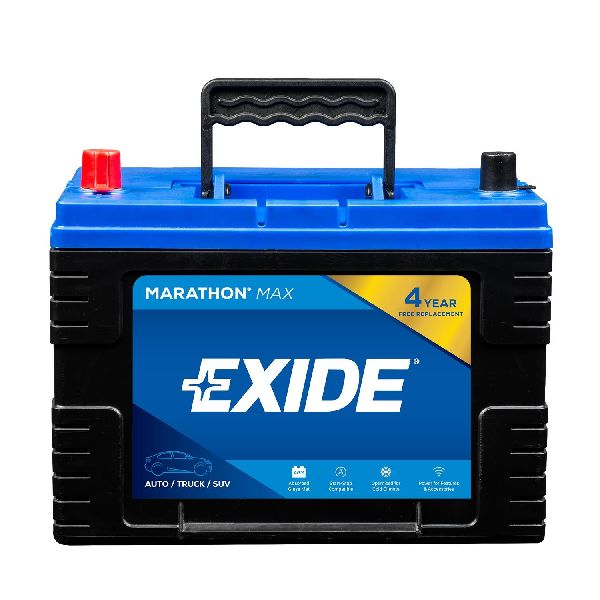
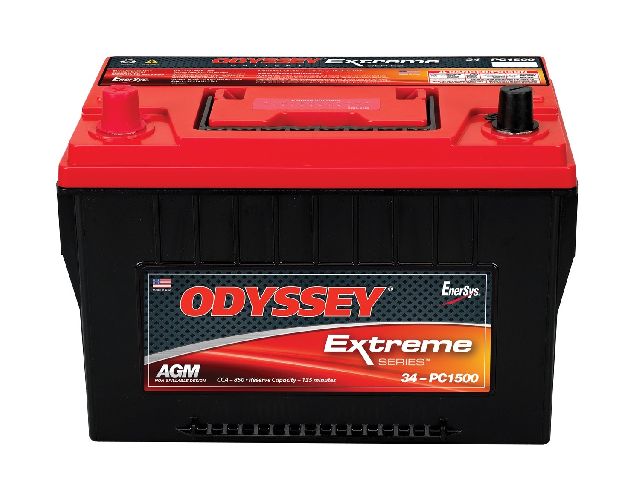
(OEM #BA034500EX)— An old or weak battery that cannot hold a charge is the second most likely cause.
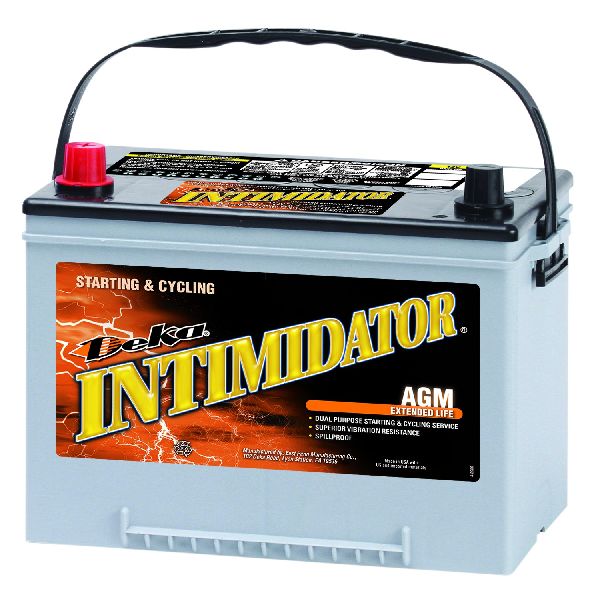
Trusted brands: Mopar (OEM), DieHard, Deka, Optima
OEM price range: $200-$300
Aftermarket price range: $150-$250
Related Codes That Often Appear With This One
- P0620 — This code indicates a fault in the alternator control circuit, which is directly related to the alternator's ability to charge and can appear alongside P0562.
- P0300-P0306 — Low system voltage can starve the ignition coils and fuel injectors of the power they need to function correctly, leading to random or cylinder-specific misfires.
- P0700 — This is a generic transmission fault code. Low voltage can cause communication errors and erratic behavior in the transmission control module, triggering this code.
Technical Service Bulletins (TSBs) & Recalls
- NHTSA Recall 06V432000: A recall was issued for some Pacifica vehicles where the fuel pump module and PCM software could cause the engine to stall under certain conditions, which could potentially be related to electrical system performance.
Mechanic-Grade Diagnostic Values
- Alternator B+ Cable Voltage Drop — expected: Less than 0.4 Volts. Failure: A reading greater than 0.4V indicates high resistance in the main power cable between the alternator and the battery.
- Alternator Field Circuit Voltage (Engine Running) — expected: One wire should have steady B+ (battery voltage), the other wire (PCM controlled ground) will have a fluctuating voltage or duty cycle depending on load.. Failure: If B+ is missing on the supply wire, check the circuit back to the PCM/ASD relay. If the control wire shows no activity or is always grounded/open, it points to a wiring or PCM fault.
Scan Tool Commands That Help
- Chrysler DRB III or equivalent: Charging System Test / Actuator Tests — After verifying the battery and basic wiring, a dealer-level scan tool can be used to command the alternator field circuit on and off. This directly tests the PCM's ability to control the alternator, helping to isolate the fault between the PCM, wiring, or the alternator itself.
Wiring & Ground Locations
- G101 — A ground strap that often connects a transmission stud to the engine block or chassis.. This is a primary engine/transmission ground. Due to engine movement from worn motor mounts, this strap is known to fray and break, causing a poor ground path for the entire powertrain, which can lead to low voltage readings and erratic electrical behavior.
- G300 — Located at the base of the left (driver's side) 'B' pillar.. This is a major body ground point. While less likely to directly cause a P0562, a poor connection here can contribute to overall electrical system instability and cause some of the secondary symptoms like erratic interior electronics.
- Alternator Field Control Wires — In the two-pin connector at the alternator, running back to the PCM.. These two wires are the communication link between the PCM (voltage regulator) and the alternator. A break, corrosion, or short in either of these wires will prevent the alternator from charging correctly, even if the alternator and PCM are both good.
Real Owner Repair Stories
- 2CarPros Forum (2004 Chrysler Pacifica 3.5L AWD) — All dash lights come on, radio and A/C shut off, windows won't work, and fog lights blink rapidly. Vehicle voltage is 13.89V at the battery and 14V at the alternator, but accessories do not work.
❌ Tried (didn't work) Running a new negative cable from the battery directly to the transmission stud.
✅ What actually fixed it The user identified that the G101 ground strap, which goes from the transmission stud to the engine block, was frayed due to a bad motor mount. The ultimate fix required repairing or replacing this specific ground strap to restore proper grounding to the powertrain and accessories. - NHTSA ODI #11684440 — Although involving a different model from the same manufacturer, an owner reported that after retrieving codes P0700 and P0562, the transmission became stuck in park (P).
OEM Part Supersession History
4868760AE, 4868760AF→4868760AH (New) or R4868760AH (Remanufactured)— Standard part revision and updates by the manufacturer.
Heads up: These part numbers generally apply to the 3.5L V6 engine used from 2004-2006. Always verify fitment with VIN.
Model Year Variations Within This Range
- 2007-2008: For the 2007 model year, Chrysler introduced a 4.0L V6 engine as an option. This engine uses a different alternator and mounting configuration than the 3.5L and 3.8L V6 engines. It is critical to order the correct alternator for the specific engine in the vehicle.
Diagnostic Flowchart
Other Known Issues on This Vehicle
Issues unrelated to this code that are worth knowing about as an owner of this generation:
- Engine Cradle / Subframe Rust and Corrosion 🔴 High — Very common, especially in 'salt belt' states. Can become structurally unsafe, potentially allowing the engine to shift or drop. (Ref: Chrysler issued a TSB and limited warranty extension for 2004-2005 models, but it was restricted to a very specific build period, leading to a class-action lawsuit.)
- Premature Engine Mount Failure 🟠 Medium — Frequently reported by owners. The hydraulic-filled mounts can tear and leak, causing excessive engine vibration, clunking noises, and potentially breaking ground straps.
- Transmission Problems 🟠 Medium — Owners report issues like clunking between gears, shifting delays, and occasional transmission failure.
- Engine Ticking Noise 🟡 Low — Commonly occurs around 100,000+ miles due to a broken rocker arm shaft retaining pin, which can restrict oil flow.
- Carbon Buildup on Valves 🟡 Low — Can occur at higher mileage (130,000+ miles), leading to a Check Engine Light (often for catalyst inefficiency) and rough running. (Ref: Chrysler has advised that a combustion chamber cleaning can resolve the issue.)
Used vs. New Parts: Buying Guide for This Vehicle
When a used part is the smart pick: A used alternator from a reputable salvage yard can be a cost-effective option, especially for a DIY repair. It's a relatively simple component to swap. A used PCM is also a possibility but is more complex as it will require professional programming (flashing) to match your vehicle's VIN and options.
Donor-vehicle mileage cap: roughly under 80000 miles for the part to have meaningful remaining life.
What to inspect on the donor part:
- For an alternator, check that the pulley spins freely without grinding or excessive noise.
- Inspect the electrical connector for any signs of melting, corrosion, or broken pins.
- Look for any signs of fluid contamination (oil, power steering fluid) on the alternator housing.
- Ask the salvage yard if they have tested the part or can offer a short-term warranty.
OEM-only on this vehicle (don't cheap out):
- Powertrain Control Module (PCM): While used units are available, a new or professionally remanufactured PCM is often recommended to avoid issues with programming and compatibility. Aftermarket PCMs can be unreliable.
Aftermarket brands forum-validated for this vehicle:
- Denso (often the original equipment manufacturer)
- Bosch
- Carquest Premium / NAPA Premium
Brands owners have reported issues with on this vehicle:
- Ultra-low-cost, unbranded alternators from online marketplaces often have high failure rates and may not meet the vehicle's amperage demands.
Real Owner Stories
Aggregated from forums and TSBs cited above. Mileages and costs reflect what owners reported in those sources.
2005 Chrysler Pacifica AWD 3.5L
Symptoms: Transmission problems including no reverse and the vehicle refusing to shift past first gear; a pending P0700 transmission code was present.
What fixed it: The issues were noted as being potentially triggered by low system voltage affecting the transmission control module.
Source hint: Chrysler Forum (https://www.chryslerforum.com/forum/chrysler-pacifica-10/2005-awd-3-5l-tranny-issues-24369/)
2004-2005 Chrysler Pacifica
Symptoms: Engine stalling under certain driving conditions.
What fixed it: Update of PCM software and fuel pump module replacement per recall guidelines.
Source hint: NHTSA Recall 06V432000
Related OBD-II Codes
Frequently Asked Questions
Could the engine stalling in my Pacifica be related to the fuel pump recall or this P0562 code?
My 2005 Pacifica is stuck in first gear and won't go into reverse; could this be caused by low voltage?
Can worn engine mounts on my Pacifica cause a P0562 electrical code?
Is it true that fluid leaks can kill my alternator and trigger this code?
Does the Pacifica have a traditional voltage regulator I can replace?
Why are my headlights flickering and my radio acting erratically?
Helpful Videos
Used OEM Parts in Stock
New Aftermarket Parts Available

The information in this article is provided for general reference and educational purposes only. Vehicle specifications, procedures, and part compatibility can vary by production date, trim level, and region. Always consult your vehicle's factory service manual and verify part numbers before purchasing or performing repairs. Safety-critical components such as airbags, seat belts, and braking systems should be installed by a qualified professional.
- Chrysler Pacifica:
- 🧭 Diagnostic Flowchart
- 🎬 Helpful Videos
- 🛍️ Shop This Part
- What's Unique About the 2004-2008 Chrysler Pacifica
- Symptoms You May Notice
- Most Likely Causes
- Rare But Worth Checking
- Diagnosis Steps
- Parts You'll Likely Need
- Related Codes That Often Appear With This One
- Technical Service Bulletins (TSBs) & Recalls
- Mechanic-Grade Diagnostic Values
- Scan Tool Commands That Help
- Wiring & Ground Locations
- Real Owner Repair Stories
- OEM Part Supersession History
- Model Year Variations Within This Range
- Other Known Issues on This Vehicle
- Used vs. New Parts: Buying Guide for This Vehicle
- Real Owner Stories
- 2005 Chrysler Pacifica AWD 3.5L
- 2004-2005 Chrysler Pacifica
- Related OBD-II Codes
- Frequently Asked Questions
- 🎟️ Get 5% Off