

P0562 on 2008-2020 Dodge Grand Caravan: Low Voltage Causes and Fixes
On a Dodge Grand Caravan, P0562 almost always means the alternator is failing or the battery is weak. Start by testing the battery. If it's healthy, the alternator is the most likely culprit, especially on 2011-2020 models with the 3.6L Pentastar engine. A replacement alternator costs roughly $150-$400.
- P0562 means the vehicle's electrical system voltage is too low, which is a serious issue that can cause stalling and is unsafe to drive with.
- The most likely cause on a Dodge Grand Caravan is a failing alternator, followed closely by a weak or old battery.
- For 2011-2020 models with the 3.6L engine, the alternator is a known weak point and should be a primary suspect.
- Diagnosis is straightforward with a multimeter. Check the battery voltage with the engine off (~12.6V) and running (~13.5-14.7V) before buying any parts.
- Always start with the simplest checks: ensure battery terminals are clean and tight.
What's Unique About the 2008-2020 Dodge Grand Caravan
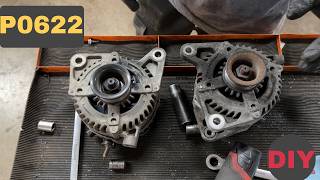
The Dodge Grand Caravan and its sibling, the Chrysler Town & Country, are known for having sensitive electrical systems that power many different modules. For the 2011-2020 models equipped with the 3.6L Pentastar V6, premature alternator failure is a well-documented issue, with some model years even being subject to recalls for sudden alternator failure that could cause stalling. A unique symptom owners report is the alternator providing just enough power to keep the engine running, but not enough to properly charge the battery, leading to a slow drain and the eventual P0562 code. 🎬 Watch: How to diagnose and fix the P0562 code The alternators on these models also feature an Overrunning Alternator Decoupler (OAD) pulley, which is another known failure point that can cause noise or charging issues.
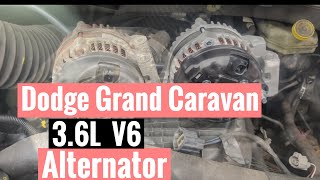
Generation note: This guide covers the fifth generation (2008-2020) of the Dodge Grand Caravan. However, there are two distinct powertrain eras: - 2008-2010: These models used 3.3L, 3.8L, or 4.0L V6 engines. They could be equipped with either a 140-amp or 160-amp alternator, often depending on the vehicle's electronic features (like rear entertainment systems). It's crucial to verify the correct amperage before replacing. 🎬 See this 2008-2010 battery and alternator replacement guide - 2011-2020: These models exclusively used the 3.6L Pentastar V6, which has a known history of alternator issues. These could be equipped with 160-amp or 180-amp alternators.
Symptoms You May Notice
- Check Engine Light is on
- Battery or charging system warning light is on
- Dimming or flickering headlights and interior lights
- Engine stalls, especially when coming to a stop
- Difficulty starting the engine or a no-start condition
- Erratic performance of electrical components like the radio or power windows
- Transmission may not shift properly
- Red lightning bolt symbol on the dash (Electronic Throttle Control warning)
- Traction control light may illuminate
- Replacing the battery when the alternator is the actual cause. If a new battery fixes the problem temporarily but the code returns and the battery dies again, the alternator is almost certainly at fault for not recharging it.
Most Likely Causes
- Failing Alternator 🔴 High Probability → Shop Alternator Premature alternator failure is a widely known issue on the 3.6L Pentastar V6 engine (2011-2020 models). Several recalls were issued for 2011-2014 models due to diode failure causing a loss of charge or sudden stalling. The root cause was identified as thermal fatigue of the silicone diodes within the alternator's rectifier bridge, which could lead to no output, reduced output, or a short to ground.
How to confirm: With the engine running, use a multimeter to measure the voltage at the battery terminals. A healthy alternator should produce 13.5 to 14.7 volts. A reading below 13.5V indicates the alternator is not charging properly. Many auto parts stores will test alternators for free. A common owner experience shared on forums is replacing the battery only to have the P0562 code return, confirming the alternator was the root cause.
Typical fix: Replace the alternator. It's also a good time to inspect the serpentine belt and tensioner for wear. Ensure the replacement alternator has the correct amperage (e.g., 160A) for the vehicle's specific configuration.
Est. part cost: $150-$400 - Weak or Failing Battery 🔴 High Probability → Shop Vehicle Battery Batteries are a standard wear item with a typical lifespan of 3-5 years. The numerous electronic modules in the Grand Caravan can expose a weakening battery, especially in extreme temperatures. A failing battery can also put extra strain on the alternator, potentially shortening its life.
How to confirm: With the engine off, measure the battery voltage with a multimeter. A fully charged battery should read approximately 12.6 volts. A reading below 12.4V suggests it is discharged or weak. The most definitive test is a load test, which can be performed at most auto parts stores. This test is crucial as a battery can show good voltage but fail under load.
Typical fix: Replace the battery. Ensure the new battery meets or exceeds the OEM specifications for Cold Cranking Amps (CCA).
Est. part cost: $150-$250 - Loose or Corroded Battery Terminals/Cables 🟡 Medium Probability → Shop Vehicle Battery The battery's location in the engine bay exposes the terminals and ground connections to moisture and temperature changes, which can accelerate corrosion. High resistance in the battery cables can also trigger the code.
How to confirm: Visually inspect the battery terminals for white or greenish corrosion. Check that both the positive and negative cable clamps are tight and cannot be moved by hand. Trace the main ground cable from the battery to the chassis and ensure the connection is clean and tight. A voltage drop test across the cables can pinpoint high resistance.
Typical fix: Disconnect the battery (negative first) and clean the terminals and cable clamps with a wire brush and a baking soda/water solution. Reconnect and tighten securely. Apply a dielectric grease or anti-corrosion spray to protect the terminals.
Est. part cost: $0-$10
Rare But Worth Checking
- Faulty Totally Integrated Power Module (TIPM): → Shop Fuse Box The TIPM, which is the main fuse and relay center, is a known failure point on many Chrysler/Dodge products of this era. A fault within the TIPM can cause various electrical issues, including charging problems or parasitic drains that could lead to a P0562 code. In some cases, owners have reported buzzing from the fuse box associated with this code. This should be considered after the battery, alternator, and wiring have been ruled out.
- Damaged Wiring: The wiring harness to the alternator, particularly the field control circuit wire from the PCM, can become damaged or corroded, preventing the alternator from charging correctly. This requires more in-depth electrical diagnosis to pinpoint, such as checking for continuity and voltage at the alternator connector.
- Blown Fuse: While less common, a blown fuse related to the charging system or battery sensor circuit can cause a P0562 code. It's important to check the main fuses in the TIPM.
Diagnosis Steps
- Read All Fault Codes: Use an OBD-II scanner to check for P0562 and any other stored codes. Note any codes related to the throttle body (red lightning bolt) or idle speed.
- Inspect Battery Connections: Visually inspect the battery terminals for corrosion and ensure the cable clamps are tight. Follow the negative cable to its chassis ground point and verify it is clean and secure.
- Test Static Battery Voltage: With the vehicle off for at least an hour, use a multimeter to measure the voltage across the battery terminals. A healthy battery should read ~12.6V. Below 12.4V indicates a need for charging and further testing.
- Test Charging System Voltage: Start the engine and measure the voltage across the battery terminals again. The reading should jump to between 13.5V and 14.7V. If the voltage is below 13.5V, the alternator is likely faulty. If it's above 14.8V, the voltage regulator (internal to the alternator) has failed.
- Perform a Battery Load Test: If the static voltage is questionable, take the battery to an auto parts store for a free load test. This will confirm if the battery is capable of holding a charge under load.
- Inspect Alternator and Belt: If the charging voltage is low, visually inspect the alternator's wiring connector for damage. Also, check the condition and tension of the serpentine belt that drives the alternator.
- Check for Recalls: For 2011-2014 models, check the vehicle's VIN against NHTSA recalls 14V-634 (P60) and 17V-435 (T36) for alternator failure.
- Consider Parasitic Draw: If the battery and alternator test good but the battery keeps dying, perform a parasitic draw test to find a component that is draining the battery when the vehicle is off.
Parts You'll Likely Need
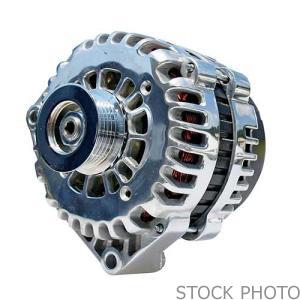
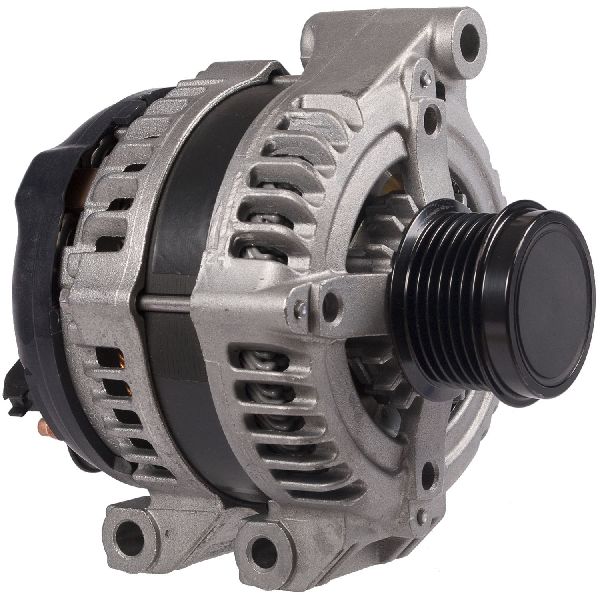
- Alternator
(OEM #4801624AD (160 Amp, common for 3.6L, may be superseded))— This is the most common cause of P0562 on the Grand Caravan, especially the 2011-2020 models with the 3.6L Pentastar V6, which are known for premature alternator failure due to diode thermal fatigue.
Trusted brands: Mopar, Denso, Bosch, Remy
OEM price range: $300-$500
Aftermarket price range: $150-$400 - Battery — A battery that is old (3-5+ years) or can no longer hold a proper charge is the second most common cause of low system voltage.
Trusted brands: Mopar, Interstate, DieHard, Duralast
OEM price range: $200-$300
Aftermarket price range: $150-$250
Related Codes That Often Appear With This One
- P0603 — Internal Control Module Keep Alive Memory (KAM) Error. This code often appears with P0562 because they share a common cause: a weak battery or failing charging system that interrupts power to the PCM.
- P0601 — Internal Control Module Memory Check Sum Error. Similar to P0603, severe voltage drops from a bad battery or alternator can sometimes corrupt the PCM's internal memory, triggering this more serious code.
- P0507 — Idle Control System RPM Higher Than Expected. Low voltage can confuse the electronic throttle body and idle air control systems, sometimes causing a high idle as the PCM struggles to maintain engine operation, as documented in a Dodge Forum thread.
Technical Service Bulletins (TSBs) & Recalls
- NHTSA 14V-634 / FCA P60: Safety recall for 2011-2014 models with the 3.6L engine and 160-amp alternator due to rapid diode failure, which can cause stalling or fire.
- NHTSA 17V-435 / FCA T36: Safety recall for 2011-2014 models for alternator diode thermal fatigue failure, which can cause a loss of electrical power and stalling.
Platform-Specific Known Issues
- Alternator Recalls (2011-2014 models): NHTSA recalls 14V-634 (FCA P60) and 17V-435 (FCA T36) were issued for certain 3.6L Pentastar models due to alternator diode failure. This failure could occur with little to no warning, causing the vehicle to stall and, in some cases, posing a fire risk. The root cause was identified as thermal fatigue of the diodes due to cyclical loads. The remedy was to inspect and, if necessary, replace the alternator with one containing improved diodes.
Diagnostic Flowchart
Other Known Issues on This Vehicle
Issues unrelated to this code that are worth knowing about as an owner of this generation:
- Cracked Oil Filter Housing/Cooler Assembly 🔴 High — Extremely common on the 3.6L Pentastar engine, often occurring after 60,000 miles. The plastic housing is prone to cracking from heat cycles, causing significant oil and/or coolant leaks into the engine valley.
- 62TE Transmission Shudder/Slipping 🟠 Medium — Common in higher mileage vehicles. Issues often relate to the torque converter, valve body, or solenoids, leading to hard shifts, shuddering, or slipping between gears. Codes like P0868 (Low Transmission Fluid Pressure) are frequent.
- Failing TIPM (Totally Integrated Power Module) 🔴 High — A well-documented issue across many Chrysler/Dodge platforms of this era. Can cause a wide range of bizarre electrical problems, including no-start conditions, fuel pump issues, and intermittent stalling.
- Heater Core Clogging/Failure 🟠 Medium — The heater core is prone to clogging from casting sand left over from the engine manufacturing process or from degraded coolant. Symptoms include poor or no heat in the cabin, a sweet smell, and fog on the inside of the windshield.
- Rocker Arm/Cam Follower Failure ('Pentastar Tick') 🟠 Medium — A ticking noise from the upper engine, especially on startup, can indicate failing rocker arms. This is a known issue on earlier 3.6L Pentastar engines and can lead to misfires or more severe engine damage if ignored.
Real Owner Stories
Aggregated from forums and TSBs cited above. Mileages and costs reflect what owners reported in those sources.
2019 Dodge Grand Caravan 3.6L
Symptoms: The P0562 code appeared. The owner replaced the battery, but the issue persisted and the van would die if the positive cable was removed.
What fixed it: Replacement of the failing alternator.
Source hint: Reddit r/DodgeGrandCaravan (2024-07-25): '2019 Caravan P0562 Code. Help Please?!'
2011 Dodge Grand Caravan 3.6L
Symptoms: P0562 (System Voltage Low), high idle, and the red lightning bolt (throttle body error) light on the dash.
What fixed it: The owner unsuccessfully replaced the throttle body and alternator; the context suggests further troubleshooting of the wiring or TIPM was required.
Source hint: Dodge Forum (2023-07-29): 'P0562 (System Voltage Low), high idle, red lightning bolt (throttle body error)'
2011-2014 Dodge Grand Caravan 3.6L
Symptoms: Sudden loss of charge, stalling while driving, or potential fire risk due to thermal fatigue of silicone diodes in the alternator rectifier bridge.
What fixed it: Inspection and replacement of the alternator with one containing improved diodes under safety recalls.
Source hint: NHTSA 14V-634 / FCA P60 and NHTSA 17V-435 / FCA T36
Cross-Manufacturer Reference: Dodge Journey
Symptoms: An owner reported that after stalling and blocking traffic, the vehicle finally started and displayed error codes P0562 (System Voltage Low) and P0335 (Crankshaft Position Sensor A Circuit), as documented in NHTSA ODI #11164298.
What fixed it: While reported on a similar platform, these symptoms often point to a critical charging system or sensor circuit failure.
Source hint: NHTSA ODI #11164298
Related OBD-II Codes
Frequently Asked Questions
Is there a recall for the alternator on my 2011-2014 Dodge Grand Caravan with the 3.6L engine?
Why is my Grand Caravan showing a red lightning bolt symbol along with the P0562 code?
I replaced my battery but the P0562 code came back on my 2019 Caravan. What should I check next?
What amperage alternator should I buy for my Dodge Grand Caravan repair?
Can a bad battery terminal cause the P0562 code on this vehicle?
Does the 3.6L Pentastar engine have any other common issues that might be related to engine performance?
Helpful Videos

Used OEM Parts in Stock
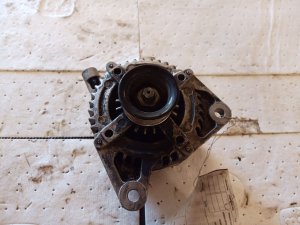
New Aftermarket Parts Available


The information in this article is provided for general reference and educational purposes only. Vehicle specifications, procedures, and part compatibility can vary by production date, trim level, and region. Always consult your vehicle's factory service manual and verify part numbers before purchasing or performing repairs. Safety-critical components such as airbags, seat belts, and braking systems should be installed by a qualified professional.
- Dodge Grand Caravan:
- 🧭 Diagnostic Flowchart
- 🎬 Helpful Videos
- 🛍️ Shop This Part
- What's Unique About the 2008-2020 Dodge Grand Caravan
- Symptoms You May Notice
- Most Likely Causes
- Rare But Worth Checking
- Diagnosis Steps
- Parts You'll Likely Need
- Related Codes That Often Appear With This One
- Technical Service Bulletins (TSBs) & Recalls
- Platform-Specific Known Issues
- Other Known Issues on This Vehicle
- Real Owner Stories
- 2019 Dodge Grand Caravan 3.6L
- 2011 Dodge Grand Caravan 3.6L
- 2011-2014 Dodge Grand Caravan 3.6L
- Cross-Manufacturer Reference: Dodge Journey
- Related OBD-II Codes
- Frequently Asked Questions
- 🎟️ Get 5% Off