

P0562 on 2015-2024 Ford Edge: System Voltage Low Causes and Fixes
P0562 on a Ford Edge means the vehicle's electrical system voltage is dangerously low. The most common causes are a failing battery or a bad alternator. Expect to pay $150-$300 for a new battery and $500-$800 for an alternator replacement.
- P0562 is a serious code indicating low system voltage; do not drive the vehicle.
- The most likely causes are a bad battery or a failing alternator.
- Always test the battery and charging system before replacing parts.
- Check simple, inexpensive items first, like battery connections and fuses.
- If you replace the battery, you MUST perform a Battery Management System (BMS) reset to prevent future issues.
What's Unique About the 2015-2024 Ford Edge
The 2015-2024 Ford Edge features a Battery Management System (BMS). This system monitors the battery's health and controls the alternator's charging rate to optimize battery life and fuel economy. When replacing the battery, the BMS must be reset using a diagnostic scan tool so it can learn the characteristics of the new battery. Skipping this reset can lead to improper charging, shorten the new battery's life, and cause the P0562 code to return. While a scan tool is the officially recommended method, some owners have had success with a manual procedure involving flashing the high beams and pressing the brake pedal in a specific sequence. However, the workshop manual states a scan tool is required for a proper reset. If not reset with a scan tool, it may take up to 8 hours of the vehicle being undisturbed for the Body Control Module (BCM) to learn the new battery's state of charge.
Symptoms You May Notice
- Check Engine Light is on
- Battery or charging system warning light is on
- Engine is hard to start or won't crank
- Engine stalls, especially at idle
- Dimming or flickering headlights and interior lights
- Erratic behavior from electrical components (radio, power windows operating slowly)
- Harsh or improper automatic transmission shifting
- "Service Charging System Now" or "Power Saving Mode" message on the dashboard
- Unusual whining or grinding noises from the front of the engine, indicating a failing alternator bearing
- A smell of burning rubber or hot wires from an overworked alternator or slipping belt
- Replacing the battery without testing the alternator. If the alternator is bad, it will not charge the new battery, and the problem will quickly return.
- Replacing the alternator when the real problem is a simple blown fuse or a corroded ground wire.
- Replacing the battery without performing the required BMS reset, leading to premature failure of the new battery and persistent charging system warnings.
Most Likely Causes
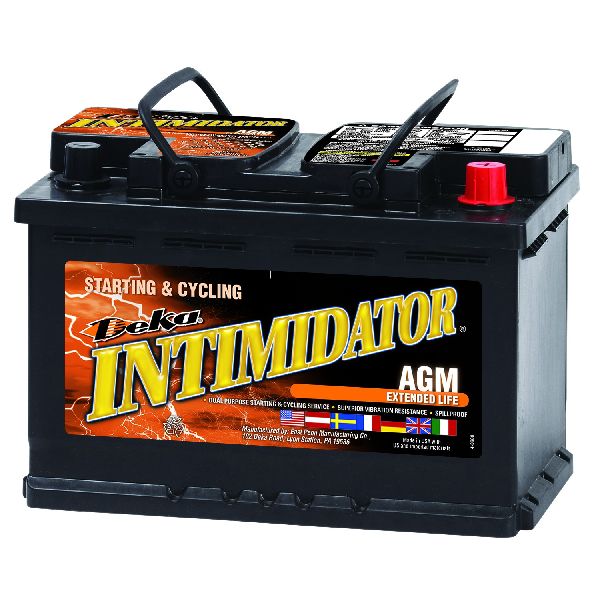
- Failing or Dead Battery 🔴 High Probability → Shop Vehicle Battery The Edge uses an AGM (Absorbent Glass Mat) battery, which can be sensitive to deep discharges and improper charging. Many owners report premature battery failure, sometimes linked to parasitic drains or issues with the complex BMS.
How to confirm: Test the battery with a digital multimeter. A healthy, fully charged battery should read about 12.6 volts with the engine off. A reading below 12.0 volts indicates a discharged or failing battery. For a definitive test, use an electronic battery tester that can measure cold cranking amps (CCA) and check for bad cells. Many auto parts stores offer this service for free.
Typical fix: Replace the battery with a compatible AGM battery (Group Size 48/H6). 🎬 Watch: Step-by-step Ford Edge battery replacement guide It is critical to perform a Battery Management System (BMS) reset afterward using a scan tool or the manual procedure.
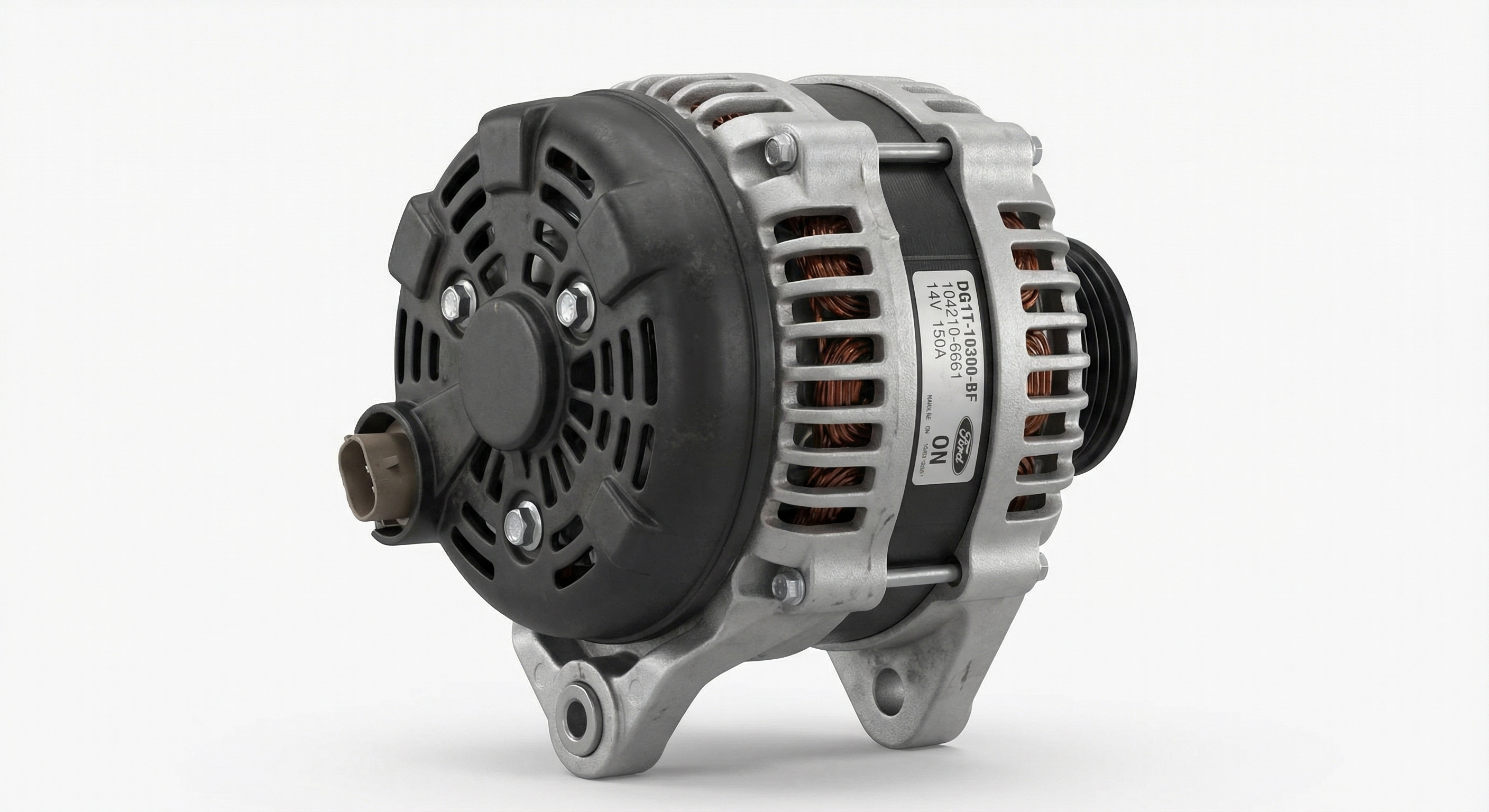
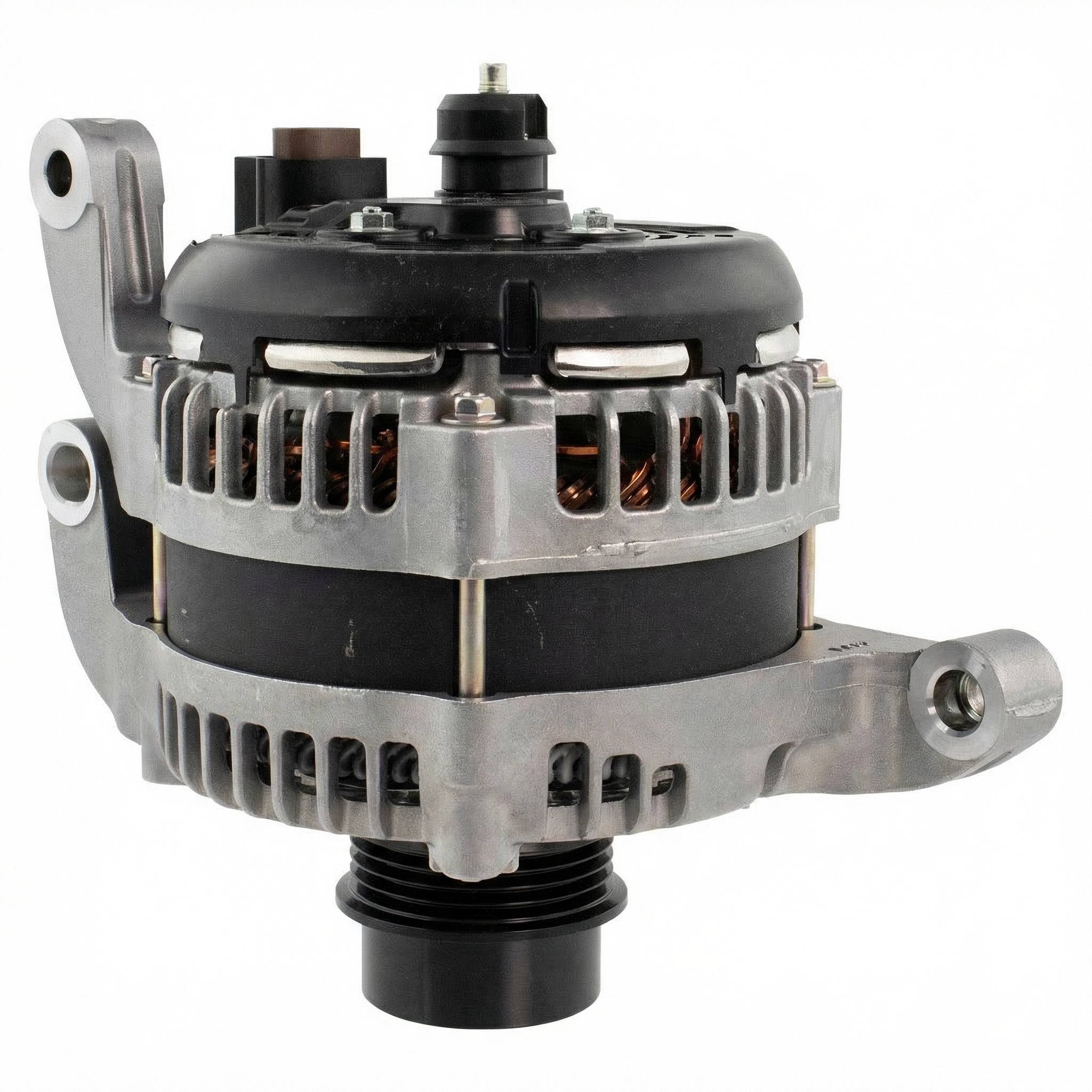
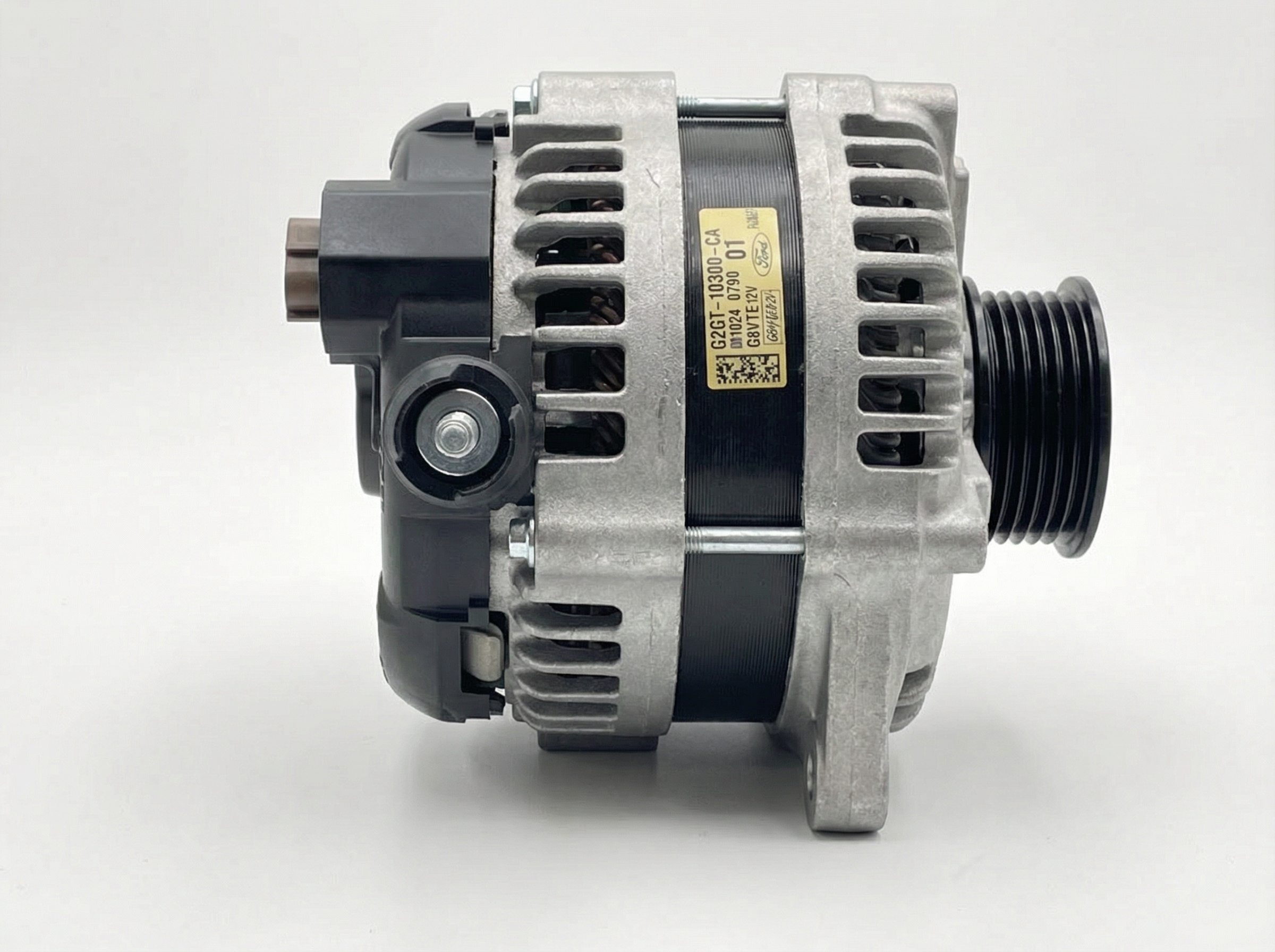
Est. part cost: $150-$300 - Failing Alternator 🔴 High Probability → Shop Alternator The alternator is a common failure point on many modern vehicles due to high electrical loads from numerous onboard electronics. The internal voltage regulator is a frequent point of failure.
How to confirm: With the engine running, test the voltage at the battery terminals. A healthy alternator should produce between 13.5 and 14.8 volts. If the voltage is below 13.2V or doesn't increase when the engine is running, the alternator is likely faulty. Listen for whining or grinding noises from the alternator. Many auto parts stores offer free alternator testing.
Typical fix: Replace the alternator. It is recommended to use a high-quality OEM (Motorcraft) or reputable aftermarket brand. 🎬 See this 2015 Ford Edge alternator replacement walkthrough
Est. part cost: $300-$600 - Loose or Corroded Battery Terminals/Cables 🟡 Medium Probability → Shop Vehicle Battery Recall 18S25 was issued for some 2018 models due to improperly torqued power cables at the alternator and starter, which can cause this exact issue. This highlights a potential vulnerability in cable connections for the platform.
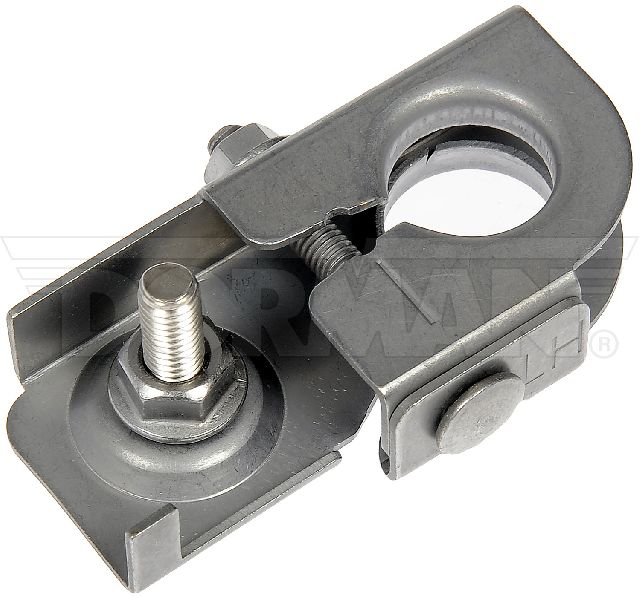
How to confirm: Visually inspect the battery terminals for white or greenish corrosion. Check that the terminal clamps are tight and cannot be moved by hand. Follow the main ground cable (negative) to the chassis and the power cable (positive) to the fuse box and starter to check for corrosion, damage, or looseness.
Typical fix: Clean the battery terminals and cable ends with a wire brush and a mixture of baking soda and water. Ensure all connections are clean and tight. Replace cables if corrosion is severe. For vehicles under recall 18S25, a dealer must inspect and torque the nuts free of charge.
Est. part cost: $5-$50 - Blown Alternator Fuse ⚪ Low Probability → Shop Alternator
How to confirm: Locate the main fuse box in the engine bay (Power Distribution Box). Check the high-amperage fuses related to the alternator and charging system, often labeled 'Alternator' or 'Generator'. A visual inspection may show a broken link inside the fuse, but using a multimeter to test for continuity is the most reliable method.
Typical fix: Replace the blown fuse. Note: Fuses blow for a reason. If the new fuse blows immediately, there is an underlying short circuit that must be diagnosed. This could be related to the issue in Recall 18S25 where a loose cable arcs to ground.
Est. part cost: $5-$20
Rare But Worth Checking
- Parasitic Electrical Drain: This occurs when a module or component fails to shut down after the car is turned off, slowly draining the battery. This can be difficult to diagnose and may require a professional to perform a parasitic draw test. On the Edge, this can sometimes be linked to the SYNC system's APIM module or other control units like the Body Control Module (BCM).
- Faulty Powertrain Control Module (PCM): While extremely rare, the PCM itself can fail and misinterpret voltage readings or fail to command the alternator to charge correctly. This should only be considered after all other possibilities have been exhaustively ruled out.
- Damaged Serpentine Belt: → Shop Serpentine Belt A loose, slipping, or broken serpentine belt will fail to turn the alternator pulley, resulting in a complete loss of charging. This is usually accompanied by other symptoms like loss of power steering and overheating.
- AWD Module Failure: On Ford platforms, a low voltage condition can sometimes be traced to the AWD module. NHTSA ODI #11660087 describes a case where P0562 appeared alongside driveline control module codes, suggesting an AWD module failure.
Diagnosis Steps
- Read all stored fault codes with an OBD-II scanner. Note any other codes that are present, especially alternator-specific codes like P0625 or U-codes. Manufacturer service bulletin TSB Bulletin #SSM 50151 notes that low voltage DTCs like P0562 and U3003 often occur at vehicle key-on and may be difficult to reproduce.
- With the engine off, measure the battery voltage at the terminals using a multimeter. A reading of 12.4V-12.6V is healthy. Below 12.0V suggests a problem. TSB Bulletin #SSM 50151 recommends diagnosing the 12V system first if voltage is less than 10V in the DTC snapshot.
- Inspect the battery terminals and main ground connections for corrosion or looseness. Clean and tighten as necessary. Pay special attention to the main power cable nuts on the alternator and starter, as noted in Recall 18S25.
- Start the engine and measure the voltage at the battery terminals again. The reading should rise to between 13.5V and 14.8V. If it stays low, the alternator is likely not charging.
- If the charging voltage is good, turn on all electrical accessories (headlights, A/C, rear defrost). The voltage should remain stable, above 13.0V. A significant drop indicates a weak alternator that cannot handle a load.
- If the battery and alternator test good, check the main fuses related to the charging system in the engine bay fuse box.
- If the battery keeps dying overnight but tests well, a parasitic draw test is necessary to find the draining component. This involves systematically pulling fuses while monitoring current draw with an ammeter.
- If a new battery is installed, perform the Battery Management System (BMS) reset procedure with a capable scan tool or attempt the manual reset procedure. 🎬 Watch: How to perform a DIY Ford BMS reset
Parts You'll Likely Need
- AGM Battery
(OEM #BAGM-48H6-760 (Motorcraft, 760 CCA, Group Size H6/48))— The battery is the most common failure point for a low voltage condition. The Edge requires a specific AGM type battery.
Trusted brands: Motorcraft, Interstate, DieHard
OEM price range: $200-$300
Aftermarket price range: $150-$250 - Alternator
(OEM #G2GZ-10346-E (Motorcraft, 200 Amp); G2GZ-10346-F (Motorcraft, 175 Amp) - Varies by engine and options)— The alternator charges the battery and powers the vehicle's electronics. Its failure is a primary cause of P0562.
Trusted brands: Motorcraft, Bosch, NAPA, Ultima
OEM price range: $400-$600
Aftermarket price range: $250-$450
Related Codes That Often Appear With This One
- P0625 — Generator Field 'F' Terminal Circuit Low. This code is specific to the alternator's control circuit and often appears alongside P0562 when the alternator is the root cause.
- U-codes (e.g., U0121, U0401) — Low voltage can cause communication errors between various control modules on the vehicle's network, leading to a variety of U-prefix (Network) codes.
- P0620 — Generator Control Circuit Malfunction. Similar to P0625, this code points directly to a problem with the alternator or its control circuit within the PCM.
- P07E6 — Stuck in Park. As reported in NHTSA ODI #11675193, low system voltage can cause the transmission to become stuck in park alongside the P0562 code.
Platform-Specific Known Issues
- Recall 18S25 / NHTSA 18V-548: A recall was issued for some 2018 Ford Edge and Lincoln MKX models for improperly secured power supply cables at the starter and alternator. This can cause increased resistance, electrical arcing, and a loss of electrical connection, directly leading to a P0562 code and potential fire risk.
Mechanic-Grade Diagnostic Values
- Parasitic Current Draw — expected: < 50 mA (0.050 A). Failure: A sustained reading above 50 mA after the vehicle has been at rest for at least 90 minutes indicates a parasitic draw.
- Alternator LIN Bus Communication (GEN-MON Circuit) — expected: Varies, but should show consistent activity on a scan tool PID.. Failure: A flat-line or no-activity reading on the GEN-MON (Generator Monitor) PID in a tool like FORScan, despite the engine running, points to a communication fault between the PCM and alternator, even if the alternator is mechanically sound.
- Voltage Drop Test on Main Ground Cable — expected: < 0.2 Volts (200 mV). Failure: With the engine running and electrical loads on, a voltage reading higher than 0.2V between the negative battery post and a clean point on the chassis/engine block indicates high resistance in the ground connection.
Hidden / Shadow Codes Worth Checking
- U3003:16: Battery Voltage: Circuit Voltage Below Threshold. This is a BCM or other module-specific code that often accompanies P0562, indicating which module first detected the low voltage event. (see via A Ford-specific scan tool like FORScan or the dealer's IDS is required to see codes from modules other than the PCM.)
Scan Tool Commands That Help
- FORScan / Ford IDS: BMS Reset / Battery Replacement — This function must be performed after installing a new battery. It clears the old battery's learned data and aging parameters from the Body Control Module (BCM), preventing under/overcharging of the new battery.
- FORScan / Ford IDS: Live Data PID Monitoring (GENCMD, GENMON, BATT_VOLT) — To diagnose complex charging issues, monitor these Parameter IDs. 'GENCMD' (Generator Command) shows the PCM's requested alternator output, while 'GENMON' (Generator Monitor) shows the alternator's response. 'BATT_VOLT' shows the voltage as seen by the BCM. A mismatch can pinpoint a communication or module fault.
Wiring & Ground Locations
- Main Chassis Ground — Typically located on the driver's side inner fender or strut tower, connected from the negative battery terminal.. This is the primary ground for the entire vehicle's electrical system. Corrosion or looseness here can cause widespread low voltage issues and is a primary check for P0562.
- Front Bumper Grounds — Two ground points are located on the frame behind the front bumper cover, one on each side, serving various forward harnesses.. While not the main engine ground, these grounds are critical for components in the front of the vehicle. A bad ground here can introduce electrical noise and issues that may indirectly affect charging system monitoring.
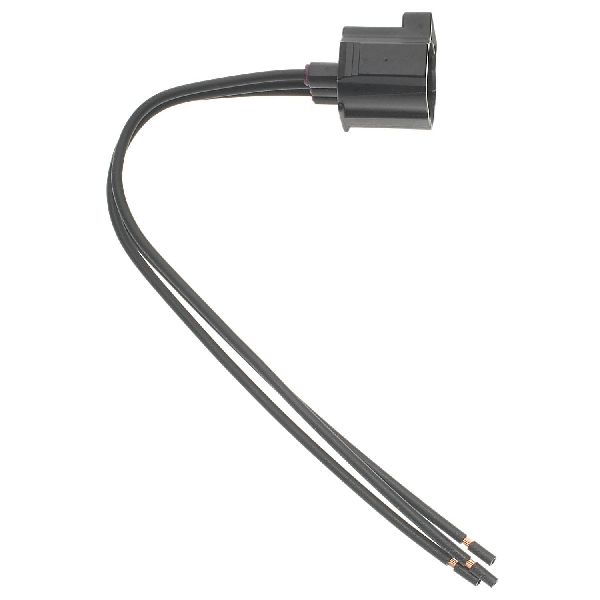
- Alternator Connector C102B — The 3-pin electrical connector on the alternator itself.. This is the communication and control link between the PCM and the alternator's internal voltage regulator. Pin corrosion or wire damage here will cause a loss of charging control and trigger P0562, P0620, or P0625.
Real Owner Repair Stories
- Ford Edge Forum (2013 Ford Edge) — Intermittent battery drain overnight. Solenoids in the transmission would click with the key out of the car.
❌ Tried (didn't work) Pulling PCM or BCM fuses would stop the draw, but this was not a fix.
✅ What actually fixed it The root cause was a faulty Transmission Control Module (TCM) that was intermittently waking up and activating solenoids, causing a parasitic draw that killed the battery. - Reddit r/FordEdge (2011 Ford Edge) — A very high parasitic draw of 2.2A occurring intermittently, draining the battery.
❌ Tried (didn't work) Standard parasitic draw test was difficult due to the intermittent nature.
✅ What actually fixed it The user traced the 2.2A draw to the circuit feeding the Body Control Module (BCM), indicating a likely internal fault within the BCM causing it to wake up or keep other components active. The implied fix is BCM replacement. - NHTSA Report — An owner reported two instances where the vehicle displayed P0562 and P07E6 (Stuck in Park) while driving, suggesting that low voltage can directly impact transmission gear selection (NHTSA ODI #11675193).
OEM Part Supersession History
FU5Z-15604-C→FU5Z-15604-D— Revision update for the Body Control Module (BCM) for 2015-2018 models.
Heads up: These parts often require programming by the dealer or a specialist with appropriate tools to match the vehicle's VIN and options.HU5Z-15604-S→HU5Z-15604-BE— Revision update for the Body Control Module (BCM) for later model years.
Heads up: Using the wrong BCM can cause numerous electrical issues. Always verify the part number against the vehicle's VIN.
Model Year Variations Within This Range
- 2019-2024: The 2019 model year refresh introduced a new 8-speed automatic transmission (replacing the 6-speed) and a rotary gear shift dial. While not directly related to the P0562 cause, the electrical load and module programming may differ slightly. The engine options and fundamental charging system design (BMS, smart alternator) remained consistent with the pre-refresh models.
- 2015-2024: Throughout the generation, different alternators with varying amperage (e.g., 175 Amp, 200 Amp) were used depending on the engine and options package (e.g., heated seats, premium audio). It is critical to verify the correct amperage for the specific vehicle before replacing the alternator, as installing the wrong one can cause persistent charging issues.
Diagnostic Flowchart
Other Known Issues on This Vehicle
Issues unrelated to this code that are worth knowing about as an owner of this generation:
- 2.0L EcoBoost Coolant Intrusion 🔴 High — Common on 2015-2018 models. A flaw in the engine block design can allow coolant to leak into the cylinders, causing misfires, rough running, and eventual engine failure. (Ref: TSB 19-2346 (supersedes previous versions))
- AWD Power Transfer Unit (PTU) Failure 🔴 High — Common across many Ford AWD models, including the Edge. The PTU fluid overheats due to proximity to the exhaust, breaks down, and leads to gear/bearing failure. Often noticed by a burning gear oil smell. Failures can occur as early as 60,000 miles.
- APIM (SYNC Module) Failure 🟠 Medium — Widespread issue causing the center infotainment screen to go black, freeze, or endlessly reboot. This disables climate controls, navigation, and the backup camera. A recall was issued for some model years for the backup camera issue resulting from this. (Ref: Recall for blank/frozen rearview camera image)
Used vs. New Parts: Buying Guide for This Vehicle
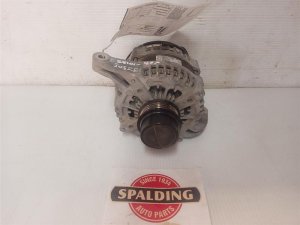
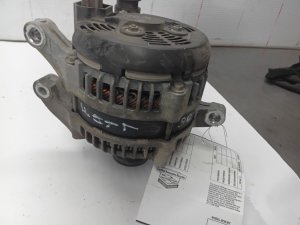
When a used part is the smart pick: A used OEM alternator from a low-mileage donor vehicle can be a cost-effective and reliable option, often preferable to a low-quality new aftermarket unit. Connectors, sections of wiring harness, and fuse boxes are also excellent candidates for used parts.
Donor-vehicle mileage cap: roughly under 70000 miles for the part to have meaningful remaining life.
What to inspect on the donor part:
- For alternators, check for smooth, quiet bearing rotation with no grinding or roughness.
- Inspect the pulley for excessive rust or damage.
- For wiring, ensure connectors are not cracked, and there are no signs of corrosion on the pins or visible wire damage.
- Check the vehicle history of the donor car for flood or fire damage.
OEM-only on this vehicle (don't cheap out):
- Body Control Module (BCM): While a used BCM can be purchased, it will require specialized programming to your vehicle's VIN. For most DIYers, a new or professionally remanufactured and programmed unit is the more reliable path.
- Alternator: It is highly recommended to use an OEM Motorcraft alternator (new or remanufactured) or a used OEM unit. Forum users report frequent and repeated failures with cheaper aftermarket brands.
Aftermarket brands forum-validated for this vehicle:
- Bosch (Alternators)
- Denso (Alternators)
Brands owners have reported issues with on this vehicle:
- Generic, unbranded, or 'white-box' alternators from online marketplaces are frequently cited as failing prematurely. One user on a forum mentioned going through three remanufactured NAPA alternators before switching to a different solution.
Real Owner Stories
Aggregated from forums and TSBs cited above. Mileages and costs reflect what owners reported in those sources.
2018 Ford Edge 2.0L EcoBoost
Symptoms: Owner required information on the BMS reset procedure after battery issues, noting the system's complexity regarding how it monitors the battery.
What fixed it: Battery replacement followed by a BMS reset using the official workshop manual procedure (scan tool or manual headlight/brake method).
Source hint: fordedgeforum.com thread titled 'BMS reset procedure for 2018 Edge - 2.0L EcoBoost'
2010 Ford Edge
Symptoms: Alternator not charging the battery; owner provided real-world voltage readings and diagnostic symptoms of a charging system failure.
What fixed it: Replacement of the faulty alternator.
Source hint: fordedgeforum.com thread titled 'Alternator not charging battery - 2010 Edge & MKX'
Related OBD-II Codes
Frequently Asked Questions
Does the recall for loose power cables apply to my 2018 Ford Edge?
I just replaced the battery in my Edge; do I really need to do a BMS reset?
Why does my Ford Edge show a 'Power Saving Mode' message on the dashboard?
Can I use a standard lead-acid battery instead of an AGM battery in my Edge?
My 2018 Edge has a P0562 code and I smell burning rubber; what should I check?
Helpful Videos
![Avoid Expensive Shop Repairs: DIY Reset the Ford Vehicle Battery Monitoring System [BMS]](https://img.youtube.com/vi/QTtb7rKaZTE/mqdefault.jpg)


Used OEM Parts in Stock
New Aftermarket Parts Available


The information in this article is provided for general reference and educational purposes only. Vehicle specifications, procedures, and part compatibility can vary by production date, trim level, and region. Always consult your vehicle's factory service manual and verify part numbers before purchasing or performing repairs. Safety-critical components such as airbags, seat belts, and braking systems should be installed by a qualified professional.
- Ford Edge:
- 🧭 Diagnostic Flowchart
- 🎬 Helpful Videos
- 🛍️ Shop This Part
- What's Unique About the 2015-2024 Ford Edge
- Symptoms You May Notice
- Most Likely Causes
- Rare But Worth Checking
- Diagnosis Steps
- Parts You'll Likely Need
- Related Codes That Often Appear With This One
- Platform-Specific Known Issues
- Mechanic-Grade Diagnostic Values
- Hidden / Shadow Codes Worth Checking
- Scan Tool Commands That Help
- Wiring & Ground Locations
- Real Owner Repair Stories
- OEM Part Supersession History
- Model Year Variations Within This Range
- Other Known Issues on This Vehicle
- Used vs. New Parts: Buying Guide for This Vehicle
- Real Owner Stories
- 2018 Ford Edge 2.0L EcoBoost
- 2010 Ford Edge
- Related OBD-II Codes
- Frequently Asked Questions
- 🎟️ Get 5% Off