

P0562 on 2017-2022 Ford Escape: Low Voltage Causes and Fixes
For a 2017-2022 Ford Escape, code P0562 is most often caused by a failing battery or a faulty alternator. Before replacing parts, have the battery professionally load tested. If the battery is replaced, a Battery Management System (BMS) reset is required to prevent the new battery from being improperly charged and the code from returning.
- P0562 on a Ford Escape means the system voltage is too low, most likely due to a bad battery or alternator.
- Always perform a load test on the battery before replacing parts; it's a common point of failure and easy to test.
- If you replace the battery, you MUST perform the Battery Management System (BMS) reset to ensure the new battery is charged correctly.
- Check for simple fixes first: ensure battery terminals are clean and tight.
- Do not ignore this code, as it can lead to a no-start situation or cause the vehicle to stall while driving.
What's Unique About the 2017-2022 Ford Escape
The 2017-2022 Ford Escape uses a Battery Management System (BMS). This system monitors the battery's health and state of charge, adjusting the alternator's charging strategy to maximize battery life and fuel economy. A critical aspect of this system is that it must be reset after a new battery is installed. Failing to perform the BMS reset can lead to the new battery being charged incorrectly (often overcharged, as the system thinks the old, degraded battery is still in place), which can cause a P0562 code to appear even with a healthy battery and alternator. The system relies on a battery monitoring sensor, typically located on the negative battery terminal, which can also fail and cause charging system issues.
Generation note: This range covers two generations of the Ford Escape: the 3rd generation (2017-2019) and the 4th generation (2020-2022). While the fundamental causes of P0562 are the same, the battery replacement procedure and specific electronic components may differ slightly. Both generations utilize a Battery Management System (BMS) that requires a reset after battery replacement. The 4th generation (2020+) models, built on the C2 platform, have more complex electronics, different engine options (including a hybrid and plug-in hybrid), and may be more sensitive to voltage fluctuations.
Symptoms You May Notice
- Check Engine Light is on
- Battery or charging system warning light is on
- Engine is slow to crank or won't start
- Stalling while driving, especially at idle
- Dimming headlights and interior lights
- Erratic operation of electrical components like the radio or power windows
- Features like Auto Start-Stop may be disabled
- Loss of power steering
- Multiple other warning lights appearing on the dashboard simultaneously
- Replacing the alternator when the battery was the actual cause.
- Replacing the battery but failing to perform the BMS reset, causing the code to return.
- Replacing the battery or alternator without first checking for simple issues like loose/corroded terminals or a blown main alternator fuse.
Most Likely Causes
- Failing or Weak Battery 🔴 High Probability → Shop Vehicle Battery Batteries are wear items and typically last 3-5 years. The complex electronics on modern Escapes can be sensitive to even a slight drop in battery performance. Age, extreme temperatures, and short driving cycles contribute to faster degradation. There are multiple owner reports of frequent 12V battery failure on newer Escapes.
How to confirm: Perform a load test on the battery. A simple voltage check with a multimeter is not enough, as a failing battery can show a good surface charge but collapse under load. Most auto parts stores offer free battery testing. A healthy, fully charged battery should read around 12.6V engine-off.
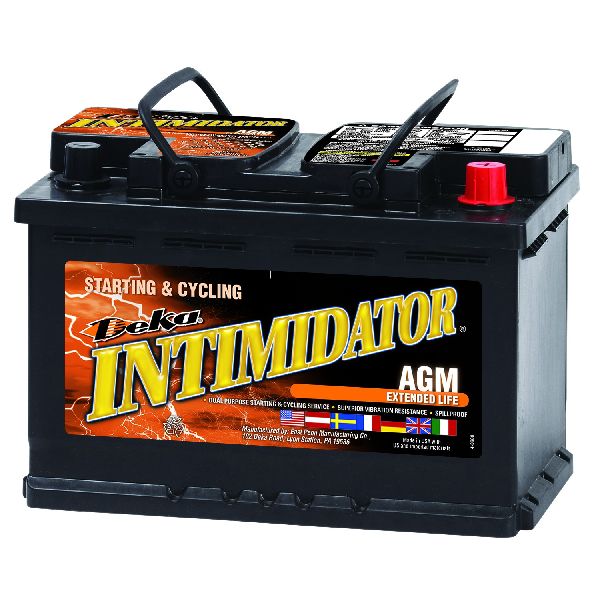
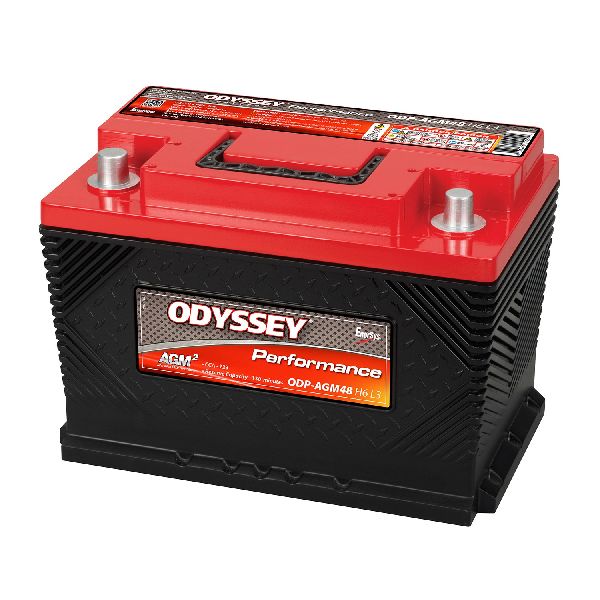
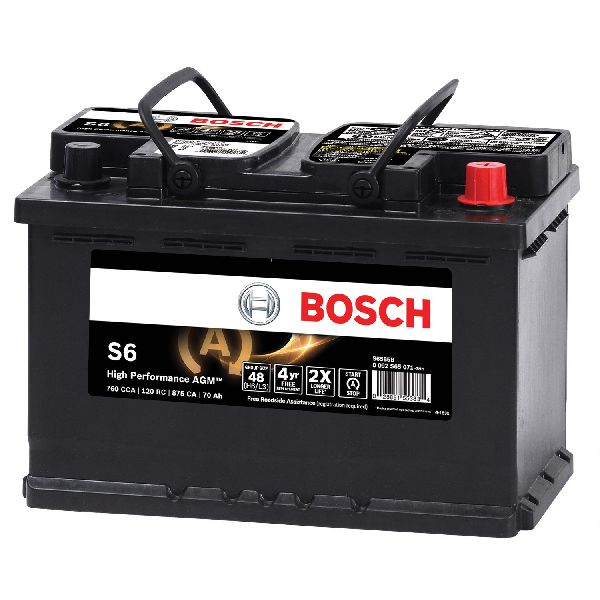
Typical fix: Replace the battery. The correct size for most non-hybrid models is Group 96R or H6 (Group 48). 🎬 See how to replace the battery and reset the BMS. After replacement, the Battery Management System (BMS) must be reset.
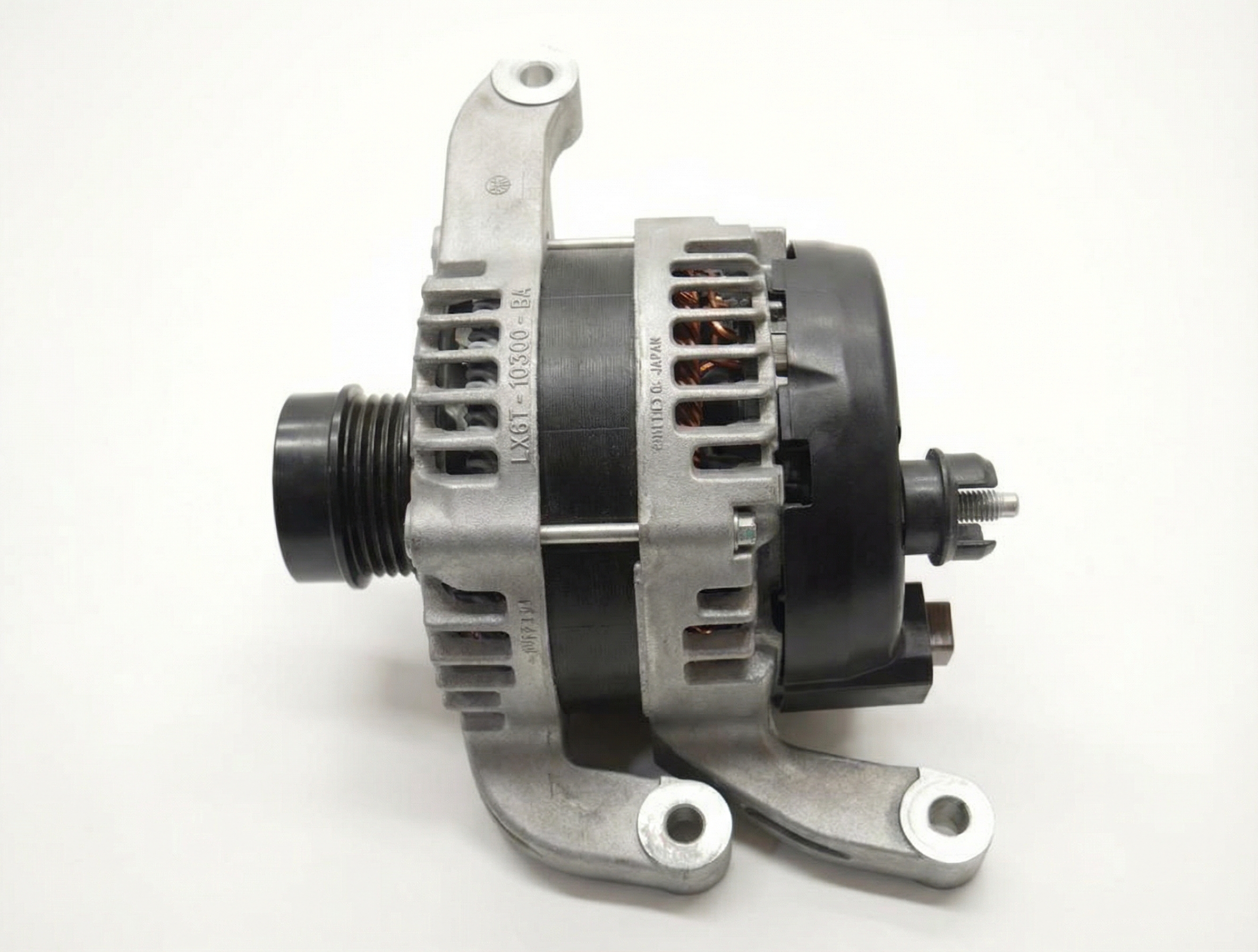
Est. part cost: $150-$350 - Failing Alternator 🔴 High Probability → Shop Alternator The alternator recharges the battery and powers the vehicle's electronics when the engine is running. Internal components like the voltage regulator or diodes can fail, or the unit can suffer from heat-related degradation. A failing alternator is a common cause of the 'Check Charging System' warning.
How to confirm: With the engine running, measure the voltage at the battery terminals using a multimeter. A healthy charging system should read between 13.5 and 14.7 volts. If the voltage is at or below battery voltage (~12.6V) or does not increase with engine RPM, the alternator is likely faulty. A classic symptom is the car starting with a jump but dying as soon as it's put into gear or the jumper cables are removed.
Typical fix: Replace the alternator and serpentine belt. A Reddit user with a 2020 Escape 1.5L reported a dealer quote of ~$1,500 for diagnostics, 🎬 Watch this step-by-step 2020 Escape alternator replacement guide. alternator, and belt replacement.
Est. part cost: $300-$600 - Battery Management System (BMS) Reset Not Performed 🟡 Medium Probability → Shop Vehicle Battery This is a common oversight after a DIY battery replacement. The BMS continues to charge the new battery as if it were the old, degraded one, leading to undercharging or overcharging and triggering voltage-related codes.
How to confirm: If the P0562 code appeared shortly after a battery replacement, this is a likely cause. The reset procedure can be done without a scan tool, though it is not always successful.
Typical fix: Perform the BMS reset procedure. With the ignition on (engine off), flash the high beams 5 times, then press the brake pedal 3 times. The battery light on the dash should flash to confirm the reset. This procedure is widely confirmed across Ford forums and YouTube. Alternatively, a scan tool like FORScan can perform the reset.
Est. part cost: $0 - Loose or Corroded Battery Terminals/Cables 🟡 Medium Probability → Shop Vehicle Battery Corrosion (white or greenish powder) builds up over time, creating resistance and preventing a solid electrical connection. Vibrations can also cause terminal clamps to loosen. This is a simple but often overlooked cause.
How to confirm: Visually inspect the battery terminals, main power cables, and ground connections to the chassis and engine block. Check for tightness and any signs of corrosion or damage. A poor ground connection can cause a host of electrical issues.
Typical fix: Disconnect the battery (negative first). Clean the battery terminals and cable ends with a wire brush and a baking soda/water solution. Ensure all connections are clean, bright, and tight. Apply dielectric grease to prevent future corrosion.
Est. part cost: $5-$15
Rare But Worth Checking
- Damaged Wiring or Blown Main Fuse: Check the main power wire from the alternator to the battery and the main ground straps. A visual inspection may reveal chafed or burnt insulation. There is also a high-amperage main fuse for the alternator (e.g., 150A) located in a fuse box near the battery, which can blow if the alternator fails or there's a short circuit.
- Parasitic Battery Drain: → Shop Vehicle Battery An electrical component may not be shutting off properly when the vehicle is off, slowly draining the battery. This requires a more advanced diagnosis using a multimeter in amperage mode to measure current draw at the battery fuse box with the vehicle off. A user on Electric Vehicle Forums with an Escape suspected this after replacing the battery didn't fix the issue.
- Faulty Powertrain Control Module (PCM): This is extremely rare and should only be considered after all other possibilities have been exhaustively ruled out. A faulty ECU can misinterpret voltage readings. Before condemning the PCM, ensure all power and ground connections to the module itself are clean and secure.
- Worn or Slipping Serpentine Belt: → Shop Serpentine Belt The serpentine belt drives the alternator. If the belt is worn, glazed, or the tensioner is weak, the belt can slip on the alternator pulley, preventing it from spinning fast enough to charge properly. This is often accompanied by a squealing noise, especially on startup or under high electrical load.
- Faulty Battery Monitoring System (BMS) Sensor: → Shop Vehicle Battery The BMS sensor itself, usually a small module on the negative battery cable, can fail. This can cause inaccurate current, voltage, or temperature readings to be sent to the PCM/BCM, leading to improper charging strategy and a P0562 code, even with a good battery and alternator. Symptoms can include inaccurate or unstable current readings.
Diagnosis Steps
- Read the code with an OBD-II scanner to confirm P0562 and check for any other codes, especially U-codes.
- Visually inspect the battery, its terminals, and the main power/ground cables for corrosion, damage, or looseness. Clean and tighten as needed.
- With the engine off, measure the battery's static voltage with a multimeter. A healthy battery should be at least 12.4V-12.6V. Anything below 12.2V suggests a discharged or failing battery.
- Have the battery professionally load tested. This is the most definitive way to determine battery health.
- Start the engine. Measure the voltage at the battery terminals. The reading should be between 13.5V and 14.7V. If it's low, rev the engine to 2000 RPM and see if the voltage increases. If not, the alternator is suspect.
- If a new battery was recently installed, perform the BMS reset procedure: Ignition on (engine off), flash high beams 5 times, press brake pedal 3 times, and watch for the battery light to flash.
- If the battery and alternator test good, inspect the serpentine belt for wear and proper tension.
- Check the main alternator fuse, often a large fuse (150A+) located in the under-hood fuse box.
- If all else fails, perform a voltage drop test on the main power and ground cables to check for hidden resistance in the wiring.
Parts You'll Likely Need
- Battery (Group Size 96R or H6/48)
(OEM #BAGM-96R-590 (Group 96R), BAGM-48H6-760 (Group H6/48))— The battery is the most common failure point for this code, as it is a consumable item with a finite lifespan of 3-5 years.
Trusted brands: Motorcraft, Interstate, DieHard
OEM price range: $200-$350
Aftermarket price range: $150-$280 - Alternator
(OEM #CJ5Z-10346-D (for 1.5L, 150 amp))— The alternator is the second most common cause, responsible for charging the battery and powering the vehicle when running.
Trusted brands: Motorcraft, Remy, Denso
OEM price range: $370-$620
Aftermarket price range: $180-$400
Related Codes That Often Appear With This One
- U-codes (e.g., U0100, U0401, U3003) — Low system voltage can disrupt communication between various electronic modules on the vehicle's network, leading to a variety of communication (U-prefix) codes. Ford TSB SSM 50154 for the F-150 notes that low voltage can set a U3003:16 code in other modules, a logic that applies to the Escape as well.
Technical Service Bulletins (TSBs) & Recalls
- TSB 22-2169: For 2020-2022 Escape PHEV models, addresses a 12-volt battery that discharges while the high-voltage battery is charging. The fix is a module reprogram.
- SSM 50151: For 2021 models, advises technicians to diagnose low voltage DTCs like P0562 and U3003 by checking the 12V system first before replacing more complex control modules. If low voltage (less than 10V) is observed in the DTC snapshot, the 12V system should be diagnosed first.
Platform-Specific Known Issues
- Failure to perform the Battery Management System (BMS) reset after battery replacement is a very common issue on this platform, leading to a quick return of charging system problems and the P0562 code.
- For PHEV (Plug-in Hybrid) models, TSB 22-2169 addresses an issue where the 12-volt battery can become discharged while the main high-voltage battery is charging, requiring a software update for the Battery Charger Control Module (BCCM).
Mechanic-Grade Diagnostic Values
- Battery Static Voltage (Engine Off) — expected: ~12.6 Volts for a fully charged, healthy battery.. Failure: Below 12.2V indicates a discharged or weak battery that requires charging and load testing.
- Charging System Voltage (Engine Running at Idle) — expected: 13.5V - 14.7V. Ford's Smart Charge system may vary this, but it should generally be above static battery voltage.. Failure: Voltage at or below static battery voltage (~12.6V) indicates the alternator is not charging.
- Alternator GEN-COM (Generator Command) Signal — expected: A PCM-controlled PWM signal, approximately 128 Hz. The duty cycle (viewable on a scan tool) varies from 3-95%. Higher duty cycle commands a higher voltage set point.. Failure: No command signal when electrical loads are added, or a signal that is shorted to ground or voltage, can indicate a wiring or PCM issue.
- Alternator GEN-MON (Generator Monitor) Signal — expected: A feedback signal from the alternator to the PCM indicating alternator load. The duty cycle should decrease as load increases.. Failure: A fixed or absent signal when the alternator is operating suggests a fault in the alternator's internal regulator or the wiring.
Scan Tool Commands That Help
- FORScan: BMS Reset (Battery Monitoring System Reset) — This function must be used after replacing the 12-volt battery. It resets the learned battery parameters in the Body Control Module (BCM), ensuring the new battery is charged correctly and preventing P0562 from returning due to an incorrect charging strategy.
- Ford IDS: Power Balance Test — While not directly for P0562, if the low voltage is causing severe drivability issues or misfires, this bidirectional test can help identify which cylinder is not contributing, helping to distinguish between a primary engine fault and an electrical one.
Wiring & Ground Locations
- G103 / G104 / G105 — Located at the left front of the engine compartment, near the Battery Junction Box (BJB) / underhood fuse box.. These are primary engine bay ground points. Corrosion or looseness at these locations can affect the PCM, BCM, and the charging system itself, creating high resistance that can lead to voltage drops and trigger a P0562 code.
- G203 — Located behind the left side of the dash.. This ground serves numerous interior modules, including the instrument cluster and Data Link Connector (DLC). A fault here can cause erratic gauge behavior and communication issues that may accompany a P0562 code.
- Battery Monitoring System (BMS) Sensor Connector — A small electrical connector on the sensor attached to the negative battery terminal/cable.. This sensor is critical for the smart charging system. Damage to its wiring or connector can interrupt the flow of battery state-of-charge information to the PCM/BCM, leading to an incorrect charging strategy and P0562.
Real Owner Repair Stories
- Reddit user on r/fordescape (2017 Ford Escape) — Car would not start after a battery replacement.
❌ Tried (didn't work) Performing the manual BMS reset procedure (flashing high beams/pressing brake).
✅ What actually fixed it A fuse in the main under-hood fuse box had been missed or not seated correctly during the battery change. The clue was that the PRNDL gear indicator was not appearing on the dashboard when the key was turned on. Correctly seating the fuse resolved the no-start issue. - NHTSA ODI #11660087 — An owner reported a "System Voltage Low on AWD Module" with code P0562:00-AF, which appeared to be an AWD module failure involving the Driveline Control Module Rear Diff Unit ‘A’ Control Circuit Driver.
OEM Part Supersession History
CJ5Z-10346-A→CJ5Z-10346-F (175 amp)— Part revision or update by the manufacturer.
Heads up: The 1.5L engine typically uses a 150 amp alternator (CJ5Z-10346-D), while the 2.0L can use a 175 amp unit. It is critical to match the amperage to the vehicle's original specification to avoid overloading or charging issues.
Model Year Variations Within This Range
- 2017-2019 (3rd Gen) vs 2020-2022 (4th Gen): The 4th generation (2020+) introduced a complete redesign on the C2 platform. Engine options changed, with the 1.5L becoming a 3-cylinder and new Hybrid/Plug-in Hybrid models being introduced. These newer models have a more integrated and complex electrical system, potentially making them more sensitive to voltage fluctuations and requiring more care during battery replacement and BMS resets. The physical location of components like the battery and fuse boxes may also differ.
Diagnostic Flowchart
Other Known Issues on This Vehicle
Issues unrelated to this code that are worth knowing about as an owner of this generation:
- 1.5L EcoBoost Coolant Intrusion 🔴 High — Common on 2017-2019 models. Can occur at various mileages, often before 100k miles. Leads to misfires, white smoke, and eventual engine failure. (Ref: TSB 19-2139, TSB 20-2100. Ford also had customer satisfaction programs (e.g., 19B37) to address this.)
- 8F35 8-Speed Automatic Transmission Problems 🟠 Medium — Affects 2020+ models. Issues include harsh shifting, delayed engagement, slipping, and occasional outright failure. Some problems can be addressed with PCM software updates. (Ref: TSB 22-2281 addresses slipping and harsh engagement on some models due to internal wear.)
- Panoramic Sunroof Delamination/Failure 🟡 Low — Reported across multiple model years. The adhesive holding the large glass panel can fail, causing it to detach from the frame, leading to wind noise or, in rare cases, separation.
- Electrical System Glitches (4th Gen) 🟠 Medium — Common complaints on 2020+ models involve infotainment system freezes, phantom warnings, and issues with door electronics. (Ref: Multiple recalls exist for various electrical issues, including rear drive unit lubrication (21V011000) and HPCM software (24V330000).)
Used vs. New Parts: Buying Guide for This Vehicle
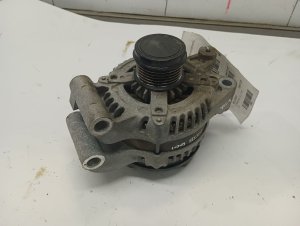
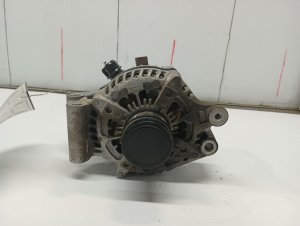
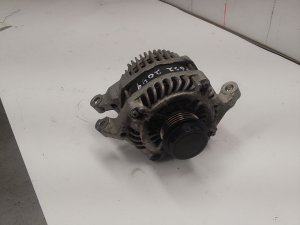
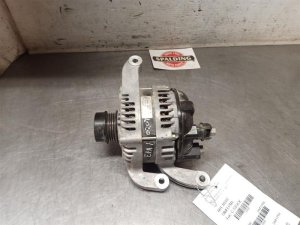
When a used part is the smart pick: A used alternator from a low-mileage donor vehicle can be a cost-effective option. Other electrical components like main wiring harnesses or fuse boxes are also generally safe to source used, provided they are from a matching vehicle and show no signs of corrosion or damage.
Donor-vehicle mileage cap: roughly under 75000 miles for the part to have meaningful remaining life.
What to inspect on the donor part:
- For an alternator, check for smooth rotation of the pulley with no grinding noises or excessive play in the bearings.
- Visually inspect the alternator housing for cracks or signs of extreme heat/discoloration.
- For any used electrical part, inspect connectors for corrosion, bent pins, or brittle plastic.
- Verify the part number on the used component matches the original part exactly.
OEM-only on this vehicle (don't cheap out):
- Battery: Never buy a used battery. A new, quality battery is critical for this vehicle's complex electrical system.
- Powertrain Control Module (PCM): While a used PCM can work, it often requires professional programming to match the vehicle's VIN and security system. This can negate cost savings. It's often simpler to use a reputable service that provides pre-programmed modules.
Aftermarket brands forum-validated for this vehicle:
- Alternators: Denso, Remy, Motorcraft (OEM Remanufactured)
- Batteries: Interstate, DieHard, Motorcraft
Brands owners have reported issues with on this vehicle:
- Avoid 'white box' or no-name alternators from online marketplaces. While cheap, they have a high failure rate and may not be compatible with Ford's Smart Charge system, causing the P0562 code to return.
Real Owner Stories
Aggregated from forums and TSBs cited above. Mileages and costs reflect what owners reported in those sources.
2020 Ford Escape 1.5L
Symptoms: Complete electrical failure while driving.
What fixed it: Replacement of the alternator and serpentine belt.
Cost: $1,500-$1,500
Source hint: Reddit (r/fordescape) URL: reddit.com/r/Ford/comments/1e43j8t/xpost_rfordescape_has_anyone_else_had_alternator/
Ford Escape Hybrid
Symptoms: Persistent P0562 code even after replacing the 12V battery.
What fixed it: The source notes the cause can be deeper than just the battery, requiring further charging system diagnostics.
Source hint: Electric Vehicle Forums (electricvehicleforums.com) thread titled 'p0562-code.1718/'
Related OBD-II Codes
Frequently Asked Questions
I have a 2020-2022 Escape PHEV and the 12V battery keeps dying while charging the main battery. Is there a fix?
I just replaced the battery in my Ford Escape myself, but the P0562 code is still there. Did I miss a step?
My 2021 Escape is showing P0562 and U3003 codes. Should I replace the control modules?
What is the correct replacement battery size for a non-hybrid 2017-2022 Ford Escape?
Can a failing alternator on a 2020 Escape cause the power steering to fail?
Helpful Videos
Used OEM Parts in Stock
New Aftermarket Parts Available


The information in this article is provided for general reference and educational purposes only. Vehicle specifications, procedures, and part compatibility can vary by production date, trim level, and region. Always consult your vehicle's factory service manual and verify part numbers before purchasing or performing repairs. Safety-critical components such as airbags, seat belts, and braking systems should be installed by a qualified professional.
- Ford Escape:
- 🧭 Diagnostic Flowchart
- 🎬 Helpful Videos
- 🛍️ Shop This Part
- What's Unique About the 2017-2022 Ford Escape
- Symptoms You May Notice
- Most Likely Causes
- Rare But Worth Checking
- Diagnosis Steps
- Parts You'll Likely Need
- Related Codes That Often Appear With This One
- Technical Service Bulletins (TSBs) & Recalls
- Platform-Specific Known Issues
- Mechanic-Grade Diagnostic Values
- Scan Tool Commands That Help
- Wiring & Ground Locations
- Real Owner Repair Stories
- OEM Part Supersession History
- Model Year Variations Within This Range
- Other Known Issues on This Vehicle
- Used vs. New Parts: Buying Guide for This Vehicle
- Real Owner Stories
- 2020 Ford Escape 1.5L
- Ford Escape Hybrid
- Related OBD-II Codes
- Frequently Asked Questions
- 🎟️ Get 5% Off