

P0562 on 2017 Honda Accord Hybrid: System Voltage Low Causes and Fixes
On a 2017 Honda Accord Hybrid, code P0562 is most often caused by a weak or failing 12-volt battery. Before suspecting complex issues, test and likely replace the 12V battery, which costs around $200-$350 for a compatible AGM type. A dead battery can cause a cascade of other warning lights like 'Brake System Failed' and 'Hill Stability System Failed'.
- First, check if P0562 is the only code. If so and there are no symptoms, clear it and see if it returns, as it could be a known glitch.
- The most likely cause is a weak or old 12-volt battery. Have it load-tested before buying any other parts.
- Confirm the charging system is working by checking for ~14V at the battery when the car is in "Ready" mode. If voltage is low, the DC-DC converter may be at fault.
- Always check for simple fixes first, like loose or corroded battery terminals.
What's Unique About the 2017-2017 Honda Accord Hybrid
Unlike a conventional car with an alternator, the 2017 Accord Hybrid uses a DC-DC converter to recharge its 12-volt battery, stepping down voltage from the high-voltage hybrid battery pack. This makes the DC-DC converter a unique potential failure point for this code. Additionally, Honda issued ServiceNews Article A17060D for the 2017 Accord Hybrid, noting that P0562 can appear as a glitch across multiple modules (battery monitor, generator motor, traction motor) without any real problem; in such cases, clearing the code and cycling the ignition is the first step.
Symptoms You May Notice
- Check Engine Light is on
- Battery or charging system warning light is on
- Multiple other warning lights may appear randomly (e.g., "Power System Problem," "Electric Parking Brake Problem," "Brake System Failed")
- Dimming headlights and interior lights
- Slow or hesitant to enter the "Ready" state
- Malfunctioning electronics like the radio or power windows
- Engine may stall or fail to start
- Replacing the DC-DC converter when the 12-volt battery is the actual problem. Always test or replace the 12V battery first, as it is the most common and least expensive failure point.
Most Likely Causes
- Weak or Failing 12-Volt Battery 🔴 High Probability → Shop Vehicle Battery The 12V battery is crucial for booting the hybrid system's computers. Original batteries often last 3-5 years, making a 2017 model's battery a prime suspect for age-related failure. A dead battery is known to cause numerous system failure warnings on the dash. 🎬 See how to clear dash lights after a battery swap.
How to confirm: Test the battery with a multimeter when the car is off; a healthy battery should read above 12.4V. For a definitive diagnosis, perform a load test. Many auto parts stores offer this service for free.
Typical fix: Replace the 12-volt battery with a new one of the correct type (Group Size 51, 🎬 Watch: Step-by-step guide to installing a new battery. usually AGM for this model).
Est. part cost: $200-$350 - Faulty DC-DC Converter 🟡 Medium Probability The DC-DC converter functions as the alternator in a hybrid. While generally reliable, failure means the 12V battery will not be recharged, leading to a 'Check Charge System' warning. Recalls on other model years for this part suggest it can be a point of failure.
How to confirm: With the vehicle in "Ready" mode, measure the voltage at the 12V battery terminals. It should be between 13.5V and 14.7V. If the voltage is low (e.g., ~12V or less), the DC-DC converter is not charging.
Typical fix: Replace the DC-DC converter (OEM Part # 1C800-5K1-N03). This is often best left to a professional due to its connection to the high-voltage system. 🎬 Watch: Understanding DC-DC converter performance and diagnostic issues.
Est. part cost: $500-$1000+ - Loose or Corroded Battery Terminals/Grounds 🟡 Medium Probability → Shop Vehicle Battery Vibration can loosen terminals over time, and moisture can cause corrosion, creating high resistance that prevents proper charging and power delivery.
How to confirm: Visually inspect the positive and negative battery terminals for white or greenish buildup. Wiggle the terminal clamps to ensure they are tight.
Typical fix: Disconnect the battery (negative first), clean the terminals and clamps with a wire brush and baking soda solution, and reconnect securely (positive first).
Est. part cost: $1-$10 - Spurious Code / Software Glitch ⚪ Low Probability A Honda ServiceNews article (A17060D) specifically mentions that a lone P0562 code can be set on the 2017 Accord Hybrid without any actual fault, appearing across multiple modules.
How to confirm: Check if P0562 is the only code present and if there are no noticeable symptoms. Clear the code using an OBD-II scanner and cycle the ignition three times. If the code does not return, no further action is needed.
Typical fix: Clear the DTC with a scanner.
Est. part cost: $0
Rare But Worth Checking
- Parasitic Battery Drain: → Shop Vehicle Battery An aftermarket accessory (like a hardwired dash cam or alarm) or a faulty module can fail to shut down, slowly draining the battery when the car is off. This can cause a P0562 upon startup.
- Faulty Battery Sensor: → Shop Vehicle Battery This vehicle uses a battery sensor on the negative terminal to monitor its condition. A faulty sensor can lead to improper charging behavior. One owner on a forum noted that unplugging the sensor temporarily resolved charging issues, while another described a bizarre issue where the system would only charge when the headlights were on, pointing to complex charging logic issues.
Diagnosis Steps
- Scan for codes. If P0562 is present alone with no symptoms, clear the code, cycle the ignition 3 times, and re-scan. If it doesn't return, the issue was likely a temporary glitch per Honda TSB A17060D.
- Visually inspect the 12V battery terminals for looseness or corrosion. Clean and tighten as needed.
- With the car off for at least 30 minutes, use a multimeter to measure the voltage of the 12V battery. A reading below 12.4V indicates a discharged or weak battery.
- Have the 12V battery professionally load-tested. This is the most reliable way to confirm its health. Replace if it fails the test.
- If the battery is healthy, put the car in "Ready" mode. Measure the voltage at the battery terminals again. The reading should be between 13.5V and 14.7V.
- If the voltage is below 13.5V in "Ready" mode, the DC-DC converter is not charging the battery. Inspect the wiring and connections between the converter and the battery.
- If the wiring is intact, the DC-DC converter is the most likely cause of the problem and will require replacement.
Parts You'll Likely Need
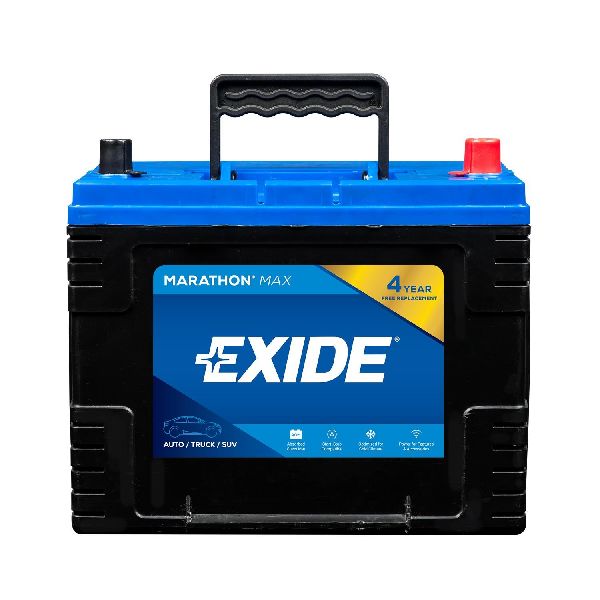
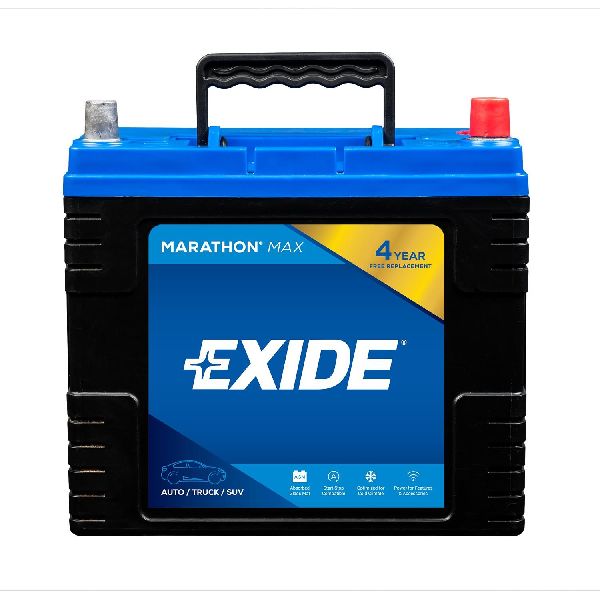
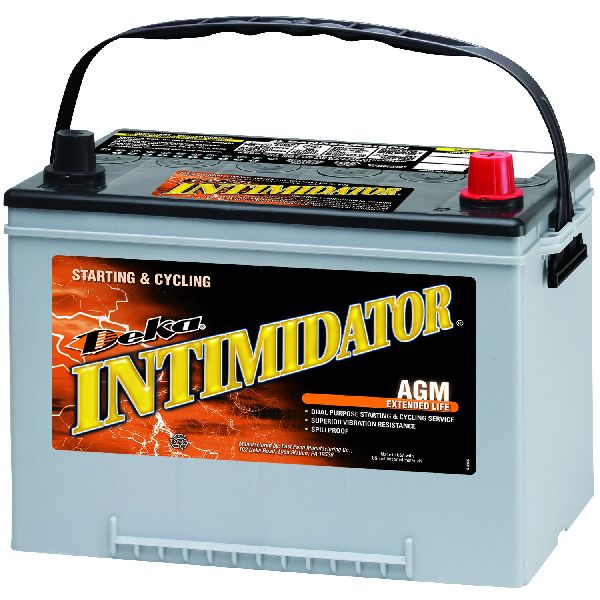
- 12-Volt AGM Battery
(OEM #31500-TWA-A01 (or superseding part 31500-SB2-100M))— This is the most frequent cause of P0562. The original battery often fails due to age, leading to low system voltage.
Trusted brands: Yuasa, Deka, Odyssey, Costco Interstate
OEM price range: $250-$350
Aftermarket price range: $200-$300 - DC-DC Converter
(OEM #1C800-5K1-N03 (replaces 1C800-5K1-N02))— If the 12V battery is good but not being charged, the DC-DC converter has likely failed. This part serves the function of an alternator in the hybrid system.
Trusted brands: Honda (OEM)
OEM price range: $700-$1100
Aftermarket price range: N/A
Technical Service Bulletins (TSBs) & Recalls
- A17060D (June 2017): Notes that DTC P0562 may set with the MIL off and no apparent symptom, and advises to clear the code and recheck by cycling the ignition three times before performing further troubleshooting.
- TSB Bulletin #A16-026 (June 2017): Discusses instances where an all DTC check with the i-HDS reveals P0562 (specifically for the battery condition monitor module power source circuit or generator motor control module) with no other codes listed, the MIL off, and no apparent symptoms.
Platform-Specific Known Issues
- A Honda ServiceNews article (A17060D) from June 2017 confirms that P0562 can be triggered on a 2017 Accord Hybrid without any actual fault, especially if no other codes are present. The TSB notes the code can appear for the 'battery condition monitor module', 'generator motor control module', or 'traction motor control module'.
Mechanic-Grade Diagnostic Values
- P0562 Trigger Threshold — expected: System voltage drops to 11.0V or lower for 60 seconds.. Failure: The PCM logs code P0562.
- Parasitic Drain (Key Off, Systems Asleep) — expected: Under 50 mA.. Failure: A reading consistently above 50 mA indicates a module or component is not shutting down correctly, draining the 12V battery.
- Battery Sensor Resistance (38920-TVA-A02) — expected: 0.8Ω–1.2Ω at ambient temperature.. Failure: A reading higher than 1.2Ω suggests an internal open-circuit fault in the sensor.
Hidden / Shadow Codes Worth Checking
- P0562 (sub-code): Honda ServiceNews A17060D specifies P0562 can be set by the 'battery condition monitor module', 'generator motor control module', or 'traction motor control module' without a primary fault. (see via Honda Diagnostic System (HDS) or i-HDS, viewed under the 'All DTC Check' function.)
Scan Tool Commands That Help
- Honda Diagnostic System (HDS): 12 Volt Battery Internal Resistance Reset — After replacing the 12V battery, this procedure should be performed to inform the Battery Management System (BMS) of the new battery's characteristics, ensuring the correct charging strategy is used.
- Honda Diagnostic System (HDS): All DTC Check / Clear — Per TSB A17060D, if P0562 is the only code present with no symptoms, this function should be used to clear the code. If it does not return after three ignition cycles, no fault is present.
OEM Part Supersession History
1C800-5K1-N02→1C800-5K1-N03— Standard part revision by the manufacturer.38920-T2A-A02 / A03→38920-TVA-A02— The original battery sensor on non-hybrid Accords was recalled for not being sealed against moisture. The 2017 Hybrid uses a similar sensor design, and later model years use the TVA-A02 part number.
Heads up: While not a direct supersession for the hybrid, the TVA-A02 is the modern equivalent and a common replacement for battery sensor issues on this platform.
Diagnostic Flowchart
Other Known Issues on This Vehicle
Issues unrelated to this code that are worth knowing about as an owner of this generation:
- Failing Low-Pressure Fuel Pump 🔴 High — Widespread enough to trigger a major recall (NHTSA #21V-215, expanded by KGC/KGD). Can occur at various mileages. (Ref: Recall KGC, KGD.)
- Damaged Daytime Running Light (DRL) Lens 🟡 Low — Common cosmetic issue where heat from the LEDs damages the lens, making the lights appear burnt out or non-functional. (Ref: TSB A19-042)
- Buzzing or Whining Power Seat 🟡 Low — A noticeable annoyance for some owners when adjusting the front seats. (Ref: TSB A19-029)
- Engine Knock/Click on Cold Startup 🟠 Medium — Affects some non-hybrid 2017 Accords, but worth noting for platform context. Caused by a worn cam chain tensioner check valve. (Ref: TSB A19-019)
Used vs. New Parts: Buying Guide for This Vehicle
When a used part is the smart pick: A used DC-DC converter from a reputable salvage yard can be a cost-effective alternative to a new OEM unit, which is very expensive. It is almost never a good idea to buy a used 12V battery.
Donor-vehicle mileage cap: roughly under 80000 miles for the part to have meaningful remaining life.
What to inspect on the donor part:
- Verify the part number on the used DC-DC converter matches the required part (1C800-5K1-N03 or its predecessor).
- Inspect the unit for any signs of physical damage, corrosion on the connectors, or evidence of overheating (discolored plastic/casing).
- Obtain the VIN of the donor vehicle to check its history for accidents or electrical issues, if possible.
- Purchase from a seller that offers a warranty (e.g., 90 days) to protect against receiving a dead-on-arrival part.
OEM-only on this vehicle (don't cheap out):
- DC-DC Converter: Due to its critical role in managing power between the high-voltage and 12V systems, and the lack of aftermarket options, sticking with a new or low-mileage used OEM unit is strongly recommended.
Aftermarket brands forum-validated for this vehicle:
- For the 12V AGM Battery: Yuasa, Deka, Odyssey, and Interstate are well-regarded brands that meet or exceed OEM specifications.
Brands owners have reported issues with on this vehicle:
- There are no known aftermarket manufacturers for the DC-DC converter for this specific vehicle.
Real Owner Stories
Aggregated from forums and TSBs cited above. Mileages and costs reflect what owners reported in those sources.
2017 Accord EX-L Hybrid
Symptoms: The 12V battery died after the car sat for a month. After jumping the vehicle, the dash displayed 'brake system failed' and 'Hill Stability System failed' warnings.
What fixed it: Replacing the 12V battery resolved the cascade of error messages.
Source hint: Reddit r/Honda - '2017 Accord EX-L Hybrid Battery question'
2017 Accord Hybrid
Symptoms: A complex charging issue where the 12V battery would actually drain while driving unless the headlights were turned on.
What fixed it: The owner pointed toward a potential issue with the battery sensor or charging logic, as the system only charged when the headlights were active.
Source hint: Honda-Tech - '2017 Accord Hybrid Electrical Problems'
Related OBD-II Codes
Frequently Asked Questions
My 2017 Accord Hybrid is showing P0562 but has no symptoms; does Honda TSB A17060D apply?
What type of 12V battery should I buy for my 2017 Accord Hybrid to fix low voltage issues?
Can a failing 12V battery cause 'Brake System Failed' or 'Electric Parking Brake Problem' warnings on my dash?
How can I tell if my DC-DC converter is failing instead of just having a dead battery?
Is there a recall for the charging system on the 2017 Accord Hybrid?
Helpful Videos
We Have This Part in Stock


The information in this article is provided for general reference and educational purposes only. Vehicle specifications, procedures, and part compatibility can vary by production date, trim level, and region. Always consult your vehicle's factory service manual and verify part numbers before purchasing or performing repairs. Safety-critical components such as airbags, seat belts, and braking systems should be installed by a qualified professional.
- Honda Accord Hybrid:
- 🧭 Diagnostic Flowchart
- 🎬 Helpful Videos
- 🛍️ Shop This Part
- What's Unique About the 2017-2017 Honda Accord Hybrid
- Symptoms You May Notice
- Most Likely Causes
- Rare But Worth Checking
- Diagnosis Steps
- Parts You'll Likely Need
- Technical Service Bulletins (TSBs) & Recalls
- Platform-Specific Known Issues
- Mechanic-Grade Diagnostic Values
- Hidden / Shadow Codes Worth Checking
- Scan Tool Commands That Help
- OEM Part Supersession History
- Other Known Issues on This Vehicle
- Used vs. New Parts: Buying Guide for This Vehicle
- Real Owner Stories
- 2017 Accord EX-L Hybrid
- 2017 Accord Hybrid
- Related OBD-II Codes
- Frequently Asked Questions
- 🎟️ Get 5% Off