

P0562 on 2006-2010 Hummer H3: System Voltage Low Causes and Fixes
On a 2006-2010 Hummer H3, code P0562 is most often caused by a failing alternator or a weak battery. Before replacing parts, always test the battery and charging system and inspect all battery cables and ground connections for corrosion or looseness. The factory battery terminals are a known weak point and a frequent cause of this code.
- P0562 on a Hummer H3 indicates a serious low voltage problem in the electrical system.
- Do not drive the vehicle, as it may stall or lose power to critical systems.
- The most likely culprits are a failing alternator or a weak battery.
- Always start diagnosis by testing the battery and alternator output before replacing any parts.
- Thoroughly inspect all battery cables and main ground connections for corrosion and tightness, as these are known weak points on the H3.
What's Unique About the 2006-2010 Hummer H3
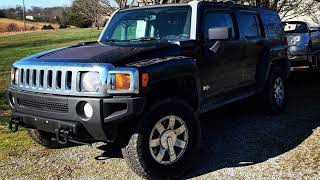
The Hummer H3, sharing its GMT355 platform with the Chevrolet Colorado and GMC Canyon, is known for having various electrical issues. While the P0562 code itself is a standard low-voltage warning, the H3 is particularly prone to issues with its factory battery terminals, which are a well-documented weak point that can lead to poor connections, voltage drops, and a host of strange electrical behavior. Owners often report that what seems like a major component failure, such as a bad Body Control Module (BCM), is actually a simple connection or ground issue stemming from these terminals.
Symptoms You May Notice
- Check Engine Light is on
- Battery or charging system warning light is on
- Dimming or flickering headlights and interior lights
- Difficulty starting the engine or a no-start condition
- Engine stalls, especially at idle
- Erratic operation of electrical components like the radio, power windows, or door locks
- Poor or harsh automatic transmission shifting
- Radio or head unit randomly shutting off and on
- Replacing the battery without testing the alternator first. A bad alternator will quickly drain a new battery, and the code will return.
- Replacing the alternator when the actual problem is a corroded battery cable or a bad ground connection.
- Replacing the Body Control Module (BCM) when the issue is a simple bad connection at the battery terminals or a poor ground.
Most Likely Causes
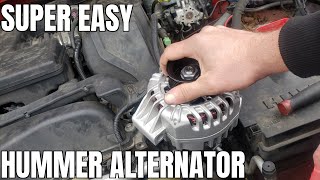
- Failing Alternator 🔴 High Probability → Shop Alternator The alternator is a common failure point on most vehicles as it ages. On the H3, symptoms of a failing alternator are often preceded or accompanied by other electrical issues, making diagnosis critical.
How to confirm: With the engine running, use a multimeter to test the voltage at the battery terminals. A healthy alternator should produce between 13.7 and 14.7 volts. If the voltage is low (near battery voltage, ~12.6V) or not present, the alternator is likely faulty. Most auto parts stores can also bench-test an alternator for free.
Typical fix: Replace the alternator.
Est. part cost: $150-$350 - Weak or Defective Battery 🔴 High Probability → Shop Vehicle Battery Batteries have a finite lifespan of 3-5 years. An old battery may not be able to hold a charge, causing the system voltage to drop, especially under load. This is a common cause of P0562 across all vehicles.
How to confirm: With the engine off, test the battery voltage with a multimeter. A fully charged battery should read around 12.6 volts. A reading below 12.4V indicates a weak battery. For a definitive test, use a battery load tester to check its health under load.
Typical fix: Replace the battery.
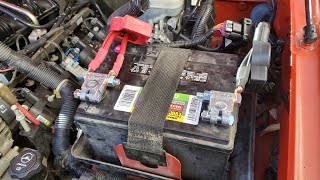
Est. part cost: $150-$250 - Corroded or Loose Battery Terminals/Cables 🔴 High Probability → Shop Vehicle Battery The factory GM battery terminals on the H3 are a notorious weak point and a very common cause of intermittent electrical problems, including P0562. They can feel tight but fail to make proper contact, leading to no-start conditions that mysteriously resolve after wiggling the cables.
How to confirm: Visually inspect the battery terminals and cable ends for any signs of corrosion (white or greenish powder). Physically try to wiggle the terminals to ensure they are tight on the battery posts. Even if they look clean and feel tight, it's a known failure point. A voltage drop test across the terminals can confirm a bad connection.
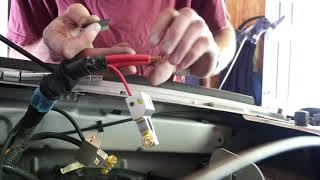
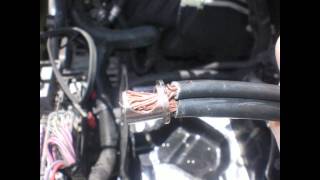
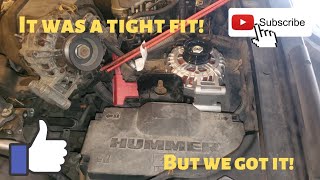
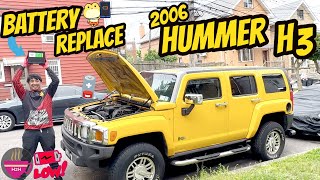
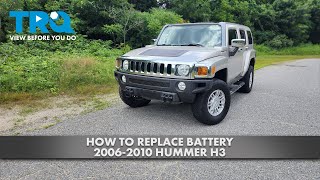
Typical fix: Clean the battery posts and terminals thoroughly with a wire brush. If they are damaged or won't tighten properly, replace them with high-quality aftermarket terminals. 🎬 Watch: How to replace your Hummer H3 battery connectors Many owners proactively replace the OEM terminals to prevent future issues.
Est. part cost: $10-$50 - Poor Ground Connections 🟡 Medium Probability GM vehicles of this era can develop issues with main chassis and engine ground points due to corrosion, which creates high resistance and lowers system voltage.
How to confirm: Locate the main engine-to-chassis and battery-to-chassis ground straps. Inspect them for corrosion, looseness, or damage. Use a multimeter to perform a voltage drop test on the ground side of the circuit. A reading of more than 0.2 volts indicates a problem.
Typical fix: Remove, clean, and securely re-tighten all affected ground connections. Ensure all contact surfaces are bare, clean metal.
Est. part cost: $5-$20
Rare But Worth Checking
- Parasitic Battery Drain: → Shop Vehicle Battery If the battery repeatedly dies overnight but the charging system tests fine, an electrical component may be staying on after the vehicle is shut off, draining the battery.
- Corrosion in Underhood Fuse Block: → Shop Fuse Box Corrosion on relay or fuse terminals within the fuse block can cause voltage drops to critical components like the PCM, potentially triggering a P0562 code.
- Faulty Body Control Module (BCM): → Shop Body Control Module While less common, a faulty BCM can cause a wide range of electrical issues, including P0562. This is often misdiagnosed, with the root cause being poor power/ground to the BCM itself or moisture intrusion from clogged sunroof drains.
- Faulty Powertrain Control Module (PCM): This is extremely rare and should only be considered after all other possibilities related to the battery, alternator, wiring, and grounds have been exhaustively ruled out.
Diagnosis Steps
- Read all stored fault codes with an OBD-II scanner.
- With the engine off, use a multimeter to check the battery's static voltage. It should be approximately 12.6 volts.
- CRITICAL STEP FOR H3: Thoroughly inspect the battery terminals. Even if they appear tight, attempt to wiggle them. A common H3 issue is a terminal that feels secure but has a poor internal connection. Clean and tighten as necessary, or replace with aftermarket terminals if they are the original GM style.
- Start the engine and measure the voltage at the battery terminals again. It should rise to between 13.7 and 14.7 volts. If it stays low, the alternator is likely faulty. If it's too high, the voltage regulator (internal to the alternator) may have failed.
- If charging voltage is good, perform a voltage drop test on both the positive and negative battery cables to check for high resistance.
- Inspect the main power and ground cables. Check the engine-to-chassis and battery-to-chassis ground straps for integrity and tightness.
- If the battery keeps dying but the charging system works, perform a parasitic draw test to find any components drawing power when the vehicle is off.
- Inspect the underhood fuse block for any signs of corrosion, especially around the main power feeds and PCM-related relays.
Parts You'll Likely Need
- Alternator
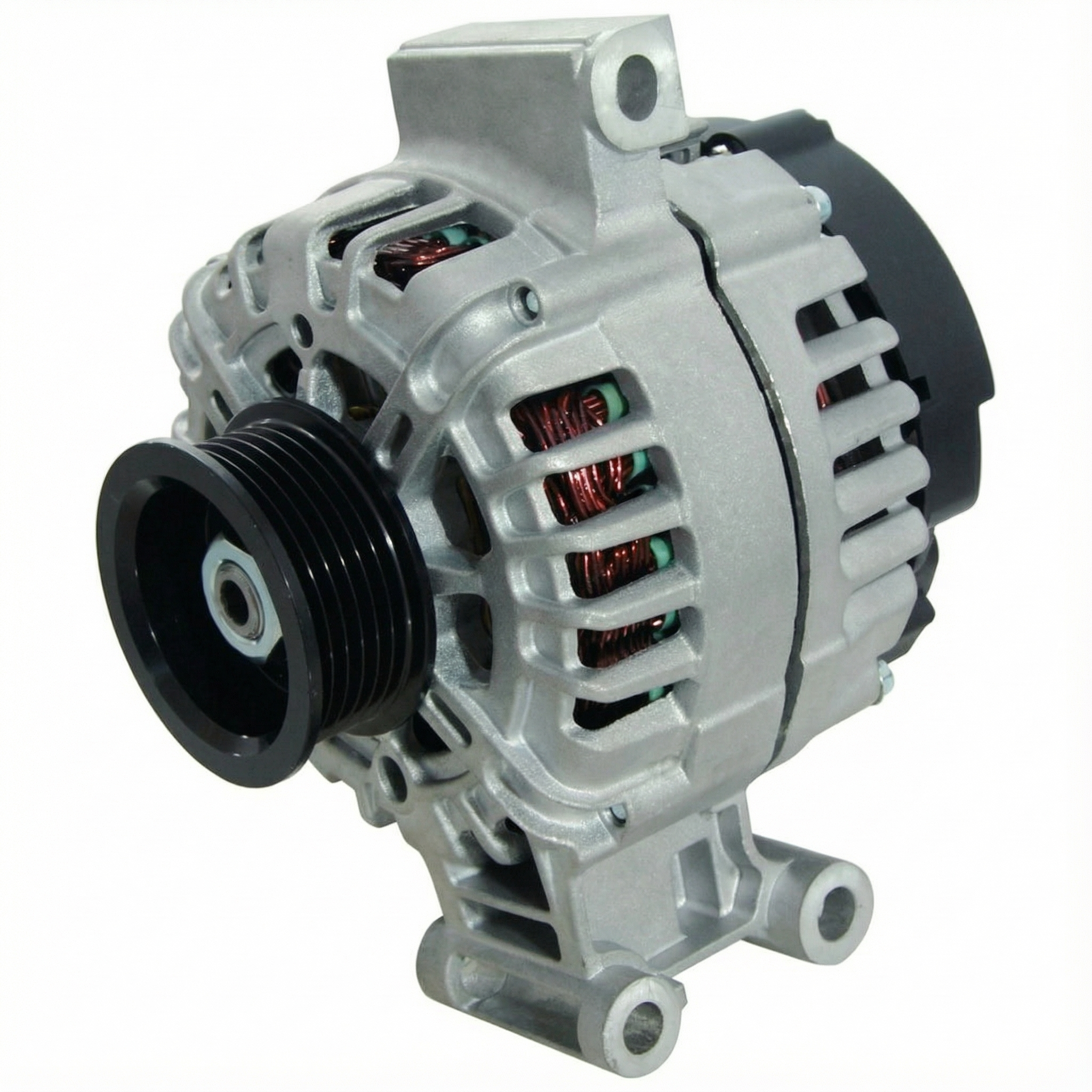
(OEM #20881337, 25925948, 15826975)— The alternator is responsible for charging the battery and powering the vehicle's electronics while the engine is running. It is the most common cause of P0562 if the battery is healthy.
Trusted brands: ACDelco (OEM), Bosch, Denso, Duralast
OEM price range: $270-$540
Aftermarket price range: $150-$350 - Battery — A battery that can no longer hold a proper charge will cause the system voltage to drop, triggering this code.
Trusted brands: ACDelco, Interstate, DieHard
OEM price range: $200-$300
Aftermarket price range: $150-$250 - Battery Terminals — The original GM terminals are a known weak point. Corroded or loose terminals create high resistance and prevent proper charging and power delivery. This is a very frequent point of failure on the H3.
Trusted brands: Deka, Standard Motor Products, Duralast
OEM price range: $20-$40
Aftermarket price range: $10-$25
Related Codes That Often Appear With This One
- U0100 — Low system voltage can cause communication failures between modules, leading to Lost Communication codes.
- P1682 — This code relates to an ignition switch voltage discrepancy, which can be triggered by overall low system voltage affecting multiple circuits. This combination often points towards a failing battery or poor connections.
Platform-Specific Known Issues
- The factory battery terminals are a common failure point and can cause a host of electrical issues, including low voltage codes. Many owners report intermittent no-start conditions that are temporarily fixed by wiggling the battery cables, pointing directly to faulty terminals.
- There is a known safety recall (GM Recall #15042, NHTSA Campaign #15V421000) for the HVAC blower motor connector and harness, which can overheat and pose a fire risk. While not directly causing P0562, it highlights the potential for electrical connector issues on this platform.
- Clogged sunroof drains are a common issue that can lead to water leaking into the cabin, potentially damaging the Body Control Module (BCM) located in the passenger footwell and causing a wide array of electrical faults.
Diagnostic Flowchart
Other Known Issues on This Vehicle
Issues unrelated to this code that are worth knowing about as an owner of this generation:
- GM Passlock Anti-Theft System Failure 🔴 High — Very common. Can occur at any mileage. Causes intermittent no-start conditions where the owner must wait 10 minutes for the system to reset.
- Cracked Radiator / Radiator Support Interference 🔴 High — Common issue where the plastic end tanks of the radiator crack, often due to interference with the radiator support. Typically occurs between 60,000 and 120,000 miles.
- Clogged or Disconnected Sunroof Drains 🟠 Medium — Extremely common. The drain tubes clog easily, causing water to leak into the cabin, typically into the A-pillar trim and passenger footwell, risking damage to the BCM.
- HVAC Blower Motor Resistor/Connector Overheating 🔴 High — Widespread enough to warrant a safety recall. The connector can melt, causing the blower motor to fail and creating a fire risk. (Ref: NHTSA Campaign #15V421000 (GM Recall #15042))
- Failed Front Differential Mount Bushing 🟠 Medium — Common, especially on vehicles used off-road. The rubber bushing deteriorates, causing a clunking noise when accelerating or shifting. (Ref: OEM Part Number: 25872770, 15773961)
- Loose or Detached Hood Louver 🟡 Low — Common problem where the plastic clips on the decorative hood louver break, causing it to rattle or detach from the vehicle. (Ref: NHTSA Campaign #10V188000 (GM Recall #10088))
Real Owner Stories
Aggregated from forums and TSBs cited above. Mileages and costs reflect what owners reported in those sources.
2006-2010 Hummer H3
Symptoms: Intermittent no-start conditions that are temporarily fixed by wiggling the battery cables; electrical issues including low voltage codes.
What fixed it: Replacing the factory GM battery terminals with high-quality aftermarket terminals.
Source hint: vehicle_specific_issues section and HummerForums.com thread 'h3-electrical-issues-finally-fixed-41221/'
2006-2010 Hummer H3
Symptoms: Weird electrical issues and crazy electrical problems including erratic operation of components.
What fixed it: Cleaning and re-tightening all affected ground connections, ensuring contact surfaces are bare, clean metal.
Source hint: hummer4x4offroad.com threads 'weird-electrical-issues-again.7739/' and 'crazy-electrical-problems.9961/'
Related OBD-II Codes
Frequently Asked Questions
My Hummer H3 won't start, but if I wiggle the battery cables, it suddenly works. Is this related to P0562?
Is there a recall for electrical issues on the 2006-2010 Hummer H3 that could cause this?
Can a water leak in my cabin cause the P0562 code?
Why does my radio randomly shut off and my headlights flicker on my H3?
I have a Chevrolet Colorado with the same P0562 code; is the cause the same as the Hummer H3?
What is the recommended fix for the H3's problematic battery terminals?
Helpful Videos
Used OEM Parts in Stock
New Aftermarket Parts Available

The information in this article is provided for general reference and educational purposes only. Vehicle specifications, procedures, and part compatibility can vary by production date, trim level, and region. Always consult your vehicle's factory service manual and verify part numbers before purchasing or performing repairs. Safety-critical components such as airbags, seat belts, and braking systems should be installed by a qualified professional.
- Hummer H3:
- 🧭 Diagnostic Flowchart
- 🎬 Helpful Videos
- 🛍️ Shop This Part
- What's Unique About the 2006-2010 Hummer H3
- Symptoms You May Notice
- Most Likely Causes
- Rare But Worth Checking
- Diagnosis Steps
- Parts You'll Likely Need
- Related Codes That Often Appear With This One
- Platform-Specific Known Issues
- Other Known Issues on This Vehicle
- Real Owner Stories
- 2006-2010 Hummer H3
- 2006-2010 Hummer H3
- Related OBD-II Codes
- Frequently Asked Questions
- 🎟️ Get 5% Off