

P0562 on 2014 Jeep Cherokee: System Voltage Low Causes and Fixes
This code indicates low system voltage. The most common causes are a failing battery or a faulty alternator. Start by fully charging and load-testing the battery, which should be an AGM type. If the battery is good, the alternator is the next likely culprit. Also, check for corroded connections and the Intelligent Battery Sensor (IBS) on the negative terminal.
- P0562 means the vehicle's electrical system voltage is too low.
- Always test the battery first. It's the most common cause and the easiest part to check.
- If the battery is healthy, the alternator is the next most likely culprit.
- Before replacing any parts, always check for simple issues like loose or corroded battery terminals and ground wires.
- Do not continue driving with this code, as the vehicle could stall at any time, creating a serious safety hazard.
What's Unique About the 2014-2014 Jeep CHEROKEE
For the 2014 Jeep Cherokee (KL generation), the P0562 code is a straightforward electrical fault. This model utilizes an Intelligent Battery Sensor (IBS) on the negative battery terminal to monitor the battery's state of charge, voltage, and temperature. A faulty IBS can send incorrect data to the PCM, potentially contributing to charging system issues, though it may also set its own specific codes. The vehicle requires an AGM (Absorbent Glass Mat) battery, which is more expensive and sensitive to charging procedures than a standard battery. Two manufacturer TSBs note that if P0562 is present, standard charging system diagnostics are required, reinforcing that it's a fundamental electrical problem. [pass 1] The 3.2L V6 engine can be equipped with either a 160A or 180A alternator, and verifying the correct amperage is crucial during replacement.
🎬 See this walkthrough for replacing the 3.2L V6 alternator.Diagnostic Flowchart
Tap your situation to follow the diagnostic path that matches what you're seeing on this vehicle.
Symptoms You May Notice
- Check Engine Light is on
- Battery or charging system warning light is on
- Dimming or flickering headlights and interior lights
- Engine stalls, especially at idle or when electrical accessories are turned on
- Slow or difficult engine cranking
- Erratic operation of electronics like the Uconnect radio, power windows, or dashboard gauges
- Transmission shifting problems or unresponsiveness
- Electronic Throttle Control light may illuminate
- Loss of power steering assist
- Replacing the alternator when the actual problem is a weak battery that can no longer hold a proper charge.
- Replacing the battery when the issue is simply loose or corroded battery terminals preventing a good connection.
- Replacing the battery or alternator when the serpentine belt is slipping and is the true cause.
- Unnecessarily replacing the Intelligent Battery Sensor (IBS) when changing the battery. The IBS often just needs time to recalibrate to the new battery.
Most Likely Causes
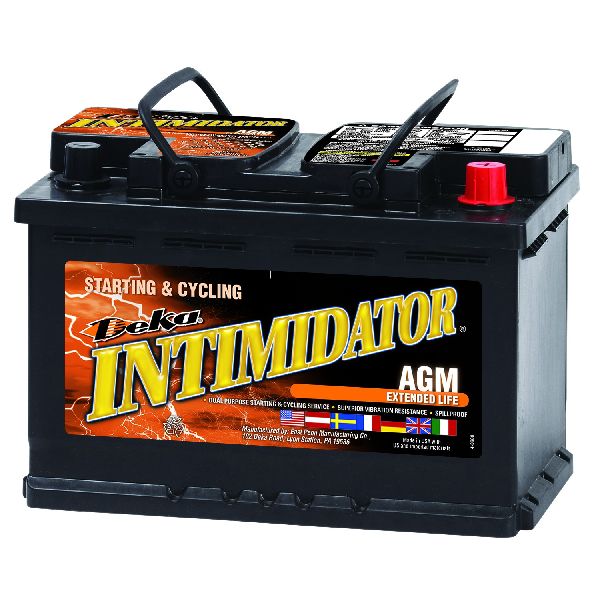
- Failing or Weak Battery 🔴 High Probability → Shop Vehicle Battery Batteries have a finite lifespan of 3-5 years. A 2014 model is well past this, and its original battery has likely been replaced. The required AGM batteries are sensitive to deep discharge cycles which can shorten their life. Even a battery showing 12.6V at rest can have a bad cell that causes voltage to plummet under load.
How to confirm: Check the battery voltage with the engine off using a multimeter; a healthy AGM battery should read around 12.6-12.8 volts. For a definitive diagnosis, perform a load test, which can be done at most auto parts stores.
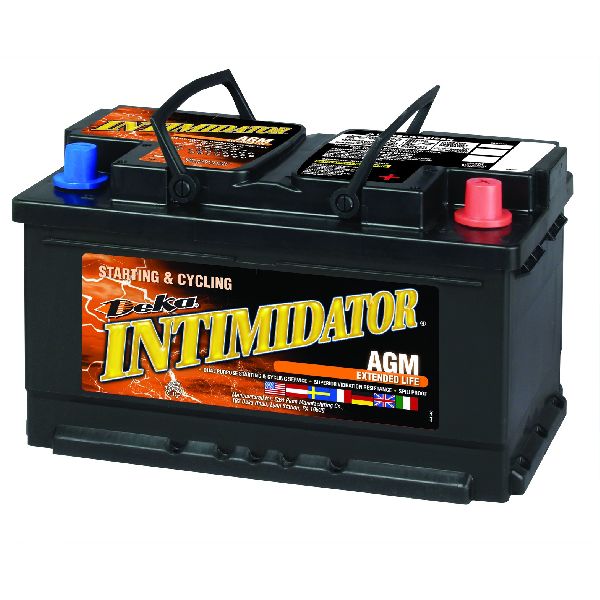
Typical fix: Replace the battery if it fails the load test. The 2014 Cherokee typically uses a Group Size H7 or H6 AGM battery.
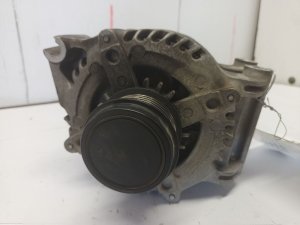
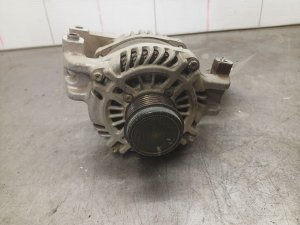
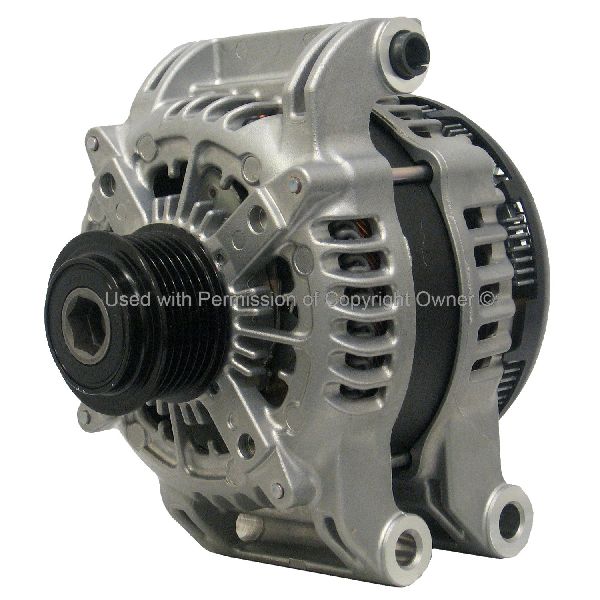
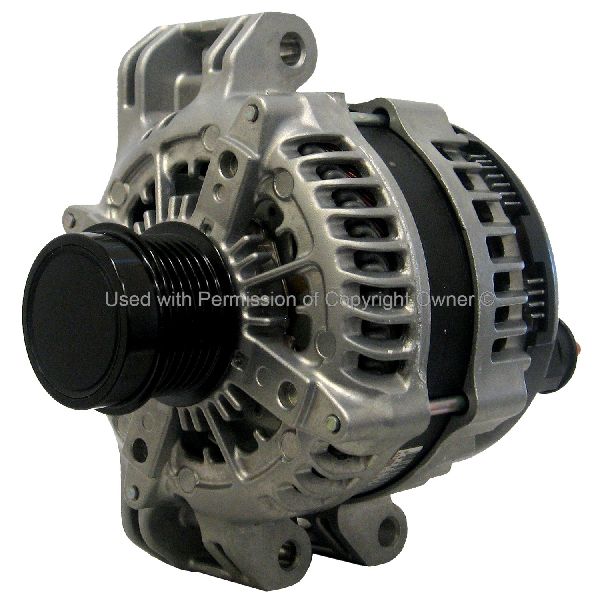
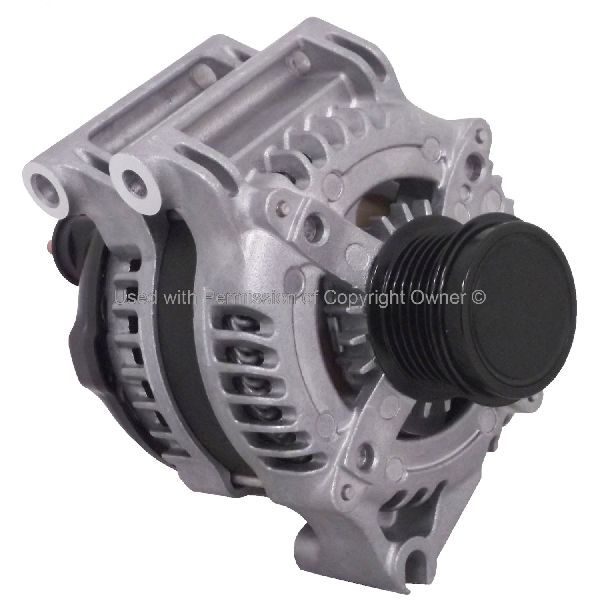
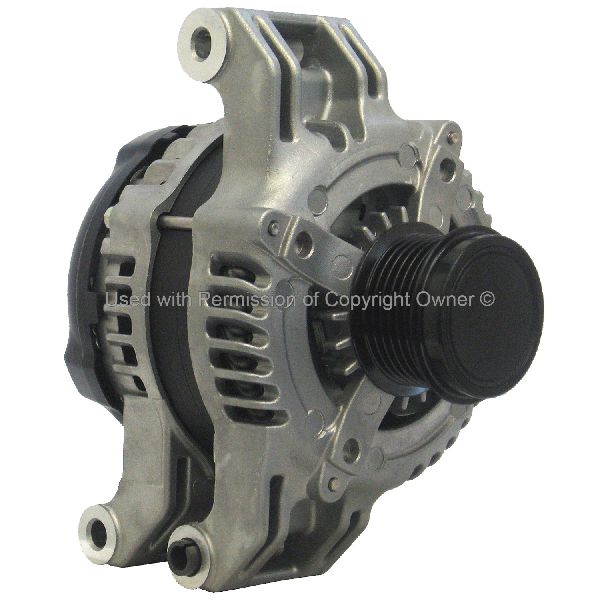
Est. part cost: $220-$370 - Failing Alternator 🔴 High Probability → Shop Alternator The alternator recharges the battery and powers the vehicle's electronics. Its internal voltage regulator can fail, causing low (P0562) or high (P0563) voltage. Given the vehicle's age, alternator failure is a strong possibility.
How to confirm: With the engine running, check the voltage at the battery terminals. A healthy alternator should produce between 13.5 and 14.7 volts. If the voltage is low or doesn't increase when the engine is running, the alternator is likely faulty.
Typical fix: Replace the alternator. OEM Mopar part numbers for the 3.2L V6 include 68271763AB (replaces 68271763AA) and 56029740AA.
Est. part cost: $646-$900 - Corroded or Loose Battery Terminals/Cables 🟡 Medium Probability → Shop Vehicle Battery Corrosion (white or greenish powder) on the battery terminals creates high resistance, preventing the battery from charging or delivering power properly. Connections, including the main chassis ground, can also loosen over time due to vibration.
How to confirm: Visually inspect the battery terminals, the Intelligent Battery Sensor (IBS) on the negative post, and main ground connections to the chassis and engine block. Check for tightness and signs of corrosion.
Typical fix: Disconnect the battery (negative first), clean the terminals and cable ends with a wire brush and baking soda solution, and reconnect securely. Ensure the IBS connection is also clean and tight.
Est. part cost: $5-$30 - Worn or Slipping Serpentine Belt ⚪ Low Probability → Shop Serpentine Belt The serpentine belt drives the alternator. If it's glazed, cracked, or loose, it can slip on the alternator pulley, preventing it from spinning fast enough to generate adequate voltage.
How to confirm: Visually inspect the serpentine belt for signs of cracking, fraying, or a shiny/glazed appearance. Check for proper tension.
Typical fix: Replace the serpentine belt and, if necessary, the belt tensioner.
Est. part cost: $30-$80
Rare But Worth Checking
- Faulty Intelligent Battery Sensor (IBS): → Shop Vehicle Battery The IBS is mounted on the negative battery terminal and monitors battery health. If it fails, it can send incorrect data to the PCM, affecting charging behavior. A STAR case document (S1408000384) notes that the IBS can often self-recover after a power cycle and does not always need replacement when a battery is changed. It may set codes like U113E or B2193. A fuse, often F70 (5A) in the underhood fuse box, protects the IBS circuit.
- Parasitic Battery Drain: → Shop Vehicle Battery An electrical component that doesn't shut off when the car is off can drain the battery overnight, causing a P0562 on startup. This requires a parasitic draw test with a multimeter to isolate the faulty circuit by pulling fuses one by one.
- Faulty Powertrain Control Module (PCM): This is very rare. The PCM's internal voltage regulator could fail, but all other more common causes should be ruled out first before considering PCM replacement.
- Damaged Wiring or Blown Fuse: A break or short in the wiring between the alternator and the battery or PCM can prevent proper charging. A main alternator fuse could also be blown.
Diagnosis Steps
- Visually inspect the battery terminals, the Intelligent Battery Sensor (IBS) connection, main power cables, and ground straps for looseness, damage, or corrosion. Clean and tighten as necessary.
- With the engine off, use a multimeter to measure the battery's static voltage. It should be approximately 12.6V-12.8V for a healthy AGM battery. If it's below 12.4V, the battery is discharged and needs charging.
- Have the battery load-tested. A battery can show good voltage but fail under load. Most auto parts stores offer this service for free.
- If the battery is good, start the engine. Measure the voltage at the battery terminals again. The reading should rise to between 13.5V and 14.7V.
- If the voltage does not rise or stays below 13.5V, the alternator is likely faulty.
- If the voltage is in the correct range, turn on all major electrical accessories (headlights, A/C blower on high, rear defroster). The voltage should remain stable and above 13.0V. If it drops significantly, the alternator is weak and cannot handle the load.
- Inspect the serpentine belt that drives the alternator for wear, damage, or improper tension.
- If the battery and alternator test good, perform a parasitic draw test to check for components draining the battery while the vehicle is off. A normal draw should be below 50-85 milliamps after all modules have gone to sleep.
Parts You'll Likely Need
- Battery (AGM)
(OEM #BBH7A001AA (Group H7/94R, may supersede other numbers))— This is the most common failure point for a low voltage code, as batteries have a limited service life. The 2014 Cherokee requires an AGM battery, typically Group Size H7 or H6.
Trusted brands: DieHard, Duralast, Odyssey, Mopar
OEM price range: $250-$400
Aftermarket price range: $220-$370 - Alternator
(OEM #68271763AB (3.2L), 56029740AA (3.2L))— The alternator is responsible for charging the battery and powering the vehicle. Its failure is the second most common cause of P0562.
Trusted brands: Mopar, Bosch, Denso, Duralast
OEM price range: $650-$900
Aftermarket price range: $300-$550 - Intelligent Battery Sensor (IBS)
(OEM #04692269AI (supersedes 04692269AH))— This sensor on the negative terminal monitors the battery. While not a primary failure point for P0562 alone, it can fail and cause charging system issues.
Trusted brands: Mopar
OEM price range: $80-$150
Related Codes That Often Appear With This One
- P0563 — P0563 is 'System Voltage High'. These codes can sometimes appear together if the voltage regulator in the alternator is failing and causing erratic voltage spikes and drops.
- U-series codes (e.g., U0100, U0140, U113E) — Low system voltage can disrupt communication between various electronic modules on the vehicle, leading to a variety of communication (U-prefix) codes. [pass 1] Code U113E specifically points to a communication issue with the Intelligent Battery Sensor (IBS).
Technical Service Bulletins (TSBs) & Recalls
- 08-013-15: Notes that if P0562 is present, normal charging system diagnostics are required.
- 08-111-14: Repeats the guidance that P0562 requires standard charging system diagnostics.
- S1408000384: Not a TSB but a STAR Center Case providing detailed diagnostic information for the Intelligent Battery Sensor (IBS), advising against unnecessary replacement and outlining reset/relearn procedures.
Platform-Specific Known Issues
- NHTSA TSB #08-013-15 and #08-111-14 both state that if P0562 is set, normal charging system diagnostics must be performed. This indicates the code points to a fundamental electrical issue rather than a unique software glitch on this model.
Mechanic-Grade Diagnostic Values
- PCM code set threshold — expected: Voltage should remain above 10.0V. Failure: Voltage drops below 10.0 volts for 15-60 seconds, setting P0562.
- Alternator output voltage at battery terminals (engine running) — expected: 13.5V - 14.7V. Failure: Voltage is below 13.5V or does not increase from static battery voltage.
- Battery cable voltage drop (during engine crank) — expected: Less than 1.0 VDC drop. Failure: A voltage drop of over 1.0 VDC indicates excessive resistance in the cable.
- Resistance of (T16) Transmission Control Output circuit — expected: Below 5.0 ohms. Failure: Resistance is above 5.0 ohms, indicating an open or high-resistance circuit.
Scan Tool Commands That Help
- wiTECH or equivalent professional scan tool: Actuate Transmission Control Output Circuit — When diagnosing P0562 accompanied by transmission-related symptoms. This test, used with a test light, verifies if the TIPM is correctly sending power to the transmission solenoids via the T16 circuit.
Wiring & Ground Locations
- Main Engine/Transmission Ground — A cable runs from the negative battery terminal, to the frame rail under the front left (driver's side) wheel well, and then connects to a bolt on the transmission case.. This is a critical ground path for the entire powertrain. Corrosion or looseness at the frame or transmission connection point can cause widespread electrical issues, including low system voltage, even if the battery terminals themselves are clean.
- (T16) Transmission Control Output Circuit — Wiring harness between the TIPM (fuse box) C2 connector, the Powertrain Control Module (PCM), and the main Transmission Solenoid/TRS Assembly harness connector.. A high-resistance fault or open in this specific circuit can cause the PCM to sense low voltage and set a P0562, particularly if transmission symptoms are also present.
Real Owner Repair Stories
- YouTube user 'My Solution' (2014 Jeep Cherokee 3.2L 4WD) — Vehicle would not start.
❌ Tried (didn't work) Not specified, but the issue was presented as a final solution to a no-start problem.
✅ What actually fixed it The problem was a bad engine ground. The fix was addressing the ground cable that runs from the negative battery terminal to the frame rail under the front driver's side wheel well and then to a bolt on the transmission. - YouTube user 'habbesis' (Not specified, but a generic vehicle with similar symptoms.) — Stalling, hard starting, flickering dash lights, P0562 code.
❌ Tried (didn't work) Tightening the existing battery terminal clamp, which would loosen again over time.
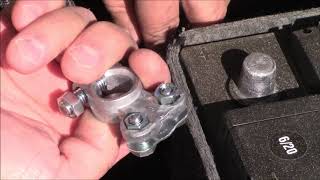
✅ What actually fixed it The positive battery cable terminal end was worn and would not stay tight. The fix was to cut off the old terminal, clean the copper wire, and install a new bolt-on replacement terminal end.
"I Checked Everything" — The Actual Cause
- In the context of P0562, the equivalent of a 'smoke test clean' scenario is when both the battery and alternator pass standard tests. In these cases, the root cause is often more subtle. Technicians and owners report that after verifying the battery and alternator are good, the actual cause was found to be a high-resistance connection at a main ground point (like the engine-to-chassis strap) or a corroded positive battery cable that wasn't visually obvious. Another possibility is an intermittent internal fault in the alternator's voltage regulator that only occurs when hot, which a standard bench test might miss.
OEM Part Supersession History
04692269AD→04692269AI— Standard part revision and improvement over time.
Heads up: The latest part number, 04692269AI, replaces previous versions including 4692269AE, AF, AG, and AH. No known incompatibilities when using the latest revision.
Model Year Variations Within This Range
- 2014: The 3.2L V6 engine could be equipped with either a 160 amp or a 180 amp alternator. It is important to verify the amperage of the original unit before ordering a replacement to ensure compatibility with the vehicle's electrical load requirements.
Helpful Videos
Used OEM Parts in Stock
New Aftermarket Parts Available

The information in this article is provided for general reference and educational purposes only. Vehicle specifications, procedures, and part compatibility can vary by production date, trim level, and region. Always consult your vehicle's factory service manual and verify part numbers before purchasing or performing repairs. Safety-critical components such as airbags, seat belts, and braking systems should be installed by a qualified professional.
- Jeep CHEROKEE:
- 🧭 Diagnostic Flowchart
- 🎬 Helpful Videos
- 🛍️ Shop This Part
- What's Unique About the 2014-2014 Jeep CHEROKEE
- Symptoms You May Notice
- Most Likely Causes
- Rare But Worth Checking
- Diagnosis Steps
- Parts You'll Likely Need
- Related Codes That Often Appear With This One
- Technical Service Bulletins (TSBs) & Recalls
- Platform-Specific Known Issues
- Mechanic-Grade Diagnostic Values
- Scan Tool Commands That Help
- Wiring & Ground Locations
- Real Owner Repair Stories
- "I Checked Everything" — The Actual Cause
- OEM Part Supersession History
- Model Year Variations Within This Range
- 🎟️ Get 5% Off