

P0562 on 2014-2018 Kia Forte: System Voltage Low Causes and Fixes
On a 2014-2018 Kia Forte, code P0562 almost always points to a failing alternator or a weak battery. Start by testing the battery and charging system voltage; a replacement alternator is the most common fix. Do not drive the vehicle, as critical systems like power steering can fail.
- P0562 means the car's electrical system voltage is too low, typically below 10V.
- Do not drive the vehicle, as it can stall or lose power steering unexpectedly.
- The most likely culprits are a bad alternator or a weak battery.
- Start your diagnosis by testing the battery voltage (engine off) and the alternator charging voltage (engine on) with a multimeter.
- Always check for clean and tight battery connections and main ground straps before replacing any parts.
What's Unique About the 2014-2018 Kia Forte
The 2014-2018 Kia Forte (second generation, YD) does not have a widely documented, unique design flaw that makes it exceptionally prone to P0562 compared to other modern vehicles. The causes are typical for any car with a 12-volt electrical system, revolving around the battery and alternator. However, some owners have reported premature or repeated alternator failures, suggesting that using high-quality OEM or equivalent aftermarket parts is crucial for a lasting repair. Additionally, there is a TSB (TSBENG157R1) for some 2014-2016 models regarding alternator pulley replacement to address engine vibration, which could be related to accessory drive health.
Symptoms You May Notice
- Check Engine Light is on
- Battery or charging system warning light is on
- Dimming or flickering headlights and interior lights
- Difficulty starting the engine or a no-start condition
- Engine stalling, especially at idle or when shifting into gear after a jump start
- Erratic operation of electrical components like the radio or power windows
- Loss of power steering (the Forte has electric power steering)
- Multiple other warning lights appearing simultaneously (ABS, ESC, Parking Brake)
- Replacing the battery when the alternator is the actual cause. If the alternator is bad, a new battery will also be drained quickly, and the problem will return. Always test both components.
- Replacing the alternator when a loose or corroded battery terminal or ground strap was the real issue. Always check the simplest connections first.
Most Likely Causes
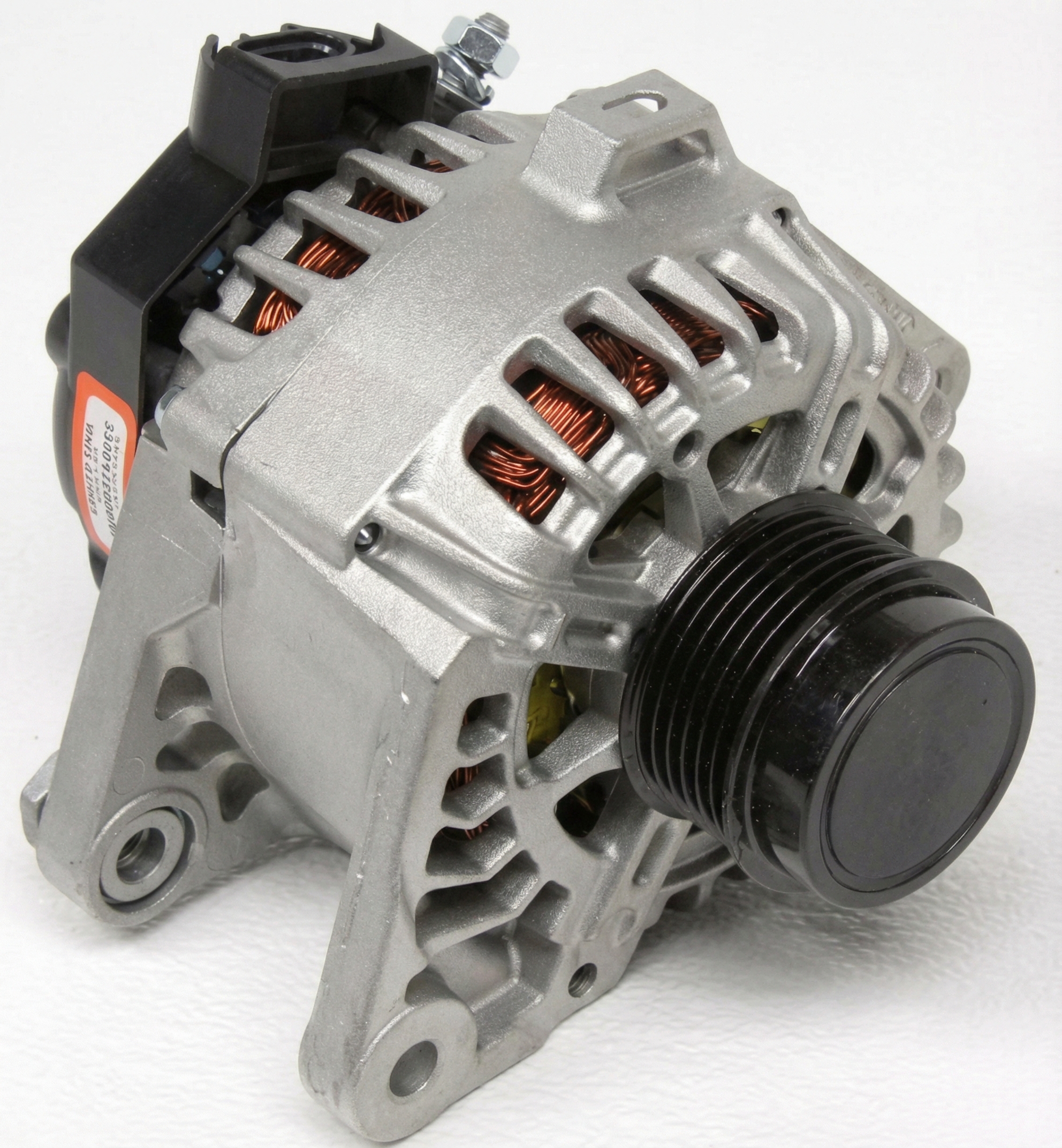
- Failing Alternator 🔴 High Probability → Shop Alternator Alternators have a finite lifespan and are a common failure point on most vehicles after several years of service. Some owner reports suggest repeated failures when using lower-quality aftermarket parts. The alternator is responsible for maintaining system voltage between approximately 13.5 and 14.7 volts while the engine is running.
How to confirm: With the engine running, use a multimeter to measure the voltage across the battery terminals. A healthy alternator should produce between 13.2 and 14.8 volts. A reading below 13 volts indicates the alternator is not charging properly. Perform a load test by turning on all major accessories (headlights, A/C, rear defrost); the voltage should not drop below 13.0V.
Typical fix: Replace the alternator. Using an OEM (Valeo) or high-quality aftermarket brand is recommended.
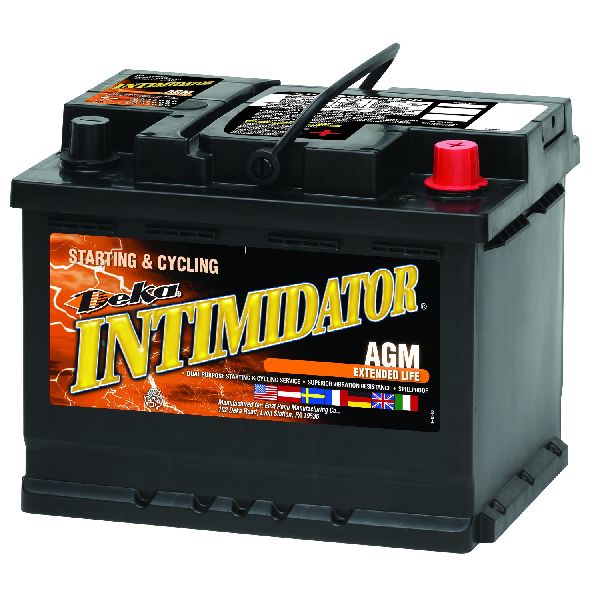
Est. part cost: $150-$400 - Weak or Old Battery 🟡 Medium Probability → Shop Vehicle Battery Car batteries typically last 3-5 years. A battery that can no longer hold a proper charge or has an intermittent internal short will cause the system voltage to drop, especially under load or during startup.
How to confirm: With the engine off, measure the battery voltage with a multimeter. A fully charged battery should read at least 12.4-12.6 volts. If the voltage is low, try charging it. If it won't hold a charge or fails a load test (done at most auto parts stores), it needs replacement. An intermittent internal short can be hard to diagnose but may be suspected if jump-starting temporarily resolves the issue.
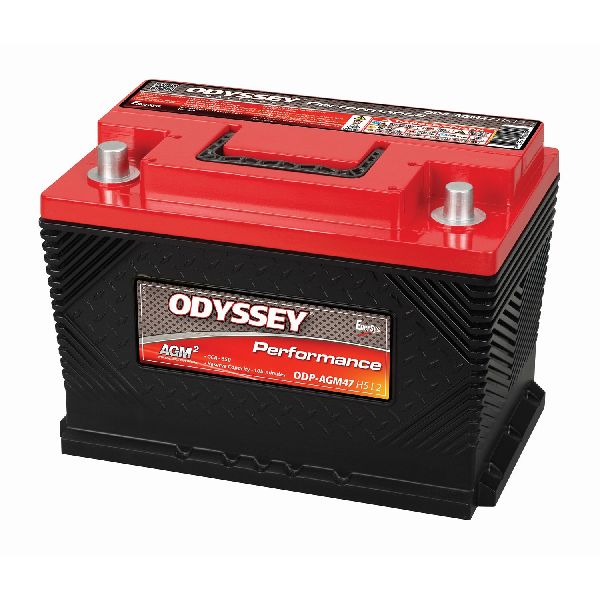
Typical fix: Replace the battery. The common battery group size for this Forte is H6 or Group 48.
Est. part cost: $150-$250 - Loose or Corroded Battery Terminals/Cables 🟡 Medium Probability → Shop Vehicle Battery
How to confirm: Visually inspect the battery terminals for white or greenish corrosion. Wiggle the battery cables to ensure they are tight and have no play. A poor connection here can prevent the alternator from charging the battery and stop the battery from supplying adequate power. One owner reported a shop stripped the positive terminal after a repair, leading to a loose connection and repeat symptoms.
Typical fix: Clean the battery terminals and cable ends with a wire brush and battery terminal cleaner. If corrosion is severe or the terminal is damaged, the cable end may need to be replaced. Ensure they are securely tightened.
Est. part cost: $5-$50 - Damaged Wiring or Poor Ground Connection ⚪ Low Probability
How to confirm: Inspect the main ground straps, which typically run from the battery's negative terminal to the chassis and from the engine block to the chassis. A loose or corroded ground can cause high resistance in the charging circuit. Perform a voltage drop test on the main power cable from the alternator to the battery and on the main ground straps. A reading of more than 0.2-0.5 volts indicates excessive resistance in the cable or connection.
Typical fix: Clean, tighten, or replace the faulty cable or ground strap. A common ground point is on the driver's side strut tower.
Est. part cost: $20-$100
Rare But Worth Checking
- Faulty Powertrain Control Module (PCM): This is extremely rare. The PCM should only be considered after all other possibilities (alternator, battery, wiring, grounds) have been thoroughly tested and ruled out.
- Parasitic Battery Drain: → Shop Vehicle Battery An electrical component that stays on after the car is turned off can drain the battery overnight, causing a P0562 on startup. This is less likely to be the cause if the voltage drop happens while driving.
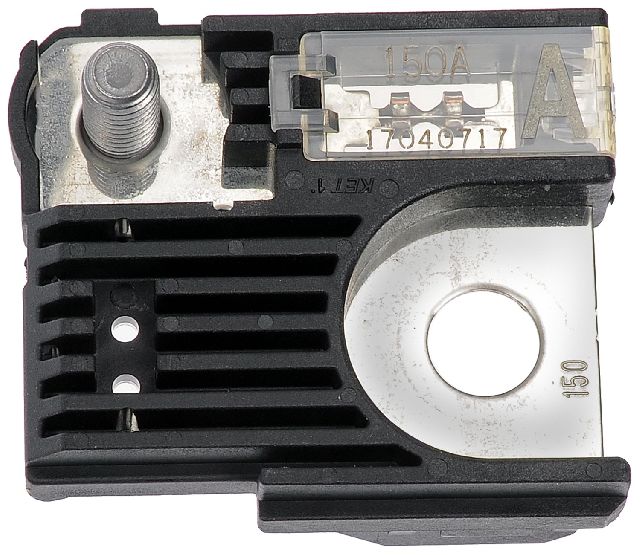
- Blown Main Fusible Link: The main fuse (often 120A-150A) in the under-hood fuse box protects the alternator circuit. If this fuse blows, the alternator will be completely disconnected from the battery, causing an immediate no-charge condition. A Kia owner with a similar issue was advised to check this fuse.
Diagnosis Steps
- Read the code with an OBD-II scanner to confirm P0562 is present. Note any other codes.
- Visually inspect the battery terminals for corrosion and ensure the cable clamps are tight. Check the serpentine belt for proper tension and condition.
- With the engine off, use a multimeter to check the battery's static voltage. It should be 12.4V-12.6V. If it's low, the battery is discharged or faulty.
- Have the battery load tested at an auto parts store to confirm its health, even if the voltage seems okay.
- Start the engine. Measure the voltage at the battery terminals again. The reading should be between 13.2V and 14.8V.
- If the voltage is below 13.2V, the alternator is likely faulty.
- If the charging voltage is good, perform a load test. Turn on the headlights, A/C, and rear defroster. The voltage should remain stable and above 13.0V. If it drops significantly, the alternator is failing under load.
- If the charging system tests good, inspect the main power and ground cables for damage, corrosion, or looseness. Key ground points are from the battery to the chassis and engine to the chassis. Perform voltage drop tests to find high resistance.
Parts You'll Likely Need
- Alternator
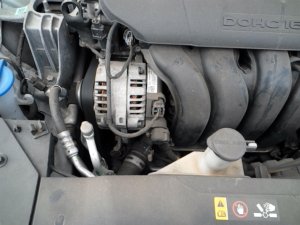
(OEM #37300-2E200 (For 1.8L & 2.0L engines, Valeo 90 Amp))— This is the most common cause of P0562, as it is responsible for generating the vehicle's electrical power while the engine is running.
Trusted brands: Kia (OEM), Valeo (OEM supplier), Denso, Bosch
OEM price range: $350-$500
Aftermarket price range: $150-$400 - Battery
(OEM #Common size: H6 / Group 48)— An old or failing battery cannot hold a sufficient charge, leading to low system voltage, especially during startup. Recommended replacement interval is every 4 years.
Trusted brands: DieHard, Duralast, Interstate, ACDelco
OEM price range: $200-$300
Aftermarket price range: $150-$250
Technical Service Bulletins (TSBs) & Recalls
- TSB #TSBENG157R1: Addresses engine vibration at idle on some 2014-2016 models by replacing the alternator pulley.
Platform-Specific Known Issues
- Alternator Pulley Vibration: → Shop Alternator Kia issued TSB #TSBENG157R1 for some 2014-2016 Forte models with 1.8L and 2.0L engines to address engine vibration at idle by replacing the alternator pulley. While not directly causing P0562, a faulty pulley can affect alternator performance and belt health.
Mechanic-Grade Diagnostic Values
- Voltage Drop: Alternator B+ post to Positive Battery Terminal — expected: Less than 0.5V with engine running and high electrical load (headlights, fans, defroster on). Failure: A reading greater than 0.5V indicates high resistance in the main power cable or its connections.
- Voltage Drop: Alternator Case to Negative Battery Terminal — expected: Less than 0.2V with engine running and high electrical load. Failure: A reading greater than 0.2V indicates a poor ground connection between the engine block, chassis, and battery.
- Alternator FR (Field Duty) Signal — expected: Duty cycle should change constantly with engine RPM and electrical load when viewed on an oscilloscope or advanced scan tool.. Failure: A static or non-responsive FR signal can indicate a problem with the alternator's internal voltage regulator or the PCM's control over it.
Wiring & Ground Locations
- Alternator B+ Terminal — The main, large-gauge wire terminal on the back of the alternator, secured with a nut.. This is the primary output of the alternator. A loose or corroded connection here will prevent charging voltage from reaching the battery, directly causing P0562.
- Main Engine Ground — A braided strap or heavy cable connecting the engine block to the vehicle's chassis, often near a motor mount or on the side of the block.. The alternator is grounded through its mounting bracket to the engine block. A poor engine-to-chassis ground forces charging current to find alternate, high-resistance paths, causing a voltage drop.
- Chassis Ground GC402 — A ground point located in the engine compartment, likely on the left (driver's side) inner fender or strut tower area.. This is a key grounding point for various engine control components. While not the main charging ground, high resistance here can cause erratic sensor readings and contribute to overall electrical system issues.
- Alternator Connector (L and FR signals) — The plastic multi-pin connector on the back of the alternator, separate from the main B+ terminal.. This connector carries the 'L' signal for the battery warning lamp and the 'FR' signal that communicates alternator load to the ECM. A bad connection here can cause a no-charge condition or incorrect voltage regulation.
Real Owner Repair Stories
- Reddit user in r/KiaForte (2017 Kia Forte, 117k miles) — Car lost power while driving, had to be towed. Alternator was smoking.
❌ Tried (didn't work) Replacing the alternator with a (likely cheap, remanufactured) aftermarket part. The issue reoccurred twice, with each new alternator failing and smoking.
✅ What actually fixed it The user's narrative points strongly to poor quality of the remanufactured alternators being the root cause. The mechanic's explanation of "too much electricity" being sent to the alternator was incorrect; a faulty internal voltage regulator in the cheap alternators was likely causing them to overwork and burn out. The implied fix is to use a high-quality OEM or top-tier aftermarket alternator. - Reddit user in r/RX8 (similar P0562 behavior) (Mazda RX8 (demonstrates a universal electrical principle)) — Code P0562. Car idles smooth but wobbles and nearly stalls when any electrical accessory is used (power locks, windows, fans, turning the steering wheel).
❌ Tried (didn't work) Replacing the alternator with a new one from a parts store. This only slightly improved the symptom from stalling to nearly stalling.
✅ What actually fixed it The user was still diagnosing, but the symptoms strongly point to a significant voltage drop somewhere in the system that the new alternator could not overcome. The next steps advised were to perform voltage drop tests on the main power and ground cables to find the source of high resistance, which was not the alternator itself.
Model Year Variations Within This Range
- 2017-2018: The 2017 model year refresh introduced a new 2.0L Atkinson cycle engine (Nu) as the standard option, replacing the previous 1.8L MPI and 2.0L GDI engines in some trims. While the alternator function is the same, part numbers and fitment may differ. The OEM alternator for the 1.8L/2.0L GDI is often a 90-amp Valeo unit, while later or different trims may use 110-amp or 120-amp units. Always verify the part number by VIN.
Diagnostic Flowchart
Other Known Issues on This Vehicle
Issues unrelated to this code that are worth knowing about as an owner of this generation:
- Engine Failure / Seizure (Nu 2.0L MPI) 🔴 High — Affects 2017-2018 models with the 2.0L Nu MPI engine. Can occur at various mileages. (Ref: NHTSA Recall 21V622000 (SC210). Foreign particles can block the oil pump, leading to oil starvation and engine damage.)
- Risk of Engine Compartment Fire 🔴 High — Affects 2012-2015 models. Can occur while driving or parked. (Ref: NHTSA Recall 20V750000 (SC200). Related to potential bearing wear and oil/fuel leaks.)
- Worn Steering Coupler 🟠 Medium — Common across many Hyundai/Kia models of this era, including the Forte. Owners report a clicking or knocking sound from the steering column when turning. Onset can be as early as 50,000 miles. (Ref: TSB #TSB_CHA111 may be related, addressing C-MDPS bearing replacement. The flexible coupler part number is often cited as 56315-2K000-FFF.)
- Overheating Cooling Fan Resistor 🟠 Medium — Affects 2014 models specifically. (Ref: NHTSA Recall 15V015000 (SC113). The cooling fan resistor can overheat and delete, increasing the risk of a fire.)
- Excessive Oil Consumption 🟠 Medium — Reported across multiple engine types (Nu, Gamma). (Ref: TSB #TSB_ENG222 provides a procedure for dealers to diagnose excessive oil consumption.)
Used vs. New Parts: Buying Guide for This Vehicle
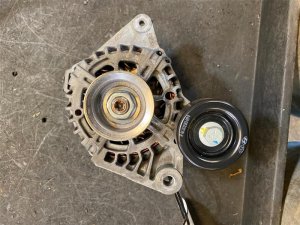
When a used part is the smart pick: A used OEM (Valeo) alternator from a low-mileage (under 60,000 miles) wrecked vehicle can be a cost-effective and reliable alternative to a new aftermarket part. The OEM units generally have better longevity than store-brand remanufactured units.
Donor-vehicle mileage cap: roughly under 60000 miles for the part to have meaningful remaining life.
What to inspect on the donor part:
- Check for a clean, dry appearance with no signs of oil leaks from the engine above it.
- Spin the pulley by hand. It should spin smoothly with minimal noise. For decoupler pulleys (OAD), it should lock in one direction and spin freely in the other.
- Inspect the plastic rear cover for cracks or heat damage.
- Ensure the electrical connector and B+ terminal stud are not damaged or corroded.
OEM-only on this vehicle (don't cheap out):
- While not strictly 'OEM-only', the alternator is a critical component where OEM (Valeo) or top-tier new/remanufactured units (Denso, Bosch) are highly recommended over generic store brands to avoid repeat failures.
Aftermarket brands forum-validated for this vehicle:
- Valeo (OEM supplier)
- Denso (often an OEM for other Asian vehicles, high quality)
- Bosch
Brands owners have reported issues with on this vehicle:
- Unbranded or 'white-box' remanufactured alternators from chain auto parts stores have a higher reported failure rate, as seen in forum discussions where multiple replacements were needed.
Real Owner Stories
Aggregated from forums and TSBs cited above. Mileages and costs reflect what owners reported in those sources.
2015 Kia Forte
Symptoms: Intermittent P0562 events, loss of power steering, and a no-start condition. A shop also stripped the positive battery terminal during a previous repair.
What fixed it: Replacing the alternator (after previously attempting to fix it with an ignition coil and alternator pulley).
Source hint: Mechanics Stack Exchange
2017 Kia Forte
Symptoms: Repeated alternator failures and persistent charging issues.
What fixed it: Checking the entire charging circuit and avoiding lower-quality aftermarket alternators.
Source hint: Reddit r/KiaForte
2010 Kia Forte
Symptoms: No-charge situation even after replacing both the battery and the alternator.
What fixed it: Checking/replacing the 125A main fuse in the underhood fuse box.
Source hint: Reddit r/kia
Documented NHTSA Reports
NHTSA ODI #11702693
Symptoms: An owner reported that after stopping at an auto parts store for diagnosis, the vehicle retrieved multiple DTCs including P0562, P2191, and several chassis/ABS codes (C1101, C1102, C1201, C1204, C1207, C1208, C1210, C1211, C1237, C1260, C1513, C1613, and C1688).
Related OBD-II Codes
Frequently Asked Questions
My 2015 Kia Forte has a vibration at idle along with electrical issues; is there a specific fix for this?
What is the recommended battery size for a 2014-2018 Kia Forte if I need to replace it due to P0562?
Can a loose battery terminal cause the P0562 code on my Forte?
Is there a main fuse I should check if my new battery and alternator aren't charging?
Does the 2014-2018 Kia Forte have any ground points known for causing electrical resistance?
Why did my power steering fail when the P0562 code appeared?
Helpful Videos
Used OEM Parts in Stock
New Aftermarket Parts Available



The information in this article is provided for general reference and educational purposes only. Vehicle specifications, procedures, and part compatibility can vary by production date, trim level, and region. Always consult your vehicle's factory service manual and verify part numbers before purchasing or performing repairs. Safety-critical components such as airbags, seat belts, and braking systems should be installed by a qualified professional.
- Kia Forte:
- 🧭 Diagnostic Flowchart
- 🎬 Helpful Videos
- 🛍️ Shop This Part
- What's Unique About the 2014-2018 Kia Forte
- Symptoms You May Notice
- Most Likely Causes
- Rare But Worth Checking
- Diagnosis Steps
- Parts You'll Likely Need
- Technical Service Bulletins (TSBs) & Recalls
- Platform-Specific Known Issues
- Mechanic-Grade Diagnostic Values
- Wiring & Ground Locations
- Real Owner Repair Stories
- Model Year Variations Within This Range
- Other Known Issues on This Vehicle
- Used vs. New Parts: Buying Guide for This Vehicle
- Real Owner Stories
- 2015 Kia Forte
- 2017 Kia Forte
- 2010 Kia Forte
- Documented NHTSA Reports
- NHTSA ODI #11702693
- Related OBD-II Codes
- Frequently Asked Questions
- 🎟️ Get 5% Off