

P0562 on 2011-2015 Kia Optima: System Voltage Low Causes and Fixes
On a 2011-2015 Kia Optima, code P0562 almost always points to a failing alternator or a weak battery. These models are known for having alternators that can fail prematurely. Start by testing the battery and charging system; a replacement alternator is the most common fix. Before replacing the alternator, also check the main 150A/180A 'mega fuse' on the positive battery terminal, as this is a known failure point that can mimic a dead alternator.
- P0562 on a 2011-2015 Optima means your car's electrical system voltage is dangerously low.
- Do not drive the vehicle, as it can stall at any time and cause a loss of power steering.
- The most likely culprit is a failed alternator, a known weak point on these cars, followed by an old battery.
- Always test both the battery and alternator before replacing parts to avoid misdiagnosis.
- Check simple things first: battery terminal connections for tightness and corrosion, and the main alternator fuse on the positive battery clamp.
What's Unique About the 2011-2015 Kia Optima
The third-generation Kia Optima (2011-2015) with the 2.4L GDI engine is noted in repair databases and owner forums for having alternators that can fail and cause insufficient charging. While the root causes of P0562 are universal (bad battery, bad alternator, bad wiring), Optima owners should be particularly suspicious of the alternator's health, even if the battery is relatively new. The issue isn't necessarily a design flaw but a noted pattern of component failure over time. Additionally, the main alternator fuse, a large multi-fuse assembly on the positive battery terminal, can blow, completely cutting off charging and setting this code.
Symptoms You May Notice
- Check Engine Light is on
- Battery or charging system warning light is on
- Dimming or flickering headlights and interior lights
- Difficulty starting the engine or a no-start condition
- Engine stalling, especially at idle
- Erratic behavior from electrical accessories like the radio or power windows
- Power steering feels heavy or a steering warning light appears, especially at idle as voltage drops.
- Multiple seemingly unrelated warning lights appearing on the dashboard simultaneously.
- Car starts with a jump but dies shortly after, especially when put into gear.
- Replacing the battery without testing the alternator. A new battery will quickly be drained and ruined by a faulty alternator, leading to the code returning.
- Replacing the alternator without checking the main alternator fuse on the battery terminal. A blown fuse will result in a no-charge condition even with a brand new alternator.
Most Likely Causes
- Failing Alternator 🔴 High Probability → Shop Alternator Owner complaints and repair statistics for the 2011-2015 Optima frequently cite premature alternator failure as a root cause for electrical issues. The internal voltage regulator is often the component that fails.
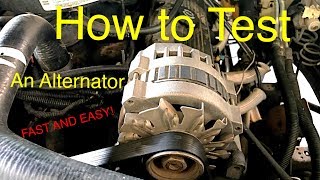
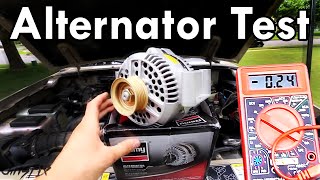
How to confirm: With the engine running, use a multimeter to measure the voltage at the battery terminals. A healthy alternator should produce between 13.5 and 14.7 volts. 🎬 Watch this quick video on how to test your alternator. If the voltage is below 13.2V or doesn't increase when the engine is running, the alternator is likely faulty. Many auto parts stores offer free alternator testing, both on and off the vehicle.
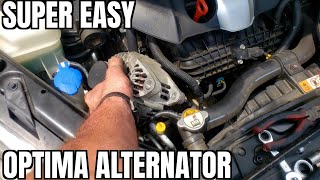
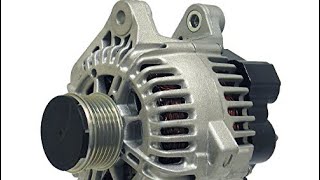
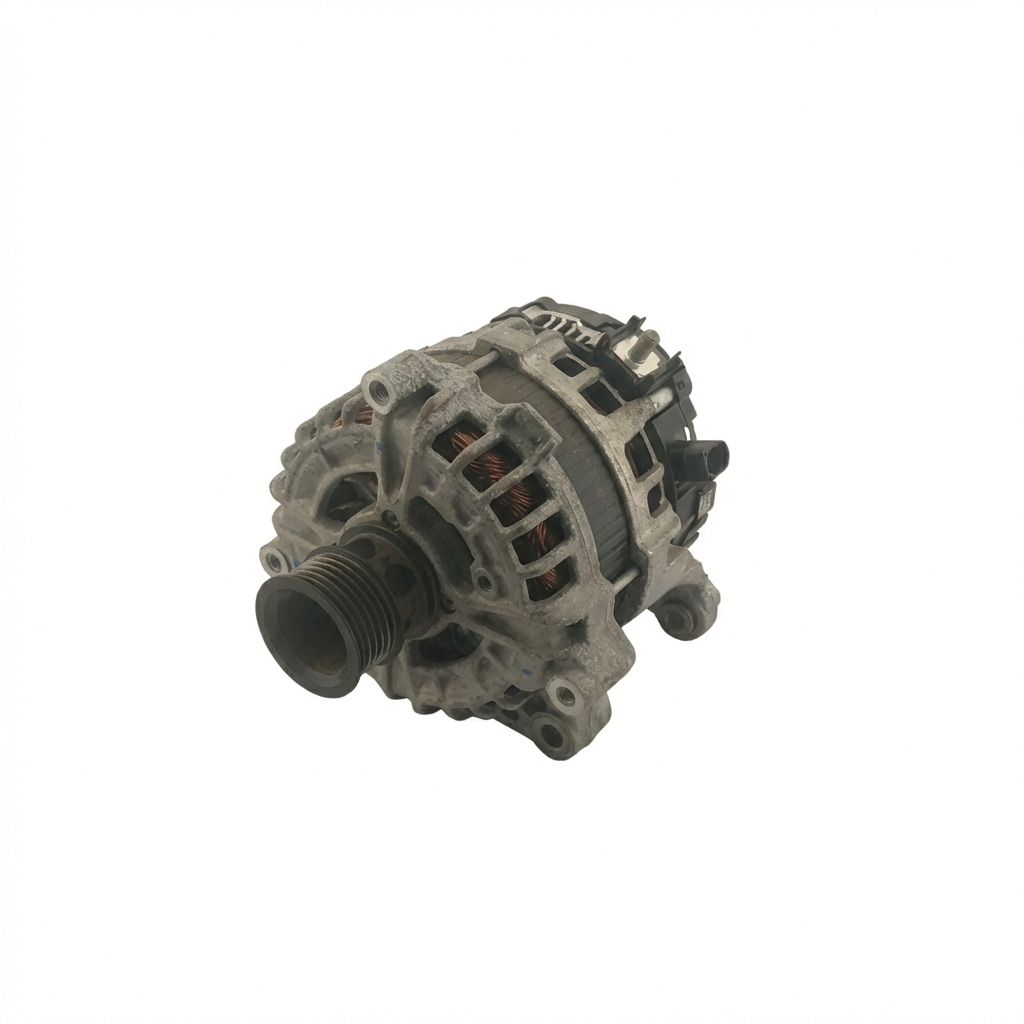
Typical fix: Replace the alternator assembly. While the internal voltage regulator can sometimes be replaced separately, it requires disassembling the alternator and is less common than a full unit replacement.
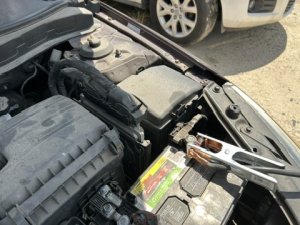
Est. part cost: $200-$450 - Blown Alternator 'Mega' Fuse 🟡 Medium Probability → Shop Alternator This fuse is integrated into the positive battery terminal clamp assembly and can fail from a past short-circuit (e.g., incorrect jump start) or simple fatigue, causing a complete loss of charging that is often misdiagnosed as a failed alternator.
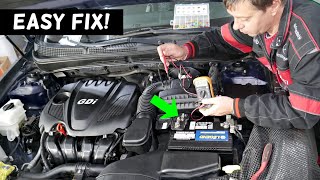
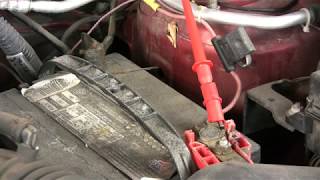
How to confirm: Locate the main fuse block on the positive battery terminal. The alternator fuse is a large, high-amperage fuse (150A or 180A) bolted into this assembly. Visually inspect it for a broken link. For a definitive test, use a multimeter set to continuity. Disconnect the negative battery terminal first, then test for continuity across the two bolts of the fuse. No continuity means it's blown.
Typical fix: Replace the main alternator fuse assembly on the battery terminal. 🎬 See how to replace a blown alternator fuse on your Optima. It is critical to determine why it blew (e.g., shorted alternator, reversed polarity jump start) before replacement, or the new fuse may blow as well.
Est. part cost: $15-$40 - Weak or Dead Battery 🟡 Medium Probability → Shop Vehicle Battery
How to confirm: With the engine off, measure the battery voltage with a multimeter. A fully charged, healthy battery should read approximately 12.6 volts. A reading below 12.4 volts indicates a discharged or failing battery. A load test is the most definitive way to confirm a battery's health; most auto parts stores perform this for free.
Typical fix: Replace the battery if it fails a load test or cannot hold a charge after being fully recharged.
Est. part cost: $150-$250 - Corroded or Loose Battery Terminals/Cables 🟡 Medium Probability → Shop Vehicle Battery
How to confirm: Visually inspect the battery terminals for white or greenish corrosion. Check that both the positive and negative cable clamps are tight and cannot be moved by hand. Also, inspect the main ground wire from the battery to the chassis and the engine block for tightness and corrosion.
Typical fix: Clean the battery posts and terminals thoroughly with a wire brush and a mixture of baking soda and water. Ensure all connections are tight. Replace corroded or damaged cable ends if necessary.
Est. part cost: $5-$30
Rare But Worth Checking
- Damaged Alternator Connector Wiring: → Shop Alternator The wiring and connector right at the alternator can become corroded or break from heat and vibration. This can cause an intermittent charging issue that mimics a failing alternator. Specifically check the single-wire 'S' terminal or multi-pin connector for integrity.
- Poor Engine or Chassis Ground: A corroded or loose main ground strap between the engine/transmission and the vehicle's chassis can create high resistance, impairing the charging system's ability to function correctly. This can cause a host of intermittent electrical issues, including a P0562 code.
- Faulty Powertrain Control Module (PCM): In very rare instances, the PCM itself may fail to correctly read the system voltage or control the alternator, setting a false P0562 code. This should only be considered after all other parts of the charging system (alternator, battery, fuses, wiring) have been proven to be in perfect working order.
Diagnosis Steps
- Read the codes: Use an OBD-II scanner to confirm P0562 is the primary code. Note any other codes that may be present.
- Inspect Visually: Perform a thorough visual inspection of the battery, battery cables (including ground straps), and alternator. Look for obvious signs of corrosion, loose connections, or a damaged serpentine belt.
- Test Battery State of Charge: With the engine off, use a multimeter to measure the voltage across the battery terminals. A reading of ~12.6V is ideal. Below 12.4V suggests the battery needs charging and testing.
- Check Main Fuse: BEFORE testing the alternator, disconnect the negative battery cable and check the continuity of the large alternator fuse located on the positive battery terminal clamp. If it's blown, this is likely your problem.
- Test Charging System Output: If the fuse is good, reconnect the battery and start the engine. Measure the voltage at the battery terminals again. The reading should rise to between 13.5V and 14.7V. If the voltage stays low or does not change, the alternator is not charging.
- Load Test the System: With the engine running, turn on all major electrical accessories (headlights, A/C, rear defroster). The voltage should remain stable and within the 13.5V-14.7V range. A significant drop indicates a weak alternator.
- Inspect Wiring: If tests are inconclusive, carefully inspect the wiring harness and connector at the back of the alternator for damage, corrosion, or loose pins.
- Professional Testing: If the cause is still not found, have the battery and alternator professionally bench-tested at an auto parts store or repair shop.
Parts You'll Likely Need
- Alternator
(OEM #37300-2G855)— This is the most frequent point of failure for code P0562 on this vehicle, as they are a known weak component.
Trusted brands: Kia (OEM), Mando (OEM supplier), Denso, Valeo
OEM price range: $350-$550
Aftermarket price range: $200-$450 - Car Battery (AGM Recommended) — An old or weak battery that can no longer hold a proper charge is the second most common cause. A bad alternator will often damage the battery by deeply discharging it.
Trusted brands: Interstate, DieHard, Duralast, ACDelco
OEM price range: $200-$300
Aftermarket price range: $150-$250 - Alternator Main Fuse — A commonly overlooked failure point that mimics a dead alternator. It's part of the positive battery terminal assembly.
Trusted brands: Kia (OEM)
OEM price range: $25-$40
Aftermarket price range: $15-$30
Platform-Specific Known Issues
- A known issue for 2011-2015 Kia Optimas is a weak alternator that can lead to insufficient charging and starting problems.
- The main alternator fuse, integrated into the positive battery terminal, is a common failure point that can be misdiagnosed as a bad alternator.
Mechanic-Grade Diagnostic Values
- Battery Voltage (Engine Off) — expected: ~12.6 Volts. Failure: Below 12.4V indicates a discharged or failing battery.
- Charging System Voltage (Engine Running, No Load) — expected: 13.5 - 14.7 Volts. Failure: Voltage below 13.2V or not increasing from the engine-off reading indicates a charging system fault.
- Charging System Voltage (Engine Running, Heavy Load) — expected: Should remain stable within the 13.5 - 14.7 Volt range. Failure: A significant voltage drop when accessories (headlights, A/C, defroster) are turned on points to a weak alternator or slipping belt.
- Main Alternator Fuse Continuity — expected: Near 0 Ohms. Failure: An open circuit (infinite resistance or no continuity beep on a multimeter) indicates the fuse is blown.
Wiring & Ground Locations
- Main Alternator Fuse — On the positive battery terminal, under a plastic cover. It's a large, bolted-in fuse, typically 150A or 180A.. This is the primary fuse for the alternator's output. If it blows, the alternator cannot charge the battery, directly causing a P0562 code and mimicking a failed alternator.
- Engine Ground Strap (US Build) — Connects the engine/transmission assembly to the vehicle chassis. The specific OEM part is 91860-4C010.. A corroded or loose main ground strap creates high resistance in the charging circuit, preventing the alternator from effectively charging the battery and maintaining system voltage.
- Engine Ground Strap (Korea Build) — Connects the engine/transmission assembly to the vehicle chassis. The specific OEM part is 91860-2T011.. A corroded or loose main ground strap creates high resistance in the charging circuit, preventing the alternator from effectively charging the battery and maintaining system voltage.
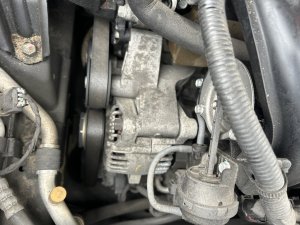
- Alternator Electrical Connector — A 3-pin pigtail connector on the back of the alternator.. The wires in this connector control the alternator's voltage regulation. Damage from heat and vibration can cause intermittent or total charging failure.
OEM Part Supersession History
37300-2G855 (as noted in Pass 2)→373002G500, 373002G600— These are listed as direct OEM equivalent part numbers for the 2.4L engine in the 2011-2013 model years.
Heads up: Ensure the amperage rating (e.g., 110A or 150A) matches the vehicle's original equipment, as different options were available.
Model Year Variations Within This Range
- 2011-2015: Different alternator amperage ratings were available, such as 110A and 150A. It is critical to replace the alternator with one of the same amperage as the original unit to avoid charging system issues.
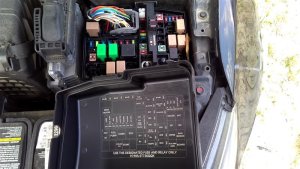
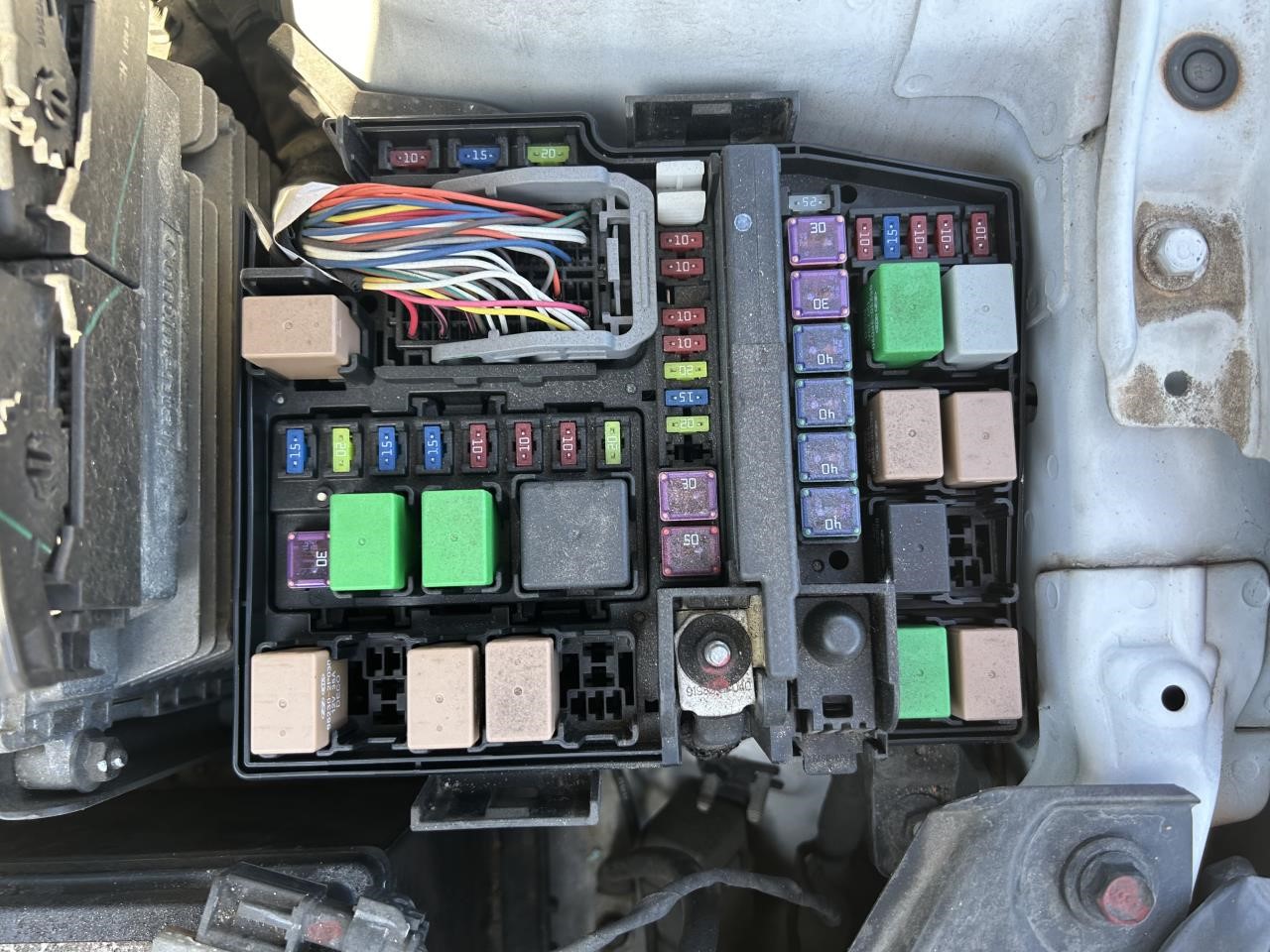
- 2011-2013 vs 2014-2015: The layout of the engine compartment fuse box changed slightly with the 2014 model year facelift. While the main alternator fuse location on the battery terminal remains the same, other related relay and fuse positions within the main box may differ.
Diagnostic Flowchart
Other Known Issues on This Vehicle
Issues unrelated to this code that are worth knowing about as an owner of this generation:
- Catastrophic Engine Failure (Theta II Engine) 🔴 High — Widespread across 2011-2015 models. Can occur at any mileage, but commonly reported between 60,000 and 120,000 miles. Caused by connecting rod bearing failure. (Ref: NHTSA Recalls 17V224, 20V750. Subject to a class-action lawsuit settlement providing lifetime warranty coverage for the engine short block for this issue.)
- Degrading Steering Coupler 🟠 Medium — Extremely common. Owners notice a clicking or ticking sound from the steering column when turning the wheel, especially when stationary. The flexible rubber coupler inside the electronic power steering motor disintegrates over time. (Ref: Kia Customer Satisfaction Program CS1604 (also referenced in TSB CHA072) extended the warranty for this part to 10 years/unlimited miles. The replacement part is 56315-2K000-FFF.)
- Intake Valve Carbon Buildup 🟠 Medium — Inherent to all Gasoline Direct Injection (GDI) engines. Becomes noticeable after 60,000-80,000 miles. Symptoms include rough idle, hesitation, and loss of power. Requires periodic manual cleaning (e.g., walnut blasting) as fuel additives do not wash over the intake valves.
- Excessive Oil Consumption 🔴 High — Common on the 2.4L GDI engine and often a precursor to engine failure. Many owners report consuming 1 quart of oil per 1,000-2,000 miles. Related to the overall Theta II engine issues. (Ref: Covered under the same class-action lawsuit and warranty extensions as the engine bearing failure. Dealers perform an oil consumption test to verify.)
- HECU Fire Risk 🔴 High — Affects a wide range of Kia/Hyundai vehicles, including the 2011-2015 Optima. An electrical short can occur in the Hydraulic Electronic Control Unit (HECU) for the ABS, potentially causing an engine compartment fire while parked or driving. (Ref: NHTSA Recall 23V652. Owners are advised to park outside and away from structures until the recall repair is performed.)
Used vs. New Parts: Buying Guide for This Vehicle
When a used part is the smart pick: For this specific vehicle, a used alternator is generally not recommended due to the high failure rate of this component. A used part should only be considered if it is from a very low-mileage donor vehicle and can be tested before purchase. A used positive battery terminal assembly (containing the main fuse) is a viable option if the fuse is confirmed good.
Donor-vehicle mileage cap: roughly under 40000 miles for the part to have meaningful remaining life.
What to inspect on the donor part:
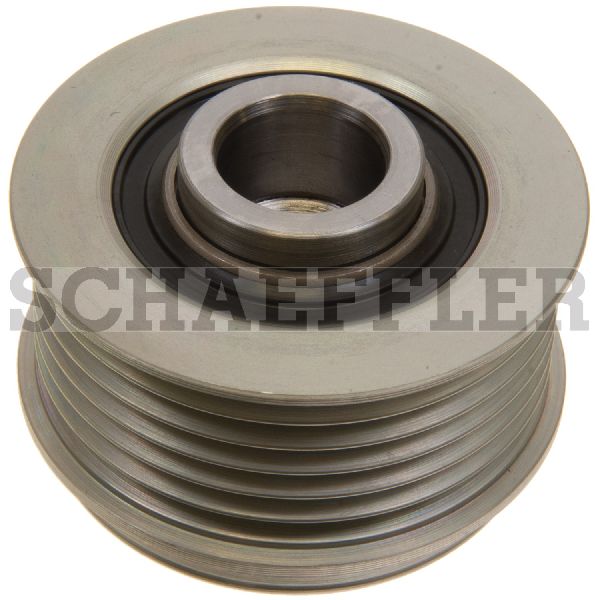
- Check for a clean, corrosion-free pulley and housing.
- Ensure the pulley spins freely by hand with no grinding or roughness.
- Inspect the plastic housing of the electrical connector for cracks or heat damage.
- If possible, have the used alternator bench-tested at an auto parts store before purchasing.
OEM-only on this vehicle (don't cheap out):
- While not strictly OEM-only, using a reputable OEM supplier for the alternator is highly recommended over generic, low-cost brands.
Aftermarket brands forum-validated for this vehicle:
- Mando (often the original OEM supplier for Hyundai/Kia)
- Valeo (also a known OEM supplier)
- Denso
Brands owners have reported issues with on this vehicle:
- Generic, unbranded, or 'white-box' alternators from online marketplaces with no warranty or brand reputation have a high rate of premature failure.
Real Owner Stories
Aggregated from forums and TSBs cited above. Mileages and costs reflect what owners reported in those sources.
2018 Kia Optima
Symptoms: The battery dies at idle, and multiple dash lights come on as voltage drops, including a blinking steering wheel light which causes the power steering to get heavy.
What fixed it: The charging system required repair (failing alternator symptoms).
Source hint: Reddit r/AskMechanics (2018 Kia Optima code p0562)
2011-2015 Kia Optima 2.4L GDI
Symptoms: Car starts with a jump but dies shortly after, especially when put into gear.
What fixed it: Replacement of the alternator assembly.
Source hint: Article Context
Kia Owner Report
Symptoms: An owner reported that after having the vehicle diagnosed, multiple DTCs including P0562, P2191, and various C-series chassis codes were retrieved.
What fixed it: Diagnostic results indicated a widespread electrical system failure involving low voltage.
Source hint: NHTSA ODI #11702693
Related OBD-II Codes
Frequently Asked Questions
I heard there is a common issue with a fuse on the battery terminal of the 2011-2015 Kia Optima. Could this cause P0562?
My steering feels heavy and the steering wheel light is blinking on my Optima. Is this related to the low voltage code?
Is there a specific part number for the steering coupler issue often seen on these models?
Could my P0562 code be related to the Theta II engine recall?
How can I tell if my alternator is failing or if it's just the internal regulator?
Helpful Videos
Used OEM Parts in Stock
New Aftermarket Parts Available


The information in this article is provided for general reference and educational purposes only. Vehicle specifications, procedures, and part compatibility can vary by production date, trim level, and region. Always consult your vehicle's factory service manual and verify part numbers before purchasing or performing repairs. Safety-critical components such as airbags, seat belts, and braking systems should be installed by a qualified professional.
- Kia Optima:
- 🧭 Diagnostic Flowchart
- 🎬 Helpful Videos
- 🛍️ Shop This Part
- What's Unique About the 2011-2015 Kia Optima
- Symptoms You May Notice
- Most Likely Causes
- Rare But Worth Checking
- Diagnosis Steps
- Parts You'll Likely Need
- Platform-Specific Known Issues
- Mechanic-Grade Diagnostic Values
- Wiring & Ground Locations
- OEM Part Supersession History
- Model Year Variations Within This Range
- Other Known Issues on This Vehicle
- Used vs. New Parts: Buying Guide for This Vehicle
- Real Owner Stories
- 2018 Kia Optima
- 2011-2015 Kia Optima 2.4L GDI
- Kia Owner Report
- Related OBD-II Codes
- Frequently Asked Questions
- 🎟️ Get 5% Off