

P0562 on 2008-2014 Mercedes-Benz C-Class: System Voltage Low Causes and Fixes
P0562 on a W204 C-Class indicates low system voltage. This is most often caused by a failing alternator or an old battery. A less common but critical check is the main alternator fuse in the pre-fuse box. Start by testing the battery and alternator output; replacement of one or both is often necessary.
- P0562 indicates a serious low voltage problem that can leave you stranded.
- The most likely causes are a failing alternator or a weak/old battery.
- Always start your diagnosis with a multimeter to test the battery and charging system voltage. This simple test will usually point directly to the faulty component.
- Do not ignore this code. Continued driving can lead to stalling and damage to sensitive electronic modules.
What's Unique About the 2008-2014 Mercedes-Benz C-Class
The 2008-2014 Mercedes-Benz C-Class (W204) is packed with sensitive electronic modules that are highly dependent on a stable voltage supply. Unlike older, simpler vehicles, a low voltage condition can cause a cascade of seemingly unrelated electronic glitches, from infotainment malfunctions to transmission shifting issues and even no-start conditions that mimic other failures like the Electronic Steering Lock (ESL). While the root causes are common (battery, alternator), the symptoms on this platform can be more widespread and confusing, often leading owners to suspect expensive module failures when the core issue is simply low power. Mercedes' complex system also includes a pre-fuse box that can fail, cutting off the alternator entirely. Furthermore, the Front and Rear Signal Acquisition Modules (SAMs) are sensitive to low voltage and can be damaged by it, or their failure can cause low voltage symptoms, creating a difficult diagnostic loop.
Symptoms You May Notice
- Check Engine Light is on
- Battery/Charging system warning light is on
- Dimming or flickering headlights and interior lights
- Difficulty starting the engine or a slow, labored crank
- Engine may stall, especially at idle
- Erratic behavior from electronic components like the COMAND screen shutting down, power windows failing, or instrument cluster warnings.
- Automatic transmission may enter limp mode or exhibit harsh shifting
- Unusual whining or grinding noises from the engine bay, indicating a failing alternator
- Power steering may feel heavy or fail completely
- Replacing the battery when the alternator is the actual cause of the undercharging.
- Replacing the alternator when a corroded ground strap or loose battery cable was the real problem.
- Replacing the alternator and battery when the hidden alternator fuse in the pre-fuse box was the actual failure point.
Most Likely Causes
- Failing Alternator 🔴 High Probability → Shop Alternator High electrical load from numerous onboard computers and features can strain the alternator over its service life. The voltage regulator, which is integrated into the alternator, is a common failure point. The LIN-bus controlled charging system can also mask a failing alternator until it fails completely.
How to confirm: With the engine running, use a multimeter to test the voltage across the battery terminals. A healthy alternator should produce between 13.5 and 14.7 volts. A reading below 13.2V suggests the alternator is not charging properly. Many auto parts stores can also perform a bench test on the alternator if it's removed.
Typical fix: Replace the alternator. On the W204, this is typically a Bosch or Valeo unit. The voltage regulator is part of the alternator assembly and is replaced with it.
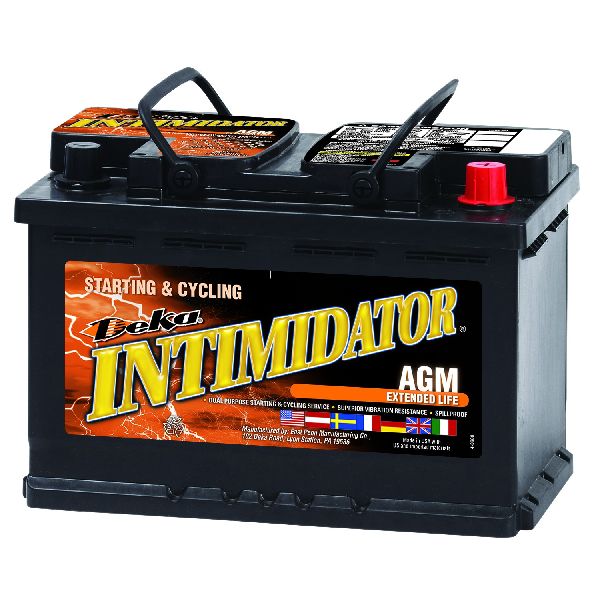
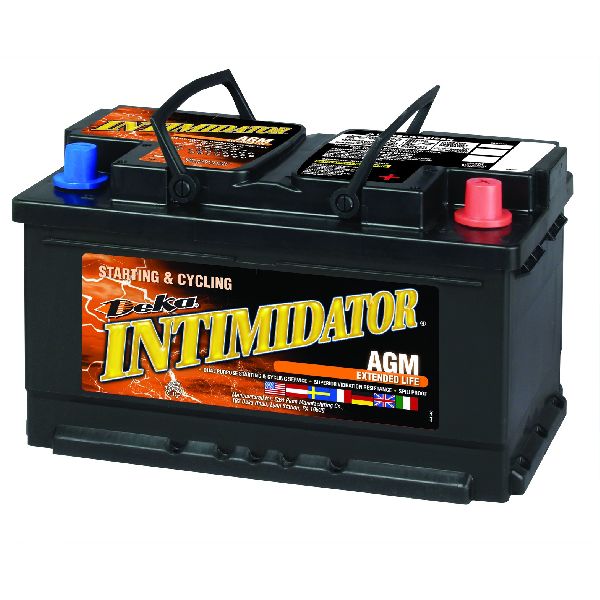
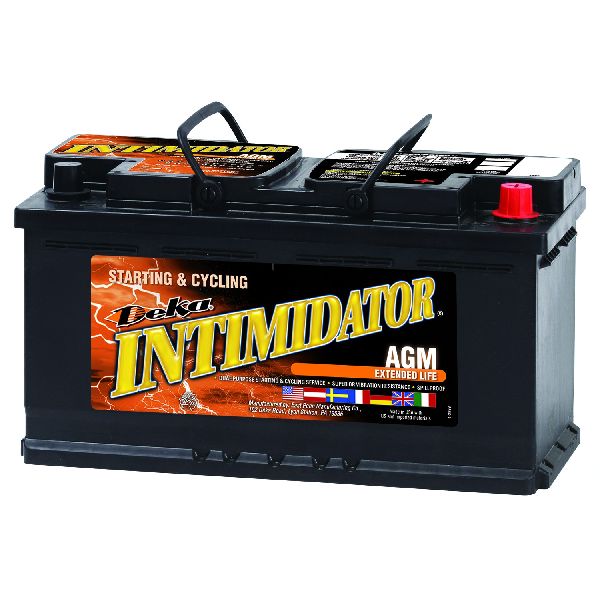
Est. part cost: $250-$700 - Weak or Old Battery 🔴 High Probability → Shop Vehicle Battery Car batteries typically have a lifespan of 3-5 years. The complex electronics in the W204 are very sensitive to a battery that can no longer hold a full, stable charge, even if it can still start the car. These cars require an AGM (Absorbent Glass Mat) battery, which is more expensive but necessary for the vehicle's electrical demands.
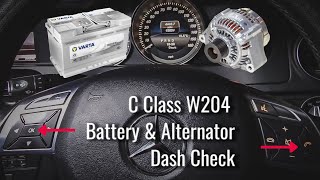
How to confirm: Test the battery with the engine off. A healthy battery should read above 12.4 volts (ideally 12.6V). Perform a load test to check the battery's ability to hold a charge under load. Many auto parts stores offer this service for free. The W204 has a hidden service menu to check voltage: turn key to position 1, press and hold the 'phone' and 'OK' buttons on the steering wheel simultaneously to access it. 🎬 Watch: How to access the secret battery voltage menu
Typical fix: Replace the car battery. Ensure the replacement is an AGM battery as originally specified. After replacement, the new battery may need to be registered with the vehicle's computer system, although many owners report no issues without this step.
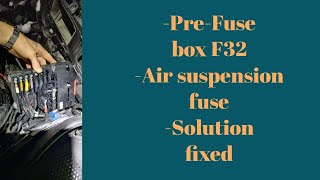
Est. part cost: $180-$350 - Blown Alternator Fuse in Pre-Fuse Box 🟡 Medium Probability → Shop Alternator The W204 uses a front pre-fuse box (F32) located at the positive jump-start terminal. This box contains a high-amperage fuse for the alternator. Corrosion or a voltage spike can cause this fuse to blow, completely cutting off the alternator from the charging system, even if the alternator itself is perfectly fine.
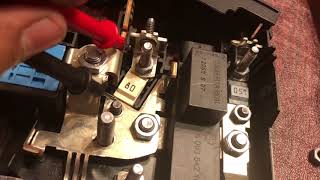
How to confirm: Visually inspect the pre-fuse box. It looks like the positive jump-start terminal block. You must open it to see the fuses inside. Check for a blown main fuse. A continuity test across the fuse with a multimeter will confirm if it's blown.
Typical fix: Replace the entire pre-fuse box assembly. The individual fuses are often not designed to be serviced separately. 🎬 Watch: How to remove and replace the pre-fuse box This is a critical and often overlooked failure point.
Est. part cost: $50-$150 - Corroded or Loose Battery Terminals/Cables 🟡 Medium Probability → Shop Vehicle Battery Corrosion is a natural process that can affect any vehicle, creating resistance in the electrical circuit and preventing proper charging and power flow.
How to confirm: Visually inspect the battery terminals and cable ends for white or greenish crystalline deposits. Tug on the cables to ensure they are tight and do not move.
Typical fix: Disconnect the battery (negative terminal first). Clean the terminals and cable clamps with a wire brush and a solution of baking soda and water. Reconnect securely (positive terminal first).
Est. part cost: $5-$20 - Bad Engine or Chassis Ground Strap ⚪ Low Probability → Shop Engine Ground Strap Ground straps can corrode or break over time due to exposure to the elements, vibration, and heat, leading to high resistance in the electrical system. The main engine-to-chassis ground is a common culprit.
How to confirm: Visually inspect the main ground straps. On a W204, check the strap from the engine block to the chassis, usually on the driver's side, and the main battery ground to the body. A voltage drop test between the engine block and the negative battery terminal (should be <0.2V) can confirm high resistance.
Typical fix: Clean the contact points and replace the damaged ground strap. Adding a redundant ground strap is a common preventative measure for some owners.
Est. part cost: $20-$50
Rare But Worth Checking
- Parasitic Battery Drain: → Shop Vehicle Battery An electrical component may not be shutting down correctly when the car is off, slowly draining the battery. This can be caused by a faulty module or aftermarket accessory. Diagnosing this requires a multimeter and a process of pulling fuses to isolate the circuit.
- Faulty Powertrain Control Module (PCM): This is extremely rare. The PCM itself can fail and misinterpret voltage readings, but all other possibilities should be exhausted before considering PCM replacement.
Diagnosis Steps
- Read the code with an OBD-II scanner to confirm P0562 is present.
- Visually inspect the battery terminals for corrosion and ensure the cable clamps are tight. Clean and tighten as necessary.
- With the engine off, use a multimeter to measure the battery voltage at the terminals. A reading below 12.4V indicates a discharged or weak battery. Have it load tested at an auto parts store.
- Start the engine and measure the voltage at the battery terminals again. The reading should be between 13.5V and 14.7V. If it's below this range, the alternator is likely faulty. If it's above, the voltage regulator may be bad.
- If the alternator test fails, locate the pre-fuse box (F32) at the positive jump-start terminal. Open it and inspect the main alternator fuse for damage. Test for continuity.
- Inspect the serpentine belt to ensure it is tight and not slipping on the alternator pulley.
- Inspect the main battery cables and engine/chassis ground straps for corrosion, damage, or looseness. Key locations are the main battery ground and the engine-to-chassis strap.
- If the battery and alternator test good, perform a parasitic draw test to check for components draining the battery when the car is off.
- If all other tests pass, the issue could be a rare wiring problem or a fault within the PCM.
Parts You'll Likely Need
- Alternator
(OEM #0009061102, AL0818N (Bosch examples, verify by VIN))— The alternator is responsible for charging the battery and powering the car's electronics while the engine is running. Its failure is a primary cause of P0562.
Trusted brands: Bosch, Valeo
OEM price range: $500-$800
Aftermarket price range: $250-$500 - Car Battery (AGM) — An old or weak battery cannot hold a sufficient charge, causing system voltage to drop, especially under load or during startup. W204s require AGM batteries.
Trusted brands: Varta, Bosch, Interstate, Odyssey
OEM price range: $250-$400
Aftermarket price range: $180-$300 - Pre-Fuse Box
(OEM #Varies by year/model, check with dealer using VIN.)— Contains the main alternator fuse which can blow, cutting off charging. This is a frequently overlooked part that mimics a failed alternator.
Trusted brands: Genuine Mercedes-Benz
OEM price range: $50-$150
Platform-Specific Known Issues
- The W204 has a hidden pre-fuse box (F32) near the battery jump-start terminal that contains the main alternator fuse. A failure of this fuse will cause a no-charge condition and is often misdiagnosed as a bad alternator.
- The battery is located in the engine bay on the passenger side, under a plastic cover. Access requires removing this cover and sometimes a cabin air filter housing.
- Some owners on forums report that modern Mercedes charging systems are intelligent and may not show a constant 14V+ charge, sometimes dropping to the 12.6V range under certain conditions. However, a P0562 code indicates a definite fault, not normal operation.
Mechanic-Grade Diagnostic Values
- Charging Circuit Voltage Drop (Negative Side) — expected: < 0.2V. Failure: A reading > 0.2V between the alternator casing and the negative battery terminal (with engine running) indicates a bad ground strap or connection.
- Charging Circuit Voltage Drop (Positive Side) — expected: < 0.5V. Failure: A reading > 0.5V between the alternator B+ post and the positive battery terminal (with engine running) indicates high resistance in the power cable or a failing pre-fuse.
- Alternator LIN Bus Signal Voltage — expected: Pulsing signal, typically averaging between ~2.7V and ~9.7V depending on state.. Failure: No signal, a flat line voltage, or a signal that doesn't change with engine RPM/load suggests a fault in the wiring, the ECU, or the alternator's internal regulator.
- Battery Sensor (B95) LIN Signal Voltage — expected: Approximately 2.7V (reported in one instance).. Failure: A significantly different voltage (e.g., 9.7V) can indicate a fault in the Rear SAM or the sensor itself, disrupting proper battery management.
Hidden / Shadow Codes Worth Checking
- G2/7 (Alternator with LIN bus) - Communication fault: This is a Mercedes-specific fault logged in the ECU or SAM, indicating a problem with the Local Interconnect Network (LIN) communication line to the alternator. It often accompanies P0562 and points towards a wiring, connector, or alternator regulator issue rather than just a simple charging failure. (see via Mercedes-specific scanner like XENTRY/DAS or advanced tools like iCarsoft MBII.)
Scan Tool Commands That Help
- XENTRY/DAS: Alternator Actuation Test — To command the alternator to charge at different rates. If the alternator does not respond to the commands but the LIN bus wiring is intact, it strongly suggests a faulty voltage regulator within the alternator.
- XENTRY/DAS: Read Actual Values - Battery Sensor (B95) — To view the battery's state of charge, current flow (in/out), and temperature as seen by the Rear SAM. This helps diagnose parasitic drains and confirms if the battery management system is working correctly.
- XENTRY/DAS: Read Event Memory - Rear SAM (N10/2) — To check for faults related to the battery sensor (B95) or power management, which can be the root cause of the system not recognizing the battery's true state.
Wiring & Ground Locations
- W2 — Main battery ground point on the chassis, located in the trunk near the battery.. This is the primary ground for the entire vehicle's electrical system. Corrosion or looseness here will cause system-wide voltage drop issues and can trigger P0562.
- W10 — Engine ground strap connection point on the chassis, typically on the driver's side frame rail in the engine bay.. This strap provides the main ground path for the engine and alternator. If it's corroded or broken, the alternator cannot effectively charge the battery, leading directly to P0562.
- W11/1 — Ground point on the right front wheelhouse in the engine compartment.. This is a key grounding point for several engine bay components, including the Front SAM (N10/1). A bad ground here can cause the SAM to malfunction and report incorrect voltage readings or create other electrical chaos.
- F32 — The front pre-fuse box, located at the positive jump-start terminal in the engine bay.. This box contains the main, high-amperage fuse for the alternator. If this fuse blows, the alternator is completely disconnected from the battery, causing an immediate P0562 and battery drain.
- B95 — The Battery Sensor is a small module attached directly to the negative battery terminal clamp in the trunk.. This sensor monitors current, voltage, and temperature, reporting it to the Rear SAM (N10/2) via a LIN bus. A faulty sensor can cause the charging system to behave incorrectly, leading to an undercharged battery and P0562.
Real Owner Repair Stories
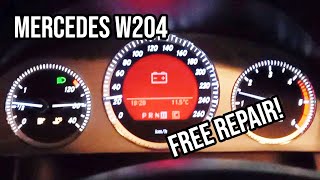
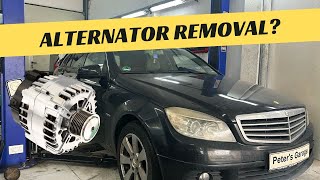
- YouTube video by a DIY mechanic (Mercedes W204 C-Class) — Battery/charging light on the dashboard, multimeter showed only ~10 volts at the battery while running.
❌ Tried (didn't work) Initial assumption was a failed alternator or regulator.
✅ What actually fixed it Upon removing the alternator, the mechanic discovered the main positive (B+) post bolt on the back of the alternator was broken. This created a poor connection, preventing charging current from reaching the battery. Repairing the bolt and re-threading the connection point resolved the issue, and charging voltage returned to a healthy 14.2V.
Model Year Variations Within This Range
- 2011-2014 (Facelift models): The facelift W204 introduced significant electrical changes. The Front SAM (Signal Acquisition Module) was updated, and attempting to use a pre-facelift SAM on a facelift car (or vice-versa) will cause major issues, particularly with lighting and other functions. The introduction of more LED lighting (tail lights, DRLs) also changed the electrical load characteristics and diagnostic procedures for lighting circuits.
- 2008-2010 (Pre-facelift): The pre-fuse box (F32) design and fuse assignments can differ slightly from the post-facelift models. Always verify the fuse layout for the specific model year when diagnosing a blown alternator fuse.
Diagnostic Flowchart
Other Known Issues on This Vehicle
Issues unrelated to this code that are worth knowing about as an owner of this generation:
- Electronic Steering Lock (ESL) Failure 🔴 High — Very common, typically occurs between 70,000-120,000 miles. Often starts intermittently and leads to a permanent no-start condition.
- M272 V6 Balance Shaft Sprocket Wear 🔴 High — Affects V6 models (C300, C350) built before engine serial number 2729..30 468993 (approx. mid-2008). Leads to timing codes (P0016, P0017) and eventually engine failure if ignored. (Ref: Subject of a class-action lawsuit (settled in 2015).)
- M271 EVO (1.8L Turbo) Timing Chain Stretch 🔴 High — Common on 2009-2014 C180/C200/C250 models, often presenting with a startup rattle around 80,000-130,000 km. Can lead to catastrophic engine damage if the chain jumps or snaps.
- Camshaft Adjuster Magnet Oil Leak (M271 & M272) 🟠 Medium — Common issue where oil leaks from the camshaft adjuster magnets' seals, wicking through the wiring harness and potentially damaging the O2 sensors and engine ECU. (Ref: Mercedes produced 'pigtail' wire extensions to stop the oil from migrating into the main harness.)
- 7G-Tronic (722.9) Conductor Plate Failure 🟠 Medium — Affects pre-facelift models (before 2012). The conductor plate (valve body electronics) fails, causing harsh shifting, limp mode, or a complete loss of drive. Typically occurs between 100,000 and 180,000 km.
- OM651 Diesel Piezo Injector Failure 🟠 Medium — Common on early C220/C250 CDI models. Faulty injectors lead to rough running, power loss, and poor fuel economy. (Ref: Recalls were issued in some markets for this issue.)
Used vs. New Parts: Buying Guide for This Vehicle
When a used part is the smart pick: A used alternator from a reputable recycler can be a cost-effective option, especially if it's a low-mileage OEM unit (Bosch/Valeo). Used pre-fuse boxes and battery cables are also generally safe bets, provided they are free of corrosion and damage.
Donor-vehicle mileage cap: roughly under 80000 miles for the part to have meaningful remaining life.
What to inspect on the donor part:
- For alternators, check for smooth pulley rotation with no grinding or excessive play. Ensure the electrical posts are not corroded or damaged.
- For wiring/fuse boxes, inspect for any signs of melting, corrosion on the terminals, or brittle insulation.
- Verify the part number matches your original part, especially for electronic modules like SAMs.
OEM-only on this vehicle (don't cheap out):
- Battery Sensor (B95): Aftermarket versions may not communicate correctly with the Mercedes SAM module.
- Front/Rear SAM Modules: These must be OEM and may require professional coding (SCN coding) to the vehicle's VIN. Used modules can sometimes be reprogrammed, but it's a complex process.
Aftermarket brands forum-validated for this vehicle:
- Alternator: Bosch (OEM supplier), Valeo (OEM supplier). Remanufactured units from these brands are generally reliable.
- Battery: Varta, Bosch, Interstate, Odyssey (ensure it is the correct AGM type and size).
Brands owners have reported issues with on this vehicle:
- Avoid unbranded, 'white-box' alternators from online marketplaces. While cheap, they have a high failure rate and may not have the correct LIN bus communication protocol for the voltage regulator, causing persistent charging issues even if they physically fit.
Real Owner Stories
Aggregated from forums and TSBs cited above. Mileages and costs reflect what owners reported in those sources.
Mercedes-Benz W212 (Platform Mate)
Symptoms: Persistent P0562 code even after replacing the alternator and battery.
What fixed it: The owner highlighted the complexity of clearing permanent codes in some modules, suggesting that the hardware fix was correct but the software required specific clearing procedures.
Source hint: MBWorld.org forum citation
Mercedes-Benz W204 C-Class
Symptoms: Starting issues immediately following a timing chain replacement.
What fixed it: Testing the battery and charging voltage (ensuring 13.5-14.5V) to determine if the battery or alternator required replacement.
Source hint: MBWorld.org thread titled 'Alternator problems W204'
Mercedes-Benz W204 C-Class
Symptoms: Voltage dropping to 12.6V while driving, causing confusion about whether the charging system was failing.
What fixed it: Confirmed that while 12.6V can be normal for the intelligent charging system, the presence of P0562 confirmed a legitimate hardware fault that needed repair.
Source hint: MBWorld.org thread titled 'Confused about charging system'
Frequently Asked Questions
I heard the W204 has a hidden menu to check battery health. How do I access it?
My C-Class charging voltage sometimes drops to 12.6V while driving. Is my alternator failing?
Do I really need an AGM battery for my 2008-2014 C-Class, or can I use a standard one?
I replaced my alternator but I'm still not getting a charge. What else could it be on this specific model?
Where is the battery located on the W204 C-Class?
Do I need to register the new battery with the car's computer after replacement?
Helpful Videos

Used OEM Parts in Stock
New Aftermarket Parts Available


The information in this article is provided for general reference and educational purposes only. Vehicle specifications, procedures, and part compatibility can vary by production date, trim level, and region. Always consult your vehicle's factory service manual and verify part numbers before purchasing or performing repairs. Safety-critical components such as airbags, seat belts, and braking systems should be installed by a qualified professional.
- Mercedes-Benz C-Class:
- 🧭 Diagnostic Flowchart
- 🎬 Helpful Videos
- 🛍️ Shop This Part
- What's Unique About the 2008-2014 Mercedes-Benz C-Class
- Symptoms You May Notice
- Most Likely Causes
- Rare But Worth Checking
- Diagnosis Steps
- Parts You'll Likely Need
- Platform-Specific Known Issues
- Mechanic-Grade Diagnostic Values
- Hidden / Shadow Codes Worth Checking
- Scan Tool Commands That Help
- Wiring & Ground Locations
- Real Owner Repair Stories
- Model Year Variations Within This Range
- Other Known Issues on This Vehicle
- Used vs. New Parts: Buying Guide for This Vehicle
- Real Owner Stories
- Mercedes-Benz W212 (Platform Mate)
- Mercedes-Benz W204 C-Class
- Mercedes-Benz W204 C-Class
- Frequently Asked Questions
- 🎟️ Get 5% Off