

P0562 on 2006-2015 Mini Cooper: System Voltage Low Causes and Fixes
P0562 on a Mini Cooper most often points to a failing alternator or a weak battery. Before replacing parts, always check and clean the main battery connections and critical engine ground straps, as corrosion is a common issue on these cars. The main engine-to-chassis ground strap, located near the passenger-side engine mount, is a frequent culprit.
- P0562 indicates a serious low voltage problem; stop driving the vehicle to avoid stalling and potential safety system failure.
- The most likely culprits are a bad alternator or an old battery.
- On 2006-2015 Mini Coopers, especially the R56 generation, always inspect and clean the main engine ground strap before replacing expensive components.
- A simple multimeter is the most effective tool for diagnosing this code, allowing you to test both the battery and alternator in minutes.
What's Unique About the 2006-2015 Mini Cooper
On the second-generation (R56) Mini Cooper, electrical issues are frequently traced back to poor ground connections. These cars have several critical ground straps in the engine bay that are prone to corrosion over time, which can create resistance and cause a voltage drop, triggering a P0562 code even if the battery and alternator are healthy. The primary engine-to-chassis ground strap, a braided cable located near the passenger-side engine mount, is a well-documented failure point in owner forums. Owners often resolve mysterious electrical gremlins, including this code, by simply cleaning or replacing these grounds.
Generation note: This guide covers the second-generation (R55/R56/R57, 2006-2013) and the start of the third-generation (F55/F56, 2014-2015) Mini Cooper. While the root causes are similar, second-generation models are particularly noted in owner forums for issues with corroding engine ground straps. Additionally, many models in this range are equipped with an Intelligent Battery Sensor (IBS) on the negative terminal, which requires the new battery to be 'registered' with the car's computer to ensure proper charging strategy and prevent premature battery failure.
Symptoms You May Notice
- Check Engine Light is on
- Battery or Charging System warning light is illuminated
- Dimming or flickering headlights and interior lights
- Difficulty starting the engine, or a no-start condition
- Engine stalling, especially at idle or when coming to a stop
- Erratic behavior from electrical components like the radio, power windows, or dashboard gauges
- Poor automatic transmission shifting performance
- Multiple, seemingly unrelated warning lights appearing on the dashboard
- Replacing the battery when the root cause is a failing alternator that is not recharging it.
- Replacing the alternator when the actual problem is a high-resistance, corroded ground strap preventing proper charging.
- Replacing the battery and alternator without registering the new battery on vehicles with an IBS, leading to premature failure of the new components.
Most Likely Causes
- Failing Alternator 🔴 High Probability → Shop Alternator
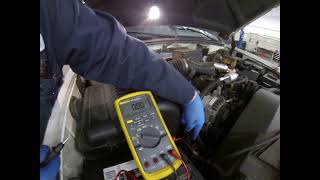
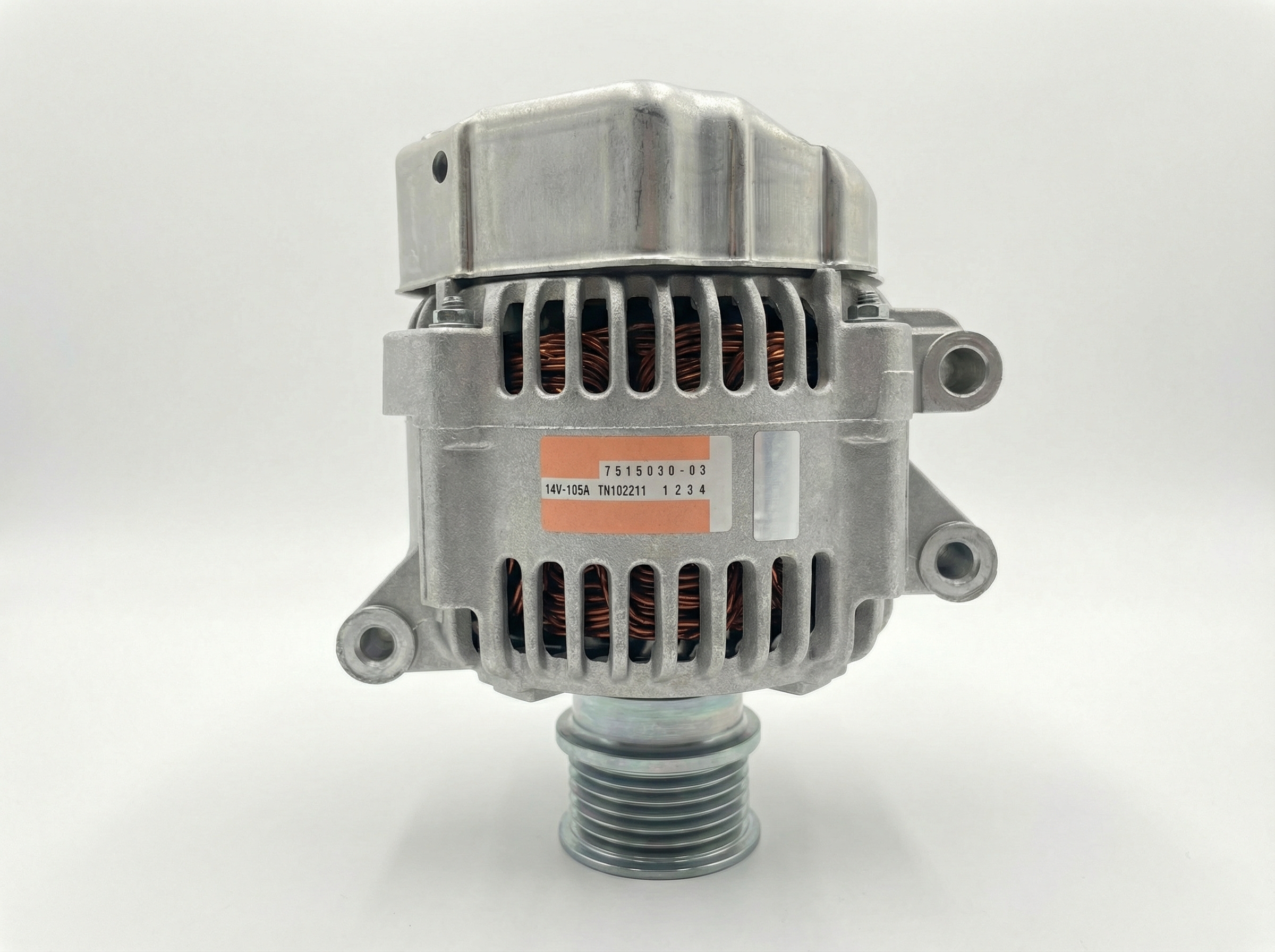
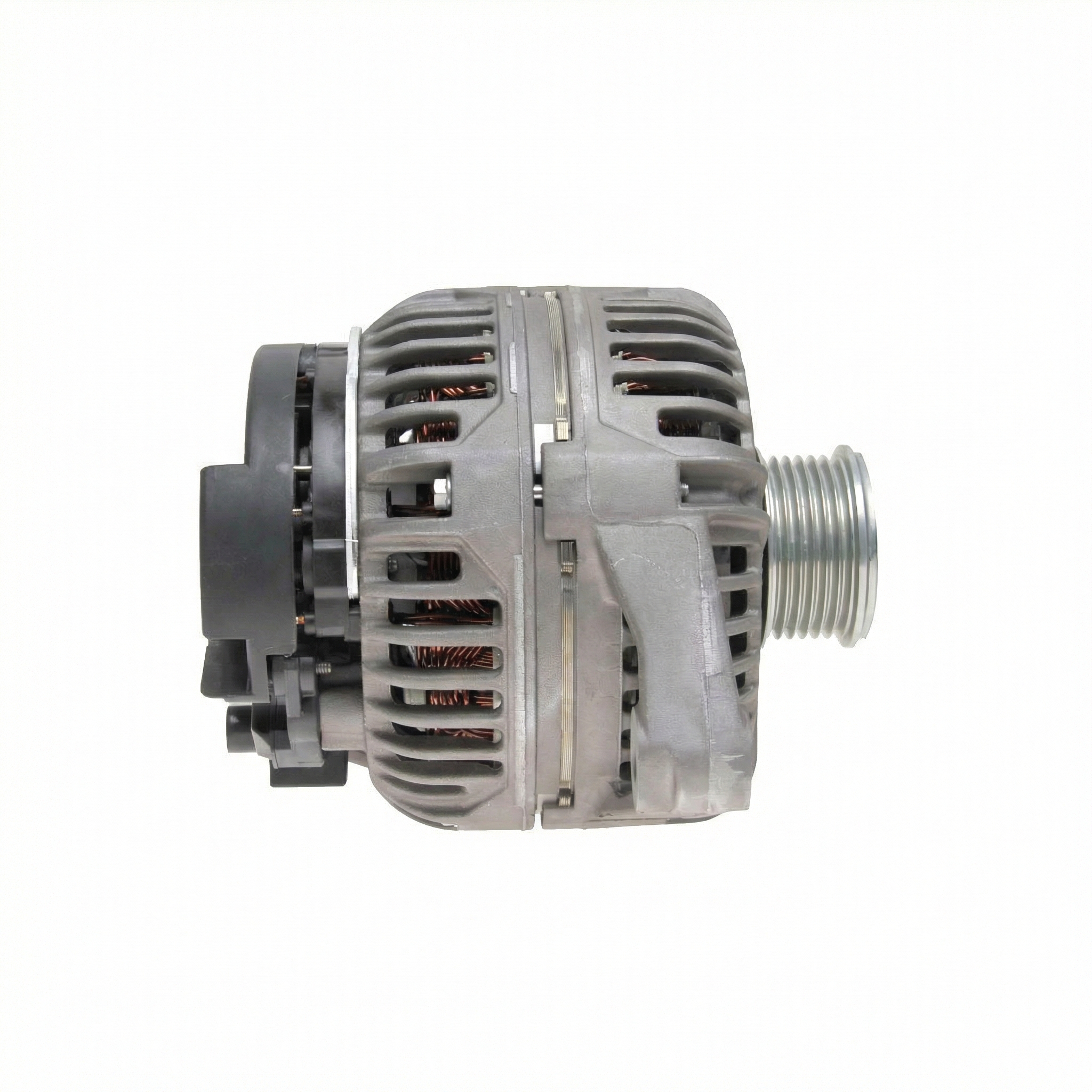
How to confirm: With the engine running, use a multimeter to test the voltage at the battery terminals. A healthy alternator should produce between 13.5 and 14.7 volts. A reading close to 12 volts or less indicates the alternator is not charging. Many auto parts stores can perform a more comprehensive charging system test for free.
Typical fix: Replace the alternator.
Est. part cost: $250-$500 - Weak or Old Battery 🔴 High Probability → Shop Vehicle Battery Batteries have a finite lifespan of 3-5 years. Many modern electronic features create a constant demand that can expose a weakening battery. R56 models equipped with an Intelligent Battery Sensor (IBS) require the battery to be registered, and failure to do so can shorten the life of a new battery.
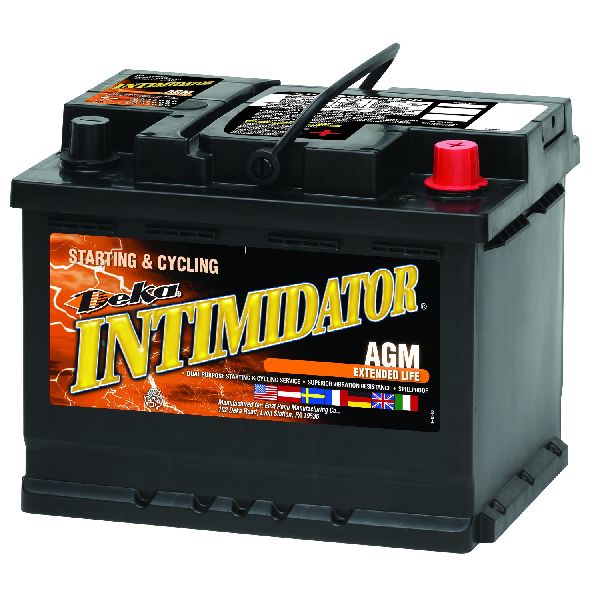
How to confirm: Test the battery voltage with the engine off; a healthy battery should read at least 12.4 volts. For a definitive test, use an electronic battery tester or take it to an auto parts store for a free load test.
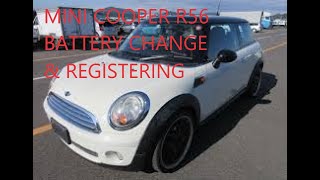
Typical fix: Replace the battery. If the vehicle has an Intelligent Battery Sensor (IBS) on the negative terminal, the new battery must be registered with the vehicle's computer using a capable scan tool.
Est. part cost: $150-$250 - Corroded or Loose Ground Straps 🟡 Medium Probability → Shop Engine Ground Strap Forum discussions frequently point to corroded grounds on R56 models as a source of various electrical faults. The main engine-to-chassis ground strap is particularly susceptible to corrosion from road salt and moisture.
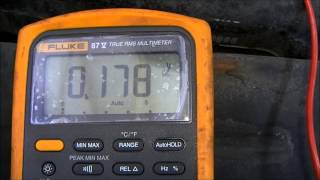
How to confirm: Visually inspect the main ground strap, a braided cable running from the engine block (near the passenger side engine mount) to the chassis. Look for green/white corrosion, fraying, or looseness. A voltage drop test across the ground cable (from the engine block to the negative battery terminal) should read less than 0.2 volts with the engine running; a higher reading indicates high resistance.
Typical fix: Remove, thoroughly clean the connection points and the cable end with a wire brush, and re-secure. If the strap is badly corroded or frayed, replace it. The OEM part number is often 12427570287 or an equivalent.
Est. part cost: $10-$30 - Loose or Corroded Battery Terminals/Cables 🟡 Medium Probability → Shop Vehicle Battery
How to confirm: Visually inspect the battery terminals for white or blue-green corrosion. Wiggle the terminals to ensure they are tight and do not move.
Typical fix: Disconnect the battery (negative terminal first) and clean the terminals and cable clamps with a wire brush and a baking soda/water solution. Reconnect securely (positive terminal first).
Est. part cost: $0-$5
Rare But Worth Checking
- Slipping or Broken Alternator Belt: → Shop Alternator If the belt that spins the alternator is loose or has snapped, the alternator cannot charge the battery. This is usually accompanied by a squealing noise or other warning lights.
- Parasitic Battery Drain: → Shop Vehicle Battery A faulty module or aftermarket accessory may not shut down correctly when the car is off, slowly draining the battery and causing a low voltage state upon startup.
- Faulty Powertrain Control Module (PCM): This is extremely rare, but the PCM itself can fail and misinterpret the system voltage. All other possibilities should be exhausted before considering PCM replacement.
- High Resistance in B+ Cable: The main positive cable running from the alternator to the battery can corrode internally or at its connections, creating resistance that prevents proper charging voltage from reaching the battery.
Diagnosis Steps
- Read All Codes: Use an OBD-II scanner to confirm P0562 and check for any other related codes, especially manufacturer-specific or communication codes.
- Inspect Battery Terminals: Check for and clean any corrosion from the battery posts and cable clamps. Ensure they are securely tightened.
- Test Battery Health: With the engine off, measure battery voltage with a multimeter. A reading below 12.4V suggests a weak battery. Perform a load test for a conclusive result.
- Test Alternator Output: Start the engine and measure the voltage at the battery terminals. The reading should be between 13.5V and 14.7V. If it's near 12V or lower, the alternator is likely faulty.
- Inspect Engine Ground Straps: Visually inspect the main engine-to-chassis ground strap for corrosion or damage. On R56 models, this is a braided cable typically found near the passenger-side engine mount. Check its connection points on the engine and the chassis frame rail.
- Perform a Voltage Drop Test: This is a critical step. With the engine running, measure the voltage between the alternator's main output post and the battery's positive post (should be <0.5V). Then measure between the alternator's casing and the battery's negative post (should be <0.2V). A high reading on the negative side strongly points to a bad ground strap. 🎬 Watch: How to perform a charging system voltage drop test
- Check for Parasitic Drain: If the battery repeatedly dies but the charging system tests fine, perform a parasitic drain test to find a component that is drawing power when the car is off.
- Verify Battery Registration (if applicable): If the battery was recently replaced on a model with an IBS, use a capable scan tool to confirm it was registered correctly. If not, register the new battery.
Parts You'll Likely Need
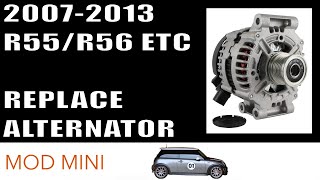
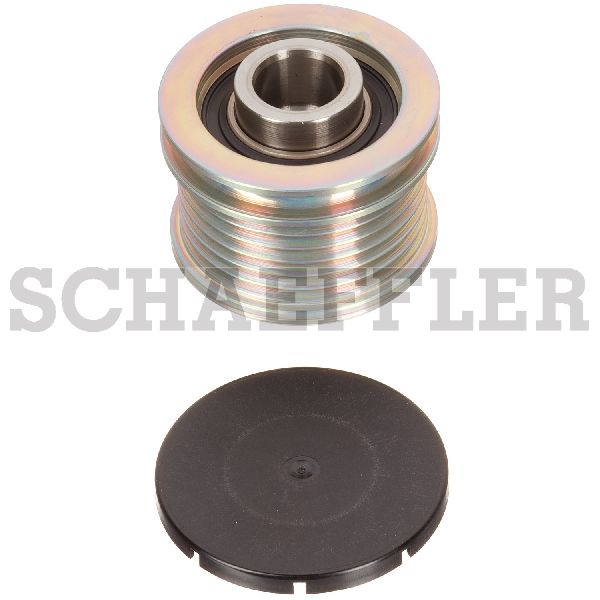
- Alternator — The alternator is the most common point of failure in the charging system that leads to a P0562 code.
Trusted brands: Bosch, Valeo, Denso
OEM price range: $400-$700
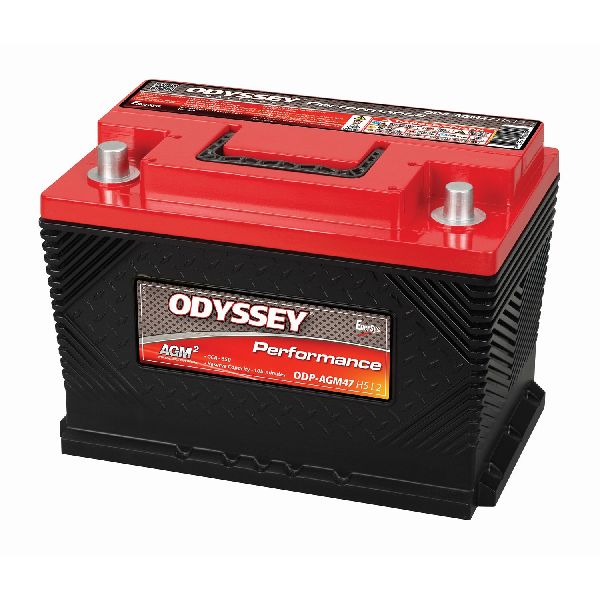
Aftermarket price range: $250-$500 - Battery — A battery that can no longer hold a sufficient charge will cause the system voltage to drop. Ensure it is the correct type (AGM vs. standard lead-acid) for the vehicle.
Trusted brands: Interstate, Duralast, DieHard, ACDelco
OEM price range: $200-$300
Aftermarket price range: $150-$250 - Engine Ground Strap
(OEM #12427570287 (or superseding numbers like 12427557769))— Corrosion on this part is a known issue for Minis and can cause high resistance in the charging circuit, leading to low voltage.
Trusted brands: Genuine MINI, Standard Motor Products
OEM price range: $25-$50
Aftermarket price range: $10-$30
Related Codes That Often Appear With This One
- P1682 - Charging System Voltage Too Low (more specific manufacturer code)
- Various communication codes (U-codes) if low voltage affects different control modules.
Technical Service Bulletins (TSBs) & Recalls
- M61 05 07 - Bad Ground Causes Various Electrical Problems on R55/R56/R57 models.
Platform-Specific Known Issues
- A TSB (M61 05 07) was issued for 2007-2009 R55, R56, and R57 models for bad ground points (X13004 and/or X4) causing a wide range of electrical problems, including no-start conditions and communication failures between modules. This TSB reinforces the common knowledge that ground issues are a primary suspect for electrical faults on these cars.
- Intelligent Battery Sensor (IBS) and Registration: → Shop Vehicle Battery Most R56 and newer Minis have an IBS on the negative battery cable. When a new battery is installed, it MUST be registered to the CAS (Car Access System) module. The system adapts its charging strategy to the battery's age and type. Failing to register a new battery can cause the system to overcharge or undercharge it, leading to a shortened lifespan and potential reoccurrence of the P0562 code.
Diagnostic Flowchart
Other Known Issues on This Vehicle
Issues unrelated to this code that are worth knowing about as an owner of this generation:
- Timing Chain Rattle ('Death Rattle') 🔴 High — Very common on 2007-2010 Cooper S models with the N14 engine, typically appearing from 50,000 miles. Less common but still possible on other N-series engines. (Ref: Multiple TSBs and a class-action lawsuit settlement addressed this issue.)
- High-Pressure Fuel Pump (HPFP) Failure 🔴 High — Common on turbocharged Cooper S models (N14 and N18 engines). Symptoms include long cranks, rough idle, and sudden loss of power. (Ref: MINI extended the warranty on the HPFP for certain model years.)
- Thermostat Housing Leak 🟠 Medium — The plastic thermostat housing is prone to cracking and leaking coolant, often after 60,000 miles. (Ref: A limited warranty extension was issued for some N18 engines (SIB 01 02 18).)
- Carbon Buildup on Intake Valves 🟠 Medium — A consequence of direct injection engines (Cooper S models). Causes rough idle, hesitation, and misfires. Typically requires cleaning (walnut blasting) every 40,000-60,000 miles.
- Oil Leaks (Valve Cover, Oil Filter Housing) 🟠 Medium — Gaskets for the valve cover and oil filter housing/cooler assembly frequently become brittle and leak oil onto the engine and exhaust.
- Water Pump Failure 🔴 High — The main engine water pump can fail, leading to coolant loss and overheating. Sometimes the auxiliary electric water pump for the turbocharger can also fail.
Real Owner Stories
Aggregated from forums and TSBs cited above. Mileages and costs reflect what owners reported in those sources.
2007-2013 Mini Cooper R56
Symptoms: No-start issue and various electrical problems.
What fixed it: Replacing the engine-to-body ground strap and cleaning grounds located under the fuse box.
Source hint: NorthAmericanMotoring.com - Thread 'R56 Ground strap location'
2007-2013 Mini Cooper R56
Symptoms: Concerns regarding charging system health and battery longevity after a replacement.
What fixed it: Registering the new battery with the vehicle's computer to ensure the Intelligent Battery Sensor (IBS) uses the correct charging strategy.
Source hint: NorthAmericanMotoring.com - Thread 'R56 Battery replacement and registration'
Related OBD-II Codes
Frequently Asked Questions
I have a 2008 Mini Cooper R56 with electrical issues; is there a specific TSB I should know about?
Do I really need to register my new battery on my R56 Mini Cooper?
Where is the main engine ground strap located on an R56 Mini?
What voltage should my Mini Cooper alternator be producing to avoid P0562?
Can a bad ground strap cause a no-start condition on my Mini?
Is there a specific part number for the ground strap if I need to replace it?
Helpful Videos

Used OEM Parts in Stock
New Aftermarket Parts Available



The information in this article is provided for general reference and educational purposes only. Vehicle specifications, procedures, and part compatibility can vary by production date, trim level, and region. Always consult your vehicle's factory service manual and verify part numbers before purchasing or performing repairs. Safety-critical components such as airbags, seat belts, and braking systems should be installed by a qualified professional.
- Mini Cooper:
- 🧭 Diagnostic Flowchart
- 🎬 Helpful Videos
- 🛍️ Shop This Part
- What's Unique About the 2006-2015 Mini Cooper
- Symptoms You May Notice
- Most Likely Causes
- Rare But Worth Checking
- Diagnosis Steps
- Parts You'll Likely Need
- Related Codes That Often Appear With This One
- Technical Service Bulletins (TSBs) & Recalls
- Platform-Specific Known Issues
- Other Known Issues on This Vehicle
- Real Owner Stories
- 2007-2013 Mini Cooper R56
- 2007-2013 Mini Cooper R56
- Related OBD-II Codes
- Frequently Asked Questions
- 🎟️ Get 5% Off