

P0562 on 2005-2010 Pontiac G6: System Voltage Low Causes and Fixes
P0562 on a Pontiac G6 almost always points to a failing alternator, a weak battery, or corroded battery terminals. Expect to spend $150-$300 for a new alternator and $100-$200 for a new battery. Cleaning terminals is a very low-cost first step.
- P0562 indicates a serious low voltage problem in your Pontiac G6's electrical system.
- The most likely culprits are a bad alternator, a failing battery, or corroded battery terminals.
- Start your diagnosis with the simplest and cheapest checks: inspect and clean the battery terminals first.
- Use a multimeter to check battery voltage with the engine off (~12.6V) and running (~14V) to quickly determine if the alternator is working.
- Do not continue driving with this code, as the vehicle could stall at any time, creating a dangerous situation.
What's Unique About the 2005-2010 Pontiac G6
For the Pontiac G6, the P0562 code is a straightforward electrical issue without significant platform-specific complexities. The charging system is a conventional design. However, owners should pay close attention to the battery cable connections, as corrosion at the terminals is a frequently reported issue that can mimic the symptoms of a more expensive component failure. Additionally, some owners have reported issues with poor terminal contact at the Body Control Module (BCM) connectors, which can cause various electrical issues and voltage fluctuations. A recall was issued for increased resistance in the BCM connection that could affect the Brake Apply Sensor (BAS) circuit, highlighting the sensitivity of this module to voltage issues.
Symptoms You May Notice
- Check Engine Light is on
- Battery or charging system warning light is illuminated
- Dimming or flickering headlights and interior lights
- Engine stalls, especially at idle
- Difficulty starting the engine or a no-start condition
- Electrical components behaving erratically (e.g., slow power windows, radio issues)
- Automatic transmission may not shift properly or may feel unresponsive
- Power steering warning message on the Driver Information Center (DIC)
- Replacing the battery when the actual fault is a failing alternator.
- Replacing the alternator when the root cause is simply loose or heavily corroded battery terminals.
Most Likely Causes
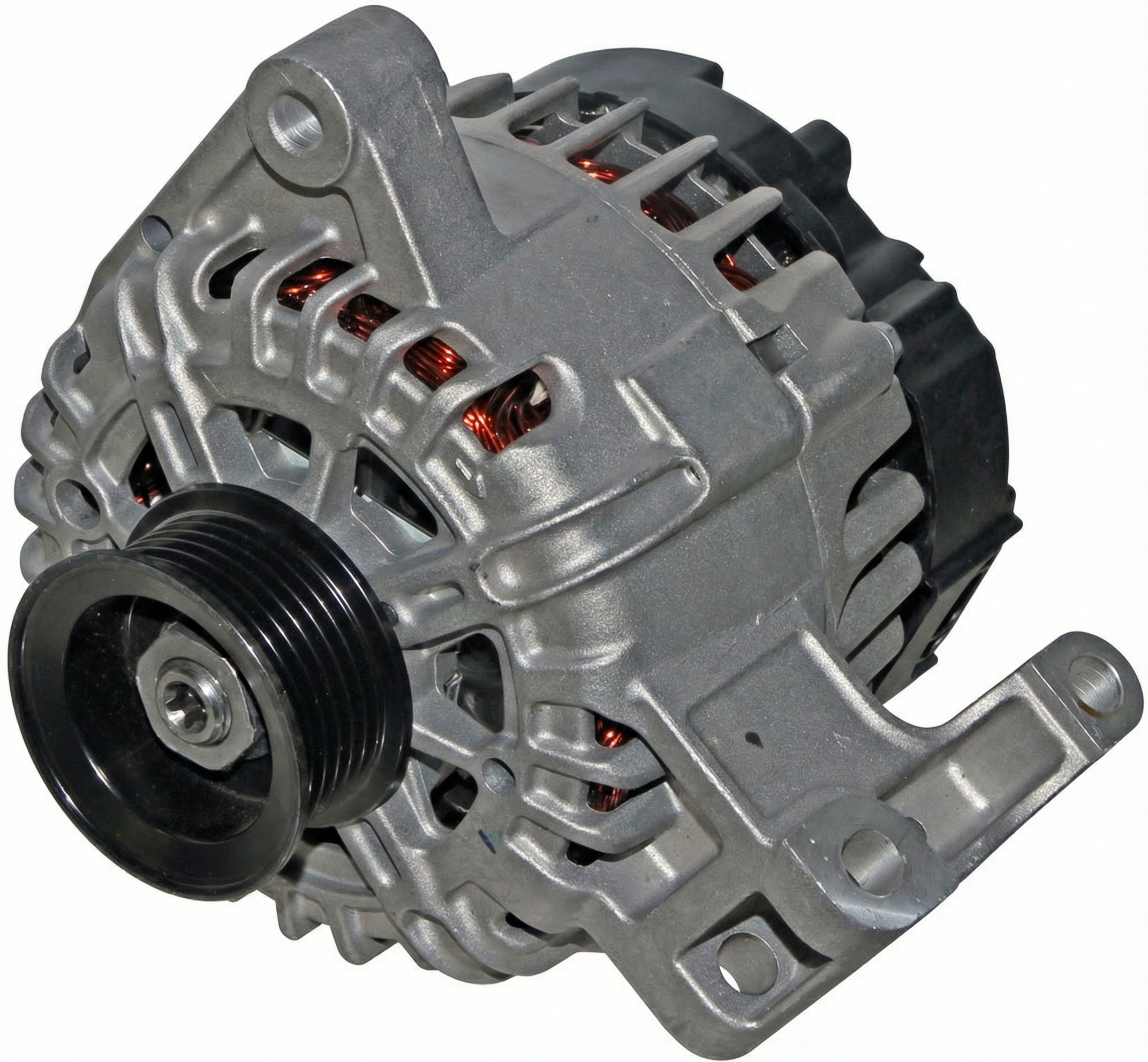
- Failing Alternator 🔴 High Probability → Shop Alternator The alternator is a common failure point in many vehicles as they age, and it is the primary suspect for a P0562 code. On the 3.5L V6, power steering lines can sometimes rub against the alternator if not properly secured, potentially causing issues, though this is not a direct cause of electrical failure.
How to confirm: With the engine running, use a multimeter to measure the voltage across the battery terminals. A healthy alternator should produce between 13.7 and 14.7 volts. A reading below 13 volts indicates the alternator is not charging properly. Many auto parts stores offer free alternator testing.
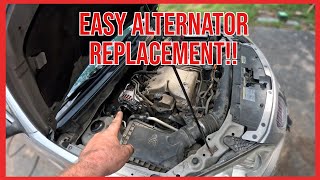
Typical fix: Replace the alternator. There are numerous video guides available showing the replacement process for engines like the 3.5L V6. 🎬 Watch this step-by-step 3.5L V6 alternator replacement guide
Est. part cost: $150 - $300 - Weak or Defective Battery 🔴 High Probability → Shop Vehicle Battery Car batteries have a finite lifespan of 3-5 years. An old battery that can no longer hold a sufficient charge is a very common cause of low system voltage, especially one that may have a bad cell.
How to confirm: Test the battery voltage with the engine off. A fully charged battery should read approximately 12.6 volts. A reading below 12.4V suggests a weak battery. A load test, which can be performed at most auto parts stores, is the most definitive way to confirm a bad battery.
Typical fix: Replace the battery.
Est. part cost: $100 - $200 - Corroded or Loose Battery Terminals/Cables 🟡 Medium Probability → Shop Vehicle Battery Corrosion on the battery terminals is a common issue on the G6 that creates high resistance, preventing the alternator from properly charging the battery and hindering power flow.
How to confirm: Visually inspect the battery terminals for white, blue, or green crusty buildup. Wiggle the battery cable clamps to ensure they are tight and do not move.
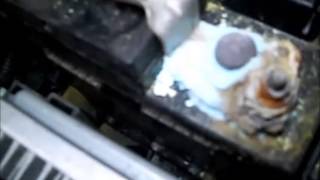
Typical fix: Disconnect the battery (negative terminal first) and thoroughly clean the terminals and cable clamps with a wire brush and a baking soda/water solution. 🎬 Watch how to clean heavily corroded G6 battery terminals Reconnect and tighten securely.
Est. part cost: $1 - $10 - Worn or Slipping Serpentine Belt ⚪ Low Probability → Shop Serpentine Belt The serpentine belt drives the alternator. If it is worn, stretched, or glazed, it can slip on the alternator pulley, preventing it from spinning at the correct speed to generate adequate voltage.
How to confirm: Visually inspect the belt for cracks, fraying, or a shiny, glazed appearance. Listen for a squealing noise during startup or acceleration.
Typical fix: Replace the serpentine belt and, if necessary, the belt tensioner.
Est. part cost: $20 - $60
Rare But Worth Checking
- Damaged Wiring or Poor Ground Connection: A damaged wire between the alternator and battery, or a corroded main engine ground strap, can cause a voltage drop. This should be investigated if a new battery and alternator do not solve the problem.
- Parasitic Battery Drain: → Shop Vehicle Battery A faulty module, relay, or aftermarket accessory may not shut off when the car is turned off, slowly draining the battery overnight. This can lead to a low voltage condition upon startup.
- Poor Connection at Body Control Module (BCM): → Shop Body Control Module RepairPal and other sources note that poor terminal contact at the BCM connectors can cause a range of electrical issues on the G6. While not a direct cause of P0562, it can contribute to voltage instability. A related recall (14V-252) addressed increased resistance in BCM connectors affecting brake light function.
Diagnosis Steps
- Visually inspect the battery terminals and cables for any signs of corrosion or looseness. Clean and tighten as necessary.
- With the engine off, use a multimeter to check the battery's static voltage. It should be around 12.6V.
- Start the engine and measure the voltage at the battery terminals again. The reading should be between 13.7V and 14.7V. If the voltage is low, the alternator is likely faulty.
- If the voltage is high (over 15V), the voltage regulator (usually internal to the alternator) may be bad.
- If the charging voltage is normal, have the battery load-tested at an auto parts store to check its health.
- Inspect the serpentine belt for wear, damage, or improper tension.
- If all the above components check out, inspect the main power and ground cables for damage or corrosion.
- Check for a parasitic drain if the battery repeatedly dies overnight but the charging system tests fine.
- Inspect the main connectors at the Body Control Module (BCM) under the center console for any signs of corrosion or loose pins.
Parts You'll Likely Need
- Alternator
(OEM #25922329 (For 3.5L V6, check VIN for exact fitment))— This is the most common cause of P0562, as it is responsible for charging the battery and powering the vehicle's electronics while the engine is running.
Trusted brands: ACDelco, Bosch, Denso
OEM price range: $250-$400
Aftermarket price range: $150-$300 - Battery — A battery that can no longer hold a proper charge is a frequent cause of this code. Batteries are a standard wear-and-tear item.
Trusted brands: ACDelco, Interstate, DieHard
OEM price range: $150-$250
Aftermarket price range: $100-$200 - Battery Terminals / Cables — Corrosion or damage to the terminals and cables can create high resistance, leading to a voltage drop.
Trusted brands: ACDelco, Standard Motor Products
OEM price range: $50-$150
Aftermarket price range: $20-$80
Related Codes That Often Appear With This One
- P0700 (Transmission Control System Malfunction) - Low voltage can cause communication errors with the TCM.
- U-series codes (e.g., U0100, U0101) - Indicating loss of communication with various modules due to low system voltage. 🎬 See how to diagnose a U0100 no-start issue
Technical Service Bulletins (TSBs) & Recalls
- While no TSBs directly address the P0562 code, several relate to electrical system integrity. TSB #24-NA-098 discusses proper electrical ground repairs. Recall 14V-252 / GM Bulletin 14118 addresses voltage fluctuations at the BCM causing brake light issues, which underscores the platform's sensitivity to electrical connection problems.
Platform-Specific Known Issues
- Owner Experience with Alternator Failure: → Shop Alternator A user on YouTube provides a detailed walkthrough of replacing the alternator on a 2008 Pontiac G6 with the 3.5L V6 engine, noting it's a common repair. The video highlights the bolt locations and the need to be careful around the power steering lines during removal and installation.
Diagnostic Flowchart
Other Known Issues on This Vehicle
Issues unrelated to this code that are worth knowing about as an owner of this generation:
- Electric Power Steering (EPS) Failure 🔴 High — Very common, typically occurs around 70,000-100,000 miles. Can result in a sudden loss of steering assist. (Ref: Recall #14V153000 (also N140115))
- Clunking Noise from Steering 🟠 Medium — Common issue caused by a worn intermediate steering shaft.
- Transmission Shift Solenoid Failure (4T45-E) 🔴 High — A well-documented and frequent problem in G6 models equipped with the 4-speed 4T45-E automatic transmission, leading to harsh shifting or getting stuck in gear.
- Leaking Sunroof Drains 🟠 Medium — Commonly reported issue where clogged or disconnected sunroof drain tubes cause water to leak into the cabin, soaking the headliner, seatbelts, and floor carpets.
- Poor BCM Connector Contact 🟠 Medium — Can cause a variety of strange electrical problems, including non-functional tail lights. A related recall (14V-252) was issued for brake light failure due to this issue. (Ref: Recall #14V252000)
Real Owner Stories
Aggregated from forums and TSBs cited above. Mileages and costs reflect what owners reported in those sources.
2008 Pontiac G6 3.5L V6
Symptoms: The owner noted the alternator failure was a common issue and provided a walkthrough of the replacement process, specifically highlighting the difficulty of working around power steering lines.
What fixed it: Replacement of the alternator, ensuring proper clearance for power steering lines and identifying specific bolt locations.
Source hint: vehicle_specific_issues: Owner Experience with Alternator Failure (YouTube walkthrough)
2008 Pontiac G6 GT
Symptoms: A no-start condition that was 'driving the owner nuts.' Discussion revealed that the battery voltage had dropped below 11V, suggesting a bad cell.
What fixed it: Checking battery voltage and ensuring the battery is fully recharged, as multiple short trips were preventing a full charge.
Source hint: forum_citations: CarTalk Community - 2008 Pontiac G6 GT Driving me nuts!
Related OBD-II Codes
Frequently Asked Questions
Could the brake light issues mentioned in Recall 14V-252 be related to my P0562 code?
I have a 3.5L V6 Pontiac G6; is there anything specific I should look for when replacing the alternator?
My Driver Information Center (DIC) is showing a power steering warning along with the check engine light. Is this normal for P0562?
Can short trips cause my 2008 G6 GT to throw a low voltage code?
Is there a TSB for repairing the electrical grounds on my Pontiac G6?
How can I tell if my BCM connectors are causing the low voltage issues?
Helpful Videos
Used OEM Parts in Stock
New Aftermarket Parts Available

The information in this article is provided for general reference and educational purposes only. Vehicle specifications, procedures, and part compatibility can vary by production date, trim level, and region. Always consult your vehicle's factory service manual and verify part numbers before purchasing or performing repairs. Safety-critical components such as airbags, seat belts, and braking systems should be installed by a qualified professional.
- Pontiac G6:
- 🧭 Diagnostic Flowchart
- 🎬 Helpful Videos
- 🛍️ Shop This Part
- What's Unique About the 2005-2010 Pontiac G6
- Symptoms You May Notice
- Most Likely Causes
- Rare But Worth Checking
- Diagnosis Steps
- Parts You'll Likely Need
- Related Codes That Often Appear With This One
- Technical Service Bulletins (TSBs) & Recalls
- Platform-Specific Known Issues
- Other Known Issues on This Vehicle
- Real Owner Stories
- 2008 Pontiac G6 3.5L V6
- 2008 Pontiac G6 GT
- Related OBD-II Codes
- Frequently Asked Questions
- 🎟️ Get 5% Off