

P0562 on 2012-2019 Porsche 911: System Voltage Low Causes and Fixes
P0562 on a Porsche 911 (991-gen) indicates system voltage has dropped below a safe threshold, almost always due to a failing battery or alternator. A new AGM battery must be coded to the car's computer. Expect to test both components; a new AGM battery costs $250-$400, while a replacement Bosch alternator is around $500-$800 plus several hours of labor.
- P0562 means the car's electrical system voltage is dangerously low.
- The most common causes are a bad battery or a failed alternator.
- Do not drive the vehicle, as it is likely to stall and leave you stranded.
- Diagnosis involves testing both the battery (engine off) and the alternator (engine on) with a multimeter.
- If you replace the battery, it MUST be registered to the car's computer using a specialized scan tool to ensure proper charging and longevity.
What's Unique About the 2012-2019 Porsche 911
The 2012-2019 Porsche 911 (991 generation) features a sophisticated electrical system with a Battery Management System (BMS) and, on later models, an auto start/stop function. This complexity means that simply swapping a battery is not sufficient. The new battery must be "registered" or "coded" to the vehicle's gateway module, informing the system of the new battery's capacity (Ah), type (AGM), and serial number. Failing to do so can lead to improper charging strategies by the alternator, causing premature failure of the new battery. This registration requires a specialized scan tool like the official Porsche PIWIS, or capable aftermarket tools like an Autel MK808 or iCarsoft for Porsche. The alternator itself is also controlled via a LIN bus connection to the DME, allowing for more complex charging strategies than a simple voltage regulator.
Generation note: This guide covers the Porsche 911 991 generation, which includes the 991.1 (2012-2016) and 991.2 (2017-2019) sub-generations. The core charging system principles are the same, but always verify part numbers for your specific model year and trim. Both generations require battery registration. The 991.2 models have more complex electronics related to the turbocharged engines and start/stop systems.
Symptoms You May Notice
- Check Engine Light illuminated
- Battery/Generator warning light on the dashboard
- "Reduced engine performance Possible to drive on" message in the instrument cluster.
- Dimming or flickering headlights and interior lights
- Slow or sluggish engine cranking
- Malfunctioning electrical accessories like the radio, windows, or climate control
- Vehicle stalling or hesitating, especially at idle
- Whining or grinding noise from the engine bay, indicating a failing alternator bearing
- Automatic (PDK) transmission may not shift properly or may show faults like P1734 and P1738 after a low voltage event.
- Multiple, seemingly unrelated fault codes appearing for various modules (e.g., steering, ABS, instrument cluster) due to system-wide low voltage.
- Replacing the battery without testing the alternator. If the alternator is bad, it will fail to charge the new battery, and the problem will quickly return.
- Replacing the alternator when the actual fault is a simple loose or corroded connection at the battery or a bad ground strap.
- Replacing the battery but failing to register it with the car's BMS, leading to overcharging or undercharging of the new battery and its premature failure.
Most Likely Causes
- Failing Battery 🔴 High Probability → Shop Vehicle Battery Modern Porsches have significant electrical demands even when parked (parasitic drain), which can tax the battery. Batteries also have a finite lifespan of 3-5 years. Heat is also a major factor in battery degradation.
How to confirm: Test the battery voltage with the engine off using a multimeter; a healthy battery should read at least 12.4V-12.6V. For a definitive diagnosis, perform a load test using a dedicated battery tester. Many auto parts stores do this for free.
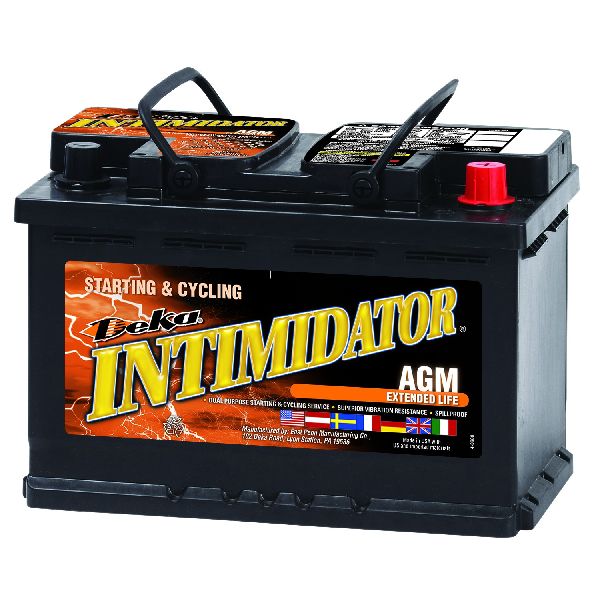
Typical fix: Replace the battery with a new AGM (Absorbent Glass Mat) battery of the correct specification (e.g., H8 size, 80-95Ah). 🎬 Watch: Step-by-step guide to replacing your 991 battery The new battery MUST be registered with the vehicle's computer using a compatible scan tool (PIWIS, Autel, etc.) to input the new battery's specs.
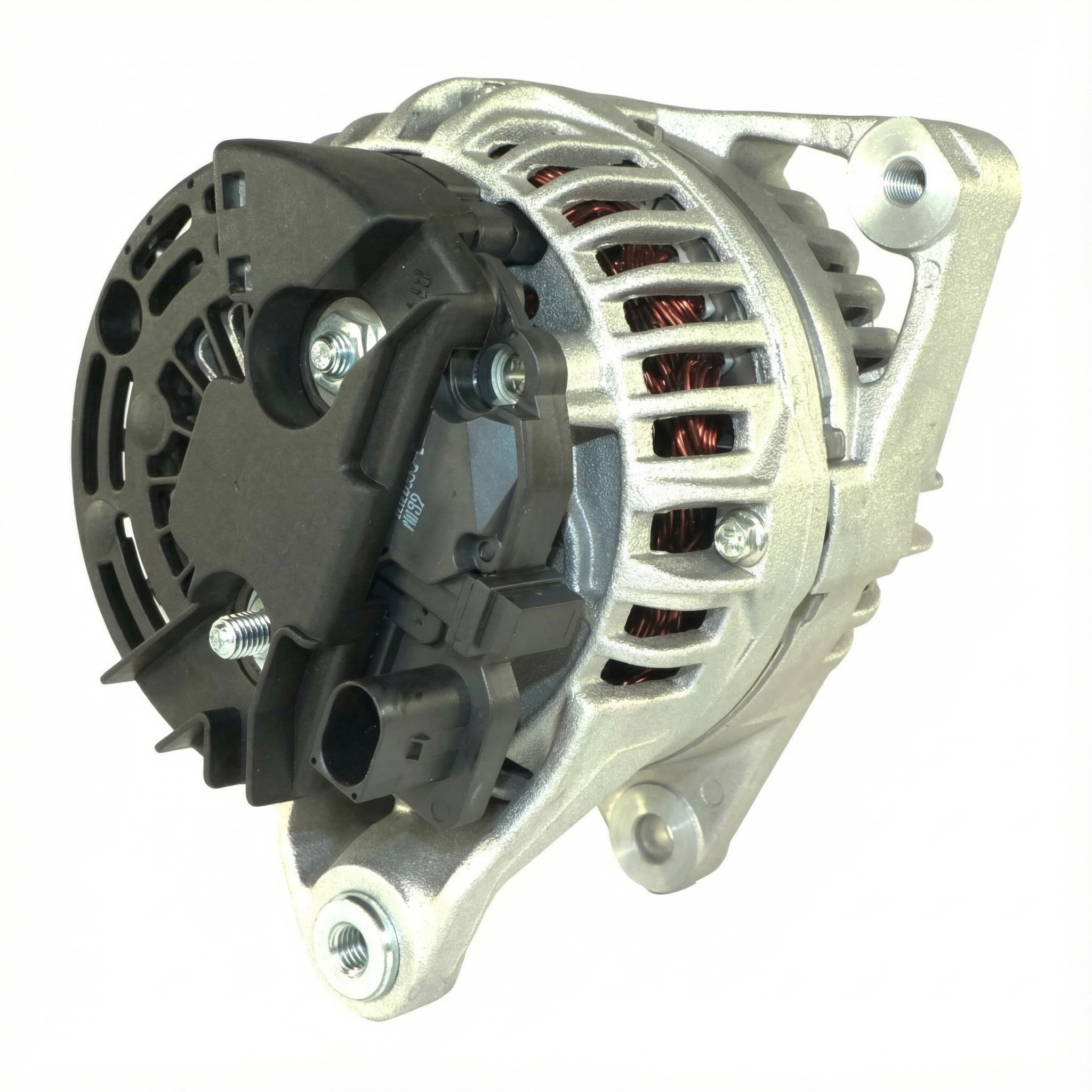
Est. part cost: $250-$450 - Failing Alternator 🔴 High Probability → Shop Alternator The alternator works constantly to power the car's many electronic systems and can wear out over time, typically after 8+ years. The internal voltage regulator, which communicates with the DME via a LIN bus signal, is a common failure point and can sometimes be replaced separately from the alternator.
How to confirm: With the engine running, measure the voltage at the battery terminals. A healthy alternator should produce between 13.5V and 14.7V. If the voltage is low (e.g., below 13.2V) or does not increase from the resting voltage, the alternator is likely faulty. Many auto parts stores can test an alternator on the vehicle.
Typical fix: Replace the alternator. It is often recommended to use a new or remanufactured unit from the OEM supplier, Bosch. In some cases, only the voltage regulator on the back of the alternator needs replacement, which is a much cheaper part.
Est. part cost: $450-$800 for a remanufactured Bosch unit. - Loose or Corroded Battery Terminals / Ground Straps 🟡 Medium Probability → Shop Engine Ground Strap Vibration and time can lead to loose connections, while moisture can cause corrosion (visible as white or greenish powder), creating high resistance in the charging circuit.
How to confirm: Visually inspect the battery terminals, main power cables, and chassis ground points for tightness and any signs of corrosion. Check the main ground strap from the engine to the chassis.
Typical fix: Disconnect the battery (negative terminal first), thoroughly clean the terminals and cable ends with a wire brush and baking soda solution, and re-secure them tightly. Apply dielectric grease to prevent future corrosion.
Est. part cost: $0-$20
Rare But Worth Checking
- Faulty Alternator Cable: → Shop Alternator While a well-known issue on the previous 997 generation, a high-resistance cable between the alternator and starter/battery can mimic alternator failure. This is less common on the 991 but still possible. It can be diagnosed by performing a voltage drop test on the cable itself under load.
- Parasitic Battery Drain: → Shop Vehicle Battery An electrical component that fails to shut down when the car is off can slowly drain the battery, causing a low voltage state upon startup. This requires a more complex diagnosis using a multimeter in ammeter mode to measure current draw on individual circuits.
- Faulty Powertrain Control Module (PCM): In very rare cases, the PCM itself can fail and incorrectly report a low voltage condition or fail to properly command the alternator. This is a last resort after all other possibilities have been exhausted.
- Faulty Intelligent Battery Sensor (IBS): → Shop Vehicle Battery The IBS is a small module on the negative battery terminal that monitors battery state of charge and health. If it fails, it can send incorrect data to the Gateway and DME, leading to improper charging and a P0562 code. A faulty sensor was the confirmed fix in at least one owner's case. Diagnosis requires a Porsche-specific scanner to check for IBS-related faults.
Diagnosis Steps
- Read the codes with an OBD-II scanner to confirm P0562 and check for any other related faults.
- Visually inspect the serpentine belt for condition and tension. A slipping belt can't turn the alternator effectively.
- Visually inspect the battery terminals, cables, and main ground straps for corrosion, damage, or looseness. Clean and tighten as necessary.
- With the engine off, use a multimeter to measure the battery's resting voltage. A reading below 12.4V suggests a discharged or failing battery.
- Perform a battery load test with a dedicated tester to confirm its health. Most auto parts stores offer this service for free.
- Start the engine and measure the voltage at the battery terminals again. The reading should be between 13.5V and 14.7V.
- If voltage is low, the alternator is the primary suspect. If voltage is good, the issue was likely the battery or a connection. Perform a load test on the charging system by turning on headlights, A/C, and other accessories to see if voltage holds steady.
- If the battery and alternator test good, investigate for a possible parasitic draw that could be draining the battery when the car is off.
- If replacing the battery, ensure it is correctly registered to the car using a Porsche-compatible scan tool, entering the new battery's capacity, type, and serial number.
Parts You'll Likely Need
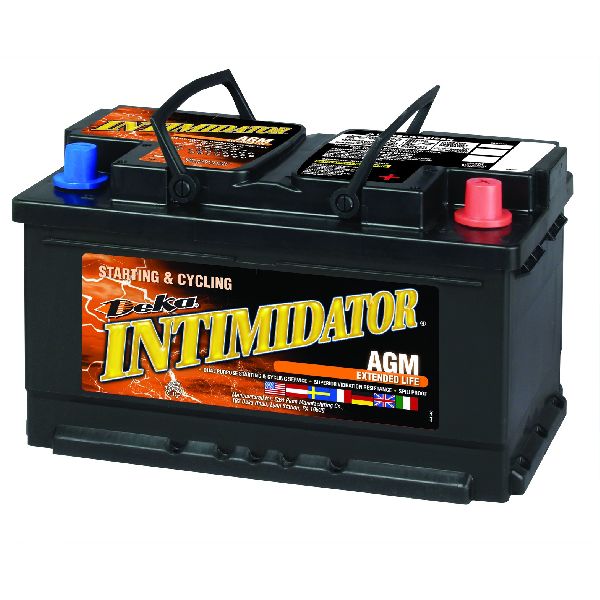
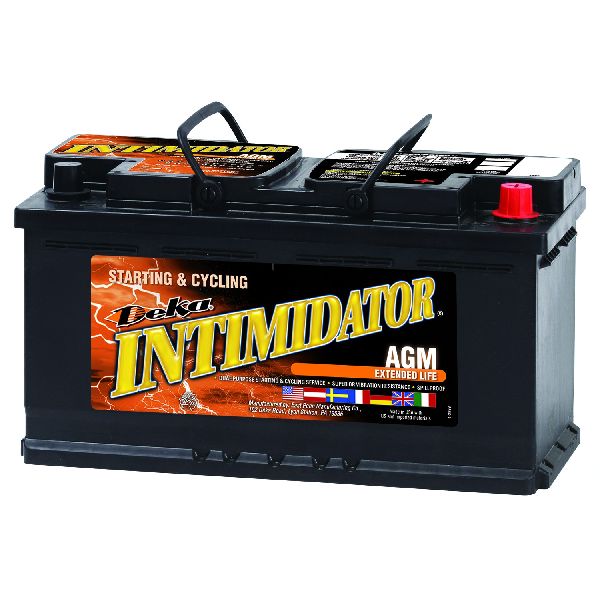
- AGM Battery
(OEM #992-915-105-B (supersedes 999-611-080-12 for 80Ah))— The battery is a common wear item and the most likely cause of low system voltage. Porsche 911s require a specific AGM type battery, typically H8 size with 80-95Ah capacity.
Trusted brands: Varta (OEM), Bosch, Interstate, Duracell
OEM price range: $400-$550
Aftermarket price range: $250-$400 - Alternator
(OEM #9A1-603-018-02 (Bosch))— If the battery tests good, the alternator is the next most likely component to fail, as it is responsible for generating the vehicle's electrical power.
Trusted brands: Bosch (OEM supplier), BBB Industries, Pure Energy
OEM price range: $900-$1200
Aftermarket price range: $450-$800 (remanufactured)
Related Codes That Often Appear With This One
- P0491 / P0492 — These codes for the Secondary Air Injection system can sometimes appear alongside P0562. The air pump is an electrically demanding component that may be affected by low voltage, or its failure could contribute to electrical system faults.
- P1734 / P1738 — These PDK (transmission) faults related to shift rod sensors can be triggered by a low voltage event. If they appear after a dead battery, the root cause is likely the electrical system issue (P0562) rather than an actual transmission failure.
Platform-Specific Known Issues
- The requirement to register a new battery with the vehicle's gateway module is a critical, platform-specific issue. Skipping this step can reduce the lifespan of the new battery as the car's charging system will not be properly calibrated for it.
- When using a battery tender, some 991 models require the ignition to be turned on before connecting the tender to the 12V socket to prevent the socket from being disconnected by the BMS.
Mechanic-Grade Diagnostic Values
- Battery Resting Voltage (Engine Off) — expected: 12.4V - 12.6V. Failure: Below 12.4V indicates a discharged or failing battery.
- Charging System Voltage (Engine Running at Idle) — expected: 13.5V - 14.7V. Failure: Below 13.2V - 13.5V suggests a faulty alternator, regulator, or wiring issue.
- Voltage Drop on Alternator B+ Cable — expected: < 0.5V. Failure: A voltage drop greater than 0.5V between the alternator output post and the positive battery terminal under load (headlights, A/C on) indicates high resistance in the cable or connections.
- Voltage Drop on Ground Circuit — expected: < 0.2V. Failure: A voltage drop greater than 0.2V between the alternator case and the negative battery terminal indicates a poor ground connection (engine ground strap, etc.).
- Required Voltage for Control Unit Programming (PIWIS) — expected: 13.5V - 14.5V. Failure: Voltage outside this range during programming can cause control unit failure. A high-amperage power supply is required.
Scan Tool Commands That Help
- PIWIS Tester (II or III): Gateway -> Maintenance/Repairs -> Change battery — This function must be used after every battery replacement to register the new battery's capacity (Ah), technology (AGM), and serial number with the Gateway module, ensuring correct charging by the Battery Management System (BMS).
- PIWIS Tester (II or III): Guided Fault Finding (GFF) — When P0562 is present, the GFF provides a step-by-step diagnostic plan, prompting the technician to check specific values and components in a logical order.
- PIWIS Tester (II or III): DME -> Actual Values -> Alternator Communication / Battery Voltage — To monitor live data from the charging system. This allows a technician to see the voltage reported by the DME, the target voltage being requested from the alternator via the LIN bus, and the status of the Intelligent Battery Sensor (IBS).
- PIWIS Tester (II or III): Engineer Mode (E-Mode) — Advanced diagnostics may involve using the engineering mode to view more detailed parameters of the gateway and DME, or to perform coding changes if a control module is replaced.
Wiring & Ground Locations
- Alternator B+ Cable — Runs from the main output stud on the back of the alternator to the starter motor and then to the main battery positive terminal/distribution block.. Corrosion or damage to this heavy-gauge cable can create high resistance, causing a significant voltage drop between the alternator and the battery, mimicking a failed alternator.
- Alternator LIN Bus Connector — A small electrical connector on the back of the alternator, separate from the main B+ output stud.. This is the single-wire digital communication line to the DME. A poor connection here prevents the DME from commanding the alternator to charge correctly, which can cause P0562 even if the alternator itself is mechanically sound.
- Main Engine-to-Chassis Ground Strap — A thick, braided cable connecting the engine block to the vehicle's chassis, typically on the right (passenger) side of the engine bay in earlier models.. This is the primary return path for the alternator's current. If this strap is corroded or loose, the alternator cannot effectively charge the battery, leading to low system voltage.
- Battery Ground Point — The negative battery cable connects directly to the chassis in the front trunk (frunk) near the battery.. Corrosion or a loose connection at this primary ground point will affect the entire vehicle's electrical system and can cause P0562.
- PCM/DME Ground Point (GP 21) — For early 991 models, this ground point is located on the left side of the main dashboard support bracket, behind the instrument panel.. A poor ground for the engine computer itself could cause it to read system voltage incorrectly, potentially setting a false P0562 code. This is a rare but possible cause.
Real Owner Repair Stories
- Carly Forum User (2013 Porsche 991 with 28,498 km) — Heavily discharged battery despite recent replacement, weak lights, speedometer error, and an unspecified error code stored.
❌ Tried (didn't work) Replacing the battery initially did not solve the discharging issue.
✅ What actually fixed it A Porsche specialist diagnosed and replaced a faulty Intelligent Battery Sensor (IBS) located on the battery terminal, which resolved the problem. - Rennlist Forum User (2015 Porsche 911 (991)) — Car came back from vacation to a dead H6 battery. After replacement with a new H7 battery (and registration), the car threw PDK transmission faults (P1734, P1738) and other low voltage faults for the GPS and instrument cluster.
❌ Tried (didn't work) Replacing the battery with another H6., Replacing the battery with a new H7 and registering it.
✅ What actually fixed it The user attributed the initial battery drain to a third-party Apple CarPlay module wired to an always-on fuse. The subsequent PDK faults were a direct result of the low voltage event, not a mechanical failure. The dealer incorrectly recommended a full PDK replacement. The underlying issue was the parasitic drain causing the low voltage state.
Model Year Variations Within This Range
- 2017-2019 (991.2): The 991.2 models feature turbocharged engines and a more aggressive auto start/stop system, which places different demands on the battery and charging system. The alternator and its control strategy via the LIN bus are optimized for this. While the P0562 code's meaning is the same, diagnostics should consider the more complex interactions between the start/stop system and the Battery Management System (BMS).
Diagnostic Flowchart
Other Known Issues on This Vehicle
Issues unrelated to this code that are worth knowing about as an owner of this generation:
- Warping/Delaminating Door Panels 🟠 Medium — Very common, especially on cars from hot climates. The adhesive holding the upper door panel trim fails, causing it to lift and warp.
- Changeover Valve (COV) Failure 🟠 Medium — Common failure on 991.1 models. These small plastic vacuum valves control various functions (exhaust flaps, intake runners, cooling). Failure can cause CELs and various symptoms depending on which valve fails. (Ref: Part number has been superseded multiple times (e.g., 7PP906283F).)
- High-Pressure Fuel Pump (HPFP) Failure 🔴 High — A known issue on the direct-injected 991.1 engines. Symptoms include long cranks, rough cold starts, stalling, and 'Reduced Engine Performance' warnings.
- Water Pump Failure 🟠 Medium — The water pump is a known wear item that can fail, leading to coolant leaks and potential overheating. Often replaced preventatively during major services.
- Front Radiator Debris Accumulation 🟡 Low — The low front radiator design makes them susceptible to collecting leaves and road debris, which can reduce cooling efficiency and corrode the A/C condensers if not cleaned out periodically.
Used vs. New Parts: Buying Guide for This Vehicle
When a used part is the smart pick: A used OEM alternator from a low-mileage, accident-damaged donor vehicle can be a cost-effective option. It is generally preferable to a low-quality aftermarket remanufactured unit. Other electrical components like cables or the gateway module are also good candidates for used parts, provided they come from a reputable salvage yard with a warranty.
Donor-vehicle mileage cap: roughly under 50000 miles for the part to have meaningful remaining life.
What to inspect on the donor part:
- For an alternator, check for smooth, quiet bearing rotation with no grinding or play in the pulley.
- Visually inspect the alternator housing for any signs of impact damage or corrosion.
- Verify the part number on the used component matches the required part for your specific vehicle.
- For wiring harnesses or cables, ensure there are no cuts, abrasions, or signs of heat damage to the insulation.
OEM-only on this vehicle (don't cheap out):
- Gateway Module: Due to complex vehicle-specific coding (VIN lock), a used module may be difficult or impossible to reprogram. It's often best to buy new or use a specialist service that can virginize a used unit.
- Intelligent Battery Sensor (IBS): Given its critical role and relatively low cost compared to other components, a new OEM sensor is recommended to avoid diagnostic headaches.
Aftermarket brands forum-validated for this vehicle:
- Bosch (Remanufactured): As the OEM supplier, Bosch's remanufactured units are generally considered the highest quality aftermarket option. They are rebuilt in Bosch facilities to OEM standards.
Brands owners have reported issues with on this vehicle:
- Generic/Unbranded Remanufactured Alternators: Forum discussions frequently mention poor quality control, with units being dead-on-arrival or failing prematurely (e.g., bad diodes, noisy bearings). It is often a false economy to choose the cheapest available remanufactured unit.
Real Owner Stories
Aggregated from forums and TSBs cited above. Mileages and costs reflect what owners reported in those sources.
2012-2019 Porsche 911 (991)
Symptoms: Connected BlueDriver app wirelessly to phone, ran quick test plaintext P0562 – System Voltage Low Detected.
What fixed it: Replaced alternator
Source hint: Google Books Snippet owner report
2012-2019 Porsche 911 (991)
Symptoms: Low voltage fault symptoms leading to a diagnosis of a failing charging system.
What fixed it: Replaced with a remanufactured alternator.
Source hint: Rennlist.com thread titled 'P0562 Low Voltage Fault'
Related OBD-II Codes
Frequently Asked Questions
Can I just swap the battery in my 991 myself, or do I really need to register it?
My 911 is showing P1734 and P1738 along with P0562. Is my PDK transmission failing?
What is the correct replacement battery part number for my Porsche 911?
Why does my 12V socket stop working when I try to use a battery tender?
I'm seeing a 'Reduced engine performance' message and my dash lights are flickering. Could this be the alternator?
Is there a specific brand of alternator recommended for the 991?
Helpful Videos



Used OEM Parts in Stock
New Aftermarket Parts Available



The information in this article is provided for general reference and educational purposes only. Vehicle specifications, procedures, and part compatibility can vary by production date, trim level, and region. Always consult your vehicle's factory service manual and verify part numbers before purchasing or performing repairs. Safety-critical components such as airbags, seat belts, and braking systems should be installed by a qualified professional.
- Porsche 911:
- 🧭 Diagnostic Flowchart
- 🎬 Helpful Videos
- 🛍️ Shop This Part
- What's Unique About the 2012-2019 Porsche 911
- Symptoms You May Notice
- Most Likely Causes
- Rare But Worth Checking
- Diagnosis Steps
- Parts You'll Likely Need
- Related Codes That Often Appear With This One
- Platform-Specific Known Issues
- Mechanic-Grade Diagnostic Values
- Scan Tool Commands That Help
- Wiring & Ground Locations
- Real Owner Repair Stories
- Model Year Variations Within This Range
- Other Known Issues on This Vehicle
- Used vs. New Parts: Buying Guide for This Vehicle
- Real Owner Stories
- 2012-2019 Porsche 911 (991)
- 2012-2019 Porsche 911 (991)
- Related OBD-II Codes
- Frequently Asked Questions
- 🎟️ Get 5% Off