

P0562 on 1996-2002 Toyota 4Runner: Low Voltage Causes and Fixes
On a 3rd Gen Toyota 4Runner, code P0562 almost always points to a failing alternator or an old battery. First, test the battery and charging system voltage. A new battery costs $150-$250, while a quality remanufactured Denso alternator is about $150-$250. Both are common DIY fixes.
- P0562 means your vehicle's electrical system voltage is too low.
- The most likely culprits on a 1996-2002 4Runner are a worn-out alternator or an old battery.
- Always test the battery and charging system before buying parts. A simple multimeter test can save you hundreds of dollars.
- Don't forget to check the simple things first: clean and tighten battery terminals and check the main ground connections.
- If you replace the battery, a Group 35 is often the preferred fit to avoid stressing the factory cables.
What's Unique About the 1996-2002 Toyota 4Runner
The 3rd generation 4Runner, equipped with the robust 5VZ-FE engine, is known for its durable electrical system and is considered one of Toyota's most reliable engines. The original Denso alternators can last for well over 200,000 miles. When a P0562 code appears on these high-mileage vehicles, it's often the first time the original alternator or battery connections have failed after decades of service. Diagnosis on this platform is a straightforward process of checking these aged, but typically high-quality, original components like the alternator, battery, and associated wiring.
Symptoms You May Notice
- Check Engine Light is on
- Battery warning light is on
- Dimming or flickering headlights and interior lights
- Slow or difficult engine cranking
- Engine stalling, especially at idle
- Erratic behavior from electrical components like the radio or gauges
- Vehicle may not restart after being turned off
- A jump start allows the engine to run, but it dies as soon as it's put into gear (a classic sign the alternator is not supporting the electrical load).
- Replacing the battery when the alternator is the actual cause of the problem (the new battery will soon die as well).
- Replacing the alternator when a simple, corroded battery terminal, bad ground connection, or blown ALT-S fuse was the real issue.
- Overlooking the small alternator pigtail connector, which can be damaged or have a poor connection, mimicking a failed alternator.
Most Likely Causes
- Failing Alternator 🔴 High Probability → Shop Alternator The original Denso alternators are long-lasting but will eventually wear out, especially on vehicles over 20 years old with high mileage. The internal voltage regulator is a common failure point.
How to confirm: With the engine running, use a multimeter to measure the voltage across the battery terminals. A healthy alternator should produce between 13.5 and 14.8 volts. A reading near battery voltage (12.6V or less) indicates the alternator is not charging. You can also perform a load test by turning on all accessories (headlights, A/C, radio); the voltage should not drop significantly.
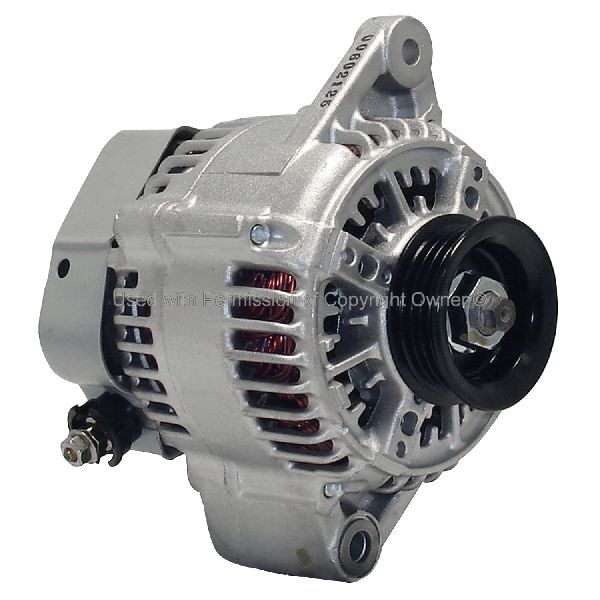
Typical fix: Replace the alternator. Using an OEM-quality remanufactured unit from Denso is highly recommended for reliability. The OEM part number is 27060-62160, and the Denso remanufactured part number is 210-0434.
Est. part cost: $150 - $250 - Weak or Old Battery 🔴 High Probability → Shop Vehicle Battery Batteries have a finite lifespan of 3-5 years. An old battery that can no longer hold a proper charge or fails under load will cause system voltage to drop, triggering the P0562 code.
How to confirm: With the engine off, measure battery voltage. A reading below 12.4V suggests a discharged or weak battery. The best confirmation is a load test, which can be performed for free at most auto parts stores. A simple test is to watch the dome light while cranking the engine; if it dims significantly or goes out, the battery is likely weak.
Typical fix: Replace the battery. Ensure the new battery is fully charged before installation. The 3.4L V6 models typically use a Group 24F or Group 35 battery.
Est. part cost: $150 - $250 - Corroded or Loose Battery Terminals/Cables 🟡 Medium Probability → Shop Vehicle Battery Over 20+ years, corrosion (white or greenish crust) can build up on battery terminals and cable ends, creating high resistance that prevents proper current flow from the alternator to the battery.
How to confirm: Visually inspect the positive and negative battery terminals and cable ends for white, green, or blue crusty buildup. Wiggle the terminals to check for tightness. A poor connection can feel hot to the touch after running the vehicle.
Typical fix: Disconnect the battery (negative first). Clean the terminals and cable clamps thoroughly with a wire brush and a baking soda/water solution. Reconnect securely (positive first). Applying a terminal protector spray can prevent future corrosion.
Est. part cost: $1 - $10 for a cleaning tool and protectant spray. - Poor Ground Connection ⚪ Low Probability The main chassis and engine ground straps can corrode or become loose over time, creating high resistance in the electrical circuit. On these older trucks, rust on the frame where the ground cable attaches is a common issue.
How to confirm: Follow the main negative battery cable to where it bolts to the vehicle's fender/chassis. Inspect the connection for rust or looseness. Also, check the engine ground strap which typically runs from the engine block to the firewall or frame.
Typical fix: Unbolt the ground connection, clean the contact surfaces of the terminal and the chassis down to bare metal with a wire brush or sandpaper, and re-secure it tightly. Applying dielectric grease can prevent future corrosion.
Est. part cost: $0 - $5 for cleaning supplies.
Rare But Worth Checking
- Blown ALT-S Fuse: A small 7.5A fuse, often labeled 'ALT-S' in the under-dash fuse box, provides a voltage-sensing signal from the battery to the alternator's regulator. If it blows, the alternator may not receive the correct signal to charge, even if it's a brand new unit. This is a critical, often overlooked, check.
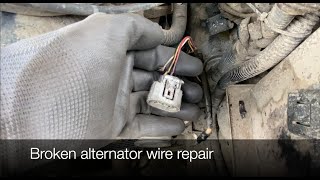
- Damaged Alternator Wiring Harness: → Shop Alternator The small plastic 3-pin oval connector on the alternator can become brittle and crack, or the wires leading to it can fray from heat and vibration. This causes an intermittent or total loss of charging. Pigtail repair harnesses are available (e.g., Standard Ignition S2533). 🎬 Watch: How to repair a damaged alternator wiring harness and connector.
- Parasitic Battery Drain: → Shop Vehicle Battery A component may be drawing power when the vehicle is off, slowly draining the battery. This can lead to a low voltage state at startup, triggering P0562. While not a direct charging system failure, it presents with similar symptoms.
Diagnosis Steps
- Read the code with an OBD-II scanner to confirm P0562 is present.
- Visually inspect the battery terminals, positive cable, and negative ground cable for corrosion, damage, or looseness. Clean and tighten as necessary.
- With the engine OFF, use a multimeter to measure the battery's static voltage. A healthy battery should read at least 12.4V-12.6V. If it's low, charge the battery and have it load-tested at an auto parts store.
- If the battery is good, start the engine. Measure the voltage at the battery terminals again. The reading should be between 13.5V and 14.8V.
- If the voltage is below 13.5V with the engine running, the alternator is likely not charging. Before replacing it, proceed to the next steps.
- Check the 7.5A 'ALT-S' fuse in the interior fuse panel. This fuse is critical for the alternator's voltage sensing circuit.
- Inspect the wiring and the 3-pin oval connector at the back of the alternator for any signs of damage, corrosion, or looseness. Ensure it is fully seated.
- If the charging voltage is low and all fuses/wiring appear intact, the alternator has most likely failed and requires replacement.
- If the charging voltage is normal, the issue might be intermittent or caused by a parasitic drain. Perform a parasitic draw test if the battery repeatedly dies overnight.
Parts You'll Likely Need
- Alternator
(OEM #27060-62160)— This is the most common part to fail and cause a low voltage condition on a high-mileage 4Runner. The internal voltage regulator fails, preventing it from charging the battery.
Trusted brands: Denso (Remanufactured, P/N: 210-0434), Bosch
OEM price range: $200-$300 (Remanufactured)
Aftermarket price range: $150-$250 - Battery — An old battery that can no longer hold a sufficient charge is a very common cause for P0562. The 3.4L V6 models typically use a Group 24F or Group 35 battery.
Trusted brands: Interstate, DieHard, Optima
OEM price range: $200-$300
Aftermarket price range: $150-$250 - Alternator Connector Pigtail
(OEM #82824-30180)— The original 3-pin oval connector becomes brittle with age and heat cycles, leading to cracks and poor connections. Replacing the pigtail is often necessary when replacing the alternator on an older vehicle. Aftermarket versions like Standard Motor Products S2533 are also available.
Trusted brands: Toyota Genuine Parts, Standard Motor Products, Dorman
OEM price range: $20-$40
Aftermarket price range: $10-$25
Platform-Specific Known Issues
- There is a known discussion among owners about the correct battery group size. While both Group 24F and Group 35 will fit, the 24F is slightly taller. Some owners prefer the Group 35 as it provides a better fit for the stock battery terminals without causing stress on the cables.
- Owners on T4R.org and YotaTech frequently advise replacing the alternator connector pigtail as a preventative measure when replacing the alternator, as the original plastic is often too brittle to be removed without breaking after 20+ years.
Mechanic-Grade Diagnostic Values
- Battery Static Voltage (Engine Off) — expected: 12.6V - 12.8V. Failure: Below 12.4V indicates a discharged or weak battery. Below 11.9V indicates a fully discharged and likely bad battery.
- Charging Voltage at Battery (Engine Running, immediately after start) — expected: 14.1V - 14.7V. Failure: Voltage below 14.0V immediately after starting can indicate a wearing alternator, even if it hasn't failed completely.
- Charging Voltage at Battery (Engine Running, after warm-up) — expected: 13.5V - 14.8V. Failure: A reading below 13.5V indicates the alternator is not charging sufficiently. A reading above 15.0V indicates a faulty voltage regulator (overcharging).
- Voltage Drop Test: Alternator B+ post to Battery Positive Terminal — expected: Less than 0.2V. Failure: A reading over 0.2V indicates high resistance in the main charging cable or its connections.
- Voltage Drop Test: Alternator Case to Battery Negative Terminal — expected: Less than 0.2V. Failure: A reading over 0.2V indicates a poor ground connection between the alternator, engine block, or battery.
- Alternator AC Leakage (with RMS multimeter) — expected: Less than 0.5V AC. Failure: A reading over 0.5V AC indicates failing diodes within the alternator's rectifier.
Wiring & Ground Locations
- Alternator 3-Pin Connector — Oval connector on the back of the alternator.. This connector provides the sensing and control signals for the voltage regulator. Pin 1 ('S' terminal) is the voltage sensing wire from the ALT-S fuse. Pin 2 ('IG' terminal) is the ignition power feed. Pin 3 ('L' terminal) controls the battery warning light on the dash. A fault in any of these circuits can mimic a failed alternator.
- Ground Point EA — Front left fender.. This is a primary chassis ground point in the engine bay. Corrosion or looseness here can cause widespread electrical issues, including charging system problems.
- Ground Point EB — Front left fender, near EA.. Another critical engine bay ground. The main negative battery cable often connects to the fender in this vicinity before a smaller wire goes to the block.
- Ground Point EC — Intake Manifold.. Provides a ground path for various engine sensors. While less likely to be the primary cause of P0562, a poor connection here can contribute to erratic electrical behavior.
- Engine Block to Chassis Ground Strap — Typically runs from the back of the cylinder head or engine block to the firewall.. This strap ensures the engine block has a solid ground connection to the vehicle's body. If it's corroded or broken, the alternator may not be able to effectively ground itself, leading to poor charging performance.
Real Owner Repair Stories
- YouTube user Rust Bucket Productions (3rd Gen Toyota 4Runner with 5VZ-FE, 260,000 miles) — Intermittent battery and ABS lights on the dash, followed by total electrical failure while driving (tachometer dropped to zero, radio died, blinkers stopped working).
❌ Tried (didn't work) Initially ignored the intermittent warning lights, which was a mistake.
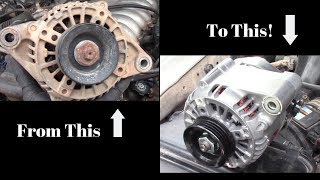
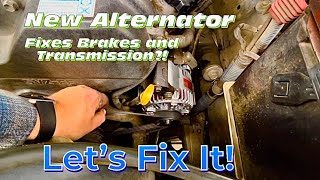
✅ What actually fixed it Replacing the original alternator with a remanufactured Denso unit. The original alternator had failed internally after 260,000 miles.
OEM Part Supersession History
27060-62160→27060-62160-84 (Toyota Remanufactured)— Standard practice for Toyota to add an '-84' suffix to designate a remanufactured part.
Heads up: The remanufactured part is a direct replacement. The Denso aftermarket remanufactured part (210-0434) is also a direct equivalent and often preferred by enthusiasts.
Diagnostic Flowchart
Other Known Issues on This Vehicle
Issues unrelated to this code that are worth knowing about as an owner of this generation:
- Automatic Transmission Cooler Failure ('Pink Milkshake') 🔴 High — Common on vehicles over 150,000 miles with original radiators. The internal transmission cooler inside the radiator fails, mixing coolant and ATF, which destroys the transmission.
- Lower Ball Joint Failure 🔴 High — Particularly noted on 2001-2002 models, but a concern for the entire generation. Failure can occur without warning, causing the wheel to collapse. (Ref: Safety Recall 50J (for 2001-2002 models).)
- Frame Rust/Rot 🔴 High — Widespread issue, especially in regions that use road salt. Rust typically starts in the rear section of the frame near the control arm mounts and spring perches.
- Valve Cover Gasket Leaks 🟡 Low — Very common on engines over 150,000 miles.
Used vs. New Parts: Buying Guide for This Vehicle
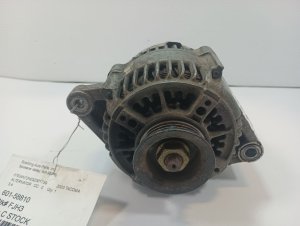
When a used part is the smart pick: A used OEM Denso alternator from a junkyard can be a cost-effective option if the donor vehicle has reasonably low mileage. Given the 200,000+ mile lifespan of these units, a part from a vehicle with under 150,000 miles is a good bet. It is often more reliable than a cheap, new, no-name aftermarket alternator.
Donor-vehicle mileage cap: roughly under 150000 miles for the part to have meaningful remaining life.
What to inspect on the donor part:
- Check the tag on the alternator to confirm it's a genuine Denso unit.
- Spin the pulley by hand. It should spin smoothly with a slight magnetic drag and no grinding or crunchy noises, which would indicate bad bearings.
- Inspect the 3-pin plastic connector for cracks or damage.
- Look for any signs of excessive corrosion on the casing or the main B+ terminal post.
OEM-only on this vehicle (don't cheap out):
- While not strictly 'OEM-only', using a Denso (Original Equipment Manufacturer) remanufactured alternator is highly recommended over generic parts store brands, which have a reputation for premature failure.
Aftermarket brands forum-validated for this vehicle:
- Denso (Remanufactured, P/N: 210-0434)
- LC Engineering (High Output models for vehicles with extra electrical accessories)
Brands owners have reported issues with on this vehicle:
- Generic 'white box' or unbranded alternators from online marketplaces and some local parts stores are frequently cited on forums as being unreliable.
Real Owner Stories
Aggregated from forums and TSBs cited above. Mileages and costs reflect what owners reported in those sources.
1996-2002 Toyota 4Runner 3.4L V6 — ~200000 miles
Symptoms: The original plastic on the alternator connector was too brittle to be removed without breaking after 20+ years of service.
What fixed it: Replacing the alternator connector pigtail as a preventative measure during alternator replacement.
Source hint: vehicle_specific_issues citing T4R.org and YotaTech
Related OBD-II Codes
Frequently Asked Questions
Is there a recall for the 2001-2002 Toyota 4Runner that might affect my steering while I'm dealing with this electrical issue?
Which battery group size should I buy for my 3.4L V6 4Runner to ensure the best fit?
I'm replacing my alternator; is there a specific part number recommended for the 5VZ-FE engine?
Should I replace the alternator wiring connector when I swap the alternator?
My 4Runner dies as soon as I put it in gear after a jump start. Is this related to P0562?
Which fuse should I check if my alternator isn't charging the battery?
Helpful Videos
Used OEM Parts in Stock
New Aftermarket Parts Available


The information in this article is provided for general reference and educational purposes only. Vehicle specifications, procedures, and part compatibility can vary by production date, trim level, and region. Always consult your vehicle's factory service manual and verify part numbers before purchasing or performing repairs. Safety-critical components such as airbags, seat belts, and braking systems should be installed by a qualified professional.
- Toyota 4Runner:
- 🧭 Diagnostic Flowchart
- 🎬 Helpful Videos
- 🛍️ Shop This Part
- What's Unique About the 1996-2002 Toyota 4Runner
- Symptoms You May Notice
- Most Likely Causes
- Rare But Worth Checking
- Diagnosis Steps
- Parts You'll Likely Need
- Platform-Specific Known Issues
- Mechanic-Grade Diagnostic Values
- Wiring & Ground Locations
- Real Owner Repair Stories
- OEM Part Supersession History
- Other Known Issues on This Vehicle
- Used vs. New Parts: Buying Guide for This Vehicle
- Real Owner Stories
- 1996-2002 Toyota 4Runner 3.4L V6 — ~200000 miles
- Related OBD-II Codes
- Frequently Asked Questions
- 🎟️ Get 5% Off