

P0562 on 2008-2013 Toyota Highlander: System Voltage Low Causes and Fixes
This code means your vehicle's electrical system voltage is too low. It's most often caused by a failing alternator or an old battery. Expect to pay $150-$350 for a new alternator or $150-$250 for a new battery.
- P0562 means your Highlander's electrical system voltage is dangerously low, typically below 11V.
- The most likely culprits are a failing alternator or an old battery.
- Do not continue driving, as the vehicle could stall without warning.
- Diagnosis is straightforward with a multimeter: check battery voltage with the engine off (~12.6V) and on (~13.5-14.7V) to differentiate between a battery and alternator problem.
- Always check for simple fixes like corroded battery terminals and blown fuses (ALT-S) before replacing expensive parts.
What's Unique About the 2008-2013 Toyota Highlander
For the 2008-2013 Highlander with the 2GR-FE V6, this code does not indicate a unique design flaw. Instead, it almost always points to a standard wear-and-tear failure in the charging system. The components, like the Denso alternator and group 24F/35 battery, are common across many Toyota models and are known for their general reliability, so a P0562 code usually appears after many years of service as these parts simply reach the end of their functional life.
Symptoms You May Notice
- Check Engine Light is on
- Battery or charging system warning light is on
- Dimming or flickering headlights and interior lights
- Engine is slow to crank or won't start
- Vehicle stalls while driving, especially at idle
- Erratic behavior from electrical components like the radio or power windows
- Power steering feels heavy intermittently (if equipped with electric power steering)
- Multiple warning lights on the dash (ABS, VSC, etc.) due to low voltage to various control modules
- Replacing the battery when the alternator is the true cause of the problem. If the alternator is bad, a new battery will also fail to stay charged and the problem will return quickly.
Most Likely Causes
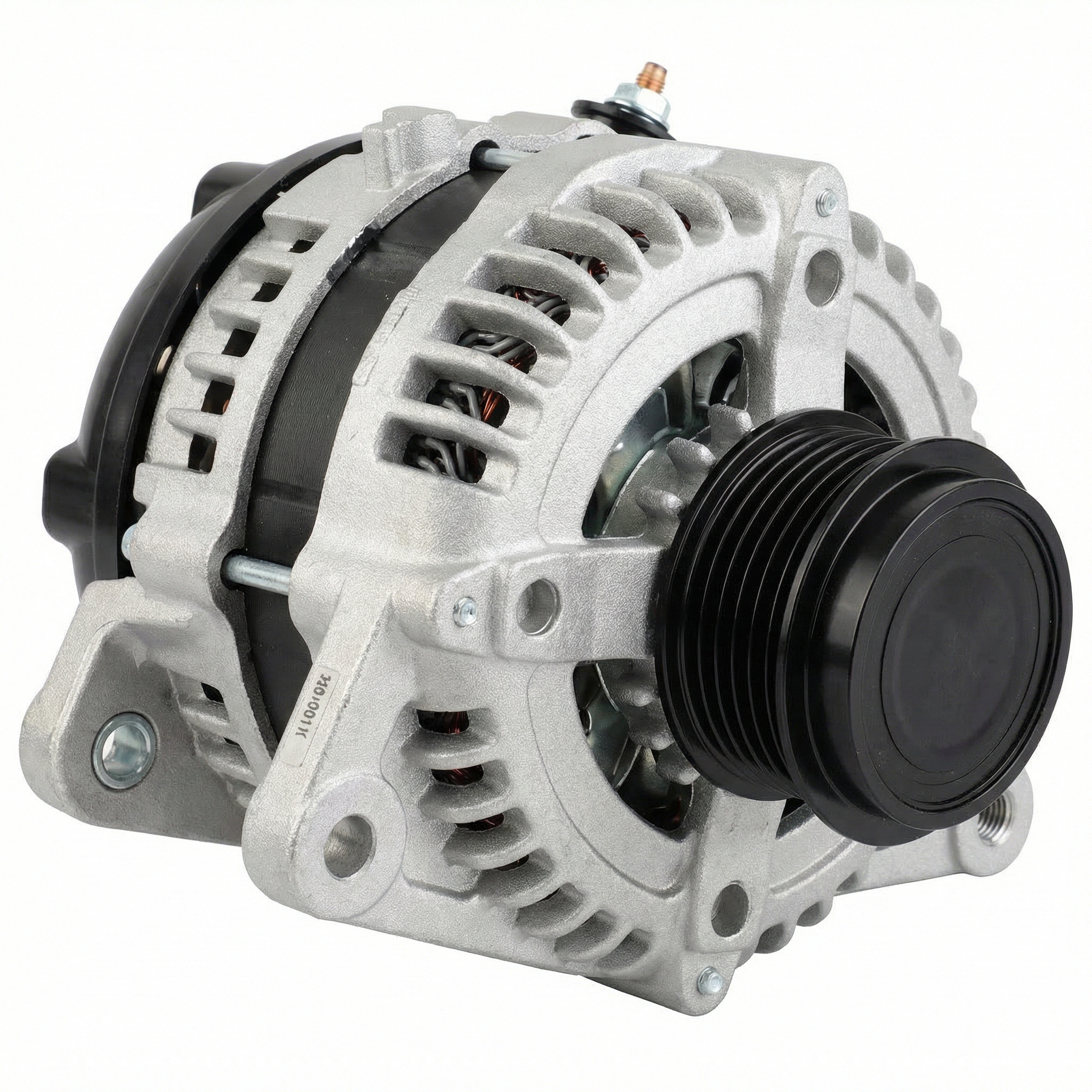
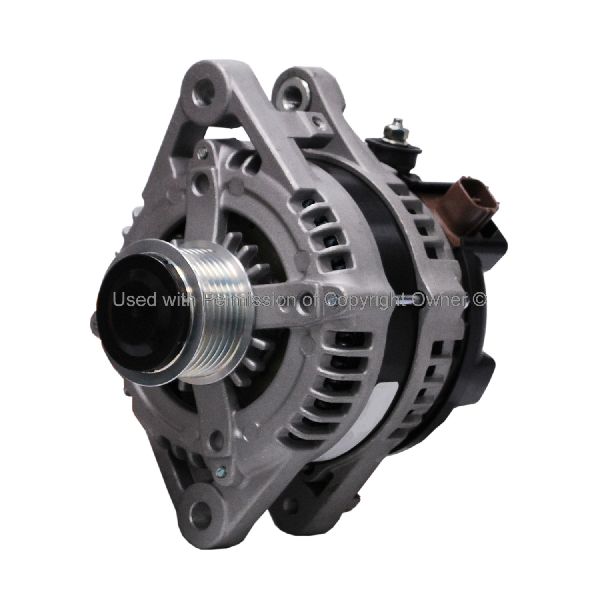
- Failing Alternator 🔴 High Probability → Shop Alternator The alternator is a wear item. After 8-15 years of service, the internal components like the brushes, bearings, or voltage regulator can fail, leading to insufficient charging output. Denso is the OEM supplier, and their alternators are generally robust but have a finite lifespan.
How to confirm: With the engine running, use a multimeter to measure the voltage across the battery terminals. A healthy alternator should produce between 13.5 and 14.7 volts. A reading below 13.2V, especially with accessories on (headlights, blower fan), indicates a weak or failing alternator. Many auto parts stores can perform a free charging system test.
Typical fix: Replace the alternator. Using a quality remanufactured Denso unit is a common and reliable repair.
Est. part cost: $150-$350 - Weak or Old Battery 🟡 Medium Probability → Shop Vehicle Battery Car batteries typically have a lifespan of 3-5 years. An aging battery that can no longer hold a full charge or has a failing internal cell will cause the system voltage to drop, especially during startup or when the engine is off.
How to confirm: With the engine off for at least an hour, measure the static voltage of the battery. A reading below 12.4V indicates a discharged or weak battery. A professional load test is the definitive way to confirm a bad battery. A jump start may get the car running, but if it dies immediately after putting it in gear, it's a strong sign the alternator isn't working and the battery has no reserve capacity.
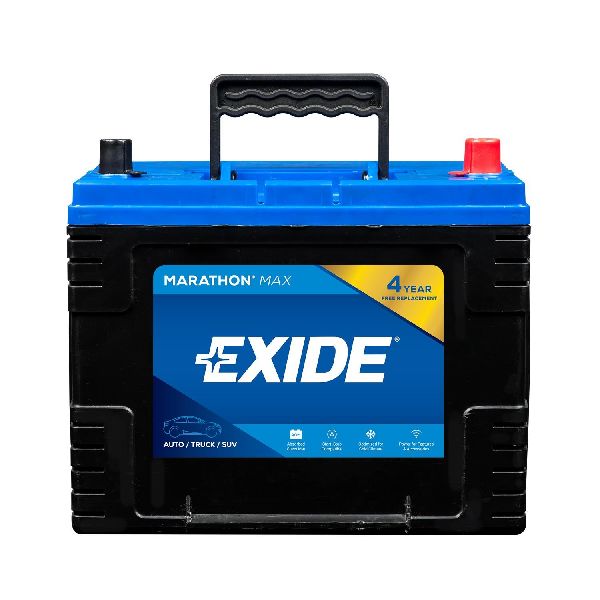
Typical fix: Replace the battery. This vehicle typically uses a Group 24F or Group 35 battery.
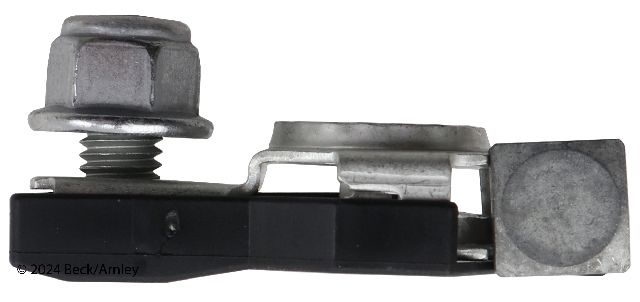
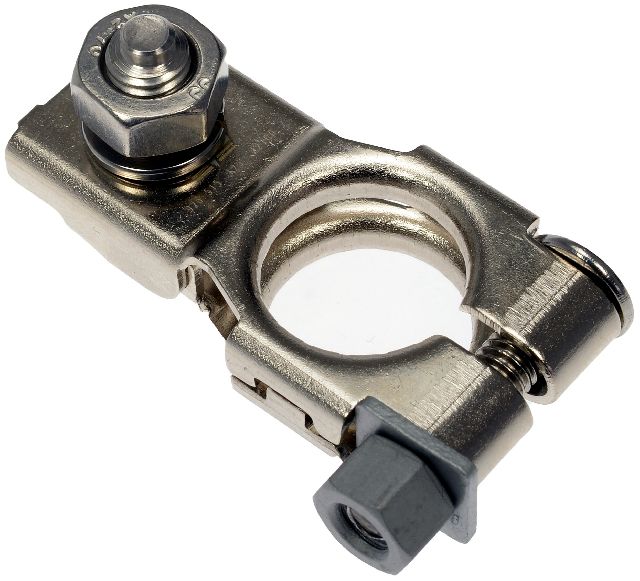
Est. part cost: $150-$250 - Corroded or Loose Battery Terminals/Cables ⚪ Low Probability → Shop Vehicle Battery Over time, battery acid and moisture can cause corrosion (white or greenish powder) on the terminals, creating high resistance that impedes electrical flow. Main ground connections to the chassis and engine block can also loosen or corrode.
How to confirm: Visually inspect the battery terminals, cable ends, and the main chassis ground connection. Look for corrosion, looseness, or fraying. Clean any corrosion and ensure all connections are tight. A voltage drop test across the cables can pinpoint high resistance.
Typical fix: Clean the battery terminals and cable ends with a wire brush. Tighten all connections. If cables are severely damaged, they must be replaced.
Est. part cost: $5-$20
Rare But Worth Checking
- Slipping or Worn Serpentine Belt: → Shop Serpentine Belt If the belt that drives the alternator is loose, glazed, or contaminated with oil, it can slip on the alternator pulley, preventing it from spinning fast enough to generate adequate voltage. Check the belt for cracks and proper tension.
- Blown 'ALT-S' or Main Alternator Fuse: → Shop Alternator There is a main fuse, often a 120A or 140A fusible link, in the engine bay fuse box that protects the charging circuit. While rare, this fuse can blow. There is also a smaller 'ALT-S' (Alternator Sense) fuse that tells the alternator to start charging; if this is blown, the alternator will not activate.
- Shorted Cell in Battery: → Shop Vehicle Battery A battery can sometimes develop an internal short in one of its cells. This will cause the static voltage to be much lower than normal (e.g., ~10.5V instead of ~12.6V) and the battery will be unable to hold a charge, placing a constant drain on the alternator.
- Faulty ECM: In very rare cases, the Engine Control Module (ECM) itself may be faulty and unable to correctly read the system voltage. This should only be considered after all other charging system components have been proven to be in good working order.
Diagnosis Steps
- Visually inspect the battery terminals and cables for any signs of corrosion, damage, or loose connections. Pay special attention to the main ground wire from the battery to the chassis and the engine ground strap. Clean and tighten as necessary.
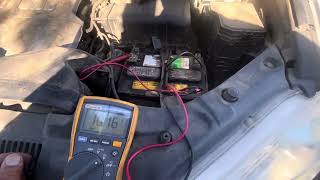
- With the engine off, use a multimeter to measure the battery's static voltage. A healthy, fully charged battery should read approximately 12.6 volts. A reading below 12.4V suggests a weak or discharged battery.
- Start the engine. Measure the voltage at the battery terminals again. The reading should rise to between 13.5 and 14.7 volts. If the voltage is below this range (e.g., 12.8V or less), the alternator is likely faulty. If it does not change or drops, the alternator is not charging.
- With the engine running, turn on all major electrical loads (headlights on high, blower fan on max, rear defroster). The voltage should remain above 13.2V. If it drops significantly, the alternator is failing under load.
- If the alternator and battery test good, inspect the serpentine belt that drives the alternator. Ensure it is in good condition (no cracks or fraying) and has proper tension.
- Check the main alternator fuse (often a large fusible link rated 120A+) and the smaller 'ALT-S' fuse in the engine bay fuse box.
- If all else fails, perform a voltage drop test on the main power cable from the alternator to the battery and on the main ground cables to check for hidden resistance.
Parts You'll Likely Need
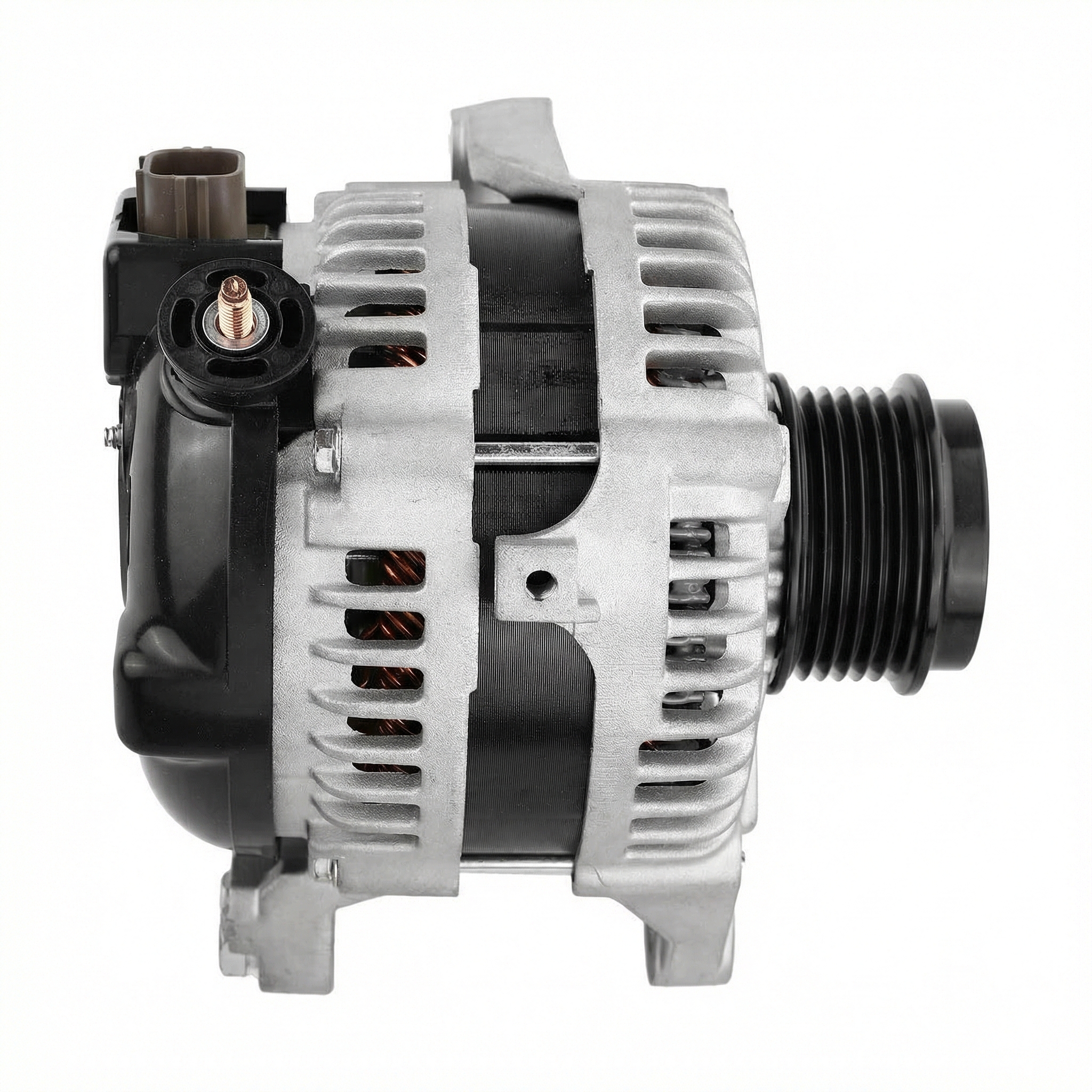
- Alternator
(OEM #27060-0P140)— This is the most common component to fail and cause a persistent low voltage condition while the engine is running.
Trusted brands: Denso (OEM), Bosch, TYC
OEM price range: $300-$500
Aftermarket price range: $150-$350 - Battery — Batteries are a consumable part with a finite life. An old battery that can no longer hold a charge is a frequent cause of this code.
Trusted brands: Interstate, DieHard, Duracell, Duralast
OEM price range: $200-$300
Aftermarket price range: $150-$250
Related Codes That Often Appear With This One
- P1604 — P1604 (Startability Malfunction) can be triggered when the battery voltage is too low during cranking for the engine to start properly.
- P0300-P0306 — Low voltage can cause weak spark from the ignition coils, leading to random or specific cylinder misfires.
- U0100 — Lost Communication with ECM/PCM. Severe low voltage can cause various modules on the CAN bus to lose communication with the main engine computer, setting a variety of 'U' codes.
Technical Service Bulletins (TSBs) & Recalls
- LSC 90K: Limited Service Campaign for the 2GR-FE VVT-i oil line. While not directly related to P0562, it's a critical engine issue for this platform that owners should be aware of, as a major oil leak could potentially contaminate and damage the serpentine belt or alternator.
Mechanic-Grade Diagnostic Values
- Voltage Drop Test: Alternator B+ post to Battery Positive Terminal — expected: Less than 0.2V with engine running and high electrical load (headlights, blower on high).. Failure: A reading higher than 0.2V indicates high resistance in the main charging cable or its connections.
- Voltage Drop Test: Alternator Case to Battery Negative Terminal — expected: Less than 0.2V with engine running and high electrical load.. Failure: A reading higher than 0.2V indicates a poor ground connection between the alternator, the engine block, and the battery.
- Alternator 'S' (Sense) Terminal Voltage — expected: Should be equal to battery voltage (approx. 12.6V engine off, 13.5-14.7V engine running).. Failure: Low or no voltage at this terminal indicates a blown ALT-S fuse or a break in the sense wire, causing the alternator to default to a low or no-charge state.
Scan Tool Commands That Help
- Toyota Techstream: Data List Monitoring — Use the Data List to monitor 'Battery Voltage' and 'Alternator Duty' PIDs. This allows you to see the voltage the ECM is reading in real-time and observe how the ECM is commanding the alternator under different loads. A stable voltage in the 13.5-14.7V range should be seen.
- Toyota Techstream: Active Test — While Techstream has many active tests, for the charging system on this platform, it's primarily used for monitoring rather than direct control. An active test for another system (like 'Electrical Fan' ON/OFF) can be used to apply a specific electrical load while monitoring the charging voltage in the Data List to check for alternator stability.
Wiring & Ground Locations
- Main Engine Ground — Typically a heavy gauge wire from the engine block (near the alternator or cylinder head) to the chassis frame rail on the passenger side.. A corroded or loose engine ground is a primary cause of high resistance in the charging circuit, forcing the alternator to work harder and eventually fail, or preventing it from charging the battery effectively.
- Battery Negative Ground — The main cable from the negative battery terminal to a bolt on the chassis/inner fender in the engine bay.. This is the primary return path for all electrical current. Corrosion or looseness here can cause system-wide low voltage and erratic electrical behavior.
- Alternator Connector (4-pin) — A square, 4-terminal plug on the alternator itself.. This connector contains the critical signal wires for the voltage regulator. Pin 1 ('L' terminal) is for the charge warning light. Pin 3 ('S' terminal) is the voltage sense wire that reads battery voltage, often fed by the 7.5A ALT-S fuse. A bad connection or corrosion here can trick the alternator into not charging.
- Driver-Side Kick Panel Ground — A common grounding point for interior electronics is located behind the vertical plastic panel next to the driver's left foot.. While less likely to cause P0562 directly, a poor ground here can cause modules to report incorrect data or behave erratically due to low voltage, complicating diagnosis.
Real Owner Repair Stories
- YouTube - 'Alternator replacement 2011 Toyota Highlander' (2011 Toyota Highlander) — Noise from the engine bay, followed by smoke rolling out from under the hood.
✅ What actually fixed it The alternator had failed catastrophically, likely due to a recent bad battery stressing the system. Replacing the alternator resolved the issue. The video notes that 130A and 150A alternators for this model are physically identical. - Reddit - r/MechanicAdvice (2008 Toyota Highlander) — Alternator failed, seeking advice on repair.
✅ What actually fixed it The consensus from multiple mechanics was to have the original Denso alternator rebuilt by a local specialist if possible, as the core quality is superior to many aftermarket remanufactured units. If not, a Denso or Toyota remanufactured unit was the next best choice.
OEM Part Supersession History
27060-31110, 27060-0P140→27060-31111, 27060-0P141 (New OEM), 27060-0P141-84 (Toyota Remanufactured)— Standard part revision and update.
Heads up: Denso remanufactured units like 210-1104 and 210-1165 are common, high-quality replacements. The 210-1165 is a 150 Amp unit. Some aftermarket alternators may be 130 Amp. While interchangeable, ensure the amperage matches the vehicle's original specification if it had a tow package or higher electrical load options.
Model Year Variations Within This Range
- 2008-2013: The 2GR-FE V6 was standard through this generation. While minor running changes may have occurred, the alternator design, location, and the causes for P0562 remained consistent. The primary variation for parts is ensuring the correct amperage (130A vs 150A) is selected, which may depend on original vehicle options (e.g., towing package).
Diagnostic Flowchart
Other Known Issues on This Vehicle
Issues unrelated to this code that are worth knowing about as an owner of this generation:
- VVT-i Oil Line Rupture 🔴 High — Common on earlier 2GR-FE engines (approx. 2005-2010). A rubber section of the oil line can degrade and burst, causing rapid and catastrophic oil loss, potentially seizing the engine. (Ref: Toyota issued Limited Service Campaign (LSC) 90K (and others) to replace the rubber/metal line with an all-metal line (Part No. 15772-31030).)
- Water Pump Failure 🟠 Medium — A known weak point on the 2GR-FE engine. Leaks often develop from the weep hole or bearing failure, typically after 80,000-120,000 miles. Replacement is labor-intensive.
- Melting/Sticky Dashboard 🟡 Low — Widespread issue in warm, humid climates where the dashboard material degrades, becoming shiny, sticky, and prone to cracking. (Ref: Toyota created a Warranty Enhancement Program (ZE6) to cover dashboard replacement for 10 years from the vehicle's first use date.)
- Timing Cover Oil Leak 🟠 Medium — A slow but persistent oil leak can develop from the timing chain cover sealant over time. It is an expensive repair due to the high labor involved.
- Door Lock Actuator Failure 🟡 Low — Common for one or more door lock actuators to fail, preventing the door from locking or unlocking with the power buttons or remote.
Used vs. New Parts: Buying Guide for This Vehicle
When a used part is the smart pick: A low-mileage used OEM Denso alternator from a reputable recycler can be a cost-effective option, as the original units are high quality. However, given the labor involved, many prefer the warranty of a remanufactured unit.
Donor-vehicle mileage cap: roughly under 80000 miles for the part to have meaningful remaining life.
What to inspect on the donor part:
- Check for a clean, corrosion-free housing.
- Ensure the pulley spins smoothly by hand with no grinding or excessive noise, which would indicate bad bearings.
- Inspect the plastic electrical connector for cracks or heat damage.
- Ask for the donor vehicle's VIN to verify mileage and that it wasn't from a front-end collision.
OEM-only on this vehicle (don't cheap out):
- While not strictly 'OEM-only', the consensus among mechanics is to avoid generic, no-name parts-store alternators. The internal voltage regulators in cheap aftermarket units often fail prematurely or are incompatible with the vehicle's ECU, causing persistent charging system warnings.
Aftermarket brands forum-validated for this vehicle:
- Denso (Remanufactured)
- Bosch (Remanufactured)
- Toyota (Remanufactured)
Brands owners have reported issues with on this vehicle:
- Unbranded or 'white box' alternators from online marketplaces or discount parts stores are frequently cited in forums as having high failure rates.
Real Owner Stories
Aggregated from forums and TSBs cited above. Mileages and costs reflect what owners reported in those sources.
2010 Toyota Highlander 2GR-FE 3.5L V6
Symptoms: Owner described symptoms of a dead battery. After replacing the battery, the P0562 code returned.
What fixed it: Testing revealed the alternator output was only 11.8V while running; replacing the alternator resolved the issue.
Source hint: ToyotaNation Forum - Thread 'P0562 - System Voltage Low'
2008 Toyota Highlander 2GR-FE 3.5L V6
Symptoms: Classic failure symptoms including the battery light appearing and the vehicle stalling.
What fixed it: Replacement of the alternator with a Denso remanufactured unit.
Source hint: ToyotaNation Forum - Thread '2008 Highlander Alternator Replacement'
Related OBD-II Codes
Frequently Asked Questions
My 2010 Highlander has a P0562 code and I already replaced the battery, but the light came back. What should I check next?
Which specific alternator should I use for my 2GR-FE 3.5L V6 engine?
Does the VVT-i oil line TSB (LSC 90K) have anything to do with my charging system voltage?
What size battery does my 2008-2013 Highlander require if I need to replace it?
Are there any specific fuses I should check for a P0562 on this Toyota platform?
Why is my power steering feeling heavy when the Check Engine Light is on for P0562?
Helpful Videos
Used OEM Parts in Stock
New Aftermarket Parts Available


The information in this article is provided for general reference and educational purposes only. Vehicle specifications, procedures, and part compatibility can vary by production date, trim level, and region. Always consult your vehicle's factory service manual and verify part numbers before purchasing or performing repairs. Safety-critical components such as airbags, seat belts, and braking systems should be installed by a qualified professional.
- Toyota Highlander:
- 🧭 Diagnostic Flowchart
- 🎬 Helpful Videos
- 🛍️ Shop This Part
- What's Unique About the 2008-2013 Toyota Highlander
- Symptoms You May Notice
- Most Likely Causes
- Rare But Worth Checking
- Diagnosis Steps
- Parts You'll Likely Need
- Related Codes That Often Appear With This One
- Technical Service Bulletins (TSBs) & Recalls
- Mechanic-Grade Diagnostic Values
- Scan Tool Commands That Help
- Wiring & Ground Locations
- Real Owner Repair Stories
- OEM Part Supersession History
- Model Year Variations Within This Range
- Other Known Issues on This Vehicle
- Used vs. New Parts: Buying Guide for This Vehicle
- Real Owner Stories
- 2010 Toyota Highlander 2GR-FE 3.5L V6
- 2008 Toyota Highlander 2GR-FE 3.5L V6
- Related OBD-II Codes
- Frequently Asked Questions
- 🎟️ Get 5% Off