

P0562 on 2000-2006 Toyota Tundra 3.4L V6: System Voltage Low Causes and Fixes
This code means the truck's electrical system voltage is too low. On a high-mileage Tundra, the most likely cause is a failing alternator. A weak battery is the next most common culprit. Expect to pay $150-$300 for a quality remanufactured Denso alternator.
- P0562 means your truck's computer has detected low system voltage, usually due to a charging system problem.
- The most likely cause on a 2000-2006 Tundra is a worn-out alternator, followed by an old battery.
- Diagnosis is straightforward with a multimeter: check battery voltage with the engine off (~12.6V) and on (13.5-14.7V).
- Always inspect and clean battery terminals and ground connections before replacing expensive parts.
- For long-term reliability, use a remanufactured Denso alternator rather than a generic aftermarket brand.
What's Unique About the 2000-2006 Toyota Tundra
The first-generation Tundra with the 5VZ-FE engine is known for its robust electrical system. The original equipment (OEM) Denso alternators are exceptionally reliable, often lasting for 200,000 miles or more. Because of this longevity, when a P0562 code appears on a higher-mileage Tundra, the original alternator having finally reached the end of its service life is a very common cause. Owners strongly recommend replacing it with another OEM Denso unit (new or remanufactured) for continued reliability, as cheaper aftermarket units have a much lower life expectancy.
Symptoms You May Notice
- Check Engine Light is on
- Battery warning light is on (sometimes along with the BRAKE light)
- Dimming or flickering headlights and dashboard lights, especially at idle
- Slow or difficult engine cranking
- Engine stalls, especially at idle
- Erratic behavior from electrical accessories like the radio or power windows
- A high-pitched whining or buzzing noise from the engine bay that changes with RPM, indicating failing alternator bearings or internal components
- Cruise control may not function
- Replacing the battery when the alternator is the actual cause. If a new battery fixes the problem temporarily but the code returns and the truck dies again, the alternator is almost certainly the culprit.
- Replacing the alternator when the issue is simply a corroded battery terminal or a bad ground connection. Always check the simple, inexpensive connections first.
Most Likely Causes
- Failing Alternator 🔴 High Probability → Shop Alternator The original Denso alternators are long-lasting but will eventually wear out, especially on trucks with over 150,000-200,000 miles. Failure of the internal voltage regulator, rectifier, or brushes is common after many years of service.
How to confirm: With the engine running, use a multimeter to test the voltage across the battery terminals. A healthy alternator should produce between 13.5 and 14.7 volts. A reading near battery voltage (12.6V or less) indicates the alternator is not charging. Many auto parts stores will test your alternator for free.
Typical fix: Replace the alternator. It is highly recommended to use an OEM Denso or a quality remanufactured Denso unit for this platform.
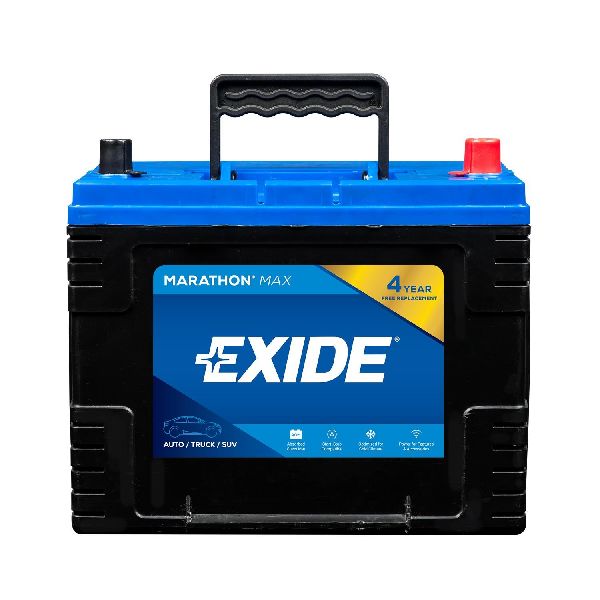
Est. part cost: $150-$350 - Weak or Old Battery 🟡 Medium Probability → Shop Vehicle Battery Batteries are a standard wear item with a typical lifespan of 3-5 years. An old battery may not be able to hold a sufficient charge or accept a charge from the alternator, even if the alternator is working correctly.
How to confirm: With the engine off, test the battery voltage. A reading below 12.4V indicates a discharged or weak battery. Take the battery to an auto parts store for a load test, which is the definitive way to confirm its health.
Typical fix: Replace the battery.
Est. part cost: $100-$250 - Corroded or Loose Battery Terminals/Cables ⚪ Low Probability → Shop Vehicle Battery Some owners report issues with the factory battery terminals developing excessive corrosion, which can impede electrical flow. This is especially true in humid climates or areas with road salt.
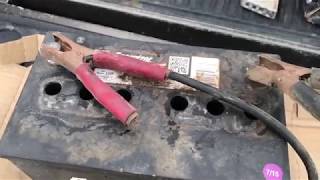
How to confirm: Visually inspect the battery terminals for white or greenish-blue, fuzzy buildup. Wiggle the terminal clamps to ensure they are tight. Inspect the full length of the positive and negative cables for damage, swelling, or corrosion, especially at the connection points.
Typical fix: Disconnect the battery (negative first), clean the terminals and cable ends with a wire brush and a baking soda/water solution, and re-secure them tightly. Apply dielectric grease or anti-corrosion washers to prevent future buildup. Replace cable ends or the entire cable if corrosion is severe.
Est. part cost: $5-$50
Rare But Worth Checking
- Damaged Wiring or Poor Ground: Rodent damage to the alternator wiring harness can occur on trucks parked outside. Also, check that the main engine-to-chassis ground strap is clean, tight, and free of corrosion or breakage. A bad ground can cause a wide range of electrical issues, including P0562.
- Worn or Loose Serpentine Belt: → Shop Serpentine Belt A belt that is slipping cannot spin the alternator pulley effectively, leading to low output. Check for cracking, glazing, or improper tension. Listen for squealing noises during startup or when electrical loads are high.
- Blown Fusible Link or Main Fuse: Check the main fuse box in the engine bay for a large-amperage fuse related to the alternator (often labeled 'ALT'). A blown fuse will completely cut off the alternator's output to the battery.
Diagnosis Steps
- Read the code with an OBD-II scanner to confirm P0562 and check for any other related codes. 🎬 See how to test your battery and alternator using a scan tool.
- Visually inspect the battery terminals and cables. Clean any corrosion and ensure the connections are tight. A poor connection here is a common and simple fix.
- With the engine off, use a multimeter to measure the battery's static voltage. A healthy, fully charged battery should read approximately 12.6 volts. If it's below 12.4V, the battery is discharged and needs charging and load testing.
- Start the engine. Measure the voltage across the battery terminals again. The reading should rise to between 13.5 and 14.7 volts. If the voltage stays at the battery's static level (or lower), the alternator is not charging.
- If the charging voltage is low, perform a voltage drop test on the main power and ground cables to check for high resistance, which would indicate a bad cable or connection.
- Turn on all major electrical accessories (headlights on high beam, blower fan on max, rear defrost). The voltage should remain stable and above 13.0V. If it drops significantly, this confirms a weak alternator that cannot handle a load.
- If charging voltage is good, inspect the main ground straps (battery-to-chassis, engine-to-chassis) and the alternator wiring harness for any signs of damage, looseness, or corrosion.
- Inspect the serpentine belt for wear, damage, or proper tension. A loose or worn belt can slip on the alternator pulley.
Parts You'll Likely Need
- Alternator
(OEM #27060-62160 (OEM Part), 210-0434 (Denso Remanufactured))— This is the most common point of failure for code P0562 on a high-mileage Tundra. The original unit wears out after many years of service.
Trusted brands: Denso (OEM Remanufactured)
OEM price range: $250-$350
Aftermarket price range: $150-$250 - Battery — An old battery that can no longer hold a proper charge is the second most likely cause.
Trusted brands: Toyota TrueStart, Interstate, DieHard, Deka
OEM price range: $150-$250
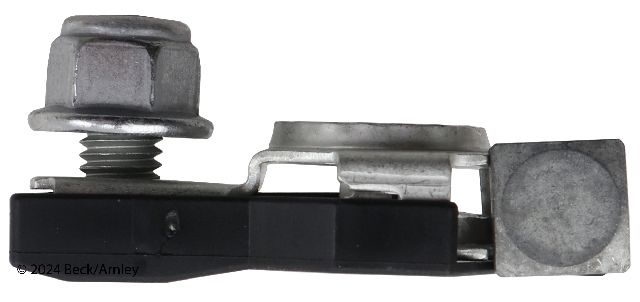
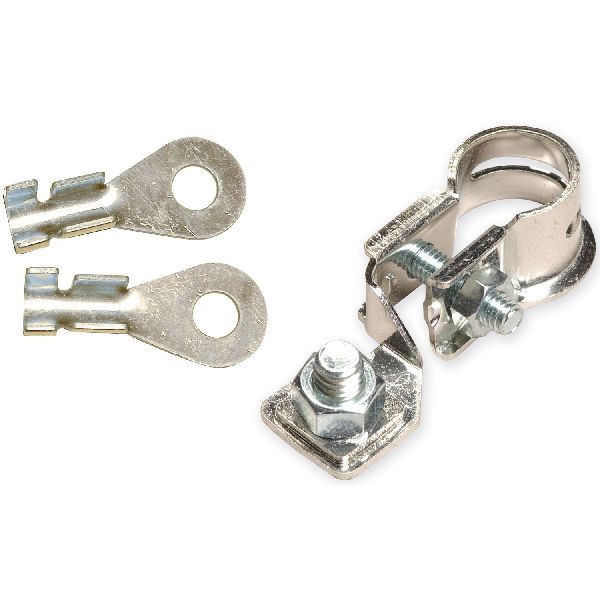
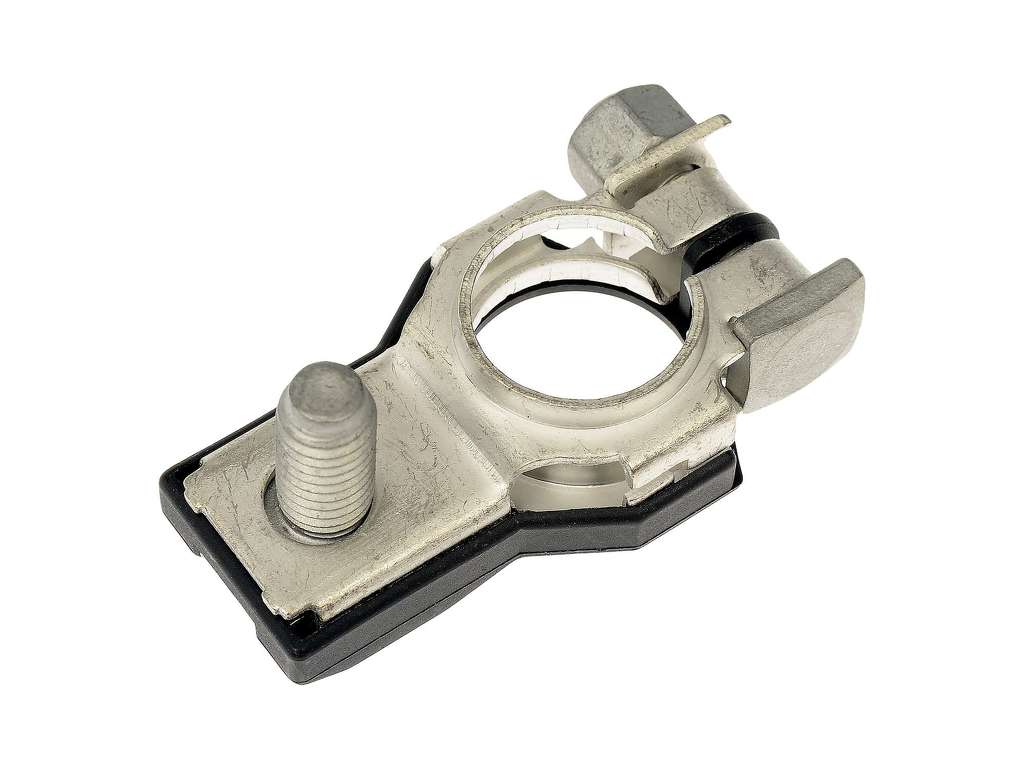
Aftermarket price range: $100-$200 - Battery Terminal End — If the original terminal clamps are heavily corroded, they may need to be replaced to ensure a solid connection.
Trusted brands: Toyota (OEM), Dorman, Standard Motor Products
OEM price range: $20-$30
Aftermarket price range: $5-$15
Technical Service Bulletins (TSBs) & Recalls
- While no TSBs directly address P0562 on this platform, Toyota issued TSB EL011-05 for other models regarding charging system diagnosis, which outlines the standard procedure of checking battery state-of-charge, alternator output, and for parasitic draws, all of which are relevant to diagnosing P0562.
Mechanic-Grade Diagnostic Values
- Charging System Voltage (Engine Running, No Load) — expected: 13.5V - 14.7V. Failure: A reading near static battery voltage (~12.6V) or below 13.5V indicates a lack of charging.
- Charging System Voltage (Engine Running, Heavy Load) — expected: Should remain above 13.0V. Failure: A significant drop below 13.0V indicates the alternator cannot handle the load.
- Alternator Rotor Slip Ring Diameter (for rebuild) — expected: Standard: 14.2 – 14.4 mm. Failure: Minimum diameter: 12.8 mm. If less, the rotor must be replaced.
- Alternator Brush Exposed Length (for rebuild) — expected: Standard: 9.5 – 11.5 mm. Failure: Minimum length: 1.5 mm. If less, the brush holder assembly must be replaced.
Wiring & Ground Locations
- ALT-S Fuse — In the under-hood fuse/relay box.. This 7.5A fuse provides battery voltage to the alternator's voltage sensing circuit. If this fuse is blown or has a high-resistance connection due to corrosion, the alternator will not charge, mimicking a complete alternator failure.
- Alternator Connector — On the alternator body.. This is a 3-pin oval connector for the 5VZ-FE. The pigtail can burn or corrode over time, creating a poor connection that prevents proper charging and can be misdiagnosed as a failed alternator.
- Ground Points: EA, ED, EB1 — EA: Front left fender. ED: Intake manifold. EB1: Under the engine room relay box.. These are the primary ground points in the engine compartment. A loose or corroded connection at any of these points can introduce resistance into the charging system, causing low voltage and a P0562 code.
- Main Engine Ground — Attaches to the engine block low and in the back, near the transmission, often on the driver's side.. This is the primary ground path for the engine block, where the alternator is mounted. A poor connection here affects the entire charging and starting system.
Real Owner Repair Stories
- Tundra forum user 'AstroDude' (2020 Toyota Tundra (Note: While a newer model, the principle applies directly to the P0562 diagnostic process)) — Low voltage condition.
❌ Tried (didn't work) Replaced the alternator with a factory unit., Replaced the battery.
✅ What actually fixed it The alternator fuse was not blown, but was corroded. Replacing the corroded fuse resolved the low voltage problem. - Tundra forum user 'kevine0001' (2017 Toyota Tundra) — Whirring noise from engine bay, charging system issues.
❌ Tried (didn't work) Initial diagnosis focused on the battery.
✅ What actually fixed it The alternator bearings had failed, causing the noise. The alternator was still charging but was failing mechanically. Replacing the alternator was the correct fix.
When the Usual Fixes Don't Work
- In one documented case, a vehicle owner replaced both the alternator and the battery in an attempt to fix a low voltage condition, but the problem persisted. The ultimate cause was discovered to be a corroded alternator fuse. This highlights that even with a code that strongly points to a major component like the alternator, the root cause can be a small, high-resistance connection in the control circuit that is easily overlooked.
OEM Part Supersession History
27060-62160→27060-62160-84 (Toyota Remanufactured)— Standard part lifecycle, with the remanufactured unit becoming the primary service replacement.
Heads up: The OEM part is an 80 Amp unit. While higher amperage aftermarket alternators exist, they are not a direct replacement and require upgrading the main power wire and 140A fuse to handle the extra current safely.N/A→210-0434 (Denso Remanufactured)— This is the recommended high-quality aftermarket replacement from the original OEM manufacturer.
Heads up: This is a direct-fit 80 Amp replacement for the 5VZ-FE engine in the 2000-2004 Tundra.
Model Year Variations Within This Range
- 2000-2004: The 3.4L 5VZ-FE V6 engine and its associated 80-amp, 3-pin oval connector alternator were used during these years.
- 2005-2006: The V6 engine was changed to the 4.0L 1GR-FE. This engine uses a different charging system, likely with a higher amperage alternator and a different 4-pin square style connector. Parts are not interchangeable between the 3.4L and 4.0L engines.
Diagnostic Flowchart
Other Known Issues on This Vehicle
Issues unrelated to this code that are worth knowing about as an owner of this generation:
- Frame Rust Perforation 🔴 High — Very common on vehicles operated in the 'salt belt'. A recall was issued for 2000-2003 models, but 2004-2006 models are also affected without a formal recall. (Ref: NHTSA Campaign ID 09V444000 (Recall for 2000-2003 models))
- Lower Ball Joint Failure 🔴 High — A significant safety issue where premature wear can cause the ball joint to separate from the steering knuckle, leading to a loss of steering control. (Ref: NHTSA Campaign ID 05V225000 / Toyota SSC 50J (Special Service Campaign for multiple models including Tundra))
- Automatic Transmission Cooler Failure ('Pink Milkshake') 🔴 High — The internal transmission cooler inside the stock radiator can rupture, mixing engine coolant and automatic transmission fluid. This quickly destroys the transmission.
- Cracked Exhaust Manifolds 🟠 Medium — More common on the V8, but can also occur on the V6. Results in a ticking noise from the engine bay, especially when cold.
- Failing Oxygen (O2) Sensors 🟡 Low — O2 sensors are a common failure item as the vehicle ages, leading to a check engine light and reduced fuel economy.
Used vs. New Parts: Buying Guide for This Vehicle
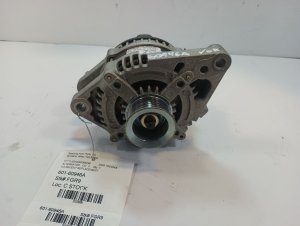
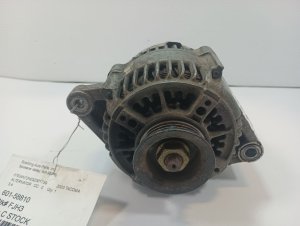
When a used part is the smart pick: A used OEM Denso alternator from a junkyard or donor vehicle is a reasonable choice for this repair. The original units are known for their exceptional longevity, so a part from a lower-mileage Tundra, 4Runner, or Tacoma with the same 5VZ-FE engine can provide many years of service at a lower cost than a new or remanufactured unit.
Donor-vehicle mileage cap: roughly under 120000 miles for the part to have meaningful remaining life.
What to inspect on the donor part:
- Confirm the donor vehicle has the 3.4L 5VZ-FE engine.
- Spin the alternator pulley by hand. It should spin smoothly with minimal resistance and no grinding or scraping noises.
- Inspect the 3-pin electrical connector and the main 'B' terminal post for corrosion, melting, or damage.
- Check the sticker on the alternator body to confirm it is a Denso 80-amp unit.
OEM-only on this vehicle (don't cheap out):
- Alternator: Forum and expert consensus strongly advises against using cheap, no-name aftermarket alternators. Stick with OEM Toyota (New or Reman) or a Denso-branded remanufactured unit (part #210-0434) for proven reliability and longevity.
Aftermarket brands forum-validated for this vehicle:
- Denso (OEM supplier)
Brands owners have reported issues with on this vehicle:
- Generic or 'white-box' parts store brands with limited or no warranty are frequently reported to have a short service life on Toyota forums.
Real Owner Stories
Aggregated from forums and TSBs cited above. Mileages and costs reflect what owners reported in those sources.
2018 Toyota Tacoma (3.4L 5VZ-FE platform mate)
Symptoms: The user experienced a P0562 code and noted that their cruise control was disabled as a result of the low voltage.
What fixed it: Diagnosis of the low voltage condition (P0562).
Source hint: TacomaWorld.com - Thread 'Looking for Help Diagnosing CEL P0562'
2000-2006 Toyota Tundra 3.4L V6 — ~175000 miles
Symptoms: Dimming lights and a battery warning light.
What fixed it: Replacement of the failing 80-amp Denso alternator.
Source hint: Go-Parts.com / YotaShop.com
Related OBD-II Codes
Frequently Asked Questions
Does TSB EL011-05 apply to my 2000-2006 Tundra for the P0562 code?
My Tundra has over 150,000 miles and just threw P0562; is the alternator the likely culprit?
Can I use a generic alternator to fix the P0562 code on my 3.4L V6 Tundra?
Why did my cruise control stop working at the same time the P0562 code appeared?
Is there a recall for the electrical system or battery terminals on the 2000-2006 Tundra?
Could the 'Pink Milkshake' transmission issue cause a P0562 code?
Helpful Videos
Used OEM Parts in Stock
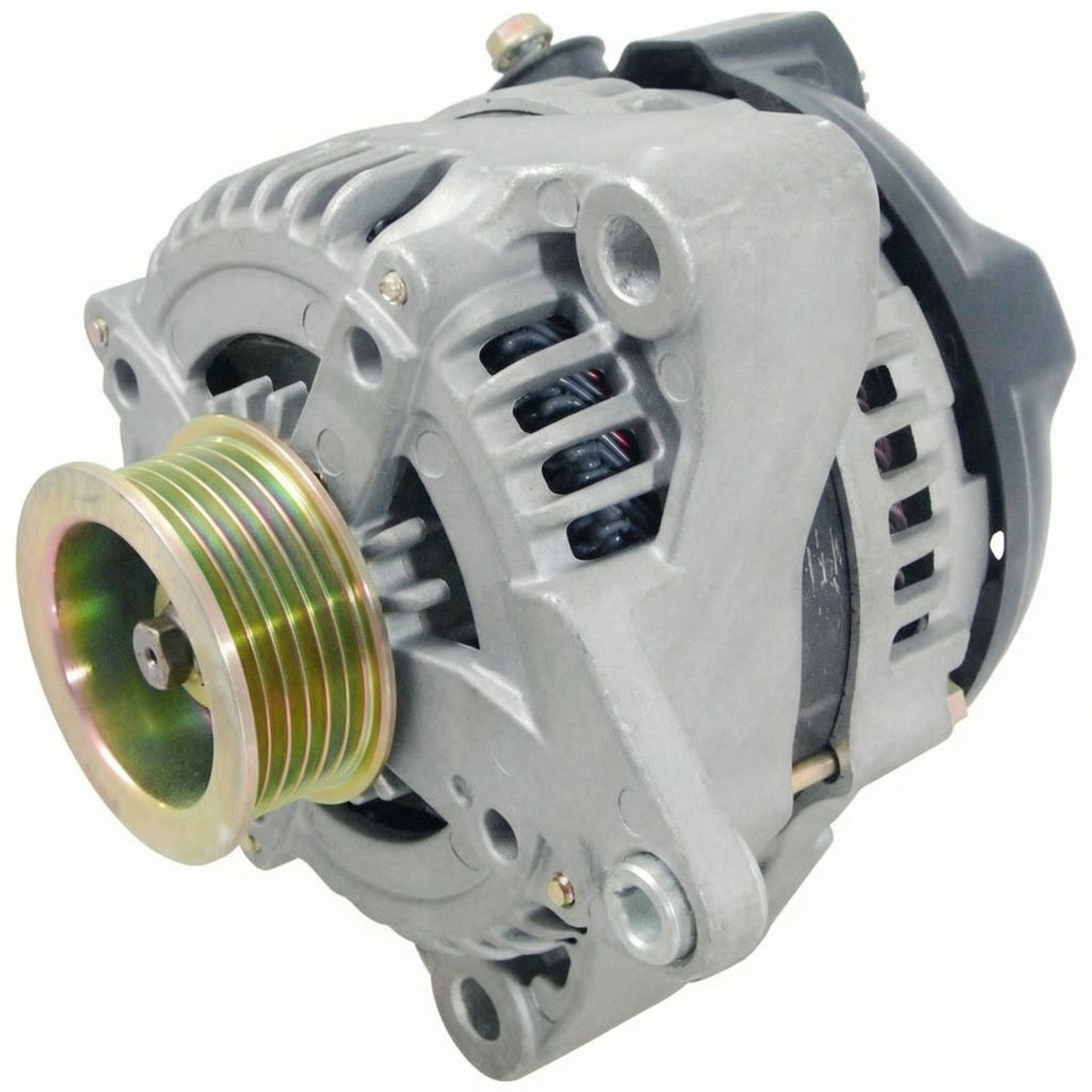
New Aftermarket Parts Available


The information in this article is provided for general reference and educational purposes only. Vehicle specifications, procedures, and part compatibility can vary by production date, trim level, and region. Always consult your vehicle's factory service manual and verify part numbers before purchasing or performing repairs. Safety-critical components such as airbags, seat belts, and braking systems should be installed by a qualified professional.
- Toyota Tundra:
- 🧭 Diagnostic Flowchart
- 🎬 Helpful Videos
- 🛍️ Shop This Part
- What's Unique About the 2000-2006 Toyota Tundra
- Symptoms You May Notice
- Most Likely Causes
- Rare But Worth Checking
- Diagnosis Steps
- Parts You'll Likely Need
- Technical Service Bulletins (TSBs) & Recalls
- Mechanic-Grade Diagnostic Values
- Wiring & Ground Locations
- Real Owner Repair Stories
- When the Usual Fixes Don't Work
- OEM Part Supersession History
- Model Year Variations Within This Range
- Other Known Issues on This Vehicle
- Used vs. New Parts: Buying Guide for This Vehicle
- Real Owner Stories
- 2018 Toyota Tacoma (3.4L 5VZ-FE platform mate)
- 2000-2006 Toyota Tundra 3.4L V6 — ~175000 miles
- Related OBD-II Codes
- Frequently Asked Questions
- 🎟️ Get 5% Off