

P0563 on 2017-2018 Chrysler Pacifica Hybrid: High System Voltage Causes and Fixes
On a 2017-2018 Pacifica Hybrid, code P0563 means the 12-volt electrical system is overcharging. Before suspecting expensive hybrid components, the most common cause is a failing 12-volt auxiliary battery. A simple battery test and replacement (~$200-$350) often resolves the issue, as a weak battery can confuse the hybrid charging system and cause voltage spikes.
- P0563 on a Pacifica Hybrid means the 12V system is overcharging, not the high-voltage hybrid battery.
- Always test or replace the 12V auxiliary battery first. It is the most common and cheapest solution for this code.
- The component that charges the 12V battery is the Power Inverter Module (PIM), not a traditional alternator.
- Do not attempt to diagnose or replace the PIM yourself due to extreme high-voltage danger; this is a job for a qualified professional.
- Driving with a P0563 code can cause permanent damage to other expensive electronic modules in the vehicle.
What's Unique About the 2017-2018 Chrysler Pacifica
Unlike a gasoline-only vehicle, the Pacifica Hybrid does not have a traditional alternator. Instead, it uses a complex Power Inverter Module (PIM) to manage the high-voltage battery and charge the 12-volt auxiliary battery via an internal DC-to-DC converter. Therefore, the cause of P0563 is not a faulty alternator, but rather an issue with the 12V battery itself, the PIM's converter function, or related wiring. Many owners have found that a weak 12V battery can cause a variety of strange electrical faults on this platform, including this code, as the system tries to overcompensate for the battery's poor health.
Symptoms You May Notice
- Check Engine Light is on
- Battery or charging system warning light illuminated on the dashboard
- "Service Hybrid Electric Vehicle System" message appears
- "Service Charging System" message appears
- Flickering headlights or interior lights
- Intermittent failure or erratic behavior of electronics (radio, dashboard).
- Sudden loss of motive power or engine stalling
- Vehicle may not start or enter the "Ready to Drive" mode
- Clicking sound when trying to start the vehicle.
- Replacing the Power Inverter Module (PIM) when only the 12V auxiliary battery was faulty. Always test and rule out the battery first, as it is the most common and least expensive fix.
- Replacing the high-voltage traction battery. The P0563 code specifically relates to the 12-volt system, not the main hybrid battery pack.
Most Likely Causes
- Failing 12-Volt Auxiliary Battery 🔴 High Probability → Shop Vehicle Battery A weak or internally failing 12V battery can disrupt the sophisticated charging logic of the hybrid system, causing the DC-to-DC converter to overcompensate and create voltage spikes. This is a well-documented issue on many modern hybrids where a failing 12V battery causes numerous, seemingly unrelated electronic gremlins.
How to confirm: Perform a load test on the 12V auxiliary battery, which is located in the rear cargo area. Many auto parts stores offer this service for free. A battery that fails a load test should be replaced, even if it holds a surface charge of 12 volts.
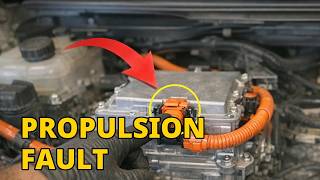
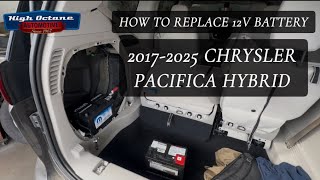
Typical fix: Replace the 12-volt AGM auxiliary battery. A DIY video shows the process involves removing a rear trim panel to access the battery.
Est. part cost: $200-$350 - Faulty Power Inverter Module (PIM) 🟡 Medium Probability The PIM contains the DC-to-DC converter that functions as the alternator. Failure of the internal voltage regulation circuits can cause it to send excessive voltage to the 12V battery. The PIM is a complex component with a history of software and hardware issues on this platform.
How to confirm: If the 12V battery and all connections are confirmed to be good, but the voltage at the battery terminals is consistently above 15V with the vehicle in 'Ready' mode, the PIM is the likely culprit. This requires professional diagnosis with a tool like wiTECH to check for specific PIM-related fault codes.
Typical fix: Replacement of the Power Inverter Module. This must be done by a qualified technician due to the high-voltage risks and the need for post-installation programming.
Est. part cost: $1000-$3000+ - Loose or Corroded Battery Terminals or Grounds ⚪ Low Probability → Shop Vehicle Battery Vibration can loosen connections over time, and moisture can cause corrosion. A poor connection increases resistance, which can be misinterpreted by the PCM as a voltage anomaly. A 2018 recall was issued for a loose ground connection that could cause stalling, highlighting the sensitivity of the electrical system to ground integrity.
How to confirm: Visually inspect the 12V battery terminals for tightness and any white or green corrosive buildup. Follow the main negative cable to its chassis ground point and ensure it is clean and tight. Check the main ground strap from the engine/transmission to the chassis.
Typical fix: Clean the battery terminals and cable ends with a wire brush and ensure all connections are secure. Apply a corrosion inhibitor.
Est. part cost: $5-$20
Rare But Worth Checking
- PCM Software or Hardware Fault: While rare, the PCM itself could misinterpret the voltage reading. The Pacifica Hybrid has had numerous software updates (TSBs) to fix logic errors in various control modules, making a software glitch a possibility to consider after all other causes are ruled out.
Diagnosis Steps
- Read the codes: Use an OBD-II scanner to confirm P0563 is present and check for any other codes.
- Check System Voltage: With the vehicle in 'Ready' mode, use a multimeter to measure the voltage directly at the 12V auxiliary battery terminals in the rear cargo area. A reading consistently above 15.0 volts confirms an overcharging condition.
- Inspect Connections: Turn the vehicle completely off. Inspect the 12V battery terminals for corrosion or looseness. Clean and tighten as needed. Trace the negative battery cable to the chassis and ensure the ground connection is clean and secure.
- Test the 12V Battery: Have the 12V auxiliary battery professionally load-tested. A battery can show acceptable voltage but fail under load. If it fails, replace it. This is the most common fix.
- Check for TSBs: Ask a dealer to check your VIN for any open recalls or Technical Service Bulletins related to the PIM, HCP, or other control modules, such as TSB 08-089-20 REV. A or Recall 03A / 23V-010.
- Clear Codes and Re-Test: After replacing the battery or performing any software updates, clear the P0563 code and drive the vehicle to see if it returns. Monitor live voltage data if your scanner supports it.
- Professional Diagnosis: If the code returns and the overcharging condition persists with a known-good battery, the vehicle needs to be taken to a qualified technician to diagnose the Power Inverter Module (PIM) and related wiring. Do not attempt to service the PIM yourself.
Parts You'll Likely Need
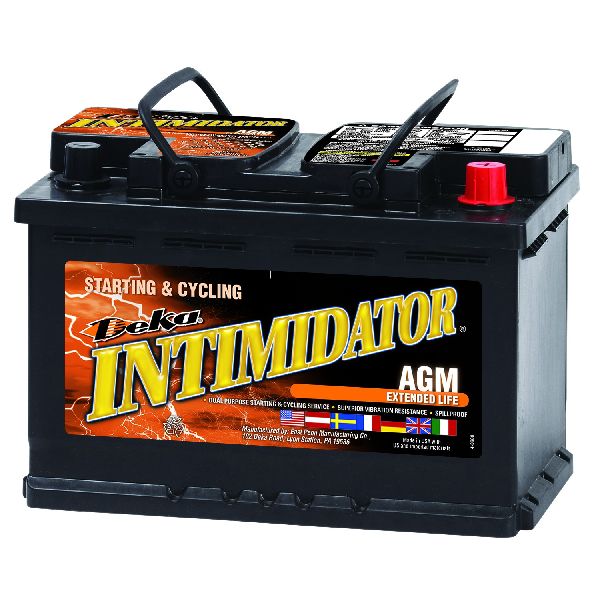
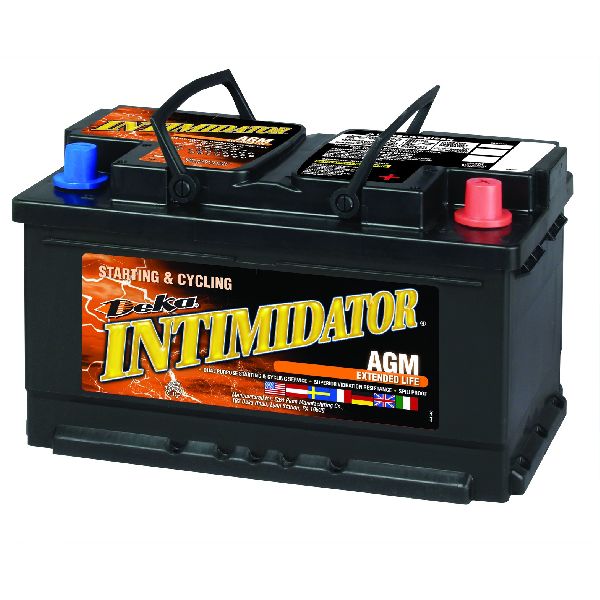
- 12-Volt AGM Auxiliary Battery
(OEM #68307396AJ (superseded by 68488189AB))— This is the most frequent cause of code P0563 on the Pacifica Hybrid. A failing battery can cause the charging system to malfunction and overcharge.
Trusted brands: Mopar, Duralast, Deka, Odyssey
OEM price range: $250-$450
Aftermarket price range: $200-$350 - Power Inverter Module (PIM)
(OEM #68413465AB (for 2018-2020 models), 68381781AD (for 2017+ models))— If the 12V battery is good, the fault lies within the PIM's internal DC-to-DC converter, which regulates voltage. This is a non-serviceable part of the module.
Trusted brands: Mopar (OEM)
OEM price range: $1000-$3000+
Aftermarket price range: N/A
Related Codes That Often Appear With This One
- U0110 — This code indicates a loss of communication with the 'Drive Motor Control Module'. Widespread electrical issues caused by high voltage can disrupt communication between modules.
- U-codes (various) — Erratic voltage can cause communication failures on the CAN bus network, leading to various U-codes being stored in different modules.
Technical Service Bulletins (TSBs) & Recalls
- TSB 08-089-20 REV. A: Involves reprogramming the Hybrid Control Processor (HCP) and Auxiliary Hybrid Control Processor (AHCP), also known as the PIM, with updated software to correct issues with permanent fault codes that won't clear.
- TSB 08-115-22: Supersedes TSB 08-089-20 REV. A and adds more DTCs, also involving a PIM software update.
- NHTSA Recall 23V-010 (Chrysler 03A): Addresses sudden engine shutdowns caused by an internal transmission wiring short that the PIM misinterprets. The fix is a software update for the PIM, IPC, and PCM to prevent the shutdown. This demonstrates the PIM's central role in system monitoring and control.
Platform-Specific Known Issues
- The Pacifica Hybrid platform is known for having numerous software-related TSBs and recalls, some of which involve updating the Power Inverter Module (PIM) software to correct logic flaws. While not a direct fix for P0563, it highlights the complexity and sensitivity of the vehicle's electronic control systems. It is crucial to ensure all software updates, especially those from recalls like 03A / 23V-010, have been performed.
Mechanic-Grade Diagnostic Values
- Normal 12V System Charging Voltage — expected: 13.2 - 14.8 Volts. Failure: A sustained reading above 15.0V indicates an overcharging condition that will set P0563.
- P0563 Set Condition Threshold — expected: Targeted charging voltage + 1.0V. Failure: The PCM will set P0563 when the measured battery voltage exceeds the PCM's target charging voltage by 1.0V or more for a calibrated period.
- PIM High Voltage Cable Terminal Bolt Torque — expected: 25 N·m (212 in. lbs). Failure: Loose bolts can cause arcing, high resistance, and a host of high-voltage related DTCs. This is a critical check if the PIM is being inspected.
- Alternator/PIM Field Control Duty Cycle (Scan Tool Value) — expected: 35-40% at idle with minimal loads. Failure: A reading of 0% or 100% indicates the PCM is attempting to correct a major fault and can point towards a shorted circuit or a failed PIM/alternator.
Hidden / Shadow Codes Worth Checking
- P0C77-00: HV Battery System Precharge Time Too Short. Can be caused by loose PIM high voltage connections. (see via Professional scan tool like wiTECH.)
- P0A79-00: Drive Motor B Inverter Performance. Can be caused by loose PIM high voltage connections. (see via Professional scan tool like wiTECH.)
- P1AEF-00: MCPB High Voltage Battery System Voltage High. Can be caused by loose PIM high voltage connections. (see via Professional scan tool like wiTECH.)
- P0AFA-00: Hybrid-EV Battery System Voltage Low. Can be caused by loose PIM high voltage connections. (see via Professional scan tool like wiTECH.)
Scan Tool Commands That Help
- wiTECH or equivalent professional scanner: Read 'Target Charging Voltage' and 'Alternator Duty Cycle' — Use this to compare the PCM's commanded charging state against the actual measured voltage. A large discrepancy can help determine if the fault is in the PIM's regulation or the PCM's command.
- wiTECH: PIM/HCP/AHCP Software Reflash — This is mandatory after installing a new or used PIM. It is also used to apply software updates from TSBs that can resolve logic errors in the charging and hybrid control systems.
- wiTECH or equivalent professional scanner: PCM/ECU Voltage Sensor Self-Test — If available on the platform, this internal test can help rule out a faulty PCM that is misreading the system voltage. A failure here points to the PCM itself.
Wiring & Ground Locations
- F37 (PIM-Main PWR Supply) — In the underhood Power Distribution Center (fuse box).. This 20A MINI fuse is a primary power supply for the Power Inverter Module. A poor connection or fault on this circuit could affect PIM operation.
- F29 (TCM / E-Shifter / ESM) — In the underhood Power Distribution Center (fuse box).. This 15A MICRO3 fuse powers the transmission controller and shifter. Voltage spikes from P0563 can cause erratic behavior in these related systems.
- 12V Jump Start Post — Under the Power Distribution Center (PDC) cover in the front of the engine bay.. This provides a convenient and safe location to measure charging system voltage with a multimeter without needing to access the rear-mounted 12V battery.
- Star Connector (Ground Bus) — Reported to be located above the glove box area on some Pacifica models.. While not specific to P0563, a faulty ground bus connector in this location is known to cause widespread, bizarre electrical issues (flickering dash, loss of power) that could mimic symptoms of an over-voltage condition.
Real Owner Repair Stories
- Reddit user 'appape' (2018 Chrysler Pacifica Hybrid) — PIM failure.
❌ Tried (didn't work) Temporarily resetting computers by disconnecting the 12V battery.
✅ What actually fixed it The Power Inverter Module (PIM) failed at approximately 25,000 miles. It was replaced, and the owner reported no further problems up to 82,000 miles. - Reddit user 'deekster_caddy' (2020 Chrysler Pacifica Hybrid) — PIM failure.
✅ What actually fixed it The Power Inverter Module (PIM) was replaced at 20,000 miles. The owner reported no issues since the replacement, with the vehicle reaching 80,000 miles.
OEM Part Supersession History
68413465AA→68413465AB— Part revision to address reliability or manufacturing improvements.
Model Year Variations Within This Range
- 2017-2018: No significant changes to the core hybrid powertrain, PIM, or 12V charging system have been documented between the 2017 and 2018 model years. Differences were primarily cosmetic, trim levels, and infotainment system features (e.g., 2018 models received updated Uconnect with Apple CarPlay/Android Auto). The diagnosis for P0563 remains identical for both years.
Diagnostic Flowchart
Other Known Issues on This Vehicle
Issues unrelated to this code that are worth knowing about as an owner of this generation:
- High-Voltage Battery Fire Risk 🔴 High → Shop Vehicle Battery — Affects 2017-2018 models. Several recalls (e.g., NHTSA 22V-436) were issued. The cause was investigated and led to a 'Park Outside' and 'Do Not Charge' order until a fix involving software and potential battery replacement was available. (Ref: NHTSA 22V-436)
- Sudden Engine Shutdown / Loss of Motive Power 🔴 High — Affects 2017-2023 models. Caused by an internal transmission wiring connector shorting out. A large recall was issued to update software to provide a warning and limp mode instead of an abrupt shutdown. (Ref: NHTSA 23V-010 (Chrysler Recall 03A))
- Transmission Jerking, Rough Shifting, or Failure 🟠 Medium — Commonly reported on 2017 models, both hybrid and non-hybrid. Symptoms include jerking, slipping, and harsh shifts. Some cases required transmission replacement.
- Uconnect Infotainment System Glitches 🟡 Low — Widespread reports of the screen freezing, blacking out, or becoming unresponsive. Software updates sometimes help, but in many cases, the unit requires replacement.
- Loose Ground Cable Causing Stalling 🟠 Medium — A recall was issued for 2017-2019 models where a specific ground cable could loosen, potentially causing the engine to stall while driving. (Ref: Recall mentioned in general reports)
Used vs. New Parts: Buying Guide for This Vehicle
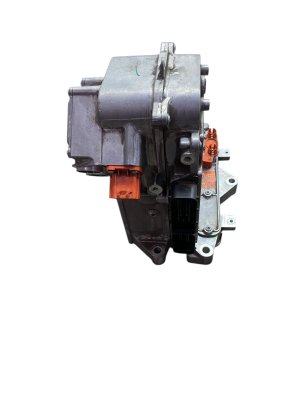
When a used part is the smart pick: A used Power Inverter Module (PIM) from a reputable automotive recycler can be a smart choice to significantly reduce repair costs, as the OEM new price is very high.
Donor-vehicle mileage cap: roughly under 75000 miles for the part to have meaningful remaining life.
What to inspect on the donor part:
- Purchase only from an established recycler that offers a warranty (30-90 days minimum).
- Obtain the VIN and mileage from the donor vehicle to verify compatibility and age.
- Inspect all electrical connectors for straight, clean pins. Reject any part with signs of corrosion or melted plastic.
- Check the aluminum housing for cracks or deep gouges that indicate physical damage.
- Ensure the liquid coolant ports are clean, undamaged, and free of debris.
OEM-only on this vehicle (don't cheap out):
- Power Inverter Module (PIM) - No aftermarket versions exist.
- 12-Volt Auxiliary Battery - Should always be purchased NEW. A used battery is unreliable and not worth the risk of causing further electrical issues.
Aftermarket brands forum-validated for this vehicle:
- For 12V Battery: Deka, Odyssey, Duralast AGM
Brands owners have reported issues with on this vehicle:
- No specific brands reported, but avoid non-AGM or improperly sized batteries for the 12V auxiliary replacement.
Real Owner Stories
Aggregated from forums and TSBs cited above. Mileages and costs reflect what owners reported in those sources.
2017 Chrysler Pacifica Hybrid
Symptoms: The vehicle was experiencing high-voltage system errors and sudden shutdowns.
What fixed it: Replacing the 12V auxiliary battery resolved the high-voltage system errors.
Source hint: Carly Community
2018 Chrysler Pacifica Hybrid
Symptoms: The owner documented various electrical problems, including power loss and communication codes.
What fixed it: The issues were traced back to a loose power distribution connection.
Source hint: YouTube (Solutions! - Ongoing issues with my 2018 Chrysler Pacifica Hybrid)
Related OBD-II Codes
Frequently Asked Questions
Where is the 12V auxiliary battery located on my 2017-2018 Pacifica Hybrid?
My 2018 Pacifica Hybrid stalled and has a P0563 code; could this be related to a recall?
Can I replace the Power Inverter Module (PIM) myself to fix the overcharging issue?
Does TSB 08-089-20 REV. A apply to my P0563 code?
What voltage should I see at the 12V battery if the system is overcharging?
Is there a specific software update for the PIM that I should check for?
Helpful Videos
Used OEM Parts in Stock
New Aftermarket Parts Available


The information in this article is provided for general reference and educational purposes only. Vehicle specifications, procedures, and part compatibility can vary by production date, trim level, and region. Always consult your vehicle's factory service manual and verify part numbers before purchasing or performing repairs. Safety-critical components such as airbags, seat belts, and braking systems should be installed by a qualified professional.
- Chrysler Pacifica:
- 🧭 Diagnostic Flowchart
- 🎬 Helpful Videos
- 🛍️ Shop This Part
- What's Unique About the 2017-2018 Chrysler Pacifica
- Symptoms You May Notice
- Most Likely Causes
- Rare But Worth Checking
- Diagnosis Steps
- Parts You'll Likely Need
- Related Codes That Often Appear With This One
- Technical Service Bulletins (TSBs) & Recalls
- Platform-Specific Known Issues
- Mechanic-Grade Diagnostic Values
- Hidden / Shadow Codes Worth Checking
- Scan Tool Commands That Help
- Wiring & Ground Locations
- Real Owner Repair Stories
- OEM Part Supersession History
- Model Year Variations Within This Range
- Other Known Issues on This Vehicle
- Used vs. New Parts: Buying Guide for This Vehicle
- Real Owner Stories
- 2017 Chrysler Pacifica Hybrid
- 2018 Chrysler Pacifica Hybrid
- Related OBD-II Codes
- Frequently Asked Questions
- 🎟️ Get 5% Off