

P0563 on 2007-2014 Ford Edge: System High Voltage Causes and Fixes
On a 2007-2014 Ford Edge, code P0563 almost always means the alternator is failing and overcharging the electrical system. The internal voltage regulator is the culprit, and replacing the entire alternator assembly is the most common fix. Expect to pay $200-$450 for a new alternator.
- P0563 on your Ford Edge means the system voltage is too high, almost always due to a failing alternator.
- Do not drive extensively with this code, as the high voltage can damage other expensive electronics.
- Confirm the failure by testing the voltage at the battery with the engine running. A reading above 15.0V points to a bad alternator.
- Do not replace the battery to fix this code; the problem is with the charging system, not the battery itself.
- When replacing the alternator, also inspect its electrical connector for corrosion or damage.
What's Unique About the 2007-2014 Ford Edge
For the 3.5L Duratec V6 in the Ford Edge, the charging system is a 'Smart Charge' design where the PCM controls the alternator's output via a command circuit to the internal voltage regulator. Despite this, the system is still conventional in that the regulator is integrated into the alternator, making alternator replacement the standard repair for an overcharging situation. Unlike some newer vehicles with more complex battery management systems (BMS), diagnostics for the P0563 code on this platform are typically straightforward and point directly to a failed alternator or its related wiring. However, post-facelift models (2011-2014) are known to be particularly sensitive to the communication signal from the alternator, and often reject aftermarket units, making an OEM Motorcraft alternator the most reliable fix.
Generation note: This guide covers the first generation Ford Edge (2007-2010) and its facelift (2011-2014). The core 3.5L engine and charging system architecture are similar across these years, so the causes and fixes for P0563 are generally the same. However, the 2011-2014 models are known to be more sensitive to aftermarket alternators, often requiring an OEM unit to resolve charging system warnings.
Symptoms You May Notice
- Check Engine Light is on
- Battery or charging system warning light is illuminated on the dashboard.
- Headlights and interior lights are flickering or appear excessively bright, sometimes leading to bulbs burning out.
- Intermittent or strange behavior from electronic accessories like the radio, power windows, or instrument cluster, which may shut down and reboot.
- A whining or grinding noise from the engine bay, indicating a failing alternator bearing
- A smell of burning rubber or hot electronics near the alternator
- Difficulty starting the engine or a dead battery after sitting, as overcharging can damage the battery over time
- Transmission may shift harshly or improperly as its control module is affected by the high voltage.
- Replacing the battery first. A P0563 code is for *high* voltage, which is a charging system problem. A new battery will not fix an overcharging alternator and will likely be damaged by the continued high voltage.
Most Likely Causes
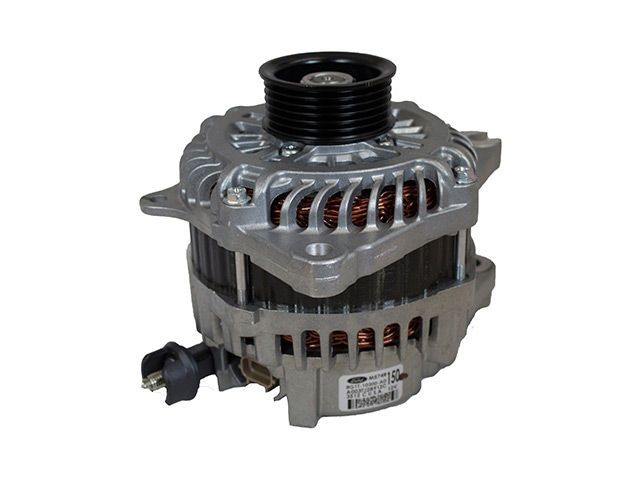
- Failing Alternator / Internal Voltage Regulator 🔴 High Probability → Shop Voltage Regulator The voltage regulator is an internal, non-serviceable component of the alternator. When it fails, it can no longer properly respond to the PCM's commands, defaulting to a full-field state that causes maximum, uncontrolled voltage output. This is the most common failure mode that triggers a P0563 code.
How to confirm: With the engine running, use a multimeter to measure the DC voltage across the battery terminals. A normal reading is between 13.2V and 14.8V. If the voltage is consistently above 15.0V, and especially if it spikes to 16V or higher when revving the engine, the alternator's voltage regulator has failed.
Typical fix: Replace the entire alternator assembly. Since the regulator is internal, replacing the complete unit is the standard and most reliable repair.
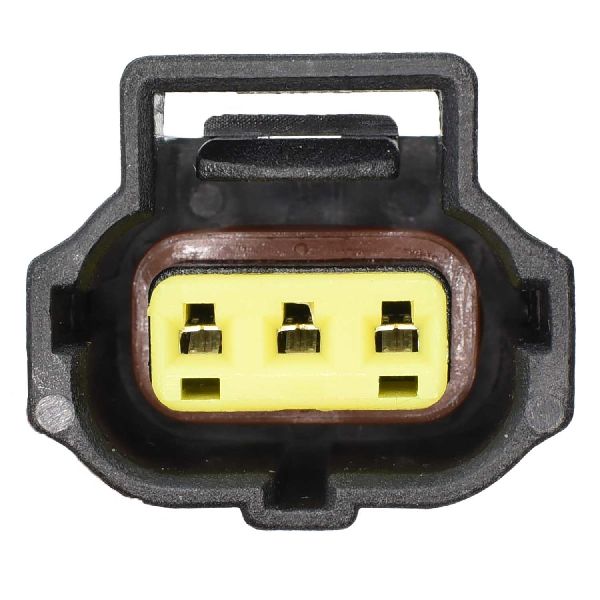
Est. part cost: $200-$450 - Corroded or Damaged Alternator Connector/Pigtail 🟡 Medium Probability → Shop Splice Wire Connector The 3-wire connector on the alternator can become corroded, melted from heat, or the wires can break from vibration. This interrupts the critical communication between the alternator and the PCM, causing erratic or improper voltage regulation.
How to confirm: Visually inspect the wiring harness and connector plug at the back of the alternator. Look for signs of green or white corrosion, melted plastic, or broken/frayed wires. Wiggle the connector with the engine running (use caution) to see if the voltage reading on a multimeter becomes erratic.
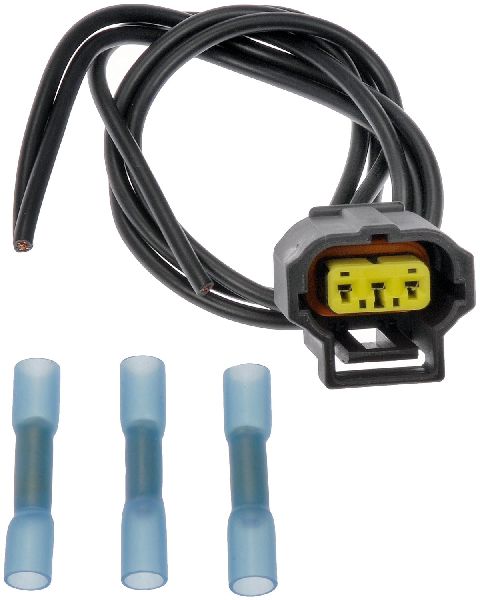
Typical fix: Replace the alternator pigtail connector. This requires cutting the old connector off and splicing the new one in using heat-shrink butt connectors.
Est. part cost: $15-$40 - Poor Battery Terminal Connections or Ground Straps ⚪ Low Probability → Shop Vehicle Battery Loose or heavily corroded battery terminals or a faulty main ground strap can create high resistance in the electrical system. This can confuse the PCM's voltage sensing circuits, sometimes leading to a false high voltage reading.
How to confirm: Visually inspect the battery terminals for corrosion. Ensure they are clean and tight. Follow the main negative battery cable to the chassis and engine block to ensure the ground connections are secure and free of rust or corrosion. Perform a voltage drop test on the ground side.
Typical fix: Clean the battery terminals and cable ends with a wire brush. Securely tighten all connections. Replace corroded cable ends or ground straps if necessary.
Est. part cost: $5-$50
Rare But Worth Checking
- Failing Battery: → Shop Vehicle Battery While a bad battery usually causes low voltage codes, a battery with an internal short or other rare failure can sometimes confuse the charging system and contribute to voltage spikes. This should be considered only after the alternator has been tested and confirmed to be functioning properly.
- PCM (Powertrain Control Module) Failure: In very rare cases, the voltage monitoring circuit within the PCM itself can fail, causing it to falsely report a P0563 code or improperly command the alternator. This is highly unlikely and should only be considered after all other possibilities (alternator, wiring, grounds) have been exhaustively ruled out.
Diagnosis Steps
- Scan for all DTCs to see if other codes are present alongside P0563. Note any communication (U-prefix) codes.
- Visually inspect the battery terminals, main power cables, and ground straps for looseness or corrosion. Clean and tighten as necessary.
- With the engine off, use a multimeter to check the battery's state of charge. A healthy battery should read approximately 12.4-12.6 volts.
- Start the engine. Measure the voltage at the battery terminals again. The reading should be stable between 13.2V and 14.8V.
- If the voltage is above 15.0V and continues to climb, especially when the engine is revved to ~2000 RPM, the alternator's internal voltage regulator is faulty and the alternator needs to be replaced.
- If the voltage is erratic or normal, carefully inspect the alternator's 3-wire pigtail connector for damage, corrosion, or loose pins. Wiggle the connector to see if it induces a voltage spike.
- If the alternator and wiring test good but the code persists, the issue could be a rare PCM fault, which may require professional diagnosis.
Parts You'll Likely Need
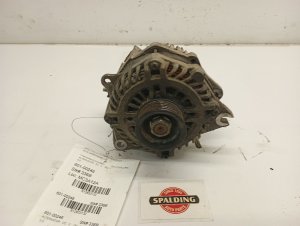
- Alternator
(OEM #Motorcraft GL-928 (Ford P/N: 7T4Z-10346-A or 8G1Z-10346-A, depending on year/options). Always verify with VIN.)— This is the most common cause of P0563, as the faulty voltage regulator is internal to the alternator.
Trusted brands: Motorcraft (OEM), Bosch, Denso, Carquest Premium
OEM price range: $350-$500
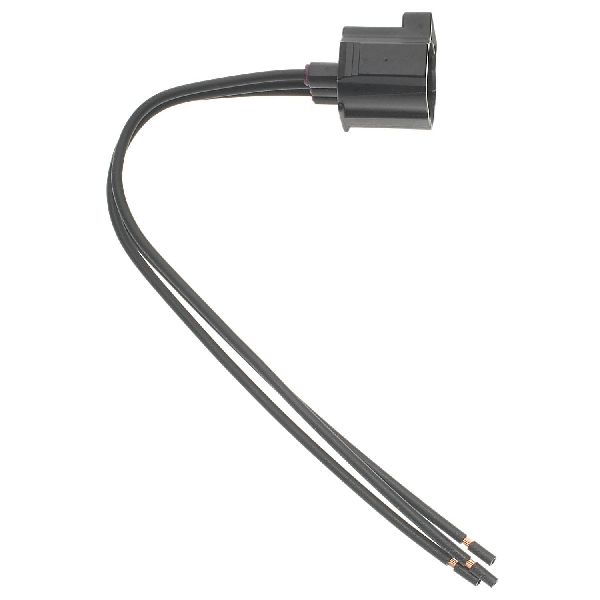
Aftermarket price range: $200-$350 - Alternator Pigtail Connector
(OEM #Motorcraft WPT-119 (Ford P/N: 1U2Z-14S411-UA).)— If the connector is corroded or melted, it must be replaced to ensure a proper connection to the new alternator.
Trusted brands: Motorcraft, Dorman
OEM price range: $25-$40
Aftermarket price range: $15-$30
Related Codes That Often Appear With This One
- P0620 — This code indicates a 'Generator Control Circuit' malfunction, pointing directly to a fault in the communication between the PCM and the alternator's internal regulator.
- P0625 — This code for 'Generator Field 'F' Terminal Circuit Low' often appears with P0563 and points to an issue in the alternator's control circuit, reinforcing the diagnosis of a faulty alternator or wiring.
- U-codes (e.g., U0100, U0131) — Various 'Lost Communication' codes may be set in other modules. The extreme voltage from the P0563 fault can cause other electronic modules on the vehicle's network (like the ABS or instrument cluster) to shut down or malfunction.
- P1397 — This Ford-specific code for 'System Voltage Out of Self-Test Range' may be set in conjunction with P0563, indicating the voltage was outside the expected range during a PCM self-test.
Technical Service Bulletins (TSBs) & Recalls
- TSB-14-0169: Mentions that abnormally low voltage can cause audio output failure on 2013-14 Edge models, highlighting the electrical system's sensitivity, though not directly related to high voltage.
Platform-Specific Known Issues
- Real-World Repair Story: On fordedgeforum.com, a user with a 2011 Edge reported the battery light coming on, followed by the ABS and traction control lights. A voltage test showed over 17V at the battery. The owner replaced the alternator, which solved the P0563 code and all related symptoms. This is a classic example of the internal voltage regulator failing and causing system-wide electrical havoc.
Mechanic-Grade Diagnostic Values
- System Voltage (Engine Running) — expected: 13.2V - 14.8V. Failure: Consistently above 15.2V, which triggers the P0563 code.
- Alternator Default Mode Voltage — expected: ~13.7V. Failure: If voltage is still high (>15V) after unplugging the 3-pin connector (C102A) and briefly revving the engine, the alternator is internally faulty.
- Voltage Drop (Alternator Case to Negative Battery Post) — expected: < 0.25 Volts (250 mV). Failure: A reading higher than 0.25V indicates a poor ground connection for the alternator or engine block.
- Scan Tool PID: GENVDSD vs. Multimeter Voltage — expected: The 'Generator Voltage Desired' (GENVDSD) PID should be within +/- 0.5V of the actual voltage measured at the battery.. Failure: A large discrepancy suggests a fault in the PCM or the alternator's sensing/control circuits.
- Alternator Connector C102A Pin 3 (A-Sense Circuit) — expected: Should read battery voltage.. Failure: Low or no voltage on this pin indicates an open or high resistance in the sense circuit (often a corroded wire or blown fusible link), which will cause the alternator to overcharge.
Hidden / Shadow Codes Worth Checking
- P1397: System Voltage Out of Self-Test Range. This code is often set in conjunction with P0563 and indicates the PCM detected voltage outside of its calibrated setpoints during a self-test. (see via Standard OBD-II scanner with access to Ford-specific codes.)
Scan Tool Commands That Help
- Professional Scan Tool (e.g., FORScan, Ford IDS): Monitor PIDs: GENVDSD, GENMON, GENCMD — These PIDs are essential for diagnosing the Smart Charge system. GENVDSD shows the voltage the PCM is requesting. GENCMD shows the duty cycle command sent to the alternator. GENMON shows the feedback duty cycle from the alternator indicating its load. Comparing these values is key to determining if the fault is with the PCM, wiring, or alternator.
- N/A - Physical Test: Disconnect Alternator 3-Pin Connector (C102A) — This is a critical diagnostic step. Disconnecting the control plug forces the alternator to operate in a default, self-regulating mode at approximately 13.7V. If it defaults to this voltage, the alternator itself is likely functional and the problem lies in the PCM control or wiring. If it continues to overcharge, the alternator's internal regulator is bad.
Wiring & Ground Locations
- C102A — The 3-wire electrical connector on the alternator.. This is the communication link between the PCM and alternator. Pin 1 (Violet wire) is GENMON (feedback), Pin 2 (Blue/Orange wire) is GENCMD (control), and Pin 3 (Red wire) is the A-Sense circuit (voltage sensing). A fault in any of these wires or the connector itself will cause charging system errors.
- G100 / G102 / G103 — Located on the left side of the engine compartment, near the battery and strut tower area. (2008 model year).. These are primary chassis and engine ground points. High resistance at these locations can cause incorrect voltage readings and electrical issues throughout the vehicle, potentially contributing to a P0563 code.
- G101 — Located on the right rear of the engine. (2008 model year).. This is a key engine ground. A poor connection here can directly impact the alternator's ability to ground properly through its case, leading to charging faults.
- Engine Block Ground — On the side of the engine block, visible above the transmission shift linkage after removing the battery and battery tray.. This is a main engine-to-chassis ground strap. Corrosion or looseness here is a common source of various electrical problems, including charging system faults.
Real Owner Repair Stories
- fordedgeforum.com user 'Jrod-13' (2011 Ford Edge, 210K+ miles) — Random 'Check Charging System' warning light on the dash.
❌ Tried (didn't work) Replaced original alternator with a remanufactured unit from Autovalue., Replaced the alternator pigtail connector with an OEM Ford part after noticing the original was slightly burnt.
✅ What actually fixed it After using FORScan to analyze the GENMON/GENCMD PIDs and seeing erratic behavior, the owner replaced the remanufactured alternator with a new OEM Motorcraft alternator. This immediately stabilized the charging system and resolved the warning light, confirming that the 2011+ models are often incompatible with aftermarket voltage regulators. - Reddit user 'Eman6841' (2011 Ford Edge) — Alternator failure.
❌ Tried (didn't work) Installed a remanufactured alternator from NAPA, which failed., Installed a second remanufactured alternator from NAPA, which also failed., Installed a third remanufactured alternator from NAPA.
✅ What actually fixed it The user states that for this model year, 'OEM motorcraft is the way' due to the difficulty of the replacement job and the high failure rate of aftermarket units. This corroborates other reports of aftermarket incompatibility.
OEM Part Supersession History
7T4Z-10346-A→8G1Z-10346-A— Standard part update/revision by Ford.
Heads up: The superseded part number 8G1Z-10346-A (and its Motorcraft equivalent GL-928) is the correct service part for the entire 2007-2014 range with the 3.5L engine.
Model Year Variations Within This Range
- 2011-2014: These facelift models feature the MyFord Touch system and appear to have a PCM calibration that is highly sensitive to the alternator's communication protocol. Owners and technicians report a high rate of failure and persistent 'Check Charging System' warnings when using aftermarket or remanufactured alternators. An OEM Motorcraft unit is strongly recommended to ensure compatibility and avoid repeat repairs.
Diagnostic Flowchart
Other Known Issues on This Vehicle
Issues unrelated to this code that are worth knowing about as an owner of this generation:
- Internal Water Pump Failure 🔴 High — Common after 80,000-100,000 miles. The pump is located behind the timing cover and driven by the timing chain. When it fails, it can leak coolant directly into the engine oil, leading to catastrophic engine failure with little warning.
- Power Transfer Unit (PTU) Leak/Failure (AWD Models) 🔴 High — The PTU is located near the hot exhaust, which cooks the gear oil, causing it to break down and leak from the seals. This can lead to whining noises and eventual failure of the AWD system. Regular fluid changes (every 30k miles) are recommended for prevention. (Ref: TSB 19-2017 addresses fluid leaks from the intermediate shaft seal.)
- Faulty Throttle Body 🟠 Medium — Carbon buildup can cause the throttle plate to stick, leading to rough idling, stalling, or the vehicle entering 'limp mode'. Cleaning the throttle body often resolves the issue.
- Brake Booster Failure 🔴 High — A tear in the internal diaphragm of the brake booster is common, resulting in a hissing noise from the driver's footwell, a hard or spongy brake pedal, and reduced braking assistance. (Ref: Ford issued recall 23S12 and Customer Satisfaction Program 13N02 for certain models.)
- Door Ajar Sensor Failure 🟡 Low — A faulty switch inside the door latch assembly causes the 'Door Ajar' light to stay on, preventing doors from locking automatically and keeping the interior dome light on. The driver's door is the most common culprit.
Used vs. New Parts: Buying Guide for This Vehicle
When a used part is the smart pick: A used alternator can be a cost-effective option ONLY if it is a verified, low-mileage OEM Motorcraft unit pulled from a donor vehicle. Given the high labor cost and difficulty of access, the risk of a premature failure from a generic used part outweighs the savings.
Donor-vehicle mileage cap: roughly under 75000 miles for the part to have meaningful remaining life.
What to inspect on the donor part:
- Verify the part is a genuine 'FoMoCo' or 'Motorcraft' branded unit.
- Check the pulley for smoothness of rotation and lack of bearing noise or play.
- Inspect the plastic housing of the 3-pin connector for any signs of melting, cracking, or heat stress.
- Look for the date code on the alternator housing, if visible, to gauge its age.
OEM-only on this vehicle (don't cheap out):
- Alternator: For 2011-2014 models, using a new or low-mileage OEM Motorcraft alternator is critical to avoid compatibility issues with the PCM's Smart Charge system.
Aftermarket brands forum-validated for this vehicle:
- Bosch (New or Remanufactured): Generally considered a higher-quality alternative to store-brand remans, but OEM is still the safest choice for this specific application.
- Motorcraft (Pigtail Connector): The OEM pigtail (WPT-119) is the best choice for fit and wire quality.
Brands owners have reported issues with on this vehicle:
- Generic/Store-Brand Remanufactured Alternators: Multiple owner reports confirm these units (e.g., from NAPA, Autovalue) frequently cause persistent charging system warnings on 2011+ models, leading to repeat repairs.
Real Owner Stories
Aggregated from forums and TSBs cited above. Mileages and costs reflect what owners reported in those sources.
2011 Ford Edge 3.5L V6
Symptoms: Battery light coming on, followed by the ABS and traction control lights. A voltage test showed over 17V at the battery.
What fixed it: The owner replaced the alternator, which solved the P0563 code and all related symptoms.
Source hint: fordedgeforum.com thread titled 'Real-World Repair Story' and 'Battery light on: Alternator or battery?'
2013 Ford Edge 3.5L V6
Symptoms: Experienced P0563 with voltage readings of 15.5-16.1V.
What fixed it: Replacement of the alternator's internal voltage regulator (via full alternator replacement).
Source hint: fordedgeforum.com thread titled 'p0563-high-voltage'
Related OBD-II Codes
Frequently Asked Questions
My 2013 Ford Edge is showing a P0563 code and the voltage is hitting 16V. Is this a known issue?
Does TSB 14-0169 explain why my 2014 Edge has a high voltage P0563 code?
Can I just replace the voltage regulator on my 3.5L Duratec V6 alternator?
Why is my Ford Edge shifting harshly when the battery light is on?
I have a Lincoln MKX with the same 3.5L engine; is it prone to this high voltage issue too?
Could a bad ground strap cause a P0563 on my Ford Edge?
Helpful Videos
Used OEM Parts in Stock
New Aftermarket Parts Available


The information in this article is provided for general reference and educational purposes only. Vehicle specifications, procedures, and part compatibility can vary by production date, trim level, and region. Always consult your vehicle's factory service manual and verify part numbers before purchasing or performing repairs. Safety-critical components such as airbags, seat belts, and braking systems should be installed by a qualified professional.
- Ford Edge:
- 🧭 Diagnostic Flowchart
- 🎬 Helpful Videos
- 🛍️ Shop This Part
- What's Unique About the 2007-2014 Ford Edge
- Symptoms You May Notice
- Most Likely Causes
- Rare But Worth Checking
- Diagnosis Steps
- Parts You'll Likely Need
- Related Codes That Often Appear With This One
- Technical Service Bulletins (TSBs) & Recalls
- Platform-Specific Known Issues
- Mechanic-Grade Diagnostic Values
- Hidden / Shadow Codes Worth Checking
- Scan Tool Commands That Help
- Wiring & Ground Locations
- Real Owner Repair Stories
- OEM Part Supersession History
- Model Year Variations Within This Range
- Other Known Issues on This Vehicle
- Used vs. New Parts: Buying Guide for This Vehicle
- Real Owner Stories
- 2011 Ford Edge 3.5L V6
- 2013 Ford Edge 3.5L V6
- Related OBD-II Codes
- Frequently Asked Questions
- 🎟️ Get 5% Off