

P0563 on 2008-2012 Ford Escape: High System Voltage Causes and Fixes
P0563 on a 2008-2012 Ford Escape means the electrical system voltage is too high, almost always due to a failing alternator with a bad internal voltage regulator. Expect to pay $200-$500 for a replacement alternator, with DIY difficulty rated at 3/5.
- P0563 means your Escape's charging system voltage is dangerously high.
- The most common cause by far is a failed alternator with an internal voltage regulator fault.
- Before replacing any parts, use a multimeter to confirm the overcharging condition (voltage >15.0V) at the battery while the engine is running.
- Check and clean battery terminals and ground connections as a first step.
- Driving with this condition can cause expensive damage to other electronic modules in the vehicle.
What's Unique About the 2008-2012 Ford Escape
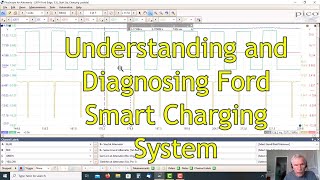
For the 2008-2012 Ford Escape, this code is straightforward and almost always points to a charging system issue, with the alternator being the primary suspect. Unlike some vehicles with complex battery monitoring systems, the diagnosis on the non-hybrid Escape is typically direct. Ford implemented a 'smart charging' system where the PCM controls the internal regulator inside the alternator. 🎬 Watch: How Ford's smart charging system works and how to diagnose it However, the failure mode remains the same: the regulator fails, causing an overcharge. It is crucial to distinguish between the standard gasoline models and the Hybrid version, as the Hybrid has a much more complex high-voltage battery system that is not related to this code. P0563 specifically refers to the conventional 12-volt charging system.
Symptoms You May Notice
- Check Engine Light is on
- Battery or charging system warning light is on
- Headlights or interior lights may be brighter than usual or flickering
- Erratic operation of electronic accessories (radio, power windows)
- Harsh or improper transmission shifting, as the PCM that controls the transmission is affected by the high voltage
- Engine may stall or have difficulty starting
- A battery that is hot to the touch or smells like sulfur (boiling)
- Voltage gauge on the instrument cluster (if equipped) reading consistently above 15V
- Replacing the battery without testing the alternator first. A new battery will soon be damaged by an overcharging alternator.
- Replacing the PCM when the actual fault is in the alternator or wiring.
Most Likely Causes
- Failing Alternator / Internal Voltage Regulator 🔴 High Probability → Shop Voltage Regulator The voltage regulator is internal to the alternator and is the most common failure point that leads to an overcharging condition. The PCM commands the regulator, but when the regulator fails internally, it can default to a full-field, maximum charging state.
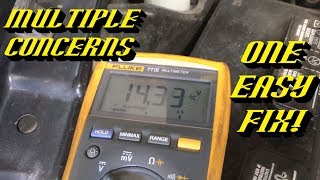
How to confirm: With the engine running, use a multimeter to measure the voltage across the battery terminals. A reading consistently above 15.0 volts (and especially above 15.5V) confirms an overcharging condition, pointing to a bad alternator. You can also monitor system voltage using an OBD-II scanner's live data function.
Typical fix: Replace the entire alternator assembly.
Est. part cost: $200-$500 - Corroded or Loose Battery Terminals/Cables 🟡 Medium Probability → Shop Vehicle Battery Corrosion or loose connections can create high resistance, confusing the system and potentially leading to improper voltage regulation. A poor ground connection can cause the alternator to overcharge to compensate for the perceived voltage drop.
How to confirm: Visually inspect the battery terminals, cable ends, and the main ground connections to the chassis and engine block. Clean any corrosion and ensure all connections are tight. A voltage drop test across the main power and ground cables can also identify excessive resistance.
Typical fix: Clean the battery terminals and cable ends with a wire brush and ensure they are securely fastened. Replace cables if corrosion is severe.
Est. part cost: $5-$20 for cleaning tools - Failing Battery ⚪ Low Probability → Shop Vehicle Battery An internally shorted or failing battery can sometimes cause the charging system to overcompensate, although this is a less common cause for an overcharge condition compared to an undercharge one.
How to confirm: Have the battery load-tested at an auto parts store. Most stores offer this service for free. A battery that fails a load test should be replaced.
Typical fix: Replace the 12-volt battery.
Est. part cost: $150-$250
Rare But Worth Checking
- Damaged Wiring Harness: The wiring between the alternator and the PCM can become damaged or shorted, leading to incorrect voltage readings and control signals. This is less common than a failed alternator but should be checked before replacing an expensive PCM. Specifically, check the alternator connector and the harness where it may rub against the engine or chassis.
- Faulty Powertrain Control Module (PCM): → Shop Engine Control Module (ECM) In very rare cases, the PCM itself can fail and misinterpret the voltage readings or fail to regulate the alternator correctly. This should be the last item to consider after all other possibilities have been exhausted, as it is expensive and requires programming.
Diagnosis Steps
- Verify the code with an OBD-II scanner. Note any other codes present and check freeze-frame data to see the conditions when the code was set.
- Visually inspect the battery terminals and cables for corrosion or loose connections. Clean and tighten as necessary.
- With the engine running, use a multimeter to measure the voltage directly at the battery posts. The voltage should be between 13.2V and 14.8V.
- If the voltage is above 15.0V, the alternator is overcharging and is the most likely culprit. Perform a load test by turning on headlights, A/C, and other accessories to see if the voltage remains high or spikes.
- If the voltage is normal, but the code persists, inspect the wiring harness between the alternator and the PCM for any signs of damage, chafing, or corrosion, paying close attention to the connector at the alternator.
- If the battery is over 4-5 years old, have it professionally load-tested to rule out an internal battery fault.
- If the alternator, battery, and wiring are all confirmed to be good, the issue may be with the PCM, which requires advanced diagnostics.
Parts You'll Likely Need
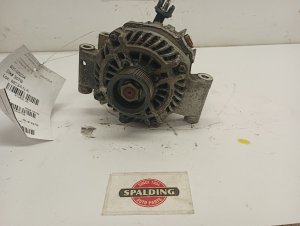
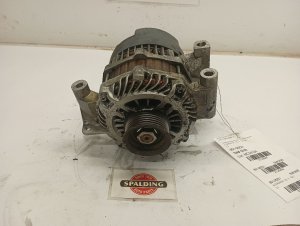
- Alternator
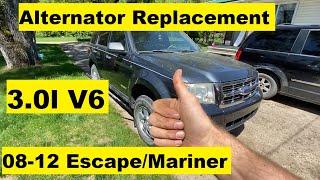
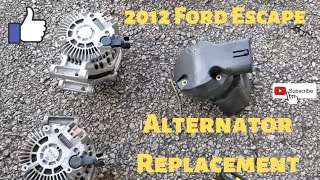
(OEM #9L8Z-10346-A (V6 3.0L) 🎬 See this step-by-step 3.0L V6 alternator replacement walkthrough, GL-934 (I4 2.5L))— The internal voltage regulator is the most common failure point, and it is housed within the alternator. Replacement of the complete alternator assembly is the standard repair.
Trusted brands: Motorcraft, Bosch, Denso, TYC
OEM price range: $350-$500
Aftermarket price range: $200-$350
Related Codes That Often Appear With This One
- P0620 — This code for 'Generator Control Circuit Malfunction' often appears with P0563 as it indicates a general fault in the communication between the PCM and the alternator.
- P0625 — This code for 'Generator Field 'F' Terminal Circuit Low' points directly to a problem in the alternator's control circuit, reinforcing the likelihood of a wiring or alternator fault.
- P0562 — System Voltage Low. Seeing both P0562 and P0563 can indicate a voltage regulator that is failing erratically, causing voltage to swing between undercharging and overcharging conditions.
Platform-Specific Known Issues
- On some Ford vehicles, high voltage from a failing alternator has been observed to cause harsh transmission shifting because the PCM, which controls both the engine and transmission, is directly affected by the unstable voltage. 🎬 Watch: How high voltage causes harsh shifting on Ford vehicles
Mechanic-Grade Diagnostic Values
- System Voltage at Battery Terminals (Engine Running) — expected: 13.2V - 14.8V. Failure: Consistently above 15.0V, especially spiking to 15.5V or higher.
- Voltage Drop - Alternator B+ post to Battery Positive Terminal — expected: Less than 0.2V. Failure: Reading above 0.2V indicates high resistance in the main power cable.
- Voltage Drop - Alternator Case to Battery Negative Terminal — expected: Less than 0.2V. Failure: Reading above 0.2V indicates a poor ground connection.
- AC Voltage Leakage at Battery Terminals (Engine Running) — expected: Less than 0.5V AC. Failure: A reading higher than 0.5V AC suggests failed diodes within the alternator's rectifier.
- Alternator Control Fuse (F6) — expected: 15 Amps, showing continuity.. Failure: A blown fuse will cut power to the alternator's voltage regulator circuit.
Wiring & Ground Locations
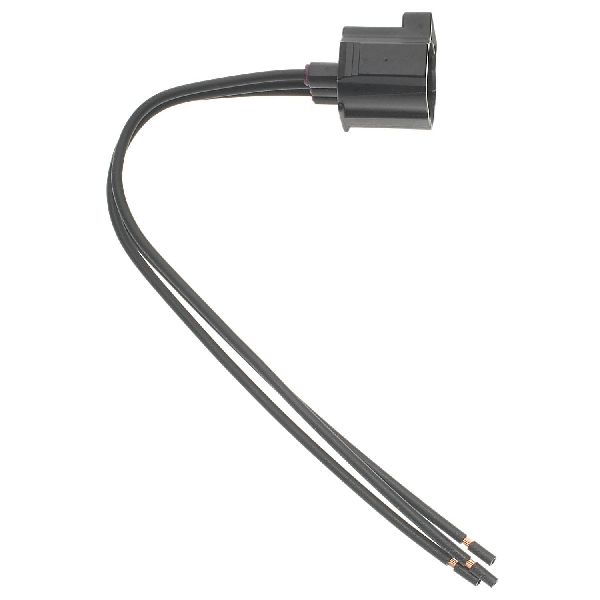
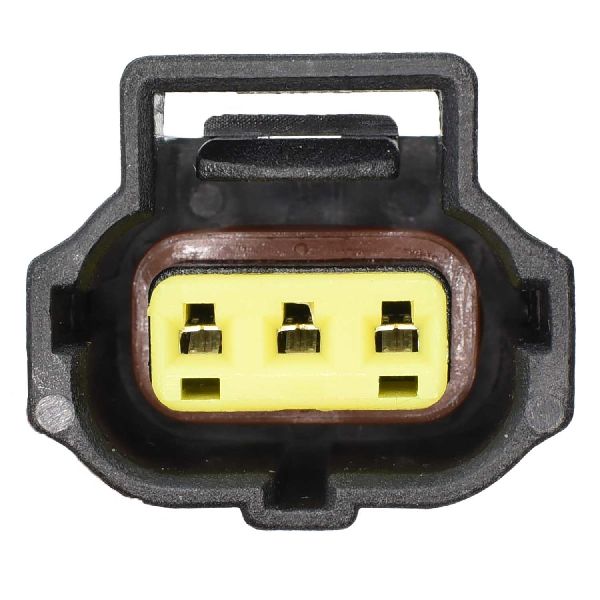
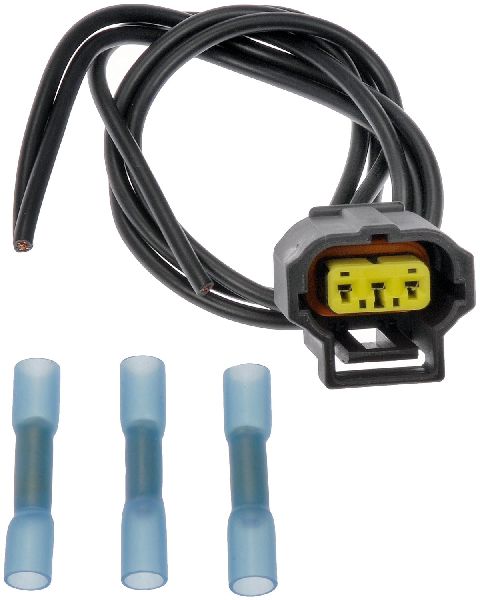
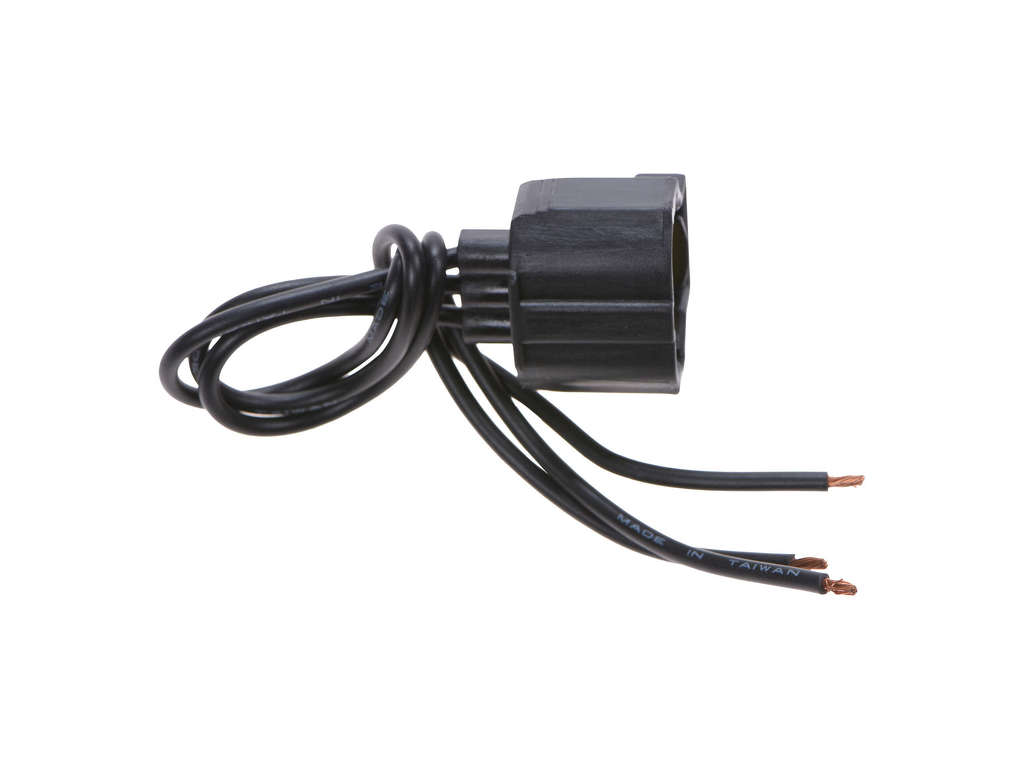
- Alternator 3-Pin Connector — Plugged into the back of the alternator.. This connector carries the control signals from the PCM to the voltage regulator. Wires can get pulled out, pins can corrode, or the harness can chafe, causing a loss of regulation and triggering P0563. Pin 1 (Green/Red) is for the indicator light, Pin 2 (Violet) is the control signal to the PCM, and Pin 3 (Brown/Red) is the fused power feed.
- Fuse #6 (F6) — In the small fuse box under the hood (Battery Junction Box).. This 15-amp fuse supplies power to the alternator's internal voltage regulator. If it blows, the alternator may default to an uncontrolled, high-voltage output.
- G101 — On the 3.0L V6, it's near the battery. On the 2.3L/2.5L I4, it's at the rear of the engine.. This is a primary engine ground. A poor connection here can create high resistance, causing the alternator to overcharge to compensate for a perceived voltage drop.
- G104 — At the left front corner of the engine compartment, near the Battery Junction Box.. This is a crucial chassis ground point. Corrosion or a loose connection here can affect the entire charging system's reference voltage, leading to improper regulation.
Real Owner Repair Stories
- YouTube channel 'FordTechMakuloco' (2007 Lincoln Navigator (similar Ford smart charge system)) — Recurring P0563 code, high system voltage, and harsh transmission shifting.
❌ Tried (didn't work) The video implies that simply replacing the alternator might be a common but incorrect first step if the underlying electrical inputs are faulty.
✅ What actually fixed it A blown 10-amp fuse (Fuse #76 on that vehicle) that powered the voltage regulator sense circuit. The PCM was not receiving a correct voltage signal, causing the alternator to overcharge.
Model Year Variations Within This Range
- 2009-2012: In 2009, the base engine changed from a 2.3L to a 2.5L I4. While the charging system operates on the same principles, the specific alternator part number (GL-934) and its physical mounting may differ from the 2008 2.3L models.
Diagnostic Flowchart
Other Known Issues on This Vehicle
Issues unrelated to this code that are worth knowing about as an owner of this generation:
- Electronic Power Steering Failure 🔴 High — Very common across this generation, leading to a major recall. Can occur at any mileage. (Ref: Ford Recall 14S05)
- 6F35 Transmission Problems 🔴 High — Common on 2009 and newer models. Issues include harsh shifting, shuddering, and premature failure. Subject of class-action lawsuits.
- Rear Shock Tower Rust 🔴 High — Extremely common in regions that use road salt. The upper shock mount rusts through, detaching the shock from the body.
- Electronic Throttle Body (ETB) Failure 🟠 Medium — A widespread issue causing the vehicle to enter 'limp mode' with reduced power. Ford initiated a customer satisfaction program (13N03) to extend the warranty on this part. (Ref: Customer Satisfaction Program 13N03)
- Faulty Ignition Coils 🟡 Low — Common cause for engine misfires (P030X codes). Relatively easy to diagnose and replace.
- ABS Tone Ring Failure 🟡 Low — The front ABS tone rings can crack, causing the ABS and traction control lights to illuminate and the systems to activate erratically at low speeds.
Used vs. New Parts: Buying Guide for This Vehicle
When a used part is the smart pick: A used OEM (Motorcraft) alternator from a low-mileage donor vehicle can be a cost-effective and reliable option. Given that the primary failure is the internal regulator, a used part is often preferable to a new, non-OEM aftermarket unit of questionable quality.
Donor-vehicle mileage cap: roughly under 80000 miles for the part to have meaningful remaining life.
What to inspect on the donor part:
- Check for a clean, corrosion-free housing.
- Ensure the pulley spins freely and smoothly with no grinding or roughness, which would indicate bad bearings.
- Inspect the 3-pin electrical connector for any cracks, broken tabs, or corroded pins.
- Verify the OEM part number prefix matches your vehicle's original part to ensure compatibility with the smart charge system.
OEM-only on this vehicle (don't cheap out):
- While not strictly 'OEM-only', a Motorcraft (new or remanufactured) alternator is highly recommended over budget brands. The PCM's smart charge system is sensitive and may not communicate properly with aftermarket regulators.
Aftermarket brands forum-validated for this vehicle:
- Bosch
- Denso
Brands owners have reported issues with on this vehicle:
- Generic, unbranded 'white box' alternators from online marketplaces have a high rate of premature failure or 'dead-on-arrival' issues.
Real Owner Stories
Aggregated from forums and TSBs cited above. Mileages and costs reflect what owners reported in those sources.
2008-2012 Ford Escape
Symptoms: Harsh transmission shifting and erratic operation of electronic accessories like the radio and power windows due to high voltage affecting the PCM.
What fixed it: Replacement of the entire alternator assembly because the internal voltage regulator failed and defaulted to a full-field, maximum charging state.
Source hint: vehicle_specific_issues
Related OBD-II Codes
Frequently Asked Questions
Is there a recall for the high voltage issue on my 2008-2012 Ford Escape?
Why is my Ford Escape shifting hard when the battery light is on?
Can I use a cheap aftermarket alternator to fix the P0563 code?
My headlights are flickering and the battery smells like rotten eggs. What is happening?
Should I replace the battery or the alternator first for a P0563?
Helpful Videos
Used OEM Parts in Stock
New Aftermarket Parts Available


The information in this article is provided for general reference and educational purposes only. Vehicle specifications, procedures, and part compatibility can vary by production date, trim level, and region. Always consult your vehicle's factory service manual and verify part numbers before purchasing or performing repairs. Safety-critical components such as airbags, seat belts, and braking systems should be installed by a qualified professional.
- Ford Escape:
- 🧭 Diagnostic Flowchart
- 🎬 Helpful Videos
- 🛍️ Shop This Part
- What's Unique About the 2008-2012 Ford Escape
- Symptoms You May Notice
- Most Likely Causes
- Rare But Worth Checking
- Diagnosis Steps
- Parts You'll Likely Need
- Related Codes That Often Appear With This One
- Platform-Specific Known Issues
- Mechanic-Grade Diagnostic Values
- Wiring & Ground Locations
- Real Owner Repair Stories
- Model Year Variations Within This Range
- Other Known Issues on This Vehicle
- Used vs. New Parts: Buying Guide for This Vehicle
- Real Owner Stories
- 2008-2012 Ford Escape
- Related OBD-II Codes
- Frequently Asked Questions
- 🎟️ Get 5% Off