

P0563 on 2006-2011 Honda Civic: System Voltage High Causes and Fixes
On a 2006-2011 Honda Civic, code P0563 almost always means the alternator's internal voltage regulator has failed, causing it to overcharge the electrical system with voltage often exceeding 15.5V. This is a serious issue that requires prompt attention to avoid damaging other electronics. The most common and correct fix is replacing the entire alternator assembly, as the regulator is not sold separately.
- P0563 means your Civic's electrical system is experiencing dangerously high voltage, typically over 15V.
- Do not drive the vehicle. An overcharging condition can quickly destroy the battery and other expensive electronic modules like the PCM and EPS module.
- The most likely cause, by far, is a failed internal voltage regulator, which requires replacing the entire alternator.
- Confirm the problem with a simple multimeter test at the battery terminals while the engine is running. A reading above 15V points directly to a bad alternator.
- When replacing the alternator, use a high-quality OEM (Denso) or remanufactured unit to avoid repeat failures. The OEM part number is 31100-RNA-A01.
What's Unique About the 2006-2011 Honda Civic
The 2006-2011 Honda Civic (8th generation) uses a PCM-controlled charging system that works with an Electronic Load Detector (ELD) located in the under-hood fuse box. The PCM uses data from the ELD and other sensors to switch the alternator between a low-output mode (around 12.5-12.9V) and a high-output mode (around 13.5-14.9V) to improve fuel efficiency. The voltage regulator is integrated into the alternator and receives control signals from the PCM via a 4-pin connector. A P0563 code occurs when the regulator fails internally and defaults to a full-field, unregulated state, ignoring PCM commands and producing excessive voltage. Due to this integrated design, a regulator failure requires replacing the entire alternator.
Symptoms You May Notice
- Check Engine Light and/or a red Battery/Charging System warning light on the dashboard.
- Headlights and interior lights that are unusually bright, sometimes described as 'super bright', or flickering.
- A bulging or swollen battery case, possibly with signs of leaking acid (sulfuric smell), from being 'cooked' by excess voltage.
- A distinct burning smell, like hot plastic or sulfur, coming from the alternator or battery.
- Prematurely burnt-out light bulbs.
- Erratic behavior from electronic accessories like the radio or gauges; the radio may shut off or reset.
- Engine stalling or having difficulty starting.
- Stiff or heavy power steering, as the Electric Power Steering (EPS) module is sensitive to voltage fluctuations.
- Replacing the battery without first confirming the alternator's output voltage. A new battery will be quickly damaged ('cooked') by an overcharging alternator.
- Assuming a cheap, low-quality aftermarket alternator will perform like the OEM unit. Many forum users report immediate or premature failure with non-Denso alternators, sometimes causing the same P0563 code to return.
Most Likely Causes
- Faulty Alternator / Internal Voltage Regulator 🔴 High Probability → Shop Voltage Regulator The voltage regulator is integrated into the alternator and is the most common failure point for this code. When it fails, it no longer limits the alternator's output, causing a continuous overcharge condition that ignores the PCM's commands. This is the cause for P0563 in the vast majority of cases for the 8th generation Civic.
How to confirm: With the engine running, use a multimeter to measure the DC voltage across the battery terminals. 🎬 Watch: How to test your alternator and battery with a multimeter. A reading that is consistently above 15.0 volts (and may climb to 16V or even 17V+) confirms an overcharging alternator. For a definitive test, turn on electrical loads like headlights and the blower fan; the voltage should remain high.
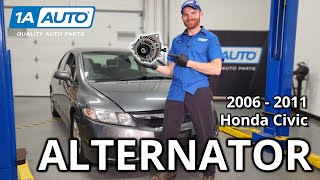
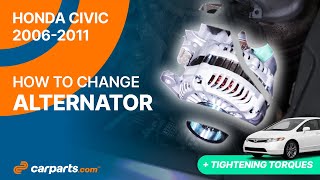
Typical fix: Replace the entire alternator assembly. 🎬 Watch: A helpful walkthrough of the alternator replacement process. The voltage regulator is not serviced separately. It is highly recommended to use an OEM (Denso) or high-quality remanufactured unit to avoid premature failure.
Est. part cost: $180-$500 - Poor Battery Terminals or Ground Connections ⚪ Low Probability → Shop Vehicle Battery While corroded or loose battery terminals and faulty ground straps can cause various electrical issues, they are much more likely to cause a low voltage condition (P0562) than a high voltage one. However, a poor ground connection can cause erratic voltage readings. This should be checked but is rarely the root cause of a persistent P0563.
How to confirm: Visually inspect the battery terminals for white or blue-green corrosion and ensure they are tight. Follow the main negative battery cable to the chassis and the engine block to check for corrosion or looseness. Perform a voltage drop test on the ground circuit.
Typical fix: Thoroughly clean the battery posts and terminals with a wire brush. Replace corroded or damaged terminal clamps or ground straps.
Est. part cost: $5-$50 - Failing Battery Very low Probability → Shop Vehicle Battery An internally shorted battery can cause the charging system to behave erratically, but it is extremely unlikely to cause a sustained overvoltage condition. A high voltage from a faulty alternator is far more likely to damage the battery than the other way around.
How to confirm: Have the battery professionally tested using a carbon pile or digital load tester. A simple voltage check is not sufficient. However, this should be done after verifying the alternator output is correct.
Typical fix: Replace the vehicle's 12V battery.
Est. part cost: $120-$280
Rare But Worth Checking
- Faulty Powertrain Control Module (PCM): → Shop Engine Control Module (ECM) This is exceptionally rare. The PCM commands the alternator but does not generate the voltage itself. Before condemning the PCM, all other possibilities, especially the alternator, must be definitively ruled out. Honda's own diagnostic flowchart only points to the PCM after all wiring and component checks have failed.
- Short in Alternator Control Wiring: → Shop Alternator A short circuit in the wiring between the PCM and the alternator's 4-pin connector could theoretically cause issues, but it is much less common than an internal alternator failure. A visual inspection of the harness near the alternator for chafing or damage is a wise step during replacement.
Diagnosis Steps
- Scan for any other stored trouble codes. P0563 is often a standalone code.
- With the engine running, use a multimeter set to DC volts to measure the voltage directly at the battery terminals. A reading consistently above 15.0V confirms an overcharging condition. Note the exact voltage; readings of 16V+ are common with this failure.
- Turn the engine off. Visually inspect the battery for any signs of swelling, cracking, or leaking fluid, which indicates it has been damaged by overcharging.
- Inspect the battery terminals and cable ends for corrosion or damage. Ensure they are clean and tight.
- Follow the main ground cable from the battery's negative terminal to the vehicle's chassis and engine. Ensure these connections are clean, tight, and free of corrosion.
- Inspect the 4-pin connector at the alternator for damage or corrosion. Ensure it is securely plugged in.
- If the voltage reading was high in step 2 and all connections are good, the alternator has failed internally and must be replaced.
Parts You'll Likely Need
- Alternator
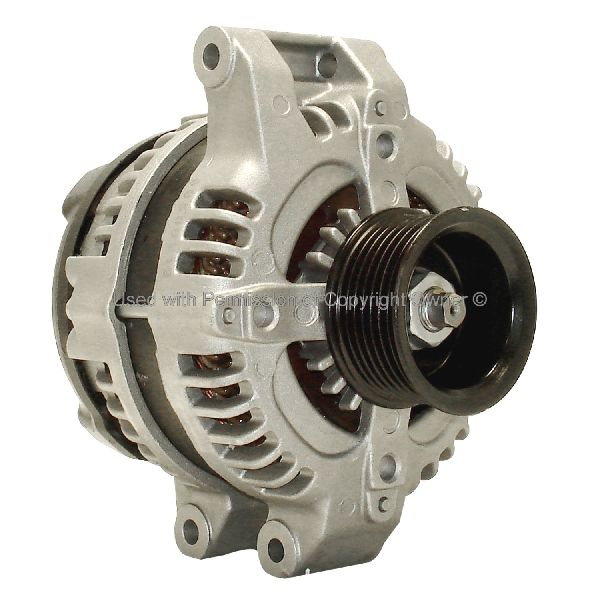
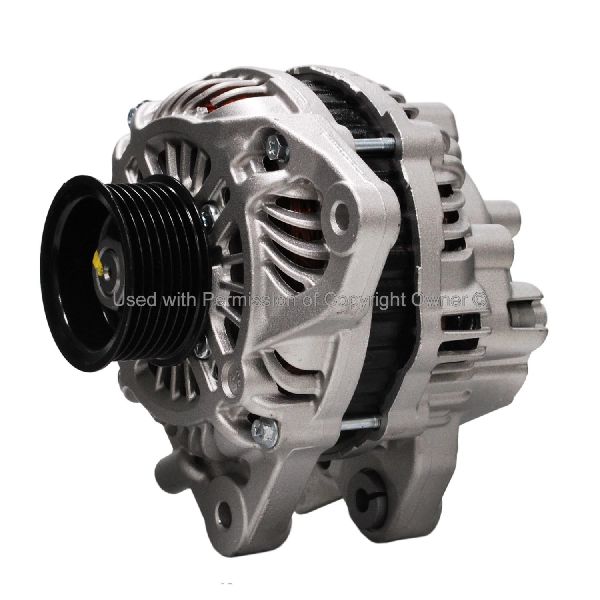
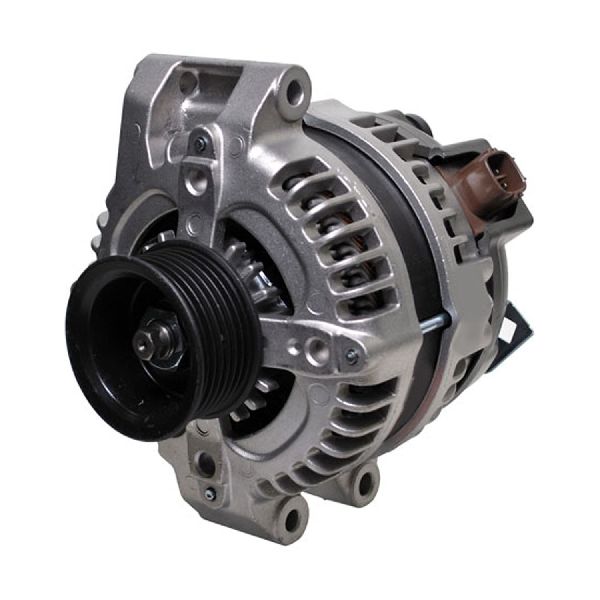
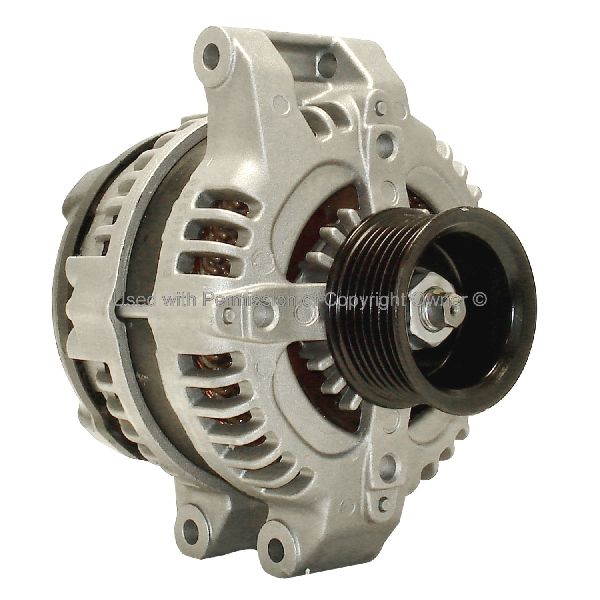
(OEM #31100-RNA-A01 (Honda), AHGA67 (Denso))— This is the most common cause of P0563, as the internal voltage regulator fails and causes the overcharging condition. The regulator is not sold separately. The OEM manufacturer is Denso.
Trusted brands: Denso (OEM), Bosch, Carquest, Duralast
OEM price range: $615-$640
Aftermarket price range: $180-$350
Technical Service Bulletins (TSBs) & Recalls
- While no TSBs point directly to P0563, Honda has issued TSBs for related systems. For example, TSB 08-001 addresses uneven tire wear, and others address EPS issues, highlighting the electronic complexity of the vehicle. A dealer message from 2017 (related to engine block warranty) references the specific engine block part number for 2006-2011 Civics, confirming factory support information for this model year range.
Platform-Specific Known Issues
- The 1.8L (R18A1) engine in the 2006-2011 Civic has relatively easy access to the alternator, making DIY replacement feasible 🎬 See this step-by-step guide for replacing your Civic's alternator. for those with mechanical experience.
- The charging system is controlled by the PCM via a 4-pin connector on the alternator. One of the primary failure modes is the internal voltage regulator no longer responding to the PCM's control signal on this circuit.
- Because this generation uses an Electric Power Steering (EPS) system, a charging system fault can sometimes manifest as heavy or inconsistent steering feel.
Mechanic-Grade Diagnostic Values
- Alternator Charging Voltage (at battery terminals, engine running, loads on) — expected: 13.2V to 14.7V. Failure: Consistently above 15.5V indicates a failed voltage regulator.
- Alternator Diode Ripple Test (AC Voltage) — expected: Less than 0.5V AC. Failure: A reading above 0.5V AC indicates failing diodes within the alternator, which can cause electrical noise and charging issues.
- Battery Load Test (Cranking Voltage) — expected: Should not drop below 9.6V. Failure: A drop below 9.6V during cranking indicates a weak or failing battery, which should be ruled out.
Scan Tool Commands That Help
- Honda Diagnostic System (HDS): Clear DTCs — Used at the beginning of diagnosis to ensure no old or intermittent codes are interfering, and after the repair is complete to turn off the Check Engine Light.
- Honda Diagnostic System (HDS): Reset ECM — After replacing major components like the alternator or PCM, an ECM reset is performed to clear learned values and re-initialize the system.
- Honda Diagnostic System (HDS): ECM Idle Learn Procedure — This procedure should be performed after an ECM reset or battery disconnect to allow the PCM to relearn the engine's idle characteristics.
Wiring & Ground Locations
- G101 — Bolted to the thermostat housing on the cylinder head.. This is a primary ground termination point for the ECU/PCM. A poor connection here can cause a wide range of erratic electrical behavior and incorrect sensor readings, though it's more commonly associated with no-start or stalling issues than a specific overvoltage code.
- Main Battery Ground — The main negative battery cable grounds to the transmission case and the chassis near the strut tower.. A compromised main ground can cause resistance in the charging circuit, leading to erratic behavior. While more likely to cause low voltage, it's a critical check for any electrical fault.
- Alternator 4-Pin Connector — On the side of the alternator assembly.. This connector carries the control signals from the PCM to the internal voltage regulator. A fault in this harness (short to power/ground) or a poor connection could theoretically cause charging issues, but an internal alternator failure is far more common.
Real Owner Repair Stories
- Harley Davidson Forums user (2008 model (though not a Civic, the electrical principle is identical)) — Check engine light with P0563, charging at 17.5V.
❌ Tried (didn't work) Replacing the voltage regulator (problem returned)., Replacing the battery.
✅ What actually fixed it The user discovered the stator inside the alternator was shorted to ground, which had destroyed the new voltage regulator as well. Replacing the entire alternator (stator and regulator) was the final fix.
OEM Part Supersession History
31100-RNA-A01→31100-RNA-A01 is the current part number.— N/A
Heads up: The Denso equivalent part number is AHGA67. Be aware that many aftermarket cross-references exist (e.g., 11176, 400-48050), but quality can vary significantly.
Diagnostic Flowchart
Used vs. New Parts: Buying Guide for This Vehicle
When a used part is the smart pick: A used OEM Denso alternator from a low-mileage donor car can be a cost-effective and reliable alternative to a new aftermarket unit, which often have high failure rates. Given the simplicity and robustness of the OEM part, a used one is a reasonable choice if its history is known or mileage is low.
Donor-vehicle mileage cap: roughly under 80000 miles for the part to have meaningful remaining life.
What to inspect on the donor part:
- Check for minimal corrosion on the alternator casing.
- Spin the pulley by hand; it should be smooth with no grinding or roughness, which would indicate bad bearings.
- Ensure the plastic 4-pin connector is not cracked or damaged.
- Ask the salvage yard if they test their alternators or offer a short warranty (e.g., 30-90 days).
OEM-only on this vehicle (don't cheap out):
- Alternator (strongly recommended)
Aftermarket brands forum-validated for this vehicle:
- Denso (New or Remanufactured - this is the OEM supplier)
- Bosch (New)
Brands owners have reported issues with on this vehicle:
- Store brands like Duralast and other generic, unbranded parts from online marketplaces are frequently reported by forum users to be faulty out of the box or fail prematurely, often causing the same P0563 code to return.
Real Owner Stories
Aggregated from forums and TSBs cited above. Mileages and costs reflect what owners reported in those sources.
2006-2011 Honda Civic
Symptoms: The battery light came on and a multimeter reading at the battery showed over 17 volts.
What fixed it: Replacing the alternator solved the problem, as the internal voltage regulator had failed.
Source hint: 8thcivic.com - "Battery Light On, 17+ Volts"
2008 Honda Civic
Symptoms: Owner noticed bright and flickering lights and measured 16.5V at the battery with a multimeter.
What fixed it: The issue was resolved by replacing the bad alternator.
Source hint: Honda-Tech - "Alternator Overcharging?"
2006-2011 Honda Civic
Symptoms: A P0563 code appeared and persisted even after replacing both the battery and the alternator.
What fixed it: The problem was a faulty-out-of-the-box aftermarket replacement alternator. Checking ground connections and replacing the defective aftermarket unit with a quality part fixed the issue.
Source hint: Reddit r/mechanicadvice - "P0563 code after replacing battery and alternator"
Related OBD-II Codes
Frequently Asked Questions
My 2008 Civic's power steering feels heavy and stiff. Could this be related to the P0563 code?
Is it okay to use a cheap aftermarket alternator from an auto parts store to fix P0563 on my Civic?
Can I just replace the voltage regulator on my 2010 Civic's alternator instead of the whole unit?
My battery is only a year old. Could it really be the cause of my P0563 code?
What voltage reading with a multimeter confirms the alternator has failed on my Civic?
I have a 2009 Acura CSX with this code. Does the information for the Honda Civic apply?
Helpful Videos

We Have This Part in Stock


The information in this article is provided for general reference and educational purposes only. Vehicle specifications, procedures, and part compatibility can vary by production date, trim level, and region. Always consult your vehicle's factory service manual and verify part numbers before purchasing or performing repairs. Safety-critical components such as airbags, seat belts, and braking systems should be installed by a qualified professional.
- Honda Civic:
- 🧭 Diagnostic Flowchart
- 🎬 Helpful Videos
- 🛍️ Shop This Part
- What's Unique About the 2006-2011 Honda Civic
- Symptoms You May Notice
- Most Likely Causes
- Rare But Worth Checking
- Diagnosis Steps
- Parts You'll Likely Need
- Technical Service Bulletins (TSBs) & Recalls
- Platform-Specific Known Issues
- Mechanic-Grade Diagnostic Values
- Scan Tool Commands That Help
- Wiring & Ground Locations
- Real Owner Repair Stories
- OEM Part Supersession History
- Used vs. New Parts: Buying Guide for This Vehicle
- Real Owner Stories
- 2006-2011 Honda Civic
- 2008 Honda Civic
- 2006-2011 Honda Civic
- Related OBD-II Codes
- Frequently Asked Questions
- 🎟️ Get 5% Off