

P0563 on 2017-2022 Honda CR-V: System Voltage High Causes and Fixes
On a 2017-2022 Honda CR-V, the P0563 code almost always indicates a failed internal voltage regulator within the alternator, causing the system to overcharge to 15.0V or higher. The only reliable fix is to replace the entire alternator assembly. It is critical to also have the battery load-tested, as it is often permanently damaged by the high voltage and will also require replacement.
- P0563 means your CR-V's electrical system voltage is too high, almost always due to a bad alternator.
- Do not drive the vehicle, as you risk destroying the battery and other expensive electronic modules like the PCM and instrument cluster.
- The most important diagnostic step is to measure the voltage at the battery with the engine running. A reading above 15.0V confirms the alternator is at fault.
- The correct repair is to replace the entire alternator assembly, preferably with an OEM Denso unit or a high-quality remanufactured part.
- Always have the battery professionally load-tested when this code appears, as it is likely damaged from the overcharging and may also need replacement.
What's Unique About the 2017-2022 Honda CR-V
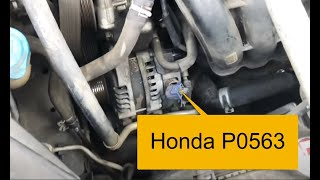
The 5th generation Honda CR-V uses a modern, PCM-controlled charging system that adjusts alternator output based on electrical load to improve efficiency. The P0563 code typically appears when the voltage regulator, which is built into the alternator and not serviced separately, fails. When this happens, it defaults to a full-field, unregulated state, ignoring commands from the PCM and producing excessive voltage. This failure mode is a common pattern across many modern Honda vehicles, not just the CR-V. 🎬 Watch: A mechanic's guide to fixing Honda P0563 high voltage. The alternator is controlled via a 4-pin connector that uses a LIN (Local Interconnect Network) bus for digital communication with the PCM, making diagnosis more complex than older, simpler systems.
Symptoms You May Notice
- Check Engine Light illuminated
- "Charging System Problem" warning message on the multi-information display.
- Battery or Charging System warning light on the dashboard
- Flickering or unusually bright headlights and interior lights
- Erratic behavior from electronic accessories like the radio or navigation system
- Engine stalling or difficulty starting.
- A burning smell from the battery due to overheating and off-gassing sulfuric acid
- Multiple, seemingly unrelated warning lights appearing at once (e.g., ABS, VSA, Power Steering) as other modules malfunction due to high voltage.
- Replacing the battery without diagnosing the charging system. A new battery will soon be damaged by the faulty, overcharging alternator.
- Replacing the alternator multiple times with cheap, remanufactured units. Forum users report repeat failures when not using high-quality OEM (Denso) or equivalent alternators.
Most Likely Causes
- Faulty Alternator / Internal Voltage Regulator 🔴 High Probability → Shop Voltage Regulator This is the most common failure mode for this code on modern Hondas. The voltage regulator is integrated into the alternator and is not serviced separately. The failure causes it to default to maximum output.
How to confirm: With the engine running, use a multimeter to measure the DC voltage directly at the battery terminals. A reading that is consistently above 15.0 volts confirms the alternator is overcharging the system. This test should be performed with electrical loads (headlights, fan) on and off to ensure the voltage is high in all conditions.
Typical fix: Replace the entire alternator assembly. 🎬 See this step-by-step walkthrough for replacing the CR-V alternator. It is also critical to load test the battery, as the overcharging condition can permanently damage it, requiring replacement as well.
Est. part cost: $250-$700 - Poor Electrical Connections or Grounds ⚪ Low Probability While less common than a failed alternator, poor grounds can cause the voltage regulator to misread system voltage and overcharge. Some owners have reported issues with main ground connections being made over painted surfaces from the factory, leading to corrosion and high resistance over time.
How to confirm: Visually inspect and physically check the battery terminals for corrosion and tightness. Follow the main ground strap from the battery to the chassis and engine, ensuring the connections are clean, tight, and on bare metal. Check the main power and ground connections at the alternator.
Typical fix: Clean the corroded terminals with a wire brush and battery terminal cleaner. Tighten any loose connections. If a ground point is painted, remove the connection, sand the paint to bare metal, apply dielectric grease, and re-secure the connection. 🎬 Watch: How to properly clean and repair vehicle ground connections.
Est. part cost: $5-$20
Rare But Worth Checking
- Damaged Battery: → Shop Vehicle Battery While a bad battery more commonly causes low voltage issues, an internal short in a battery can sometimes cause erratic behavior in the charging system. More often, the battery is a victim of the overcharging alternator, so it must be tested regardless of whether it's the initial cause.
- Faulty Powertrain Control Module (PCM): → Shop Engine Control Module (ECM) This is very rare. The PCM's internal voltage sensing circuit could fail, causing it to misread the system voltage. Always eliminate the alternator and wiring as causes before considering PCM replacement.
- Faulty Battery Current Sensor: → Shop Vehicle Battery Newer Hondas use a battery current sensor, often on the negative terminal, to help regulate charging. If this sensor fails, it can cause charging system errors. However, this is less likely to cause a severe over-voltage condition like P0563 compared to a failed alternator.
Diagnosis Steps
- Scan the vehicle for any other stored trouble codes to see if other system faults are present.
- Perform a thorough visual inspection of the battery, its terminals, and the main power and ground cables. Look for any signs of corrosion, swelling on the battery case, or loose connections.
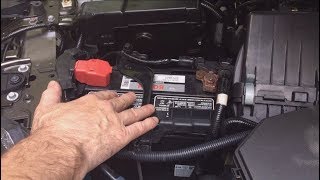
- With the engine off, check the battery's static voltage with a multimeter. A healthy battery should read approximately 12.6 volts.
- Start the engine. Measure the charging voltage at the battery terminals. The normal range is between 13.2 and 14.8 volts.
- If the voltage is consistently above 15.0 volts, the alternator's internal voltage regulator has failed, and the alternator must be replaced.
- If the voltage is normal, the issue may be intermittent. Try wiggling the wiring harnesses for the alternator and PCM to see if the voltage spikes, which would indicate a loose connection.
- After replacing the alternator, clear the P0563 code and re-check the charging voltage to confirm it is stable and within the correct range. Ensure the new reading is between 13.5V and 14.5V with the engine running.
- Have the battery professionally load-tested. An over-voltage event can boil the electrolyte and permanently damage the battery's internal plates, even if it seems to hold a charge. It is very common to replace both the alternator and battery at the same time.
Parts You'll Likely Need
- Alternator
(OEM #31100-5PA-A02 (for 1.5L Turbo engine))— This is the most common cause of a P0563 code, as the internal voltage regulator fails and causes the system to overcharge.
Trusted brands: Denso (OEM supplier), Honda (Genuine), Bosch
OEM price range: $500-$700
Aftermarket price range: $250-$450 - 12V Battery
(OEM #Group Size 51R is common for this generation.)— Sustained overcharging from a faulty alternator can boil the electrolyte and permanently damage the battery. It should always be load-tested and is often replaced along with the alternator.
Trusted brands: Interstate, DieHard, Duralast
OEM price range: $200-$300
Aftermarket price range: $150-$250
Related Codes That Often Appear With This One
- P0620 - Generator Control Circuit Malfunction
- U0100 - Lost Communication With ECM/PCM
Platform-Specific Known Issues
- A Reddit user with a 2020 CR-V at 64,000 km reported a '12V charging system problem' where all electronics and power steering failed, requiring a tow. This corroborates the severe symptoms of a major charging system failure.
- Another user on Reddit with a 2018 CR-V experienced a cascade of warning lights on the dash, which was ultimately traced back to a failing battery, highlighting the sensitivity of the vehicle's electronics to voltage irregularities.
Mechanic-Grade Diagnostic Values
- Alternator Mounting Bolt Torque — expected: 17 ft-lbs. Failure: N/A - this is an installation specification.
- Alternator 4-Pin Connector, Pin 1 (Black/Yellow wire) — expected: Battery voltage (approx. 12.6V) with ignition ON, engine OFF.. Failure: No voltage indicates a problem with the ignition power feed to the alternator.
- Alternator 4-Pin Connector, Pin 4 (C-Terminal / LIN Bus) — expected: A square wave digital signal visible on an oscilloscope. Voltage will vary based on PCM commands.. Failure: No signal, or a flat-line voltage, indicates a break in the communication wire or a fault in the PCM/alternator. A multimeter is not sufficient for this test.
- Voltage Drop - Main Ground Path — expected: Less than 0.2V. Failure: A reading greater than 0.2V indicates high resistance in the ground path, which can cause charging errors.
Scan Tool Commands That Help
- Honda Diagnostic System (HDS): Clear DTCs — Used to reset the PCM after a repair and to verify if the fault is hard (returns immediately) or intermittent.
- Honda Diagnostic System (HDS): Jump SCS Line — Mentioned in some generic Honda diagnostic procedures to prepare the system for certain manual tests, though less common on modern CAN bus vehicles.
Wiring & Ground Locations
- G101 — Primary engine ground, typically located on the thermostat housing or on the transmission casing where the main negative battery cable attaches.. This is the main return path for the alternator's current. High resistance here can cause the voltage regulator to misread system voltage and lead to overcharging or undercharging.
- Chassis Ground — A smaller ground wire running from the main negative battery terminal harness to the vehicle's chassis, often on the fender or strut tower.. This ground is critical for the vehicle's body electronics. It is notoriously attached to a painted surface from the factory and can corrode over time, causing a wide range of bizarre electrical issues.
- Alternator 4-Pin Connector — The main electrical plug on the alternator body, separate from the large B+ terminal.. This connector carries the ignition power, warning light signal, and the critical LIN bus communication line between the PCM and the alternator's internal voltage regulator.
Real Owner Repair Stories
- Reddit user on r/crv (2004 Honda CR-V (Gen 2), 107k miles) — Alternator failure, squeaking from bad bearings on replacement units.
❌ Tried (didn't work) Replaced original alternator with a standard aftermarket unit, which failed after one year., Attempted to replace with two more aftermarket units from a Honda specialist; both were defective (squeaking) upon installation.
✅ What actually fixed it The owner ordered a Denso-branded alternator, the OEM supplier. The strong implication is that only the OEM-quality part would work correctly, as the first three aftermarket units failed. - BobIsTheOilGuy forum user (Honda CR-V (year not specified, but common issue)) — General electrical issues, preventative maintenance.
✅ What actually fixed it The user identified and cleaned corroded ground points on the transmission and fender. Photos clearly show crusty green corrosion on the thin factory ground wires. The fix was to remove the connections, sand the contact points to bare metal, and reinstall securely. This is a known Honda issue that can cause charging system problems.
OEM Part Supersession History
31100-5PA-A01→31100-5PA-A02— Standard part revision or update by the manufacturer.
Heads up: The parts are interchangeable, with the newer part number being the current replacement.
Model Year Variations Within This Range
- 2017-2019: In the early years of this generation, the 1.5L Turbo engine (and its specific alternator) was standard on EX and higher trims, while the LX trim had a 2.4L engine. For P0563, it's important to verify which engine the vehicle has.
- 2020-2022: For the 2020 model year refresh, Honda made the 1.5L Turbo engine standard on all non-hybrid trims. This standardizes the alternator (31100-5PA-A02) across the most common models for these years.
- 2020 (Hybrid): A recall was issued for the 2020 CR-V Hybrid for an issue that could prevent the 12V battery from recharging, caused by a software fault in the Power Converter Unit (PCU). This is a separate issue from the P0563 alternator failure on non-hybrid models and typically causes a low voltage condition, not high voltage.
Diagnostic Flowchart
Other Known Issues on This Vehicle
Issues unrelated to this code that are worth knowing about as an owner of this generation:
- Engine Oil Dilution (1.5L Turbo) 🔴 High — Common, especially in 2017-2018 models and vehicles used for frequent short trips in cold climates. Less frequent after 2019 software updates. (Ref: Honda issued product updates and warranty extensions (e.g., TSB 18-114) to address the issue with software changes and sometimes new A/C control units to speed engine warm-up.)
- Sticky or Notchy Steering 🟠 Medium — Widespread on later models (2022+), but some earlier models can be affected. Feels like the steering wheel gets momentarily stuck when driving straight at highway speeds. (Ref: Yes, a major recall (NHTSA 24V-744) and TSB (24-052) were issued for 2023-2024 models to replace steering gearbox components. The issue stems from a manufacturing defect in the steering gearbox.)
- Fuel Injector Failure (1.5L Turbo) 🟠 Medium — Reported by mechanics, often occurring between 20,000-40,000 miles. Can cause cold-start misfires and may lead to more severe issues like head gasket failure if ignored.
- Parasitic Battery Drain 🟡 Low → Shop Vehicle Battery — Numerous owner complaints across forums for batteries dying unexpectedly after the vehicle sits for a few days. Can be difficult to diagnose and is sometimes linked to faulty relays or other modules.
- A/C Compressor Leaks 🟡 Low — A common complaint where the A/C compressor develops leaks from its seals, leading to poor cooling performance.
Used vs. New Parts: Buying Guide for This Vehicle
When a used part is the smart pick: A used OEM Denso alternator from a low-mileage, rear-ended donor vehicle can be a cost-effective and reliable option, often superior to a new aftermarket part from a generic brand.
Donor-vehicle mileage cap: roughly under 60000 miles for the part to have meaningful remaining life.
What to inspect on the donor part:
- Verify the part number is 31100-5PA-A02 or a compatible Denso number.
- Check for a clean, dry pulley that spins smoothly with no grinding or roughness.
- Inspect the casing for any signs of oil saturation from a leaking valve cover, which can cause premature failure.
- Ensure the plastic 4-pin connector is not cracked or brittle.
OEM-only on this vehicle (don't cheap out):
- Alternator
Aftermarket brands forum-validated for this vehicle:
- Denso (New or Remanufactured)
- Bosch (Generally considered a high-quality alternative)
Brands owners have reported issues with on this vehicle:
- Generic, unbranded parts store remanufactured units (e.g., Duralast, etc.). Forum and Reddit discussions are filled with stories of these failing immediately or within a few months.
Real Owner Stories
Aggregated from forums and TSBs cited above. Mileages and costs reflect what owners reported in those sources.
2020 Honda CR-V — 39767 miles
Symptoms: A '12V charging system problem' message appeared, followed by a total failure of all electronics and power steering, requiring the vehicle to be towed.
What fixed it: Replacement of the charging system components (alternator).
Source hint: r/crv on Reddit - '12V charging system problem at 64000 km - honda crv 2020'
2018 Honda CR-V
Symptoms: The dashboard displayed a cascade of multiple warning lights all at once.
What fixed it: Traced back to a failing battery/charging system issue disrupting module communication.
Source hint: r/crv on Reddit - '2018 CRV issue. Anyone know what could be causing this?'
Related OBD-II Codes
Frequently Asked Questions
My 2018 CR-V dashboard is lit up with multiple warning lights like ABS and VSA; is this related to P0563?
Can I just replace the voltage regulator on my CR-V's alternator to fix the over-voltage issue?
Is there a specific alternator brand recommended for the CR-V to avoid repeat failures?
Does the 2016-2017 Honda Pilot TSB 18-010 apply to my CR-V's P0563 code?
Should I replace my battery even if the car starts after fixing the alternator?
Could a bad ground cause a P0563 high voltage reading on my CR-V?
Helpful Videos


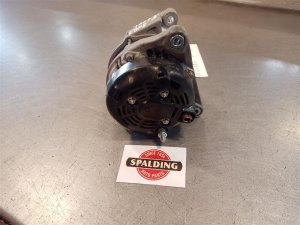
Used OEM Parts in Stock
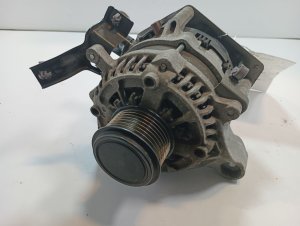
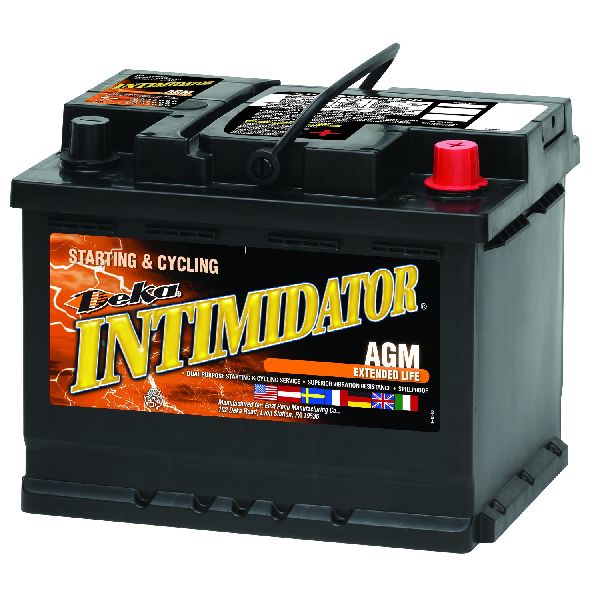
New Aftermarket Parts Available


The information in this article is provided for general reference and educational purposes only. Vehicle specifications, procedures, and part compatibility can vary by production date, trim level, and region. Always consult your vehicle's factory service manual and verify part numbers before purchasing or performing repairs. Safety-critical components such as airbags, seat belts, and braking systems should be installed by a qualified professional.
- Honda CR-V:
- 🧭 Diagnostic Flowchart
- 🎬 Helpful Videos
- 🛍️ Shop This Part
- What's Unique About the 2017-2022 Honda CR-V
- Symptoms You May Notice
- Most Likely Causes
- Rare But Worth Checking
- Diagnosis Steps
- Parts You'll Likely Need
- Related Codes That Often Appear With This One
- Platform-Specific Known Issues
- Mechanic-Grade Diagnostic Values
- Scan Tool Commands That Help
- Wiring & Ground Locations
- Real Owner Repair Stories
- OEM Part Supersession History
- Model Year Variations Within This Range
- Other Known Issues on This Vehicle
- Used vs. New Parts: Buying Guide for This Vehicle
- Real Owner Stories
- 2020 Honda CR-V — 39767 miles
- 2018 Honda CR-V
- Related OBD-II Codes
- Frequently Asked Questions
- 🎟️ Get 5% Off