

P0563 on 2009-2014 Hyundai Genesis: System Voltage High Causes and Fixes
P0563 on a 2009-2014 Hyundai Genesis almost always means the alternator is failing and overcharging the system. The internal voltage regulator is the typical point of failure. Expect to replace the alternator to fix the issue. Do not drive the vehicle, as sustained over-voltage can damage expensive electronics.
- P0563 means your Genesis's electrical system voltage is too high, which is a serious issue.
- The most likely cause is a failed alternator with a bad internal voltage regulator, a known common problem for this car.
- Do not continue to drive the vehicle, as the high voltage can permanently damage expensive electronics.
- Confirm the overcharging condition with a multimeter at the battery before replacing any parts. A reading over 15V with the engine running points to a bad alternator.
- Always check that battery and ground connections are clean and tight as a first step.
- If replacing the alternator, use a high-quality OEM or equivalent part to avoid compatibility issues.
What's Unique About the 2009-2014 Hyundai Genesis
For the 2009-2014 Hyundai Genesis (both sedan and coupe), the P0563 code is a straightforward indicator of an overcharging condition, with few platform-specific quirks. The most critical factor is that the alternator's voltage regulator is internal, meaning the entire alternator assembly must be replaced when the regulator fails. While the root cause is consistent, it's important to verify the correct alternator part number, as it differs between the 2.0T and 3.8L engines in the Genesis Coupe and the V6/V8 engines in the sedan. A long-term owner of a 2012 R-Spec sedan noted that alternator failure is a very common issue, with his failing around 110,000-115,000 miles.
Generation note: The 2009-2014 year range covers the first-generation Hyundai Genesis Sedan (BH, 2009-2014) and the first-generation Genesis Coupe (BK, 2010-2016). The meaning of code P0563 and its primary cause (alternator failure) are the same across these models, but specific alternator part numbers will vary based on the engine (2.0T, 3.8L V6, 4.6L V8, 5.0L V8). Notably, the Genesis Coupe had a significant engine update for the 2013 model year (BK2), and alternators are not always interchangeable between the 2010-2012 (BK1) and 2013-2016 (BK2) generations, even for the same engine displacement.
🎬 Watch: How to replace a Genesis Coupe 3.8 alternatorSymptoms You May Notice
- Check Engine Light and/or Battery Warning Light on the dashboard.
- Headlights and interior lights that are unusually bright or flickering.
- Erratic operation of electrical accessories like the radio, power windows, or climate control.
- Engine stalling unexpectedly.
- A whining or howling noise from the alternator that changes with engine RPM. One owner described it as a 'very distinctive howling sound you won't mistake for anything else'.
- A burning smell from the alternator due to overheating.
- Battery swelling, overheating, or venting (smell of sulfur/rotten eggs).
- Replacing the battery is a common misdiagnosis. While a bad battery can cause many electrical issues, P0563 specifically points to a HIGH voltage condition, which is almost always caused by the alternator overcharging, not a faulty battery. However, a faulty battery can, in rare cases, cause the alternator to overcompensate.
Most Likely Causes
- Failing Alternator / Internal Voltage Regulator 🔴 High Probability → Shop Voltage Regulator The voltage regulator is integrated into the alternator. When it fails, it can no longer control the alternator's output, leading to overcharging. This is the most common failure mode that triggers a P0563 code and is a known common issue on this platform.
How to confirm: With the engine running, use a multimeter to measure the voltage across the battery terminals. A reading that is consistently above 15.0 volts (and especially over 15.5 volts) confirms an overcharging condition caused by the alternator. Normal charging voltage should be between 13.5V and 14.8V. 🎬 Watch: How to test your alternator with a multimeter
Typical fix: Replace the entire alternator assembly. It is also recommended to replace the serpentine belt at the same time.
Est. part cost: $250-$550 - Corroded or Loose Battery Terminals/Cables 🟡 Medium Probability → Shop Vehicle Battery
How to confirm: Visually inspect the battery terminals, cable ends, and main ground connections for corrosion, looseness, or damage. A poor connection can cause the charging system to inaccurately sense voltage and overcompensate. Clean and tighten all connections and re-test voltage.
Typical fix: Clean the battery terminals and cable ends with a wire brush. Ensure all connections are tight. Replace damaged cables if necessary.
Est. part cost: $5-$50 - Failing Battery ⚪ Low Probability → Shop Vehicle Battery An old or failing battery with an internal short or high internal resistance can sometimes cause the charging system to behave erratically, although it's more likely to cause a low voltage condition.
How to confirm: Have the battery professionally load-tested at an auto parts store. A simple voltage check is not sufficient to rule out a bad battery.
Typical fix: Replace the battery.
Est. part cost: $150-$300
Rare But Worth Checking
- Powertrain Control Module (PCM) Failure: → Shop Engine Control Module (ECM) This is very rare. The PCM is responsible for monitoring system voltage, and an internal fault could theoretically cause it to set this code incorrectly. All other possibilities, especially the alternator, should be exhaustively ruled out before considering PCM replacement.
- Incorrect Aftermarket Alternator: → Shop Alternator Some owners have reported issues after installing aftermarket alternators that are not fully compatible with the vehicle's charging system logic, even if they physically fit. A Reddit user noted that many aftermarket alternators are 12V while the OEM unit is 13.5V, which can cause issues. Always verify the part number and specifications.
Diagnosis Steps
- Scan for any other stored trouble codes to get a full picture of the issue. Note any codes like P0562, P0626, or P1244.
- With the engine running, use a multimeter to test the voltage at the battery terminals. Normal charging voltage is between 13.5V and 14.8V. A reading above 15.0V indicates an overcharge condition.
- Turn on electrical loads (headlights, A/C blower on high, rear defroster) and monitor the voltage. If it spikes or remains excessively high (above 15.5V), the voltage regulator (internal to the alternator) is almost certainly at fault.
- Turn the engine off. Visually inspect the battery terminals, alternator connections, and main chassis grounds. Clean any corrosion and tighten any loose connections. Check for melted insulation on the alternator harness.
- Inspect the alternator drive belt for proper tension and condition. A slipping belt usually causes undercharging, but it should still be checked.
- If the voltage is confirmed to be high and all connections are good, the alternator is the most probable cause and should be replaced.
Parts You'll Likely Need
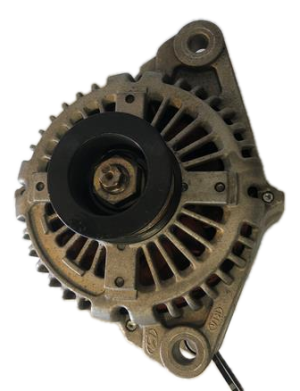
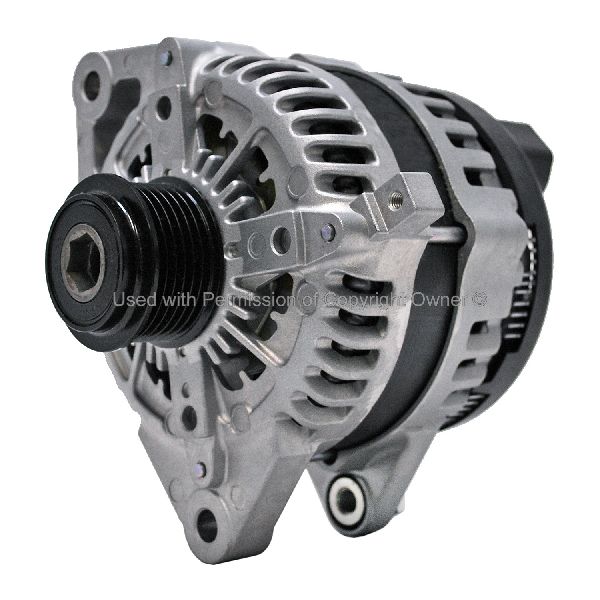
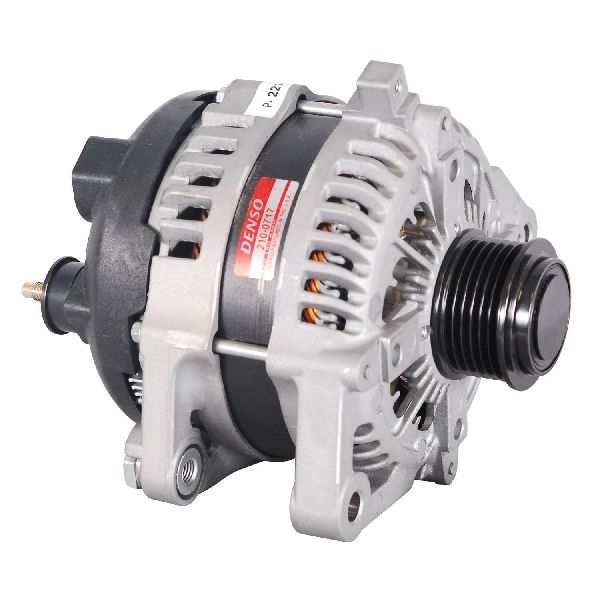
- Alternator
(OEM #37300-3C200 (for 2009-14 Genesis Sedan 3.8L))— This is the most common cause of P0563, as the internal voltage regulator fails and causes the system to overcharge.
Trusted brands: Hyundai (OEM), Denso, Valeo, Bosch, Duralast
OEM price range: $400-$600
Aftermarket price range: $250-$450 - Serpentine Belt — It is best practice to replace the serpentine belt whenever replacing the alternator, as it has to be removed for the job anyway.
Trusted brands: Bando, Continental, Gates
OEM price range: $40-$70
Aftermarket price range: $20-$40
Related Codes That Often Appear With This One
- P0562 (System Voltage Low): Can appear if the alternator fails intermittently, causing both overcharging and undercharging conditions at different times.
- P0603 (Keep Alive Memory Error): Can be triggered by the erratic voltage and power interruptions caused by a failing alternator.
- P1244 (Alternator Load Input Fault): A Hyundai-specific code that can be set alongside P0563 when the alternator's internal regulator fails.
- P0626 (Generator Field/F Terminal Circuit High): This code points more specifically to a fault in the alternator's field control circuit, which directly leads to an overcharging condition.
Platform-Specific Known Issues
- Owner Experience: Alternator Failure on 2012 Genesis R-Spec 5.0: → Shop Alternator A long-term owner documented their experience on YouTube, stating their alternator failed around 115,000 miles. The primary symptom was a 'howling sound' and the battery warning light. The car remained drivable for a few days before the repair was made. The owner confirms this is a 'very common issue' for the platform.
- DIY Repair Walkthrough: V8 Genesis Sedan: A detailed YouTube video shows the step-by-step process for replacing the alternator on a V8 Genesis sedan. The process involves removing the air intake assembly and the radiator fan shroud to gain access from the top of the engine bay. The video provides specific bolt sizes and locations for the V8 models.
- Forum Discussion: P0563 after Alternator Replacement: → Shop Alternator In some cases, owners on forums like Reddit report the P0563 code returning even after replacing the alternator. This is often traced back to using an incorrect or low-quality aftermarket part that isn't fully compatible with the Hyundai charging system, or a secondary wiring/ground issue that was the original problem.
Mechanic-Grade Diagnostic Values
- Normal Charging Voltage at Battery Terminals (Engine Running, No Load) — expected: 13.5V - 14.8V DC. Failure: Consistently above 15.0V, especially climbing towards 15.5V or higher.
- Charging Voltage Under Load (Headlights, Blower Fan on High) — expected: 13.2V - 14.7V DC. Failure: Voltage spikes or remains above 15.0V, indicating the regulator cannot compensate for load changes.
- P0563 ECM Trigger Threshold — expected: Approx. >16.0V for a set duration (e.g., >0.2 seconds). Failure: The ECM will set the code when this threshold is breached. Some Hyundai-specific data suggests a threshold as high as 17V.
- Voltage Drop Test (Alternator B+ post to Battery+ post) — expected: Less than 0.2V DC. Failure: A reading greater than 0.2V indicates high resistance in the main charging cable or its connections, which can trick the regulator.
Scan Tool Commands That Help
- Hyundai GDS (Global Diagnostic System): Live Data / Data Stream - 'System Voltage' — Use this to monitor the voltage that the ECM is actually seeing in real-time. This helps confirm if the ECM's reading matches a multimeter reading at the battery, which can rule out a rare ECM input fault.
Wiring & Ground Locations
- Alternator Multi-Pin Connector — On the back of the alternator, typically a 3 or 4-pin oval connector.. This connector carries the critical communication signals between the PCM and the alternator's internal voltage regulator, often labeled 'L' (Lamp), 'S' (Sense), and sometimes 'FR' (Field Regulation). A poor connection here can cause erratic charging behavior.
- Main Engine Ground Strap — On the 2.0T Coupe, a primary ground strap connects from the chassis to a bolt on the engine motor mount. On the 3.8L, a key ground is located on a bottom starter bolt.. A poor engine ground can cause the alternator to have an unstable voltage reference, leading to overcharging as it tries to compensate for perceived low voltage.
- ECU/PCM Ground — On the Genesis Coupe, a key ECU ground point is located on the driver's side of the engine bay, near the fuse box.. A bad ground for the engine computer can cause it to misread system voltage, although this is a less common cause for P0563.
- ALT Fuse — A 150A main fuse for the alternator is located in the engine room junction box (main fuse box).. While a blown fuse would cause a no-charge condition (P0562), a loose or corroded connection at this high-amperage fuse can create resistance and contribute to erratic voltage readings.
Real Owner Repair Stories
- Genesis Coupe forum user (2011 Hyundai Genesis Coupe 2.0T) — Flickering lights, battery light on, multimeter reading spiking to 15.5V and higher.
❌ Tried (didn't work) Checking battery terminals (they were clean and tight).
✅ What actually fixed it The final fix was replacing the alternator. The owner noted the voltage immediately stabilized to a steady 14.4V after the new alternator was installed. - Reddit user in r/MechanicAdvice (2015 Hyundai Genesis 3.8 (28k miles)) — P0563 code, alternator confirmed bad by dealership.
✅ What actually fixed it The discussion centered on the poor reliability of the OEM alternator failing at such low mileage. The resolution was to replace the alternator, with the main debate being whether to wait for a back-ordered OEM part or use a readily available aftermarket one. The consensus leaned toward a high-quality aftermarket or remanufactured unit (non-reman) being acceptable.
OEM Part Supersession History
37300-3C170→37300-3C200— Updated part for the 3.8L V6 Genesis Sedan.
Heads up: While they may be physically similar, using the older part number on a newer model year is not recommended due to potential internal regulator logic changes.37300-2C110→N/A— Part for 2010-2012 (BK1) Genesis Coupe 2.0T.
Heads up: This part is NOT compatible with the 2013-2016 (BK2) Genesis Coupe 2.0T, which uses a different alternator due to engine updates.
Model Year Variations Within This Range
- 2010-2012 vs 2013-2016 (Genesis Coupe): The 2013 model year refresh (BK2) for the Genesis Coupe included significant engine changes for both the 2.0T and 3.8L engines. The alternators, their mounting points, and part numbers are different between the BK1 (2010-12) and BK2 (2013-16) generations. It is critical to order the part for the correct year range.
Diagnostic Flowchart
Other Known Issues on This Vehicle
Issues unrelated to this code that are worth knowing about as an owner of this generation:
- Tail Light Condensation/Failure 🟠 Medium — Very common, especially on early models. Seals fail, allowing moisture inside, which can short out the LED boards.
- Transmission Issues (ZF 6-Speed & Hyundai 8-Speed) 🔴 High — Early models (2009) with the 3.8L V6 had potential neutral safety switch issues. Later models with the Hyundai-built 8-speed (2012+) are noted by owners for harsh shifting or premature failure, though less common than other issues. (Ref: Recall for 2009-2011 models for a faulty stop lamp switch that could affect shifting.)
- Oil Consumption (3.8L V6 & 5.0L V8) 🟠 Medium — Some owners report oil consumption, particularly on models built before March 2012, potentially due to piston ring design. Not universal, but requires diligent oil level monitoring.
- No Sound from Speakers / Audio System Glitches 🟡 Low — Common complaint across multiple model years. The audio system (especially with navigation) may suddenly have no sound. A hard reset often temporarily fixes it.
- Manual Transmission Grind / 2nd Gear Lockout (Genesis Coupe) 🟠 Medium — A well-documented issue on manual transmission Genesis Coupes where shifting into 2nd gear can be difficult or impossible, especially when cold.
- Electronic Parking Brake (EPB) Module Failure 🔴 High — Less common but expensive to fix. The EPB module can fail, causing the parking brake to get stuck on or become inoperative.
Used vs. New Parts: Buying Guide for This Vehicle
When a used part is the smart pick: A used OEM alternator from a reputable salvage yard can be a cost-effective option, especially given the high cost of a new OEM unit. It is a viable choice if the donor vehicle has low mileage and the part can be inspected.
Donor-vehicle mileage cap: roughly under 70000 miles for the part to have meaningful remaining life.
What to inspect on the donor part:
- Verify the part number on the used unit's housing matches your original part exactly.
- Spin the pulley by hand; it should be smooth and silent. Any roughness or noise indicates bad bearings.
- Inspect the plastic housing and electrical connector for any signs of melting, cracking, or heat damage.
- Check the main B+ terminal stud to ensure the threads are not stripped or damaged.
Aftermarket brands forum-validated for this vehicle:
- Valeo (often the original OEM supplier for Hyundai)
- Denso (remanufactured)
- Bosch (remanufactured)
Brands owners have reported issues with on this vehicle:
- Generic, unbranded 'new' alternators from online marketplaces. Forum discussions frequently link these to premature failure or incompatibility with the Hyundai charging system logic, causing codes to return.
Real Owner Stories
Aggregated from forums and TSBs cited above. Mileages and costs reflect what owners reported in those sources.
2012 Hyundai Genesis R-Spec 5.0L V8 — 115000 miles
Symptoms: The owner reported a 'howling sound' and the battery warning light appearing on the dashboard. The car remained drivable for a few days before the alternator completely failed.
What fixed it: Replacement of the alternator. The owner noted this is a very common issue for the platform.
Source hint: YouTube video: 'Owner Experience: Alternator Failure on 2012 Genesis R-Spec 5.0'
2012 Hyundai Genesis Sedan V8
Symptoms: The owner documented the P0563 code and high voltage readings, requiring access to the alternator by removing the air intake and radiator fan shroud.
What fixed it: Replacement of the alternator assembly and the serpentine belt.
Source hint: YouTube video: 'DIY Repair Walkthrough: V8 Genesis Sedan'
2010 Hyundai Genesis Sedan
Symptoms: P0563 code returning even after the battery and alternator were replaced.
What fixed it: Investigation into aftermarket part compatibility and secondary wiring/ground issues.
Source hint: Reddit r/mechanic thread: 'p0563_code_after_replacing_battery_and_alternator'
Related OBD-II Codes
Frequently Asked Questions
Is there a recall for the shifting issues on my 2009-2011 Hyundai Genesis?
My 2012 Genesis 5.0 R-Spec is making a loud howling noise from the engine bay; is this related to P0563?
I replaced my alternator but the P0563 code came back. What else should I check on this specific vehicle?
Can I just replace the voltage regulator on my Genesis alternator to save money?
My Genesis audio system has no sound; could this be caused by the same electrical issue as P0563?
What is the normal charging voltage I should see on my Hyundai Genesis?
Helpful Videos
Used OEM Parts in Stock
New Aftermarket Parts Available





The information in this article is provided for general reference and educational purposes only. Vehicle specifications, procedures, and part compatibility can vary by production date, trim level, and region. Always consult your vehicle's factory service manual and verify part numbers before purchasing or performing repairs. Safety-critical components such as airbags, seat belts, and braking systems should be installed by a qualified professional.
- Hyundai Genesis:
- 🧭 Diagnostic Flowchart
- 🎬 Helpful Videos
- 🛍️ Shop This Part
- What's Unique About the 2009-2014 Hyundai Genesis
- Symptoms You May Notice
- Most Likely Causes
- Rare But Worth Checking
- Diagnosis Steps
- Parts You'll Likely Need
- Related Codes That Often Appear With This One
- Platform-Specific Known Issues
- Mechanic-Grade Diagnostic Values
- Scan Tool Commands That Help
- Wiring & Ground Locations
- Real Owner Repair Stories
- OEM Part Supersession History
- Model Year Variations Within This Range
- Other Known Issues on This Vehicle
- Used vs. New Parts: Buying Guide for This Vehicle
- Real Owner Stories
- 2012 Hyundai Genesis R-Spec 5.0L V8 — 115000 miles
- 2012 Hyundai Genesis Sedan V8
- 2010 Hyundai Genesis Sedan
- Related OBD-II Codes
- Frequently Asked Questions
- 🎟️ Get 5% Off