

P0563 on 2014 Jeep Cherokee: System Voltage High Causes and Fixes
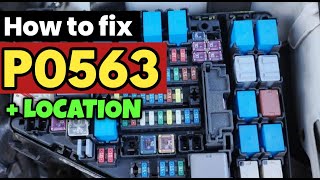
P0563 on a 2014 Jeep Cherokee means the electrical system voltage is too high, typically exceeding 15.5 volts. This is almost always caused by a failing alternator with a bad internal voltage regulator. A sudden loss of power steering and multiple warning lights are common, dramatic symptoms on this platform. Expect to pay between $646 and $900 for a replacement Mopar alternator part, with aftermarket options being cheaper.
- P0563 means your Jeep's charging system is producing excessive voltage, which is a serious issue that can damage electronics.
- The most likely cause by far is a failed alternator with an internal voltage regulator fault.
- Do not drive the vehicle. The high voltage can cause sudden stalling and loss of power steering, creating a safety risk.
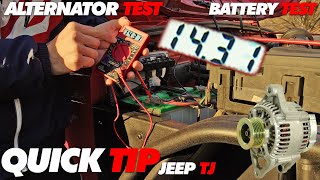
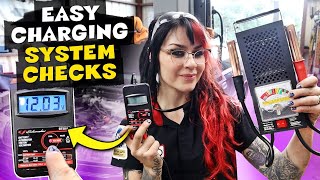
- Before replacing parts, use a multimeter to confirm the overcharging condition (voltage consistently >15V with engine running).
- Always check battery terminals and primary ground straps for corrosion or looseness, as this can mimic alternator failure.
- Ensure any replacement alternator has the correct amperage rating for your specific engine.
What's Unique About the 2014-2014 Jeep CHEROKEE
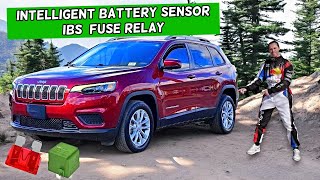
The 2014 Jeep Cherokee (KL generation) relies on the Powertrain Control Module (PCM) to regulate the alternator's output. While the root cause is usually a straightforward alternator failure, the symptoms can be dramatic on this platform, including sudden loss of power steering, the instrument cluster lighting up with multiple warnings, and even the vehicle shutting down while driving. Unlike some other vehicles, there isn't a common software glitch known to cause this on the 2014 Cherokee; the problem is almost always a hardware failure in the charging system, most commonly the alternator's internal voltage regulator. The charging system also incorporates an Intelligent Battery Sensor (IBS) on the negative terminal, which monitors the battery's state of charge and communicates with the PCM and BCM via a LIN bus circuit. 🎬 Watch: How to locate and replace the IBS fuse and sensor. A fault with the IBS or its communication line can, in some cases, contribute to charging system problems.
Diagnostic Flowchart
Tap your situation to follow the diagnostic path that matches what you're seeing on this vehicle.
Symptoms You May Notice
- Check Engine Light is on
- Battery or charging system warning light is on
- Flickering or unusually bright headlights and interior lights
- Erratic behavior from electronic accessories (radio, power windows, Uconnect screen)
- Vehicle may stall or enter 'limp mode'
- Sudden loss of power steering, accompanied by a 'Service Power Steering' message
- Multiple warning messages appearing on the instrument cluster simultaneously (e.g., traction control, ABS)
- A whining or grinding noise from the alternator that changes with engine RPM
- Replacing the battery without testing the alternator. A new battery will soon be damaged by the overcharging condition if the alternator is the root cause.
- Replacing the alternator but failing to clean or check the main ground connections. A poor ground can cause the same symptoms to reappear even with a new alternator.
Most Likely Causes
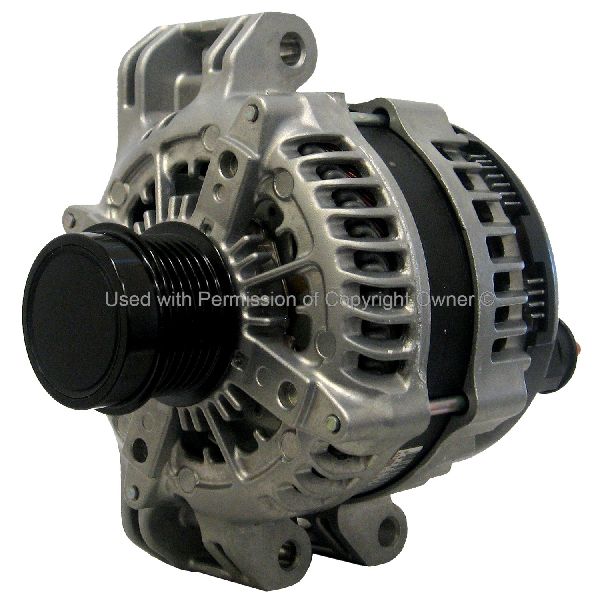
- Faulty Alternator / Internal Voltage Regulator 🔴 High Probability → Shop Voltage Regulator The voltage regulator is internal to the alternator. When it fails, it can no longer control the alternator's output, leading to an overcharging condition. This is the most common failure point for a P0563 code on the Jeep Cherokee KL.
How to confirm: With the engine running, use a multimeter to measure the voltage across the battery terminals. A reading consistently above 15.0 volts confirms an overcharging condition. Readings may even spike to 16V or higher, which is a definitive sign of a failed regulator.
Typical fix: Replace the entire alternator assembly. Most auto parts stores can test the old alternator to confirm its failure. It is crucial to get the correct amperage alternator (160A or 180A) for your specific engine (2.4L or 3.2L).
Est. part cost: $646-$900 - Poor Ground Connections 🟡 Medium Probability Corroded or loose ground straps for the engine, body, or near the PCM can create high resistance in the charging circuit. This can confuse the voltage regulator or PCM, causing it to command a higher-than-needed charge rate. Key ground points are from the battery to the chassis and the engine block to the firewall.
How to confirm: Visually inspect the main battery ground, engine-to-chassis ground strap (often a braided cable), and alternator connections. Clean any corrosion with a wire brush and ensure all connections are tight and making contact with bare metal.
Typical fix: Clean the connection points with a wire brush and tighten the fasteners to specification. Replace any corroded or broken ground straps.
Est. part cost: $10-$30 - Damaged Battery ⚪ Low Probability → Shop Vehicle Battery While less common for a high voltage code, a battery with an internal short or other defect can sometimes disrupt the charging system's ability to regulate voltage properly, causing the alternator to overcompensate. If the original battery is over 5 years old, its failure could contribute to electrical issues.
How to confirm: Have the battery load-tested at an auto parts store. A load test is more conclusive than a simple voltage check.
Typical fix: Replace the battery if it fails the load test. It is often recommended to replace an older battery when installing a new alternator to avoid straining the new part.
Est. part cost: $150-$350
Rare But Worth Checking
- Faulty Powertrain Control Module (PCM): → Shop Engine Control Module (ECM) The PCM controls the alternator's output. In rare cases, the PCM itself can fail and command the alternator to overcharge. This should only be considered after the alternator, battery, and all wiring/grounds have been confirmed to be in good condition.
- Short in the Alternator Field Control Circuit: → Shop Alternator A short to voltage in the circuit that the PCM uses to control the alternator can cause it to go to maximum output. This would require tracing the (K20) Generator Field Control circuit wiring between the PCM and the alternator.
Diagnosis Steps
- Check for and document any other stored trouble codes. Pay special attention to any U-series (communication) codes.
- With the engine off, use a multimeter to check the battery's static voltage. It should be approximately 12.6 volts.
- Start the engine. Measure the voltage at the battery terminals. Normal charging voltage is 13.5-14.8V. If the voltage is consistently above 15.0V, and especially if it exceeds 15.5V, the system is overcharging.
- Turn on electrical loads like headlights, A/C, and the rear defroster. The voltage should remain stable. If it spikes erratically, the voltage regulator is likely faulty.
- Thoroughly inspect the battery terminals and cable ends for corrosion or looseness. Clean and tighten as needed.
- Inspect the main engine and body ground straps. Key locations include the battery negative to chassis, the engine block, and the firewall. Ensure they are clean, tight, and free of damage or corrosion.
- If all connections are good and the voltage is confirmed to be high, the alternator is the most probable cause of failure.
- Before purchasing a new one, remove the alternator and have it bench-tested at an auto parts store to confirm failure.
- If a new alternator does not resolve the issue, re-inspect all grounds and investigate the wiring between the alternator and PCM for shorts or damage. In very rare cases, a PCM fault could be the cause.
Parts You'll Likely Need
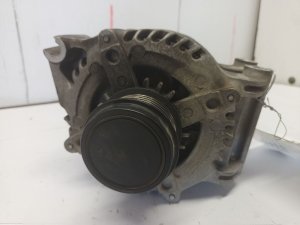
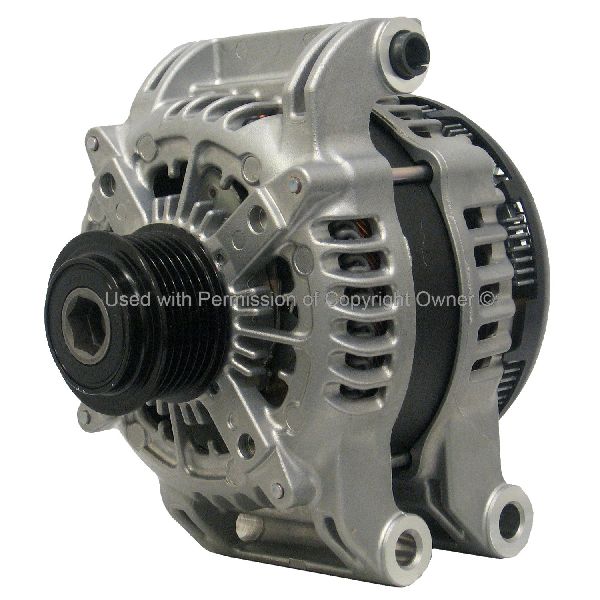
- Alternator
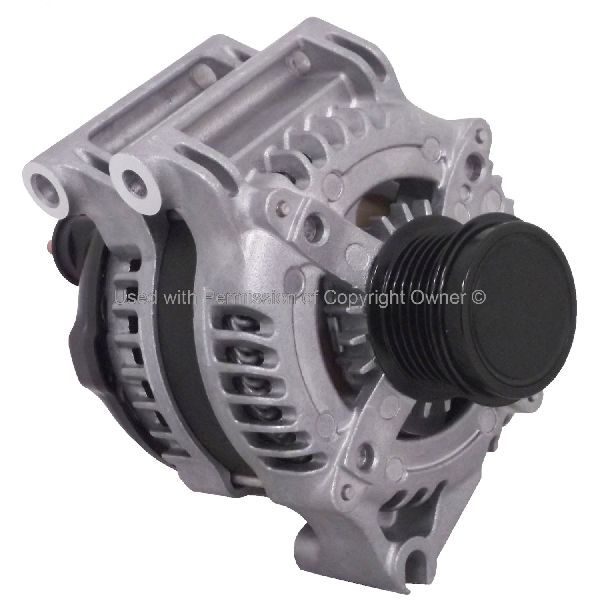
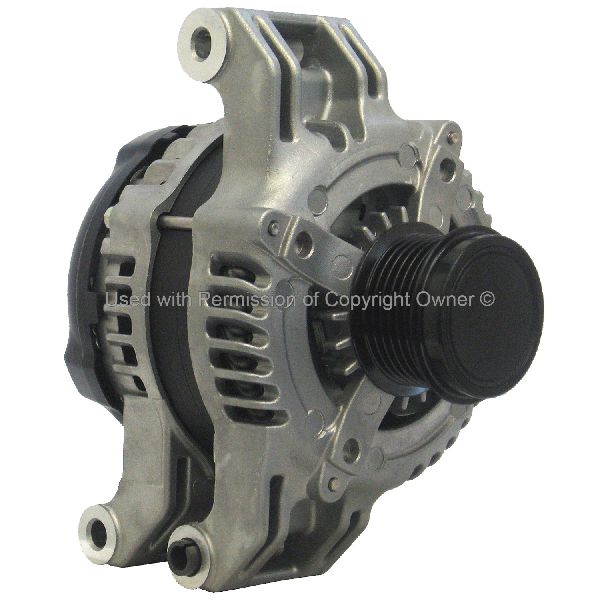
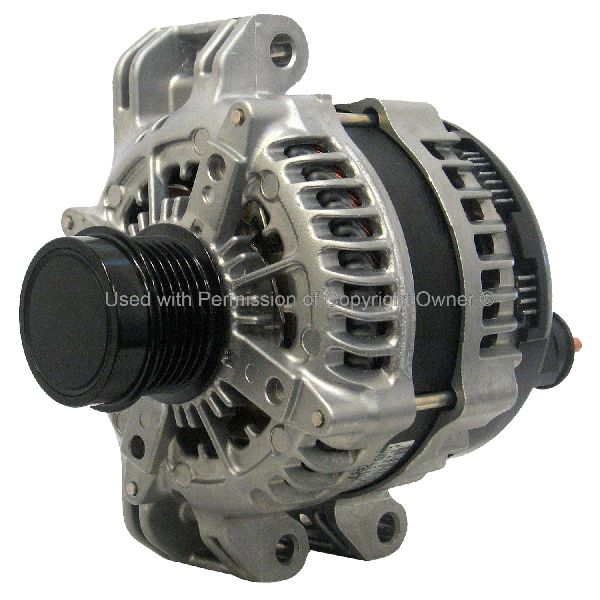
(OEM #56029624AC (2.4L, 160A), 56029623AA (3.2L, 180A), R8271763AB (3.2L Reman Kit))— The internal voltage regulator is the most common point of failure leading to a P0563 code. The regulator is not serviced separately, so the entire alternator assembly must be replaced. It is critical to match the amperage (160A for 2.4L, 160A or 180A for 3.2L) to the vehicle's original equipment.
Trusted brands: Mopar, Denso, Bosch, Valeo
OEM price range: $646-$900
Aftermarket price range: $250-$500
Related Codes That Often Appear With This One
- P0562 — This code for 'System Voltage Low' can sometimes appear intermittently along with P0563 if the voltage regulator is failing erratically, causing both spikes and drops in voltage.
- U-series codes (e.g., U0401) — High voltage can disrupt the CAN bus communication network, leading to a flood of 'Lost Communication' codes from various modules, such as the BCM, TCM, and ABS controller.
- U113E — This code indicates a loss of communication with the Intelligent Battery Sensor (IBS). If the BCM cannot receive data from the IBS, it may affect charging strategy and could be related to the overall voltage issue. A fault in the LIN bus wiring to the IBS is a likely cause.
Technical Service Bulletins (TSBs) & Recalls
- 08-013-15: Mentions that if P0563 is set, normal charging system diagnostics need to be performed. This confirms the code is recognized by the manufacturer but offers no special procedure beyond standard troubleshooting.
- 08-111-14: Also mentions that if P0563 is set, normal charging system diagnostics need to be performed, reinforcing this is a known fault code for the platform.
Platform-Specific Known Issues
- Sudden Loss of Electronic Power Steering (EPS): A very common and dangerous symptom tied to P0563 on this platform is the sudden failure of the power steering. The high voltage spike damages or disrupts the EPS module, causing the steering to become extremely heavy while driving. This is often accompanied by a 'Service Power Steering' warning light.
- Vehicle Shutdown While Driving: Owners report that as the voltage spikes, the vehicle may abruptly shut off, losing all propulsion. The instrument cluster may light up with numerous warnings just before or during the event, and the vehicle will coast to a stop. This creates a significant safety hazard.
Mechanic-Grade Diagnostic Values
- Battery Static Voltage (Engine Off) — expected: ~12.6V. Failure: A reading below 12.4V may indicate a weak or discharged battery that requires load testing.
- Normal Charging Voltage (Engine Running, No Load) — expected: 13.2V - 14.8V. Failure: A reading consistently above 15.0V, and especially spiking to 15.5V or higher, indicates an overcharging condition caused by a faulty voltage regulator.
- Alternator Ground Side Voltage Drop — expected: < 0.2V. Failure: With the engine at ~2000 RPM and electrical loads on, a reading greater than 0.1V or 0.2V between the negative battery post and the alternator case indicates high resistance on the ground circuit.
- Alternator Positive Side Voltage Drop — expected: < 0.5V. Failure: With the engine at ~2000 RPM and electrical loads on, a reading greater than 0.5V between the alternator's B+ output stud and the positive battery post indicates high resistance in the charging cable or connections.
Scan Tool Commands That Help
- Professional Scan Tool (e.g., Launch, Autel, wiTECH): Live Data Monitoring for 'Generator Field Control Circuit' — When diagnosing a potential PCM or wiring issue after a known-good alternator is installed. A technician can monitor the duty cycle percentage the PCM is commanding the alternator to run at. If the PCM is commanding a low percentage (e.g., 0-10%) but the system voltage is still high, it points to a fault in the alternator or wiring, not the PCM's command.
Wiring & Ground Locations
- Main Engine/Chassis Ground — A braided ground strap is often located from the engine block (sometimes near or under the alternator) to the chassis/frame rail on the passenger side.. A corroded or broken main engine ground can cause high resistance in the charging circuit, leading the alternator to overcharge to compensate for the perceived voltage drop.
- IBS Fuse F70 — In the under-hood fuse box (Power Distribution Center), fuse F70 is a 5-amp fuse that powers the Intelligent Battery Sensor (IBS).. If the IBS loses power, it cannot report the battery's state of charge to the BCM/PCM, which can disrupt the PCM's charging strategy and potentially contribute to voltage regulation issues.
- Alternator Connector — A 2-pin electrical connector on the back of the alternator.. This connector carries the field control signal from the PCM to the alternator's internal voltage regulator. Corrosion or damage to these pins or wires can interrupt the PCM's ability to control the alternator's output, potentially causing it to default to maximum charge.
OEM Part Supersession History
56029624AA, 56029624AB→56029624AC— Standard part revision and update by the manufacturer.
Heads up: These part numbers apply to the 160A alternator used in the 2.4L engine.
Helpful Videos



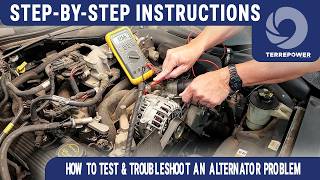
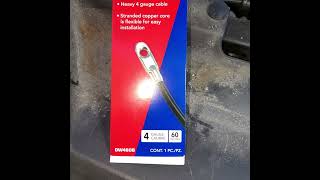
Used OEM Parts in Stock
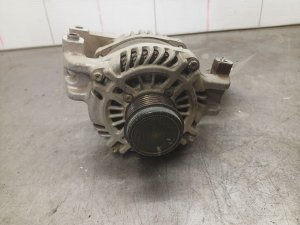
New Aftermarket Parts Available


The information in this article is provided for general reference and educational purposes only. Vehicle specifications, procedures, and part compatibility can vary by production date, trim level, and region. Always consult your vehicle's factory service manual and verify part numbers before purchasing or performing repairs. Safety-critical components such as airbags, seat belts, and braking systems should be installed by a qualified professional.
- Jeep CHEROKEE:
- 🧭 Diagnostic Flowchart
- 🎬 Helpful Videos
- 🛍️ Shop This Part
- What's Unique About the 2014-2014 Jeep CHEROKEE
- Symptoms You May Notice
- Most Likely Causes
- Rare But Worth Checking
- Diagnosis Steps
- Parts You'll Likely Need
- Related Codes That Often Appear With This One
- Technical Service Bulletins (TSBs) & Recalls
- Platform-Specific Known Issues
- Mechanic-Grade Diagnostic Values
- Scan Tool Commands That Help
- Wiring & Ground Locations
- OEM Part Supersession History
- 🎟️ Get 5% Off