

P0563 on 2019-2022 Jeep Compass: System Voltage High Causes and Fixes
On a 2019-2022 Jeep Compass, P0563 means the electrical system voltage is too high. For gasoline engines, this is almost always a failing alternator with a faulty internal voltage regulator. For 2.0L diesel models, it is often a software issue that can be fixed by a dealer PCM update per manufacturer TSBs.
- P0563 means system voltage is too high, which can damage your vehicle's electronics.
- For a gasoline Jeep Compass, the most likely cause is a bad alternator.
- For a 2.0L Turbo Diesel Jeep Compass, check for a software update (TSB) at a dealership before replacing any parts.
- The first diagnostic step is to measure the voltage at the battery with the engine running to confirm an overcharging condition.
- Always check battery connections and ground straps for tightness and corrosion, as this can sometimes cause false codes.
What's Unique About the 2019-2022 Jeep COMPASS
For the 2019-2022 Jeep Compass, the cause of P0563 is often engine-dependent. While many vehicles with this code have a straightforward alternator failure, the Compass with the 2.0L Turbo Diesel engine is subject to multiple Technical Service Bulletins (TSBs). These bulletins indicate the code can be triggered by a software glitch in the Powertrain Control Module (PCM), which requires a dealer-installed update rather than a part replacement. This is a critical distinction from the more common 2.4L gasoline engine models, where a faulty alternator is the usual suspect. 🎬 Watch: Easy steps to diagnose the battery and alternator On some Jeep models, the voltage regulator is not internal to the alternator but is a circuit within the PCM itself, meaning a faulty PCM could be the cause, though this is less common on the Compass.
Diagnostic Flowchart
Tap your situation to follow the diagnostic path that matches what you're seeing on this vehicle.
Symptoms You May Notice
- Check Engine Light is on
- Red battery warning light may be illuminated
- Headlights and interior lights may appear unusually bright or flicker
- Battery may feel hot to the touch or show signs of leaking/boiling fluid
- Erratic behavior from electronic accessories like the radio rebooting, power windows failing, or dashboard lights flashing randomly
- Engine may stall or have trouble starting
- Voltage gauge on the dashboard fluctuating wildly or reading very high
- Message on the dash indicating "Service Charging System" or "Battery Voltage High"
- Loss of power steering or other essential electronic systems intermittently
- Replacing the battery. A high voltage code is caused by the charging system producing too much power, not by the battery itself. A new battery will soon be damaged by the overcharging condition.
- Replacing the alternator on a 2.0L diesel model without first checking for applicable TSBs. The issue is frequently software-related on these engines, and a new alternator will not fix the problem.
Most Likely Causes
- Failing Alternator / Voltage Regulator 🔴 High Probability → Shop Voltage Regulator This is the most common cause for this code on most modern vehicles, including the gasoline-engine Compass. The voltage regulator, which is typically internal to the alternator, fails and no longer limits the alternator's output, causing it to overcharge the system.
How to confirm: With the engine running, use a multimeter to test the voltage across the battery terminals. A reading consistently above 15.0 volts indicates the alternator is overcharging. Some owners report seeing spikes as high as 18V.
Typical fix: Replace the alternator assembly.
Est. part cost: $175-$750 - Powertrain Control Module (PCM) Software Issue 🔴 High Probability → Shop Engine Control Module (ECM) Specific to 2.0L Turbo Diesel models in EMEA and APAC markets. Manufacturer TSBs #1802623, #18-041-21, and #08-068-21 confirm that a software update is the prescribed fix for this code, often seen with other DEF system codes.
How to confirm: A Jeep dealership or a qualified shop with a wiTECH scan tool can check if the vehicle's PCM software is up to date by referencing its VIN against the TSBs. The TSB also addresses issues like non-functioning Engine Stop/Start (ESS) and 4WD systems.
Typical fix: Reprogram the PCM with the latest software. This is a dealer-only repair.
Est. part cost: $0-$200 - Poor Ground Connection or Wiring Issue ⚪ Low Probability While less common, loose or corroded connections can cause voltage to spike or be misread by the PCM. This can include the main battery ground, engine ground straps, or the wiring harness between the alternator and PCM.
How to confirm: Visually inspect the main battery ground cable, engine ground strap, and chassis grounds for looseness, corrosion, or damage. Perform a voltage drop test on the main power and ground cables to check for high resistance. A reading of more than 0.25V on the ground side indicates excessive resistance.
Typical fix: Clean terminals and tighten connections, or replace the faulty ground cable/strap.
Est. part cost: $20-$50
Rare But Worth Checking
- Wiring Issue: A short circuit in the wiring between the alternator and the PCM can cause incorrect voltage readings, leading the alternator to overcharge. This is less common than a failed alternator but should be checked before replacing expensive components. One owner of a similar model found a loose connector to be the root cause after replacing three alternators.
- Faulty Powertrain Control Module (PCM): → Shop Engine Control Module (ECM) In rare cases, the PCM itself can fail, causing a false P0563 code. On some Jeep models, the voltage regulator circuit is part of the PCM, making PCM failure a more direct cause. This should only be considered after all other possibilities, especially the alternator and wiring, have been ruled out.
Diagnosis Steps
- Scan the vehicle for all stored trouble codes. Note any other codes that appear with P0563, as they can provide clues (e.g., diesel-specific codes).
- If the vehicle has a 2.0L diesel engine, check with a dealer for applicability of TSBs #1802623, #18-041-21, or #08-068-21 before proceeding. A software update may be the only fix needed.
- Start the engine and let it run.
- Using a digital multimeter, measure the DC voltage directly at the positive and negative battery terminals. The normal range is 13.2V to 14.7V.
- If the voltage is consistently above 15.0V, the charging system is overcharging. The alternator is the most likely cause for a gasoline engine.
- If the voltage is normal, the code may be intermittent. Rev the engine and watch for voltage spikes. An intermittent fault in the voltage regulator can cause spikes under different loads or temperatures.
- Inspect all wiring and connectors between the alternator, battery, and PCM for signs of corrosion, looseness, or damage. Pay close attention to the main battery terminals and ground connections.
- Perform a voltage drop test on the positive and negative cables of the charging circuit to rule out high resistance in the wiring. A voltage drop of more than 0.5V on the positive side or 0.25V on the ground side indicates a problem.
- If all wiring and connections are good and the system is actively overcharging (on a gasoline model), replace the alternator.
Parts You'll Likely Need
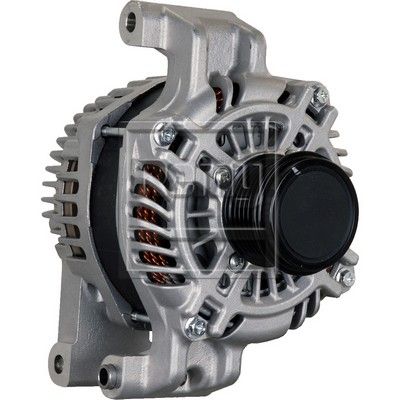
- Alternator
(OEM #56029624AC)— For gasoline engines (2.4L), this is the primary cause of P0563. The internal voltage regulator fails, causing the alternator to overcharge the electrical system. Part number 56029624AC is listed for the 2.4L engine in this year range.
Trusted brands: Mopar, Bosch, Duralast, Carquest
OEM price range: $550-$750
Aftermarket price range: $175-$500
Related Codes That Often Appear With This One
- P21CC-00 — Reductant Control Module Supply Voltage High. This code is specifically mentioned alongside P0563 in TSBs for the 2.0L diesel engine, indicating a shared software-related cause.
- P20F6-00 — Reductant Injection Valve Stuck Open. Also listed in the same TSBs for the 2.0L diesel, pointing to a systemic electronic issue that a PCM flash is designed to resolve.
- P2504 — Charging system output high. This is a more general code for high alternator output and may appear alongside P0563. A TSB for other Jeep models lists these two codes together as being resolved by a PCM flash.
Technical Service Bulletins (TSBs) & Recalls
- 1802623: Addresses P0563 on 2022 models, pointing to a potential software fix.
- 18-041-21: For 2020 models with the 2.0L diesel engine, specifies a PCM software update to resolve P0563 and other codes. Notes this applies to EMEA and APAC markets.
- 08-068-21: Also for 2020 2.0L diesel models, lists P0563 as a code that may be resolved by a PCM flash.
Platform-Specific Known Issues
- TSB for 2.0L Diesel Models:: Jeep has issued multiple Technical Service Bulletins (including #1802623, #18-041-21, and #08-068-21) for 2020-2022 Compass models with the 2.0L Turbo Diesel engine, primarily in EMEA and APAC markets. These bulletins state that P0563, often along with codes P21CC-00 and P20F6-00, can be caused by a software error. The official repair is to reprogram the Powertrain Control Module (PCM) with updated software.
- Gasoline Engine Alternator Failure:: For the common 2.4L Tigershark engine, the overwhelming cause of P0563 is a failed alternator. Owners report classic overcharging symptoms like flickering lights and erratic electronics, which are resolved by replacing the alternator.
Mechanic-Grade Diagnostic Values
- Normal Charging Voltage at Battery — expected: 13.2V to 14.7V. Failure: Consistently above 15.0V or below 13.2V
- PCM Code Trigger Threshold (12V System) — expected: Below 18V. Failure: Ignition voltage is detected above 18V for 6 out of 10 seconds
- Voltage Drop Test (Positive Cable) — expected: Less than 0.50V (0.25V is ideal). Failure: A reading greater than 0.50V between the alternator output post and the positive battery terminal indicates high resistance in the charging wire.
- Voltage Drop Test (Ground Circuit) — expected: Less than 0.25V. Failure: A reading greater than 0.25V between the alternator case and the negative battery terminal indicates high resistance in the ground path.
- Cranking Voltage — expected: Above 9.6V (Good system is above 11V). Failure: Voltage dropping below 9.6V during engine cranking can indicate a failing battery, which can sometimes be related to charging system faults.
Scan Tool Commands That Help
- wiTECH (or equivalent professional scanner): PCM Reprogram/Flash — For 2.0L Turbo Diesel models when TSB #1802623, #18-041-21, or #08-068-21 applies. This is the specific dealer repair to fix the software glitch causing P0563.
- Professional Scan Tool: Live Data - System Voltage — This is the primary data PID to monitor during diagnosis. Watch this while revving the engine and turning accessories on/off to check for voltage spikes or instability that might not be present at idle.
Wiring & Ground Locations
- Alternator B+ Output Post — The large threaded stud on the back of the alternator, typically covered by a black or red rubber boot.. This is the starting point for the charging circuit. Voltage drop tests should begin here to test the integrity of the main power cable running to the battery/fuse box.
- Alternator Field Control Connector — A small plastic electrical connector on the side or back of the alternator, with two wires.. This is how the PCM controls the alternator's output. On these vehicles, the PCM controls the ground side of the field circuit. A wiring issue here can cause the alternator to default to maximum output, triggering P0563.
- Main Battery Ground — The negative battery cable connects from the battery's negative terminal to a point on the vehicle's chassis or engine block.. A poor main ground connection can cause high resistance, leading to erratic voltage readings and charging system problems. This is a common point of failure due to corrosion.
- Jump Start Negative Ground Point — A dedicated metal post, often hexagonal, located near the strut tower in the engine bay, away from the battery.. While intended for jump-starting, this is a known, solid grounding point on the chassis. It can be used as a reference point for voltage drop tests to confirm a good ground connection.
Real Owner Repair Stories
- YouTube channel 'Waqas Azmat' (2011 Jeep Compass (similar charging system design)) — Battery light on and off, multiple charging system codes (high and low voltage).
❌ Tried (didn't work) Replacing the alternator three times.
✅ What actually fixed it A voltage drop test revealed a loose connection at a connector (S173) between the alternator and starter. Tightening the loose connection resolved the charging issue and eliminated the codes. This highlights the importance of checking wiring and performing voltage drop tests before replacing components. - JeepGladiatorForum.com user 'Elff' (Jeep Gladiator (shares similar electrical architecture)) — Vehicle suddenly shut down while driving, multiple warning lights on the dash, unresponsive accelerator pedal. Code P0563 was stored.
✅ What actually fixed it The issue was intermittent. The owner was able to clear the code and restart the vehicle, which then drove normally. This suggests a one-off voltage spike from the regulator. The recommended action from other forum members was to monitor voltage and if it happens again, replace the alternator as the internal voltage regulator was likely failing intermittently.
When the Usual Fixes Don't Work
- In a documented case on a similar Jeep platform, a vehicle had its alternator replaced three times in an attempt to fix charging system codes. The actual cause was not the alternator itself, but a loose connection in the main power cable between the alternator and the starter. A voltage drop test, which measures resistance in the circuit, was the key to finding the fault. This proves that even with a high probability of a bad alternator, technicians must not skip the fundamental step of verifying the integrity of the main power and ground cables before replacing expensive parts.
OEM Part Supersession History
56029624AA, 56029624AB→56029624AC— Standard part revision and update by the manufacturer.68318269AB, 68318269AC→68318269AD— Supersession for the alternator wiring harness for the 2.4L engine.
Model Year Variations Within This Range
- 2019-2022: While the core 2.4L engine and charging system are similar, both 2019 and 2022 models are listed with a 160 Amp alternator. However, minor differences in wiring harnesses or software calibrations may exist across the model years. Always verify part numbers with a VIN.
Helpful Videos
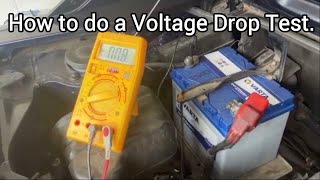
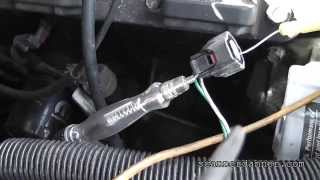
![Cómo diagnosticar la batería y el alternador Jeep compas 2021 [Pasos Fáciles]](https://img.youtube.com/vi/vNXGVMSJqmE/mqdefault.jpg)
Used OEM Parts in Stock
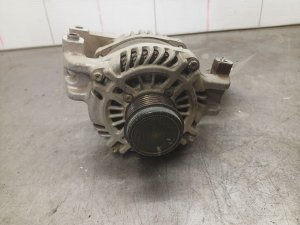
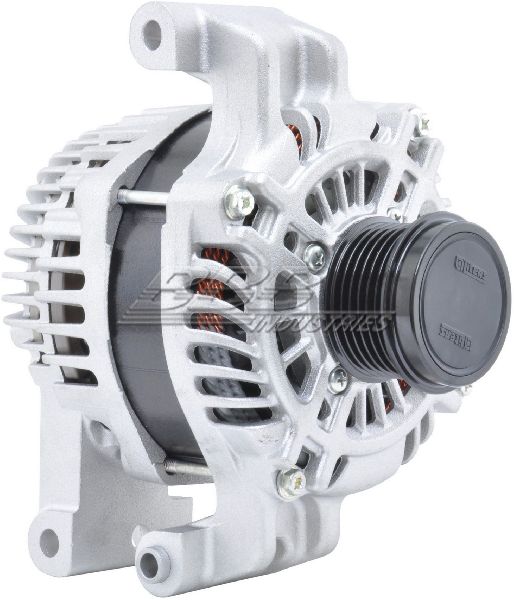
New Aftermarket Parts Available

The information in this article is provided for general reference and educational purposes only. Vehicle specifications, procedures, and part compatibility can vary by production date, trim level, and region. Always consult your vehicle's factory service manual and verify part numbers before purchasing or performing repairs. Safety-critical components such as airbags, seat belts, and braking systems should be installed by a qualified professional.
- Jeep COMPASS:
- 🧭 Diagnostic Flowchart
- 🎬 Helpful Videos
- 🛍️ Shop This Part
- What's Unique About the 2019-2022 Jeep COMPASS
- Symptoms You May Notice
- Most Likely Causes
- Rare But Worth Checking
- Diagnosis Steps
- Parts You'll Likely Need
- Related Codes That Often Appear With This One
- Technical Service Bulletins (TSBs) & Recalls
- Platform-Specific Known Issues
- Mechanic-Grade Diagnostic Values
- Scan Tool Commands That Help
- Wiring & Ground Locations
- Real Owner Repair Stories
- When the Usual Fixes Don't Work
- OEM Part Supersession History
- Model Year Variations Within This Range
- 🎟️ Get 5% Off