

P0563 on 2010-2014 Subaru Legacy: System Voltage High Causes and Fixes
On a 2010-2014 Subaru Legacy, code P0563 almost always means the alternator is failing and overcharging the electrical system. The internal voltage regulator is the culprit, requiring a replacement alternator. Expect to pay $250-$500 for a quality replacement part.
- P0563 means your car's electrical system voltage is too high, which can damage electronics.
- The most likely cause by far is a failed alternator with a bad internal voltage regulator.
- Confirm the problem by measuring voltage at the battery with the engine running; a reading over 15V points to a bad alternator.
- Do not replace the battery first; it is likely a victim of the overcharging, not the cause.
- While checking for loose or corroded cables is wise, prepare to replace the alternator.
What's Unique About the 2010-2014 Subaru Legacy
The fifth-generation Subaru Legacy (2010-2014) is fairly straightforward when it comes to the P0563 code. Unlike the subsequent generation which became known for complex battery drain issues and class-action lawsuits related to its charging logic, this model's high voltage code almost always points directly to a classic charging system failure. The cause is rarely a complex electronic module mystery; it's typically a failed alternator whose internal voltage regulator has given up, causing it to overcharge.
Symptoms You May Notice
- Check Engine Light is on
- Battery or charging system warning light is on
- Headlights and dash lights appear unusually bright, or may flicker
- Erratic operation of electrical accessories like the radio or power windows
- A swollen or leaking battery from being overcharged
- A 'rotten egg' or sulfur smell from the battery venting acid
- Engine may stall in some cases
- Blown fuses or damage to other electronic modules in severe cases
- Replacing the battery. A battery is almost always the victim of a P0563 code, not the cause. An overcharging alternator can damage or 'cook' a perfectly good battery. Always diagnose the charging system output before replacing the battery.
Most Likely Causes
- Failing Alternator (Internal Voltage Regulator) 🔴 High Probability → Shop Alternator The voltage regulator is integrated into the alternator. When it fails, it typically defaults to maximum charging output, causing the high voltage condition. This is the most common failure mode for alternators on most modern vehicles and the primary culprit for P0563 on this platform.
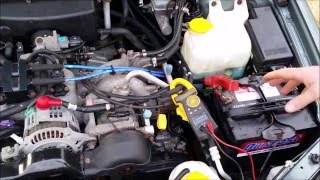
How to confirm: With the engine running, use a multimeter to measure the DC voltage directly at the battery terminals. 🎬 See how to properly test your alternator with a multimeter. If the reading is consistently above 15.0 volts (some sources say above 15.5V), the alternator is overcharging and has failed. Revving the engine or turning on accessories may exacerbate the voltage spike.
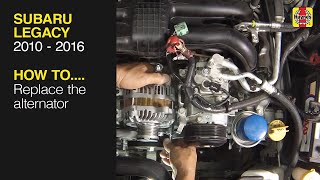
Typical fix: Replace the entire alternator assembly. Since the regulator is internal, replacing the complete unit is the standard repair. 🎬 Watch: Step-by-step guide to replacing the alternator on this Legacy.
Est. part cost: $250-$500 - Poor Ground Connections ⚪ Low Probability
How to confirm: Inspect the main ground strap from the battery negative terminal to the chassis and the engine block. Ensure connections are clean, tight, and free of corrosion. A voltage drop test across the ground connections can also identify high resistance. A user on LegacyGT.com noted that a torn grounding cable caused various electrical issues, including flickering lights.
Typical fix: Clean the contact points with a wire brush and re-secure the ground cables. Replace any corroded or damaged cables.
Est. part cost: $0-$50 - Corroded or Loose Battery Terminals ⚪ Low Probability → Shop Vehicle Battery
How to confirm: Visually inspect the battery terminals for white or blue-green corrosion and ensure they are tightly clamped to the battery posts. A poor connection can cause erratic voltage readings that the ECM might misinterpret.
Typical fix: Disconnect the terminals (negative first), clean them and the battery posts thoroughly with a terminal brush, and reconnect them securely (positive first). Apply anti-corrosion grease.
Est. part cost: $0-$10
Rare But Worth Checking
- Faulty Powertrain Control Module (PCM): → Shop Engine Control Module (ECM) This is extremely rare. The PCM's voltage sensing circuit could fail, causing it to misread the system voltage. This should only be considered after the alternator and all wiring have been definitively ruled out. One forum user reported needing a computer replacement due to corrosion, though this was in conjunction with other charging system work.
Diagnosis Steps
- Confirm the code with an OBD-II scanner. 🎬 Watch: A quick overview of the P0563 high voltage code. Note any other codes present and review freeze-frame data.
- With the engine running, use a digital multimeter to measure the voltage across the battery terminals. A healthy system will read between 13.5V and 14.8V.
- If voltage is consistently above 15.0V, the system is overcharging. The alternator is the primary suspect.
- If voltage is normal, the issue might be intermittent. Try revving the engine to ~2000 RPM and turning on accessories like headlights and the HVAC blower fan to see if the voltage spikes.
- Turn off the vehicle. Inspect all battery cables, the main alternator power wire (B+ terminal), and all major ground straps for corrosion, damage, or looseness.
- If all wiring and connections are good but the voltage test confirmed an overcharging condition, replace the alternator.
- After replacing the alternator, clear the codes and re-test to ensure the voltage is within the correct range.
- If the alternator is replaced and the code returns, investigate the rare possibility of a PCM fault or a short in the wiring harness.
Parts You'll Likely Need
- Alternator
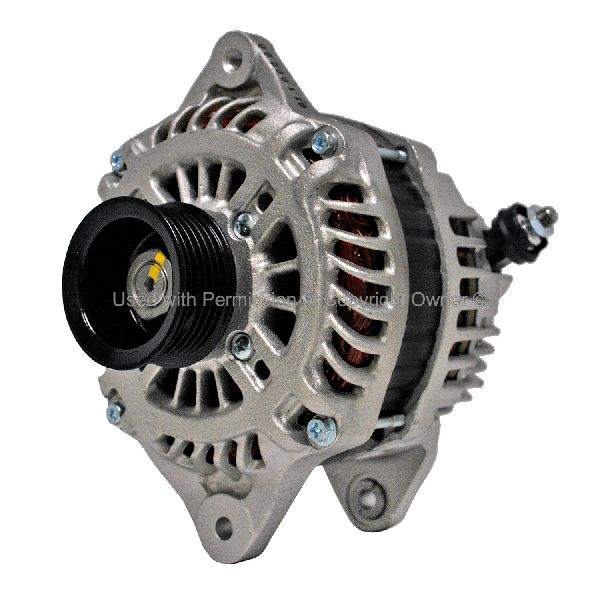
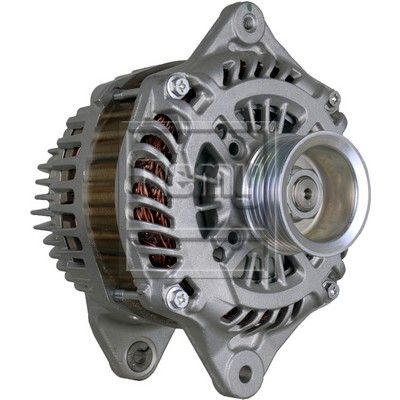
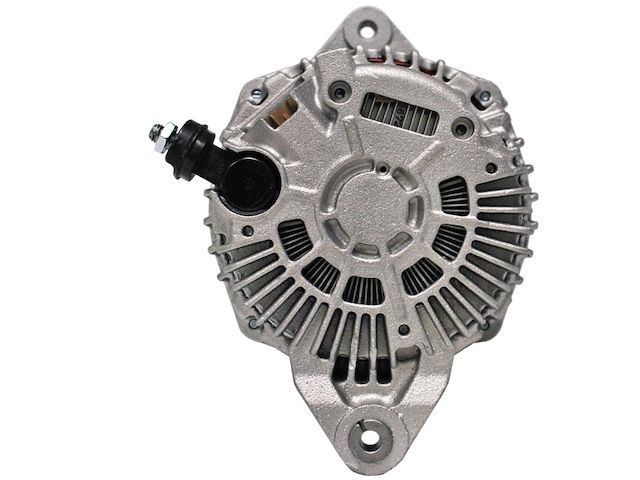
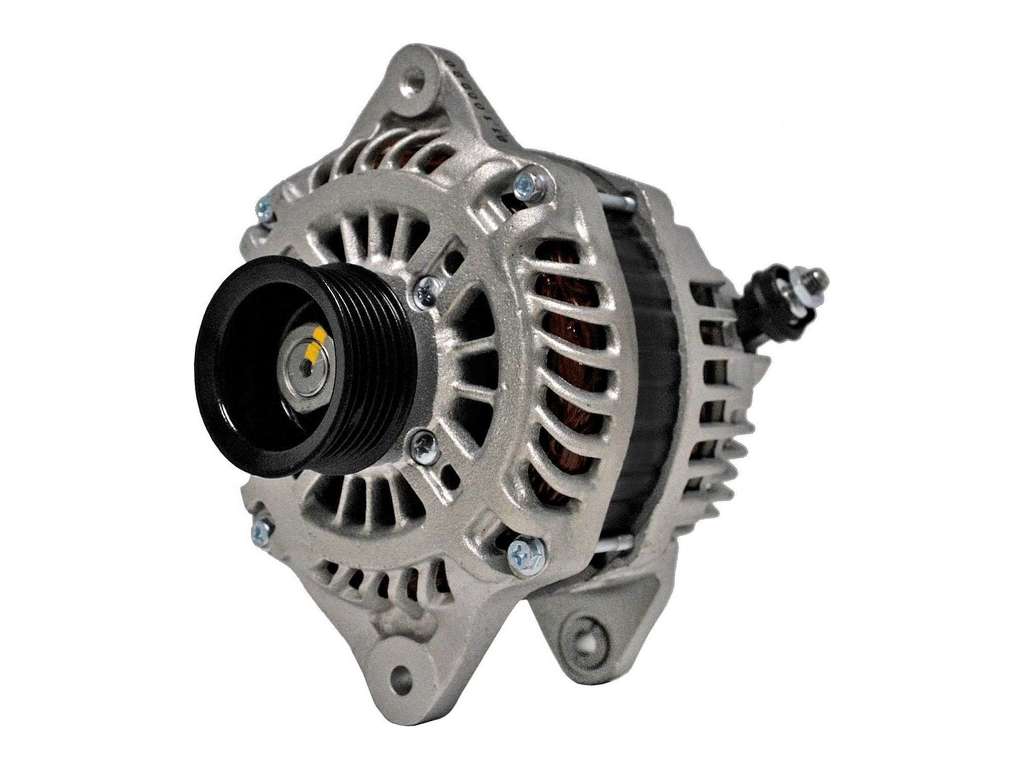
(OEM #For 2.5L (EJ253): 23700AA63A (superseded by 23700AA63B8A). For 3.6L (EZ36D): 23700AA620 or 23700AA621 (both superseded by 23700AA831).)— This is the most common cause of P0563, as the internal voltage regulator fails and causes the overcharging condition.
Trusted brands: Denso, Bosch, Subaru (OEM)
OEM price range: $470-$550
Aftermarket price range: $250-$400
Mechanic-Grade Diagnostic Values
- Battery Voltage (Engine Off) — expected: 12.4V - 12.7V. Failure: A reading below 12.4V indicates a discharged or failing battery. Charge the battery before testing the alternator.
- Charging Voltage at Battery (Engine Running, No Load) — expected: 13.8V - 14.8V. Failure: A reading consistently above 15.0V confirms an overcharging condition, pointing to a faulty voltage regulator. A reading below 13.5V indicates an undercharging condition.
- Charging Voltage at Battery (Engine Running, Under Load) — expected: Should remain above 13.5V. Failure: A significant drop below 13.5V or a spike above 15.0V when accessories (headlights, A/C, etc.) are turned on indicates a failing alternator.
- AC Voltage Leak at Alternator B+ Terminal — expected: Less than 0.4V (400mV) AC. Failure: A reading higher than 0.4V AC indicates failing diodes within the alternator's rectifier, which can cause erratic charging and damage to electronics.
Wiring & Ground Locations
- Alternator Connector (3-pin) — Plugged directly into the back of the alternator.. This connector provides the 'S' (Sense) and 'L' (Light) signals. The Sense wire tells the voltage regulator the battery's state of charge, and the Light wire controls the charge warning lamp on the dash. A fault in the Sense wire circuit can cause the alternator to overcharge.
- Main Engine Ground Straps — Typically found from the bottom side of each cylinder head to the chassis frame rails. Another key ground is near the transmission 'dogbone' mount.. A poor or corroded engine ground can create high resistance, causing the alternator to work harder and potentially leading to voltage regulation issues that could be misinterpreted by the ECM.
- Battery to Chassis Ground — A thick black cable from the negative battery terminal to the vehicle's chassis, often on the strut tower or inner fender.. This is the primary ground for the entire electrical system. Corrosion or looseness here can cause a wide range of electrical problems, including erratic voltage readings that could trigger a P0563.
Real Owner Repair Stories
- SubaruForester.org forum user (2006 Subaru Impreza, 239k miles) — Battery light came on, voltage with engine running was only 11.7V.
❌ Tried (didn't work) Replaced original failed alternator with a 'lifetime warranty' remanufactured unit from a major parts store., The first remanufactured unit had small parts fall out of it on the counter., The second remanufactured unit was installed, but the battery light came on again after 2 miles., A third remanufactured unit from a different store location tested dead on the bench before installation.
✅ What actually fixed it The user gave up on the parts store remanufactured units and purchased a used, dirty, but original OEM factory alternator from an independent Subaru shop for $45. The used OEM alternator was installed and worked perfectly, producing a steady 14.5 volts.
OEM Part Supersession History
23700AA63B→23700AA63B8A— Part update or manufacturer change. The original part is discontinued.
Model Year Variations Within This Range
- 2013-2014: For the 2.5L engine, there was a part number change for the alternator starting from December 5, 2012. While likely compatible, it's crucial to verify fitment using the vehicle's VIN for these later model years.
Diagnostic Flowchart
Other Known Issues on This Vehicle
Issues unrelated to this code that are worth knowing about as an owner of this generation:
- CVT Transmission Shudder/Stalling 🔴 High — Common in 2010-2012 models. Can occur at typical mileage (30-60k mi). Subaru extended the CVT warranty for many vehicles to 10 years/100,000 miles. (Ref: TSB 16-90-13R addresses a torque converter issue causing stalling when stopping.)
- Excessive Oil Consumption (FB25 Engine) 🔴 High — Primarily affects the 2.5L FB25 engine used in 2013-2014 models. Can start as early as 30-60k miles. Subject of a class-action lawsuit. (Ref: Multiple TSBs were issued, and Subaru initiated an oil consumption test protocol for dealers.)
- Prematurely Burnt-Out Headlights 🟡 Low — Very common complaint on 2010-2011 models, with owners reporting replacement every 6-12 months.
- Head Gasket Failure (EJ253 Engine) 🟠 Medium — While significantly less frequent than on prior generations, the 2010-2012 EJ253 can still develop external oil or coolant leaks from the head gaskets at higher mileage (typically over 100k miles).
- Electronic Parking Brake (EPB) Failure (Manual Transmission) 🟠 Medium — Affects 2010-2014 models with manual transmissions. The EPB may not engage properly. (Ref: Recall WTV-81)
Used vs. New Parts: Buying Guide for This Vehicle
When a used part is the smart pick: A used OEM alternator from a reputable salvage yard is often a smarter and more reliable choice than a new or remanufactured aftermarket unit from a chain parts store. Subarus can be sensitive to voltage fluctuations, and the quality control on many aftermarket alternators is poor, leading to premature failure.
Donor-vehicle mileage cap: roughly under 80000 miles for the part to have meaningful remaining life.
What to inspect on the donor part:
- Check the pulley: It should spin freely by hand with no grinding or excessive noise, which would indicate bad bearings.
- Inspect the casing: Avoid units with heavy corrosion or signs of being dropped.
- Look at the electrical connector: Ensure the pins are straight and not corroded.
- Ask for a warranty: Even a 30-90 day warranty from a salvage yard provides some protection.
OEM-only on this vehicle (don't cheap out):
- Alternator
Aftermarket brands forum-validated for this vehicle:
- Denso (often the OEM supplier)
- Bosch (Remanufactured)
Brands owners have reported issues with on this vehicle:
- Generic 'white box' or store-brand remanufactured units. Forum users frequently report these failing within months, if not immediately upon installation.
Real Owner Stories
Aggregated from forums and TSBs cited above. Mileages and costs reflect what owners reported in those sources.
2010-2014 Subaru Legacy
Symptoms: The P0563 code remained on even after the alternator and the computer were replaced.
What fixed it: The source suggests the issue was likely due to complex wiring issues or a misdiagnosis, as standard component replacement did not resolve the code.
Source hint: CarKiller.com thread titled "Battery Code P0563 remains on after replacing alternator"
4th-gen Subaru Legacy
Symptoms: Flickering lights and a rough idle.
What fixed it: Discovered and replaced a torn ground cable.
Source hint: LegacyGT.com thread titled "Electrical Problems... Bad Battery or Alternator?"
2012 Subaru Legacy
Symptoms: The car was dying and the charging system was failing.
What fixed it: A bad alternator was diagnosed as the cause of the charging system failure.
Source hint: TheSubaruForums.com thread titled "2012 Legacy, Alternator/Battery Issue"
Frequently Asked Questions
My 2012 Legacy is stalling when I come to a stop; is this related to the P0563 high voltage code?
I'm seeing P0563 and my headlights keep burning out on my 2011 Legacy. Are these connected?
Should I buy a store-brand remanufactured alternator to fix this code?
Can a bad ground cable cause P0563 symptoms on a 4th-gen or 5th-gen Legacy?
Is there a recall for electrical issues that might cause this code on my manual transmission Legacy?
Helpful Videos
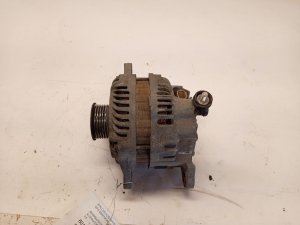
Used OEM Parts in Stock
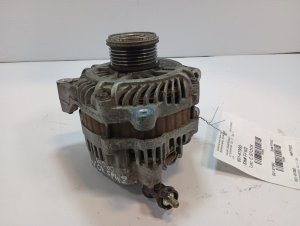
New Aftermarket Parts Available


The information in this article is provided for general reference and educational purposes only. Vehicle specifications, procedures, and part compatibility can vary by production date, trim level, and region. Always consult your vehicle's factory service manual and verify part numbers before purchasing or performing repairs. Safety-critical components such as airbags, seat belts, and braking systems should be installed by a qualified professional.
- Subaru Legacy:
- 🧭 Diagnostic Flowchart
- 🎬 Helpful Videos
- 🛍️ Shop This Part
- What's Unique About the 2010-2014 Subaru Legacy
- Symptoms You May Notice
- Most Likely Causes
- Rare But Worth Checking
- Diagnosis Steps
- Parts You'll Likely Need
- Mechanic-Grade Diagnostic Values
- Wiring & Ground Locations
- Real Owner Repair Stories
- OEM Part Supersession History
- Model Year Variations Within This Range
- Other Known Issues on This Vehicle
- Used vs. New Parts: Buying Guide for This Vehicle
- Real Owner Stories
- 2010-2014 Subaru Legacy
- 4th-gen Subaru Legacy
- 2012 Subaru Legacy
- Frequently Asked Questions
- 🎟️ Get 5% Off