

P0563 on 2014-2019 Toyota Corolla: High System Voltage Causes and Fixes
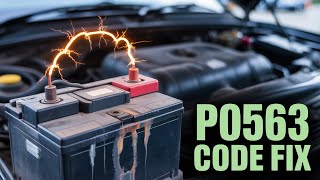
P0563 on a 2014-2019 Corolla means the charging system voltage is too high, almost always due to a failing alternator with a bad internal voltage regulator. Expect to replace the alternator to fix the issue. Confirm by testing voltage at the battery with the engine running; a reading over 15V is a clear indicator.
- P0563 means your car's electrical system is overcharging, with voltage exceeding the normal 14.8V limit.
- The most likely cause, in over 90% of cases, is a failed internal voltage regulator, which requires replacing the entire alternator assembly.
- Before buying parts, confirm the overcharge condition by measuring the voltage at the battery with the engine running. A reading over 15V points directly to a bad alternator.
- Driving with this condition can damage your battery and other expensive electronics, so it should be addressed promptly.
What's Unique About the 2014-2019 Toyota Corolla
For the 2014-2019 Toyota Corolla (11th generation, E170), there are no widespread, unique design flaws that make it exceptionally prone to P0563. The issue is almost always tied to the alternator's internal voltage regulator failing with age and mileage, which is a common failure point for alternators across most modern vehicles. The charging system is computer-controlled, but the diagnosis remains straightforward and does not typically involve complex, model-specific electronic modules as the primary cause. The alternator is a standard Denso unit, and failure is a matter of component wear rather than a systemic design fault.
Symptoms You May Notice
- Check Engine Light is on
- Battery or charging system warning light is illuminated on the dashboard
- Headlights and interior lights may appear unusually bright, or they might flicker
- Erratic behavior from electronic accessories like the radio, infotainment screen, or power windows
- Engine may hesitate or stall
- A grinding or whining noise from the engine bay, indicating a failing alternator bearing.
- A smell of burning rubber or hot wires near the alternator
- Battery swelling, overheating, or emitting a sulfur-like (rotten egg) odor from venting.
- Replacing the battery without testing the alternator. A high voltage code is most often an alternator problem, not a battery problem.
- Ignoring corroded connections. A simple cleaning of battery terminals or ground points can sometimes resolve the issue without replacing expensive parts.
Most Likely Causes
- Failing Alternator / Internal Voltage Regulator 🔴 High Probability → Shop Voltage Regulator The voltage regulator, which controls the alternator's output, is integrated into the alternator. Its failure is the most common reason for an overcharging condition and is a typical wear-and-tear item. This is the most frequent cause for P0563 across all OBD-II vehicles.
How to confirm: With the engine running, use a multimeter to measure the voltage across the battery terminals. A reading consistently above 15.0 volts confirms an overcharging alternator. Normal charging voltage should be between 13.5 and 14.8 volts. You can also use an OBD-II scanner to monitor live battery voltage data.
Typical fix: Replace the entire alternator assembly. The internal voltage regulator is not typically serviced separately. A step-by-step replacement guide can be found in resources like YouTube videos.
Est. part cost: $200-$450 - Corroded or Loose Battery Terminals/Grounds 🟡 Medium Probability → Shop Vehicle Battery Corrosion is a common issue in all vehicles and can create high resistance. This can confuse the voltage sensing circuits, leading the charging system to behave erratically or the ECM to misread the voltage.
How to confirm: Visually inspect the battery terminals, main chassis ground, and the engine-to-chassis ground strap for looseness, fraying, or significant corrosion (white or green buildup). Clean and tighten as necessary.
Typical fix: Clean the battery terminals and cable ends with a wire brush and a mixture of baking soda and water. Ensure all connections are tight and secure. Apply dielectric grease to prevent future corrosion.
Est. part cost: $5-$15 - Faulty Battery ⚪ Low Probability → Shop Vehicle Battery While less common for a high voltage code, an internal short or other failure within the battery can sometimes cause the charging system to overcompensate or report incorrect voltage.
How to confirm: Have the battery load-tested at an auto parts store. Most stores offer this service for free. A load test will determine if the battery can hold a charge under load and reveal internal faults.
Typical fix: Replace the battery if it fails the load test.
Est. part cost: $150-$250
Rare But Worth Checking
- Wiring Harness Issue: A short-to-voltage in the wiring harness between the alternator and the ECM could cause false high voltage readings. This is uncommon but should be considered if a new alternator doesn't fix the code.
- Faulty Powertrain Control Module (PCM): → Shop Engine Control Module (ECM) In very rare instances, the PCM itself can fail, causing it to misread the system voltage or incorrectly command the alternator. This should be the last component to suspect after all other possibilities have been exhausted.
Diagnosis Steps
- Confirm the P0563 code is present using an OBD-II scanner. Note any other codes.
- With the engine off, measure the battery voltage with a multimeter. A healthy, fully charged battery should read approximately 12.6 volts.
- Start the engine. Measure the voltage at the battery terminals again. The reading should be between 13.5 and 14.8 volts.
- If the voltage is above 15.0 volts, the alternator's voltage regulator has likely failed and the alternator needs to be replaced.
- If the voltage is normal, but the code persists, perform a load test on the system. Turn on headlights, A/C, and other accessories and monitor for voltage spikes.
- Thoroughly inspect all charging system wiring and connections. Check for corrosion on battery terminals and ensure ground straps are clean, tight, and free of damage.
- If wiring is good and the alternator has been replaced but the code returns, the issue could be a rare fault in the PCM.
Parts You'll Likely Need
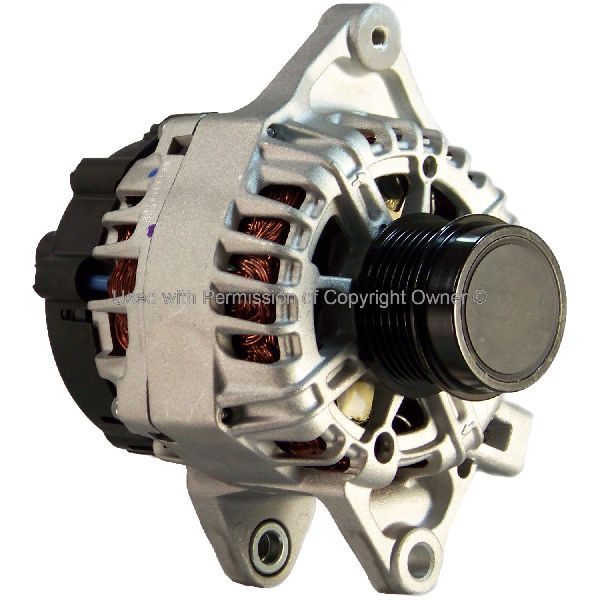
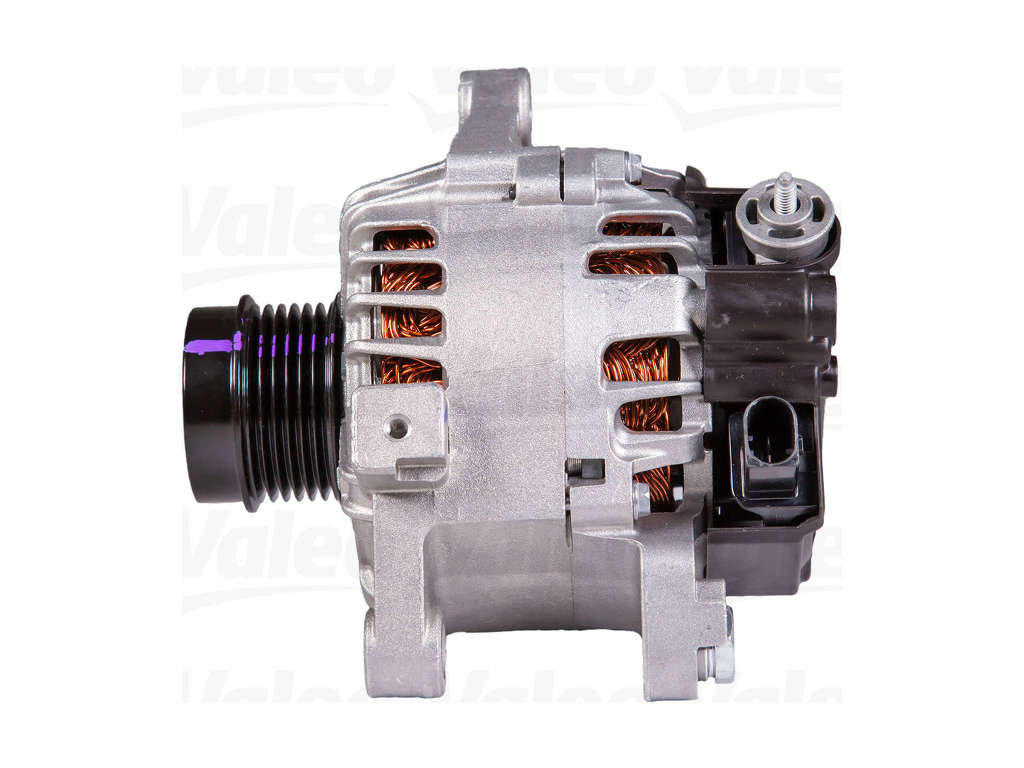
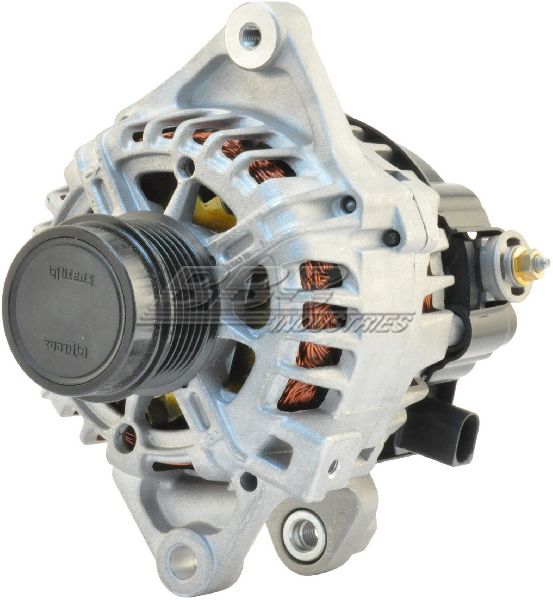
- Alternator
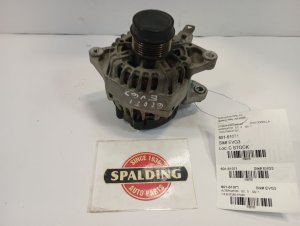
(OEM #27060-0T240 (for 125A Denso unit))— This is the most common cause of P0563, as the internal voltage regulator that controls charging voltage fails, leading to an overcharge condition.
Trusted brands: Denso (OEM Supplier), Toyota (Genuine), Valeo, Bosch
OEM price range: $350-$500
Aftermarket price range: $200-$350
Technical Service Bulletins (TSBs) & Recalls
- While no TSBs directly address code P0563 for this specific model, Toyota has issued bulletins for related electrical and charging system concerns on other vehicles, such as TSB EL010-05 for older models, which details procedures for diagnosing the charging system. This indicates a standardized diagnostic approach focused on the alternator, battery, and wiring.
Platform-Specific Known Issues
- Owner Experience: Alternator Failure: → Shop Alternator An owner of a 2014 Corolla experienced a whining noise from the engine bay, followed by the battery light illuminating. A voltage test confirmed over 16V at the battery. Replacing the alternator resolved the P0563 code and symptoms. The owner noted the job was straightforward for a DIYer with basic tools, taking about 1.5 hours. A detailed video guide for this specific repair is available.
Mechanic-Grade Diagnostic Values
- System Voltage (Engine Running, No Load) — expected: 13.5V - 14.8V. Failure: Consistently above 15.0V; code often sets when voltage exceeds 16.0V.
- System Voltage (Engine Running, High Load) — expected: 14.2V - 15.0V. Failure: Voltage spikes above 15.5V when accessories like headlights, A/C, and rear defroster are turned on.
- Battery Voltage (Engine Off) — expected: ~12.4V - 12.8V. Failure: Below 12.0V may indicate a weak battery that could contribute to erratic charging behavior.
- Wiring Harness Continuity — expected: Below 0.1 Ω. Failure: Any reading above 0.1 Ω on main power or ground cables may indicate high resistance causing voltage issues.
Scan Tool Commands That Help
- Toyota Techstream: Live Data Monitoring (Data List) — Use the 'Data List' function to monitor 'Battery Voltage' in real-time. This is the primary way to confirm the over-voltage condition as seen by the ECM and to check if the voltage spikes under different engine loads and RPMs.
- Toyota Techstream: Freeze Frame Data — Always check the freeze frame data for P0563. It provides a snapshot of vehicle parameters (RPM, load, etc.) at the exact moment the fault was triggered, which can help replicate the conditions that cause the high voltage event.
Wiring & Ground Locations
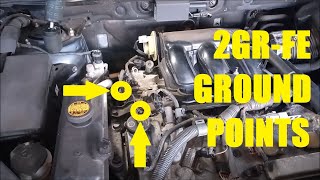
- Engine Ground (Ba) — Top of the engine.. A poor engine ground can cause the alternator to regulate voltage incorrectly, leading to overcharging. This is a critical ground point to inspect for cleanliness and tightness.
- Transaxle Ground (Cb) — On the left side of the transaxle assembly.. This ground is part of the main powertrain grounding scheme. High resistance here can affect various sensors and the charging system's reference voltage.
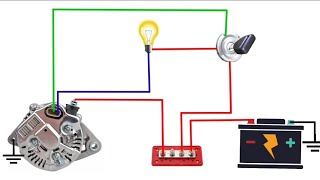
- Alternator Connector — The multi-pin plug on the alternator body.. It is common for the pins in this connector to develop a bad connection, which can cause poor performance, damage the new regulator, or lead to erratic voltage readings. It should be inspected for corrosion or damage when replacing the alternator.
Model Year Variations Within This Range
- 2014-2019: This generation of Corolla was available with two main 1.8L engine variants: the 2ZR-FE (standard) and the 2ZR-FAE (with Valvematic technology for improved efficiency, often in LE Eco trims). However, for the purposes of diagnosing P0563, the charging system, alternator, and diagnostic procedure are effectively identical between them. The same OEM alternator part number (27060-0T240) is listed for both engine types.
Diagnostic Flowchart
Other Known Issues on This Vehicle
Issues unrelated to this code that are worth knowing about as an owner of this generation:
- CVT Transmission Hesitation or Shudder 🟠 Medium — Fairly common, especially in earlier years of the generation (2014-2016). Some issues were addressed by a software update recall. (Ref: Software update recall was issued for early models to address potential valve body issues.)
- Infotainment System Freezing/Rebooting 🟡 Low — A common annoyance reported by many owners. The system may become unresponsive, freeze, or randomly reboot. (Ref: No specific recall, but dealers may perform software updates that can help. In some cases, head unit replacement is the only fix.)
- Front Lower Control Arm Bushing Squeak/Clunk 🟡 Low — A noticeable squeak or clunk may be heard from the front suspension when going over bumps or making sharp, low-speed turns (e.g., into a driveway). It's often considered an annoyance rather than a safety issue. (Ref: TSB-0068-20 was issued to address this noise by replacing the control arm with an updated part.)
- Minor Engine Oil Leaks (Timing Cover / Oil Pressure Switch) 🟠 Medium — A seep from the front timing cover is known to develop over time. A more urgent, though less common, leak can occur from the oil pressure switch.
- Melting / Sticky Dashboard (In Hot Climates) 🟡 Low — While more prominent on older Toyota models (pre-2012), some owners of newer cars in high-heat, high-humidity regions have noted premature dashboard degradation. This was part of a major warranty enhancement program for older vehicles. (Ref: Warranty Enhancement Program ZE6 covered many older models, but the 2014-2019 Corolla was not officially included.)
Used vs. New Parts: Buying Guide for This Vehicle
When a used part is the smart pick: For the alternator, a used (junkyard) part is a significant gamble and generally not recommended, as the internal voltage regulator is a common wear item. A 'remanufactured' unit from a quality brand is the most sensible balance of cost and reliability.
Donor-vehicle mileage cap: roughly under 60000 miles for the part to have meaningful remaining life.
What to inspect on the donor part:
- If considering a used alternator, choose one from a low-mileage, collision-damaged vehicle.
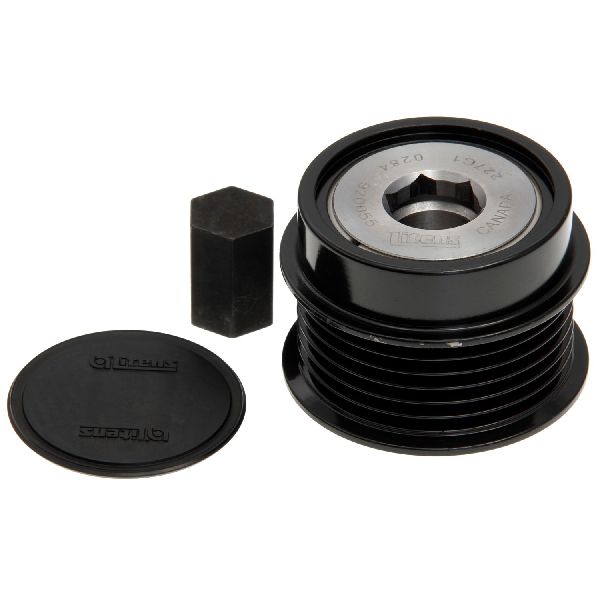
- Check the pulley for smooth rotation with no grinding or excessive play, which would indicate bad bearings.
- Inspect the electrical connector for any signs of melting, corrosion, or broken plastic.
- Ask the salvage yard if they test their alternators or offer a short-term warranty.
OEM-only on this vehicle (don't cheap out):
- While not strictly OEM-only, sticking to the OEM supplier (Denso) for the alternator, whether new or remanufactured, is highly recommended. Modern computer-controlled charging systems can be sensitive to the electronics in aftermarket units.
Aftermarket brands forum-validated for this vehicle:
- Denso (Remanufactured) - As the original equipment supplier, their remanufactured units are held to a high standard and are the most recommended alternative to a new OEM part.
Brands owners have reported issues with on this vehicle:
- Generic 'white box' or store-brand alternators with short warranties. Forum users and mechanics report a higher failure rate and inconsistent quality with these parts compared to Denso.
Real Owner Stories
Aggregated from forums and TSBs cited above. Mileages and costs reflect what owners reported in those sources.
2014 Toyota Corolla
Symptoms: Whining noise from the engine bay followed by the battery light illuminating; a voltage test confirmed over 16V at the battery.
What fixed it: Replacing the alternator assembly.
Source hint: vehicle_specific_issues: Owner Experience: Alternator Failure
2014-2019 Toyota Corolla
Symptoms: P0563 code remains on even after replacing the alternator.
What fixed it: Checking the wiring and the PCM as secondary causes.
Source hint: CarKiller Forum - 'Battery Code P0563 remains on after replacing alternator'
Related OBD-II Codes
Frequently Asked Questions
Is there a specific TSB for the P0563 code on my 2014-2019 Toyota Corolla?
Can I just replace the voltage regulator on my Corolla's alternator to fix the overcharging?
My 2014 Corolla is making a whining noise from the engine and the battery light is on; is this related to P0563?
Does the 2017 Toyota Corolla iM have the same charging system issues as the sedan?
Could a bad battery cause a high voltage code like P0563 on my Corolla?
What voltage reading should I see on my Corolla if the alternator is healthy?
Helpful Videos

Used OEM Parts in Stock

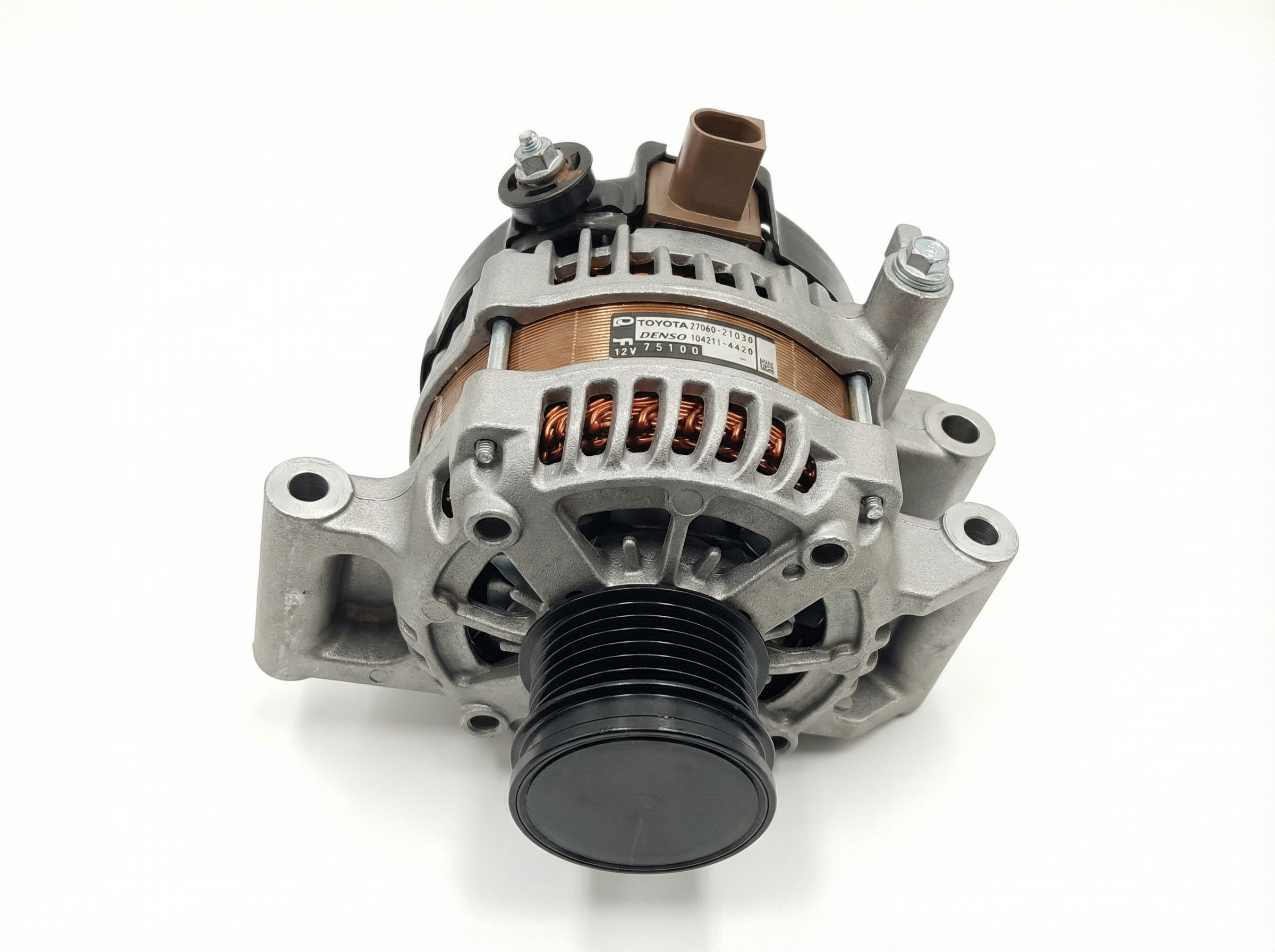
New Aftermarket Parts Available
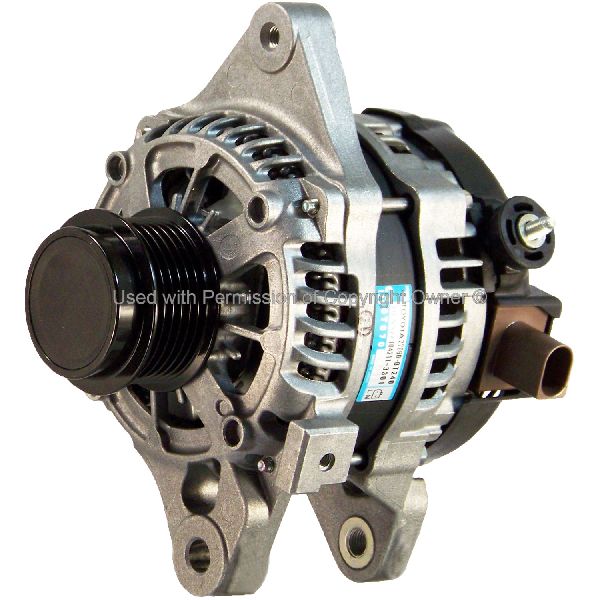
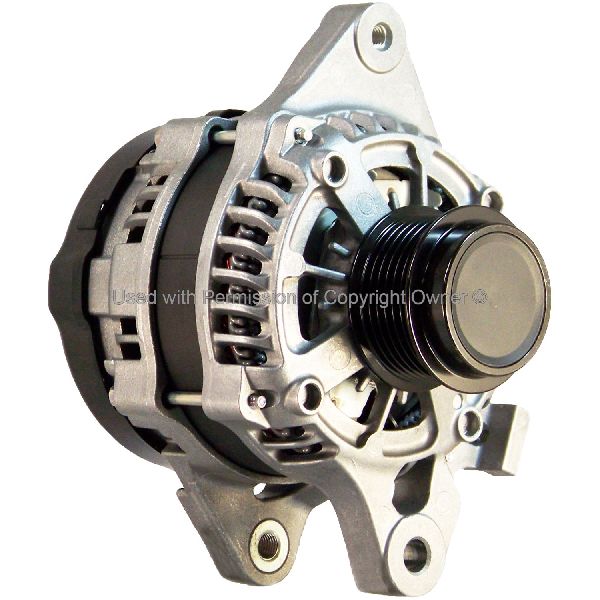

The information in this article is provided for general reference and educational purposes only. Vehicle specifications, procedures, and part compatibility can vary by production date, trim level, and region. Always consult your vehicle's factory service manual and verify part numbers before purchasing or performing repairs. Safety-critical components such as airbags, seat belts, and braking systems should be installed by a qualified professional.
- Toyota Corolla:
- 🧭 Diagnostic Flowchart
- 🎬 Helpful Videos
- 🛍️ Shop This Part
- What's Unique About the 2014-2019 Toyota Corolla
- Symptoms You May Notice
- Most Likely Causes
- Rare But Worth Checking
- Diagnosis Steps
- Parts You'll Likely Need
- Technical Service Bulletins (TSBs) & Recalls
- Platform-Specific Known Issues
- Mechanic-Grade Diagnostic Values
- Scan Tool Commands That Help
- Wiring & Ground Locations
- Model Year Variations Within This Range
- Other Known Issues on This Vehicle
- Used vs. New Parts: Buying Guide for This Vehicle
- Real Owner Stories
- 2014 Toyota Corolla
- 2014-2019 Toyota Corolla
- Related OBD-II Codes
- Frequently Asked Questions
- 🎟️ Get 5% Off