

P0601 on 2016-2020 Kia Optima: Internal PCM Failure Causes and Fixes
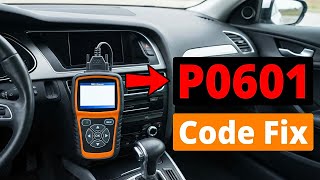
P0601 on a 2016-2020 Kia Optima means the engine computer (PCM) has failed an internal self-test, specifically a memory checksum error. The most likely fix is replacing the PCM, which must be programmed by a dealer or qualified shop. Before replacement, verify the battery and all power/ground connections are perfect. Expect to pay $1000-$1600+ for a new, programmed module at a dealership.
- P0601 is a critical code indicating the engine computer has an internal memory failure.
- Do not drive the vehicle, as it may stall, fail to start, or enter limp mode at any time.
- Before replacing the expensive PCM, always verify the battery, charging system, and PCM power/ground connections are in perfect condition.
- The replacement PCM must be professionally programmed to your car's VIN and security system; it is not a DIY-friendly part to replace.
- Check with a Kia dealer about potential coverage under the 8-year/80,000-mile federal emissions warranty before paying for the repair.
- The most likely fix is replacing the PCM, which is a costly repair.
What's Unique About the 2016-2020 Kia Optima
For the 2016-2020 Kia Optima (JF generation), the P0601 code does not point to a unique, widespread design flaw but rather the standard, albeit uncommon, failure of a complex electronic component. This platform is, however, notorious for significant engine issues with the Theta II GDI engines, leading to recalls and class-action lawsuits. While a P0601 is an electronic failure, it's important to distinguish it from the widespread mechanical engine failures. Kia has issued Technical Service Bulletins (TSBs) like PI1802 for ECU software updates related to the Knock Sensor Detection System (KSDS), which is designed to detect early signs of the engine failures these cars are prone to. A failed or improper KSDS update can potentially trigger other ECU issues. The key takeaway for Optima owners is that the fix for a true P0601 requires a replacement module that is electronically programmed to the car's specific Vehicle Identification Number (VIN) and anti-theft system.
Symptoms You May Notice
- Check Engine Light is on and will likely not clear
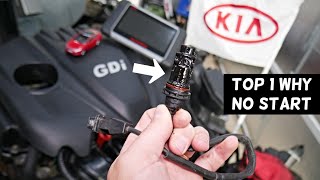
- Engine may crank but will not start 🎬 See the top reasons why your Kia Optima won't start
- Vehicle may stall intermittently or while driving
- Rough idling or hesitation
- Noticeable decrease in fuel economy
- Transmission may not shift correctly or may enter 'limp mode'
- ABS and Traction Control lights may also illuminate
- No symptoms at all, other than the Check Engine Light
- Replacing sensors (e.g., oxygen sensors, MAF sensor) when other codes appear alongside P0601. P0601 often indicates the 'brain' is bad, which can cause it to misinterpret good sensor data and set other codes. The P0601 should be addressed first.
- Assuming the PCM is bad without first performing a thorough check of the battery, charging system, and all related power and ground connections. These are much cheaper and easier to fix.
Most Likely Causes
- Failed Powertrain Control Module (PCM) 🔴 High Probability → Shop Engine Control Module (ECM) This is the most common cause for this code on virtually all modern vehicles. Internal components like memory chips can fail over time due to heat cycles, vibration, or voltage irregularities. While not specific to the Optima, it is the definitive cause once external factors are eliminated.
How to confirm: After verifying battery voltage and PCM power/ground connections are stable and within spec, the persistence of the P0601 code immediately after a hard reset points to a confirmed internal PCM hardware failure.
Typical fix: Replace the Powertrain Control Module (PCM) and program the new unit to the vehicle. A dealership or specialized shop with Kia-specific software is required.
Est. part cost: $800-$1400 (OEM) - Low Battery Voltage or Poor Charging System ⚪ Low Probability → Shop Vehicle Battery A weak or failing battery, or a faulty alternator, can cause voltage drops or spikes during startup that may corrupt the PCM's self-test process, triggering a false P0601. This is a common first check on any vehicle before condemning an expensive module.
How to confirm: Test the battery voltage with a multimeter; it should be above 12.4V with the engine off. Test the alternator output, which should be between 13.5V and 14.5V with the engine running. Perform a battery load test to confirm its health under stress.
Typical fix: Charge or replace the battery. Repair the charging system (alternator, cables).
Est. part cost: $150-$500 - Poor Power or Ground Connection to PCM ⚪ Low Probability Corroded or loose ground straps and power wires can create intermittent voltage drops to the PCM, mimicking an internal fault. This is not a Kia-specific issue but a universal electrical principle.
How to confirm: Perform a voltage drop test on the PCM's main power and ground circuits. Resistance on the ground side should be less than 0.1 ohms. Visually inspect all main ground points from the battery to the chassis and the engine block.
Typical fix: Clean or repair the corroded/loose connections. This may involve removing ground bolts, cleaning contact surfaces to bare metal, and applying a dielectric grease.
Est. part cost: $0-$50
Rare But Worth Checking
- Voltage Spike: Improper jump-starting or a failing alternator can send a voltage spike that damages the PCM's sensitive internal circuits.
- Interrupted or Incorrect PCM Flashing: If a software update (like the KSDS update) was attempted and failed or was performed with an unstable power supply, it could corrupt the PCM's memory and trigger this code.
- Aftermarket Tuning/Performance Chips: Using unauthorized performance programmers or chips that modify the PCM's software can lead to checksum errors if not written correctly.
Diagnosis Steps
- Scan the vehicle for trouble codes to confirm P0601 is present. Note any other codes, but prioritize P0601 as it can cause others.
- Check the battery. Ensure it is fully charged (above 12.4V) and passes a load test. Clean any corrosion from the terminals.
- With the engine running, verify the charging system is working correctly (output should be 13.5V - 14.5V).
- Inspect all power and ground connections to the PCM. Look for any signs of corrosion, damage, or looseness. This includes the main battery ground, chassis grounds, and the PCM connector itself. Clean and tighten as necessary.
- Check all fuses related to the PCM/ECU.
- Perform a voltage drop test on the PCM's power and ground circuits to ensure it's receiving a stable power supply.
- If the battery, charging system, and all connections are good, attempt a hard reset by disconnecting the battery for 30 minutes. Reconnect, clear the codes, and see if P0601 returns immediately upon turning the key to the 'ON' position.
- If the code returns instantly, the PCM has a confirmed internal hardware failure.
- Before purchasing a new PCM, contact a Kia dealership with your VIN to check if the Federal Emissions Warranty (8yr/80k miles) or any other extended warranty might cover the replacement.
Parts You'll Likely Need
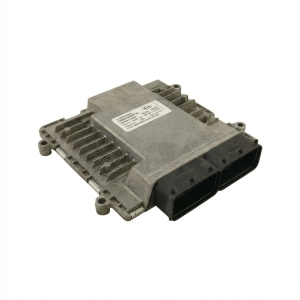
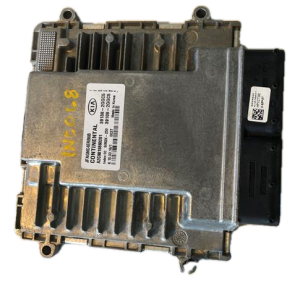
- Powertrain Control Module (PCM)
(OEM #Varies by year and engine. Example for a 2016-2018 2.4L is 39138-2GGD6. A 2019-2020 1.6L could be 39128-2BJP2. Always verify with VIN.)— This is the direct cause of a P0601 code in over 90% of cases after ruling out power/ground issues. The internal memory checksum test has failed, indicating a permanent hardware fault. 🎬 Watch: How to fix an internal control module memory error
Trusted brands: Kia (OEM)
OEM price range: $900-$1400
Aftermarket price range: $400-$800 (Remanufactured, requires programming)
Related Codes That Often Appear With This One
- P0880 —
Technical Service Bulletins (TSBs) & Recalls
- PI1802: While not a fix for P0601, this TSB for a Knock Sensor Detection System ECU upgrade on various Kia models (including Optima) demonstrates that ECU flashing is a dealer-level procedure that must be done correctly to avoid damaging the module.
- ENG222 / TSB 23-EM-007H: These TSBs detail the procedure for diagnosing and addressing excessive oil consumption in Theta, Gamma, and Nu engines, a widespread issue for this platform. While unrelated to P0601, it's critical context for any owner.
- PI2002B: Details the KSDS ECU update for Nu 2.0L GDI engines, explaining how it puts the vehicle into 'Limp Home Mode' and sets a P1326 code if it detects bearing wear. This highlights the complexity of Kia's ECU software.
Mechanic-Grade Diagnostic Values
- Battery Voltage (Engine Off) — expected: 12.4V - 12.6V or higher. Failure: Below 12.4V indicates a discharged or failing battery that could cause false codes.
- Charging System Voltage (Engine Running) — expected: 13.5V - 14.5V. Failure: Voltage below 13.5V or above 14.5V indicates a faulty alternator or voltage regulator, which can cause voltage spikes or drops that damage the PCM.
- PCM Power and Ground Pin Voltage Drop — expected: Less than 0.1V on grounds, within 0.1V-0.2V of battery voltage on power feeds.. Failure: Higher voltage drop indicates excessive resistance in the circuit, which can starve the PCM of power and mimic an internal fault.
Scan Tool Commands That Help
- Kia GDS (Global Diagnostic System): Vehicle S/W Management — This menu is used for all software-related tasks, including reprogramming a new or existing PCM.
- Kia GDS (Global Diagnostic System): ECU Upgrade / Reprogramming — This function is required to install the correct software onto a replacement PCM. It flashes the module with the vehicle-specific file.
- Kia GDS (Global Diagnostic System): Read/Write VIN — When installing a new or used PCM, this function is used to write the car's unique VIN into the module, which is necessary for it to communicate with other modules.
- Kia GDS (Global Diagnostic System): Immobilizer / Smart Key Registration — After a PCM is replaced, this procedure is necessary to teach the new PCM the codes for the vehicle's existing keys, allowing the engine to start.
Wiring & Ground Locations
- Interior Fuse Box (Driver's Side) — Located on the driver's side of the dashboard, behind a removable panel.. Contains fuses that supply key-on power to the PCM. A fuse labeled 'START' (10A) or 'MODULE' may be related to the PCM's power supply.
- Engine Compartment Fuse Box — Located in the engine bay, typically near the battery.. Contains main power fuses and relays for the PCM, often labeled 'ECU' or 'PCM'. A failure here will cut all power to the module.
- PCM Ground Pins — Multiple pins on the PCM's main electrical connectors. A vehicle-specific wiring diagram from a source like Kia GDS is required to identify the exact pin numbers (e.g., Pin 3, Pin 51 on some models).. The PCM relies on multiple, clean ground connections to the chassis. A corroded or loose ground is a common cause of electrical issues that can trigger a false P0601.
OEM Part Supersession History
Varies→Varies— Part numbers for the PCM are highly specific to the vehicle's model year, engine, transmission, and installed options (e.g., Smart Key, Federal vs. California emissions).
Heads up: There is no universal supersession. A part number must be verified using the vehicle's VIN. Installing a PCM from another vehicle, even if it looks identical, will not work without proper programming and may be incompatible due to hardware differences, especially across the 2019 facelift.
Model Year Variations Within This Range
- 2019-2020: The 2019 model year introduced a significant facelift with powertrain and electronic changes. The EX trim, for example, switched to a 1.6L Turbo engine with a 7-speed DCT, which uses a completely different PCM than the 2.4L engine in the 2016-2018 models. Electronics like the infotainment and driver-assist systems were also updated. This makes it critical to source a replacement PCM based on the exact year and trim, not just the model range.
Diagnostic Flowchart
Other Known Issues on This Vehicle
Issues unrelated to this code that are worth knowing about as an owner of this generation:
- Theta II GDI Engine Failure 🔴 High — Extremely widespread across 2.4L and 2.0T engines. Can occur at various mileages, often heralded by knocking sounds. Led to massive recalls and class-action lawsuits. (Ref: Multiple recalls (e.g., NHTSA 17V-224) and a lifetime warranty extension for the engine block for owners who receive the KSDS update.)
- Excessive Oil Consumption 🔴 High — Very common on Nu, Gamma, and Theta engines. Owners report needing to add a quart of oil every 1,000-2,000 miles. Can lead to engine damage if not monitored closely. (Ref: TSB ENG222 (and others) outlines a multi-step consumption test and cleaning procedure. If consumption is still excessive, engine replacement may be approved by Kia.)
- Knock Sensor Detection System (KSDS) Issues 🟠 Medium — The KSDS software (recall/product improvement) is intended to detect bearing wear and put the car in limp mode (triggering code P1326) to prevent catastrophic failure. Some owners report false positives or frustration with the system, but it is a prerequisite for warranty engine replacement. (Ref: Multiple campaigns, including PI1802, to install the software.)
- Transmission Shift Quality Issues 🟡 Low → Shop Transmission Assembly — Some owners report hard shifts, hesitation, or jerky downshifts. Often more noticeable at low speeds or when cold. (Ref: Software updates for the Transmission Control Module (TCM) have been released to address shift logic.)
- Peeling Paint 🟡 Low — Reports of paint, particularly white, peeling or flaking from the roof, hood, and trunk are common for this generation and its platform mate, the Hyundai Sonata.
Used vs. New Parts: Buying Guide for This Vehicle
When a used part is the smart pick: A used PCM from a junkyard or recycler is a viable option only if you have access to a dealership or a specialized independent shop that can reprogram it. The cost savings of the part can be significant, but this is offset by the mandatory programming cost.
Donor-vehicle mileage cap: roughly under 80000 miles for the part to have meaningful remaining life.
What to inspect on the donor part:
- Ensure the part number on the used PCM is an exact match to the original.
- Inspect the donor vehicle for signs of flood or fire damage.
- Check the connectors on the used PCM for any bent, corroded, or damaged pins.
- Ask the seller if they offer any warranty, even a short-term one.
OEM-only on this vehicle (don't cheap out):
- Powertrain Control Module (PCM): While remanufactured units can work, a new OEM part from Kia is the most reliable, albeit most expensive, option. A used OEM part is preferable to a new, unbranded aftermarket clone.
Aftermarket brands forum-validated for this vehicle:
- Remanufacturing Services (e.g., Flagship One, Auto Computer Performance): Several companies specialize in repairing or providing pre-programmed, remanufactured PCMs. They program the unit to your VIN before shipping, making it 'plug-and-play' and avoiding the need for dealer programming.
Brands owners have reported issues with on this vehicle:
- Unbranded, 'new' aftermarket PCMs from online marketplaces without a warranty or programming service. These often have software or hardware incompatibilities that can cause persistent issues.
Real Owner Stories
Aggregated from forums and TSBs cited above. Mileages and costs reflect what owners reported in those sources.
2018 Kia Optima 4 Cyl 2WD Automatic — 99875 miles
Symptoms: Got trouble codes P0601 and P0880, transmission is not shifting and is stuck in fourth gear.
What fixed it: A certified expert suggested the P0880 code (TCM communication/power) was the primary issue, potentially caused by a loose connection to the TCM circuit or a faulty relay, rather than an immediate PCM replacement.
Source hint: 2CarPros - '2018 Kia Optima Codes P0601 and P0880, Transmission Not Shifting Properly'
Kia Owner Report — Internal Module Memory Failure
Symptoms: The vehicle would not reverse from a service bay. A diagnostic scan revealed code P0601 for Internal Control Module Memory.
What fixed it: As described in NHTSA ODI #11416394, the vehicle required towing to a Kia dealership for further inspection of the internal module memory fault after the diagnostic was confirmed.
Source hint: NHTSA ODI #11416394
Related OBD-II Codes
Frequently Asked Questions
Will the Federal Emissions Warranty cover a PCM replacement on my 2016-2020 Kia Optima?
Can I fix the P0601 code on my Optima by just updating the software like in TSB PI1802?
My Optima is stuck in 'Limp Home Mode' with a P1326 code; is this related to the P0601 internal memory fault?
Could a bad battery cause a false P0601 code on a 2018 Kia Optima?
Is the P0601 code related to the engine oil consumption issues mentioned in TSB ENG222?
Helpful Videos
Used OEM Parts in Stock
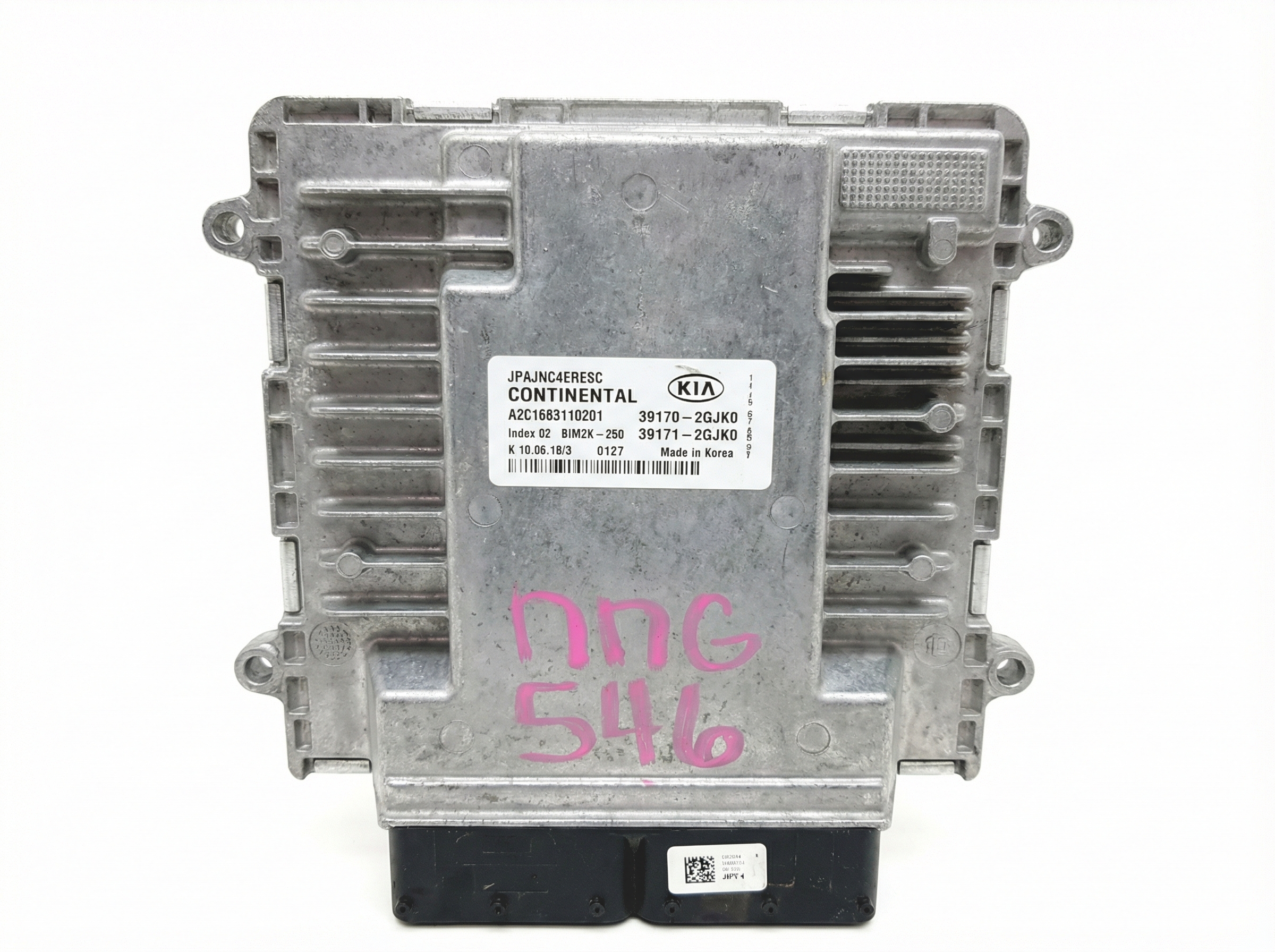
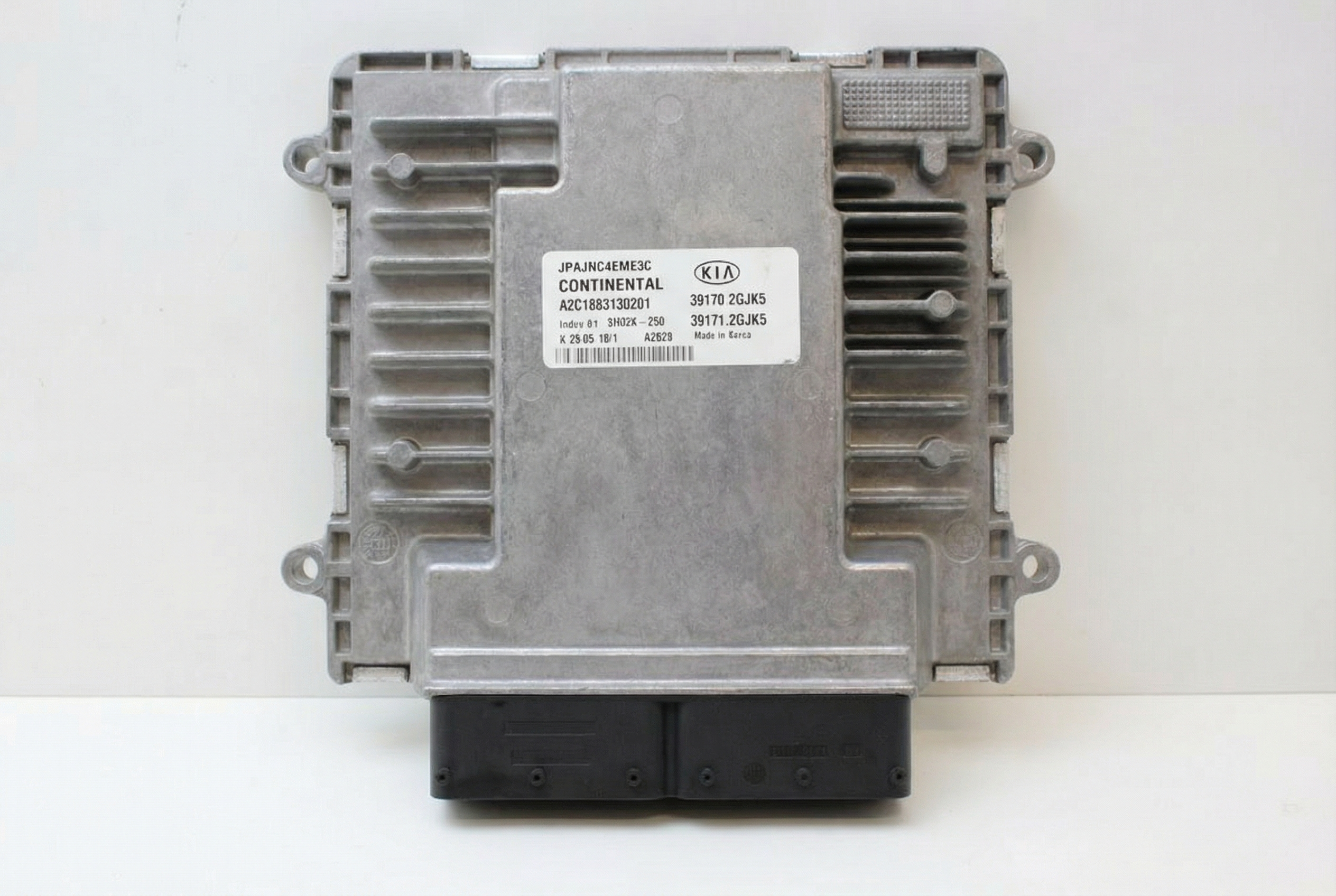
New Aftermarket Parts Available

The information in this article is provided for general reference and educational purposes only. Vehicle specifications, procedures, and part compatibility can vary by production date, trim level, and region. Always consult your vehicle's factory service manual and verify part numbers before purchasing or performing repairs. Safety-critical components such as airbags, seat belts, and braking systems should be installed by a qualified professional.
- Kia Optima:
- 🧭 Diagnostic Flowchart
- 🎬 Helpful Videos
- 🛍️ Shop This Part
- What's Unique About the 2016-2020 Kia Optima
- Symptoms You May Notice
- Most Likely Causes
- Rare But Worth Checking
- Diagnosis Steps
- Parts You'll Likely Need
- Related Codes That Often Appear With This One
- Technical Service Bulletins (TSBs) & Recalls
- Mechanic-Grade Diagnostic Values
- Scan Tool Commands That Help
- Wiring & Ground Locations
- OEM Part Supersession History
- Model Year Variations Within This Range
- Other Known Issues on This Vehicle
- Used vs. New Parts: Buying Guide for This Vehicle
- Real Owner Stories
- 2018 Kia Optima 4 Cyl 2WD Automatic — 99875 miles
- Kia Owner Report — Internal Module Memory Failure
- Related OBD-II Codes
- Frequently Asked Questions
- 🎟️ Get 5% Off