

P0602 on 2008-2024 BMW X6: Control Module Programming Error Causes and Fixes
P0602 on a BMW X6 indicates a serious programming error in the engine control unit (DME). The most common causes are unstable voltage from a weak or unregistered battery, or a failed software update/tuning attempt. This is not a DIY fix and requires professional diagnostic tools like BMW's ISTA software to re-flash the module. A failed flash can 'brick' the DME, rendering the car unable to start.
- P0602 is a critical error indicating a software problem in your X6's main engine computer (DME).
- Do not drive the vehicle. It may stall or fail to start, posing a safety hazard.
- The most likely cause on a BMW is an unstable power supply, often from a weak or improperly registered battery. Always check this first.
- This is not a DIY repair. Fixing it requires expensive, specialized tools for diagnosis and reprogramming the DME.
- Never replace the DME without first confirming the battery and charging system are in perfect working order, as you can damage the new module.
What's Unique About the 2008-2024 BMW X6
BMWs, including the X6, are notoriously sensitive to battery voltage. The P0602 code can frequently appear after a battery replacement if the new battery was not 'registered' with the vehicle's computer system. This registration process tells the vehicle the new battery's specifications (type, capacity) to ensure proper charging via the Intelligent Battery Sensor (IBS). An unregistered battery can lead to under or overcharging, causing voltage instability that can corrupt the DME's memory during key-on/off cycles or while driving, triggering a P0602 error. This is a much more common cause on BMWs than on many other vehicle brands. Additionally, the popularity of aftermarket tuning with tools like MHD or Bootmod3 on N54, N55, and N63/S63 engines means that failed flashes are a significant source of this code.
🎬 See how to fix a failed BMW tuning flashGeneration note: This guide covers the E71 (2008–2014), F16 (2015–2019), and G06 (2020–2024) generations of the BMW X6. While the underlying cause is the same, the specific DME hardware and software will differ (e.g., Siemens MSD81/MSD85 for early E71, Bosch MEVD172H for F16). The sensitivity to battery voltage and proper registration is a consistent issue across all these generations. Later models with more complex software are equally, if not more, susceptible to programming-related failures.
Symptoms You May Notice
- Check Engine Light is on
- Vehicle will not start (cranks but no fire)
- Engine stalls or runs very roughly
- Reduced engine power (limp mode)
- Drivetrain Malfunction and/or Chassis Stabilization errors on iDrive screen
- Harsh or erratic transmission shifting
- Other warning lights may appear, indicating communication failures (e.g., DSC/ABS lights)
- Inability to communicate with the DME using a standard OBD-II scanner or tuning tool
- Replacing the DME without first verifying stable power supply and proper battery registration. A new DME can be damaged or show the same P0602 code if the underlying voltage issue is not resolved.
- Assuming the DME is permanently 'bricked' after a failed flash. Often, it can be recovered by a specialist using bench tools, which is much cheaper than a full replacement.
Most Likely Causes
- Low or Unstable Battery Voltage 🔴 High Probability → Shop Vehicle Battery BMWs have sophisticated power management systems with an Intelligent Battery Sensor (IBS). If a new battery is installed but not registered, the system may not charge it correctly, leading to voltage fluctuations that can corrupt module software. A failing alternator can also cause this. This is the most common non-user-induced cause.
How to confirm: Test the battery and charging system. A professional scan tool (ISTA, INPA) can check the battery registration status and history. Voltage should be stable and within the 13.5V–14.8V range while the engine is running. Check for a history of low voltage codes.
Typical fix: If the battery is weak, replace it with the correct type (AGM is common) and ensure it is properly registered to the vehicle using diagnostic software. If the alternator is faulty, it must be replaced.
Est. part cost: $250-$500 - Failed or Corrupted DME Programming/Tuning 🟡 Medium Probability Aftermarket performance tuning is common for the N54, N55, N63, and S63 engines. If the flashing process is interrupted (e.g., by a voltage drop from an inadequate power supply, a bad cable, or user error) or the tuning file is bad, it can corrupt the DME software, 'bricking' it. This can also happen if a dealer updates the DME software, locking it, and a user then tries to re-flash their old tune without unlocking it first.
How to confirm: This is usually known by the vehicle owner if they recently attempted to tune the vehicle. A diagnostic scan by a specialist will show that the DME is not communicating or has invalid software. Tools like WinKFP or MHD might be used to attempt recovery.
Typical fix: The DME must be reprogrammed (re-flashed) with the original BMW factory software using dealer-level tools like ISTA/P or specialized aftermarket tools. In severe cases, the DME may need to be removed and recovered in 'boot mode' on a bench by a specialist service.
Est. part cost: $0 (if reprogramming is the only cost) - Faulty Digital Motor Electronics (DME) Module ⚪ Low Probability While robust, the DME is a complex computer that can fail internally over time due to heat, vibration, or internal component degradation. Water ingress into the electronics box (E-box) where the DME is housed can also cause failure due to corroded pins or shorted circuit boards.
How to confirm: This is a diagnosis of exclusion. If the power supply is stable, the wiring is intact, and multiple attempts to reprogram the DME (including bench flashing) fail, the DME hardware is likely faulty.
Typical fix: The DME must be replaced with a new or refurbished unit. The replacement must then be programmed specifically for the vehicle's VIN and options, and synchronized with the immobilizer system (CAS/FEM/BDC).
Est. part cost: $800-$2200
Rare But Worth Checking
- Poor Power or Ground Connection to DME: Corroded ground straps or loose power connections can mimic a failing battery or alternator, causing intermittent voltage drops to the DME. A visual inspection of the main engine ground strap and a voltage drop test on the DME power and ground circuits are necessary to rule this out.
Diagnosis Steps
- Connect a professional-grade scanner capable of reading BMW-specific codes and data (e.g., ISTA, Autel, Foxwell for BMW).
- Attempt to communicate with the DME. If there is no communication, this points to a severe issue.
- Scan all other modules and record any stored codes. Note any communication (U-codes) or other module errors.
- Check the battery's state of health, age, and most importantly, confirm it has been correctly registered to the vehicle using your scan tool.
- With the engine running (if possible), monitor the charging system voltage. It should be stable and typically between 13.5V and 14.8V.
- If the engine won't start, connect a high-amperage (30A+) power supply and check the battery voltage. It should be above 12.4V.
- Inspect the main power and ground connections to the DME for corrosion or looseness. Check the E-box for any signs of water intrusion. 🎬 Watch: How to find and fix DME water leaks
- If a recent tuning attempt was made, the primary suspect is software corruption. The vehicle should be taken to a shop with the ability to restore the factory DME software using tools like WinKFP or ISTA/P.
- If power supply is good and no tuning was performed, attempt to re-flash the DME with the latest factory software. This requires a stable power supply and specialized tools.
- If reprogramming fails or the code returns immediately, the DME is likely faulty and needs replacement or bench recovery.
Parts You'll Likely Need
- Digital Motor Electronics (DME)
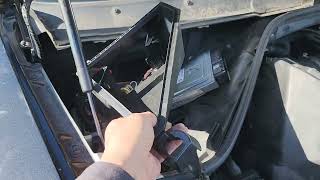
(OEM #Varies by model/engine. E.g., 12148619751 (N54 MSD81), 🎬 Watch: How to locate and remove the DME module 12147649411 (N63 MSD85), 12148665625 (N55 MEVD172), 8689181 (N63TU MEVD172H).)— If reprogramming fails and power/ground connections are good, the internal memory of the DME has failed, requiring replacement.
Trusted brands: Bosch, Siemens/Continental
OEM price range: $1200-$2200+
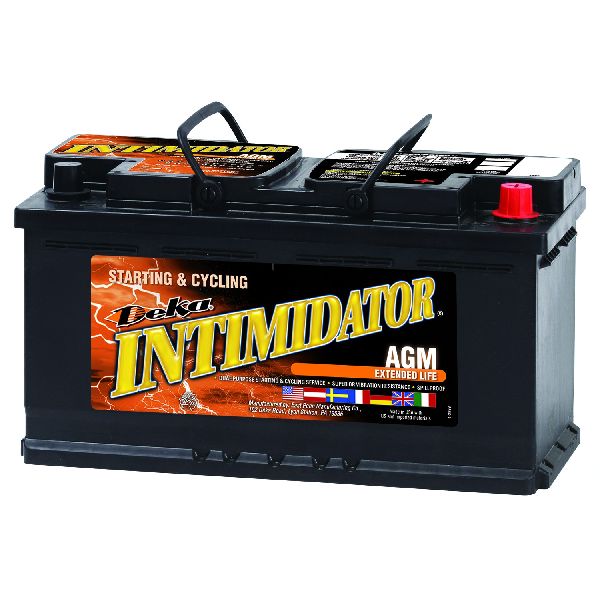
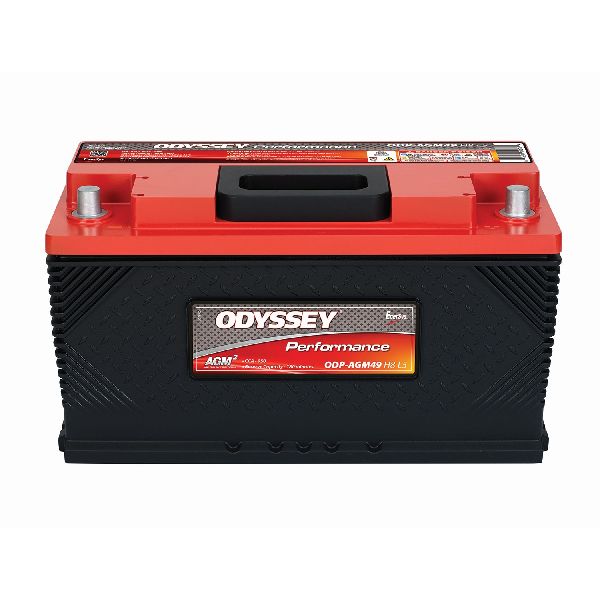
Aftermarket price range: $600-$1000 (Remanufactured/Cloned) - AGM Battery — A common root cause is a weak or unregistered battery causing voltage instability. It's critical to use the correct type (usually AGM) and register it.
Trusted brands: Varta, Exide, Bosch, Duralast Platinum
OEM price range: $300-$500
Aftermarket price range: $200-$350
Related Codes That Often Appear With This One
- P0601 — Indicates an internal memory checksum error, which is a related but more specific type of module memory failure.
- U-codes (e.g., U0100) — These codes indicate a loss of communication with the DME, which is a direct symptom of the P0602 error causing the module to go offline.
- 2E8x codes (e.g., 2E81, 2E82) — These BMW-specific codes relate to the electric water pump. While not directly causal, they can indicate underlying electrical system issues or voltage problems that might also affect the DME.
Platform-Specific Known Issues
- E71 X6 (N54/N63 Engines): Early models use Siemens MSD80/81 (N54) or MSD85 (N63) DMEs. These are common platforms for tuning, and failed flashes are a frequent cause of P0602. Water ingress into the electronics box is also a known issue.
- F16 X6 (N55/N63TU Engines): These models typically use Bosch MEVD-series DMEs. The immobilizer system is integrated into the FEM (Front Electronic Module) or BDC (Body Domain Controller), which adds complexity to DME replacement as the ISN (Individual Serial Number) must be synchronized between the DME and FEM/BDC.
Mechanic-Grade Diagnostic Values
- DME Power Supply Voltage (Terminal 30) — expected: Should be equal to battery voltage, stable at >12.4V with key on, engine off. During programming, a power supply of 30A+ is required to maintain stable voltage.. Failure: Voltage drop below 12V during key-on or cranking can corrupt memory. Any significant fluctuation indicates a power supply issue.
- Engine-to-Chassis Ground Strap Voltage Drop — expected: Less than 0.2 Volts (200mV) when cranking the engine.. Failure: A reading higher than 0.2V indicates high resistance in the ground strap, which can cause voltage instability for the DME.
Hidden / Shadow Codes Worth Checking
- CDA9: DME, message (status, 0x130) missing. This is a BMW-specific fault code indicating the DME is not communicating its status on the PT-CAN bus, a direct consequence of an internal P0602 fault. (see via BMW-specific diagnostic tools like ISTA, INPA, or high-end Autel/Foxwell scanners.)
- CF17: No message from engine management, receiver EGS, transmitter DME-DDE. This fault is logged in the transmission control unit (EGS) when it stops receiving signals from the DME, often due to the DME being offline from a P0602 error. (see via BMW-specific diagnostic tools like ISTA or INPA.)
Scan Tool Commands That Help
- ISTA (Rheingold): Vehicle Management -> Service Functions -> Engine Electronics -> DME Programming/Encoding — This is the primary dealer-level function to re-flash the DME with official BMW software. It should be used after confirming stable battery voltage and connecting a high-amperage power supply. It can recover a DME from a software corruption issue.
- ISTA (Rheingold): Vehicle Management -> Service Functions -> Engine Electronics -> DME-CAS (or DME-FEM/BDC) Alignment — This function is used to synchronize the rolling security code (ISN) between the immobilizer module (CAS/FEM/BDC) and the DME. It is required after DME replacement but typically cannot write a new ISN to a used DME; it only re-syncs existing paired modules.
- WinKFP (Part of BMW Standard Tools): Comfort Mode -> Update ZUSB — An expert-level tool used to flash individual modules. It can be used to force-flash a stock software file onto a DME that has been corrupted by a failed aftermarket tune. This is less automated and carries a higher risk than ISTA if used incorrectly.
- Specialized Bench Tools (e.g., K-TAG, AutoHex, VVDI Prog): Boot Mode / Bench Flash — Used when the DME is 'bricked' and will not communicate via the OBD-II port. The DME is removed from the vehicle, opened, and connected to directly on a bench to read/write the processor and EEPROM data. This is the last resort for recovery or for cloning a used DME.
Wiring & Ground Locations
- DME Main Ground Strap — Typically a braided copper strap connecting the engine block to the vehicle's chassis rail, often on the driver's side (US models) near the engine mount or exhaust manifold area.. This is the primary ground path for the entire engine electrical system. Corrosion or breakage here creates high resistance, causing unstable voltage to the DME and mimicking a bad battery, which is a primary trigger for P0602.
- DME E-Box (Electronics Box) — Located in the engine bay, typically on the passenger side under the cabin air filter housing. The DME is housed inside this plastic box along with other modules.. The E-box is located in a water drainage area. Clogged drains can cause water to fill the box, submerging the DME connectors and causing corrosion on the pins or water ingress into the module itself, leading to catastrophic failure and codes like P0602.
- DME Main Connector (e.g., X60001-X60007) — The multi-pin connectors that plug directly into the DME module inside the E-box.. A visual inspection for corrosion (green or white powder) on these pins is critical, especially if water ingress is suspected. A single corroded power or ground pin can cause the DME to malfunction.
Real Owner Repair Stories
- Bimmerpost Forum User (2007 BMW E92 (similar platform/DME to early X6)) — Car sat for winter, battery was dead. After charging, water pump and wipers ran continuously, crank no start. Code reader would not communicate with DME.
❌ Tried (didn't work) Charging the battery.
✅ What actually fixed it The DME was removed and found to have moisture and corrosion on the connector pins, with one pin completely corroded away. The root cause was clogged drains allowing the E-box to fill with water. The DME had to be replaced and programmed. - Go-Parts Article / Owner Story (2012 Ford F-150 (illustrates a universal principle)) — Intermittent stalling, P0602 code, and multiple U-codes (network communication).
❌ Tried (didn't work) Replacing the battery., A shop recommended replacing the PCM for $1,200.
✅ What actually fixed it A second mechanic performed a voltage drop test and found high resistance on the main engine-to-chassis ground strap. Replacing the corroded $25 strap resolved all codes permanently.
Model Year Variations Within This Range
- 2008-2014 (E71 Generation): These models use Siemens (MSD80/81/85) or early Bosch DMEs and a CAS (Car Access System) module for the immobilizer. DME replacement requires syncing with the CAS module.
- 2015-2024 (F16, G06 Generations): These models use newer Bosch DMEs and a FEM (Front Electronic Module) or BDC (Body Domain Controller) which integrates the immobilizer functions. DME replacement is more complex, requiring the ISN to be matched between the DME and the FEM/BDC. Cloning a used DME is often the most practical solution outside of a dealership.
Diagnostic Flowchart
Other Known Issues on This Vehicle
Issues unrelated to this code that are worth knowing about as an owner of this generation:
- N63/S63 Excessive Oil Consumption 🔴 High — Very common on early N63 engines (pre-2013), often due to valve stem seals or piston rings. Can require 1 quart every 700-800 miles. (Ref: BMW issued a Customer Care Package (N63 CCP) for early engines that addressed some of these issues.)
- N55 Electric Water Pump Failure 🔴 High — A well-known failure point, often occurring between 50,000 and 80,000 miles. Failure can cause rapid overheating.
- N55/N63 Oil Filter Housing Gasket & Valve Cover Gasket Leaks 🟠 Medium — Extremely common. Gaskets become brittle from heat and typically start leaking between 60,000 and 100,000 miles, dripping oil onto belts or exhaust components.
- N63 Timing Chain Stretch 🔴 High — A concern on earlier N63 engines, typically past 100,000 miles. Stretched chains can lead to catastrophic engine damage if they jump timing. (Ref: The N63 Customer Care Package included a timing chain inspection.)
- E71/F16 Electric Tailgate Strut Failure 🟡 Low — The motorized struts for the power tailgate are a common failure item, causing the tailgate to not open or close properly.
- N54 High-Pressure Fuel Pump (HPFP) Failure 🔴 High → Shop Fuel Pump — Prevalent on the early N54 engines used in the 2008-2010 X6. Symptoms include long cranks, rough idle, and limp mode. (Ref: Subject to recalls and extended warranties in the past.)
- F16/G06 Air Suspension Leaks 🟠 Medium — The rear air springs can develop leaks, causing the rear of the vehicle to sag, especially overnight. Often occurs after 60,000 miles.
Used vs. New Parts: Buying Guide for This Vehicle
When a used part is the smart pick: A used DME is a very cost-effective solution if the original DME is faulty and cannot be repaired, especially on older, lower-value X6 models. However, it is NOT a plug-and-play part. It only makes sense if you have access to a reputable specialist service that can 'clone' your original DME's data onto the used one.
Donor-vehicle mileage cap: roughly under 150000 miles for the part to have meaningful remaining life.
What to inspect on the donor part:
- Ensure the part number on the used DME exactly matches your original DME. Even a single digit difference can mean incompatibility.
- Source the DME from a vehicle with the same engine, transmission, and model year.
- Inspect the donor DME's connectors for any signs of corrosion, bent pins, or physical damage.
- Ask the seller if the donor vehicle had any flood or fire damage. Avoid these units entirely.
OEM-only on this vehicle (don't cheap out):
- Digital Motor Electronics (DME) - While a used OEM part is viable, it must be an original BMW part. There are no reliable 'new aftermarket' DMEs; options are new OEM, remanufactured OEM, or used OEM. A new OEM unit from a dealer is the only guaranteed plug-and-program option.
Aftermarket brands forum-validated for this vehicle:
- For repair services (cloning/programming), companies like DUDMD Tuning, Bimmerscan, and ECU Saver have positive community feedback.
Brands owners have reported issues with on this vehicle:
- Avoid generic, no-name 'remanufactured' DMEs from online marketplaces without a lifetime warranty and clear details on their programming/cloning process.
Real Owner Stories
Aggregated from forums and TSBs cited above. Mileages and costs reflect what owners reported in those sources.
BMW 335i (E9x) N54
Symptoms: Failed online tune flash resulted in a crank-no-start condition and inability to communicate with the DME.
What fixed it: Recovery options discussed included using a high-amperage power supply and specialized recovery tools to restore communication.
Source hint: Bimmerpost (E90) thread titled 'DME Bricked??'
BMW 3-Series (F30)
Symptoms: DME was updated by the dealer, locking it. A subsequent attempt to re-flash a Bootmod3 (BM3) tune failed, causing 'Drivetrain Malfunction' errors.
What fixed it: The issue required addressing the dealer-locked software which interfered with the aftermarket tuning process.
Source hint: Bimmerpost (F30) thread titled 'How to tell if DME is bricked?'
BMW 335i (E9x) N54
Symptoms: Experienced a failed MHD flash mid-process, resulting in a bricked DME; unable to connect even after clearing codes from other modules.
What fixed it: Troubleshooting involved checking cables and using a battery charger to attempt to restore the flash process.
Source hint: Bimmerpost (E90) thread titled 'DME issues. Stranded'
Related OBD-II Codes
Frequently Asked Questions
Can I fix the P0602 code on my E71 X6 by simply clearing the code with a standard scanner?
Why did my X6 throw a P0602 and 'Drivetrain Malfunction' after a dealer service visit?
I just replaced the battery in my X6; could this be why I have a P0602 code?
Is the DME in my F16 X6 easy to swap with a used one?
Could water in the engine bay cause a P0602 on my N54-powered X6?
What voltage should I see on my X6 to ensure the DME doesn't get corrupted?
Helpful Videos
We Have This Part in Stock


The information in this article is provided for general reference and educational purposes only. Vehicle specifications, procedures, and part compatibility can vary by production date, trim level, and region. Always consult your vehicle's factory service manual and verify part numbers before purchasing or performing repairs. Safety-critical components such as airbags, seat belts, and braking systems should be installed by a qualified professional.
- BMW X6:
- 🧭 Diagnostic Flowchart
- 🎬 Helpful Videos
- 🛍️ Shop This Part
- What's Unique About the 2008-2024 BMW X6
- Symptoms You May Notice
- Most Likely Causes
- Rare But Worth Checking
- Diagnosis Steps
- Parts You'll Likely Need
- Related Codes That Often Appear With This One
- Platform-Specific Known Issues
- Mechanic-Grade Diagnostic Values
- Hidden / Shadow Codes Worth Checking
- Scan Tool Commands That Help
- Wiring & Ground Locations
- Real Owner Repair Stories
- Model Year Variations Within This Range
- Other Known Issues on This Vehicle
- Used vs. New Parts: Buying Guide for This Vehicle
- Real Owner Stories
- BMW 335i (E9x) N54
- BMW 3-Series (F30)
- BMW 335i (E9x) N54
- Related OBD-II Codes
- Frequently Asked Questions
- 🎟️ Get 5% Off