

P0602 on 2011-2017 Chrysler 200: Control Module Programming Error Explained
P0602 indicates a software error in your Chrysler 200's main computer (PCM). The most common fix is having a professional shop or dealer re-program (re-flash) the PCM, which costs about $150-$300. Before doing this, ensure your battery is strong and the charging system is working correctly, as low or unstable voltage is a primary cause of this code.
- P0602 is a critical error in your Chrysler 200's main computer (PCM). Do not drive the vehicle, as it can stall or become unresponsive at any time.
- The most common cause is not a failed computer, but a weak battery or bad connection. Always have your battery and charging system professionally tested before paying for advanced diagnostics.
- If the battery is good, the next step is a software re-flash at a dealership or qualified shop, which costs around $150-$300 and often fixes the problem.
- Only if a re-flash fails should you consider replacing the PCM, which is an expensive repair requiring professional programming to your car's VIN.
What's Unique About the 2011-2017 Chrysler 200
For Chrysler vehicles like the 200, a P0602 code is a serious fault that often points directly to a software glitch or an impending PCM failure. Unlike some vehicles where this code can be a harmless side effect of aftermarket tuning, on a stock Chrysler 200 it usually indicates a legitimate problem. Chrysler has a history of issuing software updates to resolve various electronic issues, making a PCM re-flash a critical and often successful diagnostic step before condemning the expensive computer. For the second generation (2015-2017) with the 9-speed automatic, this code can also be related to the Transmission Control Module (TCM) due to well-documented issues with that gearbox.
Generation note: The 2011-2017 Chrysler 200 spans two generations: the first (JS) from 2011-2014 and the second (UF) from 2015-2017. While the P0602 code has the same meaning for both, the specific PCM hardware and software will differ. The diagnostic approach of checking the battery, connections, and then attempting a software re-flash applies to both generations. The second generation (UF) is particularly known for complex electronic issues related to its 9-speed transmission, which can be associated with PCM/TCM communication faults.
Symptoms You May Notice
- Check Engine Light is on
- Vehicle may not start or has a no-crank condition 🎬 Watch: Diagnostic steps for a Chrysler 200 no-crank issue
- Engine may stall or idle roughly, especially at low speeds
- Poor or hesitant acceleration
- Erratic or harsh transmission shifting, potentially getting stuck in 'limp mode'
- Decrease in fuel economy
- Complete loss of power while driving
- Replacing other components like spark plugs or sensors before verifying the electrical system's health. A P0602 is a computer-specific code, and the root cause is almost always related to the computer's power supply, its software, or the computer itself.
- Immediately replacing the PCM without attempting a re-flash. A software update is a much cheaper and very common solution that should always be tried first.
Most Likely Causes
- Low or Unstable Battery Voltage 🔴 High Probability → Shop Vehicle Battery Modern vehicle electronics, especially in Chrysler products, are highly sensitive to voltage. A weak battery, failing alternator, or poor connections can cause voltage drops during startup or operation, which can corrupt the PCM's memory or interrupt a programming sequence.
How to confirm: Use a multimeter to check battery voltage with the car off (should be >12.4V). Have the battery and charging system professionally load-tested at an auto parts store. Check for voltage drops on power and ground wires to the PCM.
Typical fix: Recharge or replace the battery. Clean or tighten battery terminals and ground connections. 🎬 Watch: How to install a battery and add a ground wire Inspect alternator performance.
Est. part cost: $150-$350 - Corrupted PCM Software 🟡 Medium Probability Software glitches can develop over time or be caused by an interrupted update attempt (e.g., battery dying mid-flash). Chrysler frequently releases software updates to fix known bugs that can trigger codes like P0602, especially for transmission control on 2015+ models.
How to confirm: This is confirmed by attempting to re-flash the PCM. If the re-flash completes successfully using OEM software and the code does not return, the issue was software-related.
Typical fix: Have a dealership or qualified shop re-program (re-flash) the PCM with the latest manufacturer software. This typically costs $150-$300. 🎬 See how a Chrysler PCM is professionally reflashed
Est. part cost: $0 (labor only) - Failing Powertrain Control Module (PCM) 🟡 Medium Probability → Shop Engine Control Module (ECM) Internal components of the PCM, such as memory cells, can fail due to heat, vibration, or age. The PCM's location in the engine bay exposes it to significant heat, which can cause internal components to fail over time, leading to an inability to read its own programming correctly.
How to confirm: This is typically diagnosed by exclusion. If the battery and charging system are healthy, all connections are secure, and a software re-flash fails, cannot be initiated, or the code returns immediately, the PCM itself is condemned.
Typical fix: Replace the Powertrain Control Module. The new module must be programmed with the vehicle's specific VIN and configuration.
Est. part cost: $400-$1200 - Poor PCM Connections or Wiring Issues ⚪ Low Probability Engine vibration and heat can, over time, lead to loose pins or corrosion on the large connectors at the PCM, interrupting power or data signals. The CAN bus harness can also develop shorts or open circuits, disrupting communication between modules.
How to confirm: Visually inspect the PCM connectors for corrosion, bent pins, or damage. Check the main power and ground wires to the PCM for integrity and proper voltage using a multimeter and wiring diagram.
Typical fix: Clean the connectors with an electronics cleaner and apply dielectric grease. Repair any damaged wires or terminals.
Est. part cost: $5-$50
Rare But Worth Checking
- Aftermarket Performance Tuner: If you have installed an aftermarket engine tuner or performance chip, it may intentionally trigger a P0602 code as a side effect of modifying the factory software. This is a known occurrence on many Chrysler/Dodge vehicles. Try removing the tune and returning to the stock program to see if the code clears.
- Unprogrammed Replacement PCM: If the PCM was recently replaced with a new or used unit, P0602 will be stored until it is properly programmed with the car's VIN and specific configuration. This is not a 'plug and play' part.
Diagnosis Steps
- Check the Battery and Charging System: Before any other step, ensure the battery is fully charged and healthy. Use a multimeter to verify voltage is above 12.4V. Have the battery and alternator professionally load-tested. Clean any corrosion from the battery terminals and check for secure connections.
- Inspect PCM Connections: Visually inspect the wiring harness and connectors at the Powertrain Control Module for any signs of damage, corrosion, or loose pins. Ensure they are securely seated.
- Check for Technical Service Bulletins (TSBs): Ask a dealership or use an online service to check if any TSBs exist for your vehicle's VIN related to P0602 or PCM software updates. Chrysler has issued many software updates that address drivability and electronic issues.
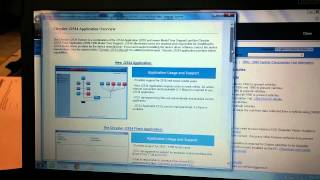
- Attempt PCM Re-flash: This step requires a professional. A technician will use a J2534 Pass-Thru device and OEM software (wiTECH) to attempt to reprogram the PCM with the latest software version. This often resolves software corruption.
- Verify Power and Ground at the PCM: If the re-flash fails, a technician should use a wiring diagram and multimeter to confirm the PCM is receiving stable voltage and has a solid ground connection on all required pins.
- Replace the PCM: If all previous steps fail to resolve the code, the PCM is internally faulty and must be replaced. The new module must be programmed to your vehicle's VIN and configuration.
Parts You'll Likely Need
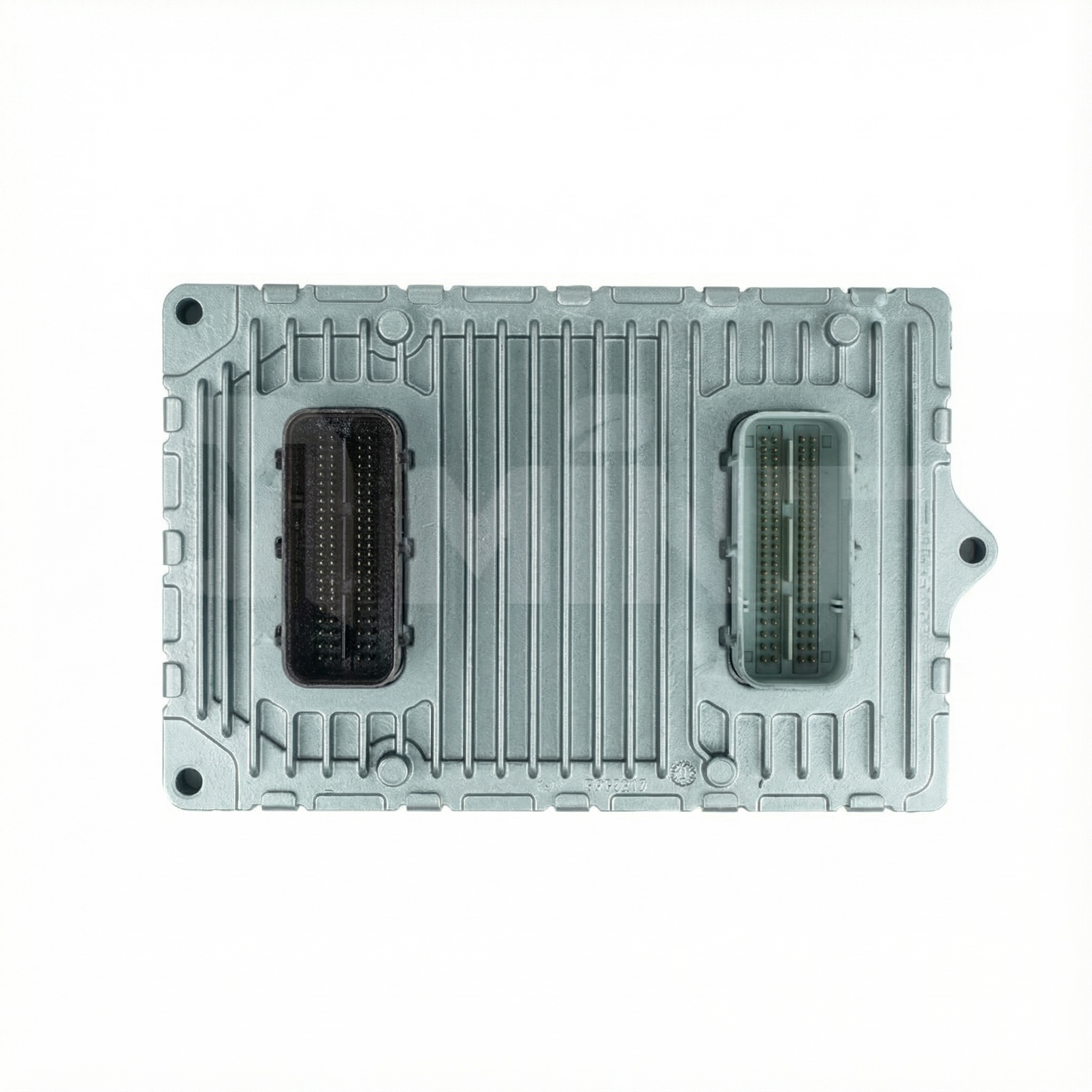
- Powertrain Control Module (PCM)
(OEM #Varies by VIN. Ex: 68068443AF, 68068444AG, 68068445AG for 2012 models.)— If a software re-flash and electrical checks do not fix the code, the PCM's internal hardware has failed. Replacement is the only solution. The part is VIN-specific and requires programming.
Trusted brands: Mopar (OEM), Cardone (Remanufactured), FS-Curtis (Remanufactured)
OEM price range: $800-$1200
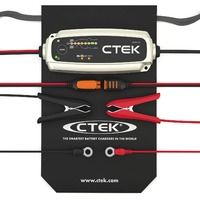
Aftermarket price range: $400-$800 - AGM Battery — A weak or failing battery is a leading cause of electronic module errors and should be ruled out or replaced before more expensive diagnostics.
Trusted brands: Mopar, Interstate, DieHard
OEM price range: $250-$400
Aftermarket price range: $150-$300
Related Codes That Often Appear With This One
- P0601 — This code means 'Internal Control Module Memory Check Sum Error' and is very similar to P0602, pointing directly to a memory corruption issue within the PCM.
- P0606 — This code indicates a 'PCM Processor Fault,' a more severe internal hardware error. Seeing it with P0602 strongly suggests the PCM has failed and needs replacement.
- U0100 — This code means 'Lost Communication With ECM/PCM.' It often appears when the PCM is failing and can no longer communicate with other modules on the vehicle's data network (CAN bus).
Technical Service Bulletins (TSBs) & Recalls
- While no specific TSB for P0602 on the Chrysler 200 was found, numerous TSBs exist for PCM software updates to address drivability issues like harsh shifting and stalling, which are symptoms of P0602. For example, TSB 18-034-14 addresses a different code but shows a pattern of Chrysler issuing bulletins for module-related fixes across many platforms including the 2013-2014 JS body 200/Avenger.
Platform-Specific Known Issues
- Engine Stalling at Low Speeds (Gen 1): A widely reported issue for 2011-2013 models involved the engine stalling during low-speed deceleration. An NHTSA investigation found that a defective powertrain control module (PCM) could initiate a purge monitor check at the wrong time, creating a rich fuel condition that stalled the engine. This highlights the platform's sensitivity to PCM software integrity.
- Heat-Related PCM Failure: A mechanic on YouTube noted that the PCM's location in the hot engine bay is a design flaw. He shared a story of a Chrysler 200 where the PCM would overheat after 20 minutes of driving, causing the transmission to go into limp mode. Once the computer cooled down, it would function normally again, pointing to heat-induced internal failure.
Mechanic-Grade Diagnostic Values
- PCM Ground Circuit Voltage Drop — expected: < 0.1 Volts (100 millivolts). Failure: A reading above 0.1V indicates a poor ground connection, which can cause intermittent electronic issues and trigger codes like P0602.
- CAN Bus Network Voltage — expected: Approximately 2.5V at idle on each of the two CAN bus wires.. Failure: Significant deviation from 2.5V or a large difference between the two wires indicates a network problem, which could be a wiring fault or a failing module.
- Battery Voltage During Re-flash — expected: Stable 13.5V maintained by a dedicated power supply/charger.. Failure: Voltage dropping below 12.4V or spiking can interrupt the programming process and corrupt the PCM's memory, causing a P0602 code.
Scan Tool Commands That Help
- wiTECH 2.0 / Autel IM608 (or similar advanced tool): PCM Replaced — This function is used after installing a new or used PCM. It allows the technician to write the vehicle's VIN into the new module.
- wiTECH 2.0 / Autel IM608: Transfer Secret Key / SKIM programming — After writing the VIN to a replacement PCM, the vehicle's anti-theft 'secret key' must be transferred from the BCM/SKIM module to the new PCM. Without this step, the car will not start. This often requires a 4 or 5-digit PIN code.
- J2534 Pass-Thru Device with TechAuthority Subscription: ECU Reprogramming / Flash Calibration — This is the standard procedure for updating the PCM's existing software to the latest version from Chrysler or for programming a used module with the correct calibration files for the vehicle it's being installed in.
Wiring & Ground Locations
- G105 — Right side of the engine compartment (Gen 1 / JS Platform).. This is a primary engine compartment ground point. Corrosion or looseness here can affect various systems, including the PCM's power supply and sensor readings, potentially leading to voltage-related codes.
- G200 — Left end of the dashboard, typically behind the driver's side kick panel (Gen 1 / JS Platform).. An interior ground point that serves multiple modules. A fault here can cause strange communication issues between modules.
- PCM Power and Ground Pins — On the main PCM connectors. For NGC-style controllers, grounds are often on C1 Pin 9 and Pin 18 (BK/TN wire). Fused B(+) is on C1 Pin 29 (RD/WT wire).. These specific pins must be tested with a multimeter for stable voltage and near-zero resistance to ground. A voltage drop test on the ground pins is critical; a bad reading here points directly to a wiring issue, not a faulty PCM.
- Chassis Ground Strap — A primary ground strap connects the engine block/transmission to the vehicle's chassis. On the Gen 1 (JS) platform, a common location for a problematic ground is on the left front frame rail.. This is a high-current ground path. Corrosion or looseness can cause a no-start condition and throw a variety of electrical codes, including P0602, as modules lose a stable ground reference. Owners have fixed no-start issues by adding a supplementary ground wire from the engine/trans to the chassis.
Real Owner Repair Stories
- AR15.com forum user (2012 Chrysler 200) — No-crank, no-start condition. The user had recently replaced the alternator.
❌ Tried (didn't work) Initial diagnosis was pointing towards complex module failures like the TIPM or PCM.
✅ What actually fixed it The root cause was determined to be a bad main vehicle ground. Cleaning and securing the primary ground connection resolved the no-start issue. - YouTube user 's murda' (2013 Chrysler 200 V6) — Intermittent no-start, no-crank problem, even after installing a new battery.
❌ Tried (didn't work) Replacing the battery did not solve the intermittent no-start.
✅ What actually fixed it The owner added a supplementary 4-gauge ground wire from a transmission mount bolt to the chassis ground point on the strut tower. This provided a more robust ground path and permanently fixed the no-start condition.
OEM Part Supersession History
68102888AC (example for 2015 2.4L)→68102888AD, AE, AF, AG, AH, AI— Progressive software and hardware revisions by the manufacturer to address bugs and improve reliability.
Heads up: When replacing a PCM, it is crucial to use a part number that is listed as compatible for the specific vehicle's VIN. While a newer revision is often better, using a module from a completely different vehicle (e.g., a V6 PCM in a 4-cylinder car) will not work even with programming.
Model Year Variations Within This Range
- 2011-2014 (JS Platform): These models use a separate PCM and a Totally Integrated Power Module (TIPM). A faulty TIPM can be the root cause of power supply issues to the PCM, leading to a P0602. Diagnosing may involve checking the TIPM's health.
- 2015-2017 (UF Platform): The electrical architecture is more integrated. The PCM is located near the battery under the hood. These models are known for complex electronic issues, and a P0602 could be linked to communication problems with the Transmission Control Module (TCM) for the 9-speed automatic transmission.
Diagnostic Flowchart
Other Known Issues on This Vehicle
Issues unrelated to this code that are worth knowing about as an owner of this generation:
- Cracked Oil Filter Housing (3.6L V6) 🔴 High — Extremely common, often occurs after 80,000-100,000 miles. The original plastic/magnesium housing warps and cracks from heat cycles, causing a major oil leak in the engine valley.
- ZF 9-Speed Automatic Transmission Failure (2015-2017) 🔴 High → Shop Transmission Assembly — Very common on 2015 models. Symptoms include harsh shifting, lurching, sudden shifts to neutral, and complete failure. Multiple recalls and software updates were issued but problems persist for many owners. (Ref: Recall S55 / NHTSA 16V-529)
- Excessive Oil Consumption (2.4L Tigershark) 🟠 Medium — Reported on 2015-2016 models. Believed to be caused by incompatible piston rings, leading to oil burning. Can cause engine stalling if oil level becomes critically low.
- Engine Stalling While Driving 🔴 High — Reported on both generations. Can be caused by a faulty PCM, low oil level (2.4L), or transmission control faults. An NHTSA investigation was opened for the 1st generation. (Ref: NHTSA Preliminary Investigation PE12023)
- Clogged Heater Core (1st Gen) 🟡 Low — Common on 2011-2014 models, causing poor heat on the passenger side. Often attributed to casting sand left in the engine block from manufacturing.
Used vs. New Parts: Buying Guide for This Vehicle
When a used part is the smart pick: A used PCM from a junkyard can be a cost-effective option if the original PCM has a confirmed internal hardware failure and a re-flash was unsuccessful. It makes sense only if you have access to a professional technician with advanced scan tools (like wiTECH or Autel IM608) who can perform the necessary programming.
Donor-vehicle mileage cap: roughly under 120000 miles for the part to have meaningful remaining life.
What to inspect on the donor part:
- Match the part number exactly or confirm it's a compatible superseded part number.
- Source the part from a vehicle with the same engine, transmission, and model year.
- Inspect the donor PCM's connectors for any signs of corrosion, bent pins, or heat damage.
- Obtain the VIN of the donor vehicle if possible, as it can sometimes help the programming process.
OEM-only on this vehicle (don't cheap out):
- Powertrain Control Module (PCM) - While remanufactured units from reputable sources are available, a used OEM Mopar unit that is properly reprogrammed is often more reliable than a low-quality aftermarket 'rebuilt' unit. The critical factor is the programming, not just the hardware.
Aftermarket brands forum-validated for this vehicle:
- Cardone (Remanufactured)
- Flagship One (FS1) (Remanufactured/Programmed)
Brands owners have reported issues with on this vehicle:
- Generic, unbranded units from online marketplaces that do not offer VIN programming services prior to shipping. A PCM that is not programmed to the vehicle is useless.
Real Owner Stories
Aggregated from forums and TSBs cited above. Mileages and costs reflect what owners reported in those sources.
2015 Chrysler 200
Symptoms: Persistent harsh shifting, jerking, and lurching with the 9-speed transmission.
What fixed it: Dealers performed multiple software "updates" or "re-learn" procedures, though some owners reported these failed to fix the deep-seated control module issues.
Source hint: CarComplaints.com - 2015 Chrysler 200 Transmission Problems
2011-2013 Chrysler 200
Symptoms: Engine stalling during low-speed deceleration.
What fixed it: Identified as a defective powertrain control module (PCM) initiating a purge monitor check at the wrong time; requires PCM software integrity correction.
Source hint: Engine Stalling at Low Speeds (Gen 1) - NHTSA investigation
Chrysler 200 — ~100000 miles
Symptoms: The vehicle would go into limp mode after approximately 20 minutes of driving. Once the computer cooled down, it would function normally again.
What fixed it: Replacement of the PCM due to heat-induced internal failure caused by its location in the engine bay.
Source hint: Heat-Related PCM Failure - Mechanic on YouTube
Related OBD-II Codes
Frequently Asked Questions
Can a weak battery really cause a P0602 code on my Chrysler 200?
Is there a specific TSB for the 2013-2014 Chrysler 200 regarding module software?
Why does my 2015 Chrysler 200 stay in 'limp mode' with this code?
Could the location of the PCM in my engine bay be causing this failure?
Does the 2011-2013 Chrysler 200 have a known issue with the PCM causing stalling?
Can I fix a P0602 by just cleaning the connectors?
Helpful Videos
Used OEM Parts in Stock
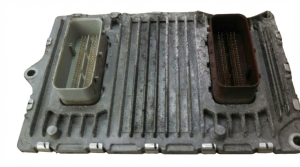
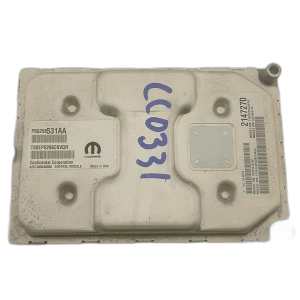
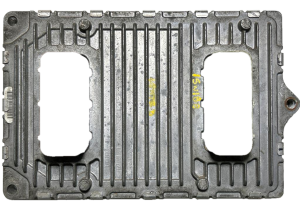
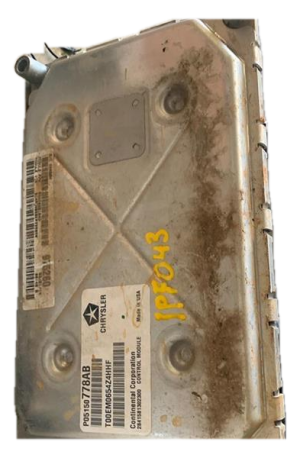
New Aftermarket Parts Available

The information in this article is provided for general reference and educational purposes only. Vehicle specifications, procedures, and part compatibility can vary by production date, trim level, and region. Always consult your vehicle's factory service manual and verify part numbers before purchasing or performing repairs. Safety-critical components such as airbags, seat belts, and braking systems should be installed by a qualified professional.
- Chrysler 200:
- 🧭 Diagnostic Flowchart
- 🎬 Helpful Videos
- 🛍️ Shop This Part
- What's Unique About the 2011-2017 Chrysler 200
- Symptoms You May Notice
- Most Likely Causes
- Rare But Worth Checking
- Diagnosis Steps
- Parts You'll Likely Need
- Related Codes That Often Appear With This One
- Technical Service Bulletins (TSBs) & Recalls
- Platform-Specific Known Issues
- Mechanic-Grade Diagnostic Values
- Scan Tool Commands That Help
- Wiring & Ground Locations
- Real Owner Repair Stories
- OEM Part Supersession History
- Model Year Variations Within This Range
- Other Known Issues on This Vehicle
- Used vs. New Parts: Buying Guide for This Vehicle
- Real Owner Stories
- 2015 Chrysler 200
- 2011-2013 Chrysler 200
- Chrysler 200 — ~100000 miles
- Related OBD-II Codes
- Frequently Asked Questions
- 🎟️ Get 5% Off