

P0602 on 2004-2016 Ford Mustang: PCM Programming Error Causes and Fixes
On a 2004-2016 Mustang, P0602 almost always means there's a software problem with the main engine computer (PCM). This is most often caused by a failed aftermarket tune or an improperly installed replacement PCM. The fix requires professional reprogramming; this is not a DIY parts-swapping job.
- P0602 on a Mustang is a serious code indicating a software error in the main engine computer (PCM).
- The most frequent cause is a problem with an aftermarket engine tune from a handheld device.
- The second most common cause is replacing the PCM without having it professionally programmed to the car's VIN and anti-theft system.
- This is not a DIY fix. Resolution requires specialized tools to reprogram the PCM, which means a trip to a dealer or a well-equipped independent shop.
- Before attempting any programming, ensure the vehicle's battery is fully charged and the charging system is working correctly to prevent corrupting the module.
What's Unique About the 2004-2016 Ford Mustang
The Ford Mustang is one of the most popular cars for aftermarket tuning, with brands like BAMA Performance and SCT being common choices. This makes it uniquely susceptible to code P0602, which is frequently triggered by an incomplete or corrupted software flash from a handheld tuner. While the code can appear on any vehicle, on a Mustang, the first question is always, "Has the car been tuned?" An interrupted flash process—often due to a weak battery, loose cable, or simply not following instructions—is a very common scenario that leads directly to this error code in the Mustang community.
Generation note: This range covers three Mustang generations: the end of the SN95 ('New Edge', 2004), the entire S197 (2005-2014), and the start of the S550 (2015-2016). While the fundamental cause of P0602 is the same across all, the S197 generation saw a massive increase in the popularity of handheld tuners from companies like BAMA and SCT, making it particularly prone to this code from failed aftermarket flashes. All generations have a PATS (Passive Anti-Theft System) that must be programmed when a PCM is replaced, which often involves a specific key cycle procedure or a 'parameter reset' using a diagnostic tool.
Symptoms You May Notice
- Check Engine Light is on
- Engine will not start (cranks but does not fire)
- Flashing anti-theft light on the dashboard
- Engine stalls unexpectedly
- Rough idling or running
- Poor acceleration and reduced engine performance (Limp Mode)
- Decreased fuel economy
- Loss of communication with the OBD-II scan tool
- Replacing the battery without addressing the underlying programming error. A new battery is good practice but won't fix a corrupted PCM.
- Replacing other engine sensors. P0602 is specific to the control module's internal state; it is not caused by a faulty sensor.
- Assuming the PCM is bad when the issue is a failed aftermarket tune. Always attempt to return to the stock tune first.
Most Likely Causes
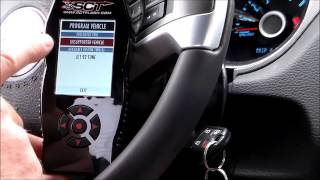
- Failed or Corrupted Aftermarket Tune 🔴 High Probability The Mustang has a massive aftermarket, and handheld tuners (e.g., SCT, BAMA) 🎬 Watch: How to correctly load a tune using an SCT device are a very common modification. Interrupting the flashing process by unplugging the device, having a weak battery, or a software glitch can easily corrupt the PCM's programming, specifically the VID block.
How to confirm: If a handheld tuner was used, attempt to use the device to flash the vehicle back to its original stock tune. If the code disappears after returning to stock, the custom tune file or the flashing process was the cause. Many forum users report this exact scenario.
Typical fix: Successfully flash the vehicle back to the stock tune. Contact the tuning company for a revised file or support. In some cases, the PCM may be 'bricked' and require professional recovery using tools like FORScan with a paid license or a trip to the dealer for a full reflash.
Est. part cost: $0-$150 - Improperly Programmed Replacement PCM 🔴 High Probability When a PCM fails and is replaced (especially with a used unit), it must be programmed to the car's specific VIN and PATS security system. Simply swapping the module will result in a no-start condition and trigger P0602 along with PATS codes like P1260.
How to confirm: This is the default diagnosis if the code appeared immediately after a PCM was physically replaced. The vehicle will typically crank but not start, and the theft light may be flashing rapidly.
Typical fix: The vehicle must be taken to a Ford dealer or a qualified independent shop to have the replacement PCM programmed using Ford's IDS. This involves programming the VIN and performing a 'parameter reset' or 'PATS relearn' to sync the module with the vehicle's keys.
Est. part cost: $0 (Programming labor is the main cost) - Low or Unstable Battery Voltage 🟡 Medium Probability → Shop Vehicle Battery
How to confirm: Test the battery voltage; it should be above 12.4V with the engine off. Test the alternator output when running; it should be between 13.5V and 14.5V. This is especially important to check before any programming attempt, as voltage drops can corrupt the flash process.
Typical fix: Charge or replace the weak battery. Replace the faulty alternator. It's critical to connect a battery charger/maintainer (10A or more recommended) during any PCM programming session to ensure stable voltage.
Est. part cost: $150-$400 - Internal PCM Hardware Failure ⚪ Low Probability
How to confirm: This is a diagnosis of exclusion. If the vehicle has not been tuned, the original PCM is installed, the battery and wiring are good, but the code persists and the PCM will not communicate or accept a reflash, the PCM itself may have an internal fault.
Typical fix: Replace the Powertrain Control Module (PCM) and have the new unit professionally programmed to the vehicle.
Est. part cost: $300-$800
Rare But Worth Checking
- Poor PCM Ground or Power Connection:
Diagnosis Steps
- Check Battery Health: Ensure the battery has a full charge (12.4V+ engine off) and the charging system is working correctly (13.5V-14.5V engine on). A weak power supply is a common cause of programming failure.
- Interrogate the Driver: Ask if an aftermarket tune has recently been installed or if the PCM has been replaced. This is the most common cause for this vehicle.
- Restore Stock Tune: If an aftermarket tuner (SCT, BAMA, etc.) was used, connect it and attempt to flash the vehicle back to the original factory tune. If this resolves the issue, the problem lies with the custom tune file or the flashing process.
- Check for Other Codes: Scan for other codes, especially anti-theft codes like P1260 or configuration codes like P160A, which point to a PCM/PATS mismatch or incorrect setup.
- Professional Reprogramming: If the stock tune cannot be restored or if the PCM was replaced, the vehicle must be taken to a professional. They will use a Ford IDS or J2534 tool to reflash the PCM with the correct factory calibration for the vehicle's VIN. This may cost between $100-$250 for labor.
- Inspect PCM and Wiring: If all programming attempts fail, disconnect the battery and inspect the PCM connectors and wiring harness for damage, corrosion, or loose pins. Check and clean the main PCM ground connections.
- PCM Replacement: If the PCM will not accept programming and all wiring is intact, the PCM has likely failed internally and must be replaced and programmed.
Parts You'll Likely Need
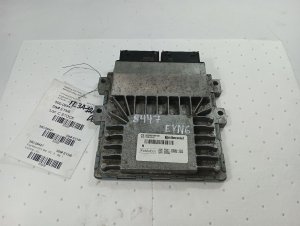
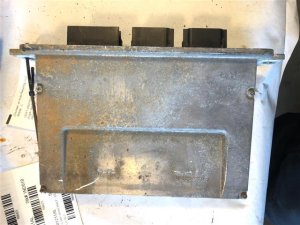
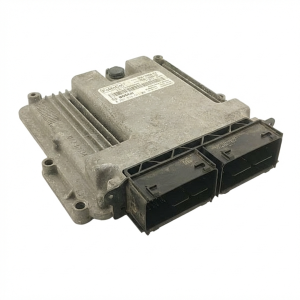
- Powertrain Control Module (PCM)
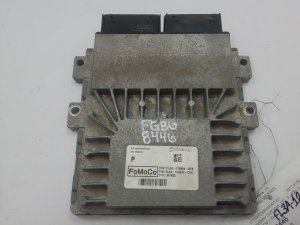
(OEM #Varies greatly by year/engine/trans. Example: 5R3A-12A650-ACD for a 2005 GT Manual. Another example: 6R3A-12A650-GB for a 2005 4.6L.)— This is the part that stores the faulty software. It is only replaced if it has an internal hardware failure and cannot be reprogrammed. Part numbers are highly specific to year, engine, transmission, and emissions calibration. Always verify with VIN.
Trusted brands: Motorcraft (OEM), Cardone (Remanufactured), Flagship One (Remanufactured)
OEM price range: $500-$900
Aftermarket price range: $250-$500
Related Codes That Often Appear With This One
- P1000 — This is a Ford-specific code indicating that the OBD-II readiness monitors have not yet completed their self-tests. It will always appear after clearing codes or reprogramming the PCM and will clear on its own after a specific drive cycle.
- P1260 — This code means 'Theft Detected, Vehicle Immobilized.' It commonly appears with P0602 when a replacement PCM has been installed without being programmed to the car's PATS anti-theft system.
- P160A — This code indicates a control module configuration mismatch. It can appear after a PCM replacement if the new module isn't correctly configured for the vehicle's options (like transmission type or AWD), requiring a 'Programmable Module Installation' procedure with a factory scan tool.
Technical Service Bulletins (TSBs) & Recalls
- TSB 08-18-2: While not directly for P0602, this TSB for various 2005-2007 Ford vehicles (including the 2006 Mustang) addresses idle and starting issues by reprogramming the PCM to the latest calibration. This highlights that Ford frequently resolves issues via software updates, which is the core of the P0602 fix.
Platform-Specific Known Issues
- BAMA Tuner Causing Persistent P0602: Multiple owners on forums report that after loading a custom tune from BAMA, a P0602 code appears and is stored, even if the Check Engine Light is not on. Returning the car to the stock tune using the handheld device typically clears the code, indicating an issue within the custom tune file itself. The suggested fix is to contact the tuning company for a revised file.
Hidden / Shadow Codes Worth Checking
- U0100: Lost Communication With ECM/PCM. This code often appears alongside P0602, especially if the PCM is failing internally or has major power/ground issues, preventing it from communicating on the CAN bus. (see via Standard OBD-II scan tool, but its presence with P0602 strongly points away from a simple tune corruption and more towards a hardware or network wiring problem.)
- P0605: Internal Control Module Read Only Memory (ROM) Error. This is a related but more specific internal memory error. Seeing this with P0602 increases the likelihood of a fatal, non-recoverable PCM hardware failure. (see via Standard OBD-II scan tool.)
Scan Tool Commands That Help
- Ford IDS (Integrated Diagnostic System): Programmable Module Installation (PMI) — This function is used when replacing a PCM. It reads the configuration data (VIN, tire size, axle ratio, PATS info) from the old module and writes it to the new one. This is the correct procedure for ensuring all vehicle options work correctly.
- Ford IDS (Integrated Diagnostic System): Parameter Reset — This is a security function used to 'marry' a replacement PCM to the vehicle's existing PATS module (often in the instrument cluster) and keys. It's required after a PCM swap to allow the engine to start.
- Ford IDS (Integrated Diagnostic System): Module Reprogramming — Used to re-flash the existing PCM with the latest factory calibration file. This is the primary fix for a P0602 caused by software corruption, assuming the hardware is still good.
- FORScan: VID Block Backup / Restore — FORScan (with an extended license) can sometimes be used to backup the Vehicle ID (VID) block from a functioning PCM and restore it to a corrupted one. This is an advanced, high-risk procedure but can sometimes save a 'bricked' PCM without a trip to the dealer.
Wiring & Ground Locations
- G104 — On the SN95/New Edge (2004) and S197 (early years), this ground is located on the left front fender apron, often behind or near the battery.. This is a primary ground point for several components, including the Data Link Connector (DLC). A poor connection here can cause communication issues with scan tools and intermittent electrical problems that could corrupt a programming event.
- G201 — On SN95/New Edge models, this ground is located on the passenger side kick panel, near the PCM itself. On some S197 models, a similar PCM ground is located directly below the PCM.. This is a direct ground for the PCM. Corrosion or a loose connection at this point can cause a wide range of erratic behavior, including memory corruption and codes like P0602.
- PCM Case Ground — The metal case of the PCM itself is grounded to the chassis via its mounting bracket.. An often-overlooked ground path. If the PCM bracket is loose, corroded, or improperly installed (especially during a 'wire tuck' modification), it can lead to poor grounding and mimic internal PCM failure.
- C175B, C175E, C175T — These are the identifiers for the three main PCM connectors on the S197 (2005-2014) generation, located in the passenger side engine bay next to the fuse box.. A P0602 can be caused by a poor connection at these main plugs. Any damage, moisture, or bent pins can interrupt power or data flow during operation, potentially corrupting the PCM's memory.
Real Owner Repair Stories
- Diablosport Forums user 'tmd07' (2001 Mustang GT) — P0602 and P1000 codes present after flashing the car back to the stock tune in preparation for an OBD-II inspection. The car would not stay running at idle once warmed up.
❌ Tried (didn't work) Returning the car to the original stock tune using the programmer did not clear the P0602 code. Clearing codes with the programmer also failed.
✅ What actually fixed it The user installed a *modified* stock tune with adjustments for idle and gear ratio. Installing this slightly modified tune successfully cleared the P0602 code and allowed the car to run properly.
Model Year Variations Within This Range
- 2004 (SN95/New Edge): The PCM is located behind the driver's side kick panel. The ground points (G201, G104) are specific to this chassis. PATS relearn may involve a simpler key-cycling procedure on some variants.
- 2005-2010 (Early S197): The PCM is located in the passenger-side engine bay, next to the fuse box. It uses three main connectors: C175E (Transmission), C175B (Body), and C175T (Engine). This generation is highly susceptible to tuner-related P0602 issues.
- 2011-2014 (Late S197): PCM is in the same location as the early S197, but the connector arrangement and pinouts changed. The connectors are referred to as Transmission, Engine, and Cowl. The introduction of the Coyote 5.0L engine brought more complex software and tuning.
- 2015-2016 (S550): The S550 platform introduced a completely new electrical architecture. While P0602 can still occur for the same fundamental reasons (bad flash, failed module), the diagnostic procedures, module location, and PATS integration are different and more complex, often requiring the latest version of Ford's IDS for any programming functions.
Diagnostic Flowchart
Used vs. New Parts: Buying Guide for This Vehicle
When a used part is the smart pick: A used PCM from a junkyard is a viable and cost-effective option for a P0602 repair ONLY if the original PCM has a confirmed internal hardware failure and cannot be reprogrammed. A used PCM is never a 'plug and play' solution.
Donor-vehicle mileage cap: roughly under 150000 miles for the part to have meaningful remaining life.
What to inspect on the donor part:
- Verify the OEM part number AND the calibration code on the sticker match your original PCM exactly. A mismatch can cause compatibility issues.
- Inspect the connectors on the donor PCM for any bent, corroded, or pushed-in pins.
- Avoid PCMs from vehicles with flood damage, fire damage, or major collision damage near the PCM's location.
- If possible, get the VIN of the donor car. This can help the programmer who will be installing it.
OEM-only on this vehicle (don't cheap out):
- Powertrain Control Module (PCM): While used OEM units are acceptable, avoid 'no-name' aftermarket PCMs with no warranty or support. Stick to used OEM (Motorcraft) or reputable remanufacturers like Cardone or Flagship One.
Aftermarket brands forum-validated for this vehicle:
- Cardone (Remanufactured PCM)
- Flagship One (Remanufactured/Pre-programmed PCM services)
Brands owners have reported issues with on this vehicle:
- Unbranded, 'off-the-shelf' PCMs from online marketplaces without a clear warranty or a requirement to provide your vehicle's VIN for programming.
Real Owner Stories
Aggregated from forums and TSBs cited above. Mileages and costs reflect what owners reported in those sources.
2004 Mach 1
Symptoms: P0602 code appeared every time a Bama tune was loaded onto the vehicle.
What fixed it: The code consistently disappeared when reverting the vehicle to the stock tune using the handheld tuner.
Source hint: StangNet Forums thread titled 'bama-tuner-p0602-check-engine-code.899193/'
Ford Mustang (multiple owners)
Symptoms: A P0602 code appears and is stored after loading a custom tune from BAMA, sometimes without the Check Engine Light even coming on.
What fixed it: Returning the car to the stock tune using the handheld device typically clears the code. The long-term fix is to contact the tuning company for a revised file.
Source hint: vehicle_specific_issues section: BAMA Tuner Causing Persistent P0602
2001 Mustang
Symptoms: A persistent P0602 code remained even after returning the vehicle to the stock tune.
What fixed it: The code was finally cleared after installing a modified stock tune file, suggesting a subtle error in the original stock file provided by the tuner.
Source hint: Diablosport Forums thread titled 'viewtopic.php?t=45199'
2020 Mustang GT
Symptoms: Owner accidentally erased the PCM, resulting in a 'bricked' module.
What fixed it: The suggested recovery path, before resorting to a dealer, was to use FORScan with a paid license to attempt to rewrite the stock firmware onto the PCM.
Source hint: Mustang6G.com thread titled 'accidentally-bricked-pcm-any-hope-for-reprogramming.163351/'
Related OBD-II Codes
Frequently Asked Questions
I just used my BAMA tuner on my Mustang and now I have a P0602 code. What should I do?
My Mustang cranks but won't start, the anti-theft light is flashing, and it's showing code P0602. What's the problem?
Can a weak battery cause a P0602 code on my 2004-2016 Mustang?
I replaced the PCM in my Mustang and now it won't start. Can I program the new one myself?
I think I 'bricked' my Mustang's PCM during a failed tune. Is my only option a new PCM from the dealer?
Does TSB 08-18-2 apply to the P0602 code on my 2006 Mustang?
Helpful Videos

We Have This Part in Stock

The information in this article is provided for general reference and educational purposes only. Vehicle specifications, procedures, and part compatibility can vary by production date, trim level, and region. Always consult your vehicle's factory service manual and verify part numbers before purchasing or performing repairs. Safety-critical components such as airbags, seat belts, and braking systems should be installed by a qualified professional.
- Ford Mustang:
- 🧭 Diagnostic Flowchart
- 🎬 Helpful Videos
- 🛍️ Shop This Part
- What's Unique About the 2004-2016 Ford Mustang
- Symptoms You May Notice
- Most Likely Causes
- Rare But Worth Checking
- Diagnosis Steps
- Parts You'll Likely Need
- Related Codes That Often Appear With This One
- Technical Service Bulletins (TSBs) & Recalls
- Platform-Specific Known Issues
- Hidden / Shadow Codes Worth Checking
- Scan Tool Commands That Help
- Wiring & Ground Locations
- Real Owner Repair Stories
- Model Year Variations Within This Range
- Used vs. New Parts: Buying Guide for This Vehicle
- Real Owner Stories
- 2004 Mach 1
- Ford Mustang (multiple owners)
- 2001 Mustang
- 2020 Mustang GT
- Related OBD-II Codes
- Frequently Asked Questions
- 🎟️ Get 5% Off