

P0602 on 2017-2022 Honda CR-V: Control Module Programming Error Causes and Fixes
P0602 on a Honda CR-V indicates a software or memory error within the main engine computer (PCM). This is a serious fault, often caused by a failing PCM or an unstable power supply from a weak battery or bad grounds, an issue this CR-V generation is known for. The fix almost always requires professional diagnosis and either reprogramming or replacing the PCM.
- P0602 is a critical error indicating a problem with the main engine computer's (PCM) software or memory.
- Do not continue to drive the vehicle, as it may stall or fail to start at any time.
- Before condemning the expensive PCM, thoroughly test the 12V battery and inspect all primary power and ground connections for corrosion or looseness.
- The fix is not a DIY job. It requires professional-level tools to either reprogram or replace and program the PCM.
- If you recently had the vehicle serviced, installed a new battery, or installed an aftermarket performance tune, mention this to your mechanic as it is crucial diagnostic information.
What's Unique About the 2017-2022 Honda CR-V
For the 2017-2022 CR-V, this code is particularly relevant due to the platform's known sensitivity to battery voltage. Widespread reports of parasitic battery drain exist, some of which are addressed by Honda Technical Service Bulletin (TSB) 17-032 for 2017 models. This TSB details a flaw where the VSA (Vehicle Stability Assist) modulator fails to enter 'sleep mode', causing a 350mA draw that can drain the battery. Such low voltage conditions are a primary trigger for memory corruption in the PCM, leading to P0602. While no recalls directly cite P0602, the documented electrical vulnerabilities make power supply issues a top suspect.
Generation note: The 2017-2022 model years all belong to the fifth generation of the Honda CR-V. No significant differences regarding this specific trouble code have been noted within this generation, though early years (2017-2019) are more frequently cited for the underlying battery drain issues that can cause it.
Symptoms You May Notice
- Check Engine Light is on
- Vehicle will not start (engine may crank but not fire)
- Engine stalls intermittently or runs rough
- Reduced engine performance and acceleration
- Harsh or erratic automatic transmission shifting
- Multiple warning lights on the dashboard (VSA, ABS, Emissions, etc.)
- Flashing green key (immobilizer) light on the dashboard
- Replacing individual sensors. This code points to the control module itself or its power supply, not a specific sensor. While other codes may be present, P0602 indicates the core problem lies with the PCM.
- Condemning the PCM before thoroughly testing the battery and checking for parasitic draw. Given the CR-V's known electrical issues, a power supply problem is a very likely root cause.
Most Likely Causes
- Failing or faulty Powertrain Control Module (PCM) 🔴 High Probability → Shop Engine Control Module (ECM) Internal hardware components like memory chips can degrade over time from heat and electrical stress, leading to failure. This is often the final diagnosis after all other possibilities are exhausted.
How to confirm: After ruling out all other possibilities (power, ground, wiring), the PCM is condemned. A professional shop can use advanced tools to test communication and attempt a reflash. If the reflash fails or the code returns immediately, the PCM is faulty.
Typical fix: The PCM must be replaced with a new or remanufactured unit and then programmed specifically for the vehicle's VIN and options by a dealer or qualified shop with a J2534 tool.
Est. part cost: $800-$1500 - Weak or Failing Battery 🟡 Medium Probability → Shop Vehicle Battery The 2017-2022 CR-V is known for parasitic battery drain issues. Low voltage during startup or even while the vehicle is off can cause data corruption in the PCM's memory, triggering a P0602 programming error. This should be the first item to check.
How to confirm: Test the battery voltage with a multimeter (should be >12.4V at rest) and perform a load test. A simple voltage check is not enough; a load test is required to confirm battery health. Also, perform a parasitic draw test to check for current draw after the vehicle has been off for at least 30 minutes; a draw over 50-80mA is excessive.
Typical fix: Replace the 12-volt AGM battery (Group Size H5/47 is common). If a parasitic draw is found, diagnose and repair the source (e.g., apply TSB 17-032 software update, check for faulty door handle sensors).
Est. part cost: $200-$350 - Poor Power or Ground Connections 🟡 Medium Probability
How to confirm: Visually inspect the battery terminals for corrosion. Trace and inspect the main engine and chassis ground straps for tightness and corrosion. Use a multimeter to perform a voltage drop test on the ground circuit to the PCM. A reading of more than a few hundred millivolts indicates a problem.
Typical fix: Clean the battery terminals and ground strap connection points until they are bright metal. Replace any corroded or damaged cables or ground straps.
Est. part cost: $10-$100 - Interrupted or Failed PCM Reprogramming ⚪ Low Probability
How to confirm: This typically occurs immediately after a service visit where a software update was attempted or after installing a new PCM. The code appears because the programming process was incomplete, often due to an unstable power supply during the flash.
Typical fix: The PCM must be successfully reprogrammed using a factory-level scan tool (like the Honda HDS) and a stable power supply (battery maintainer).
Est. part cost: $0 (if part of original failed service)
Rare But Worth Checking
- Aftermarket Performance Tune: If the vehicle has an aftermarket engine tune or 'chip', it may have corrupted the factory PCM software or be incompatible. Reverting to the stock program may resolve the issue.
- CAN Bus Wiring Issues: Damage to the communication network wiring harness from an accident, rodent damage, or improper repairs can prevent the PCM from communicating, sometimes resulting in a P0602 code.
Diagnosis Steps
- Check Battery Health and for Parasitic Draw: Start by fully charging and load testing the 12V battery. Given the platform's history, this is critical. Perform a parasitic draw test with a multimeter to ensure no components are draining the battery when the car is off. A draw over 80mA after 30 minutes indicates a problem.
- Inspect Power and Grounds: Clean and tighten the battery terminals. Visually inspect and perform voltage drop tests on the main ground straps from the battery to the chassis and from the engine to the chassis. Ensure connections are clean and secure.
- Scan for All Codes: Use a professional-grade scanner to read codes from all vehicle modules, not just the engine. Note any other PCM, communication (U-series), or other module faults. Document and clear them to see which ones return immediately.
- Check for Relevant TSBs: Specifically check for TSB 17-032 on 2017 models, which addresses a parasitic draw from the VSA module that can cause the low voltage conditions leading to P0602.
- Attempt PCM Reprogramming (Professional Step): If power and grounds are perfect, a technician will connect a battery maintainer and attempt to reflash the PCM with the latest Honda software using a J2534 pass-thru device. This can fix corruption issues.
- Diagnose PCM Failure (Professional Step): If the reflash fails, cannot be initiated, or the code returns immediately with no other faults present, the PCM is almost certainly faulty and needs to be replaced.
- Replace and Program PCM (Professional Step): Install a new or remanufactured PCM. The new module must be programmed with the vehicle's VIN and immobilizer key information to function.
Parts You'll Likely Need
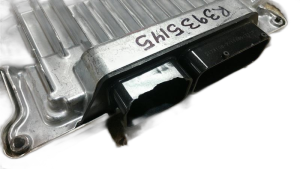
- Powertrain Control Module (PCM)
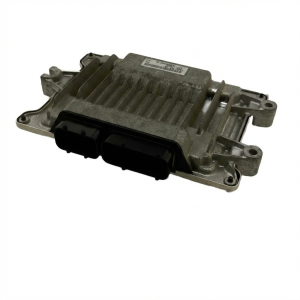
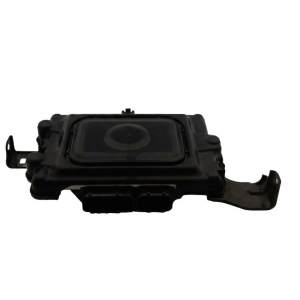
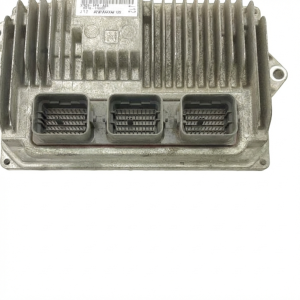
(OEM #Varies by year/drivetrain. e.g., 37820-5PA-xxx (1.5T AWD), 37820-5PH-xxx (2.4L AWD))— This code is most often caused by an internal hardware or unrecoverable software failure of the PCM itself, which is not repairable and must be replaced.
Trusted brands: Honda (OEM)
OEM price range: $700-$1200
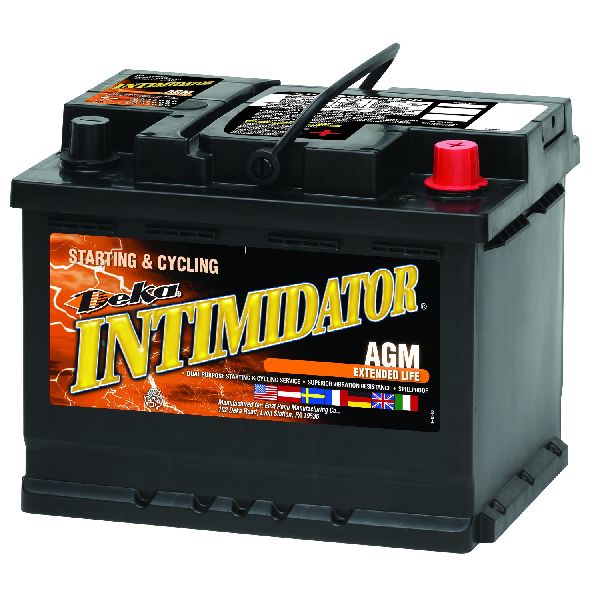
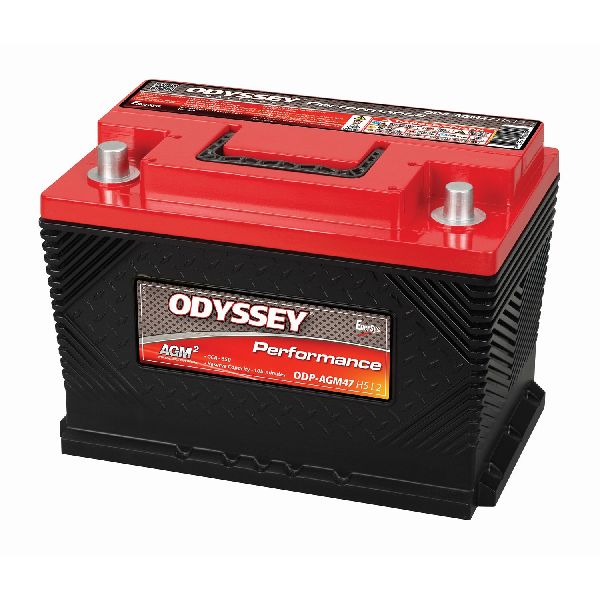
Aftermarket price range: $500-$900 (Remanufactured) - 12-Volt AGM Battery
(OEM #e.g., 31500-T6N-S01 (Varies))— A weak or failing battery can cause voltage drops that corrupt the PCM's memory, leading to a P0602 code. It's a common cause and a critical first check, especially on this platform known for battery drain issues.
Trusted brands: Deka, Interstate, Duracell
OEM price range: $250-$350
Aftermarket price range: $200-$275
Related Codes That Often Appear With This One
- P0601, P0603, P0604, P0605 — These are all related to internal control module memory or processing errors. Their presence alongside P0602 reinforces the diagnosis of a faulty PCM.
- U-series codes (e.g., U0100, U0155) — U-series codes indicate a loss of communication between modules. They can appear with P0602 if the PCM is failing and unable to communicate on the vehicle's network, or if a wiring issue is the root cause.
Technical Service Bulletins (TSBs) & Recalls
- TSB 17-032 / NHTSA #10108868: Addresses a parasitic battery draw on 2017 CR-Vs where the VSA modulator fails to go into sleep mode, causing a dead battery. The fix is a software update. This is a potential root cause for the low voltage that can trigger P0602.
Platform-Specific Known Issues
- On 2017 models, TSB 17-032 points to the VSA modulator causing a parasitic draw that weakens the battery, a direct potential cause for P0602. A software update is the specified fix.
- Owners on forums like CRV Owners Club frequently report premature battery failure and parasitic drain issues on 2017-2019 models, reinforcing the need to thoroughly check the battery and charging system before condemning the expensive PCM.
Mechanic-Grade Diagnostic Values
- CAN Bus Resistance — expected: Approximately 60 Ohms. Failure: A reading of 120 Ohms indicates a missing termination resistor or an open circuit. A reading near 0 Ohms indicates a short between the CAN High and CAN Low wires.
- CAN High Voltage (Key On, Engine Off) — expected: Fluctuates between 2.5V and 3.5V (Average ~2.7V). Failure: No voltage or a steady, non-fluctuating voltage indicates a bus or module communication problem.
- CAN Low Voltage (Key On, Engine Off) — expected: Fluctuates between 1.5V and 2.5V (Average ~2.2V). Failure: No voltage or a steady, non-fluctuating voltage indicates a bus or module communication problem.
Scan Tool Commands That Help
- Honda HDS (Honda Diagnostic System) or equivalent J2534 tool: Replace ECM/PCM — This function is required after physically installing a new or used PCM. It initiates the 'handshake' process to register the new module with the vehicle's immobilizer system and other control units.
- Honda HDS (Honda Diagnostic System): Immobilizer Setup Tool > PGM-FI ECU Replacement — This specific menu path is used to write the vehicle's key and immobilizer data to the new PCM. Without this step, the engine will not start due to the anti-theft system.
- Honda HDS or advanced aftermarket scanner (e.g., Autel): VIN Write / VIN Check — After installing a replacement PCM (especially a used one), the vehicle's VIN must be written to the module. Failure to do so can result in other fault codes and prevent proper communication on the network.
- Honda HDS (Honda Diagnostic System): READ DATA (under Replace ECM/PCM Menu) — Before removing the old PCM, this function should be used to save vehicle-specific data like engine oil life percentage. This data can then be written to the new PCM after installation.
Wiring & Ground Locations
- G101 — Typically located on the engine or transmission housing, often near the thermostat housing.. This is a primary ground point for the PCM and multiple critical engine sensors. A loose or corroded connection at G101 can cause unstable voltage to the PCM, directly leading to memory corruption and a P0602 code.
- G301 — Under the left side of the engine compartment.. This is another major chassis ground in the engine bay that serves various electronic components. While not a direct PCM ground, a poor connection here can introduce electrical noise into the system, potentially affecting PCM stability.
- PCM Location — On older CR-V models, it was located behind the passenger-side kick panel. For the 2017-2022 generation, it is typically found in the engine bay.. Knowing the physical location is necessary for inspecting the connectors (often labeled A, B, C) for corrosion or damage, and for performing pin-out voltage and ground tests directly at the module.
Real Owner Repair Stories
- TypeAccord - Honda Resource forum (2006 Honda Accord i-CTDi (Note: Different vehicle, but identical code and symptoms)) — Crank no start, P0602 that cannot be cleared, multiple other warning lights (VSA, ABS, Airbag), and a flashing green immobilizer key icon.
❌ Tried (didn't work) Replacing the diesel fuel filter., Attempting to clear codes with a basic OBD-II reader.
✅ What actually fixed it The vehicle had been sitting for 4 years and was started intermittently. The final diagnosis pointed to a weak battery causing the cascade of electronic failures and the P0602 code. The recommended fix was to install a fully charged, healthy battery before any further diagnosis of the ECU.
OEM Part Supersession History
37820-5PA-A88, 37820-5PA-A89→37820-5PA-AD3— Likely internal component revisions or software updates to improve reliability or address issues found in early production.
Heads up: When replacing, it is critical to use the latest superseded part number available from the dealer for the specific VIN to ensure compatibility and to have the latest factory fixes.37820-5PA-A83 through A87→37820-5PA-328— Consolidation of multiple part numbers into a single, updated service part.
Model Year Variations Within This Range
- 2017-2018: Early models with the 1.5L AWD engine used a series of PCMs (e.g., 37820-5PA-A8x) that were later superseded by updated part numbers like 37820-5PA-AD3.
- 2019-2022: Later models may use different PCM part number series (e.g., 37820-5PA-AF3 for 2021-2022 1.5L AWD models), reflecting hardware or software changes through the generation. Always verify the part number by VIN.
Diagnostic Flowchart
Other Known Issues on This Vehicle
Issues unrelated to this code that are worth knowing about as an owner of this generation:
- Fuel Dilution in Engine Oil 🔴 High — Common in 2017-2018 models with the 1.5T engine, especially in cold climates with frequent short trips. Less common in later years after software updates. (Ref: Honda issued software updates and extended warranties to address this.)
- Parasitic Battery Drain 🟠 Medium → Shop Vehicle Battery — Widespread reports across 2017-2019 models. Can cause the battery to die overnight or after a few days of sitting. (Ref: TSB 17-032 addresses a specific cause related to the VSA modulator software on 2017 models.)
- Sticky or Intermittent Stiff Steering 🟠 Medium — A known issue affecting many 5th generation CR-Vs, causing momentary increased effort to turn the steering wheel. (Ref: Honda has an extended warranty program and TSBs (e.g., 23-037) for this issue.)
- Leaking Fuel Injectors / Head Gasket Failure 🔴 High — An emerging issue on the 1.5T engine where failing injectors can lead to cold start misfires and eventual head gasket failure. (Ref: A class-action lawsuit has been filed regarding head gasket failures on the 1.5L turbo engine.)
- Infotainment System Glitches 🟡 Low — Owners report issues like the screen freezing, rebooting, or becoming unresponsive.
Used vs. New Parts: Buying Guide for This Vehicle
When a used part is the smart pick: A used PCM can be a cost-effective option IF you have access to a professional-grade scan tool (like Autel MaxiIM, Xtool D9) or a technician willing to program it. The primary challenge is not the part itself, but the immobilizer and VIN programming required to make it work in a different vehicle.
Donor-vehicle mileage cap: roughly under 80000 miles for the part to have meaningful remaining life.
What to inspect on the donor part:
- Verify the part number EXACTLY matches the original or is a confirmed supersession for your VIN.
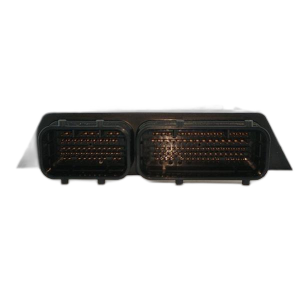
- Inspect connectors for any signs of corrosion, bent pins, or physical damage. A 'chipped plug' can render the unit useless.
- Source from a reputable recycler that provides a warranty and guarantees the part is from a running, non-flood-damaged vehicle.
OEM-only on this vehicle (don't cheap out):
- Powertrain Control Module (PCM) - While used OEM is an option, brand-new aftermarket PCMs are generally not available or recommended. The choice is between new OEM, used OEM, or a remanufactured OEM unit.
Brands owners have reported issues with on this vehicle:
- Unknown/no-name online retailers selling 'pre-programmed' PCMs. The programming is highly specific to the vehicle's immobilizer system and often cannot be done correctly without direct access to the car.
Real Owner Stories
Aggregated from forums and TSBs cited above. Mileages and costs reflect what owners reported in those sources.
2017 Honda CR-V
Symptoms: The VSA modulator failed to go into sleep mode, causing a parasitic battery draw that resulted in a dead battery and subsequent programming errors.
What fixed it: A software update for the VSA modulator as specified in TSB 17-032.
Source hint: TSB 17-032 / NHTSA #10108868
2017-2019 Honda CR-V
Symptoms: Premature battery failure and parasitic drain issues leading to electrical faults.
What fixed it: Thoroughly checking the battery and charging system and replacing the 12V battery before replacing the PCM.
Source hint: CRV Owners Club forum reports
Related OBD-II Codes
Frequently Asked Questions
Could the parasitic battery drain issue on my 2017 Honda CR-V be causing the P0602 code?
What is TSB 17-032, and how does it relate to my engine performance issues?
I have a flashing green key light and my CR-V won't start; is this related to P0602?
Can I use a used PCM to fix this code on my CR-V?
Is there a specific battery I should use to prevent voltage-related PCM errors?
Why are there multiple warning lights like VSA and ABS on when I only have an engine code?
Helpful Videos
Used OEM Parts in Stock
New Aftermarket Parts Available


The information in this article is provided for general reference and educational purposes only. Vehicle specifications, procedures, and part compatibility can vary by production date, trim level, and region. Always consult your vehicle's factory service manual and verify part numbers before purchasing or performing repairs. Safety-critical components such as airbags, seat belts, and braking systems should be installed by a qualified professional.
- Honda CR-V:
- 🧭 Diagnostic Flowchart
- 🎬 Helpful Videos
- 🛍️ Shop This Part
- What's Unique About the 2017-2022 Honda CR-V
- Symptoms You May Notice
- Most Likely Causes
- Rare But Worth Checking
- Diagnosis Steps
- Parts You'll Likely Need
- Related Codes That Often Appear With This One
- Technical Service Bulletins (TSBs) & Recalls
- Platform-Specific Known Issues
- Mechanic-Grade Diagnostic Values
- Scan Tool Commands That Help
- Wiring & Ground Locations
- Real Owner Repair Stories
- OEM Part Supersession History
- Model Year Variations Within This Range
- Other Known Issues on This Vehicle
- Used vs. New Parts: Buying Guide for This Vehicle
- Real Owner Stories
- 2017 Honda CR-V
- 2017-2019 Honda CR-V
- Related OBD-II Codes
- Frequently Asked Questions
- 🎟️ Get 5% Off