

P0602 on 2001-2010 Mazda B2300: Control Module Programming Error Causes and Fixes
P0602 on a 2001-2010 Mazda B2300 indicates a critical software error in the Powertrain Control Module (PCM). The most common fix is replacing the PCM and have it professionally programmed, costing between $450 and $1,000. Before replacement, always check the battery, alternator, and wiring, as unstable voltage is a frequent cause of PCM memory corruption.
- P0602 is a critical error in your truck's main computer (PCM) and makes the vehicle unsafe to drive.
- Before spending money on a new PCM, always test the battery and alternator first, as unstable voltage is a very common trigger for this code.
- This is not a DIY-friendly repair. The PCM must be professionally programmed to your truck's VIN and anti-theft system to function.
- The Mazda B2300 is a Ford Ranger clone; information and parts for the Ranger with the 2.3L engine are directly applicable.
What's Unique About the 2001-2010 Mazda B2300
The 2001-2010 Mazda B2300 is a rebadged Ford Ranger, and they share the same powertrain and electronics, including the PCM. Therefore, issues and fixes are identical between the two models. On this platform, the P0602 code is a serious but straightforward issue. It almost always points directly to a problem with the PCM's software or the hardware itself, often triggered by unstable system voltage from a failing battery or alternator. Unlike some vehicles where this code can be ambiguous, on the B2300/Ranger, the diagnostic path typically leads directly to the PCM. The PCM is located on the passenger-side firewall 🎬 Watch: How to replace your Ranger or B-Series computer in the engine bay, which can expose it to heat and moisture over time.
Symptoms You May Notice
- Check Engine Light is on
- Engine may not start or is difficult to start
- Engine may stall unexpectedly while driving
- Poor engine performance or reduced power
- Erratic or harsh automatic transmission shifting
- Loss of communication with the scan tool in some cases
- Reduced fuel efficiency
- Vehicle enters a low-power 'limp mode'
- Replacing engine sensors like the MAF or O2 sensors. If other codes are present alongside P0602, they are almost always a symptom of the faulty PCM, not the cause of the problem. Address the P0602 code first.
- Assuming a no-start condition is due to a bad fuel pump or starter without first checking for PCM communication. A P0602 can prevent the PCM from commanding fuel or spark.
Most Likely Causes
- Faulty Powertrain Control Module (PCM) 🔴 High Probability → Shop Engine Control Module (ECM) The internal memory (EEPROM) of the PCM can fail over time due to heat cycles and age, leading to data corruption. The location on the firewall exposes it to significant heat, which can accelerate this degradation.
How to confirm: This is often a diagnosis of exclusion. If the battery and charging system are healthy, all power and ground connections to the PCM are secure, and a software re-flash attempt fails or the code returns immediately, the PCM itself is condemned.
Typical fix: Replace the PCM. The new or remanufactured unit must be professionally programmed with the truck's Vehicle Identification Number (VIN) and Passive Anti-Theft System (PATS) key data.
Est. part cost: $250-$600 - Low or Unstable System Voltage 🟡 Medium Probability A weak battery or a failing alternator can cause voltage drops or spikes during startup or operation. These fluctuations can corrupt the PCM's sensitive memory, triggering a P0602 code. This is a very common trigger for memory-related PCM codes across many Ford platforms.
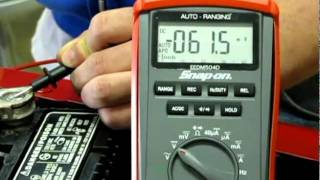
How to confirm: Load test the battery to check its health. With the engine running, measure the alternator's output voltage at the battery terminals. It should be stable, typically between 13.5 and 14.8 volts.
Typical fix: Replace the weak battery and/or the failing alternator. It's recommended to use a memory saver device when changing the battery to prevent potential voltage-related issues.
Est. part cost: $150-$400 - Failed or Interrupted PCM Programming ⚪ Low Probability This typically occurs if a previous attempt to update or 're-flash' the PCM software was interrupted by power loss or a tool error, leaving the software corrupted. It can also happen if an incompatible aftermarket performance tuner was used.
How to confirm: This is usually known from the vehicle's recent service history. If the code appeared immediately after a programming attempt, this is the likely cause.
Typical fix: Attempt to re-flash the PCM with the correct factory software using a professional-grade scan tool or J2534 device. If the re-flash fails, the PCM is likely damaged and requires replacement.
Est. part cost: $0 (if re-flash is successful)
Rare But Worth Checking
- Poor PCM Power or Ground Connections: Corroded or loose wiring at the PCM connector, or a faulty ground strap, can interrupt power and cause memory errors that mimic an internal PCM failure. Key ground points to check on a Ranger/B2300 are G102 (passenger side firewall) and G103 (driver's side inner fender). It's a simple check that can save the cost of a new PCM.
Diagnosis Steps
- Verify the code with a quality OBD-II scanner. Note any other codes present, but prioritize P0602.
- Thoroughly test the battery and charging system. Ensure battery voltage is above 12.4V with the key off and between 13.5-14.8V with the engine running. A load test is essential.
- Inspect the PCM connectors for any signs of corrosion, damage, or loose pins. The PCM is on the passenger-side firewall.
- Check the main engine ground straps to ensure they are clean and tight. Specifically inspect grounds G102 and G103.
- Perform a voltage drop test on the PCM's power and ground circuits to confirm it is receiving stable voltage.
- If all power and grounds are good, the next step is to attempt a PCM re-flash. This requires professional equipment and should be performed by a qualified shop or dealership with a stable power supply connected to the vehicle.
- If the re-flash procedure fails or is unable to establish communication with the module, the PCM has failed and must be replaced.
- Install the new PCM and program it with the vehicle's VIN and PATS key information. Clear all codes and test drive to confirm the repair.
Parts You'll Likely Need
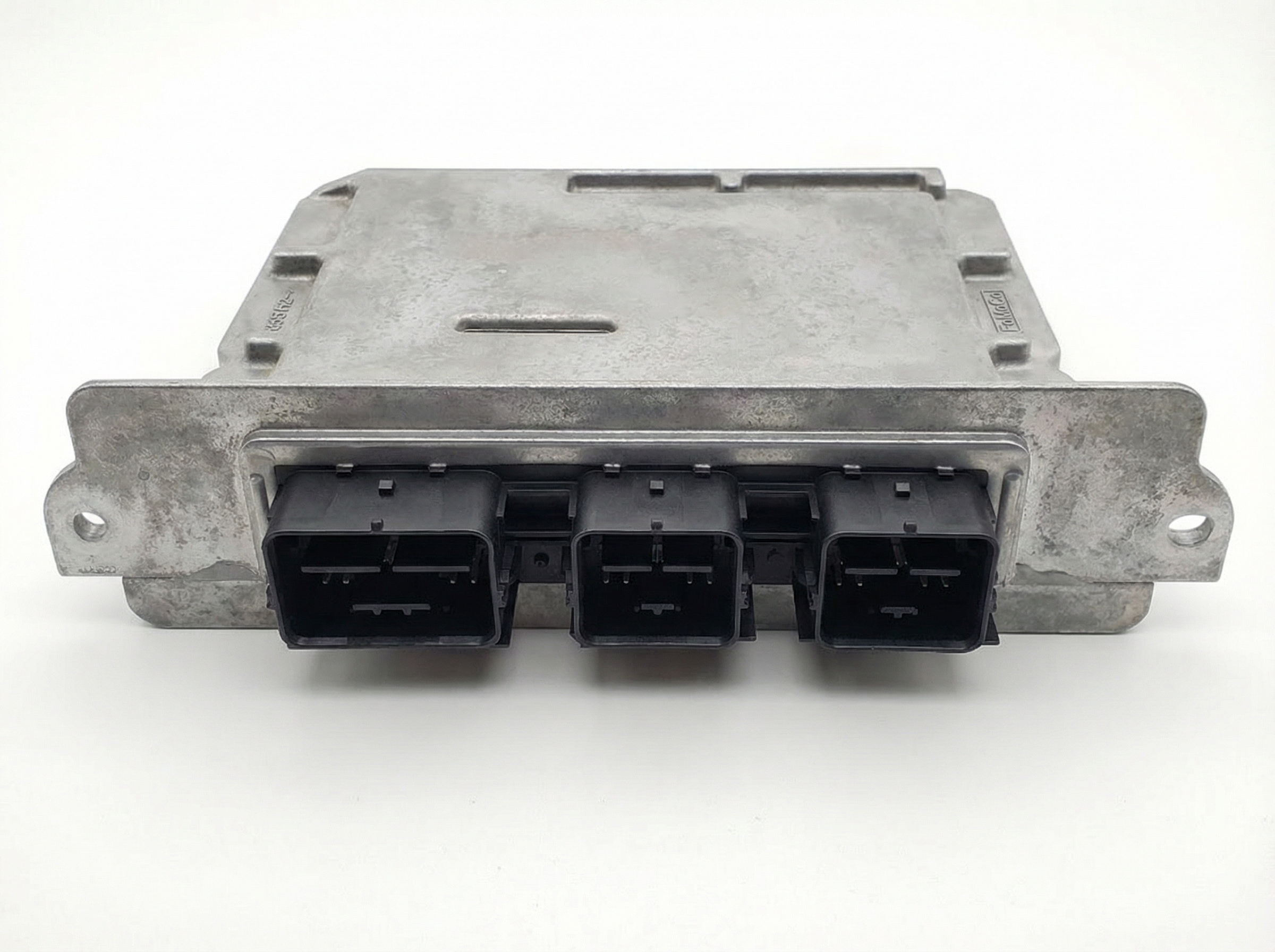
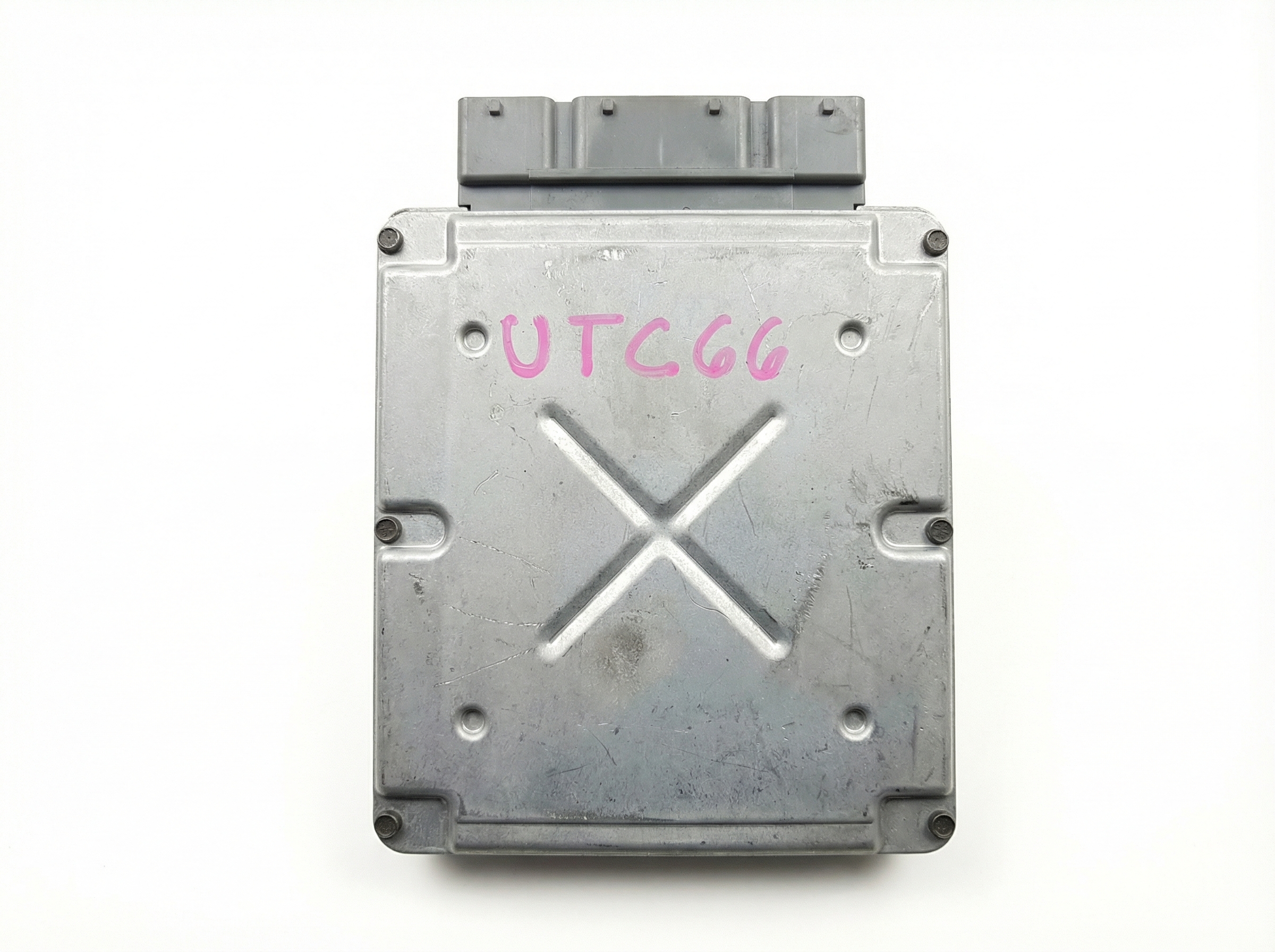
- Powertrain Control Module (PCM)
(OEM #Varies significantly by year, transmission, and emissions calibration. Examples include 3L5A-12A650-CB (2003), 4L5A-12A650-AHB (2004), 8L5A-12A650-TD (2008). Always match the part number from the original unit.)— This is the most common cause of a P0602 code when battery and wiring issues have been ruled out. The internal memory of the module fails.
Trusted brands: Motorcraft (OEM), Cardone (Remanufactured), Flagship One (Remanufactured)
OEM price range: $400-$700
Aftermarket price range: $250-$500
Related Codes That Often Appear With This One
- P0601, P0603, P0604, P0605 — These are all internal control module memory or processor error codes. Their presence alongside P0602 strongly indicates a fatal hardware failure within the PCM.
- U0100 — This code means 'Lost Communication with ECM/PCM.' It often appears when the P0602 error is severe enough to prevent the PCM from communicating on the vehicle's network.
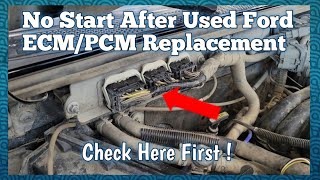
- P1639 — This Ford-specific code means 'Vehicle ID Block Corrupted or Not Programmed. 🎬 Watch: Why your truck won't start after replacing the PCM' It can appear with P0602 if a PCM was replaced but the programming procedure was not completed correctly.
Platform-Specific Known Issues
- PCM Location and Heat Exposure: The PCM is mounted on the passenger-side firewall in the engine compartment. This location exposes it to constant high temperatures, which can contribute to premature failure of internal electronic components over the vehicle's lifespan.
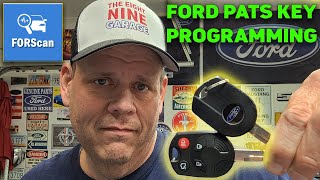
- PATS Anti-Theft System Complications: This platform uses Ford's Passive Anti-Theft System (PATS), which requires the keys to be programmed to the PCM. When replacing the PCM, a specialized scan tool is required to perform a 'parameter reset' and 'key relearn' procedure. Failure to do this will result in a no-start condition. Typically two original keys are needed for this process.
Mechanic-Grade Diagnostic Values
- PCM Ground Circuit Voltage Drop — expected: Less than 0.1V (100mV). Failure: A reading greater than 0.3V indicates high resistance from corrosion or a faulty wire, which can cause erratic PCM behavior.
- PCM Power Circuit Voltage Drop (Key On) — expected: Less than 0.05V (50mV). Failure: Voltage drop higher than 50mV between the battery positive post and the PCM power pin indicates excessive resistance in the power supply circuit (fuse, relay, or wiring).
- Keep Alive Power (KAPWR) Voltage at PCM — expected: Should be equal to battery voltage (approx. 12.6V) at all times.. Failure: 0V indicates a blown fuse or broken wire in the KAPWR circuit, which can cause memory loss and programming errors.
- Ignition Power Voltage at PCM — expected: Should be equal to battery voltage (approx. 12.6V) with Key On, Engine Off.. Failure: 0V indicates a problem with the PCM power relay, ignition switch, or related wiring.
Scan Tool Commands That Help
- Ford IDS / FORScan: Programmable Module Installation (PMI) — This is the mandatory procedure when installing a new or used PCM. It copies the as-built data (vehicle options, VIN, etc.) from the old module or retrieves it from Ford's database and programs it into the replacement module. It also initiates the PATS security link.
- Ford IDS / FORScan: PATS Parameter Reset / Key Relearn — After a PMI is performed on a replacement PCM, this function is used to program the existing vehicle keys to the new module. At least two original keys are typically required. Failure to perform this step will result in a no-start condition with a flashing theft light.
Wiring & Ground Locations
- PCM Connector (C175) — 104-pin connector located on the passenger-side firewall in the engine bay.. This is the central connection point for all PCM power, ground, and data lines. Corrosion or loose pins here can directly cause P0602. Key pins for testing are Pin 55 (Keep Alive Power), Pin 71 (Ignition Power), and Pins 24, 25, 76, 77 (Grounds).
- G100 — Lower left-hand (driver's side) front of the engine compartment, below the battery.. A major chassis and engine ground. A poor connection here can cause widespread electrical issues, affecting the stability of the PCM's power supply.
- G101 — On the left-hand (driver's side) of the upper radiator support.. Another critical engine bay ground point. The PCM and its sensors rely on clean ground paths like this one to function correctly.
- G104 — On the lower left-hand (driver's side) front of the engine compartment, on the frame rail.. This is a primary engine bay and frame ground. Corrosion or looseness can lead to unstable voltage and intermittent electronic faults.
Real Owner Repair Stories
- Ranger-Forums.com user (1999 Ford Ranger (demonstrates identical PATS issue)) — Crank-no-start condition, no Check Engine Light with key on, PATS code 16 (communication error between PCM and PATS module).
❌ Tried (didn't work) Checking all PCM-related fuses and relays., Verifying 12V power at the correct PCM connector pins., Visually inspecting the PCM circuit board for damage.
✅ What actually fixed it The diagnosis concluded that the previous owner had swapped the engine and PCM but failed to swap the matching PATS module from the donor vehicle. The fix required obtaining the matched PCM and PATS module set to resolve the no-start condition.
Model Year Variations Within This Range
- 2001-2003: Earlier models in this range may have a separate PATS module located above the glove box. Later models (approx. 2004+) integrated the PATS function directly into the PCM. This is critical when sourcing used parts, as a 2004+ PCM cannot be used in a 2001 truck without significant rewiring and system changes.
Diagnostic Flowchart
Other Known Issues on This Vehicle
Issues unrelated to this code that are worth knowing about as an owner of this generation:
- Intake Manifold Runner Control (IMRC) Failure 🟠 Medium — Very common on 2001-2003 models. The system uses plastic components that break over time, causing vacuum leaks, rattling noises, and poor performance. The IMRC system was deleted from the engine design in 2004.
- Cracked Plastic Thermostat Housing 🟠 Medium — The original thermostat housing is made of plastic and is prone to developing cracks or leaking from the gasket seal over time, leading to coolant loss and potential overheating.
- Difficult to Access PCV Valve 🟡 Low — The PCV valve is located under the intake manifold and is notoriously difficult to access and replace. Its neglect can lead to oil consumption and vacuum leaks, which can trigger lean codes (P0171).
- Failing Idle Air Control (IAC) Valve 🟠 Medium — The IAC valve is prone to failure from carbon buildup, causing symptoms like a rough or surging idle, and stalling when coming to a stop. This is a very common issue on this platform.
Used vs. New Parts: Buying Guide for This Vehicle
When a used part is the smart pick: A used PCM from a junkyard is a viable, cost-effective option ONLY if you can acquire the matching PATS module (if separate) and at least one matching ignition key from the exact same donor vehicle. This can sometimes bypass the need for expensive dealer programming.
Donor-vehicle mileage cap: roughly under 150000 miles for the part to have meaningful remaining life.
What to inspect on the donor part:
- Verify the part number on the PCM sticker EXACTLY matches your original unit.
- Inspect the connector pins for any signs of corrosion, moisture, or physical damage.
- Ask for the VIN of the donor vehicle to ensure it had the same engine, transmission, and emissions options.
- If possible, get the PATS module (from behind the glove box on earlier models) and the ignition key from the donor truck.
OEM-only on this vehicle (don't cheap out):
- Powertrain Control Module (PCM) - While remanufactured units are common, it is critical to use either an OEM Motorcraft part or a unit from a highly reputable remanufacturer. Cheap, poorly rebuilt units often fail quickly or have programming issues.
Aftermarket brands forum-validated for this vehicle:
- Flagship One (Remanufactured)
- Circuit Board Medics (Repair Service)
- SIA Electronics (Repair Service)
Brands owners have reported issues with on this vehicle:
- Unbranded or generic "rebuilt" PCMs from online marketplaces like eBay or Amazon. Forum discussions and rebuilder reviews frequently mention these units arriving dead, improperly programmed, or failing shortly after installation due to the use of cheap internal components like capacitors.
Real Owner Stories
Aggregated from forums and TSBs cited above. Mileages and costs reflect what owners reported in those sources.
2002 Mazda B2300 (Ford Ranger Platform) 2.3L
Symptoms: The vehicle experienced multiple intermittent electronic issues including a persistent IMRC code, engine bogging, hard shifting, and a non-functional temperature gauge.
What fixed it: The combination of widespread, unrelated electronic failures led to the diagnosis of a faulty ECU (PCM) as the root cause.
Source hint: Ranger-Forums.com thread titled '2002 2.3l multiple issues'
Related OBD-II Codes
Frequently Asked Questions
Where is the PCM located on my 2001-2010 Mazda B2300, and why does it fail?
I'm replacing the PCM on my B2300; can I just plug the new one in and drive?
Could a bad battery really cause a P0602 code on my Mazda truck?
Is it worth buying a used PCM from a junkyard for my B2300?
My B2300 is shifting harshly and the Check Engine Light is on for P0602. Are these related?
Are there specific grounds I should check before replacing the PCM?
Helpful Videos

We Have This Part in Stock

The information in this article is provided for general reference and educational purposes only. Vehicle specifications, procedures, and part compatibility can vary by production date, trim level, and region. Always consult your vehicle's factory service manual and verify part numbers before purchasing or performing repairs. Safety-critical components such as airbags, seat belts, and braking systems should be installed by a qualified professional.
- Mazda B2300:
- 🧭 Diagnostic Flowchart
- 🎬 Helpful Videos
- 🛍️ Shop This Part
- What's Unique About the 2001-2010 Mazda B2300
- Symptoms You May Notice
- Most Likely Causes
- Rare But Worth Checking
- Diagnosis Steps
- Parts You'll Likely Need
- Related Codes That Often Appear With This One
- Platform-Specific Known Issues
- Mechanic-Grade Diagnostic Values
- Scan Tool Commands That Help
- Wiring & Ground Locations
- Real Owner Repair Stories
- Model Year Variations Within This Range
- Other Known Issues on This Vehicle
- Used vs. New Parts: Buying Guide for This Vehicle
- Real Owner Stories
- 2002 Mazda B2300 (Ford Ranger Platform) 2.3L
- Related OBD-II Codes
- Frequently Asked Questions
- 🎟️ Get 5% Off