

P0603 on 2008-2016 Audi A4: Keep Alive Memory (KAM) Error Causes and Fixes
On a 2008-2016 Audi A4, code P0603 is most often caused by a weak or dying battery, or a poor ground connection. Before replacing any major components, fully test the battery and check the main ground point in the plenum chamber near the ECU. A replacement battery costs $200-$400 and must be 'coded' to the car using a tool like VCDS to inform the Battery Management System of the new battery's specs.
- P0603 on a B8 Audi A4 is almost always an electrical power supply issue, not a failed computer.
- The number one cause is a weak or improperly coded battery. Always start your diagnosis here with a proper load test.
- Before suspecting expensive parts, inspect and clean the battery terminals and the specific ECM ground point in the plenum chamber.
- If you have a 2012-2013 A4 with a CVT, a P0603 code in the transmission module may be a known software sensitivity issue that requires no repair.
What's Unique About the 2008-2016 Audi A4
The Audi A4 from this era (B8 generation) has a sophisticated Battery Management System (BMS). If you replace the battery, the new one must be 'coded' to the vehicle using a diagnostic tool like VCDS (VAG-COM). This process involves entering the new battery's BEM (Battery Energy Management) code, or a compatible part number and serial number, into the CAN Gateway module. Failing to do this can cause improper charging, shorten the new battery's life, and trigger a P0603 code, even with a brand new battery. Additionally, a key ECM ground point is located in the plenum chamber (under the windshield cowl), an area known for collecting debris and water if the drains are clogged 🎬 See how to locate and clear these critical plenum drains., leading to corrosion that can interrupt the keep-alive power.
Generation note: The 2008-2016 range covers the entire B8 generation of the Audi A4, including the 2013 facelift (often called B8.5). The electrical architecture, Battery Management System, and common causes for P0603 are consistent across this entire generation.
Symptoms You May Notice
- Check Engine Light is on
- Rough or unstable idle, especially after starting
- Engine may hesitate or stumble during acceleration
- Engine stalling intermittently
- Reduced fuel economy
- Hard starting
- On some models, a transmission warning light may appear
- ABS or Traction Control light may illuminate
- Replacing the ECM before thoroughly testing the battery, charging system, and all related ground connections. The root cause is almost always related to the ECM's power supply, not the module itself.
- Replacing the battery but failing to code it to the car's Battery Management System, causing the code to return.
Most Likely Causes
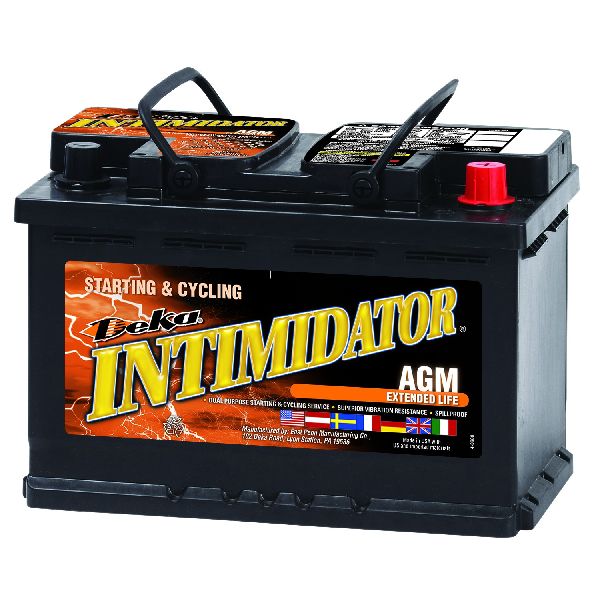
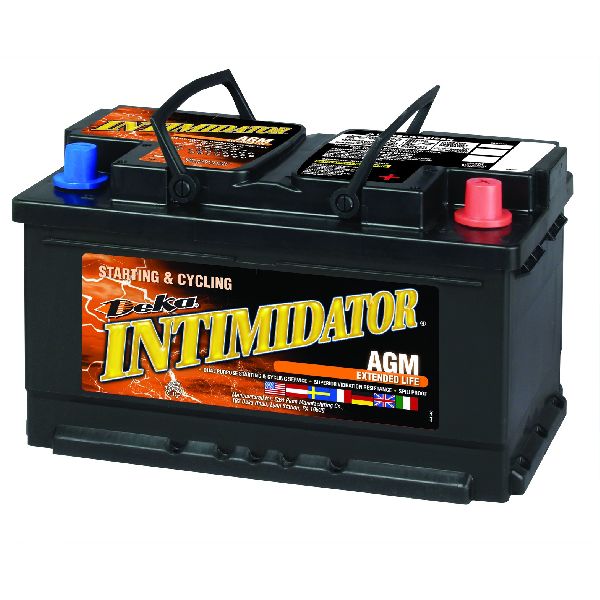
- Weak or Failing Battery 🔴 High Probability → Shop Vehicle Battery These vehicles use advanced electronics that are sensitive to low voltage. The battery must be the correct type (AGM or EFB) and coded to the car's Battery Management System upon installation. An uncoded battery can cause the P0603 code to appear.
How to confirm: Perform a load test on the battery; a simple voltage check is not enough. A healthy battery should read above 12.4V at rest and hold its voltage under load. Use a tool like VCDS to check the battery state of health in the CAN Gateway module.
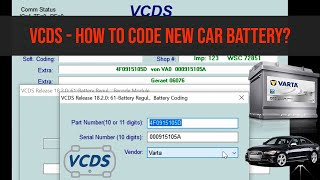
Typical fix: Replace the battery with a new, correct-spec AGM or EFB battery (e.g., Varta 000915105CF). Code the new battery to the vehicle using VCDS by updating the part number and serial number in Module 19 🎬 Watch: Step-by-step guide to replacing and coding your B8 battery. (CAN Gateway). Simply changing the serial number by one digit is often sufficient to trigger the reset of charging parameters.
Est. part cost: $200-$400 - Poor Power or Ground Connections 🟡 Medium Probability The main ECM ground point is located in the plenum chamber (under the cowl on the driver's side), an area that can collect moisture if drains are clogged, leading to corrosion.
How to confirm: Inspect the battery terminals for corrosion and tightness. Locate the ground stud in the plenum chamber and check for corrosion or looseness. Perform a voltage drop test on the ECM power and ground circuits.
Typical fix: Disconnect the affected terminals or ground points, clean all contact surfaces to bare metal with a wire brush, apply dielectric grease, and re-secure tightly. There are forum accounts of owners successfully resolving P0603 by cleaning this specific ground point.
Est. part cost: $5-$20 - Faulty Charging System ⚪ Low Probability
How to confirm: With the engine running, use a multimeter to check the alternator's output voltage at the battery terminals. It should be stable, typically between 13.5V and 14.5V.
Typical fix: If the voltage is too low, too high, or unstable, the alternator or voltage regulator likely needs to be replaced.
Est. part cost: $300-$700 - Sensitive TCM Software (CVT Models) ⚪ Low Probability A TSB was issued for 2012-2013 models with CVT transmissions where the Transmission Control Module (TCM) could log a P0603 fault due to overly sensitive diagnostic software, with no actual problem present.
How to confirm: If the code is only present in the Transmission Control Module (02) and the car is a 2012-2013 A4/A5 with a CVT, this TSB likely applies. There will be no drivability issues.
Typical fix: Per TSB 2032094/1, no repair should be performed. The TSB explicitly states 'Any repairs for this concern will be denied.' The code can be cleared, and if it returns without symptoms, it can be ignored.
Est. part cost: $0
Rare But Worth Checking
- Faulty Engine Control Module (ECM): → Shop Engine Control Module (ECM) This is uncommon and should be the last consideration after all power and ground issues have been ruled out. The ECM is located in the plenum box, and water intrusion from clogged drains can damage it. Visual inspection for corrosion or burn marks is a good first step.
- Aftermarket Engine Tune: An improper flash or a tune that is not compatible with the specific ECU hardware can sometimes cause memory errors. If the code appeared after a tune was installed, flashing back to the stock software is a key diagnostic step.
Diagnosis Steps
- Read the codes from all control modules using a VAG-specific tool like VCDS. Note if P0603 is in the Engine (01) or Transmission (02) module.
- If the vehicle has been recently serviced or the battery disconnected, clear the code and perform a drive cycle to see if it returns.
- Thoroughly test the battery using a load tester. Confirm it's the correct type (AGM/EFB). Use VCDS to check battery health data in the CAN Gateway module.
- Inspect the battery terminals and main chassis ground strap for tightness and corrosion. Clean as needed.
- Inspect the ECM ground point. Remove the plastic windshield cowl. The ground stud is located in the plenum chamber on the driver's side, near the electronics box. Check for any corrosion, clean to bare metal, and tighten.
- With the engine running, measure the alternator output at the battery. It should be stable and within the 13.5V-14.5V range.
- If an aftermarket engine tune is installed, consider flashing back to the stock software to see if the code disappears.
- If the car is a 2012-2013 CVT model and the code is only in the TCM, refer to TSB 2032094/1 and do not perform repairs.
- If all the above steps check out, the final step is to consider a faulty ECM, possibly from water damage in the plenum box.
Parts You'll Likely Need
- Car Battery
(OEM #e.g., 000915105CF (Varta AGM 92Ah))— This is the most frequent cause. The complex electronics and Battery Management System in the A4 are very sensitive to a battery's state of health, type, and voltage stability.
Trusted brands: Varta, Bosch, Interstate
OEM price range: $300-$450
Aftermarket price range: $200-$350
Related Codes That Often Appear With This One
- P0604 — This code indicates a RAM error. Since KAM is a type of RAM, seeing P0603 and P0604 together strengthens the possibility of a power supply issue or a failing ECM.
- P0605 — This code indicates a Read Only Memory (ROM) error. Seeing it alongside P0603 points more strongly toward an internal failure of the ECM itself.
Technical Service Bulletins (TSBs) & Recalls
- 02 12 02 2032094/1 - For 2012-2013 A4/A5 models with CVT, a sporadic P0603 fault may be stored in the TCM due to sensitive software. Audi advises not to perform repairs for this specific condition.
Platform-Specific Known Issues
- The plenum drains under the windshield cowl can become clogged with leaves and debris. This can cause rainwater to overflow into the electronics box that houses the ECM, leading to corrosion and module failure. Regular cleaning of the plenum drains is recommended preventative maintenance.
Mechanic-Grade Diagnostic Values
- Battery Voltage, Engine Off — expected: >12.4 Volts. Failure: A reading below 12.4V indicates a discharged or failing battery that may not be able to maintain KAM power. A load test is still recommended.
- Charging System Voltage, Engine Idling — expected: 13.5 - 14.5 Volts. Failure: Voltage that is consistently too low, too high, or fluctuating can indicate a faulty alternator or voltage regulator, leading to KAM power loss.
- Alternator AC Ripple Voltage — expected: < 100mV AC. Failure: Excessive AC voltage (ripple) indicates failing diodes in the alternator. This 'dirty' power can corrupt ECM memory and cause a P0603 code, even if the average DC voltage appears normal on a multimeter.
Scan Tool Commands That Help
- VCDS (VAG-COM): Throttle Body Alignment — After resolving the root cause of the P0603 code (e.g., replacing the battery), the learned throttle adaptations will be lost. This can cause a rough or unstable idle. Use this function in [01 - Engine] -> [Basic Settings - 04] -> Group 060 to force the throttle body to relearn its endpoints and idle position.
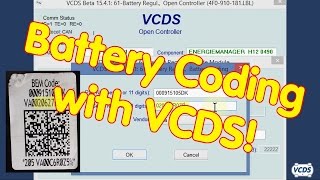
- VCDS (VAG-COM): Battery Coding — This is mandatory after installing a new battery. Access [19 - CAN Gateway] -> [Adaptation - 10] -> Channel 4. Enter the new battery's BEM code or part number/serial number to inform the Battery Management System of the new battery's capacity and type, ensuring proper charging. This is detailed in Pass 2 but is a critical scan tool command.
Wiring & Ground Locations
- ECM Ground Point — In the plenum chamber (the area under the plastic cowl at the base of the windshield), on the driver's side near the electronics box.. This is the primary ground connection for the ECM. This area is prone to collecting water and debris if the plenum drains are clogged, causing this ground stud to corrode and create a poor connection, which directly interrupts the ECM's power and triggers P0603.
- G11 — Wiring diagrams for the 2008 A4 show a ground point G11 located in the plenum chamber, to the right of the battery.. This is a specific factory identifier for a ground connection in the area most commonly associated with P0603 failures due to water intrusion and corrosion. Inspecting this specific point is critical.
- ECM Power Fuses — In the main fuse box in the engine bay, located under the plenum cowl. Fuses F3 (5A), F4 (5A), and F6 (15A) are listed as supplying the Engine Control Module.. A blown or intermittently failing fuse on one of these circuits would interrupt power to the ECM, potentially causing a KAM error. Checking these specific fuses is a key diagnostic step.
Real Owner Repair Stories
- Synthesized from multiple AudiWorld & Audizine forum threads (2010 Audi A4 2.0T, approx. 95,000 miles) — Persistent P0603 code, rough idle after start-up, and occasional stalling. Check Engine Light would return a day or two after being cleared.
❌ Tried (didn't work) Clearing the code with a generic scanner., Replacing the battery with a new AGM battery but NOT coding it to the car., Checking battery terminal connections.
✅ What actually fixed it The owner first used VCDS to properly code the new battery to the car's Battery Management System. The code still returned. After more research, they removed the plastic plenum cowl under the windshield and found the area damp with leaf debris. The main ground stud for the ECM was visibly corroded. The owner disconnected the ground wires, cleaned the stud and wire terminals to bare metal with a wire brush, applied dielectric grease, and re-secured the connection tightly. After clearing the plenum drains to prevent future water buildup, the P0603 code was cleared and did not return.
Model Year Variations Within This Range
- 2012-2013: Models equipped with the CVT (Multitronic) transmission may log a P0603 fault code solely in the Transmission Control Module (TCM) due to overly sensitive diagnostic software. Per TSB 2032094/1, if there are no symptoms, this code should be cleared and ignored, and no repairs should be performed.
Diagnostic Flowchart
Other Known Issues on This Vehicle
Issues unrelated to this code that are worth knowing about as an owner of this generation:
- Excessive Oil Consumption (2.0T TFSI) 🔴 High — Very common on 2009-2011 models with the CAEB engine code. Consumption can be as high as 1 quart per 1,000 miles. The issue stems from faulty piston rings and can lead to a multi-stage repair, starting with a new PCV valve and software update (TSB), and potentially ending in piston/ring replacement. (Ref: Multiple TSBs issued, including 2027731 and one mentioned in the New York Times (101103). A class-action lawsuit was also settled for this issue.)
- Timing Chain Tensioner Failure (2.0T TFSI) 🔴 High — Affects 2008-2013 models. The original tensioner design is prone to premature failure, which can cause the timing chain to jump, leading to catastrophic engine damage. Failure can occur without warning, often before the 120,000-mile service interval. (Ref: A class-action lawsuit was settled, leading to an extended warranty and reimbursement program for repairs.)
- Plastic Water Pump Failure 🟠 Medium — Common across all B8 models. The original water pump has a plastic housing that can crack or the gasket can fail, causing coolant leaks. Failure can occur as early as 25,000 miles, with some owners replacing it multiple times. Symptoms include coolant smell, visible leaks, and overheating warnings. (Ref: Recalls were issued for some models due to the coolant pump becoming blocked and overheating. Many owners opt to replace the plastic pump with an aftermarket all-metal version.)
- PCV Valve Failure 🟡 Low — The crankcase ventilation valve (PCV) is a common failure item. A failed PCV can cause a rough idle, a whistling sound from the engine bay, and increased oil consumption. It is often the first step in diagnosing the larger oil consumption issue. (Ref: TSB 2027731/8 (and others) address replacing the PCV (part number 06H103495J) as part of the oil consumption fix.)
Used vs. New Parts: Buying Guide for This Vehicle
When a used part is the smart pick: A used Engine Control Module (ECM) can be a cost-effective alternative to a new one, but ONLY if you are prepared to deal with Audi's 'Component Protection' system. It is not a plug-and-play replacement.
Donor-vehicle mileage cap: roughly under 150000 miles for the part to have meaningful remaining life.
What to inspect on the donor part:
- Part numbers on the used ECM must EXACTLY match the original.
- Inspect the donor ECM's casing and connectors for any signs of corrosion, water marks, or physical damage.
- If possible, obtain the ECM from a vehicle that was not involved in a flood or front-end collision.
OEM-only on this vehicle (don't cheap out):
- Battery: Must be the correct type (AGM/EFB) and capacity. An OEM or OEM-spec battery is required for the Battery Management System to function correctly after coding.
- Engine Control Module (ECM): While a used part is an option, it must be properly adapted. A cheap, mismatched aftermarket ECM will not work. The choice is between a new OEM unit, a professionally refurbished unit, or a used OEM unit that will require Component Protection removal.
Aftermarket brands forum-validated for this vehicle:
- Battery: Varta, Bosch, Interstate are reputable brands that produce batteries meeting Audi's specifications.
Brands owners have reported issues with on this vehicle:
- Any battery that does not have a BEM code or cannot be coded to the vehicle.
- Non-specialized 'rebuilt' or 'cloned' ECMs from unknown vendors without a warranty and clear instructions for Component Protection.
Real Owner Stories
Aggregated from forums and TSBs cited above. Mileages and costs reflect what owners reported in those sources.
2010 Audi A4 B8
Symptoms: The owner needed to replace the battery and wanted to ensure the Battery Management System was updated correctly to avoid electrical faults.
What fixed it: Replacing the battery with a new unit and using VCDS to update the part number and serial number in Module 19 (CAN Gateway).
Source hint: AudiWorld Forums - Battery replacement with Audi/VW Enertec battery VCDS coding: SOLVED
2013 Audi A4 B8.5
Symptoms: The owner was installing a non-OEM AGM battery and needed to trigger a reset of the charging parameters to maintain system health.
What fixed it: Matching the Audi part number to the new battery's specs in the software and changing the serial number by one digit in the CAN Gateway.
Source hint: Ross-Tech Forums - Battery BEM Coding on A4 B8
Related OBD-II Codes
Frequently Asked Questions
I have a 2012 Audi A4 with a CVT and code P0603, but no symptoms. Does TSB 2032094/1 apply to me?
Can I just swap the battery in my B8 A4, or do I really need VCDS to clear P0603?
Where is the main ECM ground point located on the 2008-2016 Audi A4?
What specific battery type should I use for my A4 to avoid voltage-related codes?
Could my aftermarket engine tune be causing the P0603 Internal Control Module Keep Alive Memory (KAM) Error?
Is there a risk of water damage to the ECM on this model?
Helpful Videos

We Have This Part in Stock



The information in this article is provided for general reference and educational purposes only. Vehicle specifications, procedures, and part compatibility can vary by production date, trim level, and region. Always consult your vehicle's factory service manual and verify part numbers before purchasing or performing repairs. Safety-critical components such as airbags, seat belts, and braking systems should be installed by a qualified professional.
- Audi A4:
- 🧭 Diagnostic Flowchart
- 🎬 Helpful Videos
- 🛍️ Shop This Part
- What's Unique About the 2008-2016 Audi A4
- Symptoms You May Notice
- Most Likely Causes
- Rare But Worth Checking
- Diagnosis Steps
- Parts You'll Likely Need
- Related Codes That Often Appear With This One
- Technical Service Bulletins (TSBs) & Recalls
- Platform-Specific Known Issues
- Mechanic-Grade Diagnostic Values
- Scan Tool Commands That Help
- Wiring & Ground Locations
- Real Owner Repair Stories
- Model Year Variations Within This Range
- Other Known Issues on This Vehicle
- Used vs. New Parts: Buying Guide for This Vehicle
- Real Owner Stories
- 2010 Audi A4 B8
- 2013 Audi A4 B8.5
- Related OBD-II Codes
- Frequently Asked Questions
- 🎟️ Get 5% Off