

P0603 on 2008-2015 Buick Enclave: Keep Alive Memory (KAM) Error Causes and Fixes
On a 2008-2015 Buick Enclave, code P0603 almost always points to a weak or failing battery, or loose/corroded battery terminals. The battery is located under the floor behind the front passenger seat, making it easy to neglect. Before suspecting expensive computers, test and inspect the battery (especially if it's over 3-4 years old) and its connections. A new battery is the most common and effective fix.
- P0603 on a Buick Enclave is most often caused by a simple power supply issue.
- Always test the battery and check its connections for tightness and corrosion before considering any other repairs.
- The code is normal if the battery was recently disconnected; clear it and see if it returns after driving.
- Do not replace the expensive ECM or TCM unless all other possibilities have been exhausted by proper diagnosis.
- An underlying charging system problem (bad alternator) can also trigger this code by failing to keep the battery properly charged.
What's Unique About the 2008-2015 Buick ENCLAVE
For the first-generation Buick Enclave and its Lambda platform mates (Traverse, Acadia, Outlook), this code is overwhelmingly a straightforward electrical issue rather than a complex module failure. The battery is located inside the cabin, under the floor behind the passenger seat, which can lead to it being overlooked during routine service. The vehicle's numerous modules create a high electrical demand, making the system very sensitive to voltage drops from an aging battery. GM has issued technical service bulletins (TSBs) that group P0603 with other internal module codes, acknowledging that it can appear in various modules, including the Transmission Control Module (TCM), which might affect shifting.
Diagnostic Flowchart
Tap your situation to follow the diagnostic path that matches what you're seeing on this vehicle.
Symptoms You May Notice
- Check Engine Light is on.
- Transmission may not shift as smoothly as usual, with harsh shifts or 'shift flares'.
- Slightly rougher idle or engine hesitation.
- Difficulty starting the engine or slow cranking.
- The code may appear after the battery has been disconnected or replaced.
- Erratic behavior from the radio or infotainment system (e.g., losing presets).
- Other warning lights, such as for the ABS or Traction Control/StabiliTrak system, may illuminate.
- Replacing the ECM or TCM when the actual problem is a weak battery or poor connection. This is an expensive mistake that is frequently warned against in owner forums.
- Replacing the alternator when the battery itself is the weak link and can no longer hold a proper charge.
Most Likely Causes
- Weak or Failing Battery 🔴 High Probability → Shop Vehicle Battery The Enclave has a significant constant power draw for various modules. The battery is also hidden under the floor, making it easy to forget. An aging battery (typically 3-5 years old) may not maintain the stable voltage required for Keep Alive Memory, especially during engine cranking.
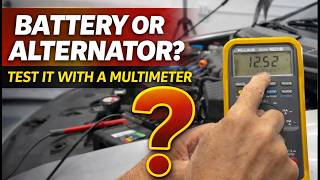
How to confirm: Test the battery voltage with a multimeter. 🎬 See how to test both your battery and alternator with a multimeter. A healthy battery should read above 12.4 volts with the engine off and 13.7-14.7 volts when running. Check the date code on the battery; if it's over 4 years old, it is the prime suspect regardless of voltage readings. Most auto parts stores offer free load testing.
Typical fix: Replace the vehicle's battery. It is highly recommended to use a memory saver tool when replacing it to prevent other modules from losing their settings.
Est. part cost: $150-$300 - Loose or Corroded Battery Terminals/Cables 🟡 Medium Probability → Shop Vehicle Battery Because the battery is located inside the cabin, terminals are less likely to have heavy, weather-related corrosion, but loose connections can still occur, interrupting the constant power feed required by the control modules' memory circuits.
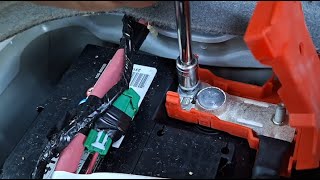
How to confirm: Visually inspect the battery terminals. Wiggle the terminal connections to ensure they are tight and cannot be moved by hand. The battery is located under a cover on the floor behind the front passenger seat.
Typical fix: Disconnect the battery (negative terminal first), clean the terminals and cable ends with a wire brush, and reconnect securely (positive terminal first).
Est. part cost: $1-$10 - Recent Battery Disconnection 🟡 Medium Probability → Shop Vehicle Battery Any time the battery is disconnected, the Keep Alive Memory is erased. The P0603 code will set as a normal part of this process.
How to confirm: If the battery was just replaced or disconnected for service, this is the expected cause.
Typical fix: Clear the code with a scanner. The code will typically not return after a few complete drive cycles as the module relearns.
Est. part cost: $0 - Charging System Fault (Alternator) ⚪ Low Probability If the alternator is failing, it may not provide a consistent voltage to charge the battery and run the vehicle's electronics, causing voltage drops that trigger the KAM error.
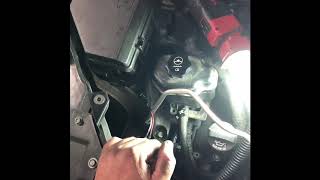
How to confirm: With the engine running, check the voltage at the battery terminals. A reading below 13.5 volts or one that fluctuates wildly suggests an alternator problem. 🎬 Watch: How to diagnose bad alternator symptoms on a Buick Enclave.
Typical fix: Replace the alternator.
Est. part cost: $200-$450
Rare But Worth Checking
- Faulty Powertrain Control Module (ECM) or Transmission Control Module (TCM): → Shop Engine Control Module (ECM) This is an extremely uncommon cause for this specific code on this platform. Before replacing any module, all power, ground, and charging system issues must be completely ruled out. The manufacturer TSBs indicate this is a possibility but strongly advise against module replacement as a first step.
- Damaged Wiring to a Control Module: A break or short in the power or ground circuit for the ECM or TCM can cause this code. This can be difficult to trace and often requires professional diagnosis.
Diagnosis Steps
- Check if the battery has been recently disconnected or replaced. If so, clear the code and drive the vehicle to see if it returns.
- Check the age of the battery. If it is more than 4 years old, it is highly suspect and should be load tested or replaced.
- Perform a full battery health test. Use a multimeter to check voltage with the engine off (should be >12.4V) and running (should be 13.7-14.7V). A simple voltage test may not be sufficient; a load test is more definitive.
- Access the battery by removing the cover on the floor behind the front passenger seat. Thoroughly inspect the battery terminals and main chassis ground connections for any signs of corrosion or looseness. Clean and tighten as necessary.
- If the battery and connections are good, test the charging system (alternator) to ensure it's providing a stable and correct voltage.
- Use a memory saver device plugged into the OBD-II port before disconnecting the old battery to prevent other electronic modules from losing their settings.
- If all the above steps check out and the code persists, inspect the power and ground wiring leading to the ECM and TCM for any damage or loose pins.
- Only after confirming all power and ground circuits are perfect should a faulty control module be considered.
Parts You'll Likely Need
- Automotive Battery
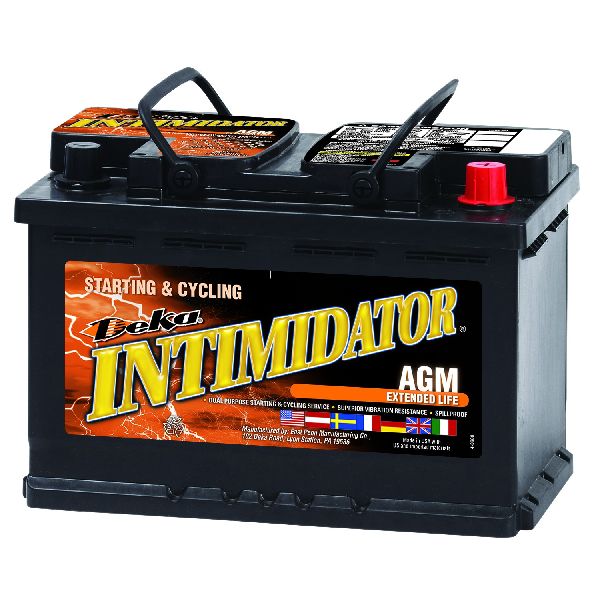
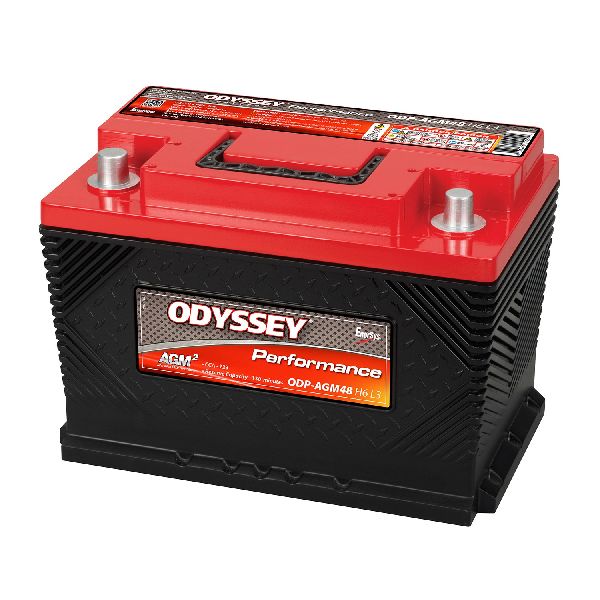
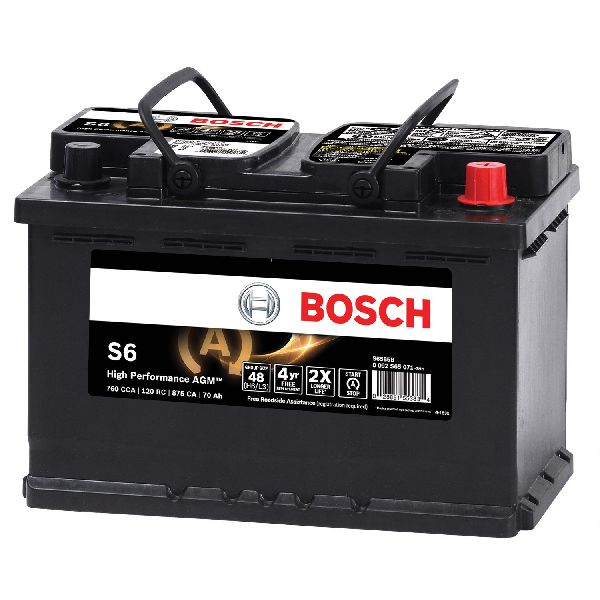
(OEM #ACDelco 48AGM (Group Size H6/48))— This is the most frequent cause. The Enclave's electronics are sensitive to the stable voltage provided by a healthy battery to maintain Keep Alive Memory. An AGM (Absorbed Glass Mat) battery is often recommended due to the in-cabin location and high electronic load.
Trusted brands: ACDelco, DieHard, Interstate, Duralast
OEM price range: $200-$300
Aftermarket price range: $150-$250 - Battery Terminals — If the original terminals are damaged or cannot be tightened properly, they can't provide a reliable connection for the module's memory circuit.
Trusted brands: Dorman, Standard Motor Products
OEM price range: $20-$40
Aftermarket price range: $10-$25
Technical Service Bulletins (TSBs) & Recalls
- 05-06-04-060A: Information on control module Diagnostic Trouble Code(s) (DTC)(s) P0601, P0602, P0603, P0604, P0606, P062F, P06F3, P1621 which can be shared in multiple modules.
- PIP4653E: Information about Malfunction Indicator Lamp on with Diagnostic Trouble Codes P0601, P0603, P0604, P062F or P1621 stored in the Transmission Control Module.
Platform-Specific Known Issues
- Battery Location and Neglect: → Shop Vehicle Battery The battery is located under a panel in the floor behind the front passenger seat. This 'hidden' location means it is often not inspected during routine oil changes and can be neglected until it fails, triggering the P0603 code.
- Owner Experience: Battery Solves Multiple Issues: → Shop Vehicle Battery A common story on forums like enclaveforum.net is that replacing an aging battery not only clears the P0603 code but also resolves seemingly unrelated issues like harsh transmission shifting, flickering lights, and StabiliTrak service messages.
- GM TSB #05-06-04-060A: This bulletin confirms that P0603 is one of several internal control module codes that can be set across multiple modules, indicating it's a known software/hardware behavior and technicians should not rush to replace modules.
- GM TSB #PIP4653E: This TSB specifically mentions that P0603 can be found stored in the Transmission Control Module (TCM), which directly explains owner complaints of poor shift quality accompanying the code. It advises checking power and grounds before considering TCM replacement.
Mechanic-Grade Diagnostic Values
- Parasitic Draw Test — expected: Below 30mA after all modules enter sleep mode (can take up to 2 hours).. Failure: A reading significantly higher than 30mA indicates a module is not sleeping and is draining the battery, which can cause a P0603.
- Battery Voltage (Engine Off) — expected: 12.4V - 12.6V. Failure: Below 12.4V indicates a discharged or failing battery, a primary cause of P0603.
- Charging System Voltage (Engine Running) — expected: 13.7V - 14.7V. Failure: Below 13.5V or fluctuating voltage suggests a failing alternator, which cannot maintain battery charge for KAM.
Scan Tool Commands That Help
- GM GDS2 (Global Diagnostic System 2): Module Diagnostics, Read/Clear DTCs, Configuration/Reset Functions — Used for professional diagnosis to confirm which module set the P0603 code (ECM, TCM, etc.) and to perform any required module setup functions after component replacement. For this code, it's primarily used for deep diagnosis if simple fixes fail.
- N/A - Manual Procedure: Hard Reset / Control Module Reset — Disconnecting the battery for 15-30 minutes is a common method to clear the Keep Alive Memory from all modules, effectively resetting them. This can clear the P0603 code if it was set by a temporary glitch, but the code will return if an underlying power supply issue exists.
Wiring & Ground Locations
- G101 — On the left frame rail in the engine compartment.. This is a primary ground point for the Engine Control Module (ECM). A corroded or loose connection here can directly interrupt power stability to the ECM, causing a P0603.
- G103 — On the left inner fender panel in the engine compartment.. Serves as another critical ground for the ECM and other engine components. Poor contact at this point can lead to intermittent voltage drops.
- G110 — Mounted to the right front of the engine on the cylinder head.. An essential engine ground. The integrity of the engine-to-chassis ground path is crucial for stable module operation.
- G113 — Located at the engine-to-transmission stud on the left side of the engine.. This ground is critical for both the engine and transmission electronics. As TSBs note P0603 can be set by the TCM, ensuring this ground is clean and tight is vital.
- TCM Connector — On the transmission, accessible from under the vehicle or sometimes from the top after removing the airbox.. The wiring harness leading to the TCM connector is a known chafe point on Lambda platform vehicles. Wires can rub against the transmission case or frame, eventually breaking and causing communication loss or power issues, triggering codes like P0603 in the TCM.
Real Owner Repair Stories
- Codeman's Auto YouTube Channel (GMC Acadia (Lambda Platform Twin)) — Traction control light on, door locks jumping up and down when hitting bumps, transmission downshifting harshly, lost communication with TCM code.
❌ Tried (didn't work) Initial diagnosis focused on symptoms rather than a specific code.
✅ What actually fixed it The wiring harness right at the TCM connector had chafed against the transmission case. Several wires had their insulation rubbed off, and one or more had broken from corrosion. Repairing the damaged wires at the connector resolved all the electrical issues and communication codes.
Model Year Variations Within This Range
- 2013-2015: The Buick Enclave received a significant facelift for the 2013 model year, which included a redesigned interior, dashboard, and updated infotainment with IntelliLink. While the core electrical architecture and 3.6L engine remained similar, these new electronics could place different demands on the electrical system. However, the root cause of P0603 remains overwhelmingly tied to the battery and charging system health across the entire 2008-2015 range.
- 2014: A recall (GM #14515) was issued for some 2014 Enclaves concerning a potential internal short in the chassis electronic module. This specific issue, while not a common cause for P0603, represents a model-year-specific vulnerability that could lead to similar electrical instability.
Helpful Videos


We Have This Part in Stock


The information in this article is provided for general reference and educational purposes only. Vehicle specifications, procedures, and part compatibility can vary by production date, trim level, and region. Always consult your vehicle's factory service manual and verify part numbers before purchasing or performing repairs. Safety-critical components such as airbags, seat belts, and braking systems should be installed by a qualified professional.
- Buick ENCLAVE:
- 🧭 Diagnostic Flowchart
- 🎬 Helpful Videos
- 🛍️ Shop This Part
- What's Unique About the 2008-2015 Buick ENCLAVE
- Symptoms You May Notice
- Most Likely Causes
- Rare But Worth Checking
- Diagnosis Steps
- Parts You'll Likely Need
- Technical Service Bulletins (TSBs) & Recalls
- Platform-Specific Known Issues
- Mechanic-Grade Diagnostic Values
- Scan Tool Commands That Help
- Wiring & Ground Locations
- Real Owner Repair Stories
- Model Year Variations Within This Range
- 🎟️ Get 5% Off