

P0603 on 2012-2014 Chevrolet Captiva: Keep Alive Memory (KAM) Error Causes and Fixes
The P0603 code on a 2012-2014 Chevrolet Captiva almost always indicates a power supply problem, not a failed computer. The most common cause is a weak or failing battery. Before replacing any parts, fully test the battery, clean all terminals, and check main ground connections. This code is also expected to appear after a battery has been disconnected for service.
- P0603 is a power-related code. Do not immediately assume a costly computer has failed.
- Your first and most important step is to test the battery and its connections. A weak battery is the #1 cause.
- If you recently disconnected the battery, this code is normal. Clear it and see if it returns.
- If the battery is good, check for parasitic draw, paying close attention to the radio circuit, which is a known issue on the Captiva.
- On the Captiva, this code can affect the transmission's performance, causing harsh shifting. [Bulletin #PIP4653E]
What's Unique About the 2012-2014 Chevrolet CAPTIVA
On the Chevrolet Captiva (and its US counterpart, the Captiva Sport), like many GM vehicles of this era, the P0603 code is frequently a temporary code triggered by a simple power interruption, such as a weak battery or disconnecting it for service. The provided NHTSA technical service bulletins (TSBs) confirm that this code can be set in multiple modules, including the Transmission Control Module (TCM), which can lead to noticeable symptoms like harsh shifting. [Bulletin #PIP4653E, Bulletin #05-06-04-060A] Owners specifically report widespread electrical issues, including parasitic draws from the factory radio, that lead to dead batteries and this code.
Diagnostic Flowchart
Tap your situation to follow the diagnostic path that matches what you're seeing on this vehicle.
Symptoms You May Notice
- Check Engine Light is on
- Rough or erratic idle
- Hesitation during acceleration
- Harsh or unusual transmission shifting
- Slow engine crank or difficulty starting
- Electrical issues like dimming lights or flickering dash lights
- Engine stalling
- Service Traction Control or ABS light may illuminate
- Radio or infotainment system malfunctions or resets
- Key may get stuck in the ignition due to a complete loss of power
- Replacing the PCM or TCM without first testing the battery and charging system. This code is most often related to the power supply, not the module itself.
- Replacing the battery without checking for a parasitic draw. If a component like the radio is draining the new battery, the P0603 code will return.
Most Likely Causes
- Weak or Failing Battery 🔴 High Probability → Shop Vehicle Battery The Captiva platform is known for electrical issues that can drain the battery or mimic battery failure. A weak battery that drops voltage is the most common trigger for a KAM error code, as the control modules lose their constant power source.
How to confirm: Test the battery voltage with a multimeter. It should be above 12.4 volts with the engine off and a stable 13.5-14.7 volts with the engine running. A drop below 12V when off indicates a weak battery. Most auto parts stores offer free battery load testing, which is more definitive than a simple voltage check.
Typical fix: Replace the vehicle's battery.
Est. part cost: $150-$250 - Loose or Corroded Battery Terminals/Cables 🟡 Medium Probability → Shop Vehicle Battery Corrosion on battery terminals or a loose connection can interrupt the power supply to the vehicle's modules, causing a loss of Keep Alive Memory. Some owners have specifically reported issues with faulty positive battery cables causing a total loss of power.
How to confirm: Visually inspect the battery terminals and cable ends for white or greenish corrosion. Attempt to twist the terminals by hand; there should be no movement. Also inspect the full length of the positive and negative cables for damage or swelling.
Typical fix: Clean the battery terminals and cable ends with a wire brush and baking soda solution. Tighten or replace the terminal clamps if they cannot be secured. A faulty cable must be replaced.
Est. part cost: $5-$30 for cleaning supplies, $100-$200 for a new OEM cable. - Recent Battery Disconnection 🟡 Medium Probability → Shop Vehicle Battery If the battery was recently disconnected for service or replacement, the P0603 code will set as a normal consequence of power loss to the modules. This is expected behavior.
How to confirm: If the code appeared immediately after battery service, this is the likely cause. The code may show as "pending."
Typical fix: Clear the code with an OBD-II scanner. The code should not return after a few complete drive cycles if there are no other underlying issues.
Est. part cost: $0 - Failing Alternator ⚪ Low Probability → Shop Alternator A faulty alternator can fail to properly charge the battery, leading to low voltage conditions that trigger the P0603 code. Bad diodes in the alternator can also cause a parasitic drain overnight.
How to confirm: With the engine running, check the battery voltage. If it's below 13.5 volts, fluctuating wildly, or not increasing from the engine-off voltage, the alternator is likely failing. Many auto parts stores can test the alternator's output.
Typical fix: Replace the alternator.
Est. part cost: $200-$450 - Poor Engine/Chassis Ground Connections ⚪ Low Probability Like many vehicles, the Captiva relies on clean, tight ground connections for stable electrical operation. A corroded or loose main ground strap between the engine, body, and battery can cause intermittent voltage drops and trigger a KAM error.
How to confirm: Locate and inspect the main ground points. Key locations include the strap from the battery negative terminal to the chassis and straps from the engine block to the firewall or frame. Check for corrosion and ensure bolts are tight. A voltage drop test across the ground connection can confirm high resistance.
Typical fix: Remove the ground connection, clean all contact surfaces to bare metal with a wire brush, and re-secure tightly. Apply dielectric grease to prevent future corrosion.
Est. part cost: $5-$15 for cleaning supplies.
Rare But Worth Checking
- Parasitic Battery Drain: → Shop Vehicle Battery Some Captiva owners have reported significant parasitic draws from the factory radio module, which fails to shut down properly and drains the battery overnight, triggering a P0603 code on startup. One owner confirmed the draw disappeared after pulling the radio fuse. 🎬 Watch this walkthrough on diagnosing a Captiva battery drain. Normal draw should be under 50-75mA after all modules go to sleep (up to 30 mins).
- Faulty Powertrain Control Module (PCM): → Shop Engine Control Module (ECM) While possible, a faulty PCM is the least likely cause. Do not replace the PCM unless all other power and ground-related issues have been exhaustively ruled out by a professional. This includes checking for stable voltage and clean grounds directly at the PCM connector.
Diagnosis Steps
- Scan for any other trouble codes. Address other codes first if they are present.
- Check if the battery has been recently disconnected or replaced. If so, clear the code and see if it returns after a complete drive cycle.
- Visually inspect the battery terminals for corrosion and ensure they are tight. Clean and tighten as needed.
- Test the battery voltage with a multimeter. It should read above 12.4V with the engine off. A load test is recommended for a definitive health check.
- Start the engine and test the alternator output. The voltage should be stable, between 13.5V and 14.7V.
- Inspect the main power and ground cables for the engine and chassis. Key ground points are from the battery to the body and from the engine to the body/frame. Ensure they are clean and tight.
- If the battery and charging system are healthy but the code returns (especially with a dead battery symptom), a parasitic draw test is necessary. Let the vehicle sit for at least 30 minutes for modules to sleep, then measure amperage draw. If it's over ~75mA, pull fuses one by one to isolate the draining circuit. Start with the radio fuse, as it's a known issue on the Captiva.
- If all else fails, the issue may be an internal fault in the PCM or TCM, which would require professional diagnosis and likely replacement.
Parts You'll Likely Need
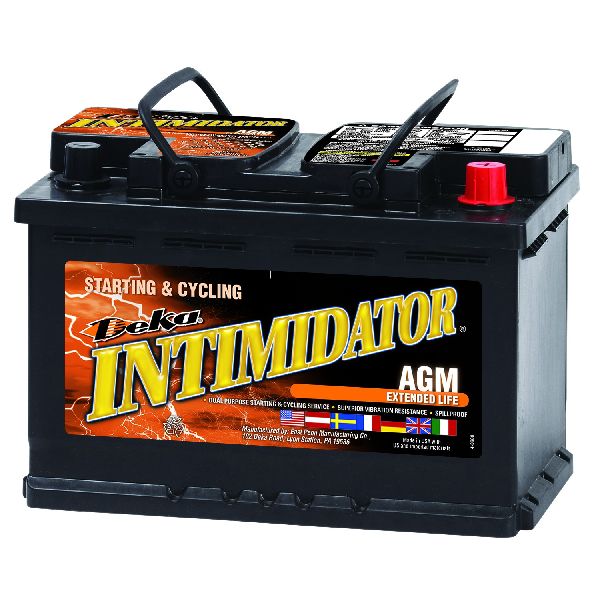
- Automotive Battery
(OEM #ACDelco Gold 48AGM (or BCI Group 48/H6 equivalent))— A weak or failing battery is the number one cause of a P0603 code on this vehicle. The Captiva uses a BCI Group 48 or H6 size battery.
Trusted brands: ACDelco, DieHard, Duralast, Interstate
OEM price range: $200-$300
Aftermarket price range: $150-$250
Related Codes That Often Appear With This One
- P0601, P0604, P062F, P1621 — These are all internal control module error codes. Manufacturer TSBs indicate they can be set together with P0603 across various modules, particularly the PCM and TCM. [Bulletin #05-06-04-060A, Bulletin #PIP4653E]
Technical Service Bulletins (TSBs) & Recalls
- 05-06-04-060A: Information on control module Diagnostic Trouble Code(s) (DTC)(s) P0601, P0602, P0603, P0604, P0606, P062F, P06F3, P1621 which can be shared in multiple modules.
- PIP4653E: Provides information about Malfunction Indicator Lamp on with Diagnostic Trouble Codes P0601, P0603, P0604, P062F
Platform-Specific Known Issues
- NHTSA Bulletin #PIP4653E specifically notes that P0603 can be stored in the Transmission Control Module (TCM), potentially causing shifting problems.
- NHTSA Bulletin #05-06-04-060A is an informational bulletin for technicians, indicating that P0603 is one of several common internal module codes that can appear.
- Owners have reported issues with parasitic battery drain, sometimes traced to the factory radio module, leading to repeated dead batteries and this code.
- Multiple owner complaints on CarComplaints.com and ChevroletForum.com describe a pattern of dead batteries, flickering lights, and various service warnings, often pointing to a parasitic draw or faulty battery cables.
Mechanic-Grade Diagnostic Values
- Parasitic Current Draw (after 10-30 minute sleep period) — expected: < 50 mA. Failure: A reading consistently above 75-100mA indicates a significant parasitic drain that can trigger P0603.
- Battery Voltage (Engine Off) — expected: > 12.4 Volts. Failure: A reading below 12.4V indicates a discharged or weak battery, a primary cause of P0603.
- Alternator Output Voltage (Engine Running) — expected: 13.5 - 14.7 Volts. Failure: Voltage below 13.5V or fluctuating indicates a charging system fault that can lead to an undercharged battery.
Scan Tool Commands That Help
- GDS2 (GM Dealer Software): Clear DTCs — After replacing a battery, fixing a ground, or resolving a parasitic draw, this standard function is used to clear the P0603 code. No special KAM-specific reset is required.
Wiring & Ground Locations
- G103 — Left side of the engine compartment, behind the underhood fuse block.. This is a primary battery and chassis ground. Corrosion or a loose connection here can cause intermittent power loss to multiple modules.
- G105 — On the cylinder block, serves as a main engine ground.. Ensures the engine block has a solid ground reference, which is critical for the ECM and various sensors. A poor connection can cause voltage drops.
- G107 — On the cylinder block, often near the fuel injectors.. Provides a ground path for engine components. A fault here can introduce electrical noise or unstable power.
- ECM (Engine Control Module) — For 2.4L engines: Left rear of the engine compartment. For 3.0L engines: Left front of the engine compartment.. Knowing the correct location is essential for inspecting the module's connectors and testing power/ground circuits directly at the source.
Real Owner Repair Stories
- YouTube video from 'Sparky Channel' (2014 Chevrolet Captiva) — Battery goes dead after sitting for 3-5 days. A parasitic draw of 90-100mA was measured.
❌ Tried (didn't work) Initial diagnosis pointed towards common causes, but the draw was persistent.
✅ What actually fixed it The parasitic draw was traced to the rear park sensor module, which was shorting out due to significant water intrusion in the rear floorboard of the vehicle. Disconnecting the water-damaged module resolved the battery drain. - YouTube video from 'Cars and Service' (General Motors Vehicle (applies to Captiva)) — Radio and other accessories stay on after the ignition is turned off and the key is removed, causing the battery to die overnight.
❌ Tried (didn't work) Checking the radio wiring, suspecting an aftermarket installation issue.
✅ What actually fixed it The driver's side door lock actuator was faulty. It failed to send the 'door open' signal to the Body Control Module (BCM), so the Retained Accessory Power (RAP) system never timed out and shut off power. Replacing the door lock actuator fixed the issue.
When the Usual Fixes Don't Work
- While P0603 is overwhelmingly a power supply issue, there are documented cases where the battery and charging system test perfectly fine. In these instances, the root cause was a parasitic draw from an unexpected component. One 2014 Captiva had its battery drained by a water-damaged rear park assist module shorting internally. In other GM vehicles with similar electrical architecture, a faulty driver's door lock actuator prevented the Retained Accessory Power (RAP) system from shutting down the radio, leading to a dead battery and a subsequent P0603 code on startup.
Model Year Variations Within This Range
- 2012-2014: The physical location of the Engine Control Module (ECM) varies by engine. On 2.4L models, it is at the left rear of the engine compartment. On 3.0L V6 models, it is at the left front.
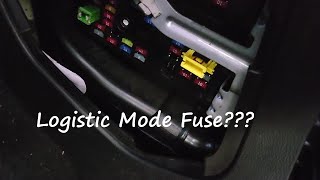
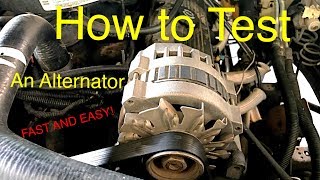
Helpful Videos
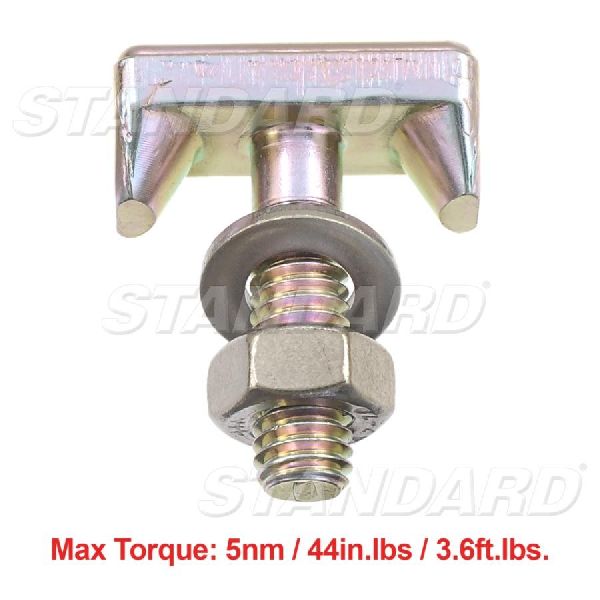
We Have This Part in Stock



The information in this article is provided for general reference and educational purposes only. Vehicle specifications, procedures, and part compatibility can vary by production date, trim level, and region. Always consult your vehicle's factory service manual and verify part numbers before purchasing or performing repairs. Safety-critical components such as airbags, seat belts, and braking systems should be installed by a qualified professional.
- Chevrolet CAPTIVA:
- 🧭 Diagnostic Flowchart
- 🎬 Helpful Videos
- 🛍️ Shop This Part
- What's Unique About the 2012-2014 Chevrolet CAPTIVA
- Symptoms You May Notice
- Most Likely Causes
- Rare But Worth Checking
- Diagnosis Steps
- Parts You'll Likely Need
- Related Codes That Often Appear With This One
- Technical Service Bulletins (TSBs) & Recalls
- Platform-Specific Known Issues
- Mechanic-Grade Diagnostic Values
- Scan Tool Commands That Help
- Wiring & Ground Locations
- Real Owner Repair Stories
- When the Usual Fixes Don't Work
- Model Year Variations Within This Range
- 🎟️ Get 5% Off