

P0603 on 2002-2005 Ford Explorer: Keep Alive Memory (KAM) Error Guide
On a 2002-2005 Ford Explorer, code P0603 almost always indicates a power supply problem, not a failed computer. The most likely cause is a weak or dying battery, or loose/corroded battery terminals. Start by cleaning the battery connections and getting your battery tested before suspecting more complex issues.
- P0603 on a 2002-2005 Explorer is a power-related code, not usually a computer failure.
- Always start diagnosis by cleaning the battery terminals and load-testing the battery.
- Verify the alternator is charging correctly (13.7V-14.7V) before considering other causes.
- Do not replace the PCM unless you have definitively ruled out all battery, cable, and alternator issues.
- The code is normal and expected if the battery has been recently disconnected.
What's Unique About the 2002-2005 Ford Explorer
For the third-generation Ford Explorer, the P0603 code is overwhelmingly tied to the health of the 12-volt electrical system. The PCM in this vehicle is particularly sensitive to voltage drops that occur during engine cranking. Before suspecting a complex or expensive PCM failure, owners and technicians should rigorously test the battery and charging system. This code is often the first sign of a failing battery or alternator, making it a useful, albeit annoying, warning.
🎬 Watch: A quick overview of P0603 causes and fixes.Symptoms You May Notice
- Check Engine Light is on
- Rough or inconsistent idle
- Harsh or erratic automatic transmission shifting
- Flashing 'O/D OFF' (Overdrive Off) light, often related to transmission issues exacerbated by the KAM reset
- Engine stalling, especially at idle
- Difficulty starting the engine or slow cranking
- Illuminated ABS or traction control lights
- Poor fuel economy
- Replacing the Powertrain Control Module (PCM) when the actual problem is a weak battery, poor connection, or failing alternator.
Most Likely Causes
- Weak or Failing Battery 🔴 High Probability → Shop Vehicle Battery Batteries have a typical lifespan of 3-5 years. Any significant voltage drop, especially during engine cranking, can cause the PCM to lose its Keep Alive Memory and trigger P0603.
How to confirm: Use a multimeter to test the battery voltage with the engine off; it should be above 12.4 volts. Most auto parts stores offer a free load test, which is a more accurate way to determine a battery's health under load.
Typical fix: Replace the battery.
Est. part cost: $150-$250 - Loose or Corroded Battery Terminals/Cables 🔴 High Probability → Shop Vehicle Battery
How to confirm: Visually inspect the battery posts and cable ends for white or greenish corrosion. Check that the cable clamps are tight and cannot be moved by hand.
Typical fix: Disconnect the battery (negative cable first) and clean the posts and terminals with a wire brush or dedicated cleaning tool. Reconnect and tighten securely.
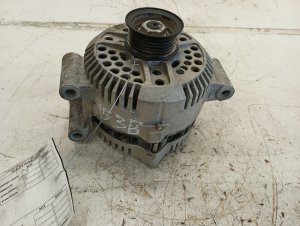
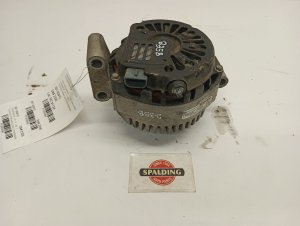
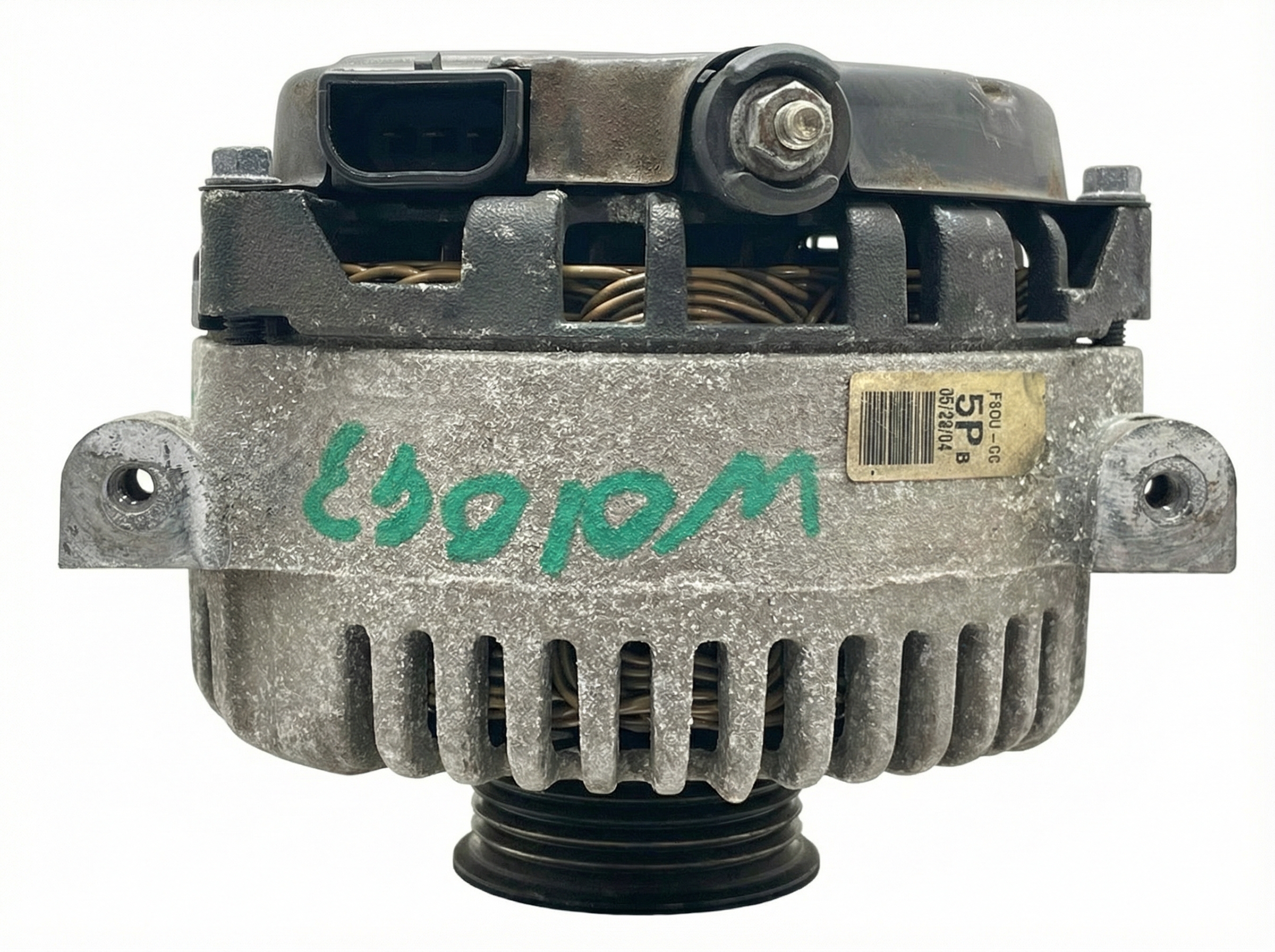
Est. part cost: $5-$20 - Failing Alternator 🟡 Medium Probability → Shop Alternator The alternator recharges the battery and powers the vehicle's electronics when running. If it fails, the battery will not be charged, leading to a drop in voltage that triggers P0603.
How to confirm: With the engine running, use a multimeter to measure the voltage at the battery terminals. A healthy charging system should show a voltage between 13.7 and 14.7 volts. A flickering battery light on the dash is also a strong indicator.
Typical fix: Replace the alternator.
Est. part cost: $200-$400 - Aftermarket Programmer/Tuner 🟡 Medium Probability Using a handheld tuner to change the vehicle's programming and then returning it to the stock tune can sometimes trigger this code as a normal side effect of the PCM being reflashed.
How to confirm: Determine if an aftermarket performance tune has been recently installed or removed. The code often appears immediately after the tuning process.
Typical fix: The code is usually benign in this case and may clear on its own after several drive cycles. If it persists, consult the tuner manufacturer.
Est. part cost: $0
Rare But Worth Checking
- Blown Fuse for KAM Circuit: The PCM's Keep Alive Memory has a dedicated power circuit, often protected by a small fuse in the interior or under-hood fuse box. Check your owner's manual for the 'PCM' or 'KAM' fuse (often Fuse #5, a 5A fuse in the engine compartment fuse box for 'Powertrain control module keep alive power').
- Faulty PCM Power Relay: The relay that supplies power to the PCM can fail intermittently, causing a momentary loss of power to the module and triggering a P0603. This can be tested by swapping the PCM relay with a known good relay of the same type from the fuse box.
- Corroded Main Ground Connections: A poor ground connection between the battery, engine block, and chassis can cause intermittent voltage drops. Inspect and clean the main ground straps, especially the one from the battery to the chassis and the engine-to-chassis ground. Key locations include G100, G101, and G104 in the engine compartment.
- Faulty Powertrain Control Module (PCM): → Shop Engine Control Module (ECM) This is the least likely cause. The PCM is a robust component. Do not replace the PCM until all other possibilities, especially power and ground issues, have been exhaustively ruled out.
Diagnosis Steps
- Check if the battery has been recently disconnected or replaced. If so, the code is normal and should clear after a few drive cycles.
- Visually inspect the battery terminals and cables for corrosion, damage, or looseness. Clean and tighten as needed.
- With the engine off, use a multimeter to test the battery voltage. A reading below 12.4V suggests a weak or discharged battery.
- Have the battery load-tested at an auto parts store. This is the most definitive test of battery health.
- Start the engine and measure the voltage at the battery terminals again. The reading should be between 13.7V and 14.7V. If it's lower, the alternator is likely faulty. If it's higher, the voltage regulator may be failing.
- Inspect the fuse for the Keep Alive Memory (KAM) circuit in the fuse panel. Refer to the owner's manual for the specific fuse number and location. For many Explorers, this is a 5A fuse in the engine bay fuse box.
- Inspect the PCM's power and ground wires for any visible damage or corrosion. Ensure ground straps from the engine to the chassis are clean and tight.
- If an aftermarket tuner was used, return the vehicle to the stock tune and see if the code clears.
- If all other steps fail to identify the issue, the PCM may be faulty, but this is extremely rare.
Parts You'll Likely Need
- Vehicle Battery
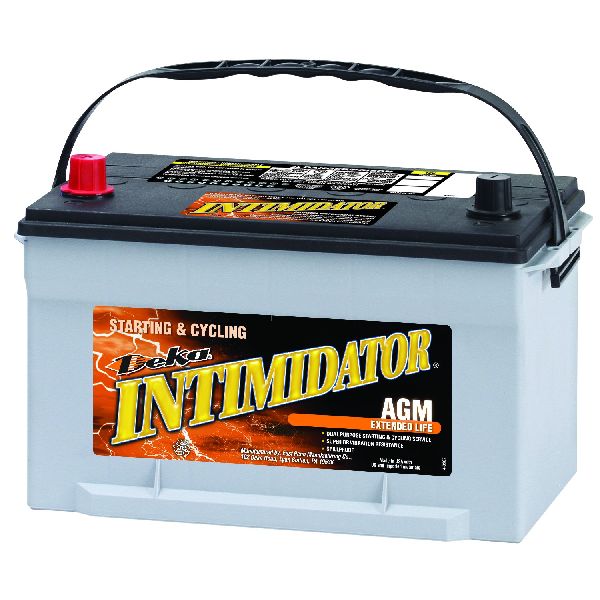
(OEM #Motorcraft BXT-65-850 (Group Size 65, 850 CCA))— This is the most common cause of the P0603 code. An old, weak battery cannot maintain the constant voltage required by the PCM's Keep Alive Memory.
Trusted brands: Motorcraft, Interstate, DieHard
OEM price range: $180-$250
Aftermarket price range: $150-$220 - Alternator
(OEM #Motorcraft GL-530-RM (for 4.0L V6) or GL-466-RM (for 4.6L V8) - Note: Verify part number with VIN.)— A failing alternator will not properly charge the battery, leading to low system voltage that triggers the P0603 code.
Trusted brands: Motorcraft, Bosch, Denso
OEM price range: $300-$500
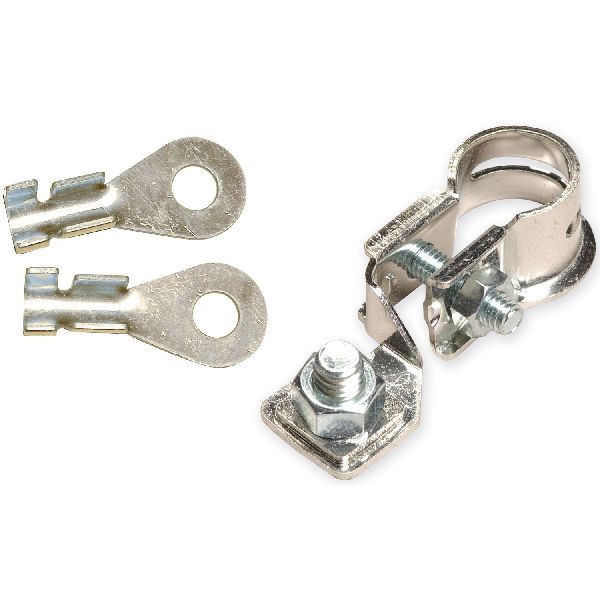
Aftermarket price range: $200-$400 - Battery Terminal Cleaner — Often, the problem is simply a poor connection due to corrosion. Cleaning the terminals is a cheap and effective first step.
OEM price range: $5-$15
Aftermarket price range: $5-$15
Related Codes That Often Appear With This One
- P0562 — This code indicates 'System Voltage Low,' which is a direct cause of the P0603 KAM error. Seeing them together strongly points to a battery or alternator issue.
- P1000 — This code indicates OBD-II readiness monitors have not completed their self-checks. It is normal and expected to see this code after disconnecting the battery or clearing codes, which is the event that causes P0603.
Technical Service Bulletins (TSBs) & Recalls
- TSB 04-15-4: Addresses a rattle noise from the primary timing chain on 4.0L SOHC engines, a common issue for this platform that is unrelated to P0603 but important for owners to be aware of.
Mechanic-Grade Diagnostic Values
- Alternator AC Ripple Voltage — expected: Below 0.5V AC (500mV AC) with engine running and electrical loads on.. Failure: AC voltage consistently above 0.5V indicates a failing diode in the alternator's rectifier bridge, which can cause electrical noise and trigger a P0603 even if charging voltage appears normal.
- PCM Keep Alive Power (KAM) Pin Voltage — expected: Should be constant battery voltage (12V+) at all times, even with the key off.. Failure: Any voltage drop or loss of voltage on this pin when the key is off points to a wiring, fuse, or connection issue between the fuse box and the PCM.
Scan Tool Commands That Help
- Ford IDS / FORScan: Module Initialization / PATS Reset — This is mandatory after replacing the PCM. The new PCM must be initialized and synchronized with the vehicle's Passive Anti-Theft System (PATS) module. Failure to do this will result in a no-start condition, even if the correct PCM is installed. At least two programmed keys are required for the procedure.
Wiring & Ground Locations
- G100 / G101 — Located on the left front of the engine compartment, near the battery. These are primary chassis and engine grounds.. A corroded or loose connection at G100 or G101 can create a poor ground path for the entire electrical system, causing intermittent voltage drops that trigger a P0603. These are critical to inspect and clean.
- G104 — Located on the right rear of the engine compartment.. This ground serves various components in the engine bay. While less critical than the main battery grounds, ensuring it's clean and tight is part of a thorough diagnosis for any electrical fault.
- PCM Connector C175e — This is the main electrical connector for the Powertrain Control Module, located on the firewall in the engine compartment.. The KAM power wire resides in this connector. Verifying voltage at the specific pin (referencing a wiring diagram for the exact pin number) is the definitive test for the KAM power supply circuit.
- Central Junction Box (Engine Compartment) — Located in the engine compartment, typically on the driver's side.. This box contains the fuse for the PCM Keep Alive Memory (often F2.5, a 5A fuse) and the PCM power relay.
Real Owner Repair Stories
- Reddit user on r/AskAMechanic (2007 Ford Explorer Sport Trac 4.0L (Similar platform/systems)) — Vehicle dying when warm, multiple PCM, CAN bus, and PATS communication codes.
❌ Tried (didn't work) Checking/cleaning battery terminals and grounds, Swapping the PCM relay, Replacing the battery
✅ What actually fixed it The ultimate fix was replacing a faulty PCM and then using FORScan software to perform a 'Module Initialization' after programming two new keys. The module initialization step was critical to make the new PCM communicate with the PATS system, which allowed the engine to crank and start.
Model Year Variations Within This Range
- 2002-2005: While the generation is the same, PCM part numbers are specific to the year, engine (4.0L V6 vs 4.6L V8), transmission, and emissions configuration (Federal vs. California). It is critical to match the hardware ID number (e.g., 1L2F-12A650-AGM, 5L2A-12A650-KB) exactly when sourcing a replacement PCM.
Diagnostic Flowchart
Other Known Issues on This Vehicle
Issues unrelated to this code that are worth knowing about as an owner of this generation:
- Cracked Tailgate Applique Panel 🟠 Medium — Extremely common. A design flaw causes the plastic panel below the rear window to crack, often starting near the Ford emblem. (Ref: Multiple TSBs issued (e.g., 02-25-6, 03-12-6, 04-8-5), but no recall. A class-action lawsuit was filed regarding this issue.)
- 5R55S/W Automatic Transmission Failure 🔴 High → Shop Transmission Assembly — Common, often occurring around 100,000 miles. Symptoms include harsh shifting, slipping, blinking 'O/D OFF' light, or complete failure. (Ref: Common failure points include worn servo bores in the transmission case and solenoid pack issues.)
- 4.0L SOHC V6 Timing Chain Rattle 🔴 High — A well-known issue, particularly on earlier models in this generation. A rattling noise, especially on cold starts or under acceleration around 2500 RPM, indicates wear on the timing chain guides and tensioners. (Ref: Ford issued TSB 04-15-4 for this issue, which involves replacing tensioners, guides, and sprockets.)
- Front Wheel Hub/Bearing Failure 🟠 Medium — Frequent failure item. Symptoms include a humming, grinding, or groaning noise that changes with vehicle speed and when turning.
- Blend Door Actuator Failure 🟡 Low — Common failure causing a clicking sound from the dashboard and inability to control HVAC temperature or airflow direction.
Used vs. New Parts: Buying Guide for This Vehicle
When a used part is the smart pick: A used alternator from a low-mileage donor vehicle can be a cost-effective option. Used batteries are never recommended. A used PCM can be viable but presents significant challenges.
Donor-vehicle mileage cap: roughly under 75000 miles for the part to have meaningful remaining life.
What to inspect on the donor part:
- For alternators, check for signs of oil leaks from above, which can damage them. Ensure the pulley spins freely without noise or roughness.
- For PCMs, inspect the connector pins for any corrosion or damage. Ensure the casing is not physically damaged or showing signs of being pried open.
OEM-only on this vehicle (don't cheap out):
- Powertrain Control Module (PCM): While aftermarket/reman PCMs are available, they have a mixed reputation. A used OEM PCM is an option, but it MUST be reprogrammed for the vehicle's VIN and PATS key system, which requires specialized tools like Ford IDS or FORScan. This is not a simple plug-and-play swap.
Aftermarket brands forum-validated for this vehicle:
- Alternator: Denso (often the OEM supplier), Motorcraft (remanufactured), Bosch.
Brands owners have reported issues with on this vehicle:
- Avoid no-name, 'white box' alternators and remanufactured PCMs from unknown vendors, as quality control can be poor.
Real Owner Stories
Aggregated from forums and TSBs cited above. Mileages and costs reflect what owners reported in those sources.
2002-2005 Ford Explorer
Symptoms: The P0603 code appeared after experiencing battery issues.
What fixed it: Installation of a new, fully charged battery resolved the code.
Source hint: https://www.explorerforum.com/forums/threads/p0603-code.192991/
Ford Truck (Powerstroke engine)
Symptoms: The vehicle threw a P0603 trouble code.
What fixed it: The issue was linked to the presence of an aftermarket tuner.
Source hint: https://www.ford-trucks.com/forums/509288-what-is-trouble-code-p0603.html
Related OBD-II Codes
Frequently Asked Questions
Does TSB 04-15-4 for the 4.0L SOHC engine relate to my P0603 code?
Why did my Explorer's 'O/D OFF' light start flashing after the P0603 code appeared?
Can I use a used PCM from a donor 2003 Lincoln Aviator to fix this?
Is the P0603 code common after using a handheld tuner on my Explorer?
Could a failing alternator be the reason my 2002 Explorer has a P0603 code?
Where is the Keep Alive Memory (KAM) fuse located on a 2002-2005 Explorer?
Helpful Videos


Used OEM Parts in Stock
New Aftermarket Parts Available


The information in this article is provided for general reference and educational purposes only. Vehicle specifications, procedures, and part compatibility can vary by production date, trim level, and region. Always consult your vehicle's factory service manual and verify part numbers before purchasing or performing repairs. Safety-critical components such as airbags, seat belts, and braking systems should be installed by a qualified professional.
- Ford Explorer:
- 🧭 Diagnostic Flowchart
- 🎬 Helpful Videos
- 🛍️ Shop This Part
- What's Unique About the 2002-2005 Ford Explorer
- Symptoms You May Notice
- Most Likely Causes
- Rare But Worth Checking
- Diagnosis Steps
- Parts You'll Likely Need
- Related Codes That Often Appear With This One
- Technical Service Bulletins (TSBs) & Recalls
- Mechanic-Grade Diagnostic Values
- Scan Tool Commands That Help
- Wiring & Ground Locations
- Real Owner Repair Stories
- Model Year Variations Within This Range
- Other Known Issues on This Vehicle
- Used vs. New Parts: Buying Guide for This Vehicle
- Real Owner Stories
- 2002-2005 Ford Explorer
- Ford Truck (Powerstroke engine)
- Related OBD-II Codes
- Frequently Asked Questions
- 🎟️ Get 5% Off