

P0603 on 2013-2024 Ford Transit: Keep Alive Memory (KAM) Error Causes and Fixes
On a 2013-2024 Ford Transit, P0603 almost always points to a weak battery, a recent battery replacement, or corroded terminals. Start by fully testing the battery and cleaning all connections before suspecting other issues. A new battery is the most common fix, costing around $150-$300. It is critical to perform a Battery Management System (BMS) reset after replacement to ensure proper charging.
- P0603 means the van's computer has lost its short-term adaptive memory, usually due to a power interruption.
- The most common cause by far is a weak, failing, or recently disconnected battery.
- Before replacing any parts, fully charge and test the battery, and clean and tighten all battery connections.
- The vehicle is safe to drive, but performance and fuel economy will be suboptimal until the issue is fixed and the computer can relearn.
- Do not assume the PCM is bad; it is the least likely cause and most expensive fix.
What's Unique About the 2013-2024 Ford Transit
For the Ford Transit, especially models used in commercial fleets, the electrical system is often heavily taxed by frequent starts, long idle times, and sometimes aftermarket equipment like liftgates or refrigeration units. This puts a significant strain on the battery and charging system, which are the primary culprits for a P0603 code. The code is often a simple consequence of a battery being disconnected for service or a battery failing due to age or high demand, rather than a more complex PCM failure. Furthermore, modern Transits utilize a Battery Management System (BMS) that must be reset after a battery replacement to inform the PCM of the new battery's state of charge and health, ensuring correct charging strategy. Failure to reset the BMS can lead to chronic undercharging of the new battery and a recurring P0603 code.
Generation note: The 2013-2024 range covers the first generation of the Ford Transit in North America (2015-present, with a 2020 facelift) and the preceding seventh generation in Europe (2013-2014). The meaning and primary causes of P0603 (battery and power supply issues) are consistent across these models. However, the introduction of the Battery Management System (BMS) in newer models makes the battery replacement procedure more specific, requiring a reset to prevent future issues.
Symptoms You May Notice
- Check Engine Light is on.
- Erratic or harsh transmission shifting.
- Rough idle.
- Sluggish acceleration or hesitation.
- Reduced fuel economy.
- Difficulty starting the engine, or it won't start at all.
- Illuminated ABS or traction control lights in some cases.
- Engine stalling.
- Replacing the PCM when the actual fault is a weak battery or a bad connection. Always perform a thorough battery and charging system test first.
- Replacing the battery but failing to perform the Battery Management System (BMS) reset, leading to a quick return of the code and premature failure of the new battery.
Most Likely Causes
- Weak, Failing, or Recently Disconnected Battery 🔴 High Probability → Shop Vehicle Battery High electrical demands from commercial use, frequent start-stop cycles, and aftermarket accessories can shorten battery life. The code is also set by design whenever battery power is disconnected for service.
How to confirm: Use a multimeter to test the battery. A healthy battery should show about 12.6 volts with the engine off and 13.7 to 14.7 volts with the engine running. A reading below 12V with the engine off indicates a discharged or failing battery. Many auto parts stores offer free battery and charging system load tests.
Typical fix: If the battery was recently disconnected, the code can be cleared and will likely not return. If the battery is weak or failing, it must be replaced. CRITICAL: After replacing the battery, the Battery Management System (BMS) must be reset. This can often be done without tools by following a specific sequence (e.g., flashing headlights 5 times, then pressing the brake pedal 3 times 🎬 Watch: How to reset the BMS manually without a computer with the ignition on), or with a capable OBD-II scanner. Failure to reset the BMS will cause the system to improperly charge the new battery.
Est. part cost: $150-$300 - Loose or Corroded Battery Terminals/Cables 🟡 Medium Probability → Shop Vehicle Battery Vibrations and exposure to the elements can lead to loose connections or corrosion over time, interrupting the constant power needed for the KAM.
How to confirm: Visually inspect the battery terminals, cable ends, and main ground connections for corrosion (white or greenish buildup) or looseness. Attempt to wiggle the connections by hand; there should be no movement.
Typical fix: Disconnect the battery (negative terminal first), clean the terminals and cable ends with a wire brush and baking soda solution, and securely retighten them. Ensure all ground straps from the engine and body to the chassis are clean and tight.
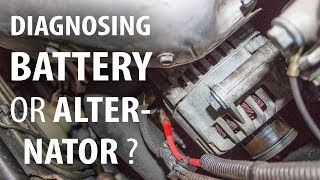
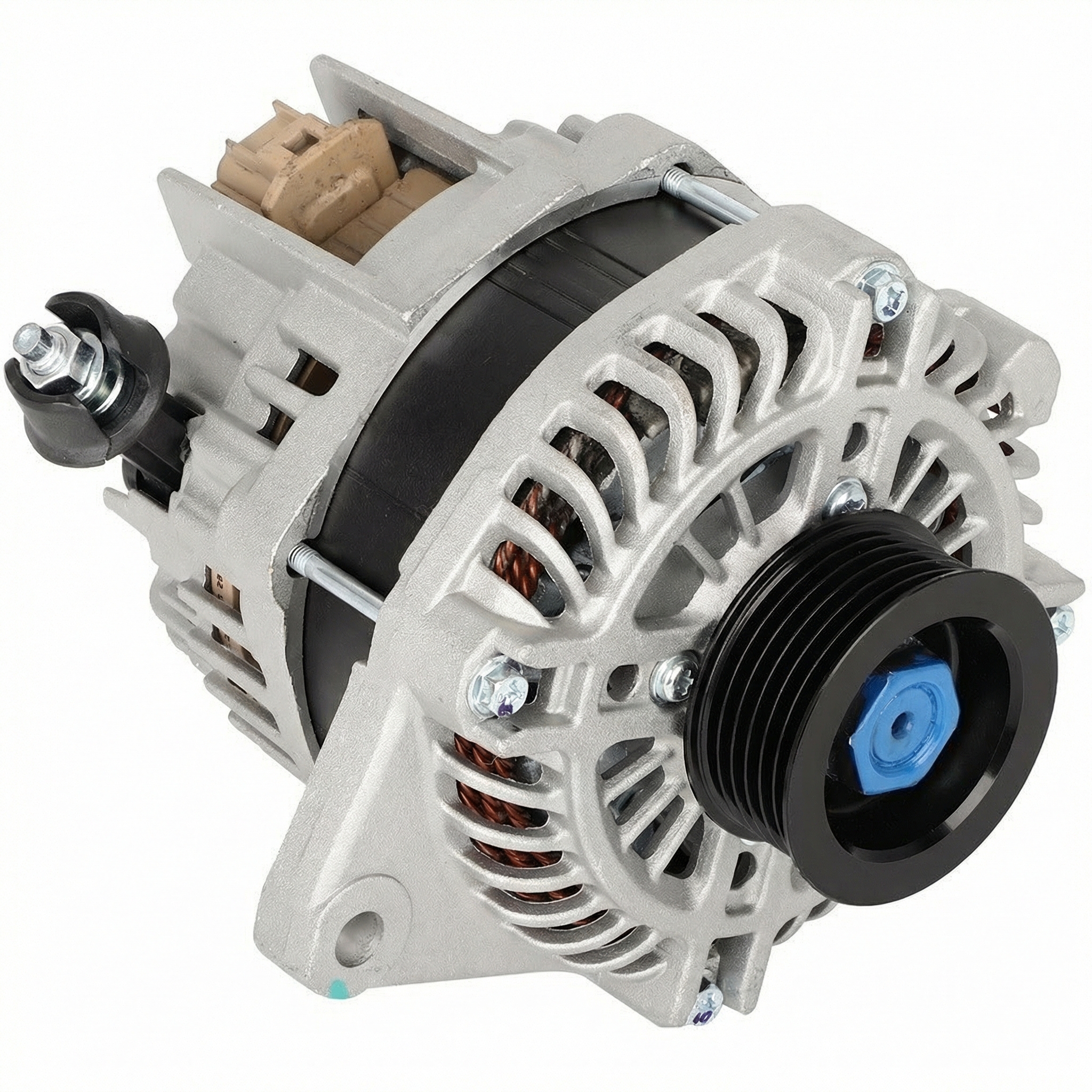
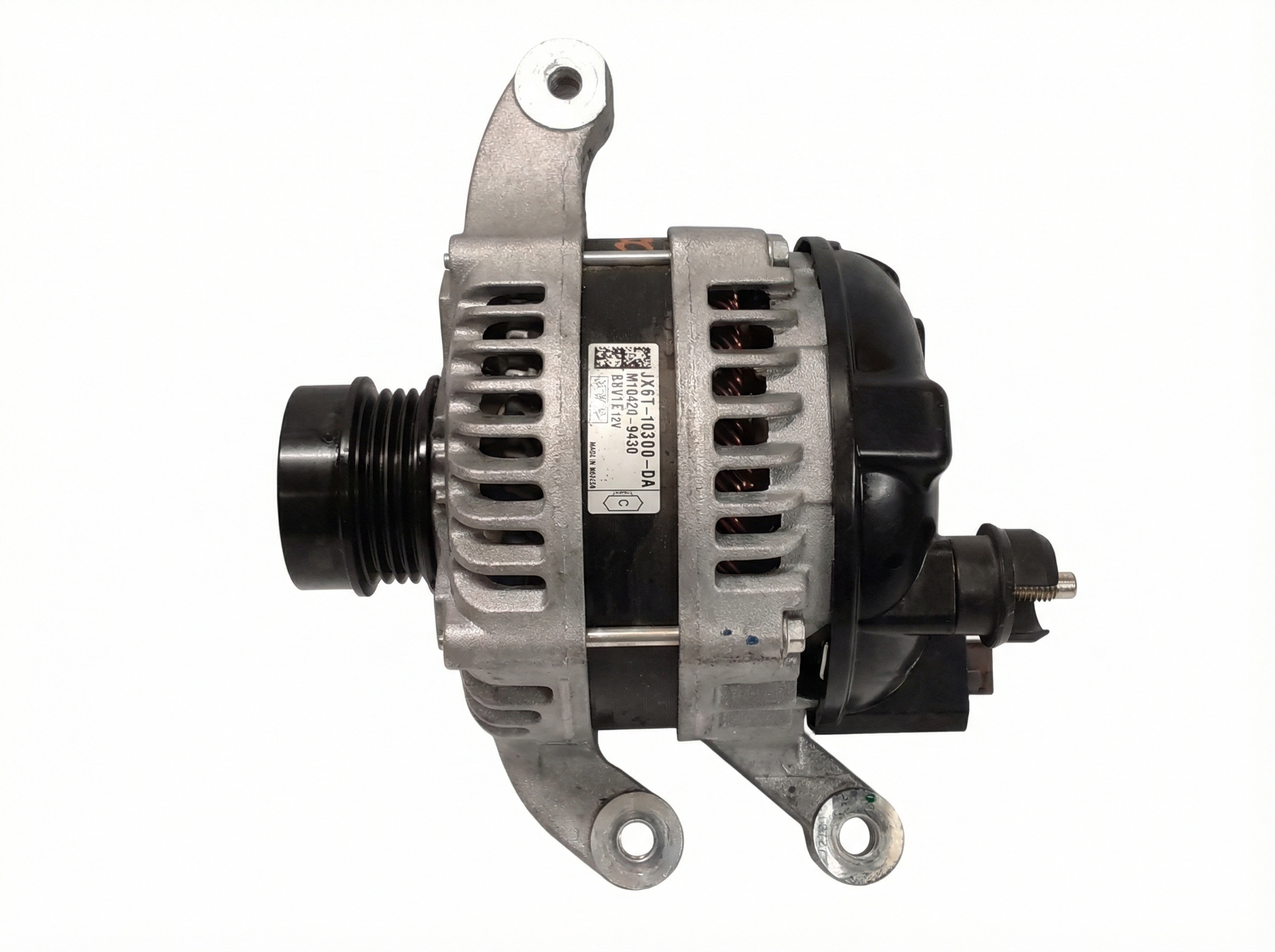
Est. part cost: $5-$20 for cleaning tools - Failing Alternator or Charging System Issue ⚪ Low Probability → Shop Alternator A faulty alternator can provide inconsistent or insufficient voltage, causing electrical glitches and preventing the battery from charging properly, which can lead to a KAM error. On Transits with smart charging (BMS), the alternator's output is controlled by the PCM, so wiring issues between them can also cause problems.
How to confirm: With the engine running, a multimeter across the battery terminals should read between 13.7 and 14.7 volts. A reading outside this range, or one that fluctuates wildly, suggests a charging system problem. On some models, unplugging the 3-pin connector on the alternator may force it into a default charging mode of ~13.5V, which can help isolate the alternator from a PCM 🎬 See this guide on how to test your alternator control issue.
Typical fix: Replace the alternator if it is confirmed to be faulty. Check the wiring harness and connector to the alternator for damage or corrosion first.
Est. part cost: $250-$500
Rare But Worth Checking
- Faulty PCM Power or Ground Circuit: A blown fuse, damaged wire, or poor ground connection specific to the PCM can interrupt its keep-alive power supply. This should be investigated if the battery and charging system are confirmed to be good. Check for water intrusion near the PCM or fuse box.
- Aftermarket Performance Tuner/Chip: Modifying the PCM's software with an aftermarket tuner can sometimes trigger a P0603 code, especially when switching between tunes or returning to the stock program. In many cases, this is a 'ghost code' and can be ignored if the vehicle runs properly.
- Faulty Powertrain Control Module (PCM): → Shop Engine Control Module (ECM) This is the least likely cause. The PCM itself can fail internally, but all other possibilities should be exhausted before considering PCM replacement, which is expensive and requires programming.
Diagnosis Steps
- Check if the battery has been recently disconnected or replaced. If so, this is the expected cause. Clear the code with an OBD-II scanner. If the battery was replaced, ensure the Battery Management System (BMS) was reset.
- Perform a comprehensive battery test. Check the voltage with the engine off (should be ~12.6V) and running (should be ~14V). A load test is the most definitive way to confirm battery health.
- Inspect the battery terminals, main power cables, and ground straps for any signs of corrosion, damage, or looseness. Clean and tighten as necessary. Pay special attention to the main chassis ground point.
- Check the main fuses and relays related to the PCM and power distribution in the engine bay fuse box.
- Test the alternator and charging system to ensure it is providing a stable and correct voltage under load (e.g., with headlights and blower fan on).
- If an aftermarket tuner is installed, try returning the vehicle to the stock tune and clearing the codes to see if P0603 returns.
- If all the above checks out, inspect the wiring and connectors at the PCM for any damage, corrosion, or signs of water intrusion.
- If the code persists after all other possibilities have been ruled out, the PCM may be faulty, but this is rare and professional diagnosis is recommended.
Parts You'll Likely Need
- Vehicle Battery
(OEM #Motorcraft BAGM-48H6-760 (AGM Type, example))— A weak or failing battery is the most frequent cause of voltage drops that erase the Keep Alive Memory, triggering P0603.
Trusted brands: Motorcraft, Interstate, DieHard
OEM price range: $200-$350
Aftermarket price range: $150-$300 - Alternator — A failing alternator provides unstable voltage, which can cause KAM errors and prevent the battery from charging.
Trusted brands: Motorcraft, Bosch, Denso
OEM price range: $400-$600
Aftermarket price range: $250-$500
Related Codes That Often Appear With This One
- P1000 — P1000 is a Ford-specific code indicating that the OBD-II readiness monitors have not yet completed their self-tests. This code is normal after clearing codes or disconnecting the battery, which is the primary cause of P0603.
- P068A — This code, 'ECM/PCM Power Relay De-Energized Performance - Too Early', can appear alongside P0603, pointing towards an issue with the power supply to the PCM, reinforcing the diagnosis of a battery, connection, or relay problem.
Technical Service Bulletins (TSBs) & Recalls
- SSM 51253: Some 2022 Transit vehicles built on or before 28-Mar-2022 may exhibit a no crank/no start condition due to a discharged battery, a primary cause for P0603.
- Recall 17S34: Addresses water intrusion into the trailer tow module, which can cause widespread electrical issues. Dealers add a drain hole and a fused wiring harness to protect the system.
Platform-Specific Known Issues
- Battery Management System (BMS) Reset: It is a critical step after battery replacement on modern Transits. Failure to do so results in improper charging and will cause P0603 to return. The reset procedure can be done without tools on many models.
- Water Intrusion: Some earlier model year Transits had issues with water entering and corroding the trailer tow module, which can cause various electrical shorts and issues. A recall (17S34) was issued to address this by adding a drainage hole and a fuse.
Mechanic-Grade Diagnostic Values
- Parasitic Current Draw — expected: < 50mA (after modules enter sleep mode, approx. 15-60 mins). Failure: A reading above 50mA indicates a component is not shutting down, draining the battery and potentially causing a P0603 on startup.
- PCM Ground Circuit Voltage Drop — expected: < 0.1V. Failure: With the engine running, a voltage reading over 0.1V between the negative battery post and a PCM ground pin indicates a poor ground connection.
- PCM Power Circuit Voltage Drop — expected: < 0.2V. Failure: With the engine running, a voltage reading over 0.2V between the positive battery post and the PCM's B+ (battery positive) pin indicates excessive resistance in the power supply wiring.
- Battery Voltage Cranking — expected: > 9.6V. Failure: A reading below 9.6V while cranking the engine indicates a weak battery that cannot maintain sufficient voltage for the PCM's KAM.
Scan Tool Commands That Help
- Ford IDS / FORScan: BMS Reset — This command must be used after replacing the vehicle's battery. It resets the battery's age and state-of-charge parameters in the PCM, ensuring the new battery is charged correctly. Failure to perform this reset is a common cause of recurring P0603 codes.
- Ford IDS / FORScan: PCM Programmable Module Installation (PMI) — This function is required when replacing the PCM. It involves downloading the as-built data from the old module (if possible) and programming it, along with security information (PATS), into the new module. A new PCM will not function without this step.
Wiring & Ground Locations
- PCM Power Ground — On a generic Ford 104-pin PCM connector, power grounds are often located at pins 24 and 51. The physical ground point on the chassis (e.g., G300 series) is typically on the inner fender or near the battery tray.. A corroded or loose ground connection at these pins or on the chassis is a primary cause of intermittent power loss to the PCM, which directly triggers a P0603 KAM error.
- PCM Case Ground — On a generic Ford 104-pin PCM connector, a case ground is often located at pin 25. This wire connects the metal housing of the PCM to the chassis ground.. This ground provides electrical shielding. While less likely to cause a P0603 than a power ground failure, a poor case ground can allow electrical noise to interfere with PCM operation, potentially corrupting memory.
- Trailer Tow Module — Located in the driver's side stepwell area.. For 2015-2017 models, this area is prone to water intrusion, which can corrode the module and its wiring, causing electrical shorts on shared circuits that could potentially affect PCM power stability.
Real Owner Repair Stories
- Ford Truck Enthusiasts Forums (2004 Ford F-series 6.0L Powerstroke (similar electrical logic)) — P0603 code appeared immediately after changing the air filter.
❌ Tried (didn't work) Initial confusion about the cause.
✅ What actually fixed it The owner realized they had to disconnect a positive battery cable to get the air filter housing out. After reconnecting everything and clearing the code, the P0603 did not return, confirming it was simply caused by the temporary power interruption. - Ford Truck Enthusiasts Forums (Ford truck with an aftermarket Edge tuner) — P0603 code, tuner display going blank and rebooting while driving, erratic 3-4 shifting at wide-open throttle.
❌ Tried (didn't work) Clearing the code (it would return).
✅ What actually fixed it The issue was determined to be a problem with the aftermarket tuner's programming (tune file). The owner decided to return the tuner and switch to a different brand (SCT) with custom tunes to resolve the shifting and code issues.
Model Year Variations Within This Range
- 2020-2024: A significant facelift for the 2020 model year introduced new standard (3.5L PFDi V6) and optional (2.0L diesel, 3.5L EcoBoost V6) engines, replacing the previous lineup. A 10-speed automatic transmission became standard. These models also feature more advanced infotainment (SYNC 3) and driver-assist technologies, increasing the complexity of the electrical system. The core cause of P0603 remains the same, but diagnosing electrical draws may be more complex.
- 2015-2017: These model years were subject to recall 17S34 for potential water intrusion into the trailer tow module located in the driver's side stepwell, which could cause electrical shorts and potentially trigger a P0603 code.
- 2011-onward (General Ford): All Transits in this range with a Battery Management System (BMS) require a reset after battery replacement. The physical sensor is located on the negative battery terminal. Failure to reset it is a primary cause of the code returning on a new battery.
Diagnostic Flowchart
Other Known Issues on This Vehicle
Issues unrelated to this code that are worth knowing about as an owner of this generation:
- Driveshaft Flexible Coupling (Giubo) Failure 🔴 High — Common on 2015-2017 models, typically noticeable after 30,000 miles. Can lead to loss of motive power. (Ref: Recall 17S15, superseded by 19S38. The final repair involves replacing the flexible coupling with a universal joint.)
- 3.5L EcoBoost Timing Chain Stretch 🔴 High — More common on earlier EcoBoost engines (pre-2016) but can occur on all. Symptoms include a rattling noise on cold starts, rough idle, and timing-related fault codes. Often appears around 80k-120k miles. (Ref: Multiple TSBs have been issued for F-150s with this engine, and the issue is identical in the Transit.)
- Sliding Door Wiring Harness Failure 🟠 Medium — The wiring that passes from the body to the sliding door can fatigue and break from repeated opening and closing, causing issues with door locks, sensors, and speakers. (Ref: TSB 22-2305 addresses intermittent power sliding door operation.)
- Driver's Door Wiring Harness Failure 🟠 Medium — Similar to the sliding door, the wires in the flexible boot for the driver's door can break from high usage (common in delivery vans), causing 'Door Ajar' warnings, and issues with windows, locks, and mirrors.
- Transmission Problems (6-Speed Automatic) 🟠 Medium → Shop Transmission Assembly — Some owners of earlier models with the 6-speed automatic report erratic shifting, slipping, or premature failure.
Used vs. New Parts: Buying Guide for This Vehicle
When a used part is the smart pick: A used alternator from a low-mileage donor vehicle can be a cost-effective option. It is a relatively simple component that can be visually inspected for damage and its pulley checked for smooth rotation. Other electrical components like relays or fuse boxes are also generally safe to source used.
Donor-vehicle mileage cap: roughly under 75000 miles for the part to have meaningful remaining life.
What to inspect on the donor part:
- For an alternator, ensure the pulley spins freely without noise or roughness.
- Check for any signs of corrosion on the housing or electrical connectors.
- Verify the donor vehicle is from a dry climate to minimize the risk of corrosion-related issues.
- Ensure the part number matches your original part exactly.
OEM-only on this vehicle (don't cheap out):
- Powertrain Control Module (PCM): A used PCM is risky. It is VIN-locked and contains security information (PATS). While some companies can reprogram used units, it often costs nearly as much as a properly programmed new or remanufactured unit. Using the wrong PCM can lead to no-start conditions or poor performance.
Aftermarket brands forum-validated for this vehicle:
- Battery: Interstate, DieHard, Motorcraft (OEM)
- Alternator: Motorcraft (OEM), Denso, Bosch
Brands owners have reported issues with on this vehicle:
- Avoid no-name, ultra-cheap online marketplace alternators and batteries, as their internal components and quality control are often subpar, leading to premature failure.
Real Owner Stories
Aggregated from forums and TSBs cited above. Mileages and costs reflect what owners reported in those sources.
2013-2024 Ford Transit
Symptoms: Chasing charging and starting issues.
What fixed it: Finding and cleaning a poor ground connection at the starter motor, which improved alternator output voltage.
Source hint: Ford Transit Forum - fordtransit.org thread titled 'viewtopic.php?f=5&t=73308'
2013-2024 Ford Transit
Symptoms: P0603 code present.
What fixed it: Replacing a loose negative battery terminal to ensure a tight fit.
Source hint: Reddit r/AskMechanics thread titled 'code_p0603/'
2013-2024 Ford Transit
Symptoms: P0603 appeared along with P1000.
What fixed it: The code was determined to be expected and normal after disconnecting the battery or reflashing the PCM.
Source hint: Ford Truck Enthusiasts Forums
Related OBD-II Codes
Frequently Asked Questions
I just replaced the battery in my Ford Transit and now P0603 is back. Did I get a bad battery?
Does Recall 17S34 for the trailer tow module affect my electrical system and P0603?
Can my aftermarket tuner cause a P0603 Keep Alive Memory error?
Is it true that P0603 is 'normal' after servicing my Transit?
My 2022 Transit won't start; is there a specific bulletin for this related to P0603?
Helpful Videos

![Avoid Expensive Shop Repairs: DIY Reset the Ford Vehicle Battery Monitoring System [BMS]](https://img.youtube.com/vi/QTtb7rKaZTE/mqdefault.jpg)

We Have This Part in Stock

The information in this article is provided for general reference and educational purposes only. Vehicle specifications, procedures, and part compatibility can vary by production date, trim level, and region. Always consult your vehicle's factory service manual and verify part numbers before purchasing or performing repairs. Safety-critical components such as airbags, seat belts, and braking systems should be installed by a qualified professional.
- Ford Transit:
- 🧭 Diagnostic Flowchart
- 🎬 Helpful Videos
- 🛍️ Shop This Part
- What's Unique About the 2013-2024 Ford Transit
- Symptoms You May Notice
- Most Likely Causes
- Rare But Worth Checking
- Diagnosis Steps
- Parts You'll Likely Need
- Related Codes That Often Appear With This One
- Technical Service Bulletins (TSBs) & Recalls
- Platform-Specific Known Issues
- Mechanic-Grade Diagnostic Values
- Scan Tool Commands That Help
- Wiring & Ground Locations
- Real Owner Repair Stories
- Model Year Variations Within This Range
- Other Known Issues on This Vehicle
- Used vs. New Parts: Buying Guide for This Vehicle
- Real Owner Stories
- 2013-2024 Ford Transit
- 2013-2024 Ford Transit
- 2013-2024 Ford Transit
- Related OBD-II Codes
- Frequently Asked Questions
- 🎟️ Get 5% Off